

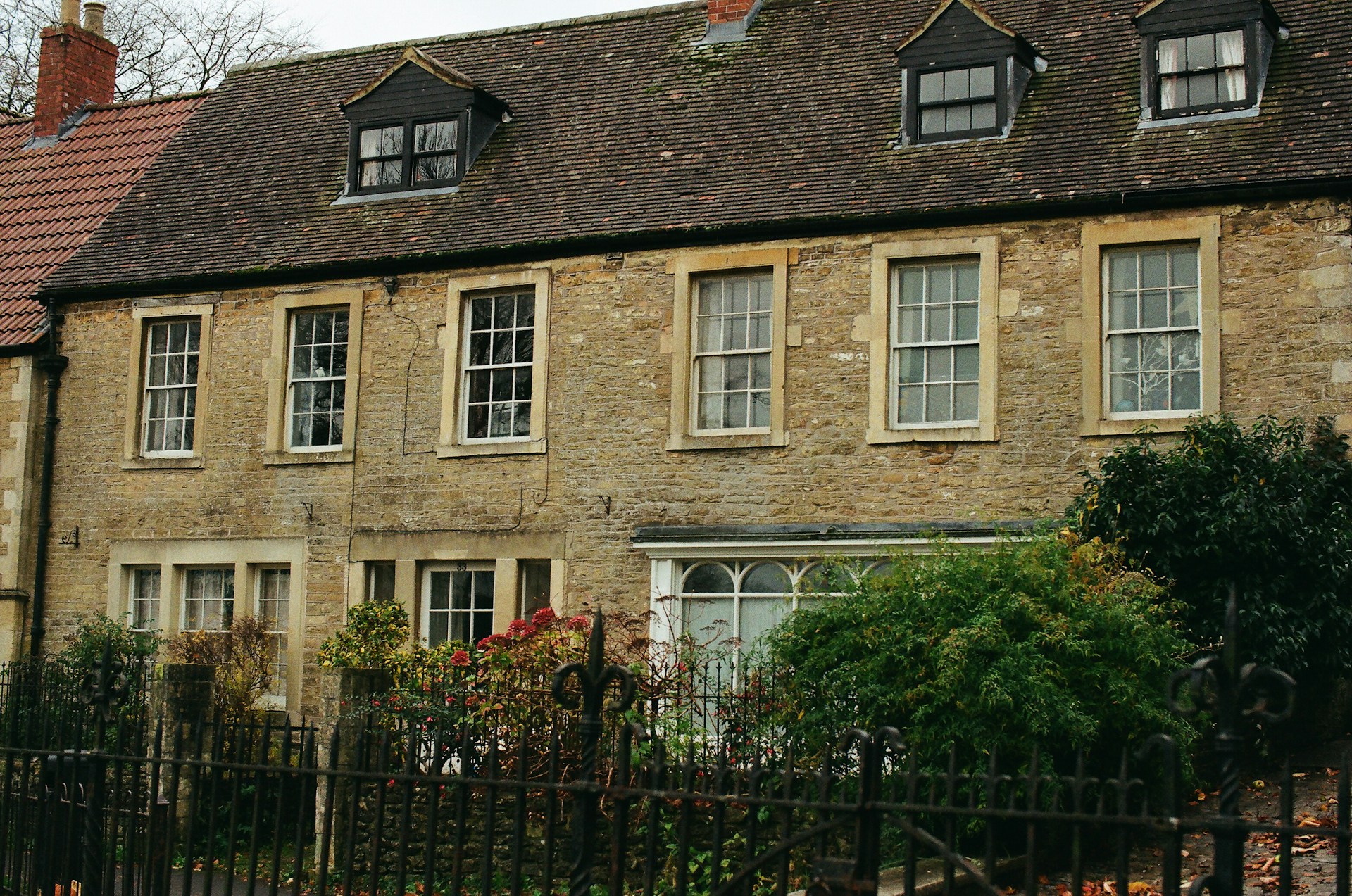
Classic homes across the United Kingdom continue to attract homeowners who value architectural heritage and timeless design. From Georgian terraces to Victorian townhouses, these properties reflect construction traditions that have shaped British residential architecture for centuries.
One of the most recognisable elements of these homes is the sash window, known for its elegant proportions and balanced appearance. When restoring or upgrading period properties, choosing the right window style is critical to maintaining authenticity.
Many conservation specialists and architects continue to recommend traditional sash windows because they preserve the visual identity of historic buildings while supporting modern expectations for comfort and performance.
The Architectural Role of Sash Windows in Period Homes
Sash windows became widely used in Britain during the Georgian period and remained a defining feature throughout the Victorian and Edwardian eras. Their vertically sliding design allowed larger panes of glass to be incorporated while maintaining symmetry across the building façade.
This design contributed significantly to the uniform appearance often seen in historic streets. Carefully spaced glazing bars, tall window openings, and balanced frame proportions all work together to create architectural harmony. Because of this, sash windows are often considered an essential feature of period properties.
In conservation areas, local planning guidance frequently encourages homeowners to retain traditional window designs where possible. Replacing original windows with unsuitable alternatives can alter the character of the property and affect the overall visual consistency of historic neighbourhoods.
Performance Benefits for Modern Living
Although sash windows are closely associated with historic architecture, they can still perform effectively in modern homes when designed using high-quality materials and construction techniques. Modern timber sash windows can incorporate double glazing and draught proofing to improve insulation and indoor comfort.
Timber is widely valued for its natural durability and thermal performance. When properly constructed and maintained, wooden sash windows can provide reliable performance for many years. Their structure allows tight-fitting frames that help reduce unwanted draughts while maintaining smooth operation.
Ventilation is another advantage of the traditional sliding design. Opening both the upper and lower sections allows warm air to escape while drawing cooler air into the room. This natural airflow was originally intended to improve comfort in historic homes and continues to provide practical benefits today.
Craftsmanship and the Importance of Joinery
Traditional sash windows rely heavily on skilled joinery. Unlike mass-produced alternatives, well-made timber windows require careful construction to achieve both durability and visual accuracy. Each component must be precisely shaped and assembled to maintain the correct proportions associated with period architecture.
Craftsmanship plays a key role in preserving authentic design details. Slim glazing bars, detailed mouldings, and balanced frames are all characteristic features of traditional sash windows. Achieving these elements requires experience in working with timber and understanding historic construction methods.
Well-executed joinery also ensures long-term functionality. Smooth sliding operation, stable frames, and secure fittings are all essential to the performance of sash windows in everyday use.
Preserving the Character of Period Properties
Maintaining architectural heritage requires careful consideration of materials and design. For homeowners working on historic buildings, windows are often one of the most visible features affecting the overall appearance of the property. Choosing well-designed timber sash windows helps preserve the historic character that defines many classic British homes.
Specialist joinery companies such as Todi & Boys focus on producing bespoke timber windows designed for period properties. Their work reflects the importance of combining traditional craftsmanship with modern glazing and performance standards so that historic homes retain their distinctive architectural character while remaining comfortable for modern living.