

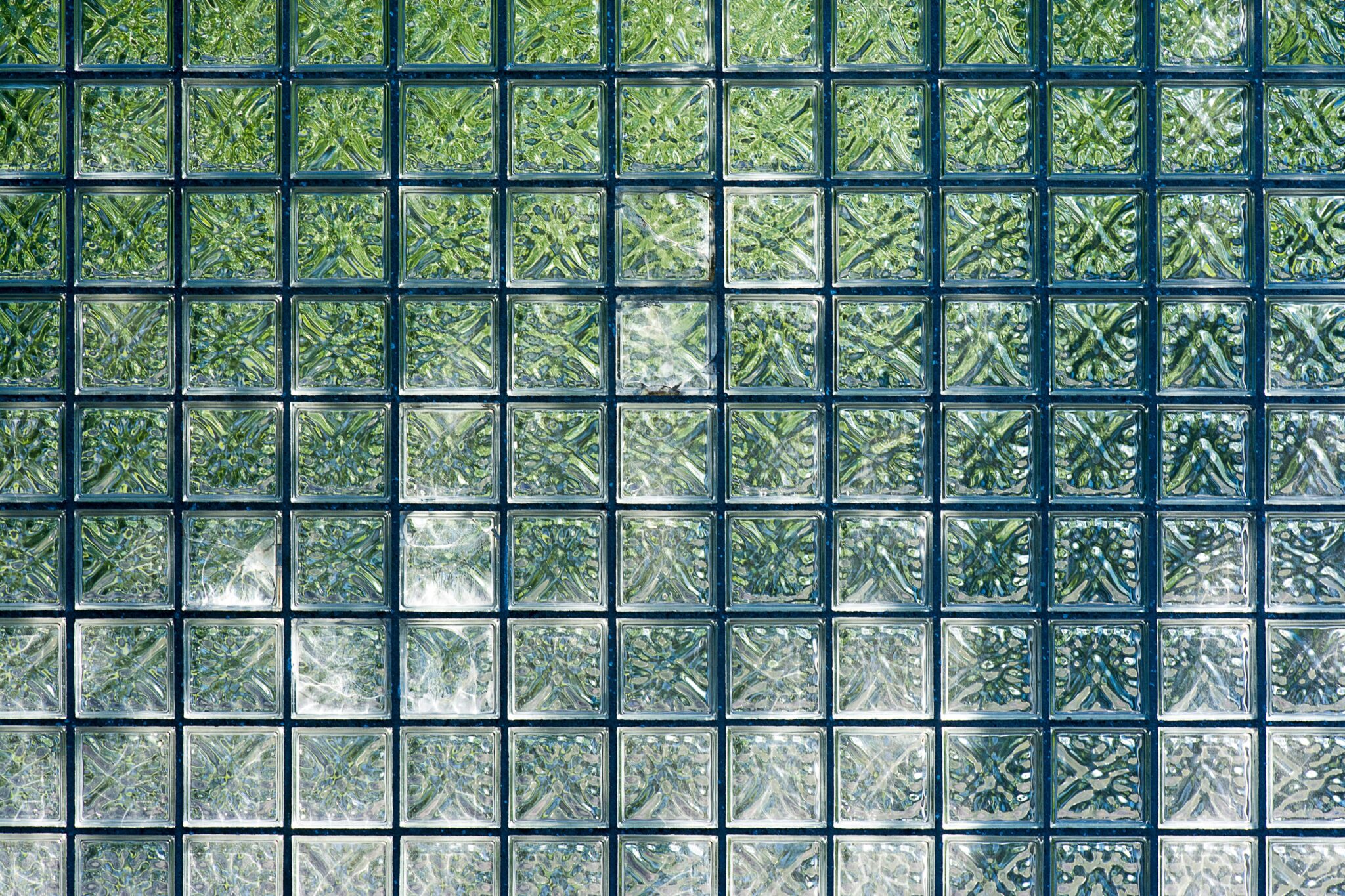
In modern architecture, the way we use materials can dramatically influence the look, feel, and functionality of a space. One material that has stood the test of time while offering both aesthetic appeal and practicality is glass block. From sleek contemporary offices to residential projects, glass block architecture brings a unique combination of natural light, privacy, and design versatility that few other materials can match.
What is Glass Block Architecture?
Glass block architecture refers to the use of glass blocks as a primary or accent material in building design. Unlike traditional windows or solid walls, glass blocks allow architects to play with light and space, creating environments that feel open yet private. Glass block architecture is not just about aesthetics; it’s a functional choice that provides structural durability, insulation, and privacy while enhancing natural lighting in a building.
Benefits of Glass Block Architecture
1. Enhanced Natural Light
One of the most celebrated aspects of glass block architecture is its ability to maximize natural light. Glass blocks can be used to create walls, partitions, or façades that allow sunlight to penetrate deep into interiors. This helps reduce the reliance on artificial lighting, creates a brighter atmosphere, and enhances energy efficiency in both residential and commercial projects.
2. Privacy and Security
Glass block provides a level of transparency that protects privacy without compromising light. In spaces such as bathrooms, offices, or entryways, glass block architecture allows for a visual barrier while still maintaining a sense of openness. Additionally, the thickness and durability of glass blocks add a layer of security compared to traditional glass panels.
3. Timeless Aesthetic Appeal
Glass block architecture can complement a variety of design styles. Whether integrated into minimalist modern buildings, mid-century modern homes, or even industrial interiors, glass blocks add a clean, elegant, and timeless look. Their
reflective and textured surfaces create visual interest, making them perfect for accent walls, staircases, or exterior façades.
4. Structural Durability
Beyond aesthetics, glass block architecture offers strength and long-lasting performance. Properly installed glass blocks are resistant to scratches, cracks, and weather elements, making them a sustainable choice for both interior and exterior architectural projects.
Creative Applications in Glass Block Architecture
The versatility of glass block architecture allows architects and designers to experiment in various ways:
- Interior Partitions: Glass blocks can define spaces without closing them off entirely. They are ideal for open-plan offices, studios, or homes, offering separation while maintaining light flow.
- Exterior Walls and Facades: Glass block architecture on building exteriors provides a striking visual statement while ensuring privacy and natural light inside. It’s perfect for modern commercial buildings or residential projects aiming for bold design.
- Bathrooms and Showers: Glass block walls in bathrooms offer privacy while creating a spa-like atmosphere. Their textured surfaces diffuse light beautifully, enhancing the ambiance of the space.
- Feature Walls and Accents: Using glass blocks as decorative elements, such as accent walls or stairway features, adds a unique architectural detail that draws attention and elevates the overall design.
Tips for Implementing Glass Block Architecture
- Choose the Right Texture: Frosted, patterned, or clear glass blocks create different light effects. Consider how much transparency and light diffusion your space requires.
- Consider Color and Finish: While clear glass is classic, colored or metallic finished blocks can create a distinctive visual impact.
- Plan for Installation: Glass block walls require precise installation to ensure stability and proper alignment. Hiring experienced professionals ensures both safety and aesthetic quality.
Conclusion
Glass block architecture represents the perfect union of form and function. Its ability to enhance natural light, maintain privacy, and add lasting beauty makes it a standout choice in modern design. From commercial buildings to residential interiors, glass block architecture continues to inspire architects and homeowners seeking innovative, durable, and stylish solutions. By incorporating glass blocks into your architectural plans, you’re not just building walls—you’re shaping spaces that are light-filled, secure, and visually compelling.