

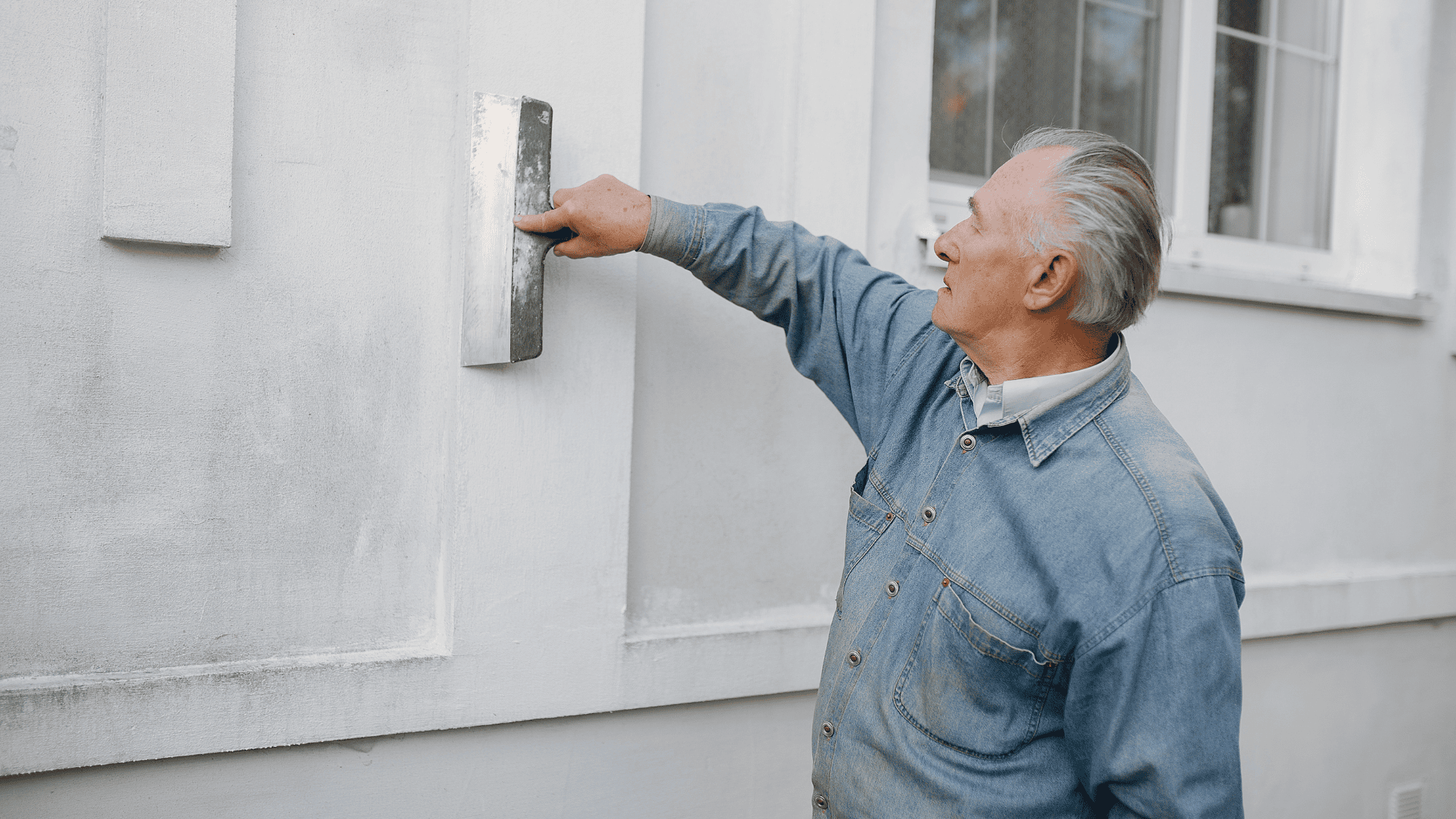
I always check the weather before I start painting outside because temperature plays a big role in how the paint turns out. If it is too cold, the paint may not dry well.
If it is too hot, it can dry too fast and leave marks. That is why getting the right temperature matters from the start.
Most paints work best in mild weather, usually between 50°F and 85°F. But it is not just about the daytime temperature.
I also look at humidity, sunlight, and even how cold it gets at night. All these things affect how well the paint sticks and dries.
In this guide, I will share the best temperature to paint outside, along with simple tips people use from real experience. I will also cover common mistakes so you can avoid problems and get a smooth, long-lasting finish.
Best Temperature to Paint Outside
Getting the temperature to paint outside right before starting can save time and reduce mistakes during the process. It also helps the paint dry evenly and last longer without peeling, cracking, or needing early touch-ups.
- The ideal temperature to paint outside is between 50°F and 85°F (10°C to 30°C). This range helps the paint dry steadily and adhere well to the surface, giving a clean, long-lasting finish.
- If the temperature drops below 50°F, paint dries very slowly. It can become thick, harder to apply, and may not bond well, which often leads to peeling or bubbles later.
- When the temperature exceeds 85°F, the paint dries too quickly. This can cause visible brush marks, cracks, and an uneven surface, especially when painting under direct sunlight.
- Most people agree that 60°F to 75°F is the best range. In this range, paint spreads smoothly, dries evenly, and produces a neat, professional-looking result.
What Happens if You Paint in the Wrong Temperature?
Painting at the wrong temperature can affect how the paint dries, how it sticks, and how it looks over time. Here’s how different conditions can impact your results.
1. Painting in Cold Weather
In cold weather, paint becomes thick and harder to spread evenly on the surface, which makes application more difficult.
Low temperatures slow down the drying process, so the paint stays wet for longer than expected. This can lead to uneven coverage, visible streaks, and weak bonding with the surface.
If the paint does not cure properly, it may start to peel, crack, or form bubbles over time, especially when temperatures drop further during the night after application and affect the drying process again.
2. Painting in Hot Weather
In hot weather, paint dries too quickly on the surface before it has time to level out properly. This fast drying often leads to visible brush marks, lap marks, and uneven coverage across the surface.
Direct sunlight increases surface temperatures, worsening the problem and making it harder to control. As a result, the paint may crack, blister, or appear patchy.
High heat can also reduce proper bonding, so the finish may wear out faster and need repainting or touch-ups sooner than expected.
3. Painting in Humid Conditions
High humidity adds moisture to the air, which affects how paint dries and sticks to the surface. The drying process slows, leaving the paint wet and sticky for longer.
This can lead to poor bonding and an uneven finish. Moisture in the air may also prevent the paint from curing properly.
In some cases, water can get trapped under the paint layer, leading to mold, mildew, or peeling, which reduces the durability and overall quality of the paint job.
What People Say About the Best Temperature for Painting Outside?
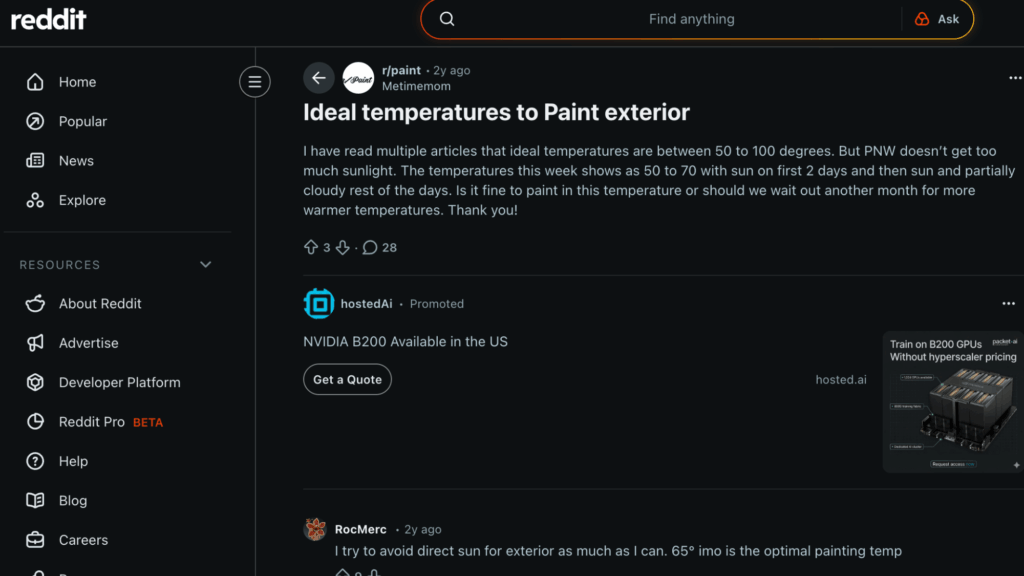
Reddit users often share simple and practical advice based on real painting work, and most agree that moderate temperatures are suitable for exterior painting.
In one discussion, a user asked if 50°F to 70°F weather in a low-sunlight area is good for painting.
Many replies confirmed that this range is fine, especially if you avoid direct sunlight. Some users mentioned that around 65°F works best for smooth and even results.
Others said the type of paint matters, so checking the product instructions is important. A few also pointed out that cooler seasons like fall can be better because paint dries more evenly, even if it takes longer.
Overall, the common opinion is that steady, mild weather with limited direct sun gives better results than waiting for hotter days.
You can also view and participate in the discussions here at Reddit.
Best Seasons to Paint Outside
Choosing the right season helps the paint dry better and last longer on the surface. Weather, such as heat, cold, and moisture, can affect the result, so here is what each season offers.
| Season | Conditions | Key Tips |
|---|---|---|
| Spring | Good balance of temperature and humidity | Watch for sudden rain and changing weather |
| Summer | Warm and suitable for painting | Avoid peak heat hours and paint early morning |
| Fall | Stable and mild weather | Helps paint dry evenly and gives better results |
| Winter | Cold and slow drying conditions | Not ideal unless using special cold-weather paint |
Tips to Get the Best Results
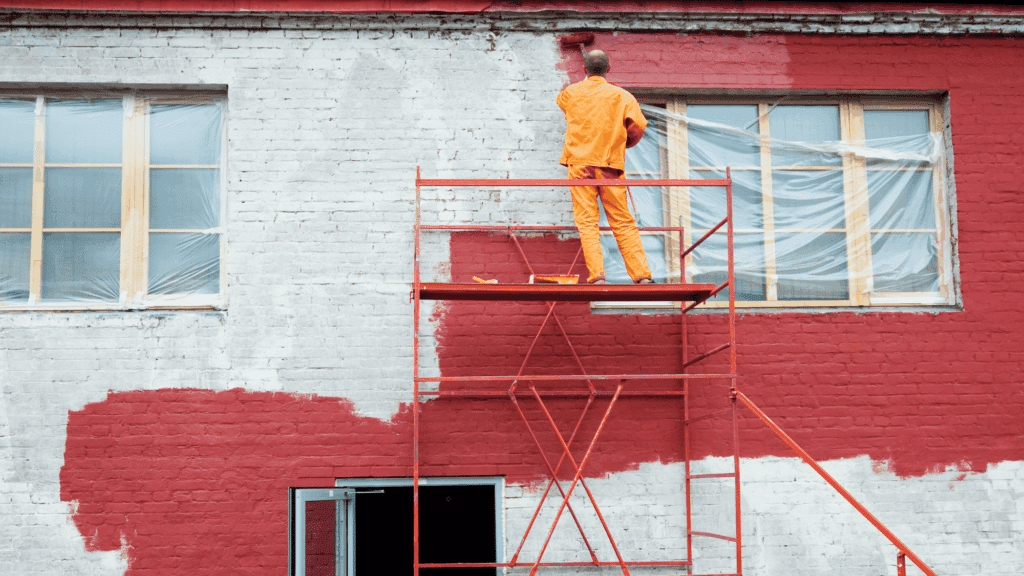
Taking a few simple steps and understanding the right temperature to paint outside can help the paint dry evenly and last longer. These tips also make the job easier and help avoid common issues during painting.
- Check Weather for 2–3 Days: Always check the forecast before starting your project. Stable weather for a few days helps the paint dry and cure properly.
- Paint on a Dry Surface: Make sure the surface is clean and completely dry before painting. Moisture can affect how well the paint sticks and dries.
- Avoid Windy Days: Wind can carry dust and dirt onto wet paint, causing a rough finish. It can also make the paint dry unevenly.
- Use Shade When Possible: Painting in shade helps control drying speed. It prevents the paint from drying too fast under direct sunlight.
- Follow Paint Instructions: Always read and follow the instructions on the paint label. Each product has specific temperature and application guidelines for best results.
Tools and Paint Types That Handle Temperature Better
Choosing the right type of paint can make a big difference when working in different weather conditions. Some paints handle temperature changes better and give more reliable results.
1. Latex Paint
Latex paint works best in mild temperatures and is widely used for exterior painting. It dries faster than other types, which helps reduce waiting time between coats.
This paint can handle small changes in temperature and humidity without major issues. It also spreads easily and gives a smooth finish when applied in the right conditions.
Because it dries quickly, it is less likely to attract dust or dirt during the drying process, making it a reliable option for most weather conditions.
2. Oil-Based Paint
Oil-based paint needs more stable temperature conditions to perform well. It takes longer to dry, which allows the paint to level out and create a smoother finish.
However, this slow drying time can be affected by cold or humid weather. If conditions are not right, the paint may stay sticky for too long.
It is best used when temperatures are steady, as this helps improve bonding, durability, and the overall quality of the final finish.
Quick Temperature Guide Table
I’ve found that checking the temperature before painting saves a lot of time and effort. Using a simple guide like this helps avoid mistakes and gives better results.
| Condition | Can You Paint? | Result |
|---|---|---|
| Below 50°F | No | Poor drying |
| 50–60°F | Risky | Slow drying |
| 60–75°F | Yes | Best results |
| 75–85°F | Yes | Good with care |
| Above 85°F | No | Uneven finish |
Common Mistakes to Avoid
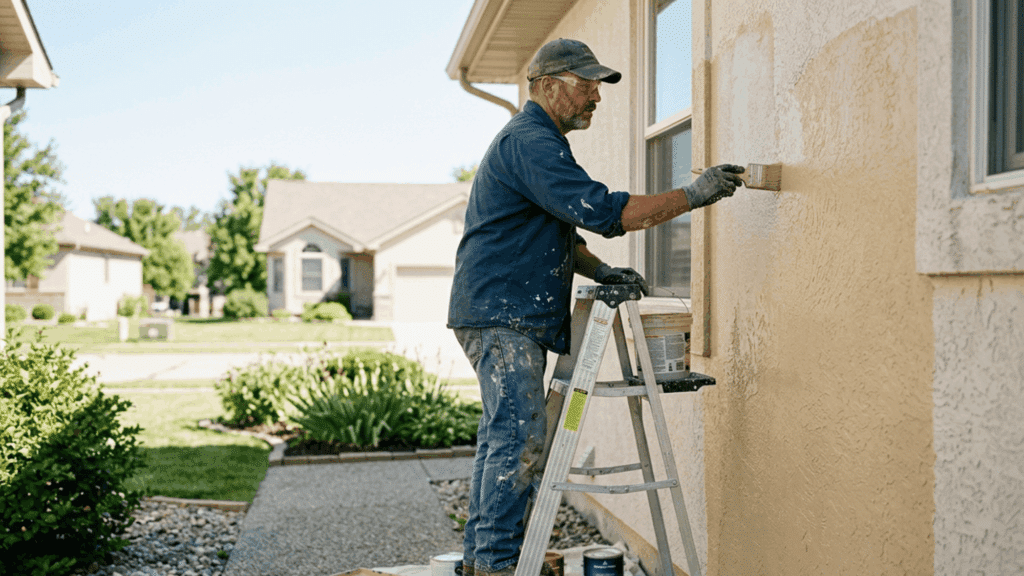
Avoiding simple mistakes can help your paint job last longer and look better. These common issues can affect drying, bonding, and the final finish.
- Painting Right Before Rain: Painting before rain can wash away fresh paint or ruin the finish. Always check the forecast to allow enough drying time.
- Ignoring Surface Temperature: The surface can be hotter or colder than the air. This affects how paint sticks and dries, so always check it before painting.
- Painting in Direct Sunlight: Direct sun causes paint to dry too fast, leading to marks and an uneven finish. Painting in shade gives better results.
- Not Checking Overnight Temperature: Low night temperatures can stop proper curing. This may lead to peeling or weak bonding later.
- Rushing the Drying Process: Applying coats too quickly can trap moisture and cause defects. Give enough time for each layer to dry properly.
Final Thoughts
I always plan outdoor painting around the temperature to paint first, since it directly affects how the paint dries and lasts over time.
Working in the right temperature range helps avoid common issues like peeling, cracking, or uneven finish. It also saves time since you do not have to fix mistakes later.
Sticking to mild weather, usually between 60°F and 75°F, gives the best results for most paints. It is also important to avoid direct sunlight, check humidity levels, and ensure temperatures remain stable even at night.
Small steps like these make a big difference in the final outcome. If you want a smooth and long-lasting paint job, always plan ahead and follow these simple tips.
Save this guide and use it before your next painting project to get better results every time.