

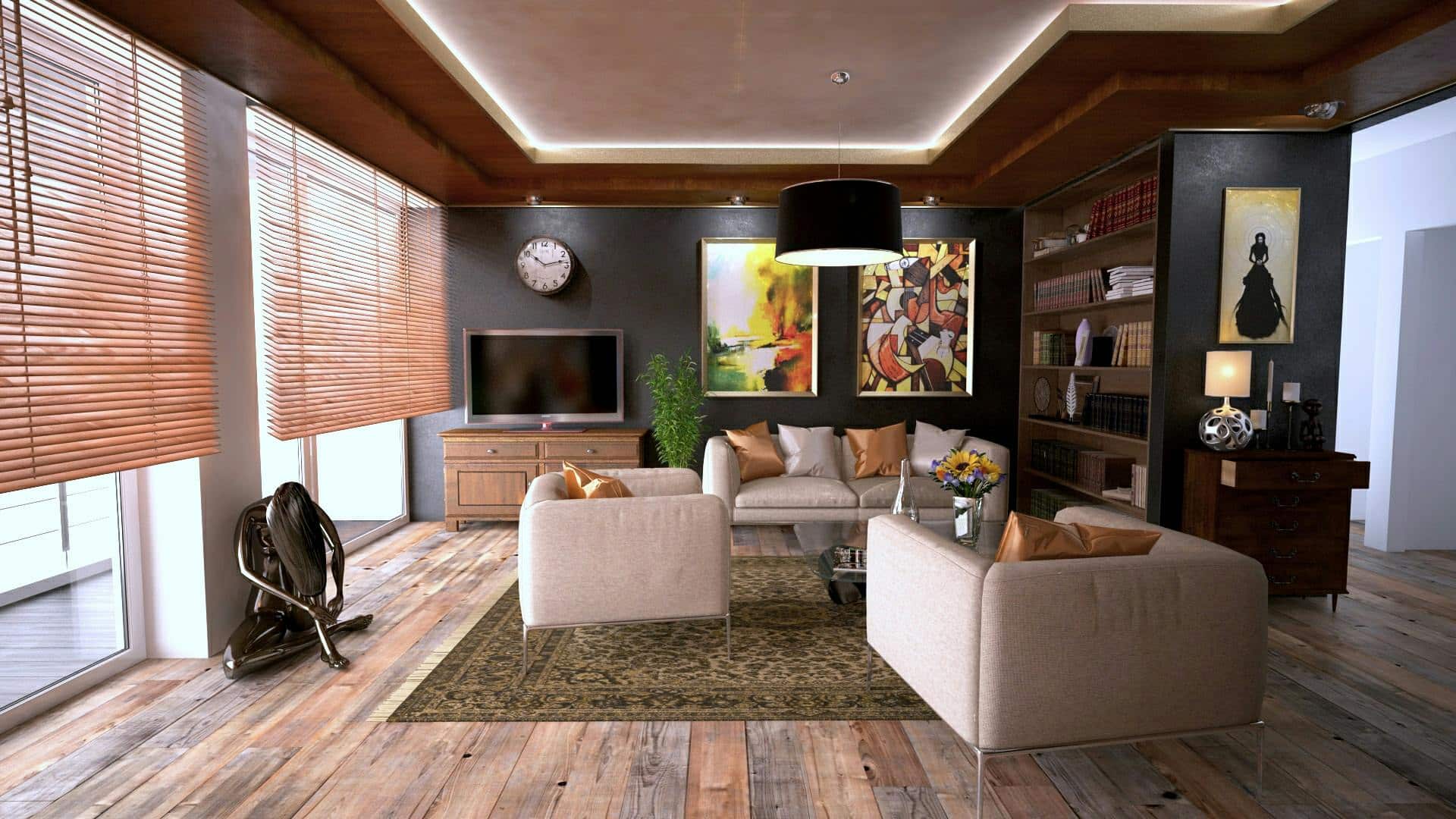
A living room tends to carry more pressure than any other space in the house. It hosts conversations, lazy weekends, last minute guests, and the occasional pile of laundry that never quite made it upstairs.
Yet the rooms that feel truly special rarely come from expensive renovations or dramatic overhauls. The difference usually lies in thoughtful decisions that build character one layer at a time. Designers who create those magazine worthy spaces often start with subtle adjustments, the kind that reshape the mood of a room without forcing you to start from scratch.
The goal is not perfection. It is a room that feels considered, welcoming, and slightly personal in a way that tells visitors someone actually lives there. With a few strategic moves, even a standard builder grade living room can begin to feel like a curated environment instead of a placeholder.
Start With A Strong Visual Anchor
Every memorable living room has something that quietly holds the space together. Sometimes it is a statement sofa with sculptural lines. Other times it is a vintage rug that adds depth and warmth underfoot. The anchor is not necessarily the most expensive item in the room, but it does establish a sense of direction.
Many designers recommend choosing one element that sets the tone before adding anything else. A richly textured rug can introduce color and pattern that guide every decision that follows. A striking coffee table might bring shape and contrast that balances the room. When the anchor is in place, the rest of the room starts to feel more intentional instead of scattered.
Scale plays an important role here. A rug that is too small or a coffee table that disappears visually will make the entire room feel hesitant. When the anchor is bold enough to ground the space, everything around it starts to make more sense.
Let Function Shape The Layout
One of the biggest mistakes people make when designing a new space is arranging furniture according to habit instead of lifestyle. The television often becomes the automatic focal point, even when it is rarely used. Designers tend to ask a simpler question first. What actually happens in this room most often.
If conversation and hosting take priority, furniture should face inward rather than lining the walls. If reading or relaxing is the focus, the room may benefit from a cozy corner chair with a nearby lamp and small table. Traffic flow matters too. Guests should be able to walk naturally through the space without weaving around furniture.
Small adjustments to layout can dramatically change how a room feels. Pulling seating slightly away from the walls often creates a more welcoming arrangement. Introducing a pair of chairs instead of a single one can instantly make the room feel balanced. These shifts require little effort but bring a sense of structure that elevates the entire space.
Mix Materials To Add Character
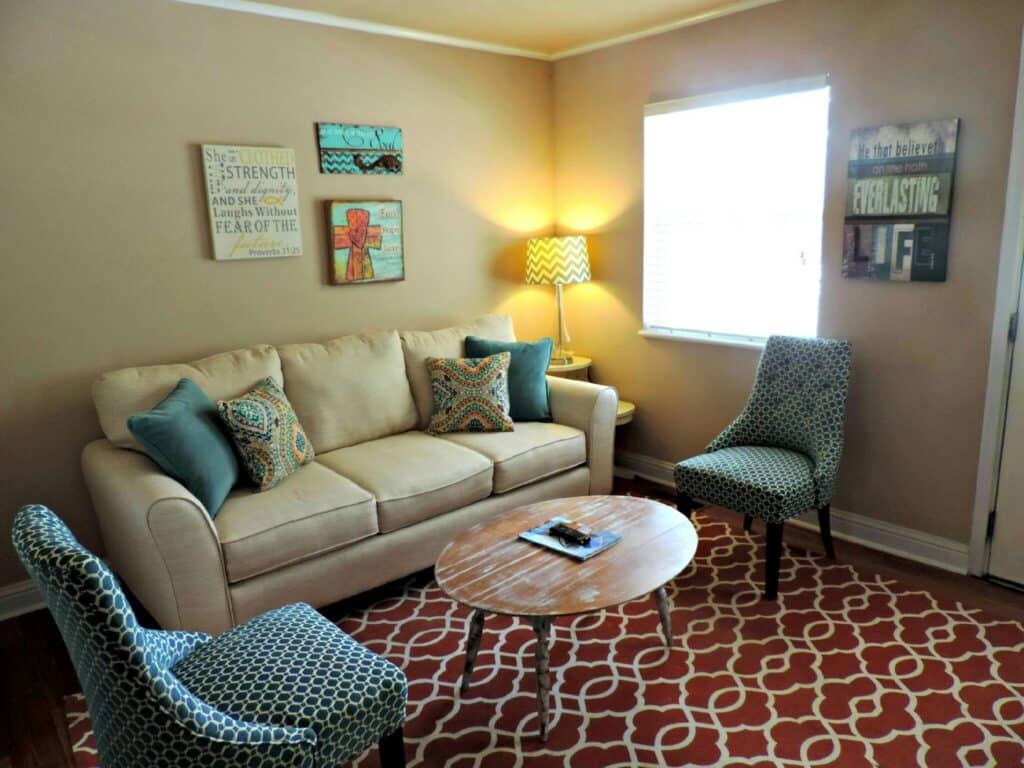
Rooms that feel flat usually rely on a single material palette. When everything leans toward one texture or finish, the space begins to look predictable. Designers often counter that by blending materials that create contrast and visual interest.
A leather chair paired with a soft linen sofa introduces subtle tension that feels inviting. Wood accents bring warmth against metal or glass pieces. Even small decorative objects can add texture that keeps the eye moving around the room.
Layering is the key idea here. A woven basket beside a polished side table or a chunky knit throw across a sleek sofa creates depth without clutter. The room begins to tell a story through materials rather than relying on bold colors alone. Over time these layers make the space feel lived in rather than staged.
Use Art To Personalize The Room
Wall art can completely change the personality of a living room. It often becomes the emotional center of the space, reflecting taste and individuality in ways furniture cannot. While framed prints are common, many designers are encouraging homeowners to look beyond traditional options.
Collectors are increasingly exploring original digital art for sale, which allows them to bring unique work into their homes without the price tag associated with gallery pieces. Digital works can be printed on high quality paper or canvas, offering flexibility in scale and style.
The key is choosing art that feels meaningful rather than purely decorative. A large piece above the sofa can anchor the entire wall, while smaller works grouped together create a gallery effect that feels curated. When art resonates personally, it adds an authenticity that no store bought decor can replicate.
Lighting Shapes The Mood Of The Room
Lighting is often treated as an afterthought, yet it has the power to transform a living room completely. Overhead lights alone rarely create the warm atmosphere people want when they relax at home. Designers usually build lighting in layers that serve different purposes throughout the day.
A floor lamp beside a reading chair adds intimacy and functionality. Table lamps soften the room during the evening hours. Even a small accent light highlighting artwork or a bookshelf can introduce subtle depth that changes how the entire room feels.
Warm bulbs tend to create a comfortable glow that encourages people to linger. When several light sources work together, the space feels adaptable rather than static. The room can shift easily from daytime brightness to evening comfort without any dramatic changes.
A Living Room That Feels Like Home
The most inviting living rooms rarely come from dramatic redesigns. Instead they evolve through thoughtful decisions that gradually build personality and warmth. A strong focal piece, an intentional layout, layered materials, meaningful art, and balanced lighting can transform a familiar room into something that feels distinctly personal.
When those elements work together, the space begins to feel less like a decorated room and more like a natural extension of the people who live there. That is the point where design stops being about aesthetics alone and starts becoming part of everyday life.