

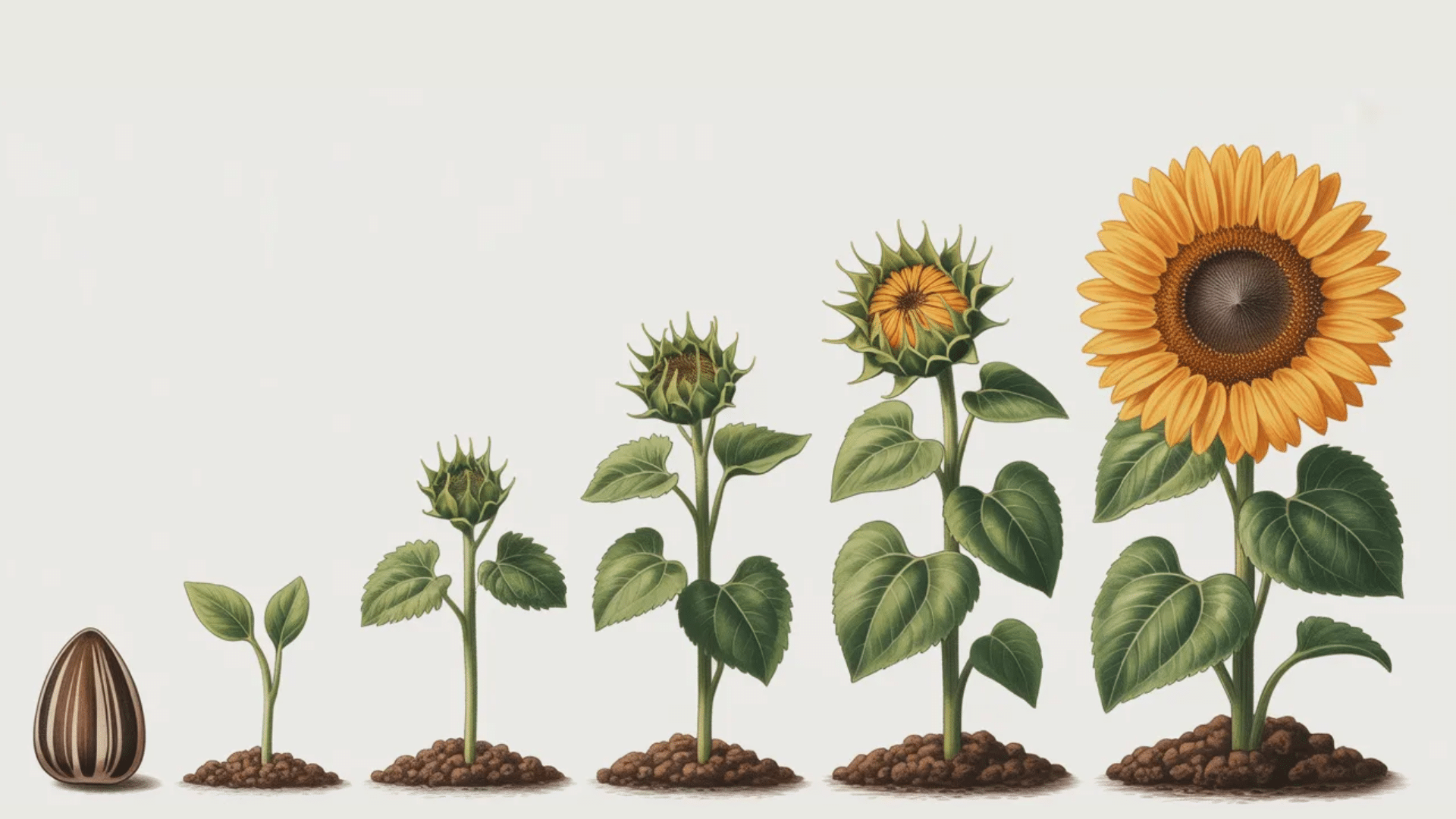
Planting sunflower seeds leads to tall, vibrant blooms in most home gardens.
These plants grow in full sun and well-draining soil, completing their cycle in 70-100 days.
If you are just starting or have grown sunflowers before, this article will help you know what to expect at each stage and how to care for your plants.
Sunflowers are easy to grow and require minimal care once you understand their needs.
Watching them grow from a small seed to a towering flower is a satisfying process.
With the right approach, you can enjoy beautiful sunflowers that brighten up your garden. This blog will cover everything from germination to flowering, with practical tips for a successful growing season.
By the end, you’ll feel more confident in growing sunflowers and enjoy watching them grow from the ground up.
Key Factors that Influence Sunflower Growth
From the type of soil to the amount of sunlight they receive, each element contributes to the plant’s overall growth and development. Understanding these key factors can help ensure successful sunflower cultivation.
- Sunlight: Sunflowers require full sun for at least 6 to 8 hours daily. Adequate sunlight helps them grow tall and produce large, vibrant blooms.
- Soil Type: Sunflowers prefer well-draining, fertile soil for optimal root development. Rich, slightly acidic to neutral soil ensures strong, healthy plants.
- Watering: Consistent watering, particularly during dry spells, is important for sunflower growth. However, overwatering should be avoided to prevent root rot and other issues.
- Temperature: Sunflowers grow best in warm temperatures, typically between 70-78°F (21-26°C). Extreme cold or frost can stunt their growth and damage the plants.
- Space: Proper spacing between sunflower plants is essential for good air circulation. This helps prevent disease and allows each plant to grow freely without competition.
What Are the Key Stages of Sunflower Growth?

Sunflower growth can be divided into distinct stages, each crucial for the plant’s development. Understanding these stages ensures proper care and maximizes the sunflower’s potential for a healthy, vibrant bloom.
1. Germination
Germination is the first stage of sunflower growth, where the seed absorbs water and begins to sprout.
The seed coat splits, and a small root pushes into the soil to anchor the plant.
Soon after, the stem breaks through the soil’s surface. This process typically takes 7-10 days. The sunflower needs warm soil and consistent moisture to germinate.
It’s important to avoid planting seeds too deeply, as this can hinder the sprouting process.
2. Seedling Development
In the seedling stage, the sunflower plant begins to develop its first true leaves, and the stem starts to grow taller.
The plant is still small, and most of its energy is focused on root establishment.
This is a delicate phase that requires a consistent water supply and plenty of sunlight to promote healthy growth. Seedlings should be kept free of weeds that may compete for nutrients.
At this stage, sunflowers benefit from light, well-draining soil to ensure strong early development.
3. Vegetative Growth
The vegetative growth stage is when the sunflower plant focuses on growing taller and developing more leaves.
During this phase, the sunflower also begins to store energy in its roots, which will be used for flowering.
The plant requires ample sunlight, water, and nutrients during this stage. If the sunflower is growing tall quickly, it may need support to prevent it from falling over.
Maintaining good soil quality is vital to ensure that the sunflower receives the nutrients it needs for continued healthy growth.
4. Budding
Budding marks the start of the flowering process. The sunflower plant forms small flower buds at the top of the stem, signaling that the bloom is about to emerge.
These buds gradually enlarge, becoming round and distinct.
During this stage, the sunflower needs extra care to ensure it has enough water and nutrients to support the development of the flower. Budding typically takes place about 50-70 days after planting.
This stage is an exciting sign that the sunflower is close to blooming.
5. Blooming
The blooming stage is when the sunflower fully opens, displaying its vibrant petals and large, attractive flower head. This is the final stage of sunflower growth.
The plant attracts pollinators, such as bees, which help fertilize the flowers and ensure seed production.
Blooming typically occurs 70-100 days after planting, depending on the variety and growing conditions.
The sunflower will continue to thrive in full sunlight during this stage and may last for several weeks, adding beauty to the garden before eventually fading.
Common Challenges in Sunflower Growth
Sunflowers can be a joy to grow, but they may face certain challenges that affect their health and growth. Addressing these issues early can help ensure a successful sunflower garden.
- Pest Infestations: Aphids, caterpillars, and other insects can damage sunflower leaves and stems, slowing growth.
- Disease Issues: Sunflowers are susceptible to fungal diseases such as powdery mildew and rust, which can weaken the plants.
- Poor Soil Drainage: Sunflowers need well-draining soil to prevent root rot, especially during heavy rains. If the soil retains too much moisture, it can lead to unhealthy roots and stunted growth.
- Weak Stems: Tall sunflowers can develop weak stems, making them prone to breaking in strong winds. Providing early support, such as staking or using cages, can help keep the stems strong.
- Nutrient Deficiencies: Lack of nutrients, particularly nitrogen, can lead to stunted growth and poor flowering. Regularly adding organic compost or using a balanced fertilizer ensures that sunflowers get the nutrients.
- Water Stress: Both overwatering and underwatering can stress sunflowers, affecting their overall health and bloom quality.
- Environmental Stress: Extreme temperatures, especially frost or excessive heat, can stunt growth or damage plants.
Sunflower Companion Plants for a Healthy Garden
Sunflower companion plants can enhance garden health by improving soil quality, deterring pests, and encouraging pollinators. Pairing sunflowers with the right plants also helps create a balanced and thriving garden ecosystem.
| Companion Plant | Benefit to Sunflowers |
| Basil | Repels pests like aphids and mosquitoes, improving sunflower health. |
| Marigolds | Help deter harmful insects like nematodes, aphids, and rabbits. |
| Lettuce | Grows well in the shade of sunflowers, conserving space and moisture. |
| Clover | Improves soil nitrogen levels, boosting sunflower growth and vitality. |
| Beans | Fix nitrogen in the soil, promoting healthy sunflower growth by enriching the soil. |
| Zinnias | Attract pollinators like bees and butterflies, which help with sunflower pollination. |
| Nasturtiums | Act as a trap crop for aphids, protecting sunflowers from damage. |
| Pumpkins | Their broad leaves provide shade, helping retain soil moisture for sunflowers. |
| Corn | Creates a natural windbreak for sunflowers, preventing them from toppling in strong winds. |
| Dill | Attracts beneficial insects, such as ladybugs, which help control pests that affect sunflowers. |
Practical Tips for Sunflower Growth Stages
Growing sunflowers requires understanding the needs of the plant at each stage. By following simple and practical tips, you can ensure healthy growth from seed to bloom.
- Provide adequate sunlight: Sunflowers thrive in full sun. Ensure they receive 6-8 hours of direct sunlight each day for optimal growth.
- Water properly: Keep the soil consistently moist, especially during germination and early growth, but avoid waterlogging to prevent root rot.
- Use nutrient-rich soil: Sunflowers prefer well-draining, fertile soil. Add compost or organic matter to improve soil quality for better growth.
- Space plants well: Ensure there is enough space between sunflowers to allow for proper air circulation and healthy growth.
- Monitor for common pests: Keep an eye out for aphids and caterpillars that may damage your sunflowers. Use natural pest control methods when necessary.
How to Attract Pollinators to Your Sunflowers?
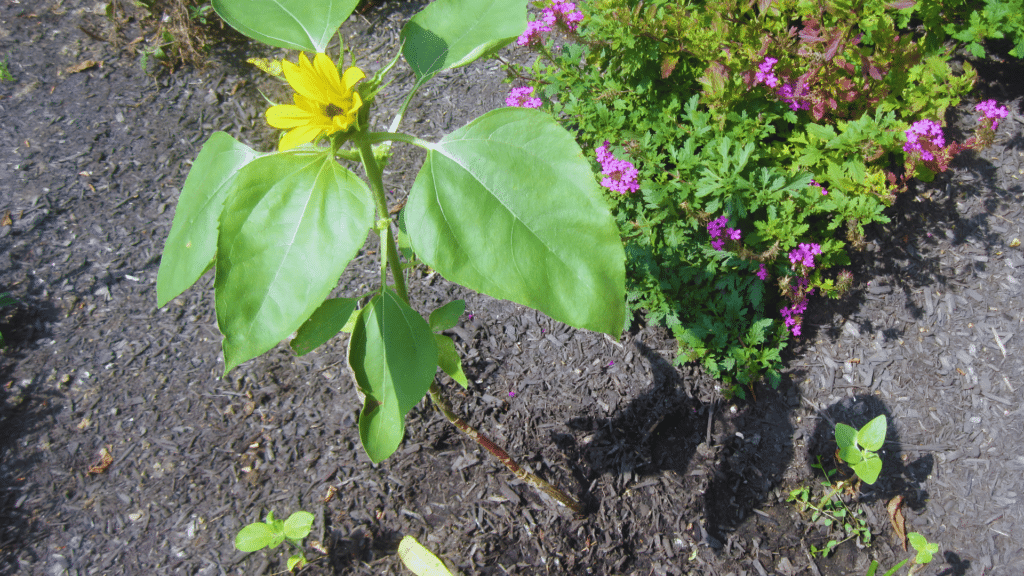
Plant sunflowers in a sunny spot and surround them with pollinator-friendly plants like lavender and marigolds to attract pollinators.
Sunflowers are naturally appealing to bees, butterflies, and birds due to their large, bright flowers. Avoid using pesticides, as they can harm these beneficial insects.
Planting sunflowers in clusters rather than just one or two makes the flowers more accessible to pollinators.
Additionally, providing a water source, such as a shallow dish with stones, will help attract bees and other pollinators.
Consider planting sunflowers in different bloom stages to provide a continuous food source. Pollinators will be drawn to your garden throughout the growing season.
A variety of plants will ensure your garden remains a welcoming spot for pollinators, fostering a diverse and growing ecosystem.
Conclusion
Growing sunflowers is a simple way to bring bright color and life to your garden. From planting the seed to seeing the flower open, each stage shows how quickly these plants grow and develop.
By knowing the growth stages, offering proper care, and addressing common challenges, you can grow healthy sunflowers.
Small steps like proper watering, good sunlight, and healthy soil make a big difference during each stage of growth.
If you are planting sunflowers for the first time or have grown them before, watching them rise tall in the garden is always satisfying.
Have you grown sunflowers? Share your experience, what worked, and what challenges you faced.
Share your tips and thoughts in the comments below to help other readers grow better sunflowers, too.