

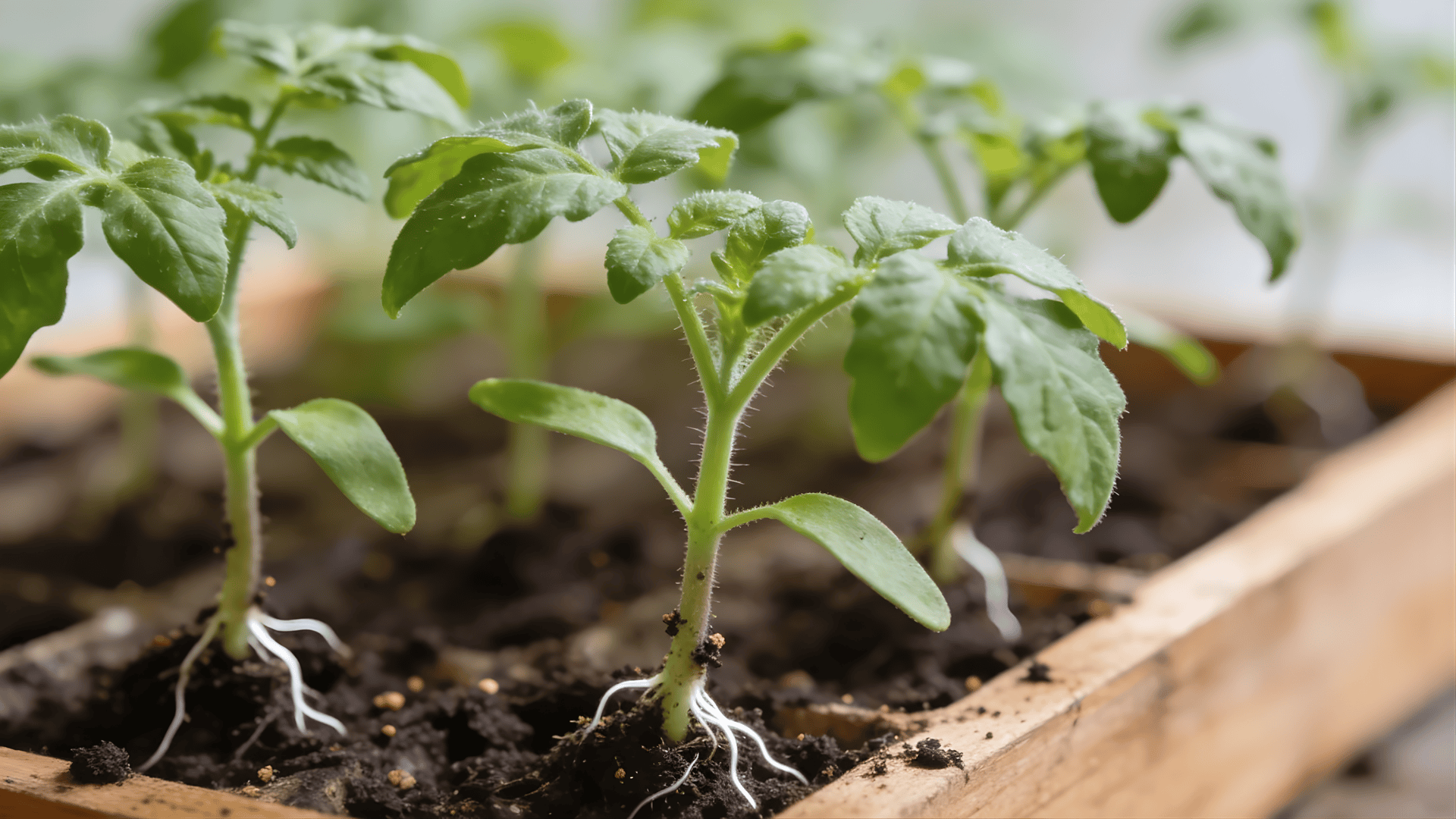
I still remember the first time I moved my tomato plants too early and watched them struggle.
That is when I learned timing matters more than anything. If you are wondering when to transplant tomato seedlings, you are in the right place.
In this guide, I will walk you through the right time to move your seedlings and how to do it without stress. You will learn the signs your plants are ready, the best temperature, and how to prepare them before moving.
We will also walk through simple steps for transplanting, watering, and caring for your plants once they have settled in.
By the end, you will feel more confident and avoid the mistakes that can slow growth or harm your tomato plants.
When to Transplant Tomato Seedlings?
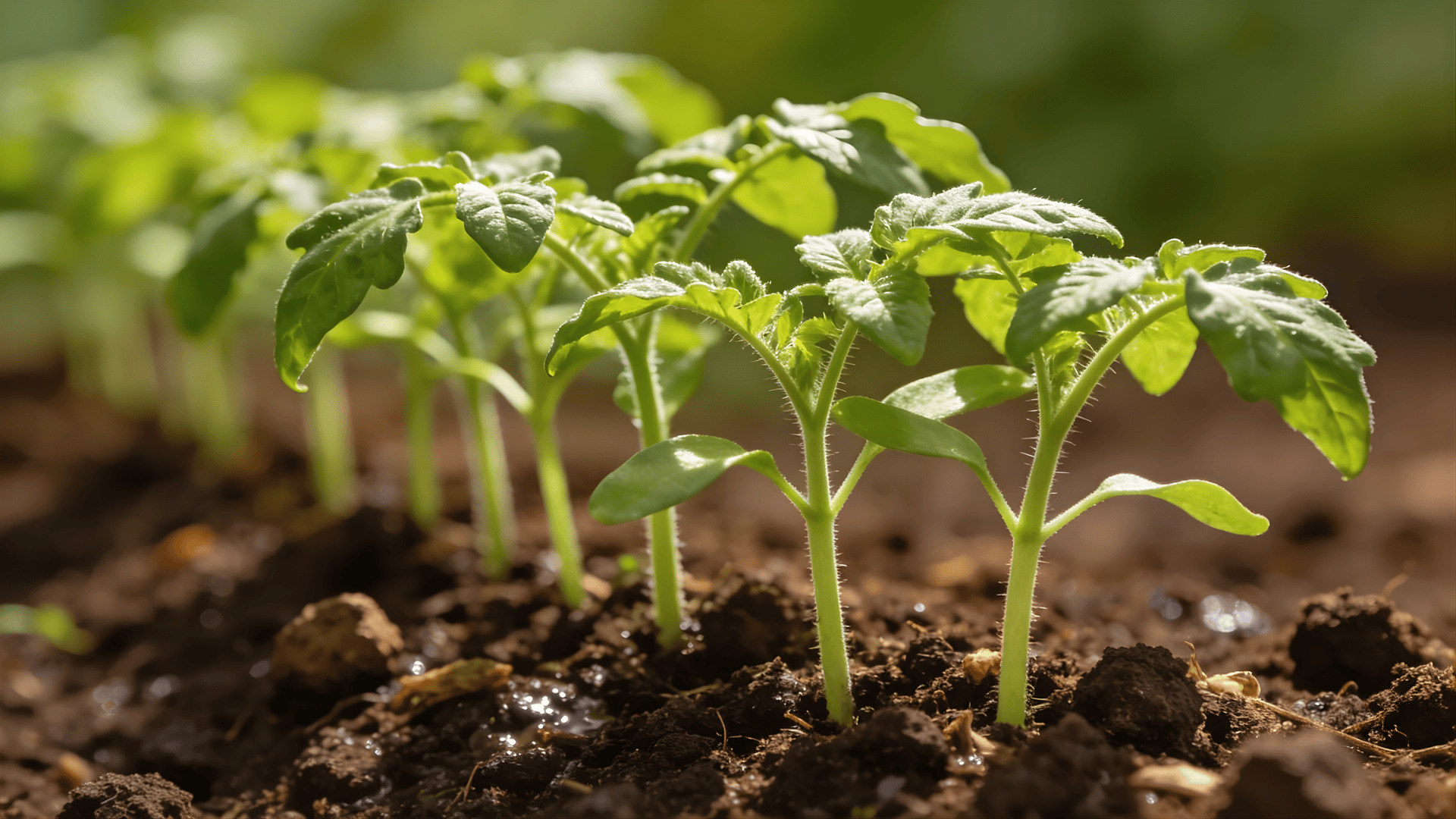
The best time to transplant tomato seedlings is after the last frost, when night temperatures remain above 50°F (10°C).
Your seedlings should be 6 to 8 inches tall and have at least 2 to 3 sets of true leaves before you move them.
I made the mistake of transplanting too early, and my plants struggled in the cold.
Since then, I have always checked the weather and soil before moving them. Warm soil and stable nights help roots settle faster and reduce shock.
If you rush this step, your seedlings may stop growing or get damaged. Waiting for the right time gives them a strong start.
I always look for steady warmth and healthy plant size before transplanting, and that small wait makes a big difference in how well the tomatoes grow later.
Transplant Timing by USDA Zone
The exact right time to transplant outdoors varies significantly depending on where you live in the United States. Here is a practical regional guide based on average last frost dates:
- Zone 4–5 (Minnesota, Wisconsin, Michigan, Maine): Last frost hits mid-May. Transplant outdoors late May to early June for best growing results.
- Zone 6 (Pennsylvania, Ohio, Missouri, Kansas): Expect last frost late April to early May. Move plants outside from mid to late May.
- Zone 7 (Virginia, Tennessee, Oklahoma, Oregon Coast): Frost ends mid-April. Safe transplant window runs from late April through mid-May for healthy plant growth.
- Zone 8 (Georgia, Alabama, Pacific Northwest, North Texas): Last frost arrives mid-March. Transplant outdoors from late March through April for strong early growth.
- Zone 9 (North Florida, Louisiana, Central California): Frost risk ends late February. The ideal transplant time for warm-season crops is March through early April.
- Zone 10–11 (South Florida, Hawaii, Southern California): No frost risk. Transplant from February to March; fall planting is also possible in warm climates.
Tomato Seedling Growth Timeline and Stages
Tomato seedlings grow in clear stages, and each stage has the right time for transplanting or care. Knowing this timeline helps avoid early or late transplant mistakes.
| Time After Planting | Seedling Stage | What Happens |
| 0 to 7 days | Germination stage | Seeds sprout, and first small leaves (cotyledons) appear |
| 1 to 2 weeks | Early seedling stage | First true leaves start forming after the cotyledons |
| 2 to 3 weeks | Ready for first transplant | True leaves develop, and roots begin expanding in cells |
| 3 to 4 weeks | Strong seedling stage | Plants grow taller with thicker stems and more leaves |
| 4 to 6 weeks | Pre-transplant stage | Seedlings reach 6 to 8 inches and become stable |
| 6 to 8 weeks | Outdoor transplant stage | Plants are ready for the garden after hardening off |
| 7 to 14 days after transplant | Adjustment stage | Roots settle, and the plant adapts to a new environment |
| 2+ weeks after transplant | Active growth stage | New leaves and steady upward growth begin |
Signs Tomato Seedlings Are Ready to Move
Tomato seedlings give clear signs when they are ready for transplanting. Watching these signs helps reduce shock and supports steady growth.
- Height: Seedlings are 6 to 8 inches tall and look strong, not small or weak for their stage
- True leaves: Have 2 to 3 sets of true leaves, showing the plant has moved past early growth
- Stem strength: Stems look thick and firm, not thin or bending when lightly touched
- Root growth: Roots start filling the container and may show at the bottom holes
- Leaf color: Leaves appear deep green and healthy, with no yellow or dry spots
- Growth rate: Growth looks steady and active, not slow or paused for many days
- Plant health: No signs of pests or disease that could harm the plant after moving
- Water use: Soil dries out faster than before, showing roots are using more water
- Stability: Plants stay upright on their own without needing support
Pro tip from experience: I always do what I call a “tray lift test”; gently lift a cell tray and look through the drainage holes. If you see a dense mat of white roots trying to escape, the plant is telling you it needs more room right now.
Best Temperature for Transplanting Tomatoes
Temperature is the single most important environmental variable. Here is the full picture:
| Temperature Type | Ideal Range | What Happens Outside This Range |
|---|---|---|
| Daytime air temp | 65°F – 85°F (18°C – 29°C) | Below: stunted growth. Above 90°F: wilting, shock |
| Nighttime air temp | Above 50°F (10°C) | Cold nights below 50°F slow growth, risk of blossom problems |
| Soil temperature | At least 60°F (15°C) | Cold soil blocks nutrient uptake, and roots cannot grow efficiently |
Pro Tip
Soil temperature matters as much as air temperature, maybe more. Use an inexpensive soil thermometer and measure 2–3 inches deep in the morning for the most accurate reading.
After nine years of seasonal planting, the single biggest lesson I can pass on is this: respect the soil temperature as much as the air temperature. Plants in cold soil are just surviving, not growing.
How to Harden Off and Transplant Tomato Seedlings?
Tomato seedlings need time to adjust before transplanting to avoid shock. Following the right steps helps roots grow strong, and plants settle faster in new soil.
1. Prepare Moist Soil Before Transplanting Tomato Seedlings
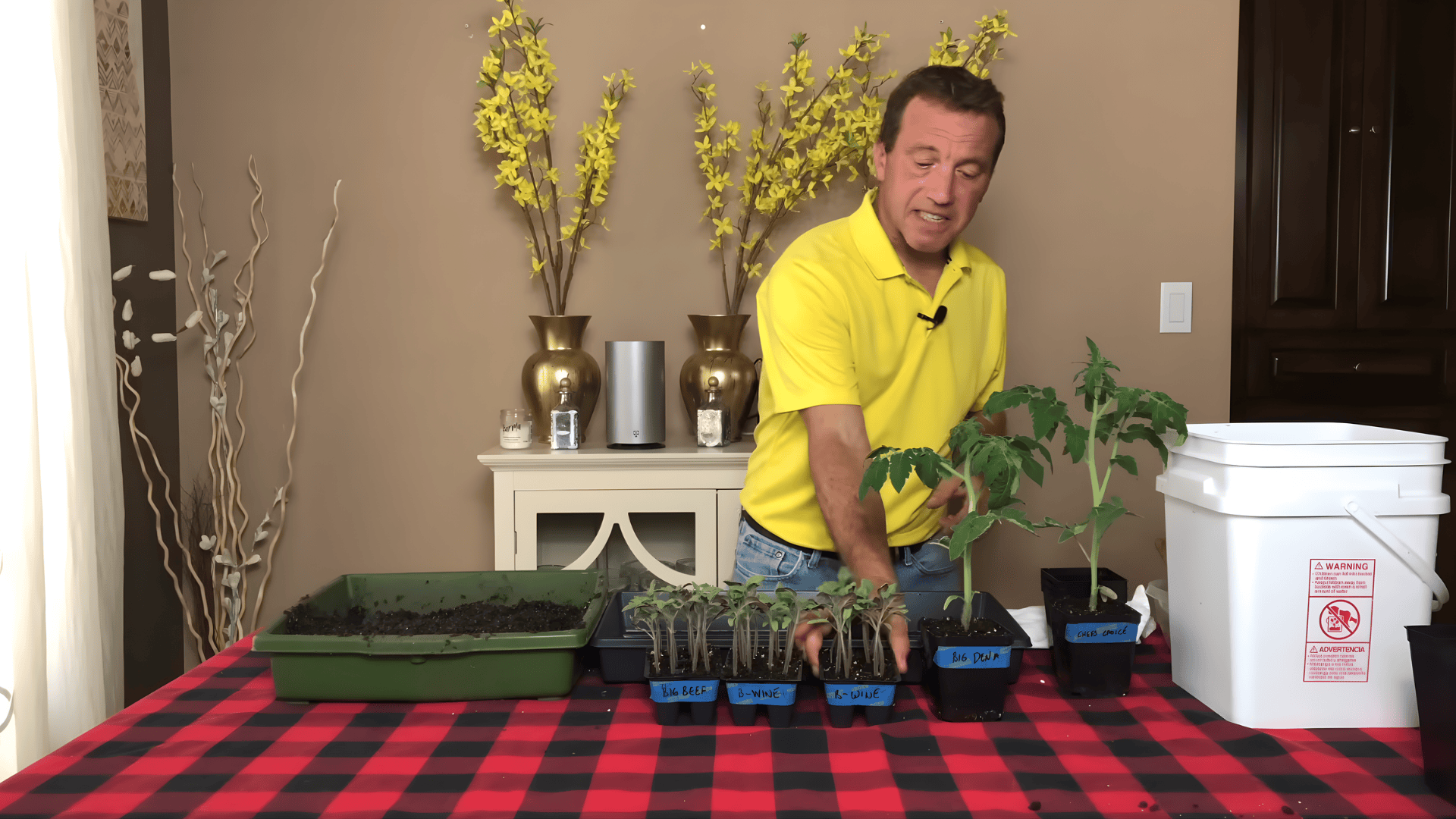
Start with good-quality potting soil that is slightly moist, not dry. Dry soil can stress the roots and slow growth after transplanting.
Fill your container with soil and gently tap it to level the surface, but do not press it down too hard. Loose soil helps roots spread easily and grow deeper.
Make sure the container has enough space so roots can expand over time without becoming crowded or restricted during early growth stages.
2. Make a Deep Hole Based on The Seedling Height
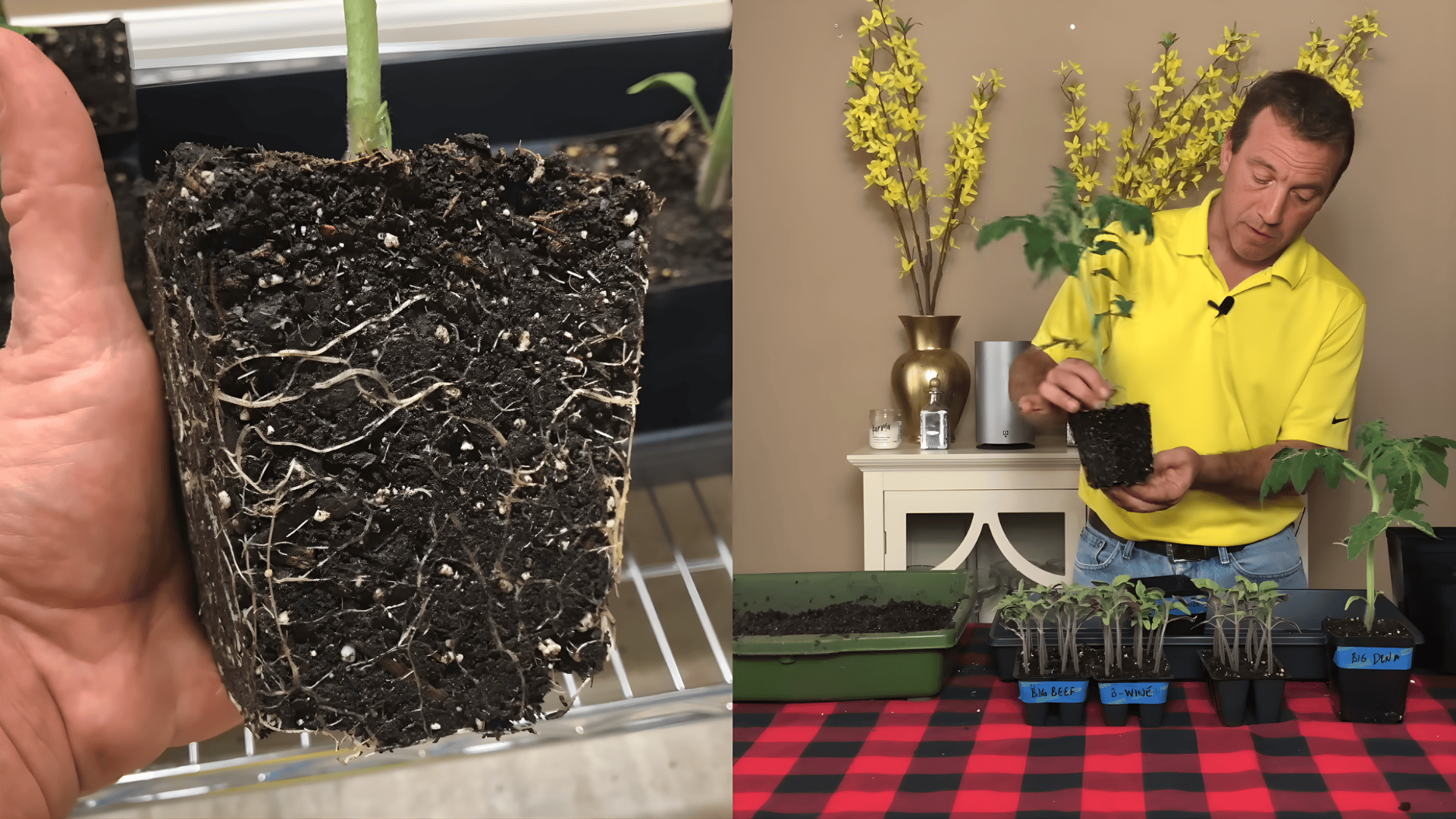
Create a hole deep enough to bury most of the tomato seedling’s stem, leaving some space at the bottom. This helps roots grow both downward and along the buried stem.
Tomato plants form extra roots on buried stems, which makes them stronger. A deeper hole improves support and nutrient uptake.
This step is important because it helps the plant build a strong base before it starts rapid growth in the new container.
3. Gently Separate Multiple Seedlings from One Cell
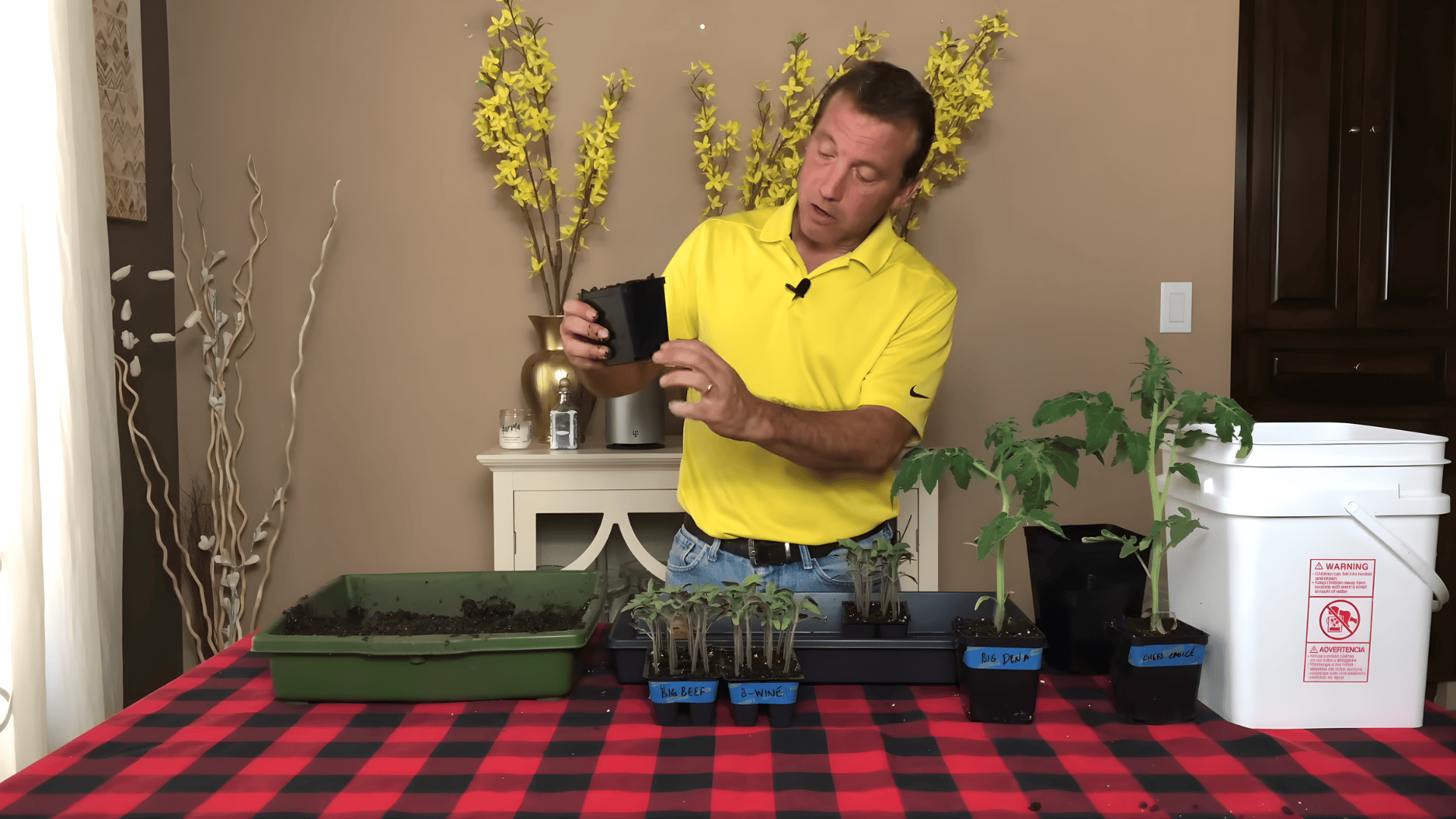
If more than one seedling is growing in the same cell, carefully separate them before transplanting. Hold the base gently and pull it apart slowly.
Some root disturbance is normal and usually does not harm tomato plants. Each seedling needs its own space to grow well.
Separating them early prevents crowding and allows each plant to receive enough water, nutrients, and light in the new container for steady, healthy development.
4. Place the Seedling Deep and Keep the Top Leaves Above
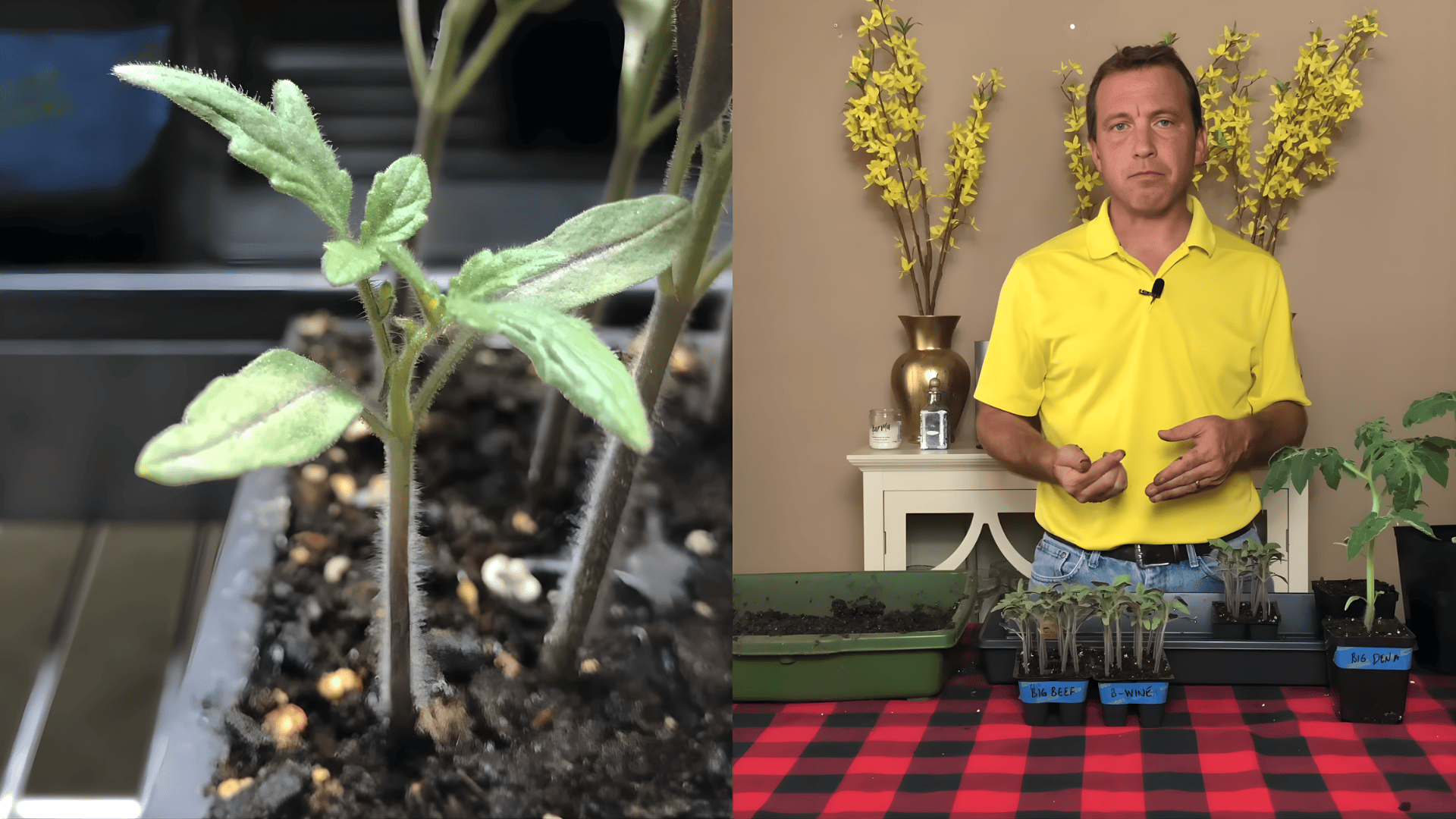
Place the seedling into the hole and set it deep so most of the stem is covered with soil. Only the top leaves should stay above the surface.
This helps the buried stem grow extra roots, making the plant stronger and more stable. Keep the plant upright and centered as you place it.
A deep planting position supports better growth and helps reduce stress after transplanting into a new container.
5. Fill the Soil Around the Plant and Press Lightly
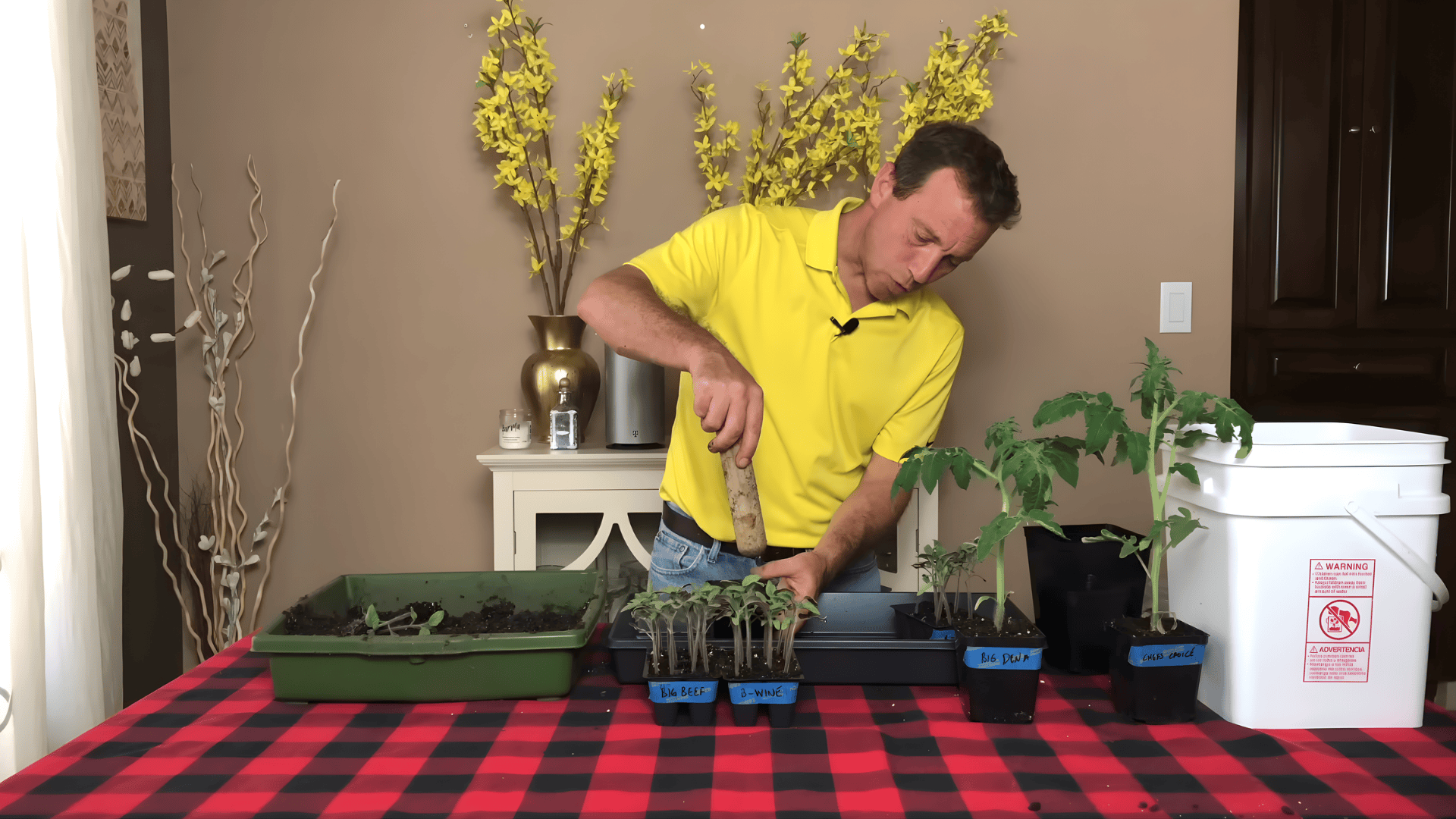
After placing the seedling, gently fill the soil around it until the container is full. Keep the soil level near the top but not overflowing.
Lightly press the soil to hold the plant in place without compacting it. This keeps the plant stable while still allowing air and water to reach the roots.
Proper soil placement helps the seedling settle quickly and supports steady growth after transplanting.
6. Leave Bottom Space for Healthy Root Expansion
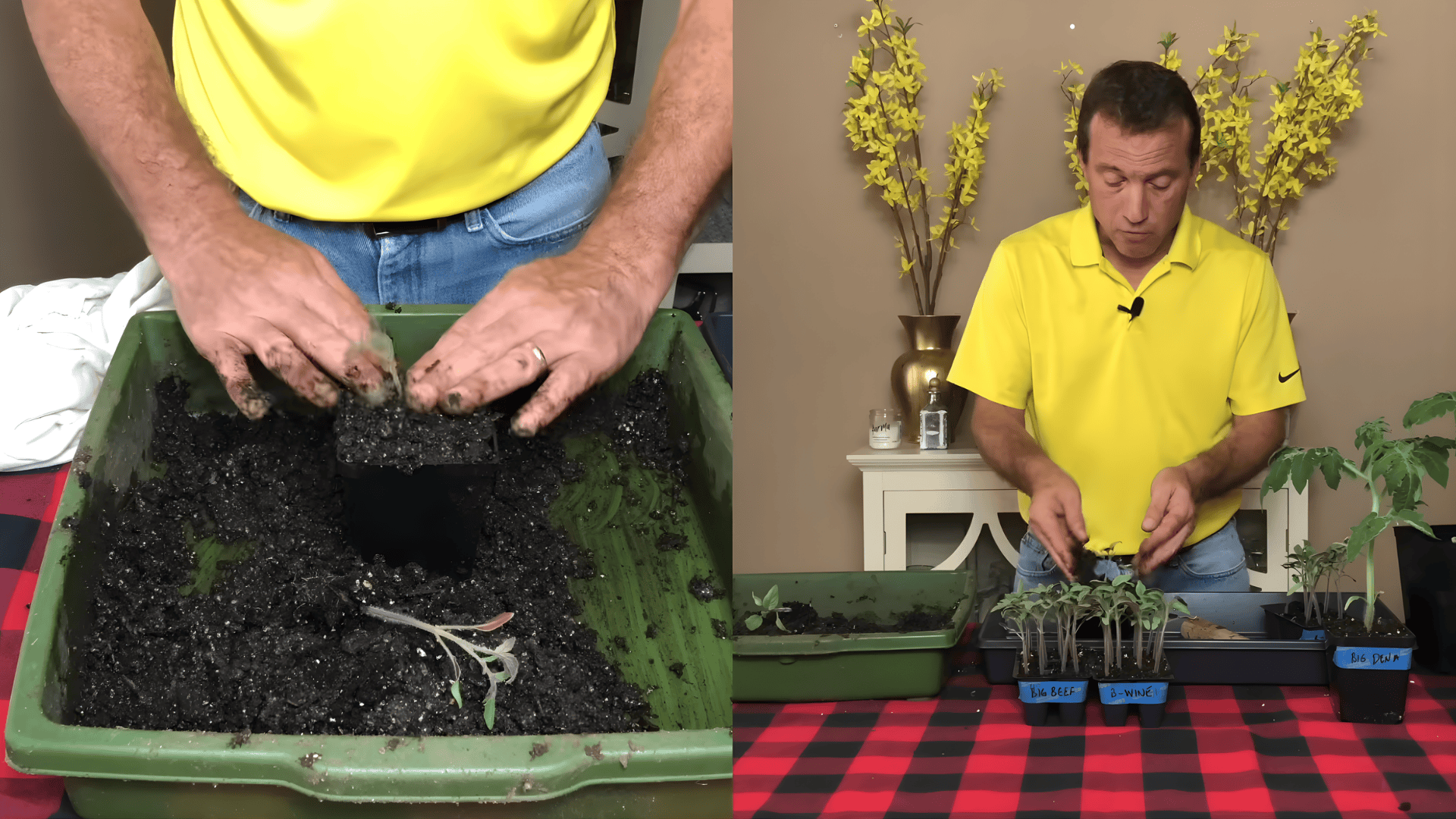
While planting deep, make sure some space is left at the bottom of the container for roots to grow downward.
This helps the plant develop both new roots along the stem and strong roots below. Giving roots enough room improves overall plant strength.
It also helps the seedling adjust more quickly after transplanting and supports healthy growth as the plant continues to develop in its new environment.
The original video was created by Riley’s Garden. You can visit their YouTube channel to watch the full video or view it below.
Indoor vs Outdoor Transplant Timing
Tomato seedlings follow different timing rules depending on where they are moved. Understanding both helps prevent stress and supports healthy growth.
| Factor | Indoor Transplant | Outdoor Transplant |
| Timing | 1 to 3 weeks after germination | After the last frost date |
| Temperature | Controlled and stable | Nights above 50°F (10°C) |
| Plant Stage | First true leaves appear | 6 to 8 inches tall with strong stems |
| Risk Level | Low-risk environment | Weather, wind, and cold risk |
| Hardening Off | Not required | Needed 7 to 10 days before moving |
| Soil Condition | Potting mix in containers | Warm garden soil above 60°F (15°C) |
| Adjustment Speed | Faster recovery | Slower due to environmental change |
| Monitoring | Easy to control the light and water | Requires regular weather checks |
Best Soil for Tomato Seedlings After Transplant
Tomato seedlings grow best in loose, well-draining soil that holds moisture without becoming soggy.
A reliable option is Miracle-Gro Potting Mix, which already contains nutrients and supports early growth. You can also use FoxFarm Ocean Forest Potting Soil, known for its rich organic content and good drainage.
In my professional work managing large seasonal beds, I typically blend a quality bagged mix with about 20–25% mature compost by volume.
This improves both moisture retention and microbial activity without sacrificing drainage. Avoid going above 30% compost; overly rich mixes can burn tender seedling roots.
A soil pH between 6.0 and 6.8 is ideal for tomatoes.
If you have never tested your garden soil, a basic pH test kit (under $15) is worth the investment; soil that is too acidic or too alkaline blocks nutrient uptake even when fertility is high.
Your local Cooperative Extension office can also do a full soil test for a small fee and give region-specific amendment recommendations.
Watering Tips After Transplanting Tomatoes
Proper watering helps tomato seedlings settle in more quickly after transplanting. Too much or too little water can stress the plant and slow growth.
- Water deeply after transplant: Give a slow, deep watering right after planting to help roots settle into the soil
- Keep soil slightly moist: Soil should stay damp but not soggy to avoid root rot
- Water at the base: Always water near the roots, not on leaves, to prevent disease
- Check soil before watering: Only water when the top inch of soil feels dry
- Avoid daily overwatering: Too much water can weaken roots and slow plant growth
- Use morning watering time: Water early so plants can absorb moisture before the heat builds up
- Adjust for weather: Water more on hot days and less on cool or cloudy days
- Use mulch if possible: Mulch helps keep moisture in the soil and reduces watering needs
One thing I tell every home gardener I work with: Mulching is not optional. I have seen side-by-side beds where the only difference was mulch, and the mulched plants consistently produced better fruit with fewer watering problems.
Common Mistakes to Avoid When Transplanting
Many problems during transplanting come from small mistakes that are easy to fix. Knowing these helps tomato seedlings grow strong without stress.
| Mistake | How to Fix It |
| Transplanting too early | Wait until after the last frost and stable warm temperatures |
| Using dry soil | Always use slightly moist soil before planting |
| Planting too shallow | Bury most of the stem to help the roots grow stronger |
| Overwatering after transplant | Keep soil moist, not soggy, and check before watering |
| Damaging roots while separating | Handle seedlings gently and avoid pulling too hard |
| Using poor-quality soil | Use a well-draining potting mix with organic matter |
| Not hardening off seedlings | Gradually expose plants to outdoor conditions before transplant |
| Crowding plants too close together | Give each plant enough space for root and leaf growth |
| Transplanting in strong sun | Choose evening or cloudy weather to reduce stress |
How Long do Tomato Seedlings Take to Adjust?
Tomato seedlings usually take about 7 to 14 days to adjust after transplanting. During this time, the plant focuses on root growth rather than new leaves, so visible above-ground progress will be slow.
It is normal to see slight drooping at first; this is transplant shock, and it typically passes within a few days as roots make contact with new soil.
Proper care during this period speeds recovery. Keep the soil slightly moist, provide at least 6 to 8 hours of direct sunlight, and avoid sudden temperature swings.
If a late cold snap is forecast in the first two weeks after transplanting, cover plants overnight with a floating row cover or an old bedsheet. Even a light frost can significantly set back a newly transplanted seedling.
New leaf growth is your clearest signal that the plant has established itself. Once you see upward growth resuming, the hardest part is over.
How to Care for Tomato Seedlings After Moving?
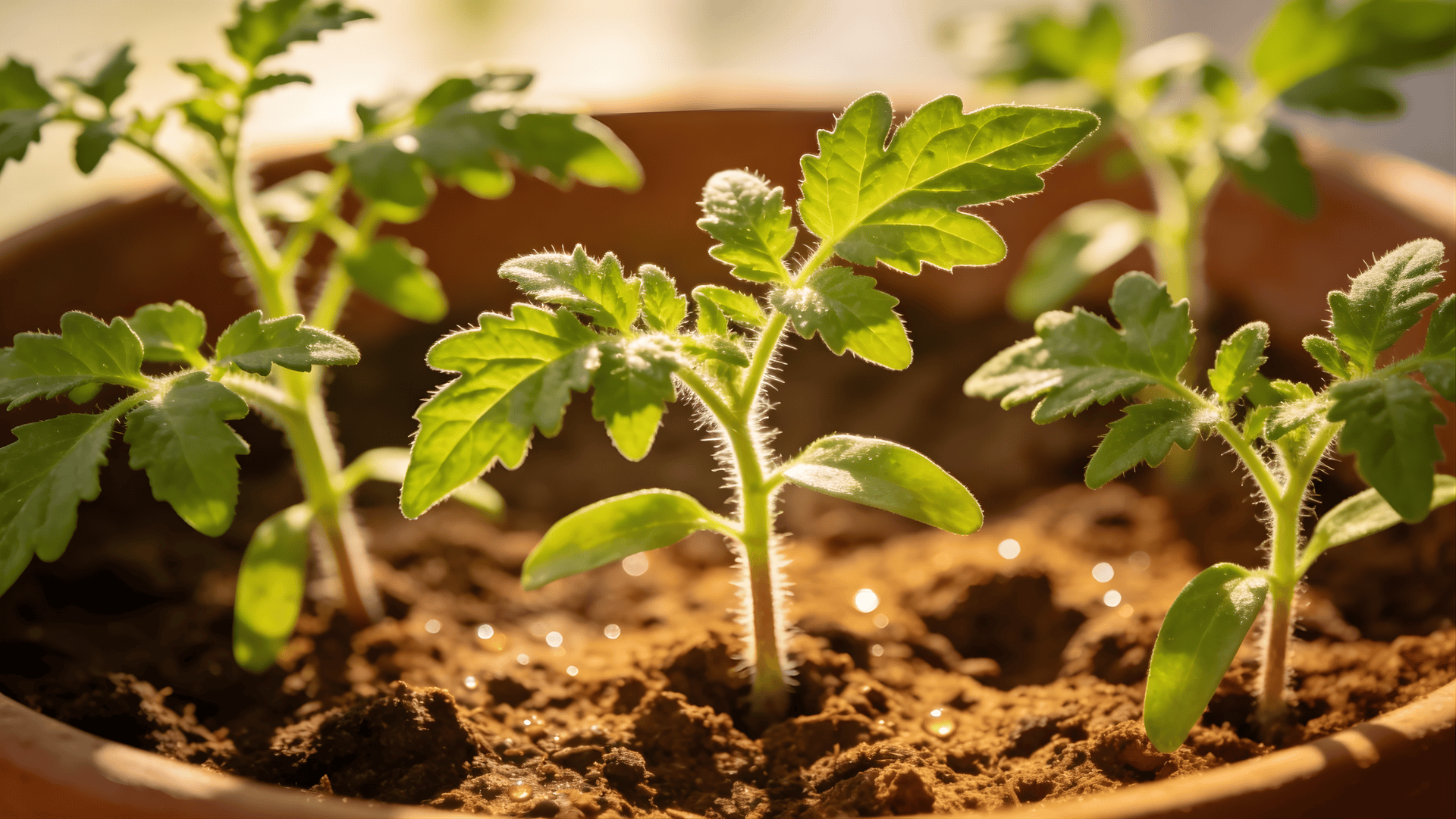
Tomato seedlings need proper care after transplanting to grow strong and healthy. Small steps during this stage can make a big difference in plant growth.
- Water regularly: Keep soil slightly moist without making it soggy
- Provide enough sunlight: Give at least 6 to 8 hours of direct sunlight daily
- Protect from strong wind: Shield young plants from harsh wind to avoid damage
- Use mulch around plants: Helps retain moisture and keeps soil temperature stable
- Avoid overwatering: Let the topsoil dry slightly before watering again
- Support plant growth: Use small stakes if plants start leaning
- Watch for pests: Check leaves often for insects or damage
- Feed with light fertilizer: Use mild fertilizer after a week for steady growth
- Maintain proper spacing: Ensure plants have enough room to grow without crowding
Final Takeaway
Getting the timing right and handling your seedlings with care can make a big difference in how your tomato plants grow.
After nine years of working with seasonal planting schedules, the single biggest lesson I can pass on is this: respect the soil temperature as much as the air temperature. Plants in cold soil are just surviving, not growing.
Once you follow the right steps, things start to feel simple and more predictable. If your plants look a little slow at first, that is normal.
With proper soil, watering, and steady warmth, they usually bounce back and grow stronger within days. Small details like planting depth and temperature really matter here.
Now it is your turn. Try these steps and see how your tomato seedlings respond in your own space. Every setup is a little different, and your experience can help others, too.
Have you transplanted tomato seedlings before, or are you trying it for the first time? Share your experience, tips, or even mistakes in the comments below.
Frequently Asked Questions
When is it Too Late to Transplant Tomato Seedlings?
It is too late when plants become root-bound or start flowering in small containers.
Do Tomato Seedlings Need Shade After Transplanting?
Yes, partial shade for the first few days helps reduce stress and supports recovery.
Can Tomato Seedlings be Transplanted Before True Leaves Appear?
No, transplanting should wait until at least one set of true leaves has developed.
How Long Should Tomato Seedlings Stay Indoors Before Transplanting?
Seedlings usually stay indoors for 4 to 6 weeks until they are strong enough to move.