

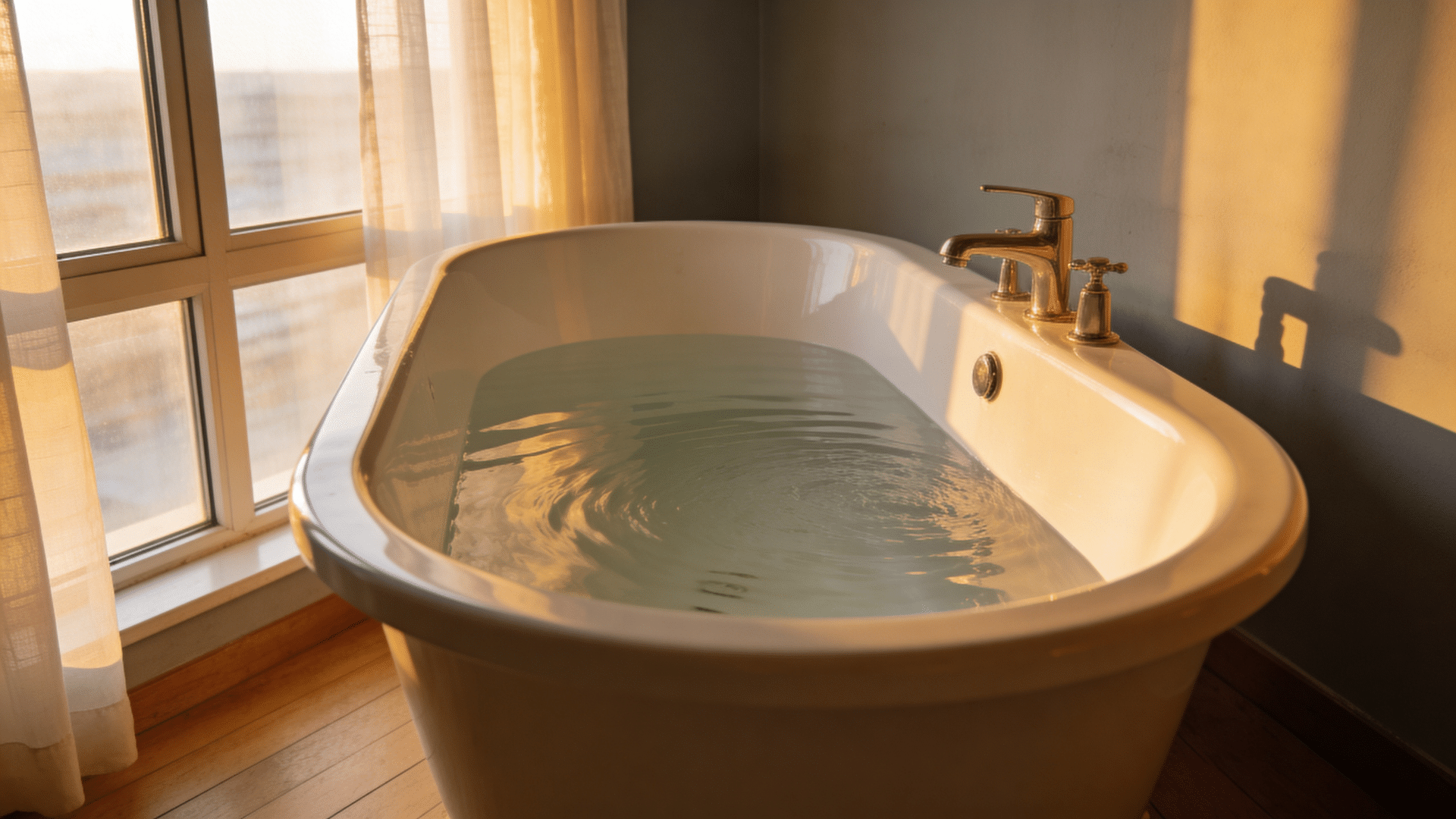
Choosing the right bathtub size can feel confusing, especially if you’re not sure what’s considered normal. If you’ve ever asked yourself, “how long is a bathtub?” you’re not alone.
The standard bathtub length is one of the most searched details when planning a bathroom upgrade or new build. Getting this right matters because it affects comfort, space, and even installation.
Some tubs are short and compact, while others are longer for a more relaxing soak.
In this guide, you’ll learn the common bathtub sizes, why most homes use a standard length, and how to pick the best option for your space.
Whether you have a small bathroom or a larger layout, this simple guide will help you make a smart and practical choice.
Standard Bathtub Length
The standard bathtub length in most homes is about 60 inches (5 feet). This size is widely used because it fits well in typical bathroom layouts and works with common plumbing setups.
It offers a good balance between comfort and space, making it ideal for everyday use. However, not all bathtubs are exactly the same.
Some smaller tubs can be around 48 to 54 inches, while larger soaking tubs may range from 66 to 72 inches.
The standard 60-inch tub is especially common in alcove designs, which are the most popular in U.S. homes.
When choosing a bathtub, it’s important to remember that length is just one factor; width and depth also affect comfort. Still, for most people, a 60-inch tub is a reliable and practical choice.
Standard Bathtub Size Chart
Here’s a quick look at common bathtub sizes to help you easily compare options. This chart shows typical lengths along with width and depth for better understanding.
| Bathtub Type | Length (inches) | Width (inches) | Depth (inches) |
|---|---|---|---|
| Small Bathtub | 48–54 | 28–30 | 12–14 |
| Standard Bathtub | 60 | 30–32 | 14–16 |
| Large Bathtub | 66–72 | 32–36 | 16–20 |
| Corner Bathtub | 60 (square) | 60 | 18–22 |
| Freestanding Tub | 55–72 | 27–32 | 15–20 |
Why 60 Inches Is the Standard Bathtub Length
The 60-inch bathtub has become the go-to size in most homes due to its practical fit and ease of installation. It balances comfort and space, making it suitable for a wide range of bathroom layouts.
- Fits Most Bathrooms: Designed to match standard bathroom layouts, especially in apartments and family homes
- Compatible with Plumbing: Works with common plumbing placements, reducing installation hassle
- Space-Saving Design: Offers enough room to bathe comfortably without taking up too much space
- Cost-Effective Option: More widely available, which often makes it more affordable than larger tubs
- Ideal for Alcove Installations: Perfectly fits three-wall (alcove) setups, the most common tub style
Different Types of Bathtubs and Their Lengths
Bathtubs come in different styles, and each type has its own typical length range. Knowing these options helps you choose a tub that fits both your space and comfort needs.
1. Alcove Bathtubs
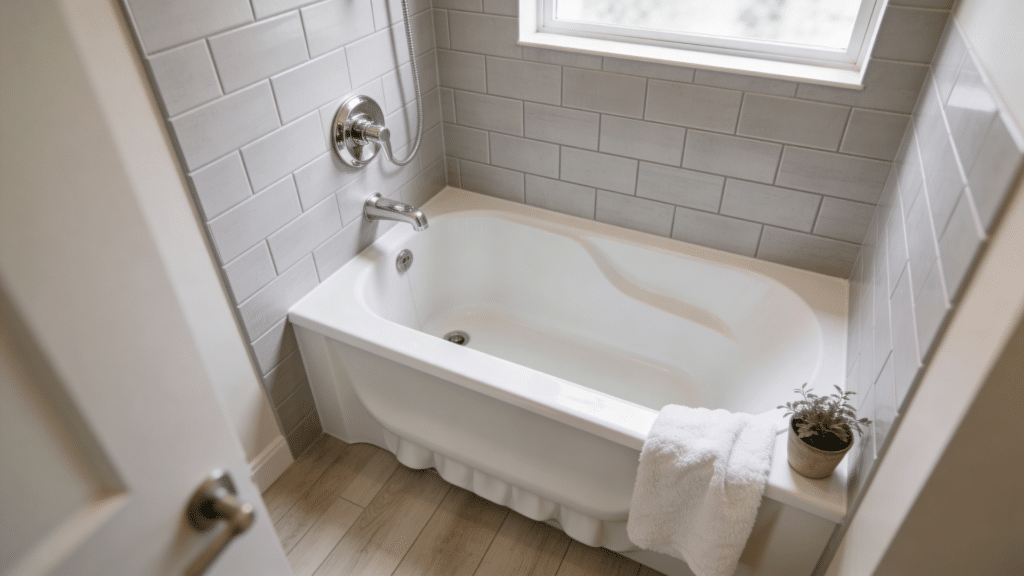
Alcove bathtubs are the most common type found in homes, especially in standard bathrooms. These tubs are installed between three walls, making them a great space-saving option.
The typical length of an alcove tub is around 60 inches, which is considered the standard bathtub length. This size works well for everyday use and fits most layouts without major adjustments.
Alcove tubs often include a shower combination, making them practical for families.
While some models can be slightly shorter or longer, the 60-inch version remains the most popular choice for convenience, affordability, and easy installation.
2. Freestanding Bathtubs
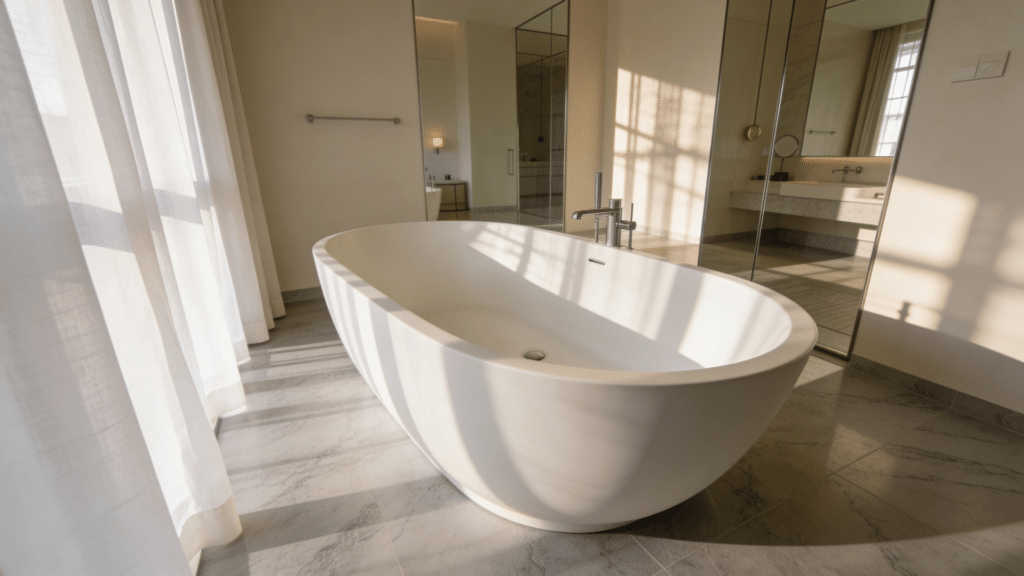
Freestanding bathtubs are known for their stylish and modern look. Unlike alcove tubs, they are not attached to walls and can be placed anywhere in the bathroom.
These tubs usually range from 55 to 72 inches in length, offering greater design flexibility.
Smaller freestanding tubs work well in compact spaces, while larger ones provide a more luxurious soaking experience.
They are often deeper than standard tubs, adding to comfort. However, they may require more space and careful planning for plumbing.
This type is ideal for homeowners who want a statement piece along with functionality.
3. Corner Bathtubs
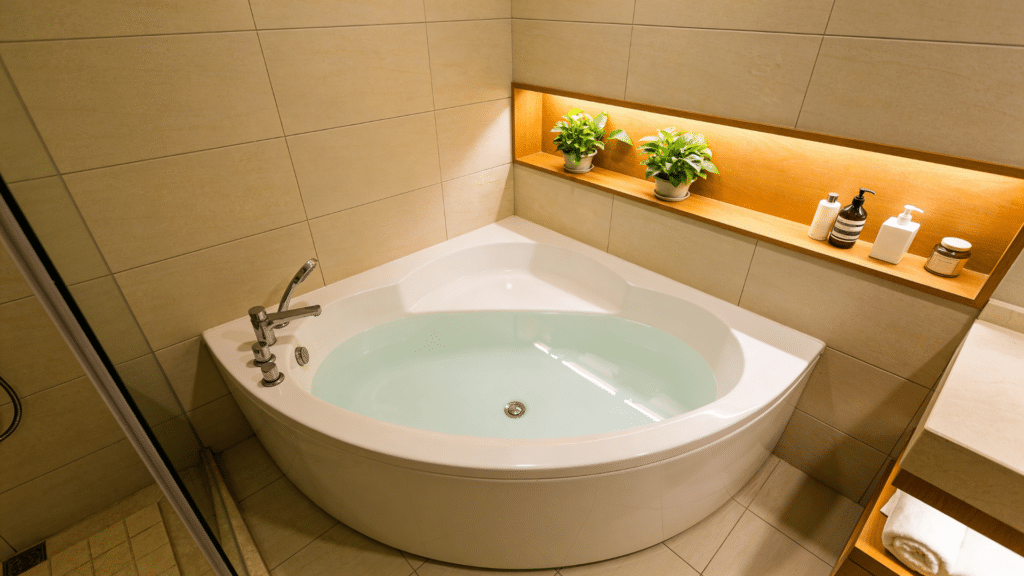
Corner bathtubs fit into the corner of a bathroom, making them a smart option for maximizing space. Instead of a long rectangular shape, they usually have a square or triangular design.
Most corner tubs measure about 60 inches on each side, though sizes can vary. They often offer more interior space for soaking than standard tubs.
These tubs are great for creating a cozy and relaxing bathing area. However, they may take up more floor space than expected, so proper measurement is important before installation to ensure a good fit.
4. Drop-In Bathtubs
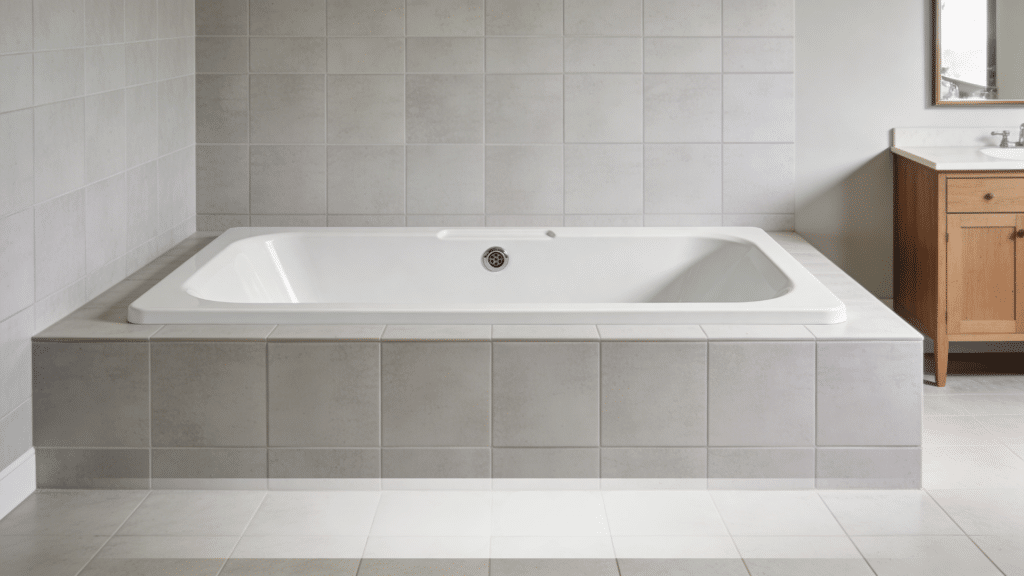
Drop-in bathtubs are installed into a framed enclosure or platform, providing a clean, custom look. These tubs can vary widely in size, but most range from 60 to 72 inches in length.
Because they are built into a structure, they offer flexibility in design and placement. Drop-in tubs are often deeper, making them ideal for long, relaxing baths.
They are commonly used in larger bathrooms where space is not a major concern. While they provide a sleek appearance, they require more installation work than standard alcove tubs.
5. Soaking Bathtubs
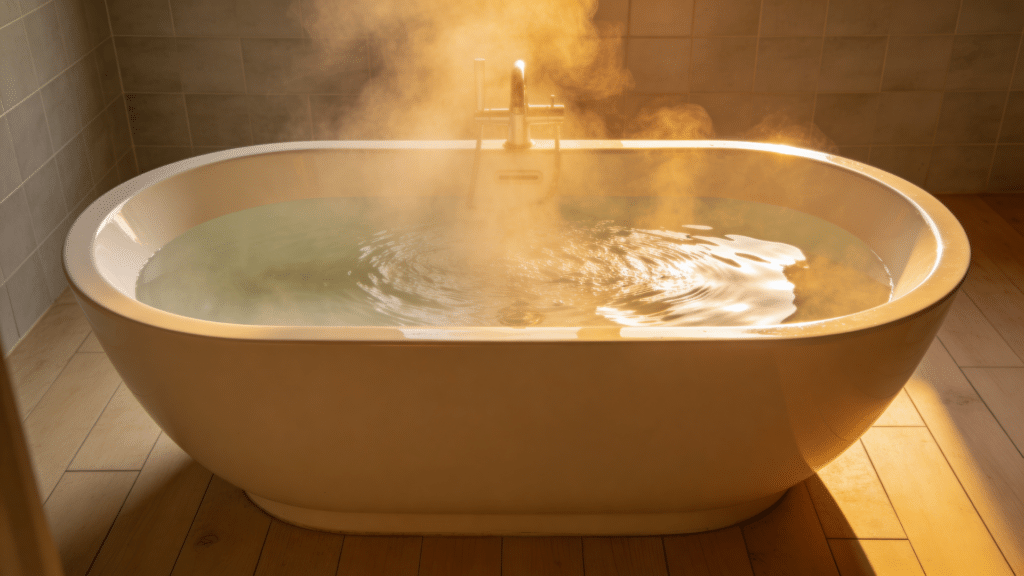
Soaking bathtubs are designed for comfort and relaxation, allowing you to sit deeper in the water.
These tubs are usually longer and deeper than standard options, with lengths ranging from 60 to 72 inches.
Some models focus more on depth than length, providing a full-body soak even in a shorter tub. They are perfect for people who enjoy long baths after a busy day.
Soaking tubs are available in both freestanding and built-in styles, making them a flexible choice for different bathroom designs and personal preferences.
6. Walk-In Bathtubs
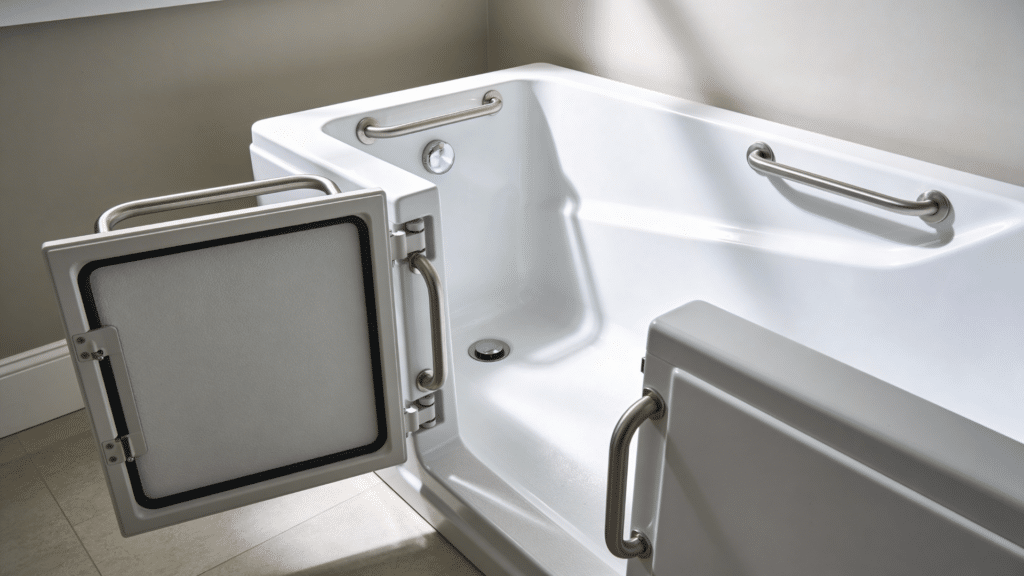
Walk-in bathtubs are designed with safety and accessibility in mind, making them ideal for seniors or people with mobility needs.
These tubs usually range from 48 to 60 inches in length. Instead of stepping over a high edge, users can enter through a door, which reduces the risk of slips and falls.
While they may be shorter than standard tubs, they are often deeper, allowing for a comfortable soak. Walk-in tubs also include built-in seats and safety features.
They are a practical solution for those who want both comfort and ease of use.
Small vs Large Bathtubs
Bathtubs come in different sizes, and choosing between small and large depends on your space and comfort needs.
| Feature | Small Bathtubs | Large Bathtubs |
|---|---|---|
| Length | 48–54 inches | 66–72 inches |
| Best For | Small bathrooms, apartments | Spacious bathrooms |
| Comfort Level | Basic soaking | Deep, relaxing soak |
| Space Required | Minimal | More floor space is needed |
| Installation | Easier | May need adjustments |
| Ideal Users | Kids, compact living | Taller users, luxury use |
How to Choose the Right Bathtub Length
Choosing the right bathtub length is important for both comfort and proper fit in your bathroom. The right size ensures easy installation and a better bathing experience every day.
1. Measure Your Bathroom Space
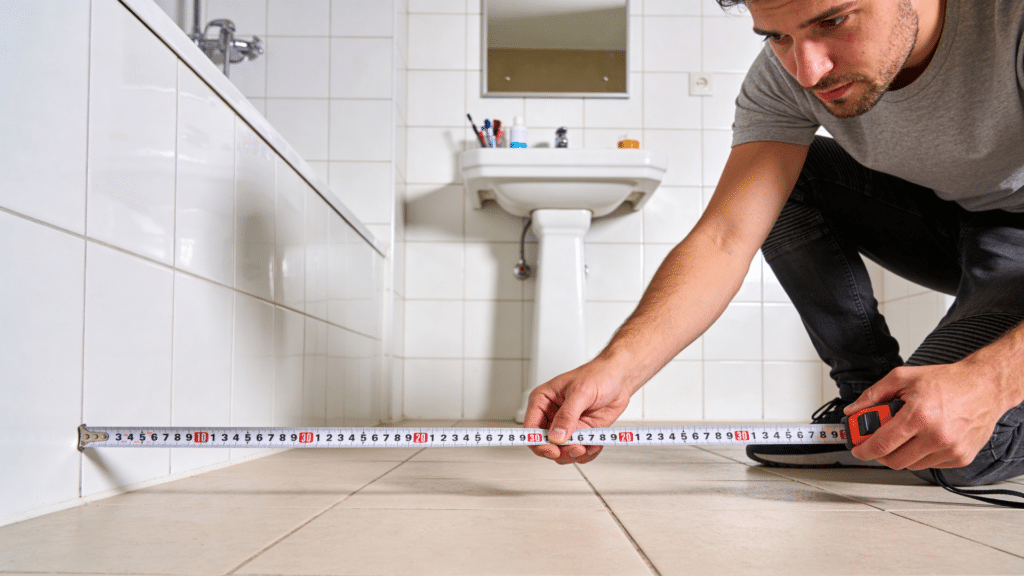
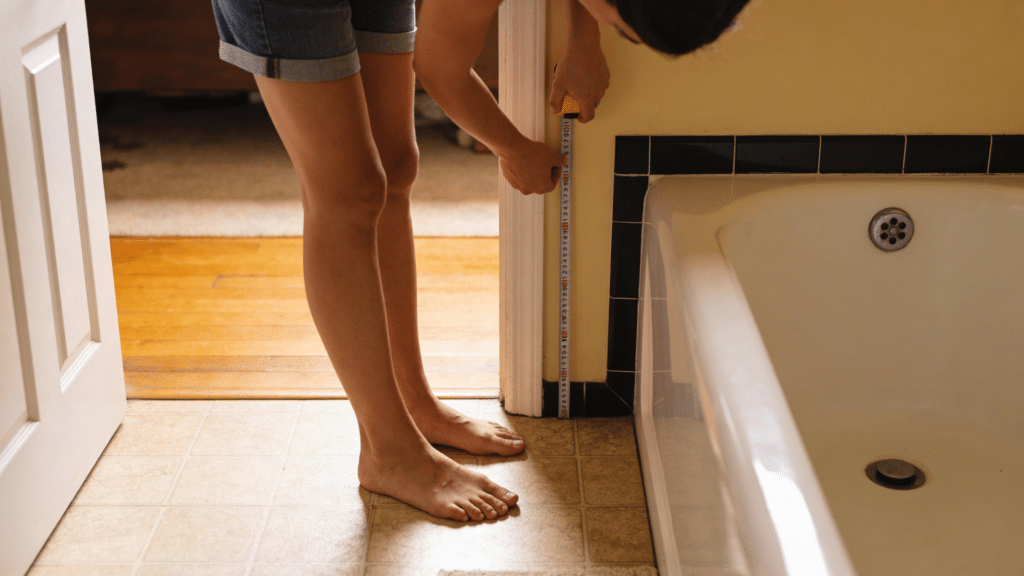
Start by measuring the area where you plan to install the bathtub. Check the length, width, and available clearance around the space.
Most bathrooms are designed to fit a standard bathtub length of 60 inches, but smaller or larger spaces may need different sizes.
Also, consider doorways and hallways to make sure the tub can be moved inside easily.
Accurate measurements help you avoid costly mistakes and ensure the tub fits perfectly without making the bathroom feel cramped or uncomfortable.
2. Consider Your Height and Comfort
Your height plays a big role in choosing the right bathtub length. If you are taller, a standard 60-inch tub might feel too short for a relaxing soak.
In that case, a longer tub between 66 and 72 inches can provide better comfort. On the other hand, shorter users may find smaller tubs just as comfortable.
Think about how you plan to use the tub, quick baths or long soaks. Choosing the right length for your body size ensures a more enjoyable, comfortable experience.
3. Think About Bathroom Layout and Design
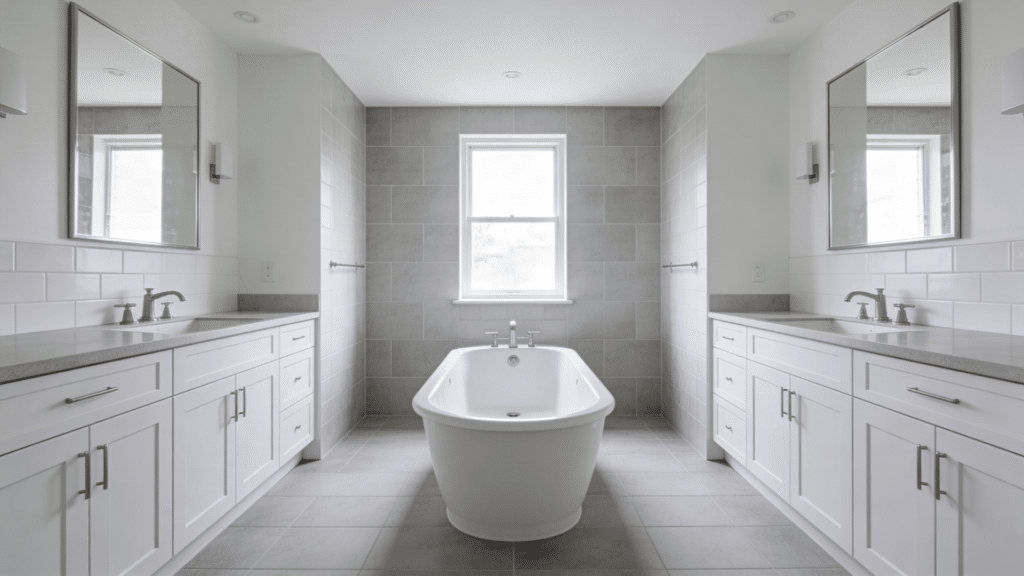
The layout of your bathroom can limit or expand your bathtub options. If you have a compact space, a smaller tub may be the best choice to keep the area functional.
Larger bathrooms can accommodate longer or freestanding tubs without making the space feel crowded. Also, consider the placement of walls, fixtures, and plumbing connections.
A well-matched tub size keeps the bathroom balanced and easy to use while maintaining a clean and organized look.
4. Decide Based on Usage Needs
Think about how the bathtub will be used daily. For families with kids, a standard 60-inch tub is often practical and easy to manage.
If your goal is relaxation, a longer or deeper soaking tub may be a better option. Some people prefer compact tubs for quick showers, while others want more space for comfort.
Matching the bathtub length to your lifestyle helps you make a smarter decision and ensures the tub meets your everyday needs.
Common Mistakes When Choosing Bathtub Size
Choosing the wrong bathtub size can lead to discomfort, poor fit, and costly changes later. Avoiding common mistakes helps you pick a tub that works well for your space and daily use.
- Ignoring Bathroom Measurements: Many people skip proper measuring and assume a standard size will fit. This can lead to installation issues or a cramped bathroom layout.
- Choosing Style Over Size: A beautiful tub may look great, but might not fit your space. Always balance design with the correct dimensions for practicality.
- Not Considering User Height: A tub that’s too short can feel uncomfortable, especially for taller users. Comfort should be based on who will use it most.
- Forgetting About Doorways and Access: Some tubs cannot be installed through doors or hallways. Always check access points before buying.
- Overlooking Depth and Width: Focusing only on length can be misleading. Depth and width also affect comfort and overall bathing experience.
Wrapping Up
Choosing the right bathtub size doesn’t have to be complicated. For most homes, the standard bathtub length of 60 inches works well because it fits common layouts and offers decent comfort.
However, every bathroom is different, and your choice should depend on your space, height, and how you plan to use the tub.
Whether you go for a smaller option to save space or a longer tub for a more relaxing soak, proper planning makes all the difference.
Always measure your bathroom carefully and think about daily use before making a decision.
A well-chosen bathtub not only fits your space perfectly but also improves your overall bathing experience, making your bathroom more functional and comfortable for years to come.
Frequently Asked Questions
Can A Bathtub Length Affect Water Usage?
Yes, longer tubs usually require more water to fill completely. Smaller tubs can help save water while still offering basic comfort.
Are There Standard Bathtub Sizes Worldwide?
Yes, sizes can vary slightly by region based on local building norms. However, many countries use similar ranges close to the 60-inch standard.
Does Bathtub Material Impact its Size Options?
Yes, some materials allow more flexible shapes and sizes than others. This can affect the variety of lengths available in the market.
How Much Weight Can a Standard Bathtub Hold?
Most standard tubs are built to safely handle normal water and body weight. It’s best to check product details for exact limits.
Is It Possible to Customize Bathtub Length?
Yes, custom tubs can be made to fit unique spaces or needs. They are usually more expensive and may need special installation.