

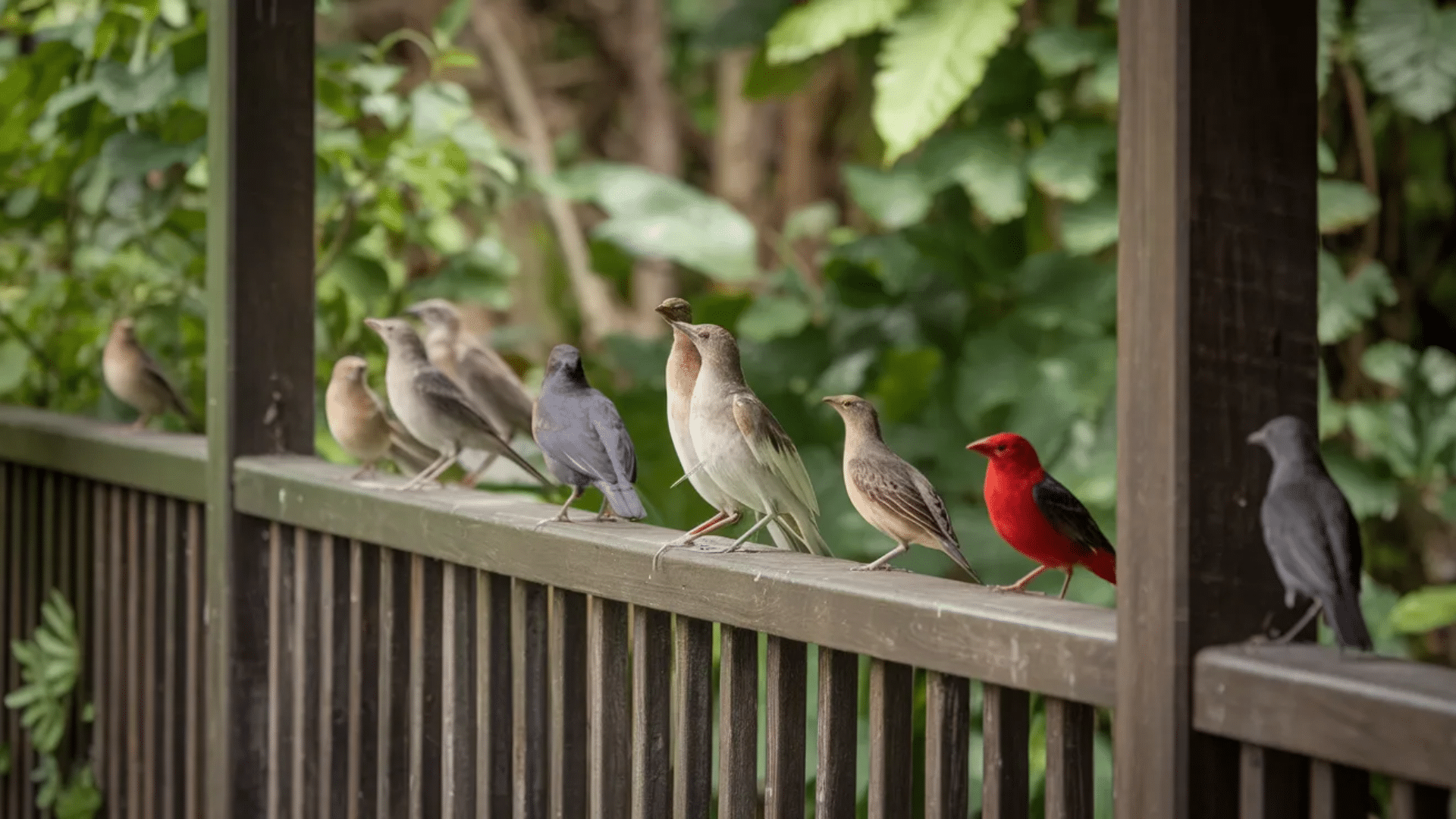
I used to think birds sitting on my porch were no big deal. But after a few days, I started noticing droppings everywhere, on the railing, floor, and even my chairs.
It made the space look messy and harder to enjoy. That’s when I realized I needed a simple way to keep birds away. Besides looking messy, bird droppings can also create unpleasant smells and make the porch harder to maintain.
This is a common concern discussed in many online communities where people share their experiences and practical ways to deter birds.
The good news is that there are several simple solutions that can help reduce this problem. Small changes around your porch can make the area less attractive to birds for landing or nesting.
In this blog, I’ll walk you through why birds keep coming to your porch and what attracts them in the first place. I’ll also share quick and practical ways to stop them from landing, nesting, and leaving droppings.
You’ll learn about physical barriers, simple visual tricks, and natural methods that can help keep your porch clean and comfortable.
Why Birds Keep Landing on Your Porch
Birds often land on porches because the space provides shelter, comfort, and convenient places to rest.
Porch railings, roof edges, and light fixtures provide birds with stable perches where they can observe their surroundings safely.
If the porch is quiet and protected from wind or rain, it becomes even more attractive for birds looking for a resting place.
Food crumbs, uncovered trash, or nearby bird feeders can also encourage birds to visit frequently. Water sources such as puddles, dripping gutters, or plant trays may also attract them.
Over time, birds may return regularly because they remember places where they find food or shelter. In some cases, they may even attempt to build nests in protected corners of the porch.
Knowing why birds are drawn to your porch makes it easier to take steps that discourage them from staying.
Important Legal Note: Under the Migratory Bird Treaty Act, many wild bird species and their active nests are legally protected. Before removing any active nest, confirm the species and check your state regulations.
Barn swallows, for example, are federally protected once nesting begins. Acting before nesting starts, in early spring, is always the safest and most effective approach.
Quick Ways to Keep Birds Away from Your Porch
Small changes can make your porch less inviting for birds. These simple steps help reduce landing, nesting, and droppings quickly.
- Remove Food Sources: Birds are drawn to easy meals, so keeping crumbs, pet food, and trash out of reach can deter them from returning to your porch.
- Keep Porch Clean: A clean porch removes food smells and mess that attract birds, making the area less appealing for them to return.
- Block Landing Spots: Covering railings and ledges makes it harder for birds to sit comfortably, encouraging them to find other places.
- Use Reflective Objects: Shiny items create flashing lights that birds find unsettling, helping to keep them away from your porch.
- Add Movement or Sound: Gentle motion and soft noise break the calm environment birds prefer, making your porch less attractive for resting.
Physical Deterrents that Stop Birds from Landing
Physical deterrents work by making surfaces uncomfortable or inaccessible for birds. These methods prevent birds from sitting on railings, ledges, and porch structures where they normally rest.
1. Install Bird Spikes on Railings
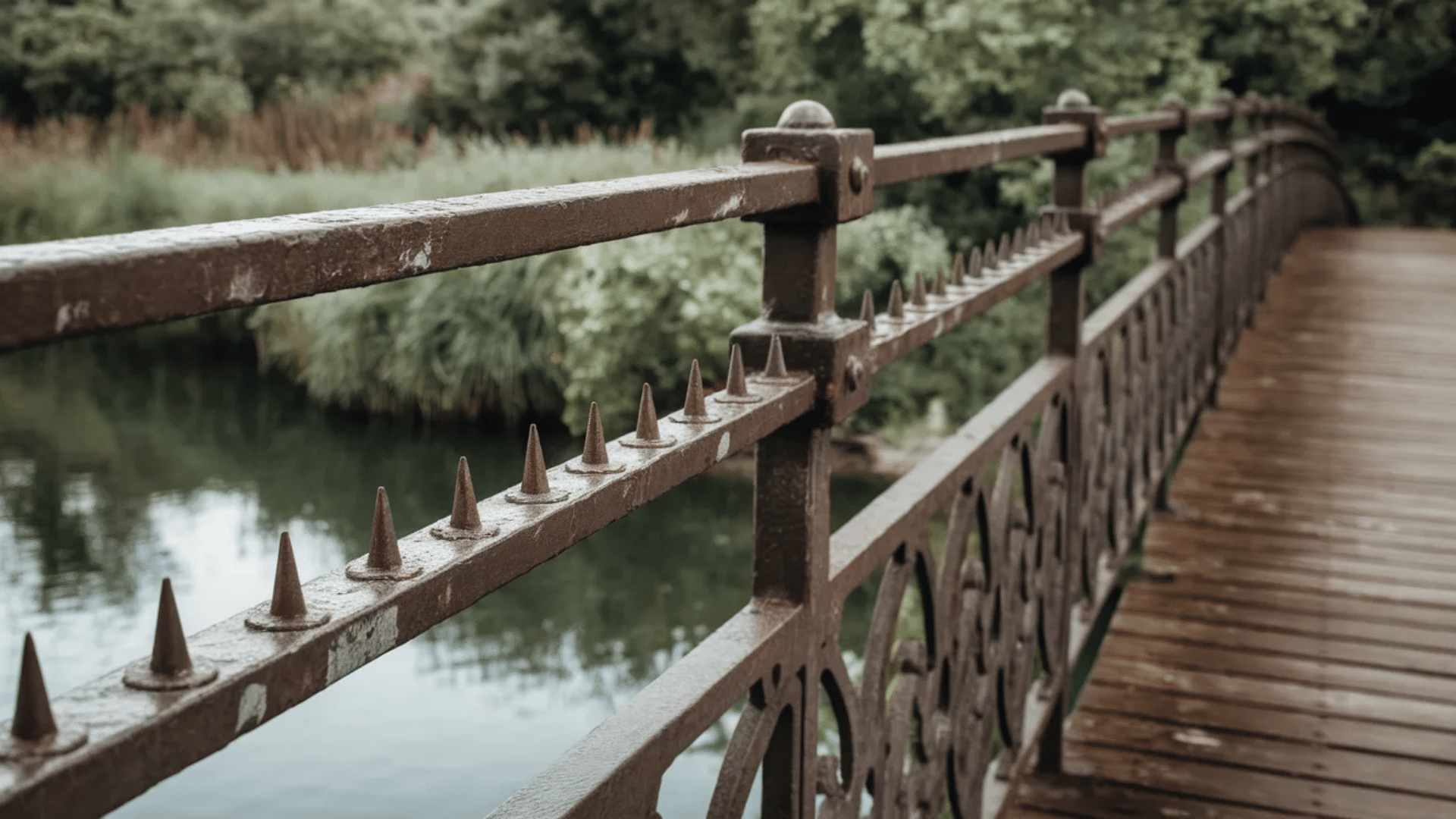
Bird spikes are one of the most common tools used to prevent birds from landing on porch railings and ledges.
These spikes do not harm birds, but they make the surface uncomfortable for them to sit on. When birds try to land, they quickly realize the space is not suitable and move to another location.
Bird spikes can be installed on railings, roof edges, light fixtures, and other flat areas where birds often perch. They are durable and work for many types of birds.
Many homeowners choose this option because it provides a long-term solution and requires very little maintenance once installed properly.
2. Use Bird Netting Around the Porch
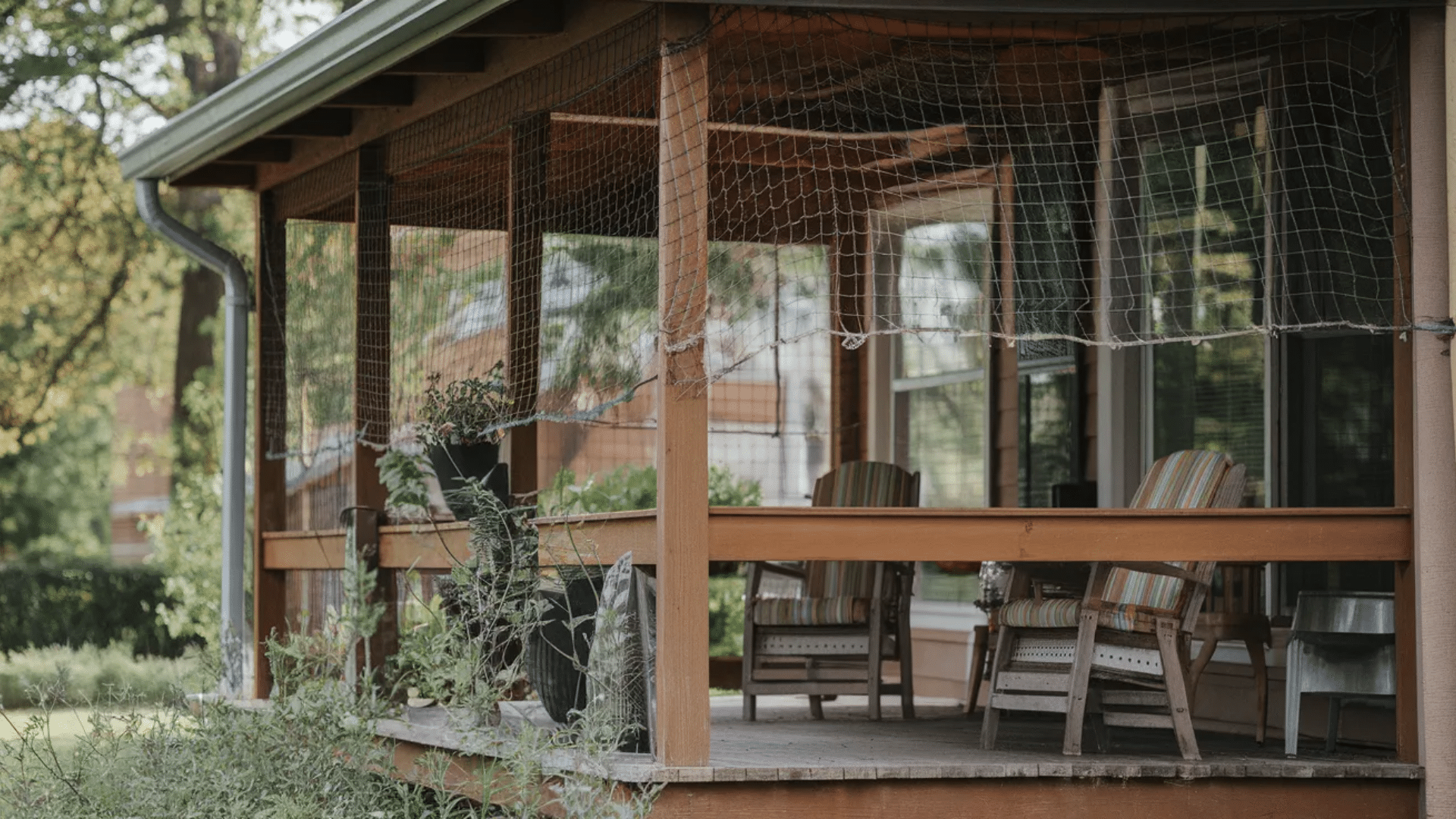
Bird netting works by creating a physical barrier that prevents birds from entering certain areas of the porch. This lightweight mesh can be placed around ceilings, beams, or corners where birds tend to gather.
Once installed, the net blocks birds from reaching places where they might rest or build nests. Netting is often used in homes where birds repeatedly return to the same spots.
It is especially useful for covered porches or balconies. The net blends into the background and does not affect the look of the porch much.
Over time, birds usually stop attempting to enter areas protected by netting.
3. Install Porch Screens or Enclosures
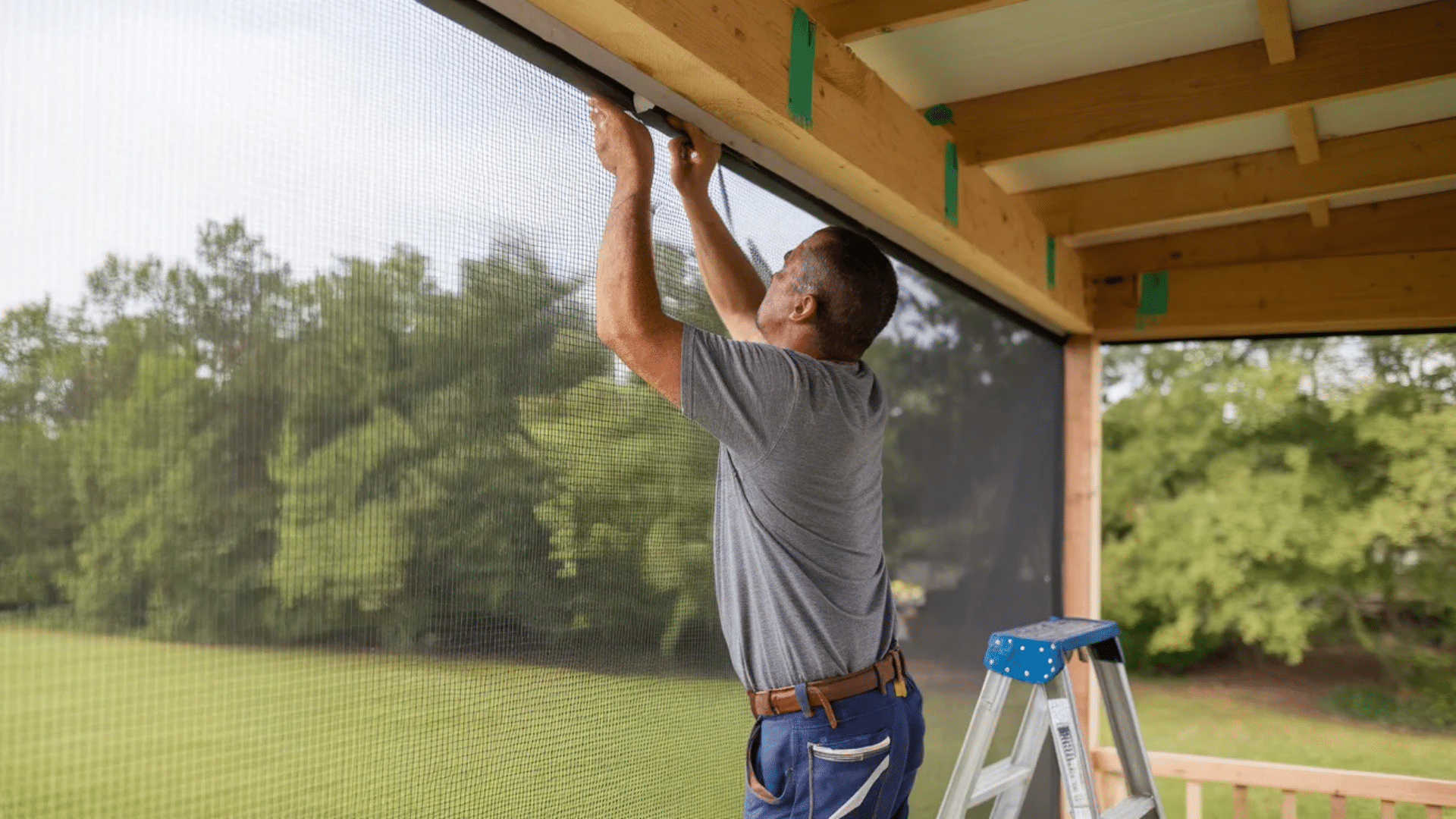
Porch screens are another effective way to keep birds from landing or nesting on porches. By enclosing the porch with screens, birds simply cannot enter the space.
This solution is especially helpful for people who spend time on their porch and want to maintain a clean environment. Screens also protect against insects while allowing fresh air to flow through the porch.
Once the area is enclosed, birds lose access to railings, lights, and beams where they might normally perch.
Many homeowners choose screened porches because they offer long-term protection and reduce the need for constant cleaning.
4. Use Sloped Covers on Railings
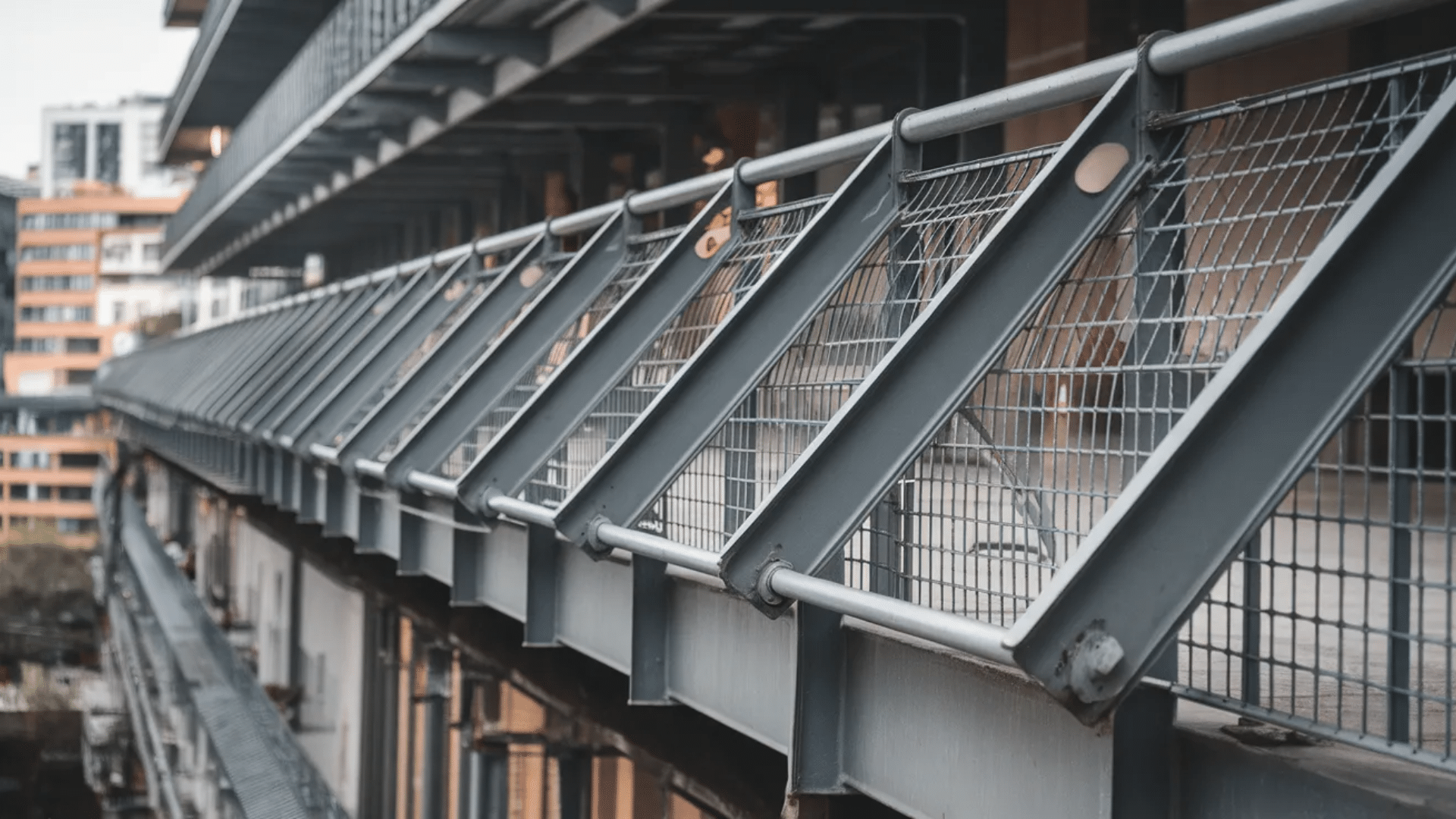
Birds prefer flat surfaces where they can sit comfortably. Installing sloped covers on porch railings makes landing difficult because the surface becomes unstable.
These angled covers prevent birds from getting a secure foothold. As a result, birds usually move on to other areas where landing is easier.
Sloped rail guards are often made of plastic or metal and can be attached directly to railings. This method works well for preventing birds from gathering along long porch edges.
Once installed, the smooth, slanted surface discourages birds from attempting to rest there again.
5. Install Wire Barriers on Ledges

Thin wire barriers can be placed along ledges and narrow surfaces where birds frequently sit. These wires create an uneven landing area that birds find uncomfortable.
The wires are spaced just enough to stop birds from settling without affecting the appearance of the porch too much.
This method is commonly used on building ledges but can also work well on porch structures.
Birds prefer steady, flat surfaces, so when the surface becomes uneven, they usually search for another place to land. Wire barriers provide a simple, durable solution for deterring birds from problem areas.
Visual Deterrents That Scare Birds Away
Visual deterrents rely on movement, reflections, or predator shapes to make birds feel unsafe. When birds see flashing lights or unfamiliar objects, they often avoid landing in that area.
6. Hang Reflective Tape
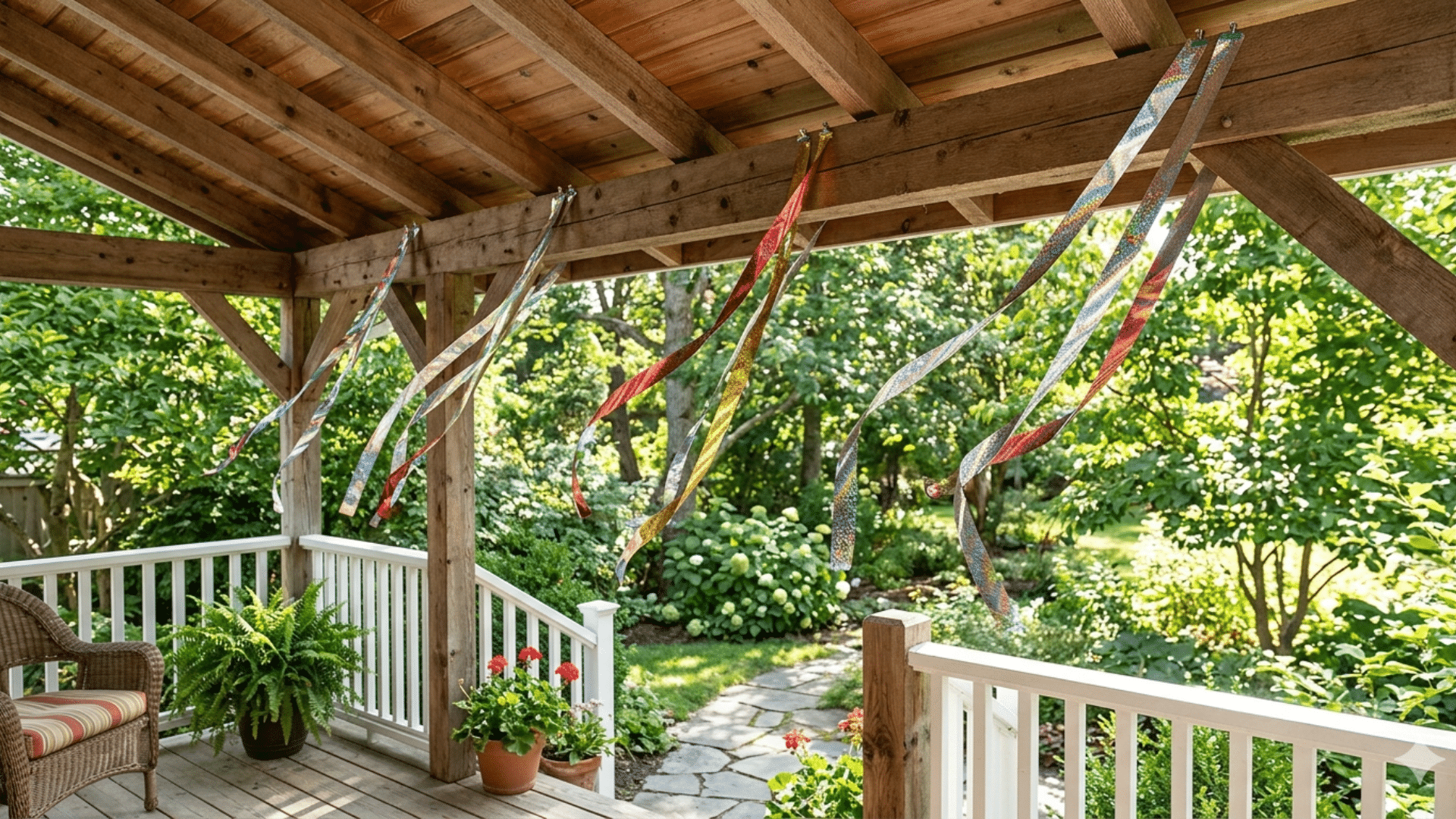
Reflective tape is widely used to discourage birds from landing in certain areas. The tape reflects sunlight, creating flashes of light as it moves in the wind.
Birds are often uncomfortable with sudden flashes because they appear unpredictable. When reflective tape is placed around porch railings or ceilings, the movement and shine make the space less inviting for birds.
Over time, birds may stop visiting the porch altogether. Reflective tape is easy to install and affordable, which makes it a popular choice among homeowners looking for a quick solution to bird problems.
7. Use Old CDs or Reflective Objects
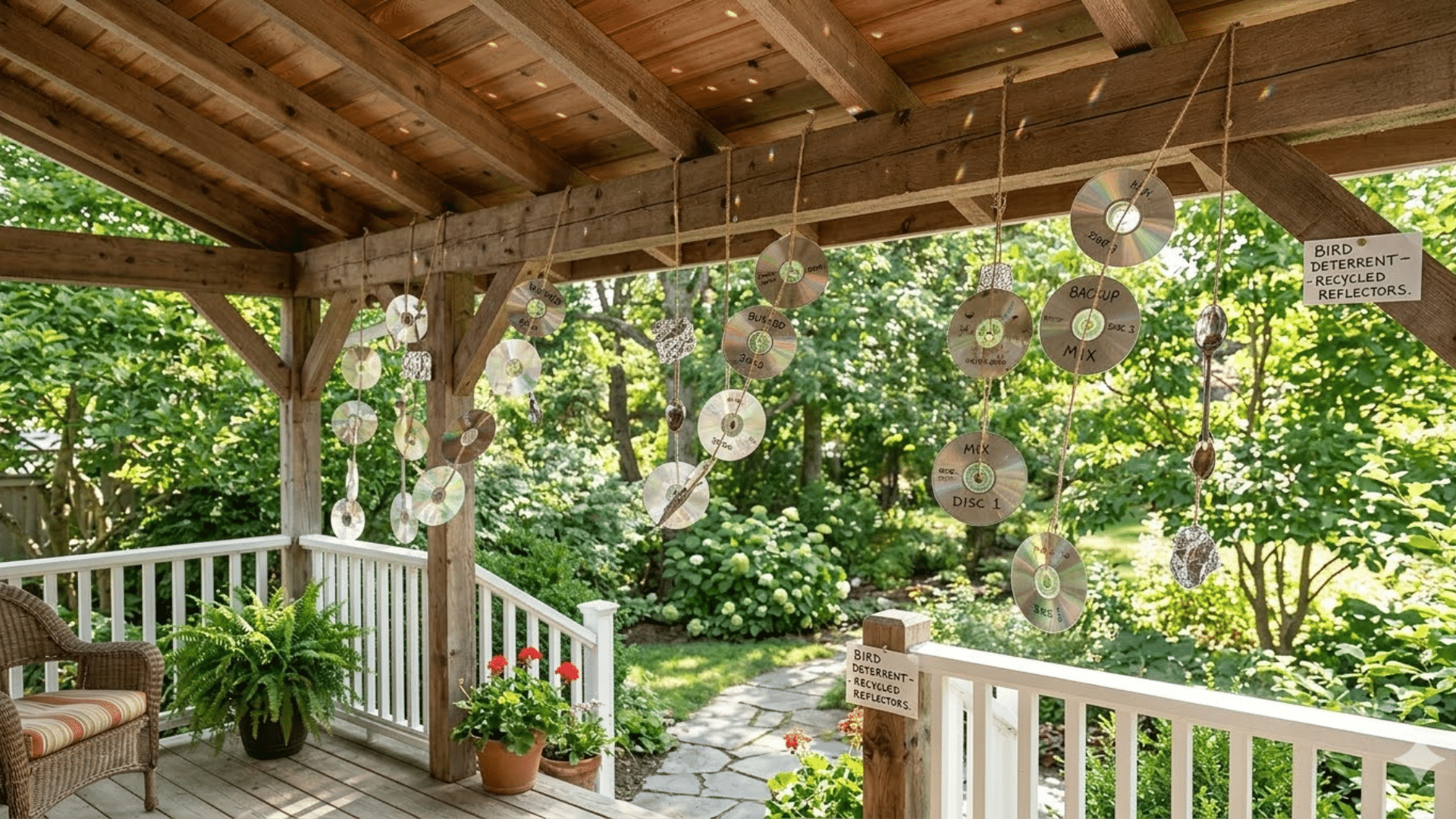
Old CDs or other shiny items can also help keep birds away from porch areas. When hung with a string, these objects spin in the wind and reflect sunlight in different directions.
The moving reflections create visual disturbances that birds prefer to avoid. Many people hang CDs near railings or porch ceilings where birds tend to gather.
This method is simple and uses items that many households already have. While it may not stop every bird, it can reduce how often birds land on the porch. The constant movement and light reflections make the area feel less safe for birds.
8. Place Fake Owl or Hawk Decoys
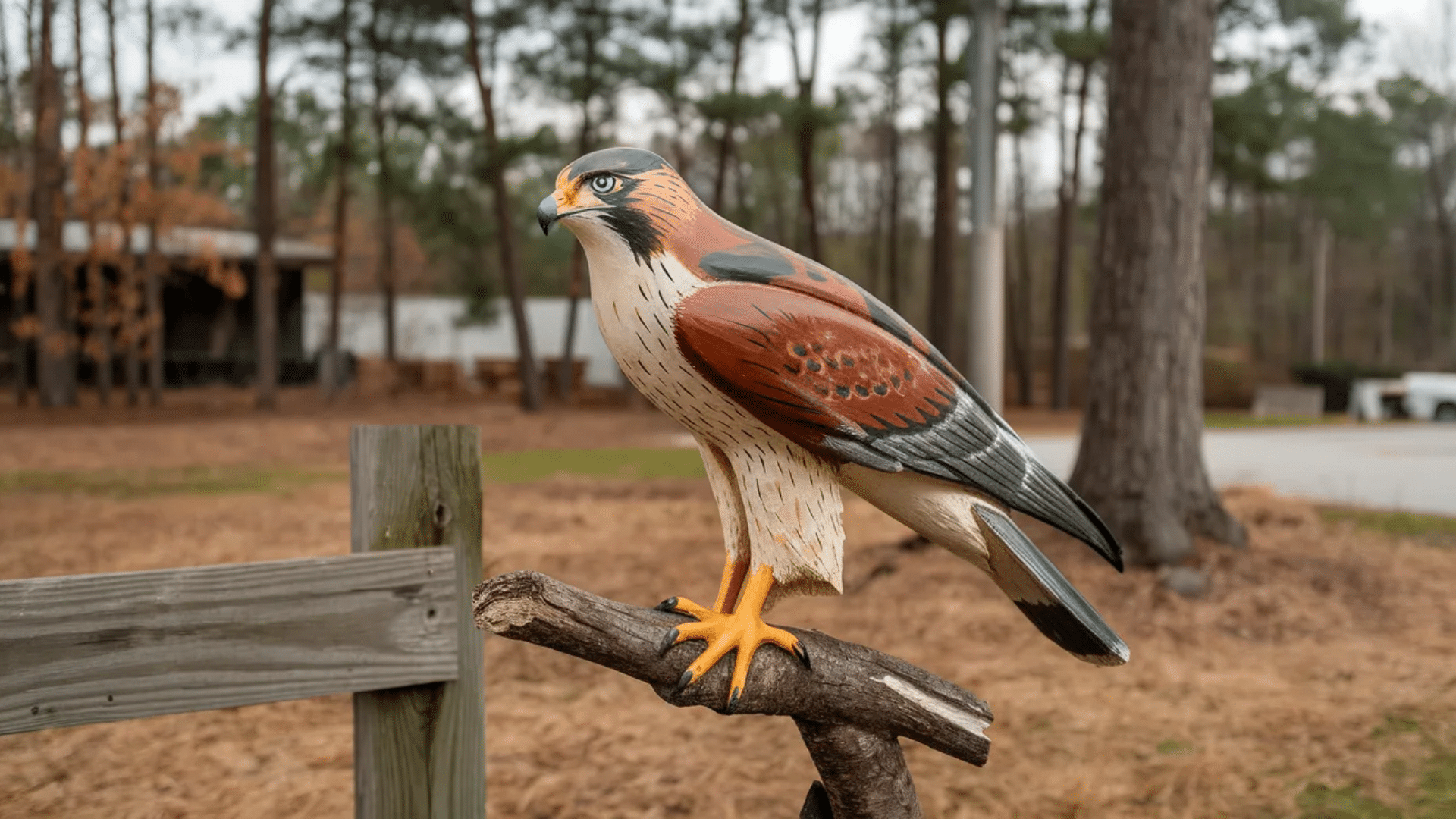
Predator decoys are designed to imitate natural bird predators such as owls or hawks. Birds instinctively avoid areas where they believe predators may be present.
Placing a realistic owl statue or hawk figure on the porch can sometimes discourage smaller birds from landing nearby.
For better results, the decoy should occasionally be moved to a different location so birds do not get used to it. Some decoys even include moving heads or reflective eyes to increase the effect.
While this method may not work forever on its own, it can still reduce bird activity when combined with other deterrents.
9. Install Spinning Pinwheels
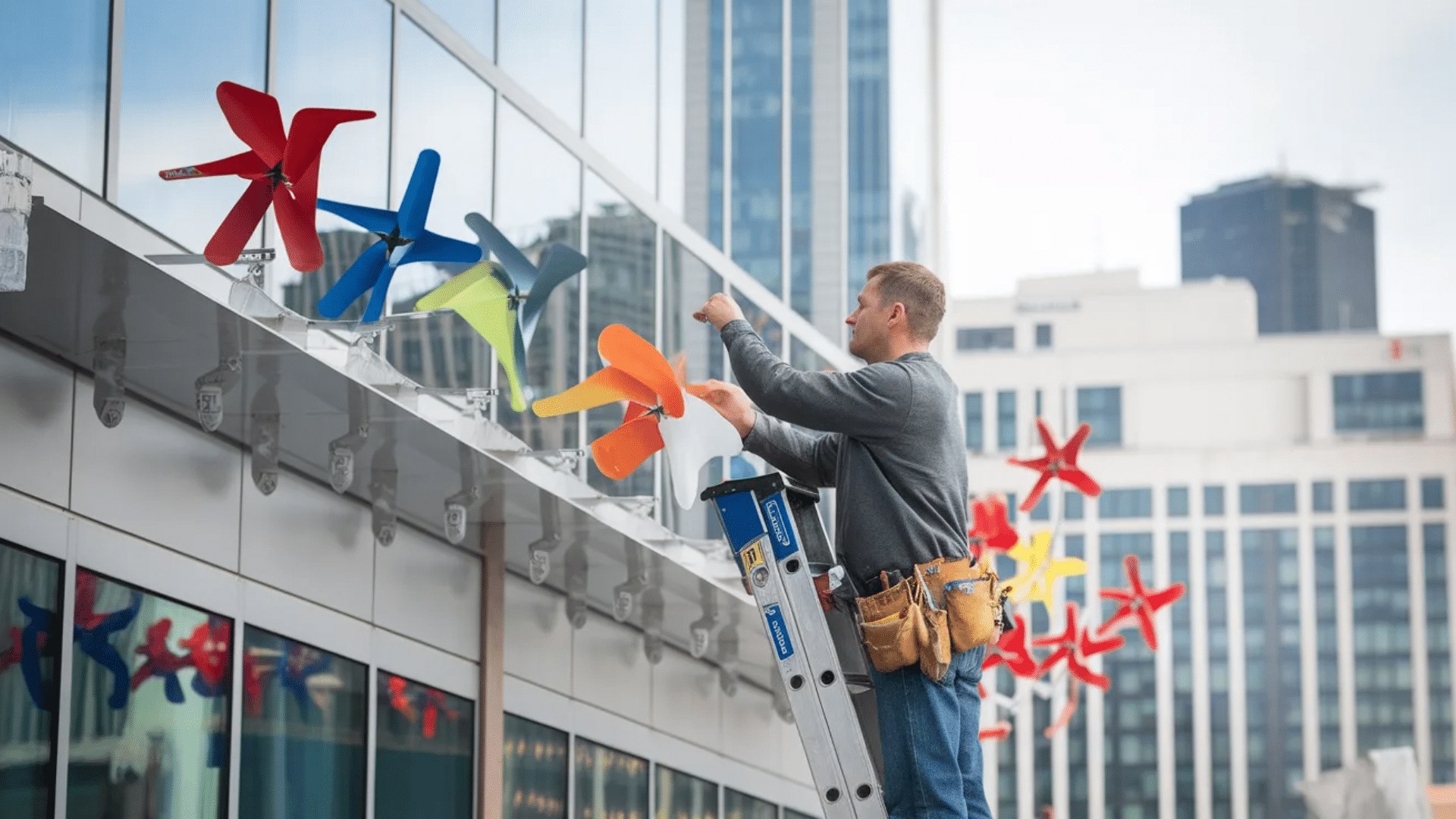
Pinwheels create both movement and color, which can make birds feel uncomfortable landing in the area. When placed on porch railings or planters, pinwheels spin whenever the wind blows.
The constant motion disrupts the calm environment birds prefer for resting. Birds tend to choose quiet, still places where they feel safe.
When they see spinning objects nearby, they often avoid landing there. Pinwheels are simple to install and inexpensive, making them a practical option for homeowners.
Many people use them along porch edges where birds frequently attempt to sit.
10. Add Wind Chimes
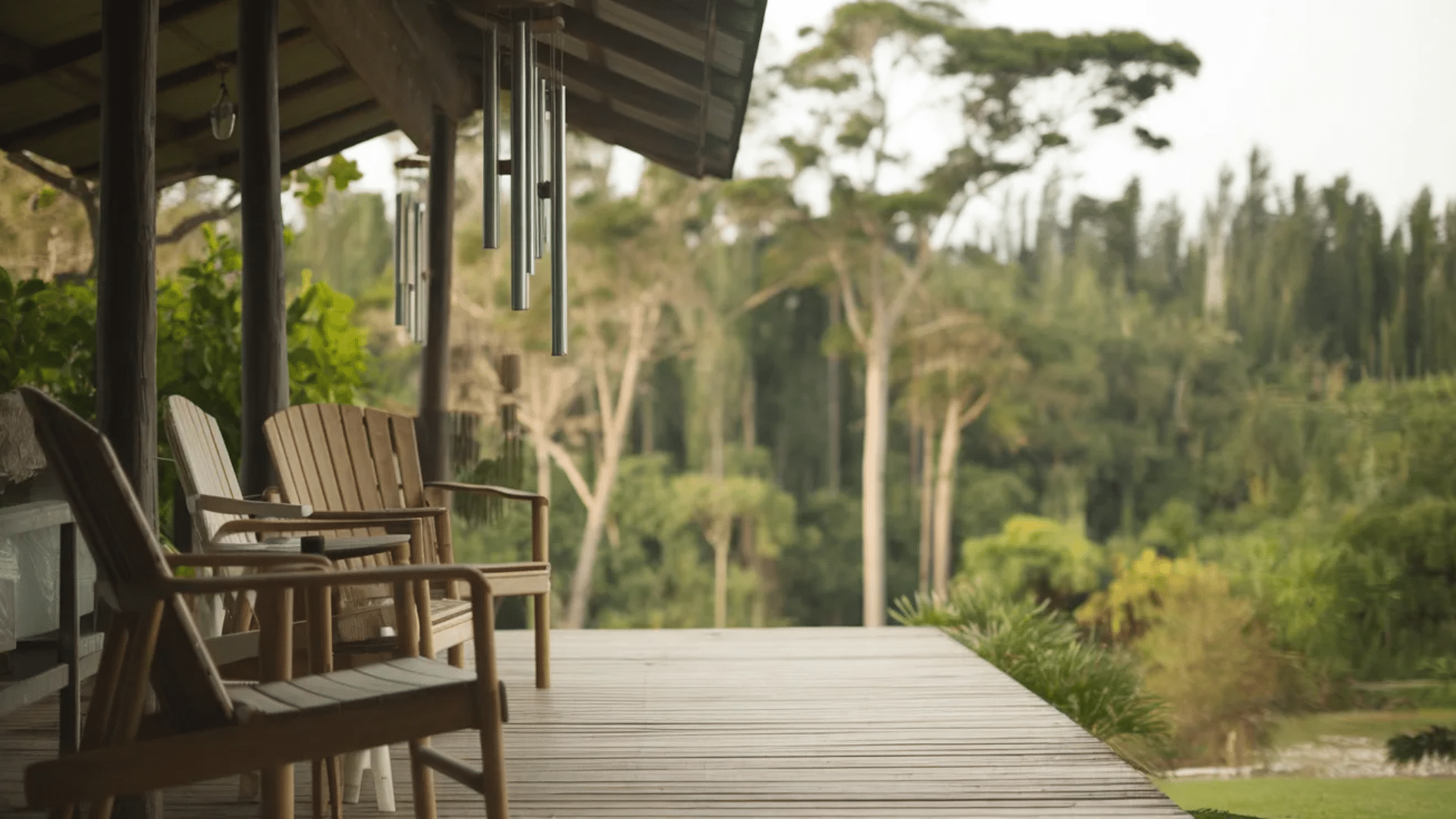
Wind chimes can help discourage birds by creating gentle sounds and movement. Birds usually prefer peaceful areas where they can rest without disturbances.
Wind chimes can help discourage birds by creating gentle sounds and movement. Birds usually prefer peaceful areas where they can rest without disturbances.
When wind chimes move and produce sound, the porch becomes less appealing as a resting place. The noise does not need to be loud; even a soft chime can interrupt the calm environment that birds seek.
Hanging wind chimes near railings or porch ceilings can help reduce the frequency of birds landing there. Besides helping with bird problems, wind chimes also add a decorative touch to the porch.
Natural Ways to Keep Birds Away from the Porch
Natural methods use scents, plants, or small environmental changes to make the porch less appealing to birds. These solutions are simple and safe while still helping reduce bird activity around the space.
11. Use Vinegar Spray Around the Porch
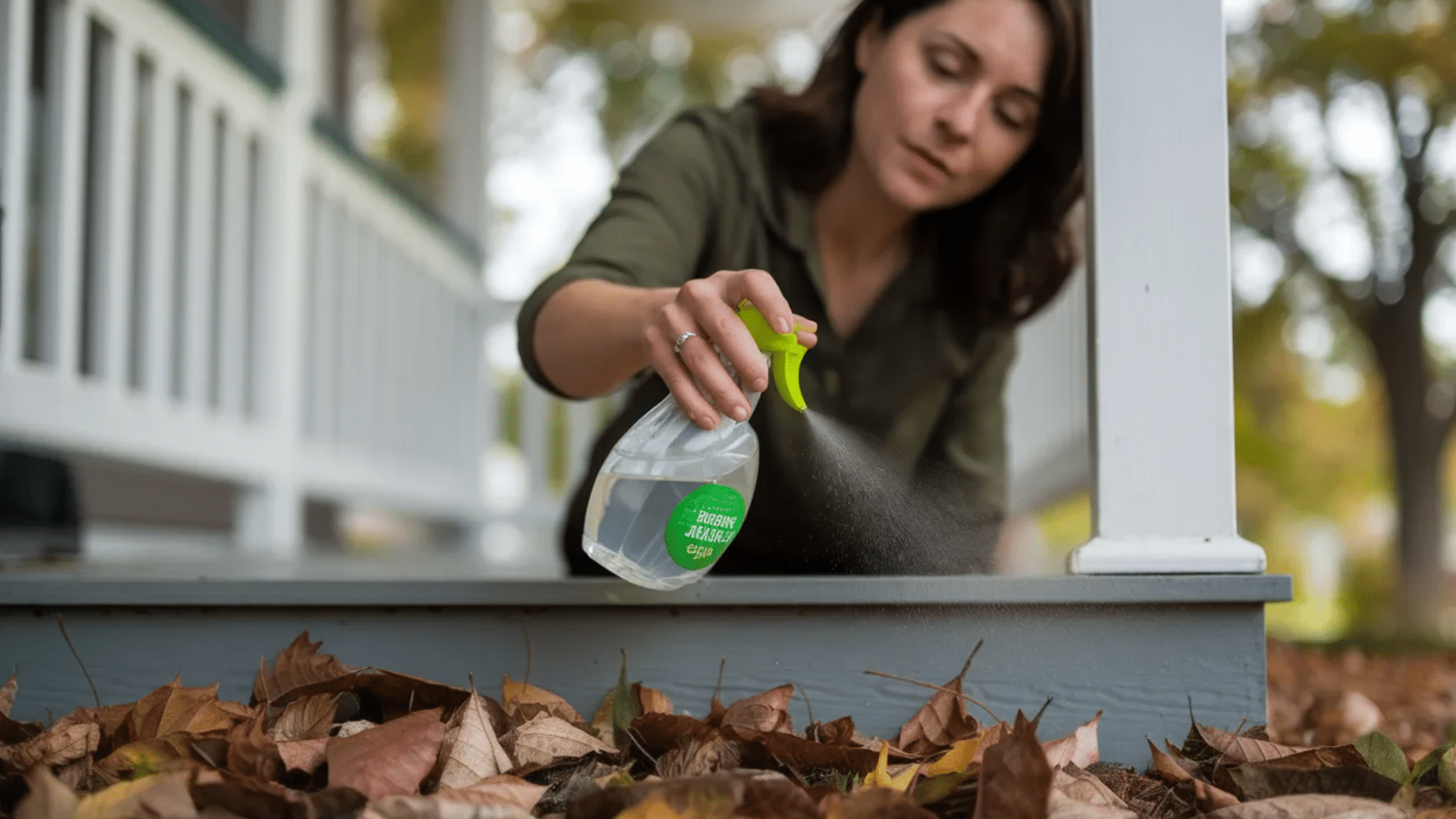
Vinegar has a strong smell that birds often avoid. Spraying diluted vinegar around porch railings, floors, and ledges may help discourage birds from landing.
The scent creates an unpleasant environment for birds without harming them. It is important to reapply the spray occasionally because the smell fades over time.
Many homeowners use vinegar because it is inexpensive and readily available. While it may not completely stop birds, it can reduce how often they visit.
This method works best when combined with other deterrents that make the porch less attractive overall.
12. Use Citrus Scents
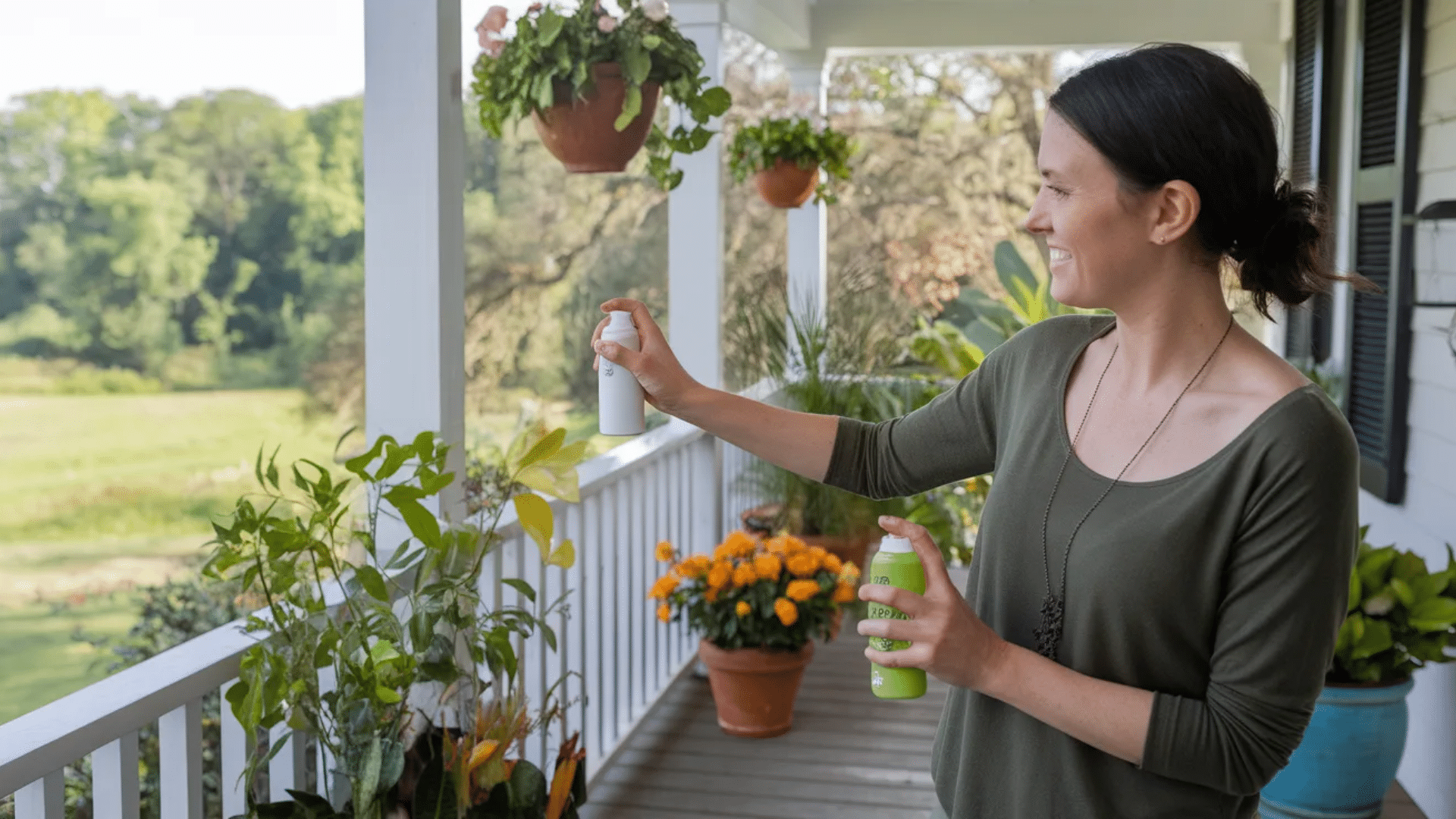
Birds tend to dislike strong citrus smells. Placing citrus peels or using citrus-based sprays around porch areas may help discourage birds from sitting there.
Lemon and orange scents can make the environment less comfortable for them. Some homeowners use citrus oils mixed with water to spray surfaces where birds usually land.
The scent is safe for people but unpleasant for birds. While this solution may not work instantly, repeated use can reduce bird visits over time.
Citrus scents also leave the porch smelling fresh, which many homeowners find beneficial.
13. Grow Plants Birds Avoid
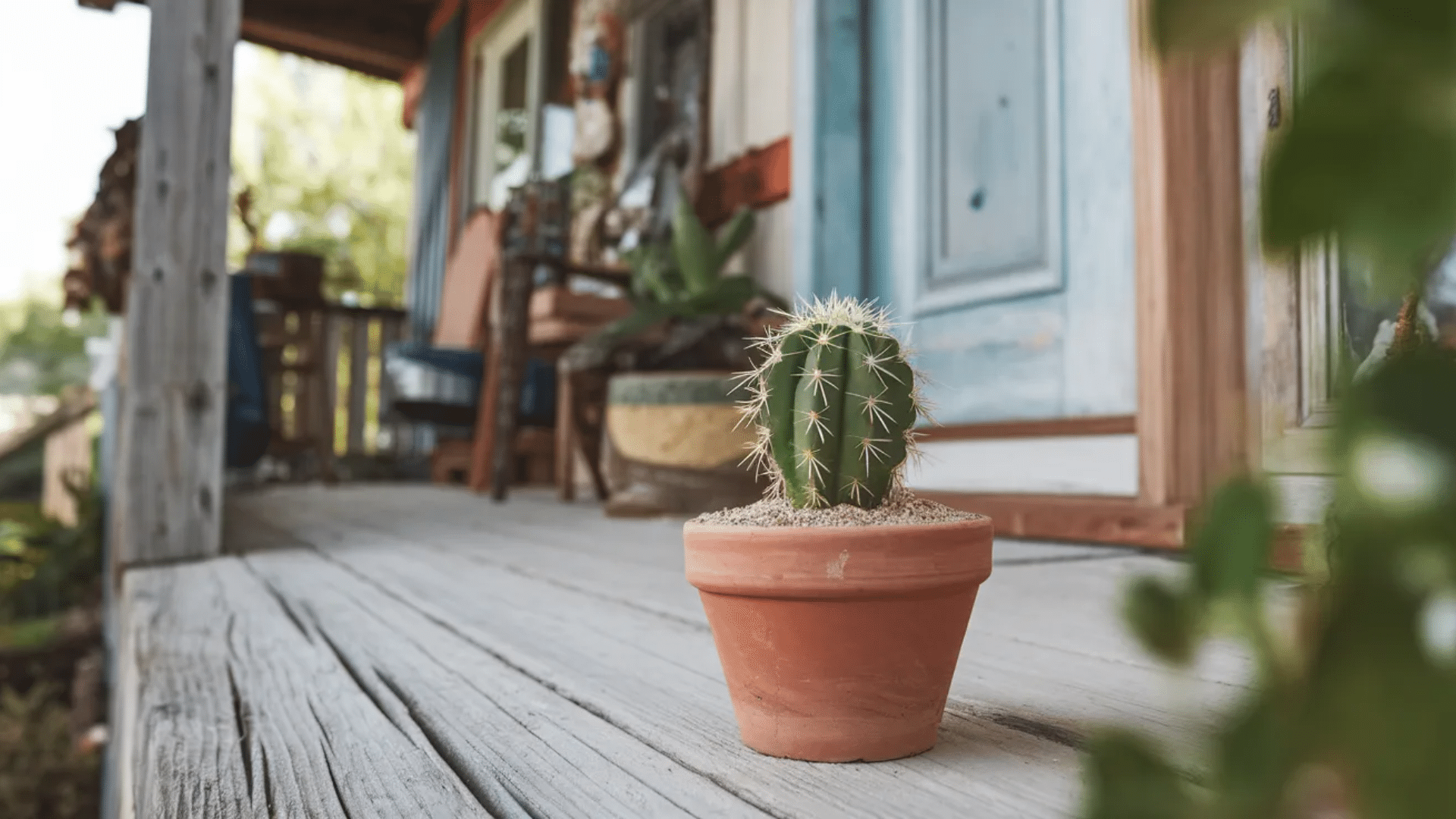
Certain plants can help reduce bird activity near your porch. Herbs such as mint, rosemary, and lavender have strong scents that birds sometimes avoid.
Placing these plants in pots around the porch may help create a natural barrier. The fragrance can make the area less appealing to birds seeking a place to rest.
While plants alone may not completely solve the problem, they can help reduce bird visits when used alongside other methods.
Many homeowners like this option because it adds greenery and decoration while also helping discourage birds from landing nearby.
14. Trim Nearby Trees and Bushes
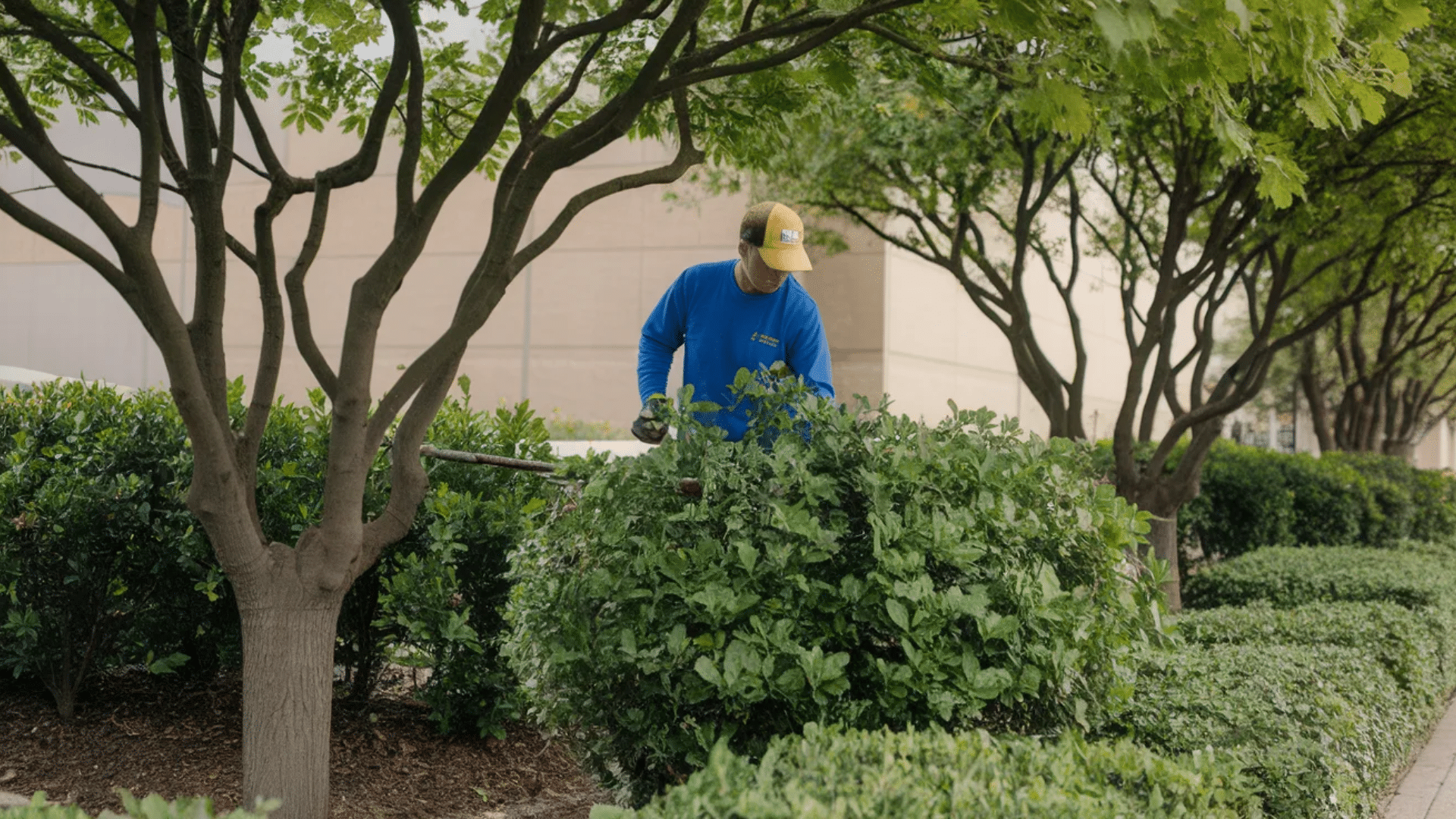
Trees and bushes near the porch can provide birds with easy access to landing spots. Birds often move from branches directly onto railings or roof edges.
When vegetation grows too close to the house, it may also provide nesting locations. Trimming back branches and keeping plants away from the porch can make the area less convenient for birds.
Without nearby perches or hiding spots, birds may choose other places to rest. Regular yard maintenance helps remove easy pathways birds use to reach the porch.
15. Move Bird Feeders Away from the Porch
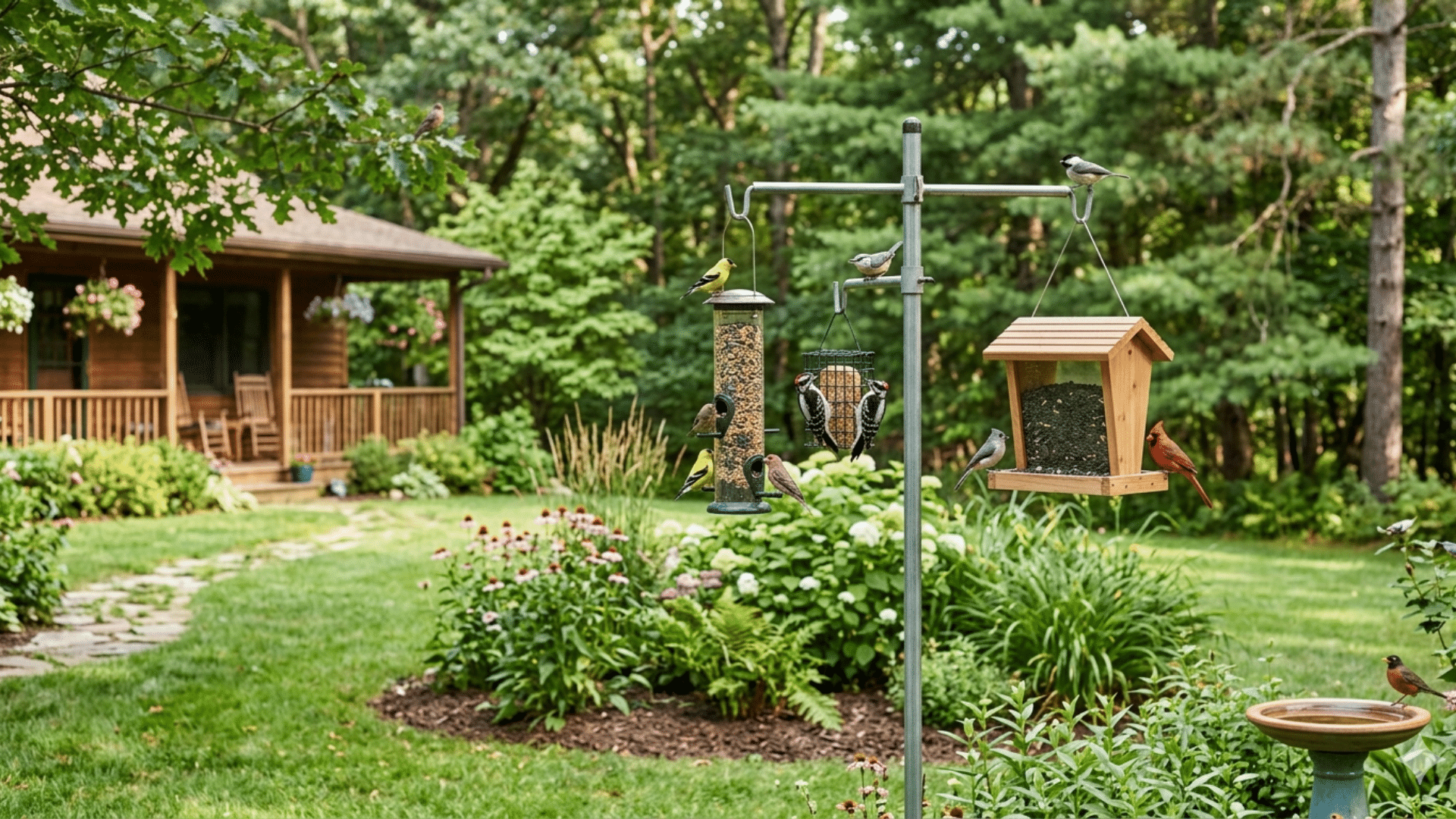
Bird feeders placed near the porch naturally attract birds to that area. While feeders can be enjoyable for bird watching, placing them too close to the house may lead to droppings and frequent bird visits.
Moving feeders farther into the yard can help redirect birds away from the porch. Birds will still visit the feeder, but they are less likely to gather around porch railings or furniture.
This simple change can significantly reduce bird activity near the house while still allowing people to enjoy watching birds in their yard.
How Online Communities Deal With Bird Problems
Many homeowners turn to online communities for simple, practical ways to address bird problems on their porches. People often share what has worked for them based on real experiences.
Common tips include hanging reflective items like CDs, placing fake owls, or using wind chimes to create movement and sound.
Many users say that using more than one method at the same time gives better results. Others suggest keeping the porch clean and removing food sources to stop birds from returning.
Regular updates and shared results help others learn what works best in different situations. These community ideas are easy to try and often focus on low-cost solutions.
By following these shared tips, many people can reduce bird activity and keep their porches cleaner over time.
Mistakes That Make Bird Problems Worse
Small habits can make your porch more inviting for birds without you noticing. Fixing these can help reduce bird visits and keep your space cleaner.
- Leaving Food Out: Birds quickly notice food scraps, and even tiny crumbs can prompt them to return often.
- Ignoring Early Nesting Signs: A few twigs can turn into a full nest if left unremoved, leading to increased bird activity.
- Using Only One Method: Birds may get used to one deterrent, so using a mix of methods works better.
- Not Cleaning Regularly: Leftover mess and droppings can attract more birds over time.
- Keeping Feeders Too Close: Feeders near the porch bring birds closer, increasing the chances of droppings.
- Waiting Until Nesting Has Started: Once a nest is active, your options narrow significantly and may be legally restricted. The most effective window to act is early spring, before birds scout and claim territory.
How to Keep Your Porch Clean After Bird Droppings
Quickly cleaning bird droppings is important to keep your porch safe and looking fresh. Droppings can leave stains, create unpleasant smells, and make surfaces slippery if left for too long.
Start by wearing gloves to protect your hands, then use warm water and mild soap to scrub the affected areas. A soft brush works well for removing dried spots without damaging surfaces.
For tougher stains, you can let the area soak for a few minutes before cleaning. It also helps to rinse the porch regularly to prevent buildup.
Keeping a routine cleaning schedule makes a big difference, as birds are less likely to return to clean spaces.
By maintaining cleanliness and acting quickly, you can reduce both the mess and the likelihood of birds returning to your porch.
At the End
In my experience, keeping birds away from the porch takes a mix of small steps and a bit of patience. I’ve learned that no single trick works forever, but combining a few methods can make a big difference.
When I keep my porch clean, remove anything that attracts birds, and use simple deterrents, the space feels much better and easier to enjoy.
It also helps to stay alert. Checking for early signs of nesting and making quick changes can stop bigger problems later. Over time, birds come to see the porch as an uncomfortable place.
If you’re dealing with this issue, start with a few easy methods and see what works best for your space. Try these tips today and take back your porch so you can relax in a clean, peaceful spot again.
Frequently Asked Questions
Are Certain Bird Species More Likely to Gather on Porches?
Yes, species like pigeons, sparrows, and starlings are more likely to gather on porches because they adapt well to human environments. These birds often return to places where they find easy food and safe resting spots.
Can Porch Color or Design Affect Bird Activity?
Yes, porch design can influence bird behavior, as flat surfaces and open spaces make landing easier. Brighter or reflective elements may sometimes discourage birds by making the area feel less safe.
Do Seasonal Changes Impact Bird Presence on Porches?
Yes, bird activity often increases during spring and summer when they search for nesting spots. In colder months, they may visit porches in search of shelter and nearby food sources.
Are there Any Sounds That Naturally Repel Birds?
Yes, birds tend to avoid areas with sudden or unfamiliar sounds that disturb their sense of safety. Even light, consistent noise can make a porch feel less comfortable for resting.
How Long does it Take to See Results from Bird Deterrents?
It usually takes a few days to a couple of weeks to notice results, depending on the method used. Consistent use of multiple deterrents often leads to faster and more effective outcomes.