

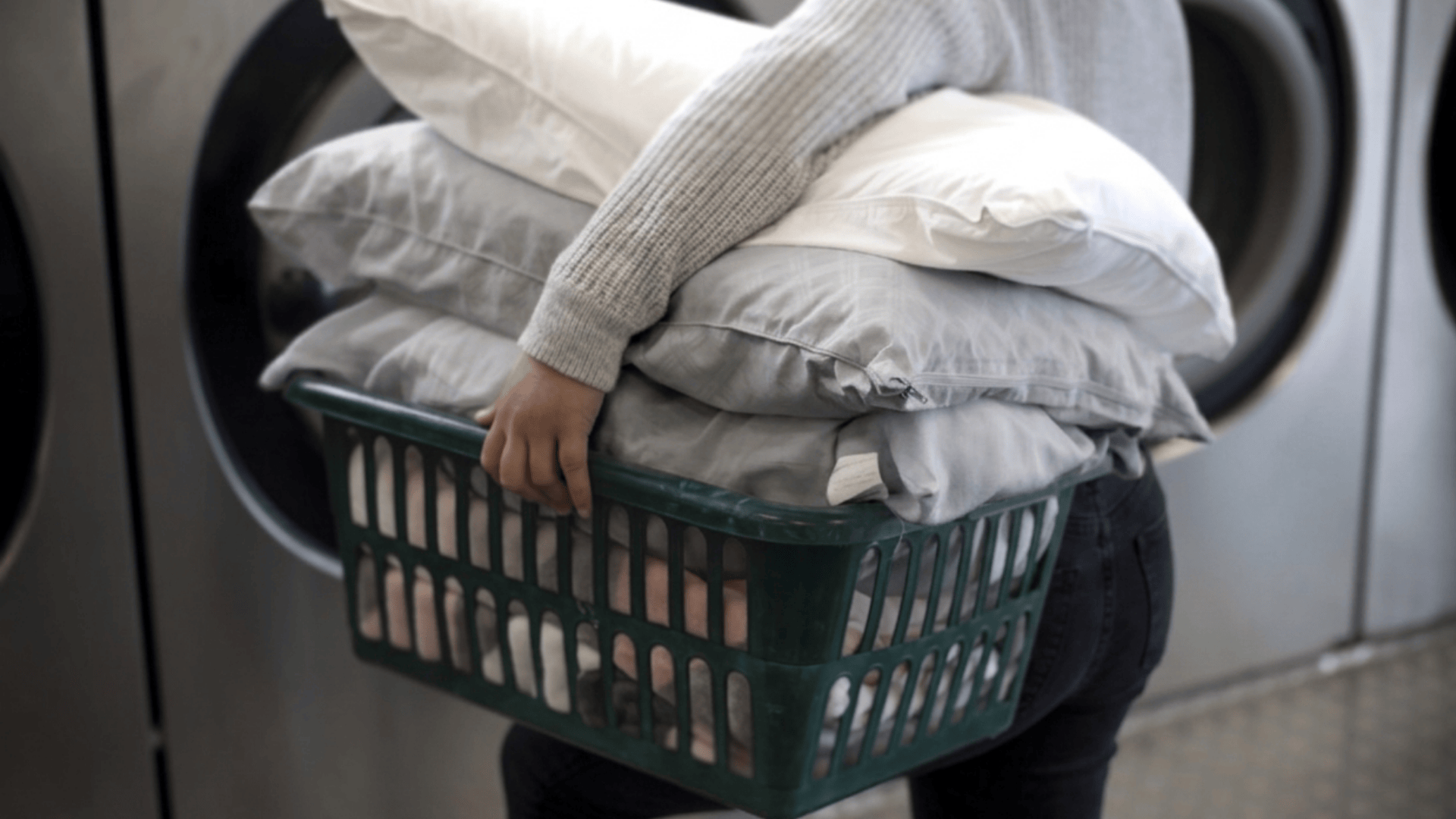
I used to think pillows were hard to clean, so I kept putting it off. But once I learned the right way to wash them, the process felt quick and easy.
If you feel unsure about cleaning pillows at home, I know what you’re feeling. Many people worry about damaging them or using the wrong method.
In this guide, I’ll share simple steps for safely cleaning different types of pillows.
I’ll also cover easy methods like using baking soda and vinegar, as well as spot cleaning, for quick fixes.
You’ll learn how to dry pillows the right way and keep them fresh for longer. I’ll also share some effective tips to keep pillows clean and fresh.
By the end, you’ll have a clear idea of what works and what to avoid, so your pillows stay clean, soft, and ready to use every day.
What Type of Pillows Can You Wash?
You can wash many types of pillows at home, but it depends on the filling. Cotton, polyester, and down pillows are usually safe to wash in a machine with mild detergent and cold water.
These pillows handle gentle cycles well and dry easily. Memory foam and latex pillows should not go in the washer.
Water can damage their shape, so it is better to spot clean them with a damp cloth.
Feather pillows can also be washed, but they need careful drying to stop clumping. Always check the care label before washing any pillow.
It gives the safest method to follow. If the label says “dry clean only,” avoid washing at home.
Using the right method helps your pillows stay clean, soft, and in good shape for longer use.
Tools and Materials Required Before Cleaning
Before I start cleaning my pillows, I make sure I have a few basic items ready. This helps the process go smoothly and saves time.
- Mild detergent
- White vinegar
- Baking soda
- Stain remover
- Soft brush
- Washing machine
- Dryer or drying rack
- Dryer balls
- Spray bottle
How to Wash Pillows the Right Way?
Washing pillows may seem tricky at first, but it becomes simple when you follow the right steps. These steps help remove dirt, oils, and stains while keeping your pillow safe and soft.
Step 1: Check the Pillow Tag
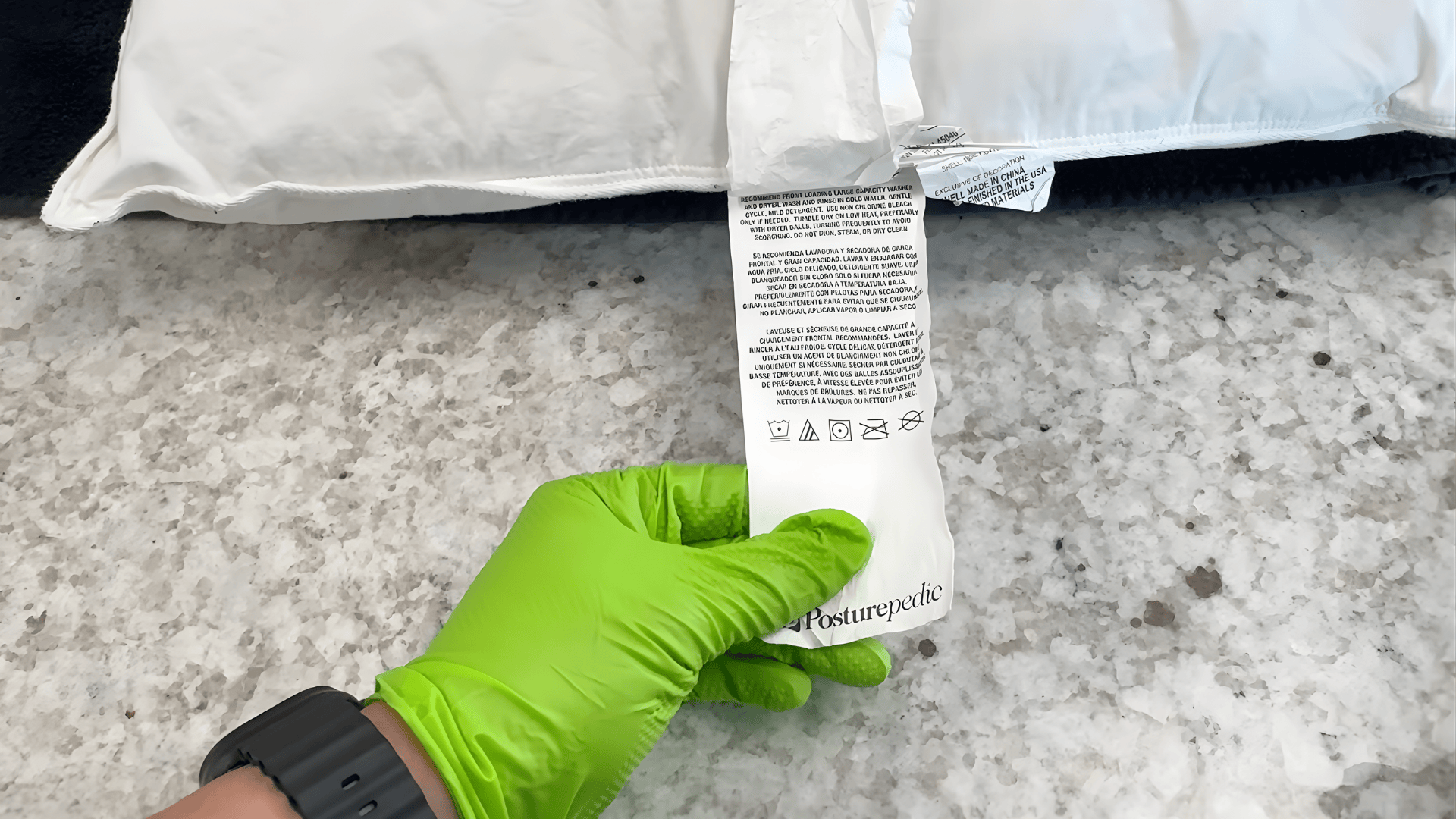
Start by checking the care label on your pillow before doing anything.
This step helps you determine whether the pillow can be washed and which method is safe to use.
Some pillows, like memory foam, should not be soaked in water. The label will also guide you on water temperature and cycle type.
Taking a minute to read the tag can prevent damage and help you clean your pillow the right way from the start.
Step 2: Pre-Treat Stains First
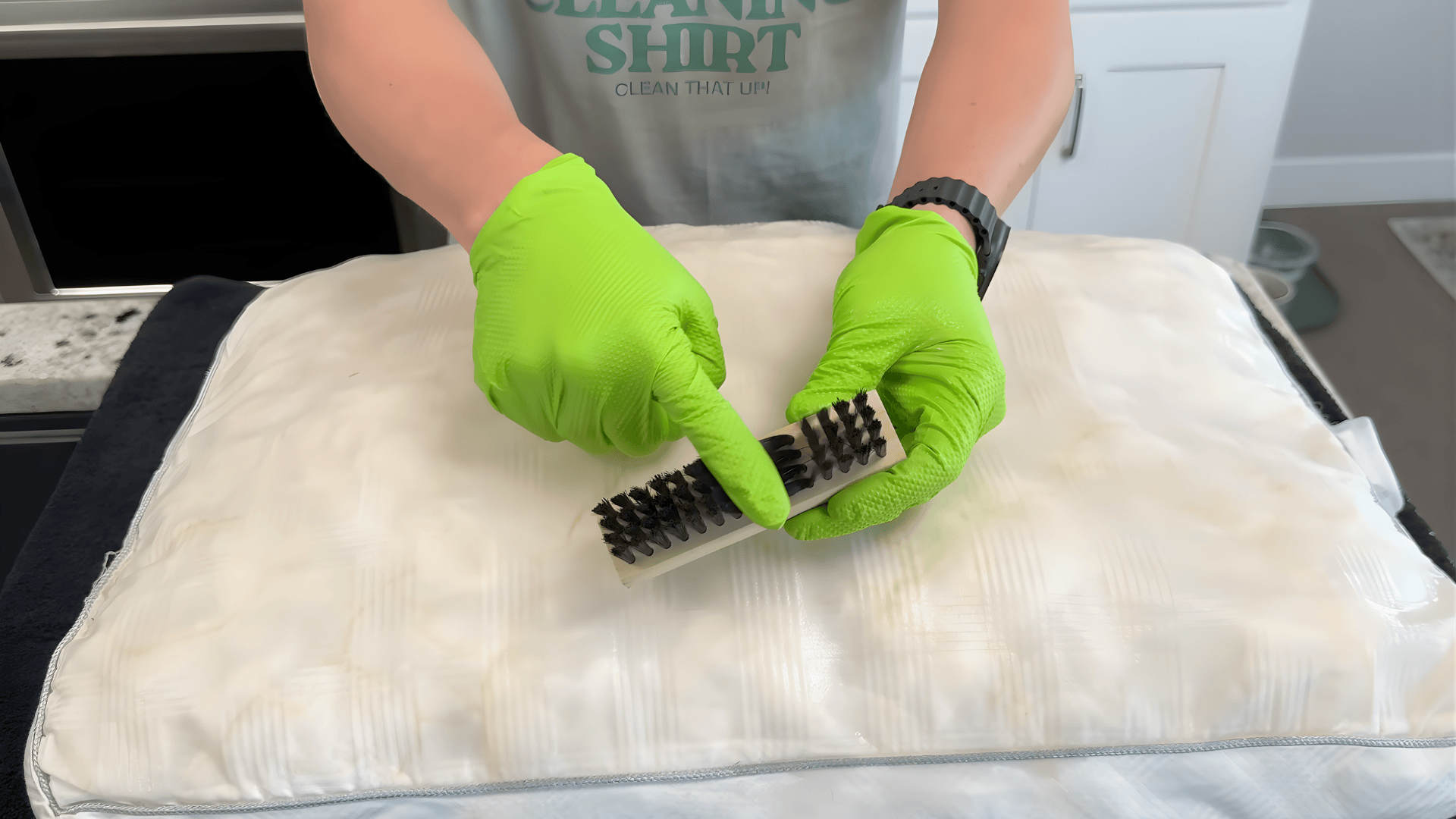
Before washing, treat any stains on the pillow. Use a simple cleaner like hydrogen peroxide or a stain remover and spray it on dirty areas.
Pay extra attention to yellow spots from sweat and oils, as they can be harder to clean.
Gently scrub the area with a soft brush if needed, but avoid being too rough.
Let the cleaner sit for about 30 minutes so it can break down the dirt properly. This step helps your pillow come out much cleaner after washing.
Step 3: Wash the Pillow Properly
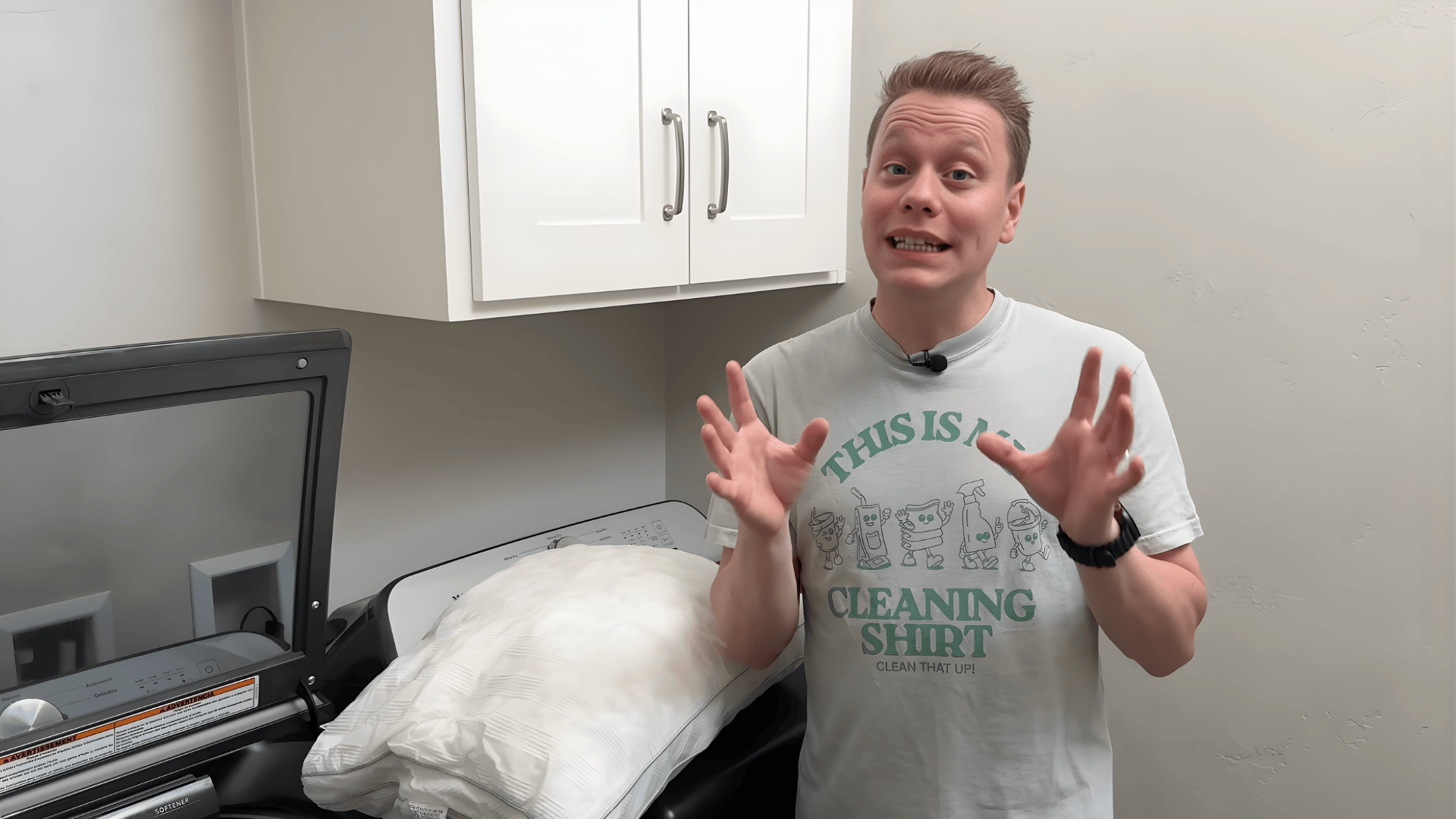
Place the pillows evenly in the washing machine so it stays balanced during the cycle.
Use a mild detergent that is gentle and safe for fabrics. Follow the instructions on the care label, but cold water and a gentle cycle usually work well.
Avoid using too much detergent, as it can get trapped inside the pillow.
Washing it the right way helps remove dirt while keeping the pillow shape and filling safe.
Step 4: Check and Dry Carefully
After washing, take a moment to check if all stains are gone before drying. If any marks remain, repeat the cleaning step before moving forward.
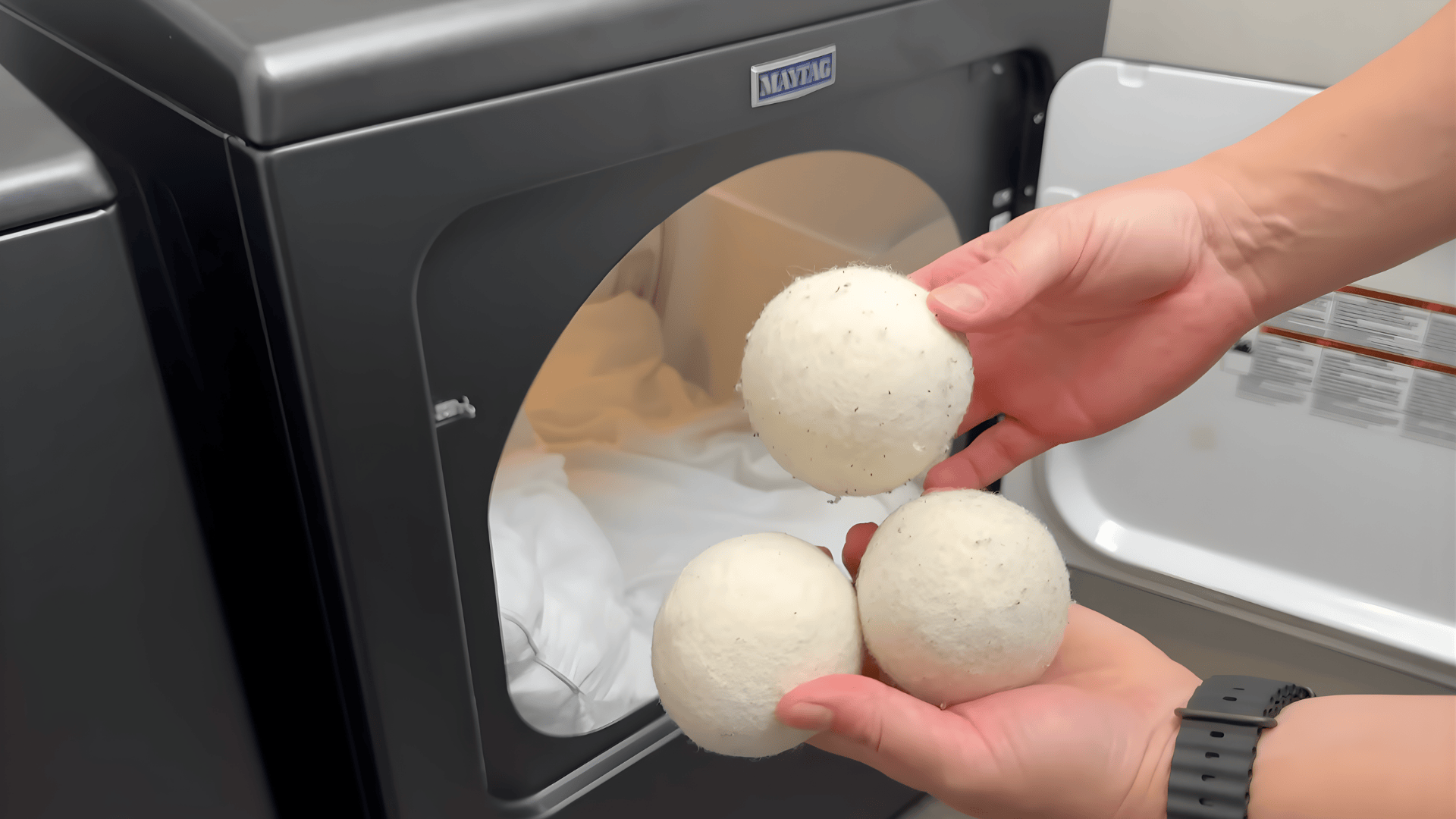
Fluff the pillow to evenly distribute the filling. Dry it on low heat to avoid damage.
You can add dryer balls or clean tennis balls to keep it soft and prevent clumping. Make sure the pillow is fully dry to avoid any smell or moisture inside.
This tutorial is based on a helpful video by Clean That Up. You can check out the original video on their YouTube channel here or watch it below.
Tips to Keep Pillows Clean and Fresh
Keeping pillows clean does not take much effort if done regularly. Small habits can help your pillows stay fresh and last longer.
- Change pillowcases weekly: Clean covers stop sweat, oil, and dirt from building up on pillows.
- Use pillow protectors: Add a layer that helps block stains, moisture, and dust.
- Air pillows often: Let them sit in fresh air or sunlight to remove odors.
- Fluff pillows daily: Keep the filling even and help pillows hold their shape.
- Wash pillows every few months: Regular cleaning prevents buildup and keeps them hygienic.
- Keep hair clean before bed: Less oil and dirt transfer to the pillow.
- Avoid eating on the bed: This helps prevent crumbs, spills, and stains.
- Store pillows properly: Keep them in a dry place when not in use.
- Replace old pillows: Worn-out pillows collect more dirt and lose support over time.
Different Methods to Wash Pillows
Not every pillow needs the same cleaning method, so it helps to choose the one that works best for your pillow type. These simple methods make it easier to clean pillows safely without causing damage.
1. Mild Detergent Method
The mild detergent method is one of the safest and most effective ways to clean pillows at home. Use a small amount of gentle detergent mixed with water, or use during washing, to remove dirt, sweat, and oils.
Avoid using strong cleaners, as they can damage the fabric or filling. Make sure to rinse well so no soap stays inside.
This method works best for cotton, polyester, and down pillows and helps keep them soft, clean, and fresh after every wash.
2. Baking Soda Method
The baking soda method is a simple way to remove odors and light dirt from pillows. Sprinkle baking soda evenly over the pillow surface or mix it with a little water to form a paste.
Let it sit for at least 20 to 30 minutes so it can absorb smells and break down dirt. After that, gently brush or rinse it off.
This method is useful for regular cleaning and helps keep pillows smelling fresh without using harsh chemicals or strong cleaning products.
3. Vinegar Method
The vinegar method is effective for removing stains and neutralizing strong odors from pillows.
Mix a small amount of white vinegar with water and apply it during cleaning or washing. Vinegar works well to break down sweat marks and buildup inside the fabric.
Do not worry about the smell, as it fades after drying.
This method is good for deeper cleaning and helps restore freshness while keeping the pillow safe when used in the right amount.
4. Spot Cleaning Method
Spot cleaning is the best option when only a small part of the pillow is dirty. Use a soft cloth with mild soap and water to gently clean the stained area.
Avoid soaking the pillow, especially if it is made of delicate material.
Dab the spot lightly and repeat until the stain is gone.
This method helps protect the pillow from damage and works well for memory foam or other pillows that cannot be fully washed in water.
5. Steam Cleaning Method
Steam cleaning is a great way to clean pillows without soaking them in water. Use a handheld steamer and slowly pass it over the pillow surface.
The heat helps remove bacteria, odors, and light dirt while keeping the material safe.
Make sure not to hold the steam in one place for too long.
This method is ideal for regular maintenance and helps freshen up pillows between washes, keeping them clean and safe to use every day.
How to Dry Pillows without Damage?
Drying pillows the right way helps keep them soft, clean, and safe to use. A good drying process also stops bad smells and keeps the filling in shape.
- Remove extra water: Press the pillow gently to take out water without twisting or squeezing too hard.
- Fluff the pillow: Shake and fluff it to evenly distribute the filling before drying.
- Use low heat: Dry on low or no heat to protect the fabric and inner material from damage.
- Add dryer balls or tennis balls: These balls keep the pillow soft and prevent clumping.
- Air out if needed: Let the pillow sit in the open air or in sunlight to remove any remaining moisture.
- Check for dryness inside: Make sure the pillow is fully dry from the inside before using it again.
What People Say on Quora About Washing Pillows?
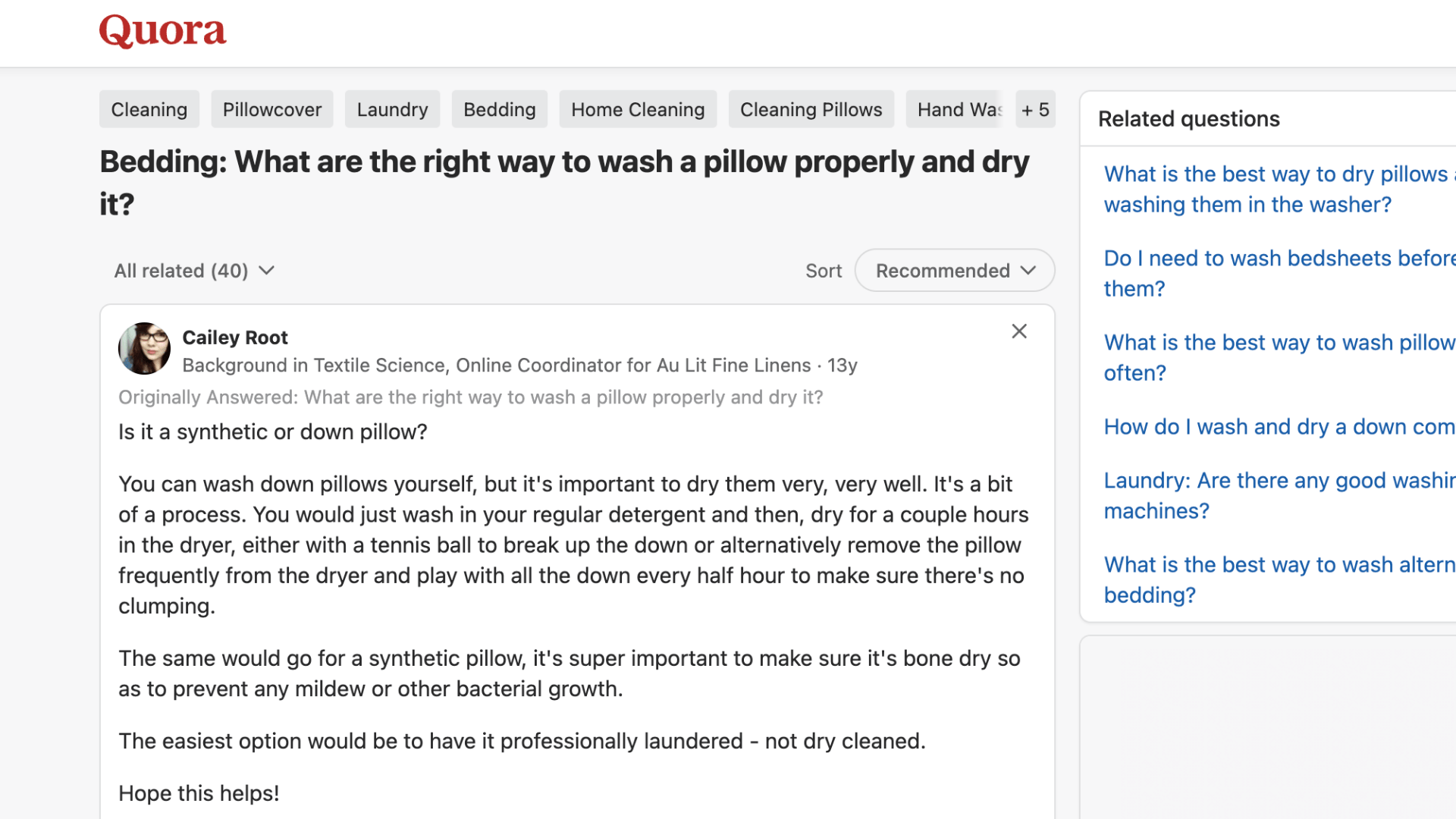
Many people on Quora share simple and practical advice based on their own experience with cleaning pillows. A common point they mention is to always check the pillow type first.
For example, users say down and synthetic pillows can usually be washed with mild detergent, but they stress that drying is the most important step.
Several people suggest drying pillows for a long time and even adding tennis balls to keep them fluffy.
Some also prefer air drying in sunlight to remove moisture and keep pillows fresh. Others warn that foam pillows should not be soaked and are better cleaned with spot methods.
A few users even mention that if a pillow is too old or worn out, it may be better to replace it rather than clean it.
Signs Your Pillows Need Cleaning
Pillows can look fine on the outside but still be dirty inside. Knowing the signs early helps you clean them before problems get worse.
- Bad smell: A musty or sweaty odor means buildup inside the pillow.
- Yellow stains: Sweat and oil marks are clear signs that it needs cleaning.
- Flat shape: Loss of fluff shows dirt and moisture inside the filling.
- Lumps inside: Uneven filling can happen when dirt collects over time.
- Dust buildup: More dust can trigger allergies and breathing issues.
- Skin irritation: Dirty pillows can cause acne or skin problems.
- Heavier feel: Extra weight can mean moisture and dirt buildup.
- Long time since last wash: If it has been months, it likely needs cleaning.
What People on Reddit Say About Washing Pillows?
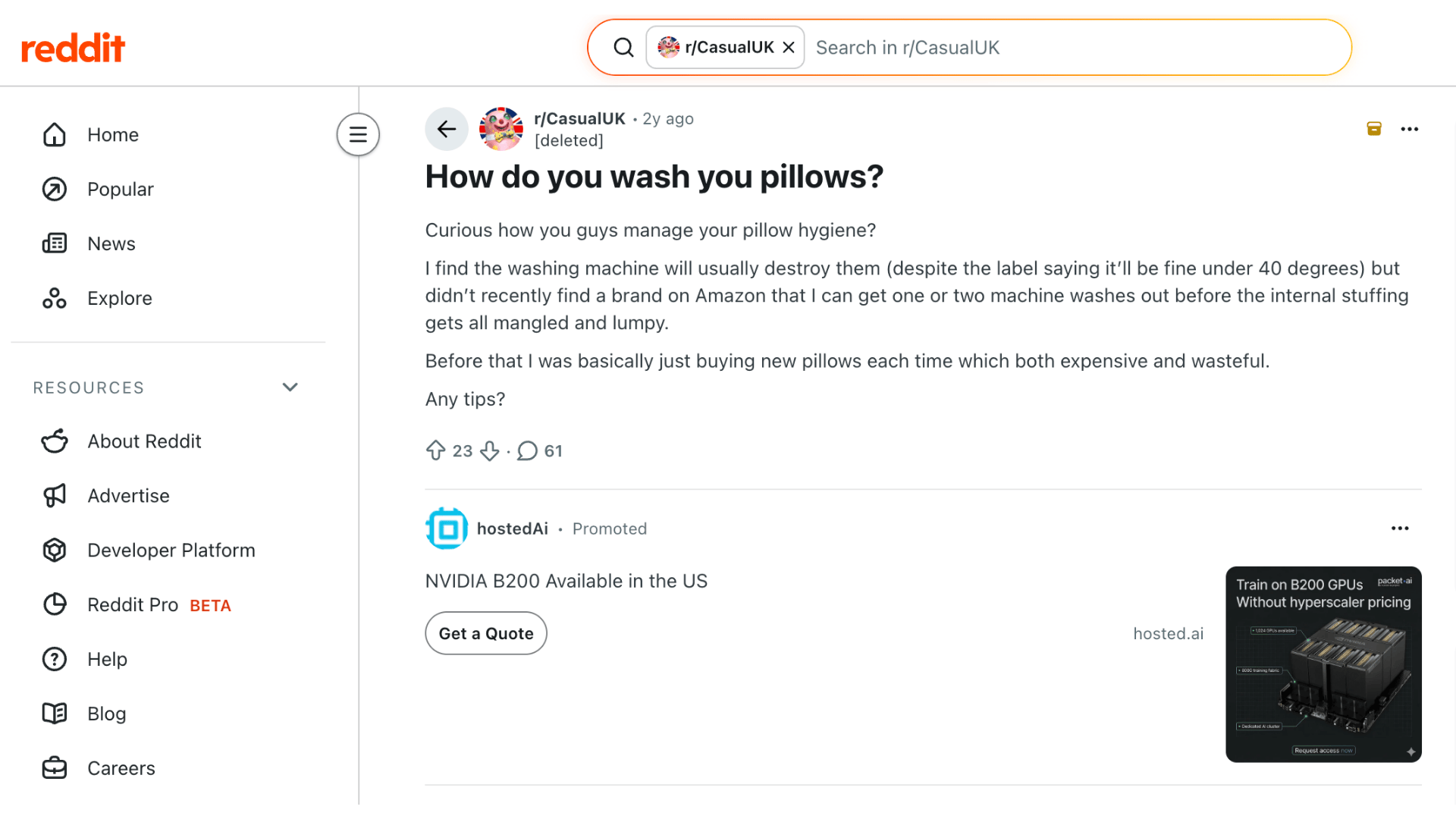
Many people on Reddit share mixed opinions based on their own experience with washing pillows.
Some users say they avoid washing pillows altogether and focus instead on washing pillowcases and using protectors.
They believe this keeps pillows clean for longer without risking damage. A few even mention replacing pillows every year instead of washing them.
Others say they do wash pillows, but take extra care.
They suggest using a gentle cycle, low temperature, and drying with tennis balls to keep them fluffy.
Some also prefer air drying or using sunlight. Overall, most people agree that using pillow protectors and drying pillows fully are the best ways to keep them clean and in good condition.
Common Mistakes to Avoid when Washing Pillows
Washing pillows the wrong way can damage them or leave them dirty inside. Avoiding a few simple mistakes can help keep your pillows in good shape.
- Skipping the care label: Not checking instructions can lead to damage or wrong cleaning methods.
- Using too much detergent: Extra soap can leave behind a residue that makes pillows stiff or sticky.
- Washing all pillow types the same: Different materials need different care to stay safe.
- Not pre-treating stains: Skipping this step can leave marks even after washing.
- Using high heat: Too much heat can damage the fabric and inner filling.
- Overloading the washer: This stops proper cleaning and can affect machine balance.
- Not drying fully: Damp pillows can smell bad, or mold can grow inside.
- Ignoring small stains: Leaving spots untreated can make them harder to remove later.
How Often Should You Wash Pillows?
You should wash your pillows every 3 to 6 months to keep them clean and safe to use. Over time, pillows collect sweat, oil, dust, and dead skin.
This can lead to bad smell and poor sleep quality. If you have allergies or asthma, it is better to wash them every 2 to 3 months.
Pillow covers and cases should be washed more often, about once a week.
Always check the care label before washing to avoid damage. Some pillows need special care and cannot go in a machine.
Keeping a regular cleaning schedule helps your pillows stay fresh, soft, and long-lasting.
It also supports better hygiene and a healthier sleeping space for daily use.
Conclusion
Clean pillows can make your bed feel fresher and more comfortable every night.
Once you know the right steps and methods, washing pillows becomes much easier than it seems.
Simple habits like regular cleaning, proper drying, and using protectors can help your pillows stay in good shape for a long time.
You don’t need anything complicated to get good results.
Just follow the right approach and avoid common mistakes to keep your pillows soft, clean, and safe to use.
Now I’d love to hear from you. Have you ever tried washing your pillows at home? Share your experience, tips, or what worked best for you in the comments below.