

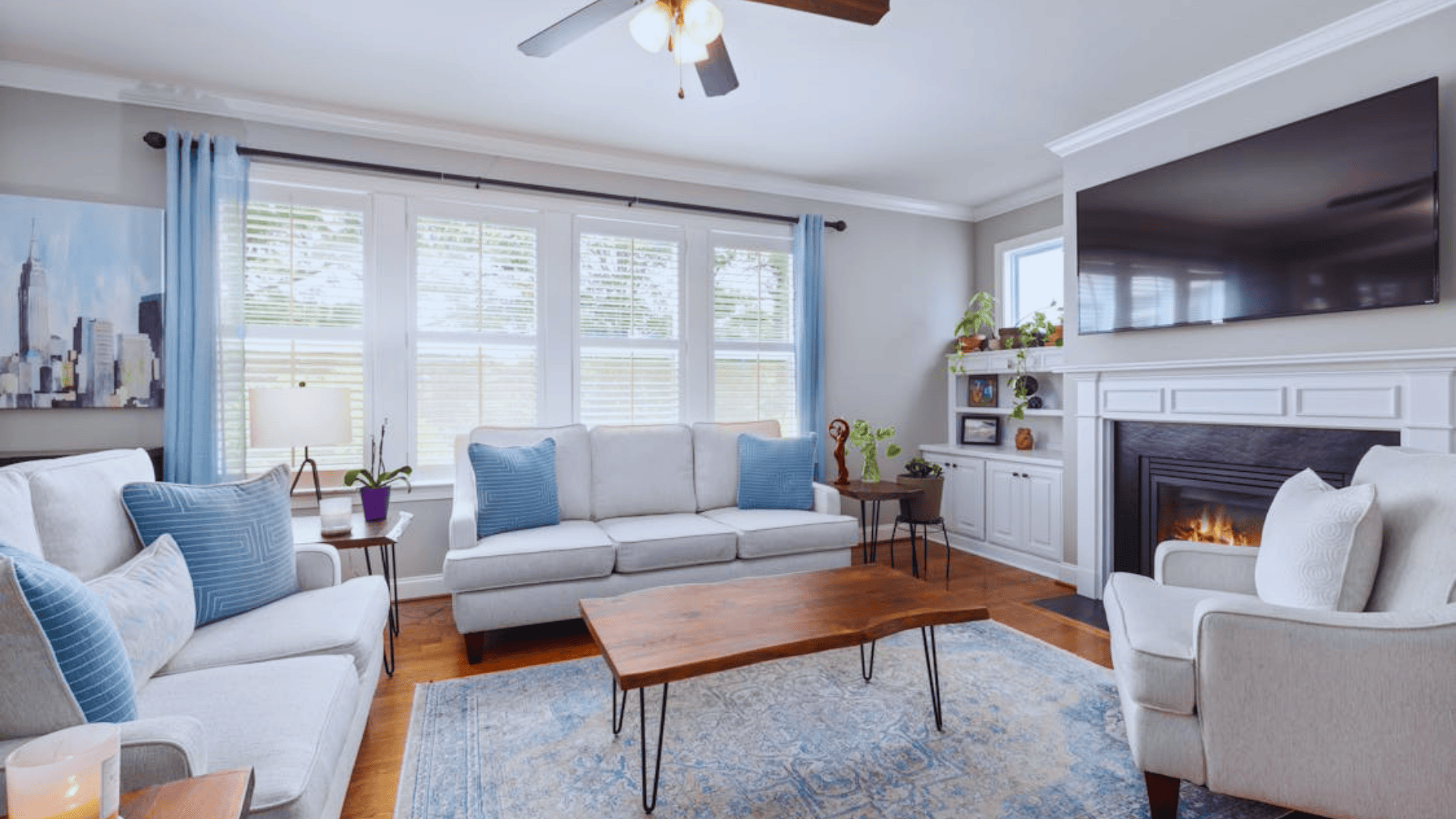
When I set up a living room, the rug is one of the first things I think about. The wrong size can make a nice room feel unfinished.
Many people ask the same question: what size rug for living room spaces actually works best?
It can be confusing because furniture layouts, sofas, and coffee tables all affect the choice.
In this guide, I will share some simple ways to choose the right rug for your space. You will learn common rug sizes for living room layouts and how each size fits around sofas and chairs.
I will also share easy tips for living room rug placement that help the room look balanced and comfortable.
By the end, you should feel more confident measuring your space, planning your layout, and choosing a rug that fits your living room well.
Quick Answer: Best Rug Size for Most Living Rooms
The best rug size for a living room is usually an 8×10 or 9×12 rug. These sizes fit well under sofas and chairs and help connect the seating area.
An 8×10 rug works best in medium rooms, where the front legs of the furniture sit on the rug.
A 9×12 rug is better for larger spaces because it can hold most or all furniture. For small rooms, a 6×9 rug can still work if placed carefully.
The rug should always be wider than the sofa and not just sit under the coffee table.
Leave some space around the edges so the room feels open. Choosing the right size makes the space look balanced and easy to use.
Why Rug Size Matters in a Living Room?
Rug size matters more than most people realize. A rug that’s too small makes your seating area look disconnected, like the furniture is just floating in the middle of the room.
If the rug is too large, the room can feel cramped. The right size brings furniture together and keeps the space balanced.
I have found that clients often underestimate how much a rug anchors a room. One client in a narrow Brooklyn apartment had a beautiful sectional that felt awkward for months.
We swapped their 5×7 for a 9×12, shifted the placement so all legs sat on the rug, and the room immediately read as a complete, designed space.
That single change made more impact than any new furniture or lighting would have.
Think of the rug as the base of the room. If the size is wrong, the space feels off. Get it right, and everything fits together well.
Best Rug Sizes for Living Room Setup
Choosing the right rug size helps the room feel balanced and easy to use. It also helps connect furniture, making the layout look neat and complete.
6×9 Feet Rug for Small to Medium Spaces
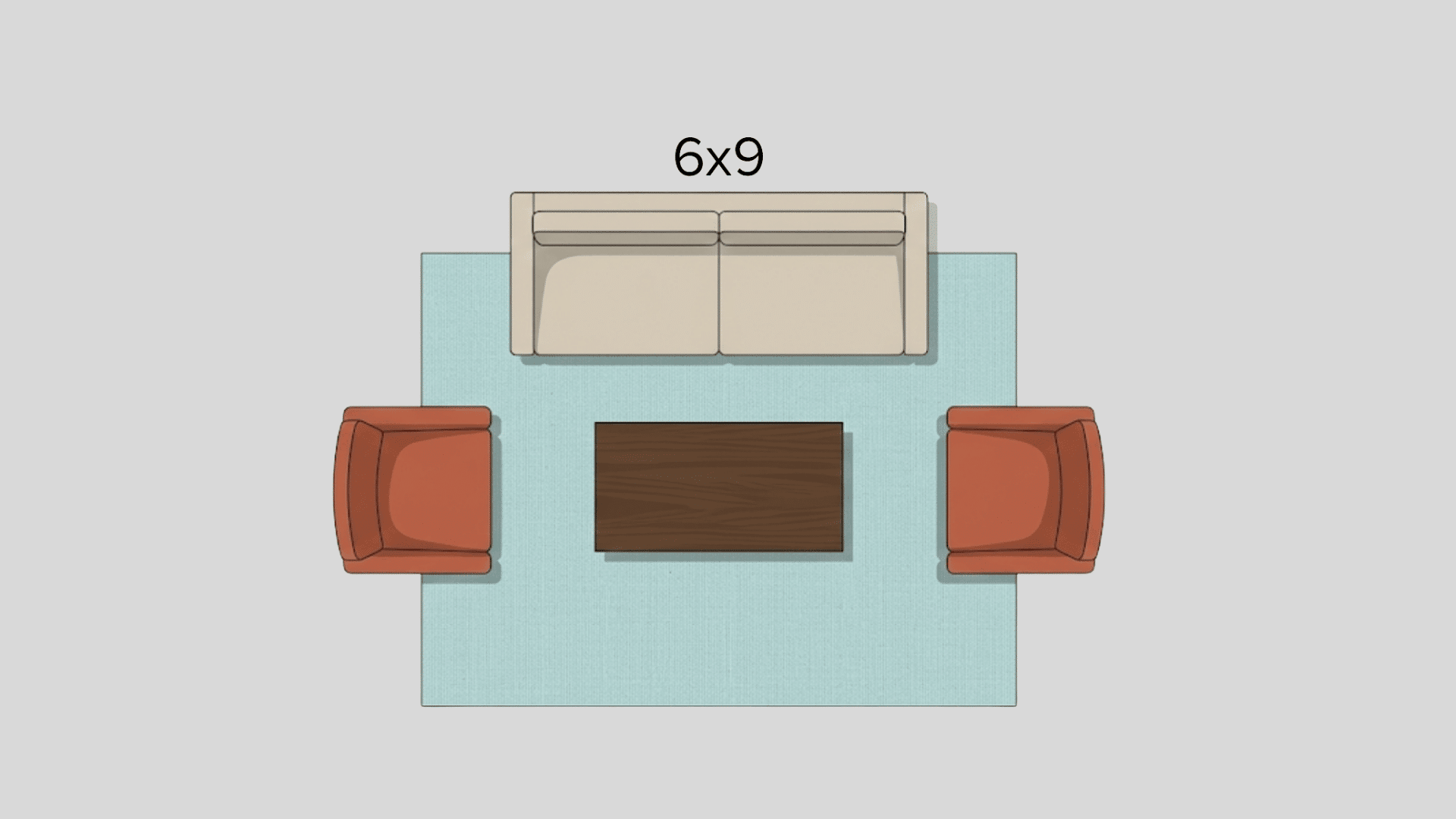
A 6×9-foot rug works well in small to medium living rooms. It allows the front legs of smaller sofas or chairs to sit on the rug, helping connect the seating area.
This creates a more unified look compared to smaller rugs. It is a good step up from a 5×7 rug when slightly more coverage is needed.
Keeping equal space around the rug edges helps maintain a clean layout.
I typically recommend this size for apartment living rooms with a sofa under 84 inches wide, where an 8×10 would crowd the perimeter.
8×10 Feet Rug for Medium Living Rooms
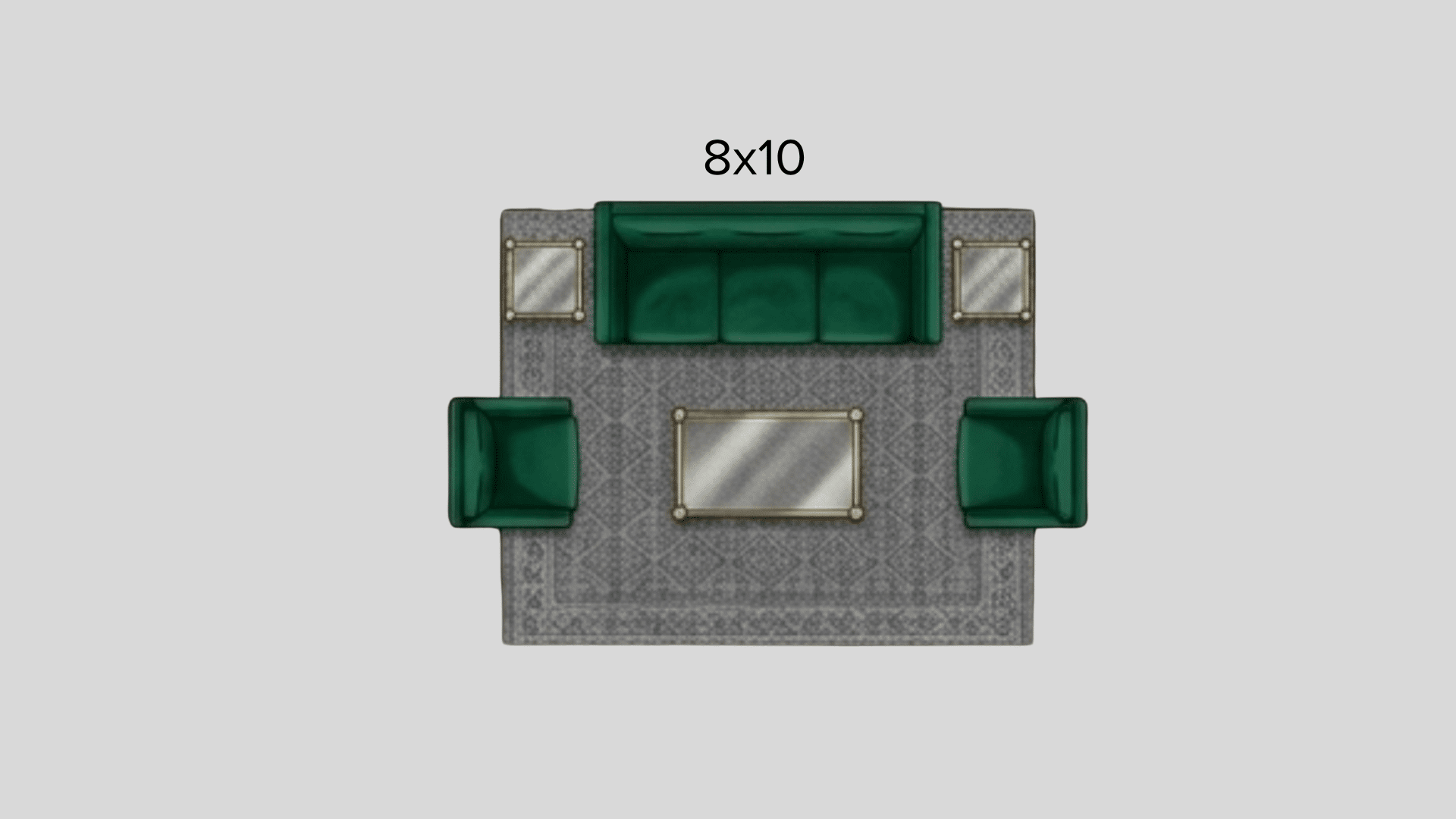
An 8×10-foot rug is one of the most common choices for medium-sized living rooms. It usually fits under the front legs of sofas and chairs, helping tie the seating area together.
This setup creates a neat, balanced look without covering the entire floor.
It works well in most homes and supports a comfortable layout. Leaving some floor visible around the rug helps the room feel less tight.
This is the size that resolves the most common complaint I hear from clients: that the room feels like a furniture showroom rather than a cohesive space.
9×12 Feet Rug for Large Living Rooms
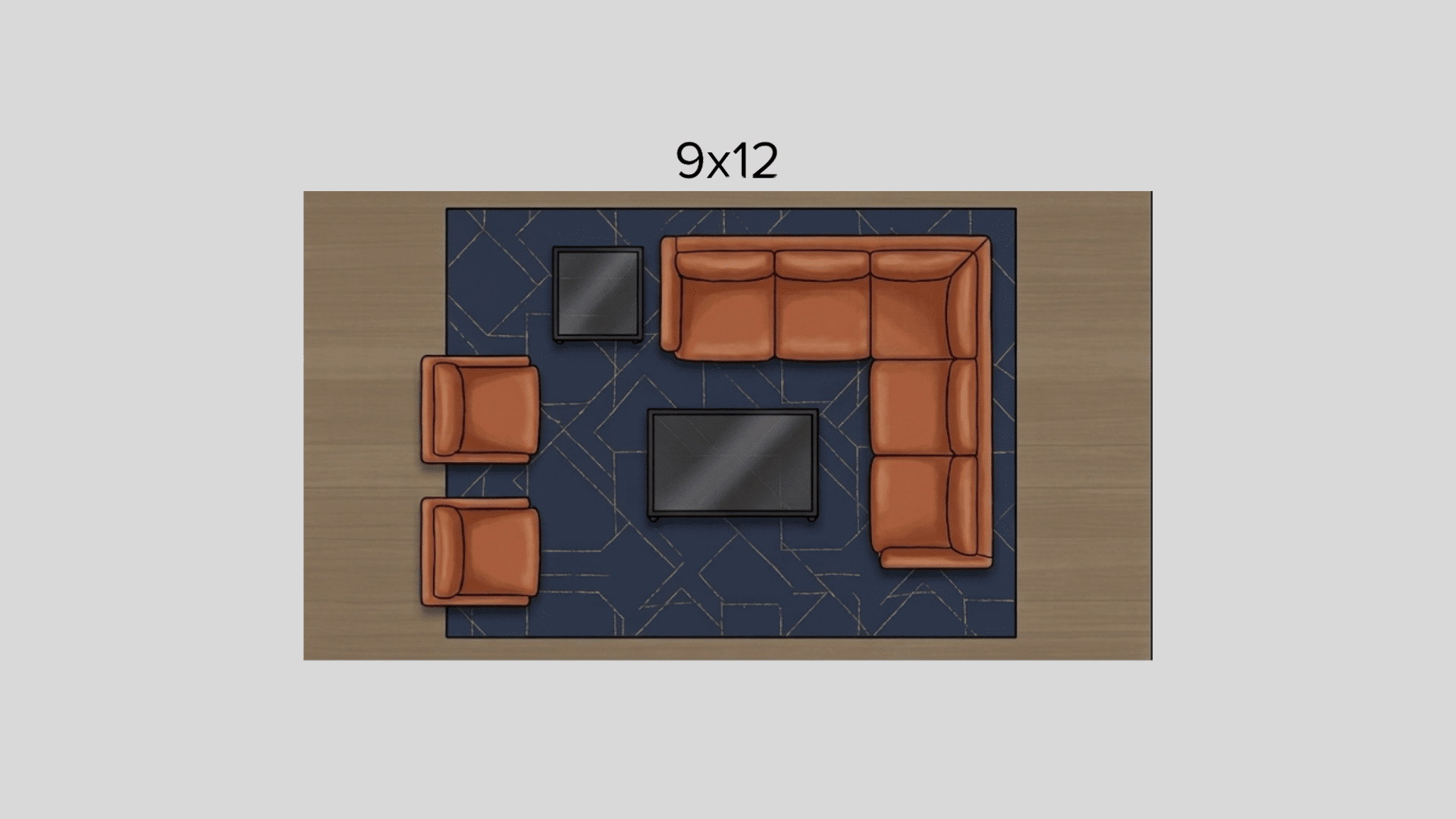
A 9×12 feet rug fits large living rooms where a strong layout is needed. All main furniture pieces, including sofas and chairs, can sit fully on the rug.
This creates a clear and connected seating area. It also helps define the living space in open-plan layouts.
Keeping the rug centered improves the overall balance of the room.
For rooms over 300 square feet, this is usually the minimum I recommend. Going smaller creates a mismatched scale between the rug and the room that is difficult to overlook.
10×14 Feet Rug for Extra Large Spaces
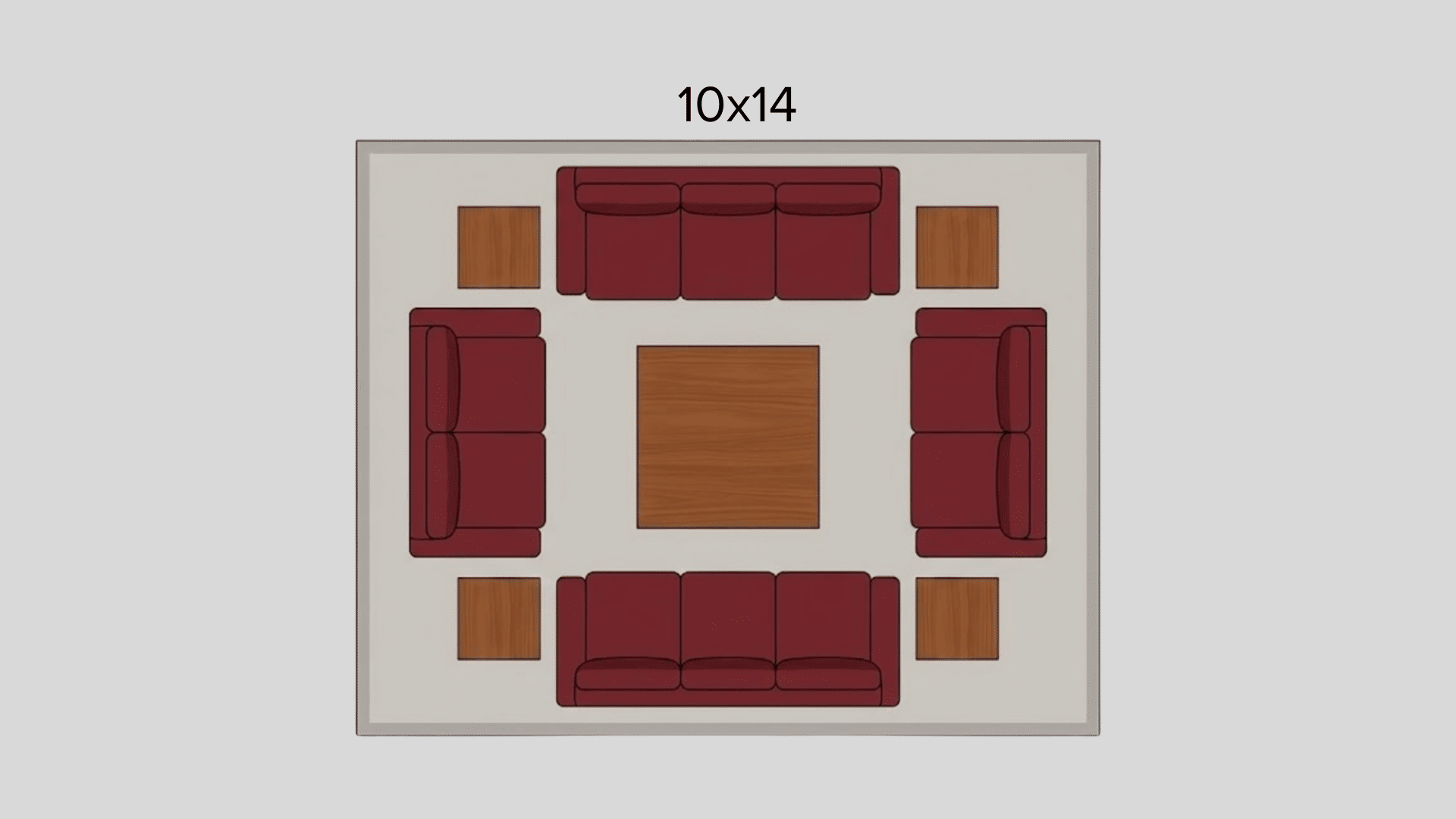
A 10×14 feet rug is ideal for extra-large living rooms with wide layouts. It allows large furniture pieces to sit fully on the rug without feeling cramped.
This creates a full, grounded appearance throughout the space. It works especially well in open floor plans, where the rug clearly marks the living area.
Leaving space between the rug and walls keeps the room from feeling boxed in.
I use this size primarily in formal living rooms and great rooms where the seating arrangement includes a sofa, loveseat, and two accent chairs. Anything smaller and the visual weight of the furniture overwhelms the rug.
Living Room Rug Size Quick Summary Table
The most common rug sizes for living rooms help create a clear, balanced seating area. These standard sizes make it easier to match the rug with sofas, chairs, and coffee tables.
| Rug Size | Best For | How It Usually Fits | Room Size Estimate | Placement Style |
| 5×7 feet | Small living rooms or apartments | Usually placed under the coffee table with furniture around the rug edges | Under 150 sq ft | All legs off |
| 6×9 feet | Small to medium seating areas | Front legs of the sofa or chairs can sit on the rug | 150–225 sq ft | Front legs on |
| 8×10 feet | Medium living rooms | Often placed under the front legs of most furniture | 225–300 sq ft | Front legs on or all legs on |
| 9×12 feet | Large living rooms | Large enough for most furniture legs to sit on the rug | 300–400 sq ft | All legs on |
| 10×14 feet | Large open layouts | Big enough to hold the entire seating area together | 400+ sq ft | All legs on |
Rug Placement Styles that Work in Any Living Room
Placement affects how the rug connects with furniture and defines the space. Choosing the right style helps the layout feel balanced and easy to follow.
- All Legs On: All furniture sits fully on the rug for a clean and complete look. This style needs a large rug, usually 9×12 or 10×14, to fit everything properly.
- Front Legs Only: Only the front legs of sofas and chairs rest on the rug. This works well in smaller spaces and fits common sizes, such as 8×10.
- All Legs Off: The rug sits in the center without touching furniture. This suits small rooms, but the rug should still be large enough to connect the seating area.
- Open-Concept Living Rooms: The rug helps separate the living area from other spaces. Proper size and placement keep the layout clear and well defined.
- Layered Rug Style: A smaller rug is placed over a larger neutral rug for added depth. This style works well to highlight the seating area while adding visual interest.
How to Measure Your Living Room for the Right Rug?
Proper measurement helps avoid wrong rug sizes and layout issues. It makes sure the rug fits well and connects the seating area neatly.
1. Measure the Full Room
Start by measuring the length and width of the living room using a tape measure. This step gives a clear idea of the total floor space available.
Knowing these dimensions helps narrow down suitable rug sizes without guessing. It also prevents choosing a rug that feels too small or too large for the space.
Writing down the measurements ensures accuracy while shopping.
This basic step provides a strong foundation, making the rest of the rug selection process much easier and more reliable.
2. Map out the Furniture Layout
Next, check where the sofa, chairs, and coffee table are placed in the room. The rug should connect these pieces rather than sit under just one item.
Measuring this layout helps decide how the rug will support the seating area. It ensures the arrangement feels complete and not scattered. A clear furniture plan helps avoid common placement mistakes.
This step makes it easier to choose a rug size that works well with the existing setup and improves the overall balance of the living room.
3. Leave Space Around the Edges
Measure the space between the rug edges and the walls to keep the layout balanced. Leaving about 12 to 18 inches of bare floor around the rug helps the room feel open.
This spacing creates a clean border and prevents the rug from looking cramped.
Planning this gap in advance ensures the rug fits neatly within the room.
In smaller rooms, I recommend erring toward 12 inches; in larger rooms with high ceilings, 18 to 24 inches of exposed floor reads better proportionally.
4. Calculate the Rug Area
After measuring the full room and edge spacing, subtract the border space to find the ideal rug size. This step gives a realistic size range that fits the room properly.
It removes guesswork and helps avoid picking the wrong size while shopping.
Calculating this area ensures the rug sits well within the layout without touching walls. It also helps match the rug size with the furniture arrangement.
This simple calculation makes the buying process easier and leads to a better overall fit.
5. Use the Painter’s Tape Trick
Use painter’s tape to outline the rug size directly on the floor before buying. This creates a clear visual of how the rug will look in the space. Walking around the taped area helps check if the size feels right.
It also shows how the rug will align with the furniture. I use this on almost every project, even after 15 years.
Clients consistently underestimate size on paper, and the tape outline removes all doubt.
I have had clients move up a full rug size after doing this exercise because they realized their original pick would have looked too small.
Rug Size Tips for Different Living Room Layouts
The right rug size helps define space and improves how furniture connects. It also makes the layout feel more organized and easier to use.
- Open Concept Living Rooms: Large rugs work best to define the living area within a bigger space. Keeping all main furniture on the rug helps separate it from nearby areas like dining or kitchen zones.
- Small Living Room Layouts: Smaller rugs help keep the space open and avoid a crowded feel. Placing the rug under the coffee table and arranging the furniture around it works well in tight spaces.
- Large Living Room Layouts: Bigger rugs help connect furniture and prevent it from feeling too spread out. A rug that fits under most or all seating creates a strong and balanced layout.
- Sectional Sofa Layouts: Large rectangular rugs are best suited to sectional sofas. The rug should extend beyond the edges to fully cover the seating area and keep everything aligned.
- Floating Furniture Layouts: In layouts where furniture sits away from walls, the rug acts as the main anchor. A large rug placed under all key pieces helps keep the setup connected and centered.
Rug Shape: The Other Half of the Decision
Rug shape matters just as much as size. The right shape helps match your furniture layout and room style, making the space feel more balanced and easier to arrange.
1. Rectangular Rugs
Rectangular rugs are the most common choice because they fit almost every living room layout. They match well with sofas, coffee tables, and the straight lines of most rooms.
You can use them with both front-legs-on and all-legs-on setups, making them very flexible.
They also come in many sizes, so it is easier to find one that fits your space.
If you are unsure which shape to pick, a rectangular rug is usually the safest and most practical option for most living rooms.
2. Round Rugs
Round rugs work best in square rooms or spaces with round furniture like circular coffee tables. They help soften rooms that feel too sharp or boxy.
This shape works well in smaller seating setups with one sofa and two chairs placed in a curved layout.
However, in long rectangular rooms with standard furniture placement, round rugs may look too small or out of place. Even if the size is correct, the shape can disrupt the overall balance of the layout.
3. Oddly Shaped or Open-Plan Spaces
L-shaped rooms and open layouts often need a different approach. Instead of using one large rug, it works better to use two rugs to define separate areas.
One rug can anchor the main seating space, while the second can highlight a smaller zone like a reading corner.
Using rugs with similar colors or patterns keeps the space connected.
This method helps avoid awkward empty areas and makes the layout feel more structured and easy to understand in larger or irregular spaces.
Common Rug Sizing Mistakes and How to Avoid Them
Small sizing errors can affect how your whole living room looks and feels. Fixing these early helps create a cleaner and more balanced layout.
- Choosing a rug that is too small: A small rug makes furniture feel disconnected and unfinished. Always pick a size that fits at least the front legs of sofas and chairs to keep the seating area linked.
- Placing the rug only under the coffee table: This setup breaks the flow of the seating area. The rug should extend beyond the table and connect nearby furniture for a more complete look.
- Letting the rug touch the walls: A rug that reaches wall-to-wall can make the space feel tight. Leave 12 to 18 inches of floor space around the edges for better balance.
- Using a rug narrower than the sofa: If the rug is shorter than the sofa, it looks out of proportion. The rug should extend beyond both sides of the sofa to create a proper frame.
- Ignoring furniture layout before buying: Buying a rug without planning placement often leads to sizing issues. Measure your seating area first to choose a rug that fits naturally.
- Skipping visual testing before purchase: Guessing the size can lead to mistakes. Use painter’s tape to outline the rug area on the floor and check how it fits before buying.
Conclusion
Choosing the right rug size gets easier when you consider the room size, furniture layout, and proper placement. A rug should connect the sofa, chairs, and table so the seating area feels complete.
Measure your room and seating area before buying. This helps you avoid choosing a rug that feels too small or too large.
If you take one thing from this guide, let it be this: when in doubt, size up. A slightly large rug can be adjusted, but a small rug rarely works no matter how you place it.
The right rug size makes the living room feel warm, balanced, and comfortable.
It also helps the space look neat and well planned. What rug size works best in your living room? Share your tips or experience in the comments below.
Frequently Asked Questions
What Is the Rule for Living Room Rugs?
A rug should be large enough to fit under at least the front legs of the furniture. It should help connect the seating area and make the space feel complete.
Should a Rug Be Lighter or Darker than a Couch?
A rug should create contrast with the couch so it stands out clearly. If the couch is dark, a lighter rug works well, and vice versa.
Is It Better for a Rug to Be Too Big or Too Small?
A slightly larger rug is always a better choice than a small one. It helps connect all furniture pieces and makes the room look well-arranged.
Should a Rug Match the Sofa or Walls?
A rug should not match exactly, but should blend with both. Choose colors that complement the sofa and walls for a balanced look.
What Size Rug Goes Under a Sectional Sofa?
A sectional sofa needs a 10×14 rug or larger to look balanced. The rug should extend 12 to 18 inches beyond the sofa edges to avoid looking too small.