


Buying a home can feel confusing, especially when money is involved early in the process. I remember wondering what I was supposed to pay and when.
In this guide, you’ll learn what earnest money is, why sellers ask for it, and how much buyers usually offer, how the current market can affect the amount, and what can happen to your deposit during the process.
The goal is to help you feel more prepared before you make a move.
By the end, you’ll have a better idea of what to expect and how to plan your offer with confidence and avoid common mistakes along the way.
What Is Earnest Money and Why Does It Matter?

Earnest money (or “good faith” money) is a deposit you give when you make an offer on a home or any purchase.
Offering earnest money shows the seller that you’re serious about buying the home and demonstrates that you have the money to close the deal.
It is paid upon signing the contract and is typically held in escrow. It is usually 1% – 3% of the property’s sales price and is paid before closing.
You don’t hand it directly to the seller. Instead, it usually goes into a secure account until the deal is done.
Here’s why it matters: It builds trust. Sellers are more likely to accept your offer when they see you have something at stake.
It also protects both sides: If you follow the contract, you can usually get your money back if the deal falls through for a valid reason.
How Much Earnest Money Do You Need?
Earnest money is typically around 1% to 3% of the sale price and is held in an escrow account until the deal is complete. The exact amount depends on what’s customary in your market.
Factors to Decide the Earnest Money
Earnest money is not a fixed amount. Most buyers follow a common range of 1% to 3% of the purchase price.
I’ll break it down so you can choose a number that feels right and safe.
- Typical range: Buyers typically put down 1% to 3% of the home price. This gives sellers a fair sign that you’re committed without overdoing it.
- Market conditions: If you’re in a fast-moving market, you may need to offer more. Sellers often lean toward offers with stronger deposits.
- Home price impact: The higher the home price, the higher the deposit amount. It scales with the value of the property.
- Your risk comfort: It’s advised to choose an amount you’re comfortable with. If the deal falls through for reasons outside the contract, you could lose it.
- Offer strength: A higher deposit can make your offer stand out. It tells the seller you’re serious and ready to move forward.
For example, if your area has very low housing inventory (total number of homes currently available for sale), larger earnest money amounts may be more common than smaller ones.
Offering closer to the 3% amount (like, $7,500 on a $250,000 home, about 3%, often used in more competitive areas) can help you win your bid, as it shows sellers you have the money to close the deal.
How Is It Different from a Down Payment?
Earnest money is a small upfront deposit, while the down payment is a larger amount paid at closing toward the home price.
Check out the table below for a quick side-by-side comparison.
| Feature | Earnest Money | Down Payment |
| Purpose | It shows you’re serious about the deal. | You pay this as part of the home’s total price. |
| When You Pay | You pay it soon after your offer is accepted | You pay it at closing |
| Where It Goes | It’s held in escrow for safety during the deal | It goes directly toward buying the home |
| Amount | Usually smaller, based on the agreement | Usually larger, based on loan terms |
| Connection | It can be applied to your final costs if the deal closes | It’s always part of the final purchase cost |
Who do You Pay Earnest Money To?
When buying a home, don’t hand the money directly to the seller. Instead, give it to a neutral third party, usually an:
- Escrow company
- Title company
- Real estate brokerage
This keeps things fair and safe for both sides.
Why You Should Never Pay the Seller Directly?
Paying directly puts your money at risk without proper protection. A third party keeps things fair and clear for everyone.
Personally, I always follow the official instructions from my agent or contract. That way, you reduce risk and make sure your payment is handled the right way.
Paying directly may seem simple, but it can cause problems if the deal falls through. There’s no neutral party to manage the refund or handle disputes.
What Happens to Your Earnest Money?
This part can feel confusing at first, but it’s actually pretty simple once you see how the timing works.
- You usually pay earnest money right after your offer is accepted. It’s not paid when you first make the offer.
- Once the seller agrees, you’ll send the deposit within the discussed time frame.
- At that point, check your contract; it will clearly say how many days you have to send the deposit. It’s usually a short window, like 1 to 3 days.
Is Earnest Money Applied to The Total Purchase Price?
Yes, at closing, the earnest money is applied to what you already owe on the home. Most of the time, it goes toward your down payment or closing costs. So you’re not paying extra; it’s just part of your total payment.
In a nutshell, if everything has gone smoothly according to the purchase contract, the earnest money deposit is typically credited toward the buyer’s down payment and closing costs.
Contingencies for a Home Purchase
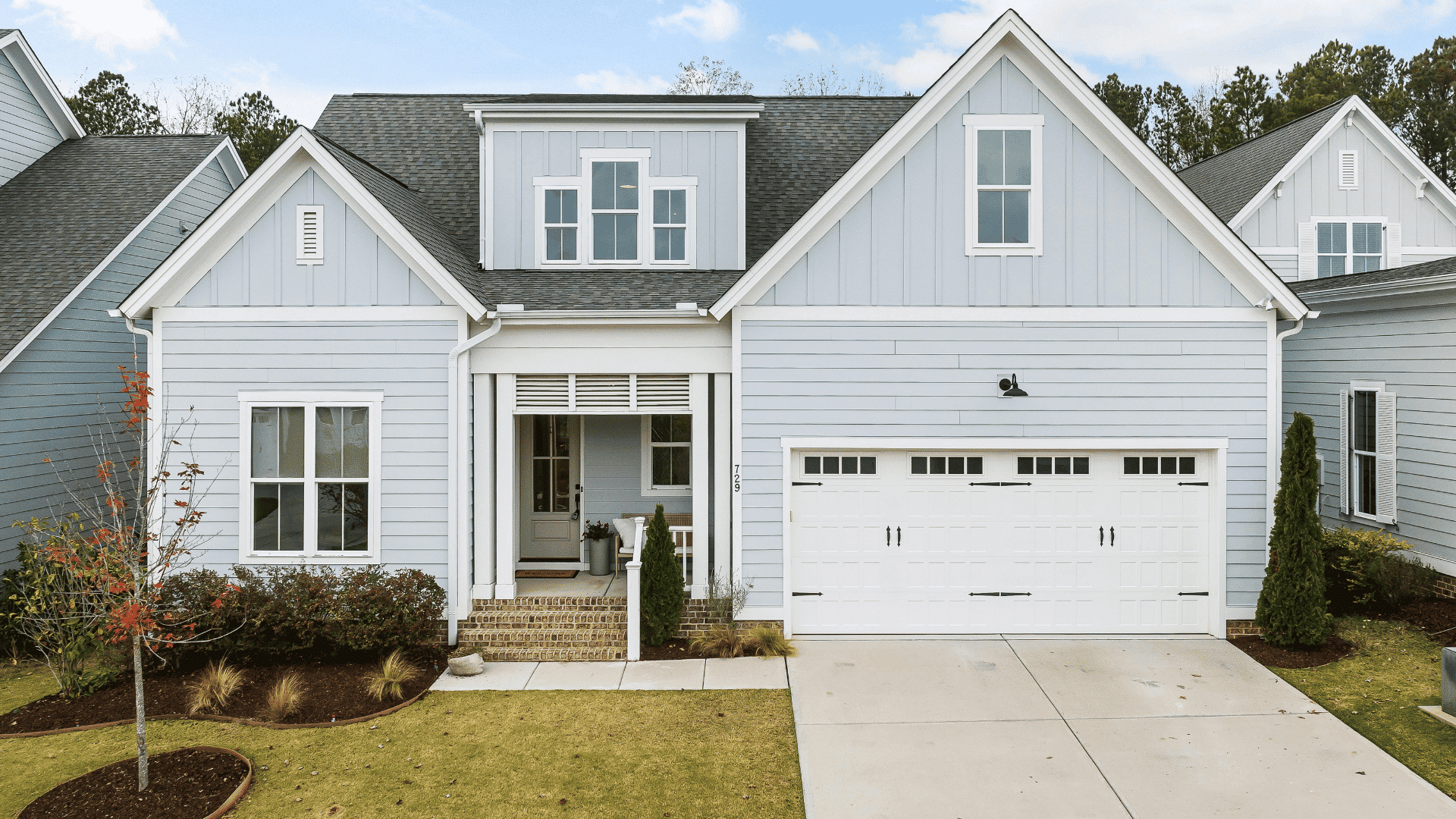
It’s up to the buyer what contingencies they want to include in the purchase offer.
In general, having fewer contingencies can make an offer more attractive to sellers, but having more contingencies gives you more protection as a buyer.
These are some of the most common contingencies in real estate, and what they cover:
- Inspection contingency: If a home inspection reveals major issues listed in the contract, this contingency allows the buyer to back out of the purchase or negotiate with the seller to cover the necessary repairs.
- Appraisal contingency: If the home appraisal comes in below the agreed-upon purchase price, this contingency would allow the buyer to back out or negotiate a new price.
- Financing contingency: If the buyer is unable to get a mortgage to buy the home, this contingency would allow them to cancel the purchase. Applying for a mortgage preapproval early in the process can help buyers avoid this situation.
- Home sale contingency: If a buyer needs to sell their current home to complete the purchase and isn’t able to do so within a specified time frame, this contingency will allow them to back out of the contract.
Common Mistakes to Avoid
Small oversights can cost you time, money, or even the deal. I’ll walk you through the ones I see most often so you can stay on track.
| Mistake | Explanation |
| Missing the Payment Deadline |
Many deals fall apart due to late deposits. Buyers must submit earnest money on time, or the seller may cancel the agreement. |
| Not Reading the Contract Fully | Check. Every. Detail. Your contract explains when your money is safe and when you could lose it. |
| Assuming the Money Is Always Refundable | Your refund depends on the Terms of the Agreement, not a general rule. |
| Not Keeping Proof of Payment | It’s a must to save receipts or confirmations. If there’s ever a dispute, this can protect you. |
| Ignoring Contingency Deadlines | You need to act within the set timeframes for Inspections or Financing. Missing these can put your deposit at risk. |
Final Thoughts
Wrapping this up, the buyer should feel confident when handling earnest money, not stressed or unsure.
It’s really about staying aware, reading the fine print, and keeping track of your steps. When you slow down and double-check things, you protect both your money and your deal.
I always believe that a little extra attention early on can save you from bigger issues later.
If you’ve gone through this process before, your experience can help others avoid the same mistakes. What worked for you? What would you do differently next time?
Share your thoughts or tips in the comments below.
Frequently Asked Questions
Who Pays the Most Closing Costs?
Closing costs are usually shared, but buyers often pay more. Buyers handle loan-related fees, while sellers typically cover agent commissions and some negotiated expenses.
Is Earnest Money Refundable?
Earnest money can be refundable depending on your contract. If you cancel for valid reasons, such as an inspection or financing issues, you usually get it back; otherwise, you may lose it.
What if I Can’t Afford Closing Costs?
You can ask the seller for help, use lender credits, or check the assistance programs.
How do I Pay Earnest Money?
Earnest money is usually paid by wire transfer, cashier’s check, or personal check to an escrow account within the deadline.