

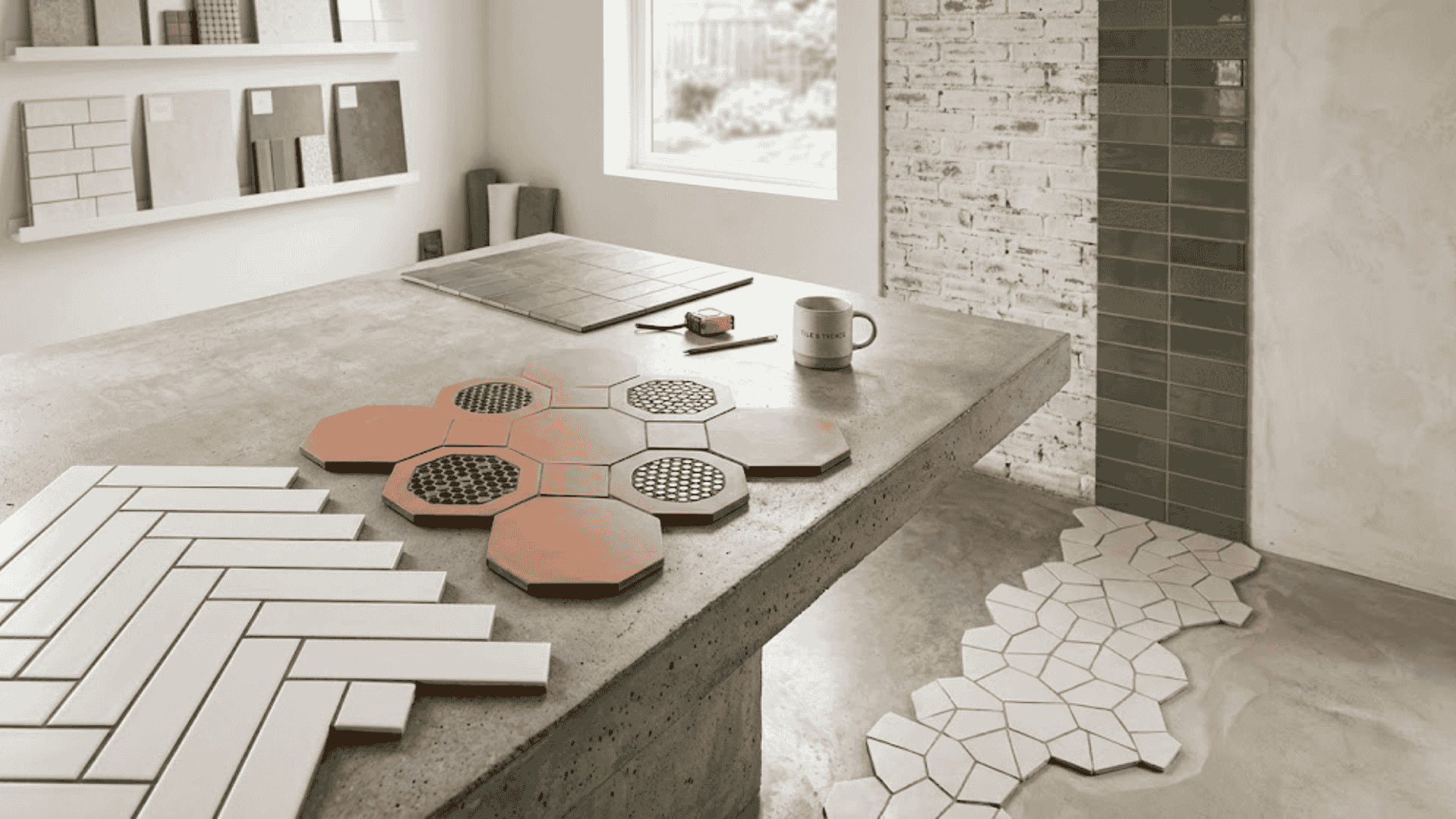
When I start a home update, one of the first things I think about is tile layout. It may seem like a small detail, but it can change how a room looks and feels.
The right pattern can make a space look bigger, add depth, or give it a clean and modern style. I’ve seen how a simple change in layout can completely improve a kitchen, bathroom, or even a living area.
In this blog, I’ll walk you through different tile layout patterns, from basic grid styles to more detailed designs like herringbone and chevron.
I’ll also share how each pattern works, where to use it, and tips to help you choose the best one for your space. By the end, you’ll have clear ideas and the confidence to plan your tile design the right way.
Understanding the Impact of Tile Layout Patterns on Your Space
The layout of your tiles can significantly impact the look and feel of any room. Whether you’re renovating a small bathroom or a spacious living area, the tile layout pattern you choose will shape the room’s vibe.
For instance, grid patterns offer a clean, organized look, perfect for minimalist or modern spaces. On the other hand, diagonal tiles can make a small room feel bigger by drawing the eye outward.
Patterns like herringbone or chevron add texture and movement to the floor, making a bold statement. The right layout helps improve how the room flows, creating balance and visual interest.
By understanding the impact of your chosen layout, you can design a space that feels open, inviting, and stylish, no matter the size or function of the room.
Popular Tile Patterns for Home Renovations
When choosing the right tile pattern for your renovation, consider several popular options. Each pattern offers its own unique look and vibe for your space.
1. Mini Grid Tile Pattern
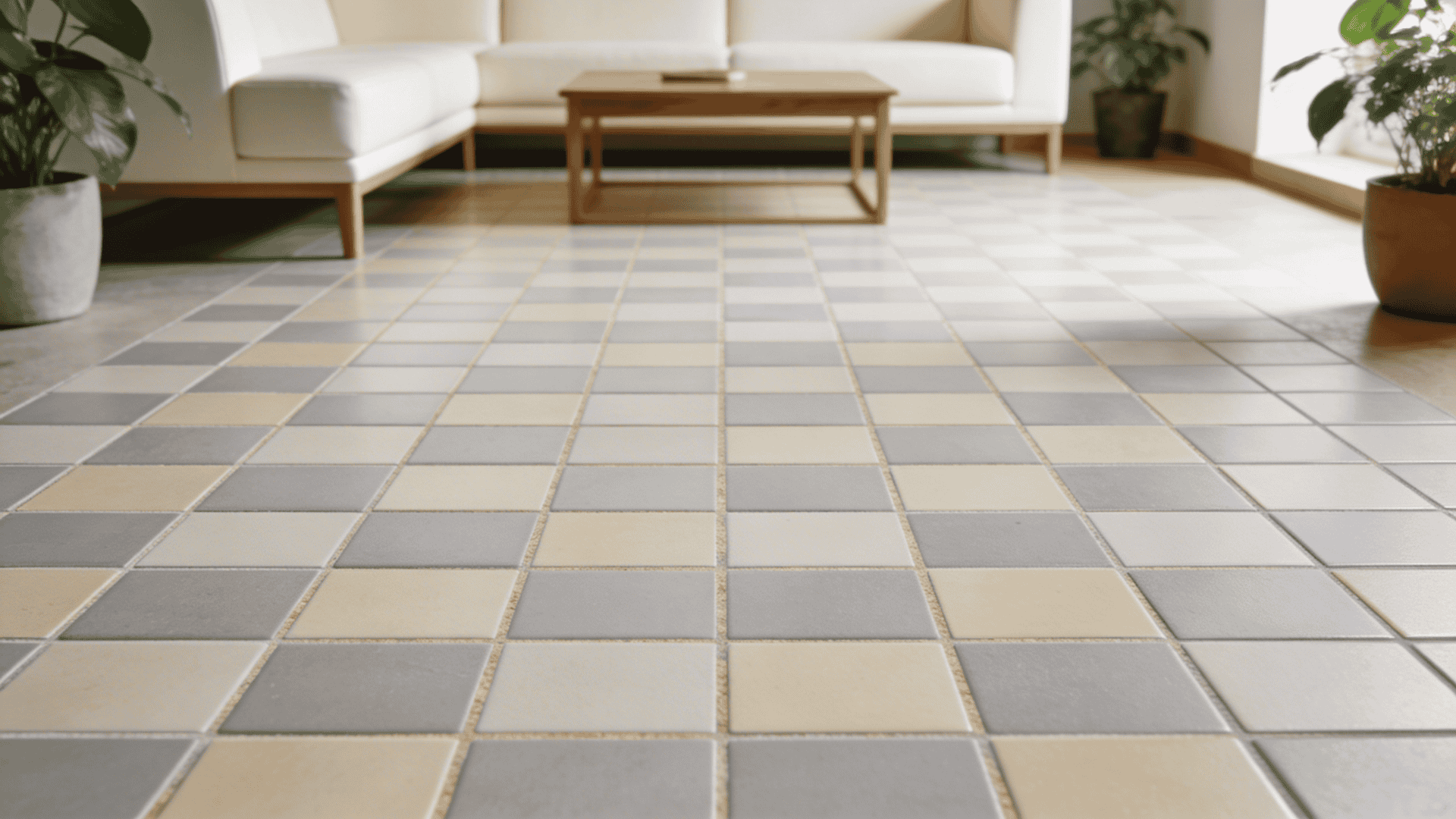
This layout uses small square tiles placed closely in a clean grid. I like how it adds detail without making the space feel crowded.
It works really well in bathrooms, especially on shower floors, because the extra grout lines improve grip. You can use matching grout for a smooth look or a darker grout to highlight each tile.
This pattern also fits both modern and classic styles. If you want a simple layout that still feels rich and textured, this is a strong option.
2. Diagonal Tile Layout Pattern
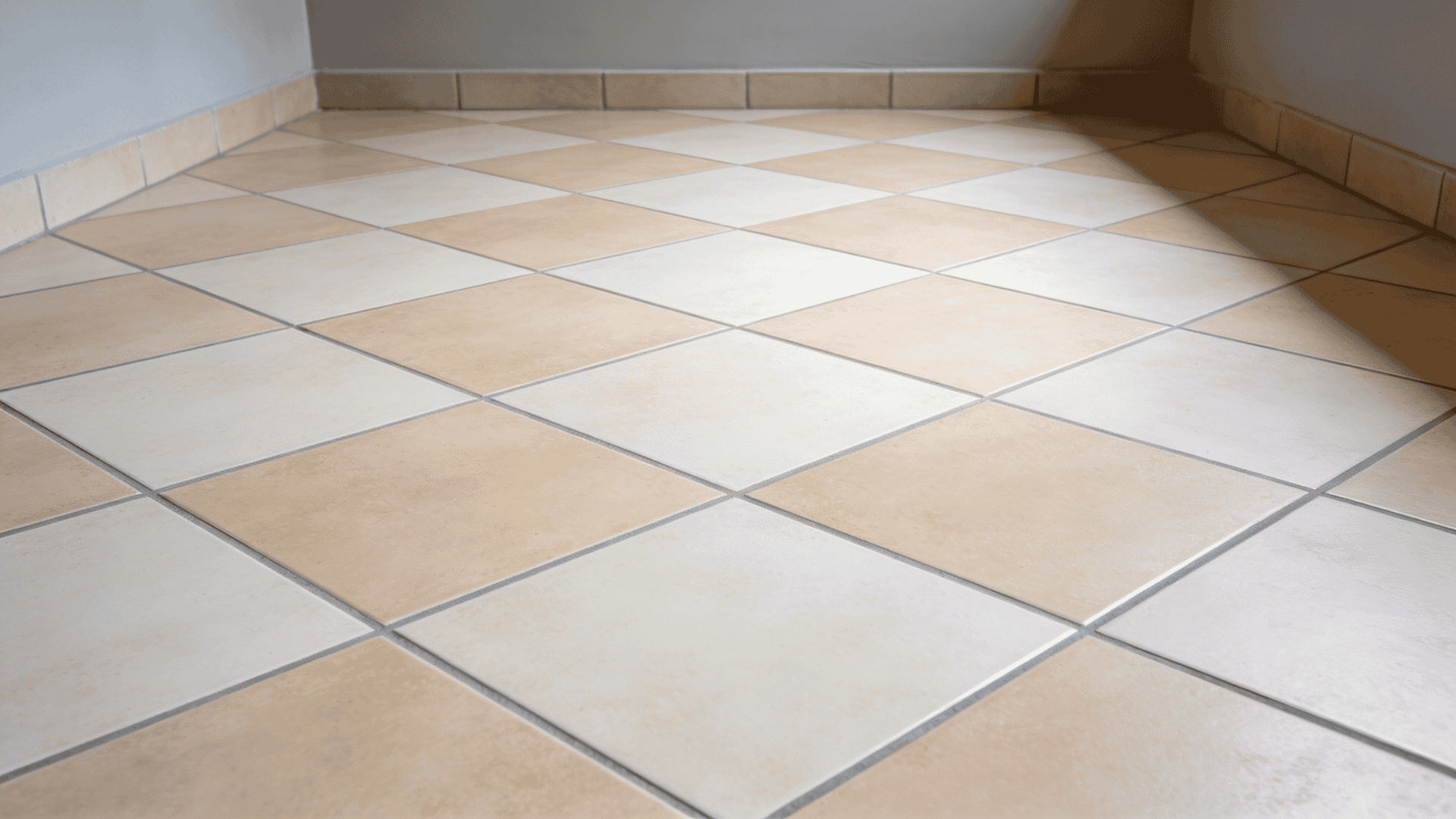
In this layout, tiles are installed at a 45-degree angle rather than in straight lines. I have seen this pattern make small rooms feel wider and more open.
The angled lines draw your eyes across the space, which adds movement. It works best with square tiles on floors, entryways, or kitchens.
While it needs more cutting during installation, the final look feels more dynamic. You can keep one tile color for a clean style or mix colors to make the pattern stand out even more.
3. Running Bond Tile Pattern
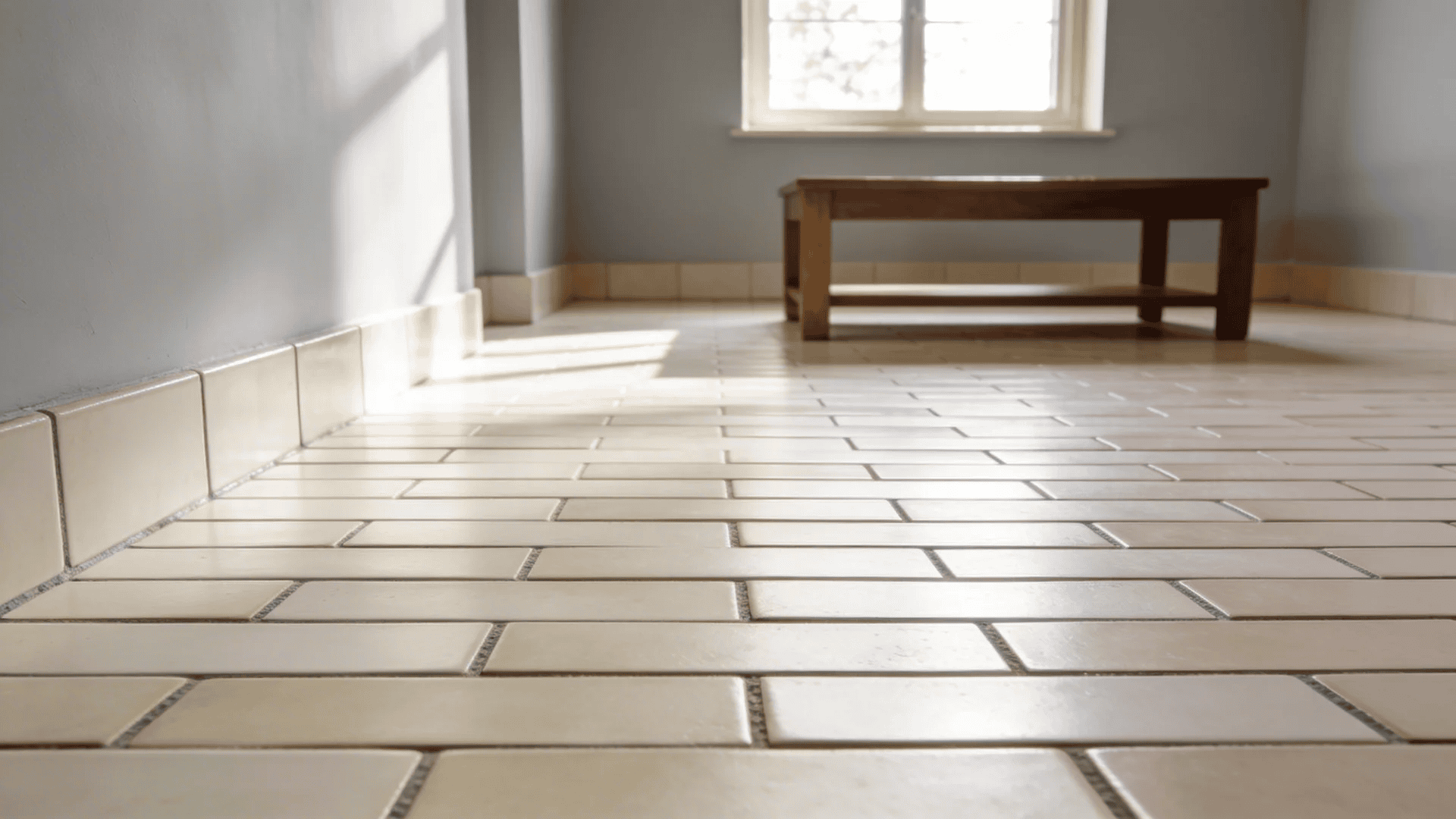
This pattern resembles a brick wall, with each tile slightly offset from the one below it. I like how it adds flow without complicating the design.
It works best with rectangular tiles, such as subway tiles, and can be used on both walls and floors. This layout is also forgiving, as it hides small alignment issues well.
It suits many styles, from modern kitchens to traditional bathrooms. If you want something simple with a bit of movement, this pattern works really well.
4. Basketweave Tile Pattern
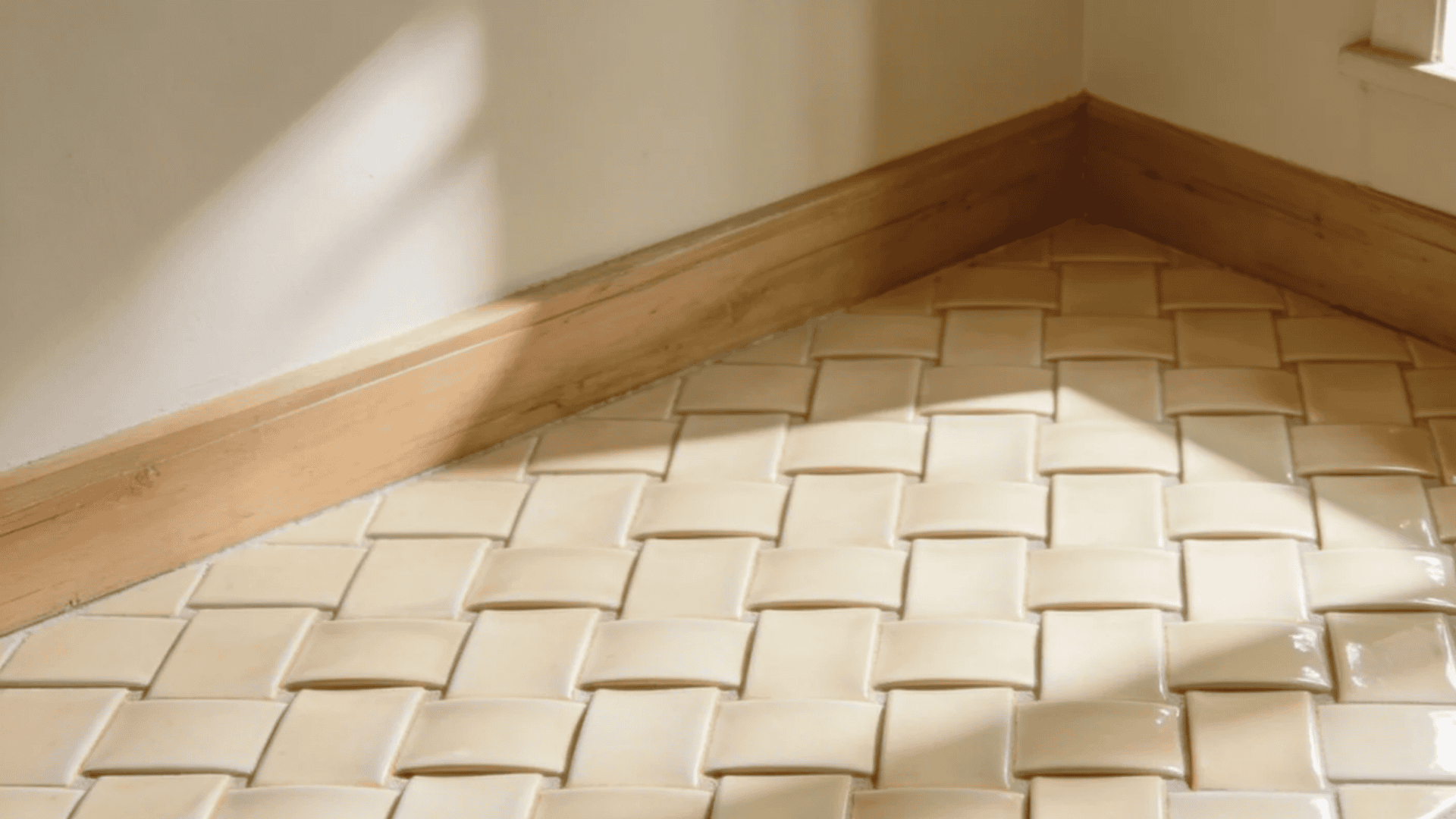
The basketweave pattern uses rectangular tiles arranged to look like woven strips. I like how it creates a soft, layered look without needing bold colors.
It works especially well in bathrooms, powder rooms, and classic-style spaces. You can use two shades to make the woven effect stand out more clearly.
This pattern adds texture and interest without feeling too busy. It has a traditional feel but still works nicely in modern homes when paired with simple colors and clean finishes.
5. Pinwheel Tile Layout Pattern
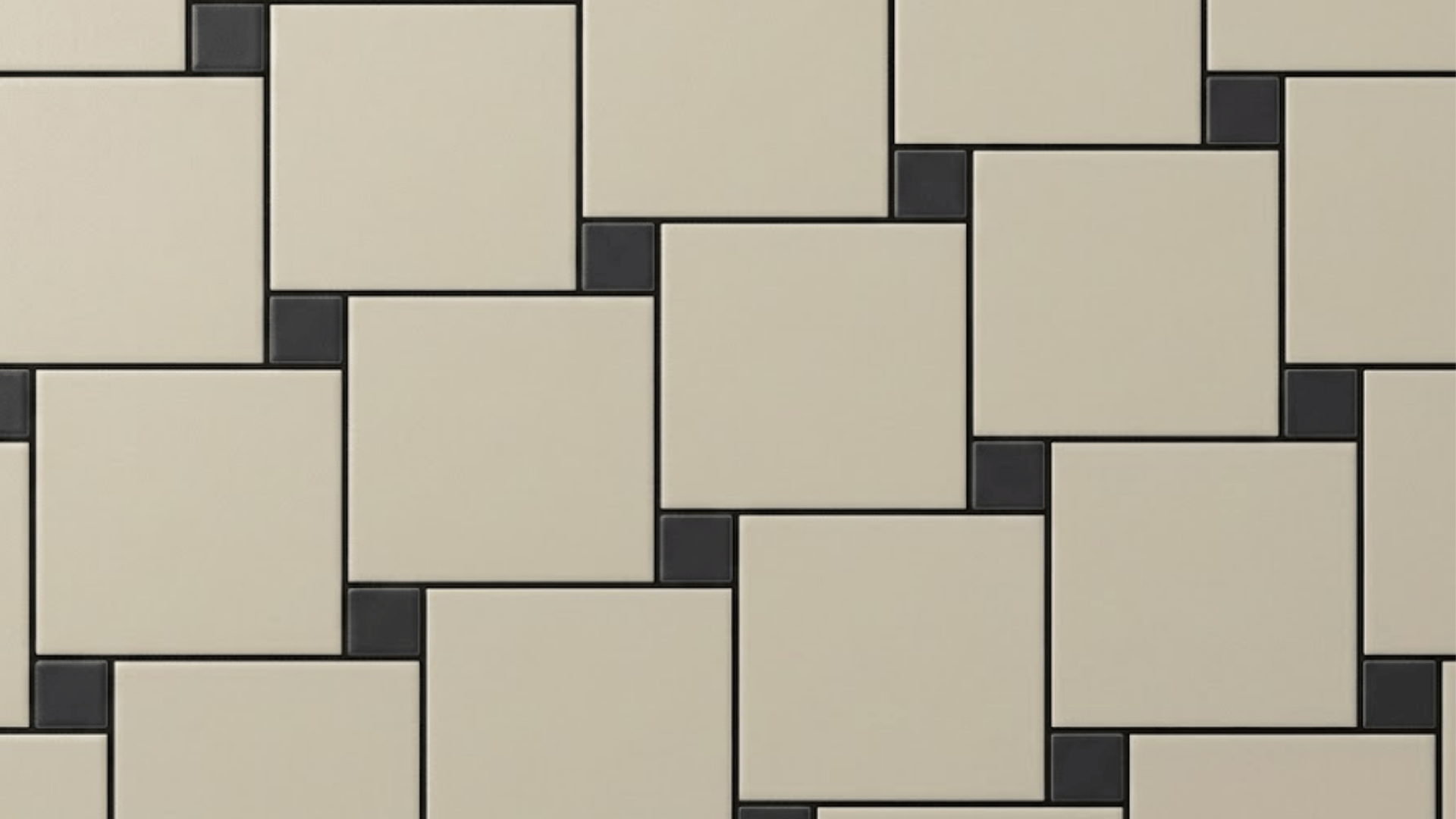
This pattern combines large square tiles with a smaller square tile placed at the corner or center, creating a pinwheel effect. I find it a great way to break the uniform look of plain grids.
It works well on floors where you want a bit more detail without going too complex. Using a different color for the smaller tile helps highlight the design.
This layout adds variety and keeps the floor from looking flat, making it a good choice for larger spaces.
6. Herringbone Tile Pattern
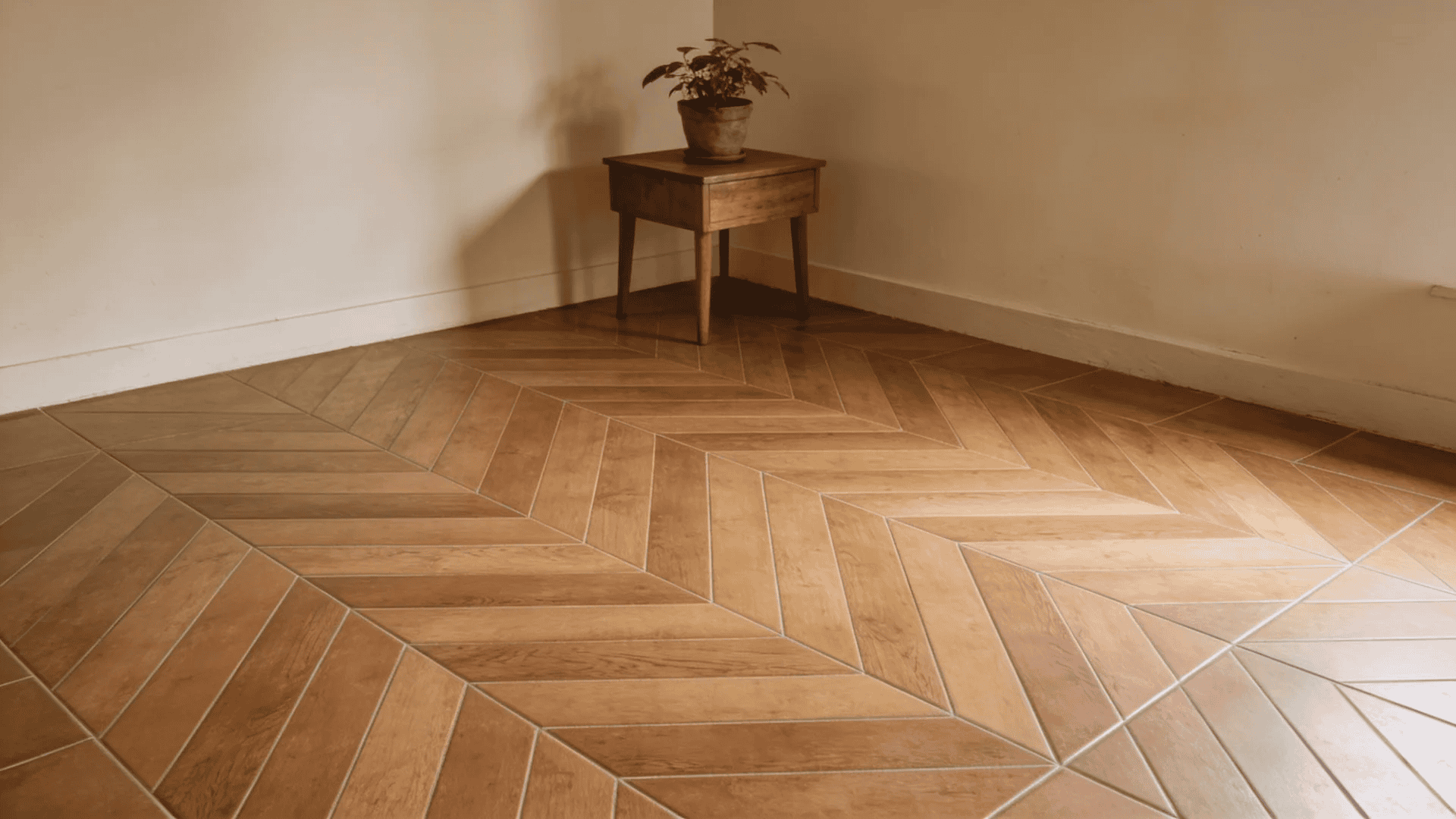
This pattern places rectangular tiles in a zigzag layout that forms a broken V shape. I like how it brings movement and energy into a space without using bold colors.
It works well on both floors and walls, especially in kitchens and entryways. You can lay it at a 45-degree or 90-degree angle for a slightly different look.
This layout also helps make narrow spaces feel longer. If you want something eye-catching but still clean, this pattern is a great choice.
7. Vertical Stack Tile Pattern
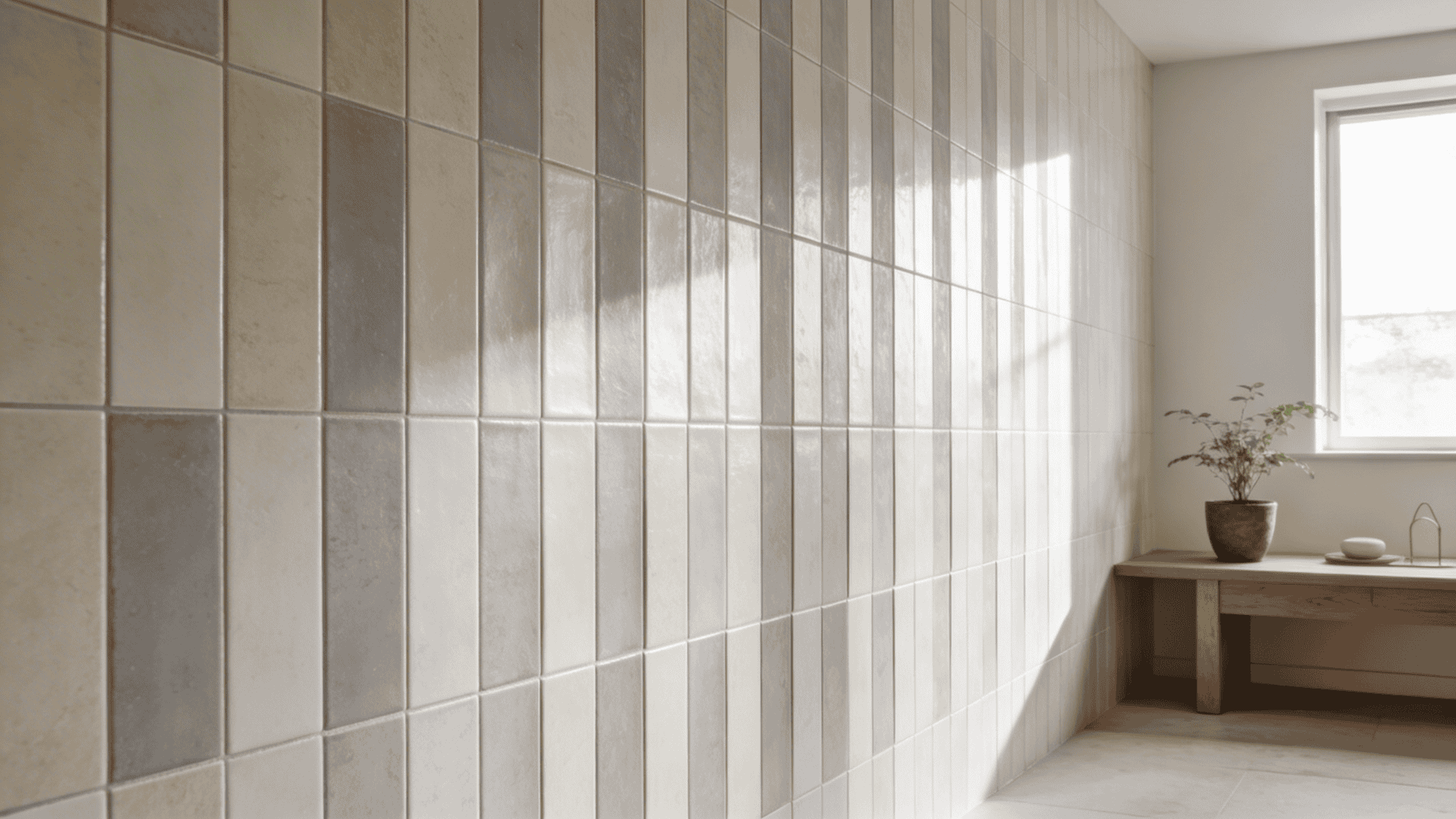
In this layout, tiles are stacked directly on top of each other in straight vertical lines. I find this pattern great for making ceilings feel higher and spaces look taller.
It works best with rectangular tiles on walls, like in showers or backsplashes. Using long tiles enhances the vertical effect even more.
You can also play with bold colors or textures since the layout itself is simple. This pattern is perfect if you want a clean and modern style.
8. Horizontal Stack Tile Pattern
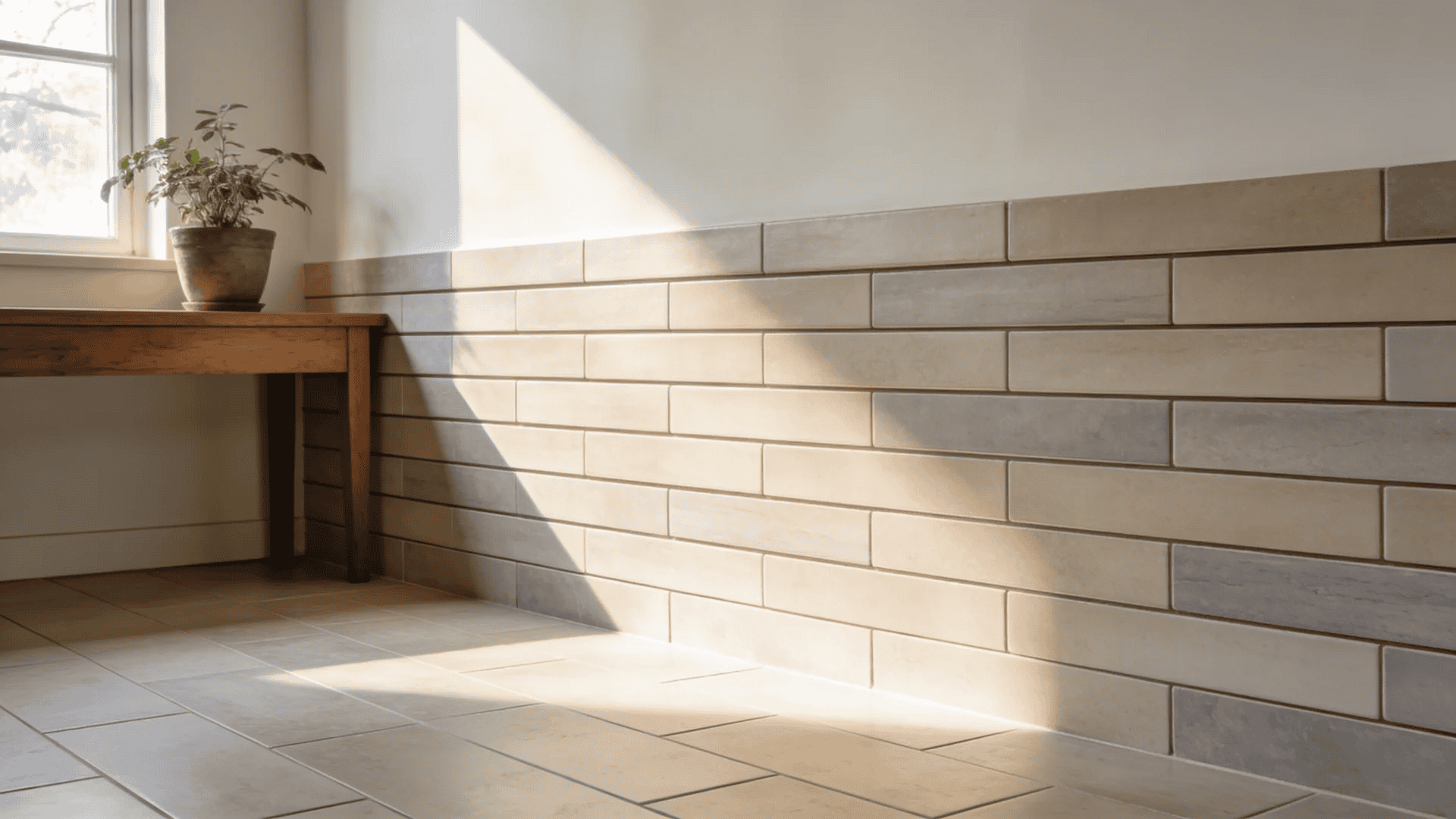
This pattern places tiles in straight rows with no offset, creating a clean, simple look. I like how it gives a space a calm, organized feel.
It works well in modern kitchens and bathrooms where minimal design is preferred. You can use large-format tiles to reduce grout lines and make the surface look smoother.
This layout also highlights the color and texture of the tile itself. It is a good choice if you want a neat and balanced design.
9. Windmill Tile Pattern
The windmill pattern uses small square tiles placed at the corners of larger square tiles, forming a rotating look. I find it a fun way to add detail without making the floor too busy.
It works well in both traditional and modern spaces. Using contrasting colors helps highlight the pattern more clearly. This layout adds depth and keeps the design from feeling flat.
It is a good option if you want something different from basic grid layouts.
10. Versailles Tile Pattern
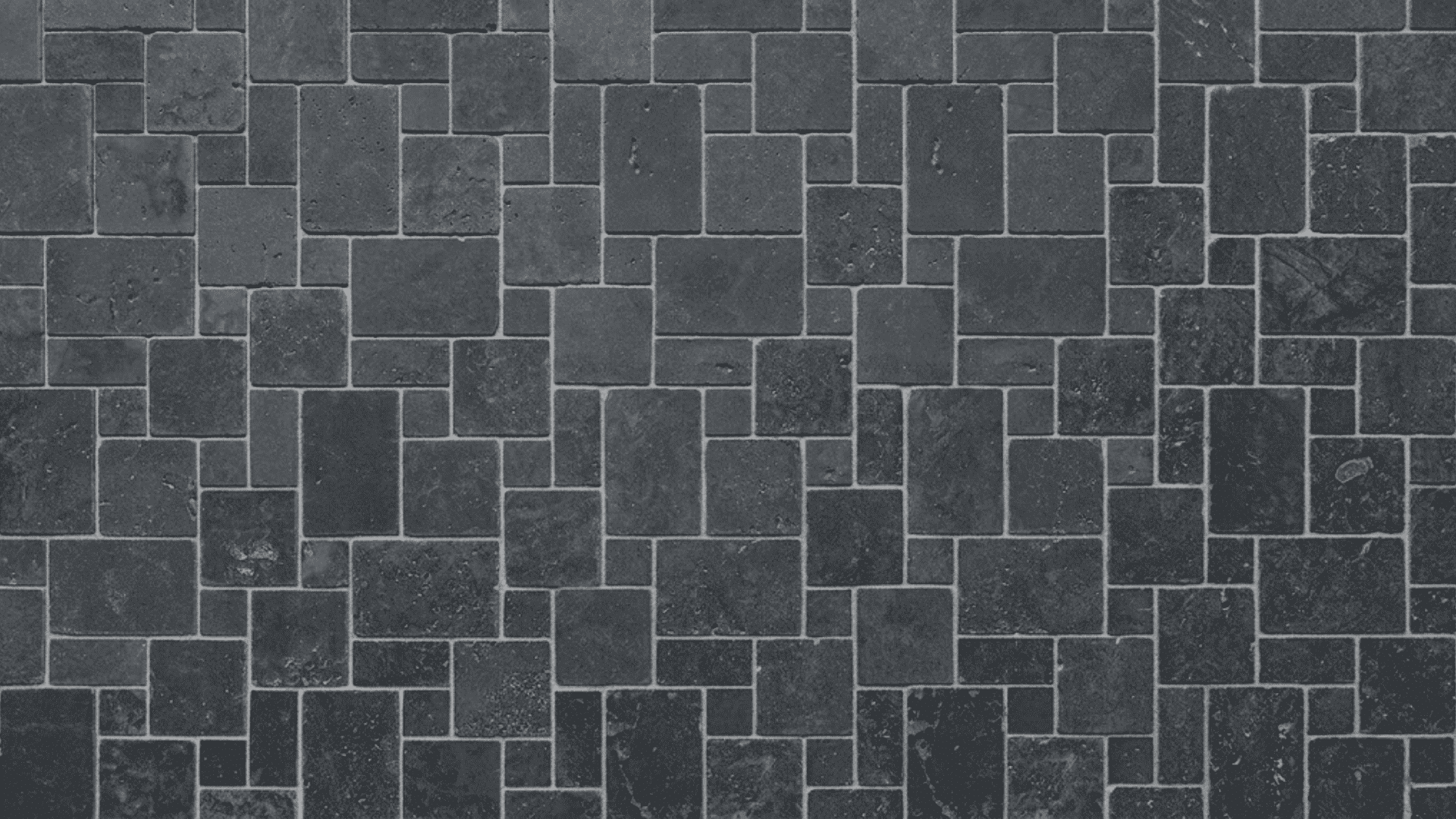
This pattern uses tiles of different sizes arranged in a repeating layout. I like how it creates a rich and detailed look without needing bright colors.
It works best with natural stone tiles in large areas, such as living rooms or patios. The mix of sizes adds depth and breaks the uniform feel of standard layouts.
It may take more planning during installation, but the result feels more natural and less structured, making the space look more interesting.
11. Brick Bond Tile Pattern
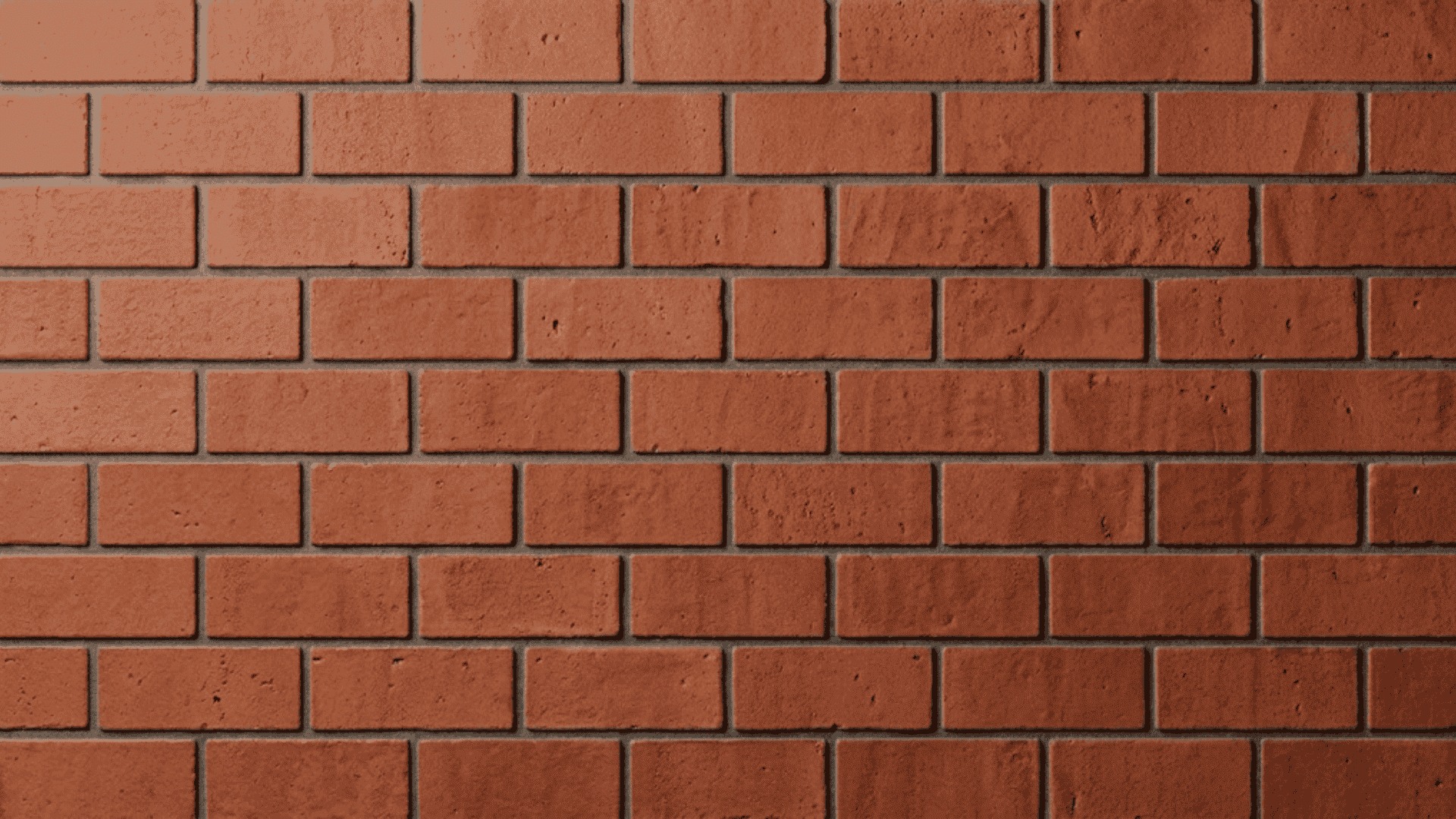
This layout is similar to running bond but often uses a more consistent half-tile offset. I like how it creates a steady and balanced look across the surface.
It works well with subway tiles on kitchen backsplashes and bathroom walls. The pattern adds a slight sense of movement without feeling too busy.
You can use light grout for a soft finish or darker grout to highlight the lines. It is a simple layout that still feels structured and visually pleasing in most spaces.
12. Crosshatch Tile Pattern
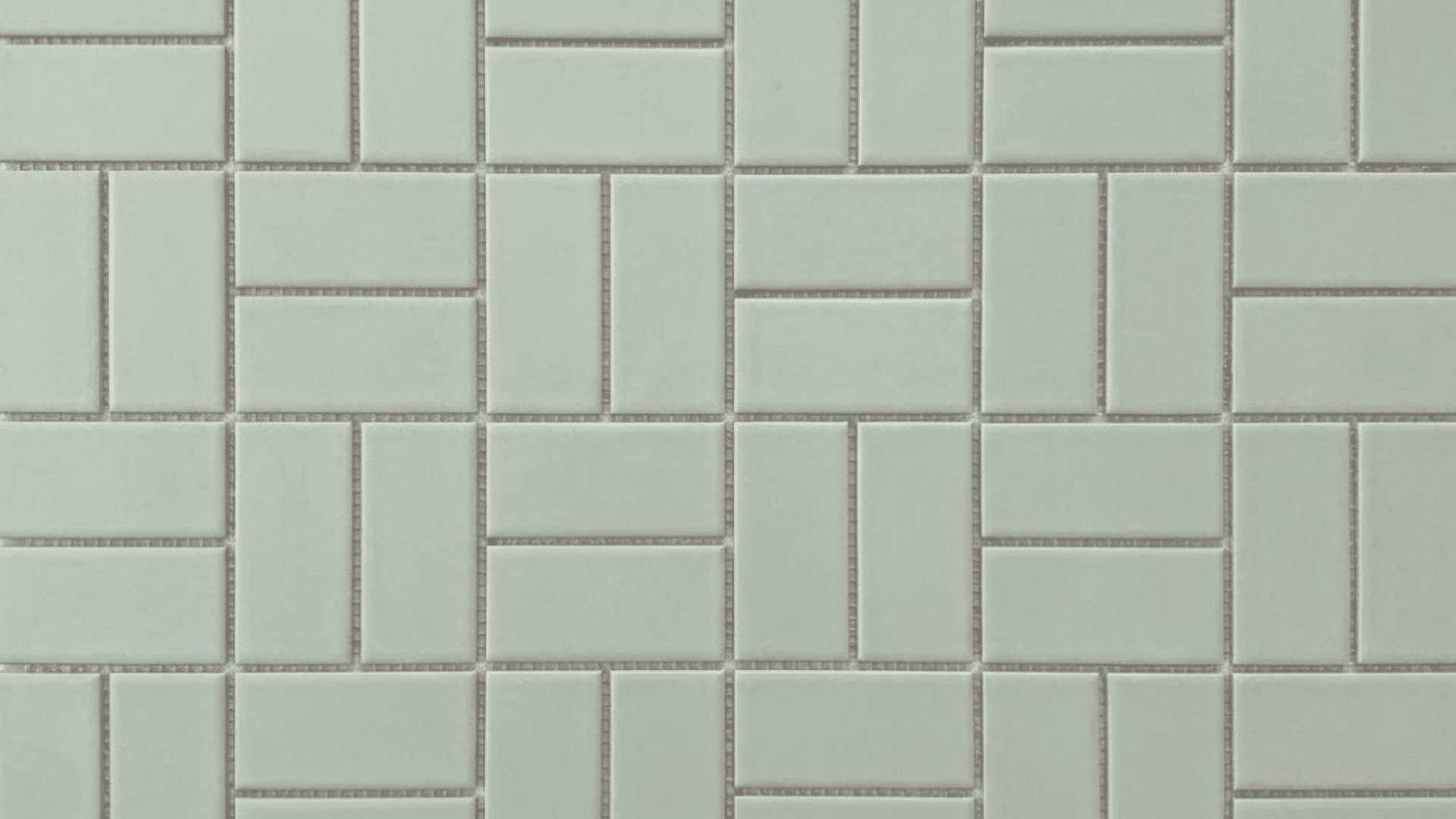
The crosshatch pattern uses rectangular tiles placed in alternating vertical and horizontal directions. I find this layout adds a woven look that feels both neat and detailed.
It works well in bathrooms, laundry areas, or small floors where you want a bit more design. Using two tones can make the pattern stand out more clearly.
This layout gives a textured look without using complex shapes. It is a good option if you want something slightly different from basic straight patterns.
13. Checkerboard Tile Pattern
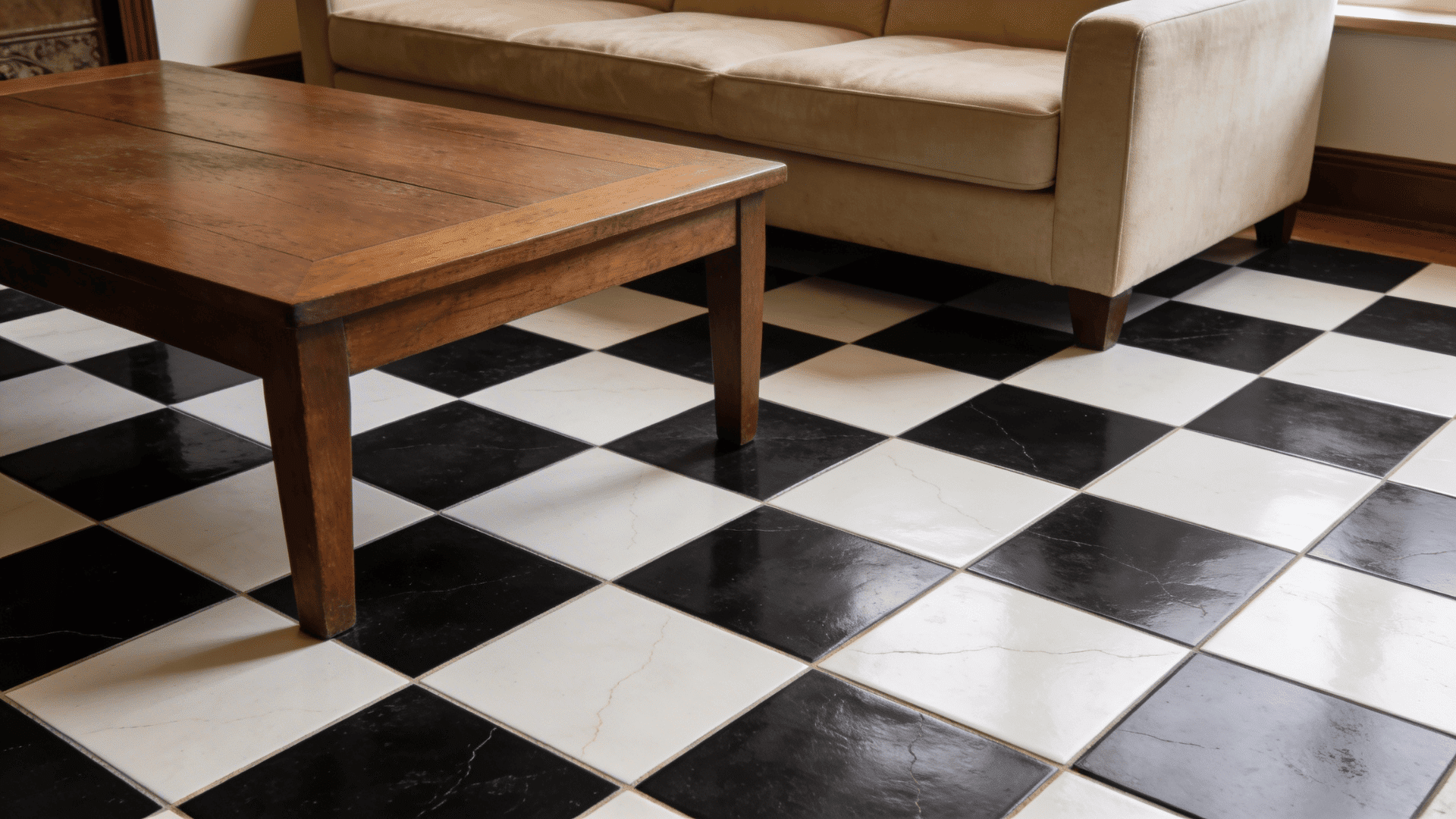
This classic pattern uses two different tile colors arranged in an alternating grid. I like how it creates a bold and timeless look. It works best on kitchen floors, hallways, or entryways.
You can use black and white for a strong contrast or softer tones for a calmer feel. This pattern also works well in both modern and vintage-style homes.
If you want a design that stands out but is still easy to understand, this is a great choice.
14. Step Ladder Tile Pattern
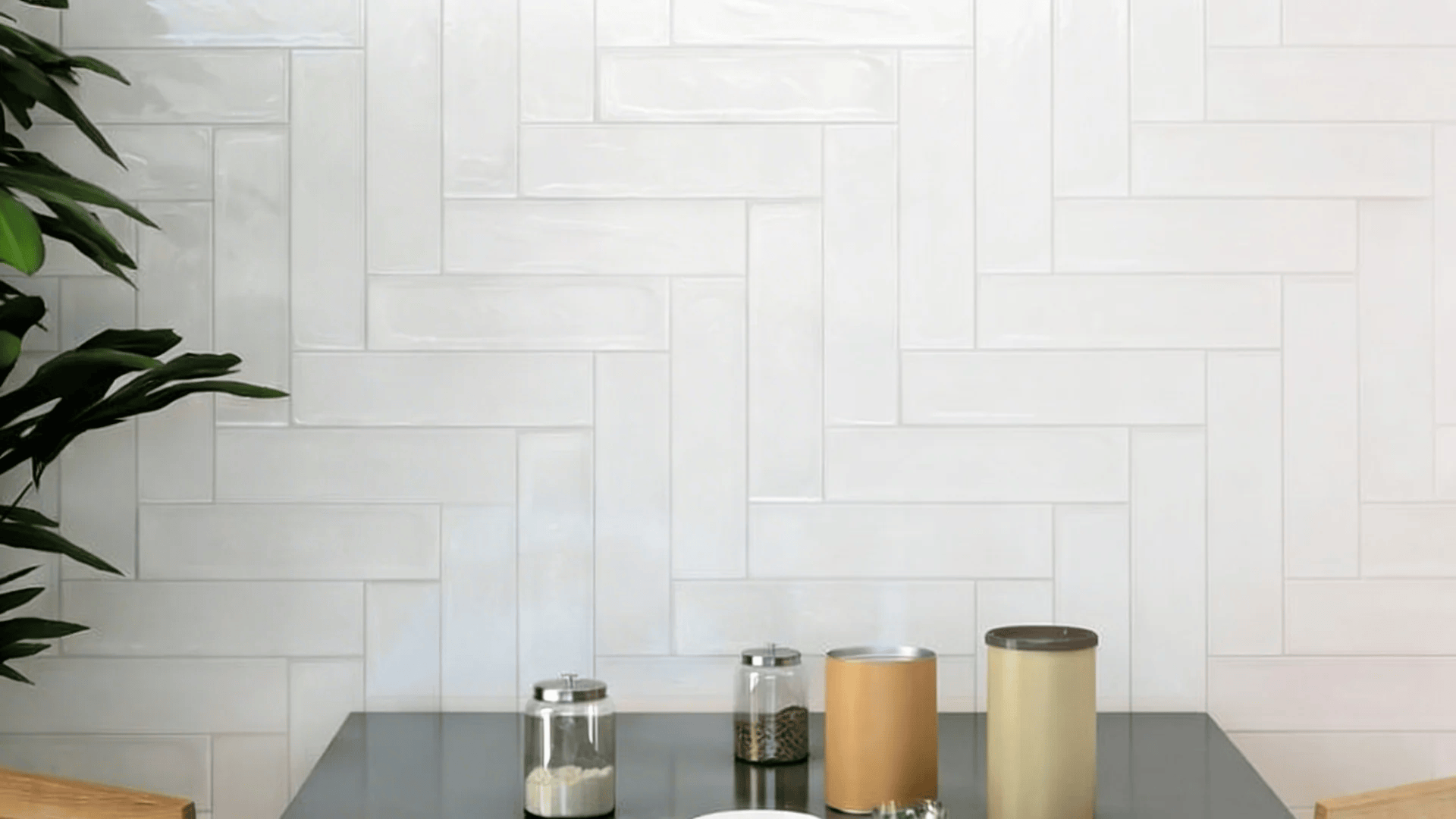
This pattern arranges tiles in a stepped layout that looks like small stairs across the surface. I find it a fun way to add movement and direction to a space
It works well with rectangular tiles on floors or feature walls. You can use a single color for a clean look or mix shades for more depth.
This layout creates a sense of flow and keeps the design from feeling flat. It is a good pick for adding subtle visual interest.
15. Tic-Tac-Toe Tile Pattern

This pattern uses square tiles arranged in a grid, creating a simple yet stylish design reminiscent of a tic-tac-toe board. I like how this pattern adds structure without being overwhelming.
It works well on both walls and floors, particularly in smaller spaces like bathrooms or entryways. The evenly spaced tiles create a balanced look that’s easy to maintain.
You can play with contrasting grout colors to highlight the grid or use matching grout for a more subtle finish.
16. Diamond Tile Pattern
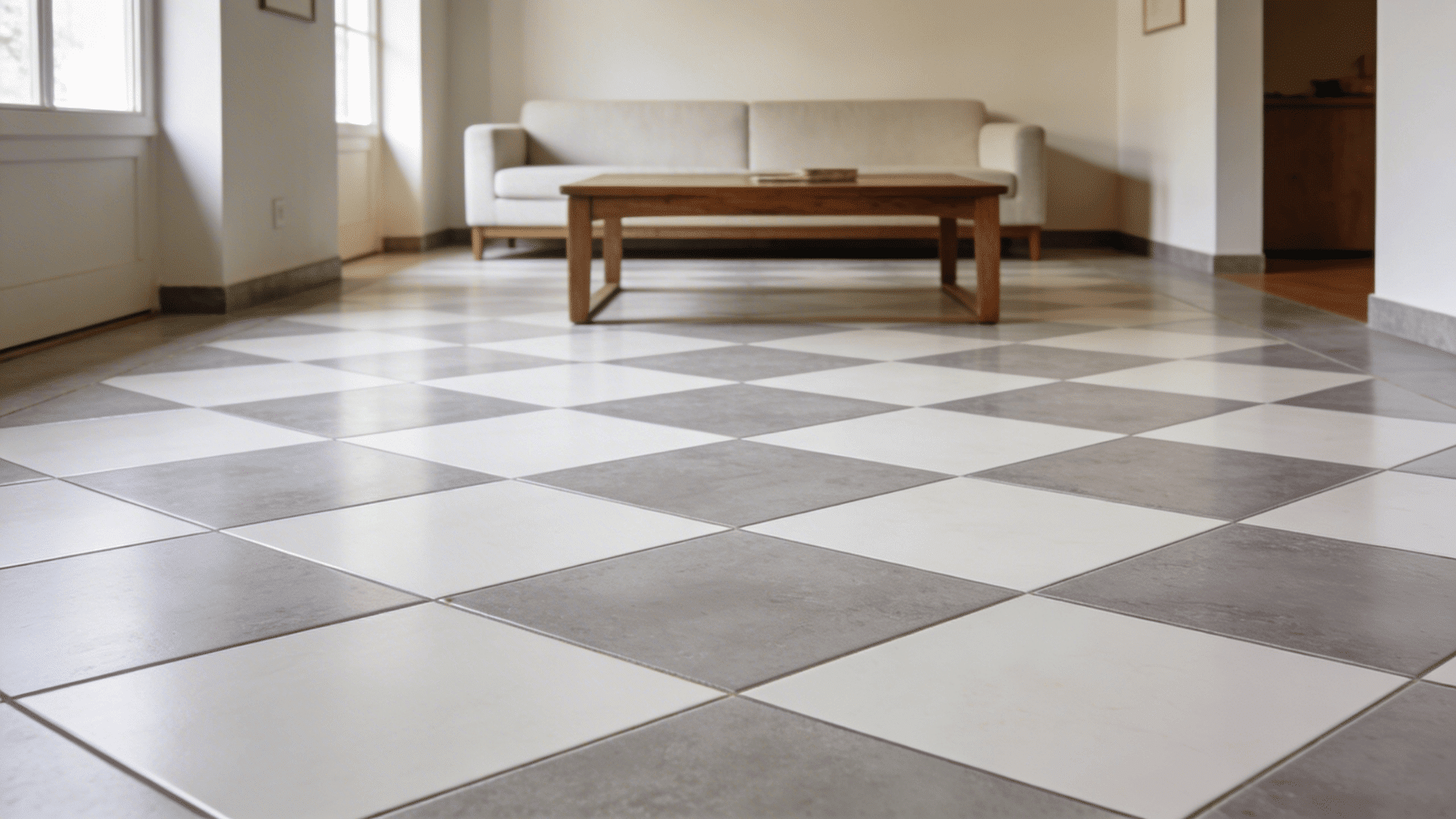
This layout places square tiles at a 45-degree angle to form a diamond across the surface. I like how it instantly makes a space feel more open and less boxy.
It works well in small rooms like bathrooms or entryways where you want to add visual interest. You can use a single tile color for a clean look, or combine two shades for contrast.
This pattern also draws attention to the floor, making it a strong design feature without needing complex tile shapes or textures.
17. French Pattern Tile Layout
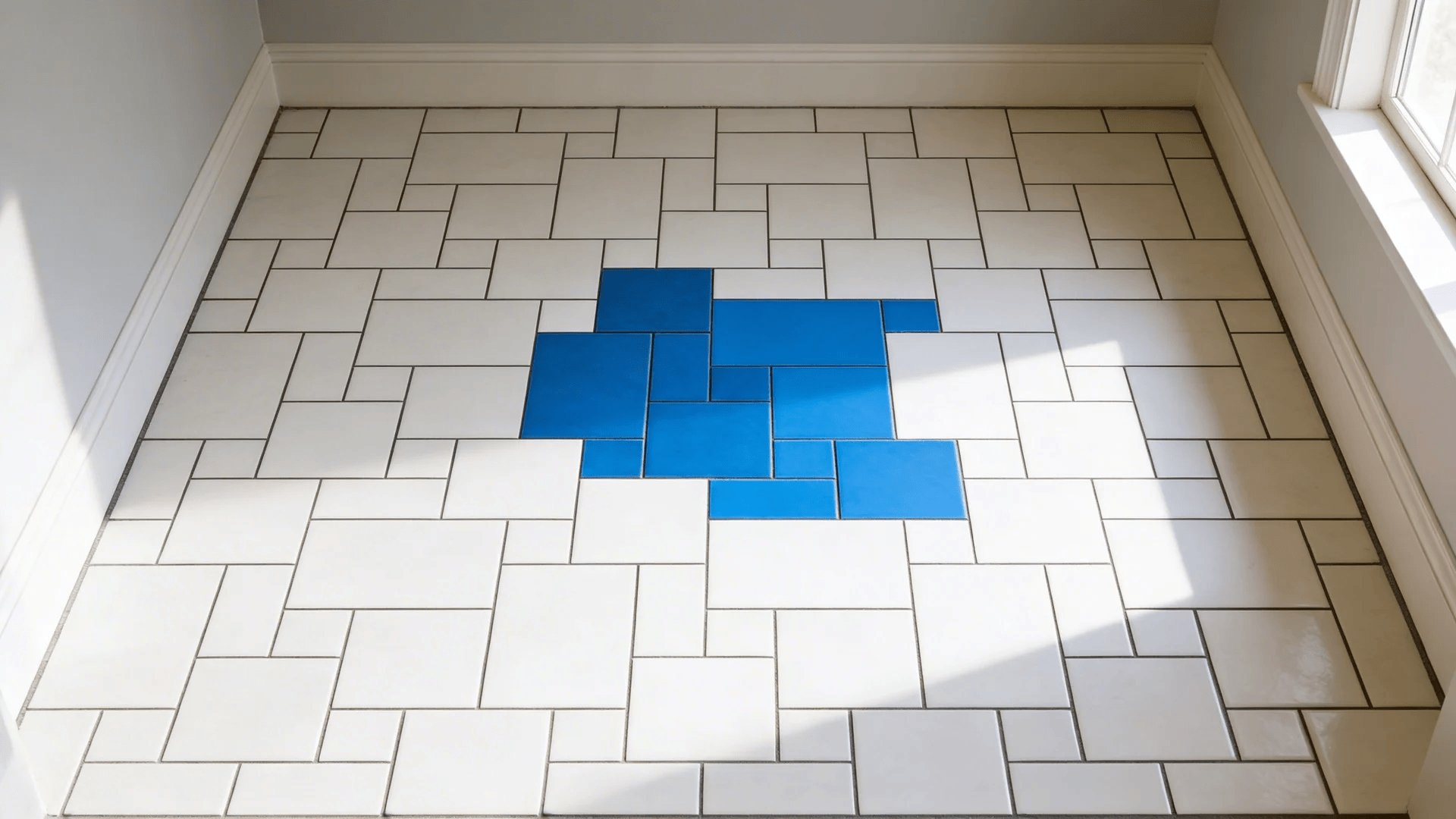
This layout uses tiles of different sizes arranged in a repeating but irregular sequence. I like how it creates a more natural, less structured look than straight grid layouts.
It works best with stone or textured tiles in large spaces, such as patios, living rooms, or hallways. The variation in sizes adds depth and keeps the surface from looking flat.
Installation takes more planning, but the final result feels rich and layered. This pattern is ideal if you want a space that looks relaxed but still well-designed.
18. Parquet Tile Pattern
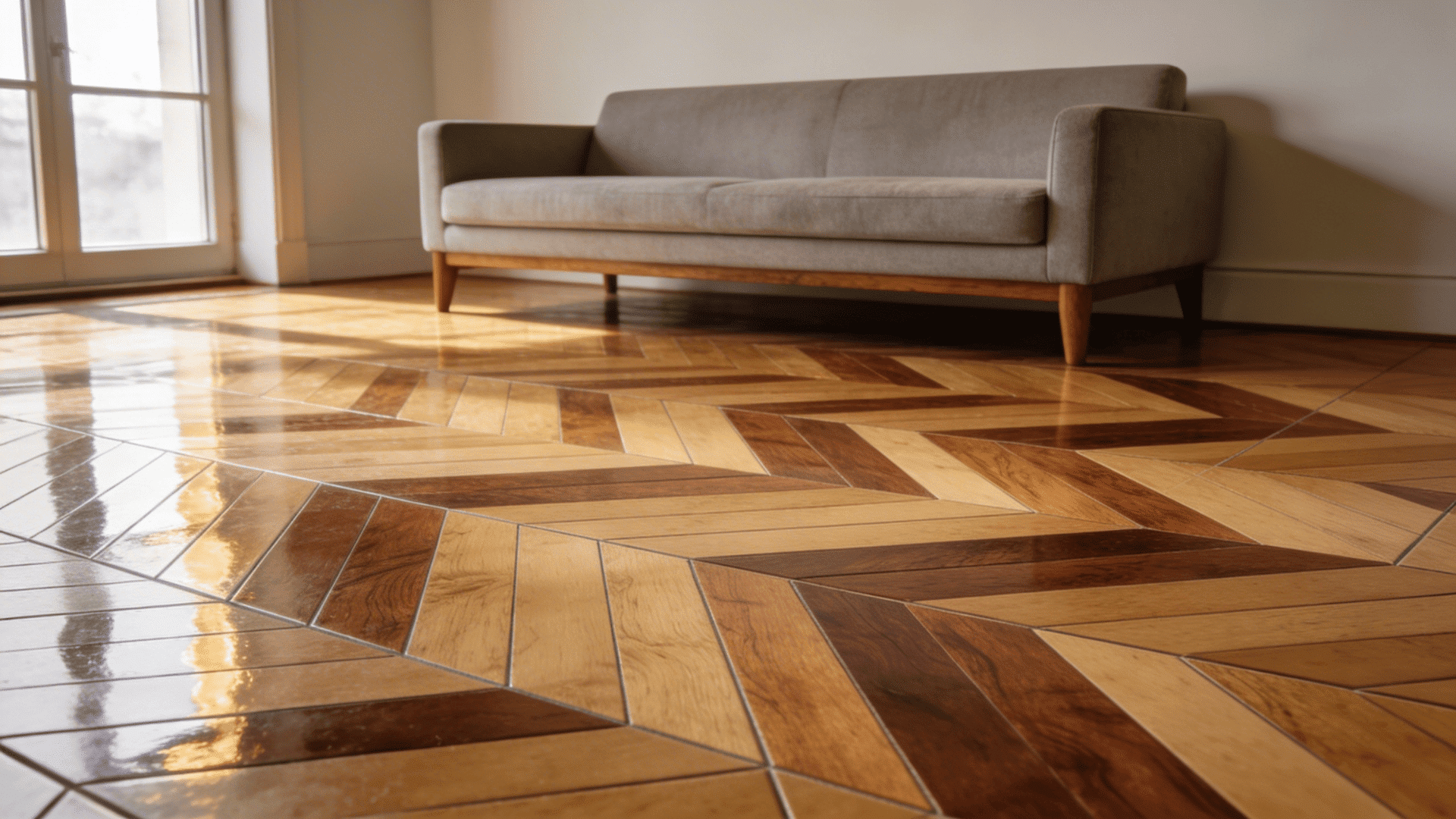
This layout uses rectangular tiles arranged in repeating patterns that resemble wood flooring designs. I like how it gives a detailed and structured feel without using real wood.
It works well in living rooms, hallways, and even kitchens where you want a warm look. The pattern creates movement while still staying organized.
You can use wood-look tiles to enhance the effect. This layout is great if you want a classic floor style with better durability and easier maintenance than traditional wood.
19. Mosaic Sheet Tile Pattern
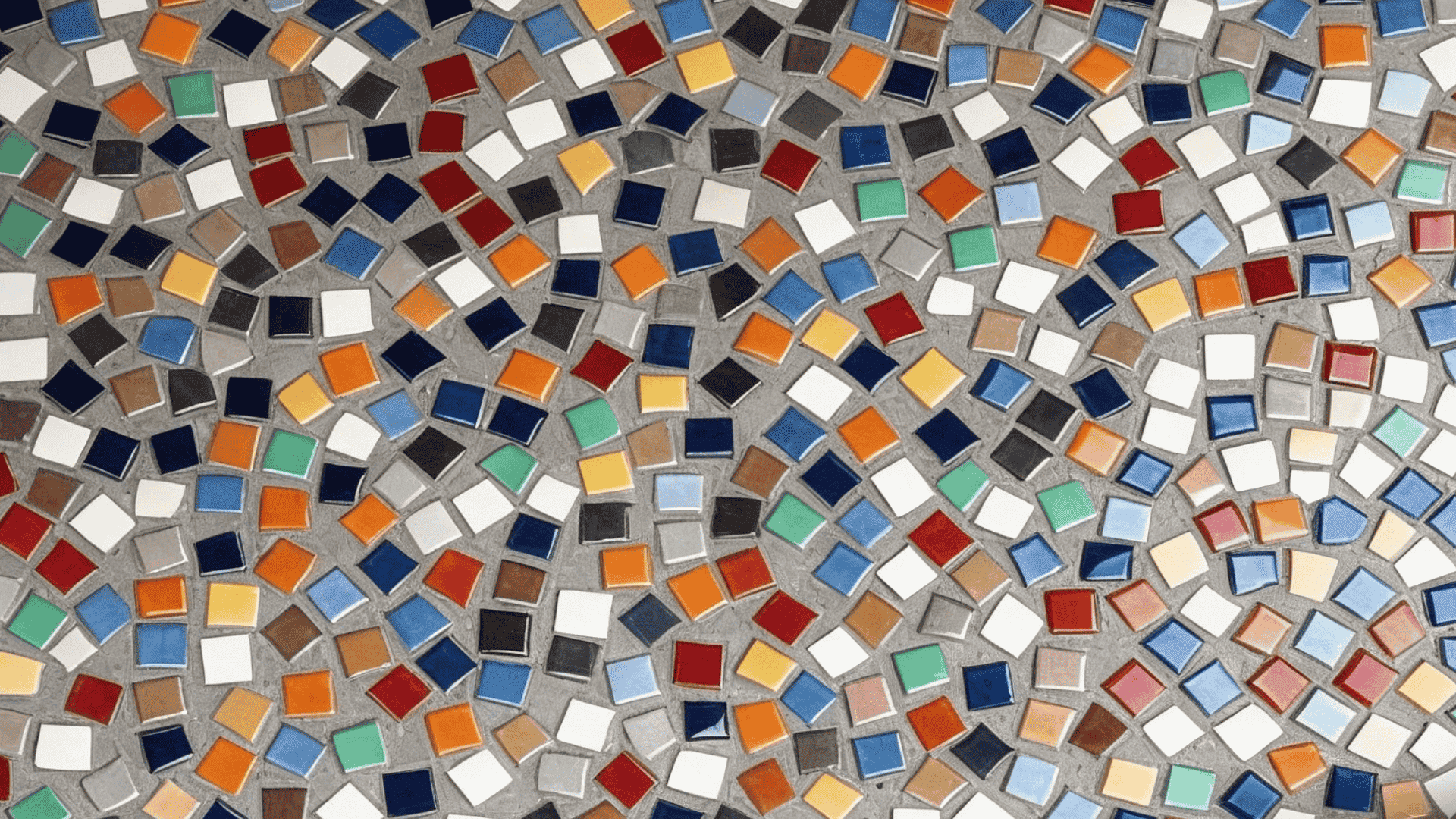
This pattern uses small tiles fixed on sheets, making installation easier while still giving a detailed look. I like how it adds texture and depth without needing large tiles.
It works well in bathrooms, especially on shower floors and walls. The small tile pieces provide better grip and greater design flexibility. You can choose from glass, ceramic, or stone finishes.
This layout is perfect for adding fine detail to small areas where large tiles may feel too plain or heavy.
20. Straight Lay Tile Pattern
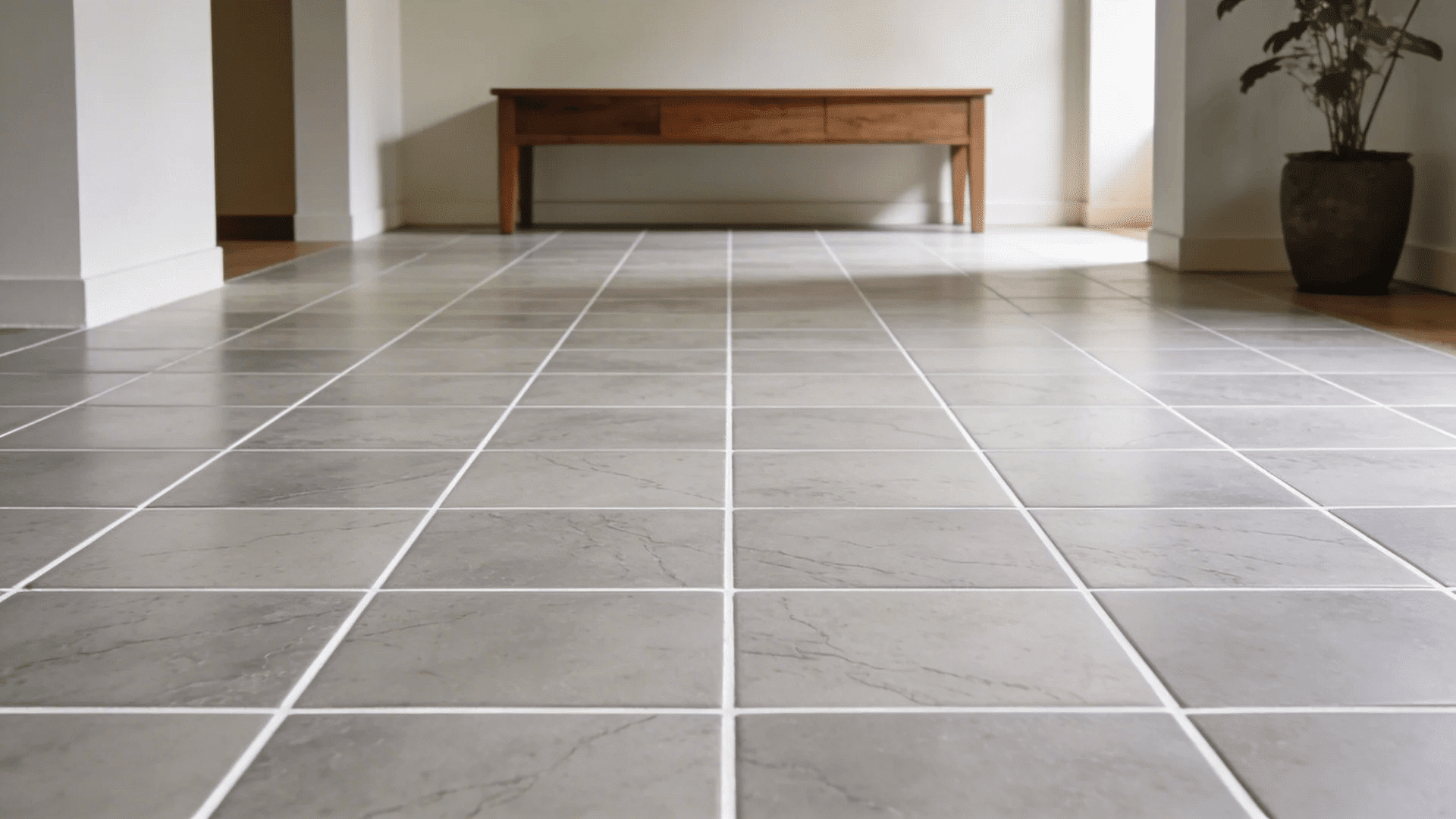
This layout places tiles in straight lines both horizontally and vertically to form a simple grid. I like how it keeps the design clean and easy to follow.
It works well in almost any space, from kitchens to bathrooms and even large floors. Using larger tiles reduces grout lines and gives a smoother look.
You can also play with grout color to change the final feel. This pattern is perfect if you want a neat and balanced layout without extra complexity.
21. Geometric Mix Tile Pattern
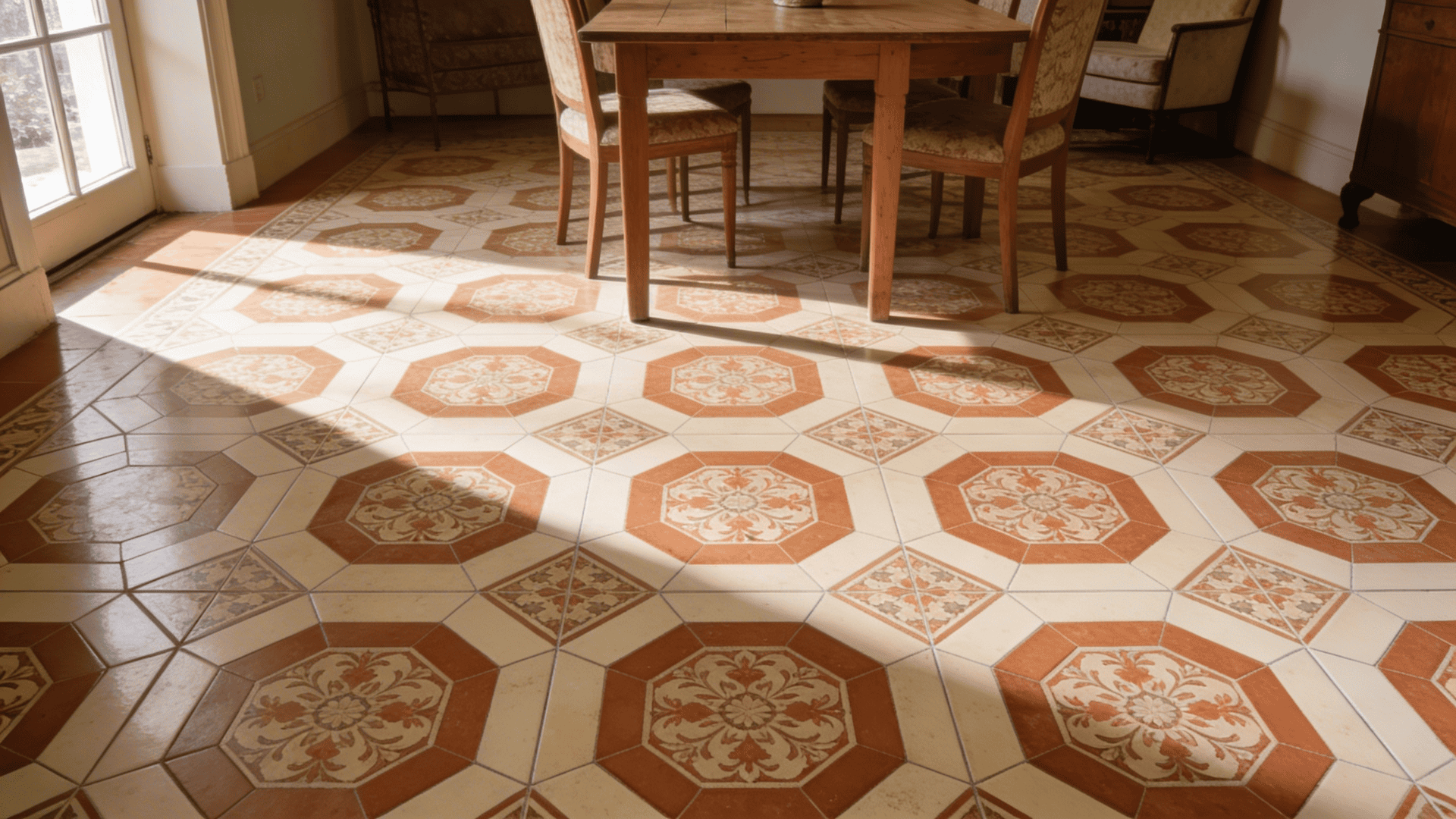
This pattern uses tiles in various shapes, such as hexagons and diamonds, to create bold layouts. I like how it makes the floor or wall stand out without needing too many colors.
It works well in modern spaces where you want a strong design feature. You can keep the color simple or mix tones to highlight the shapes.
This layout adds visual interest and breaks away from standard square tiles, making the surface feel more creative and eye-catching.
22. Scallop Tile Pattern
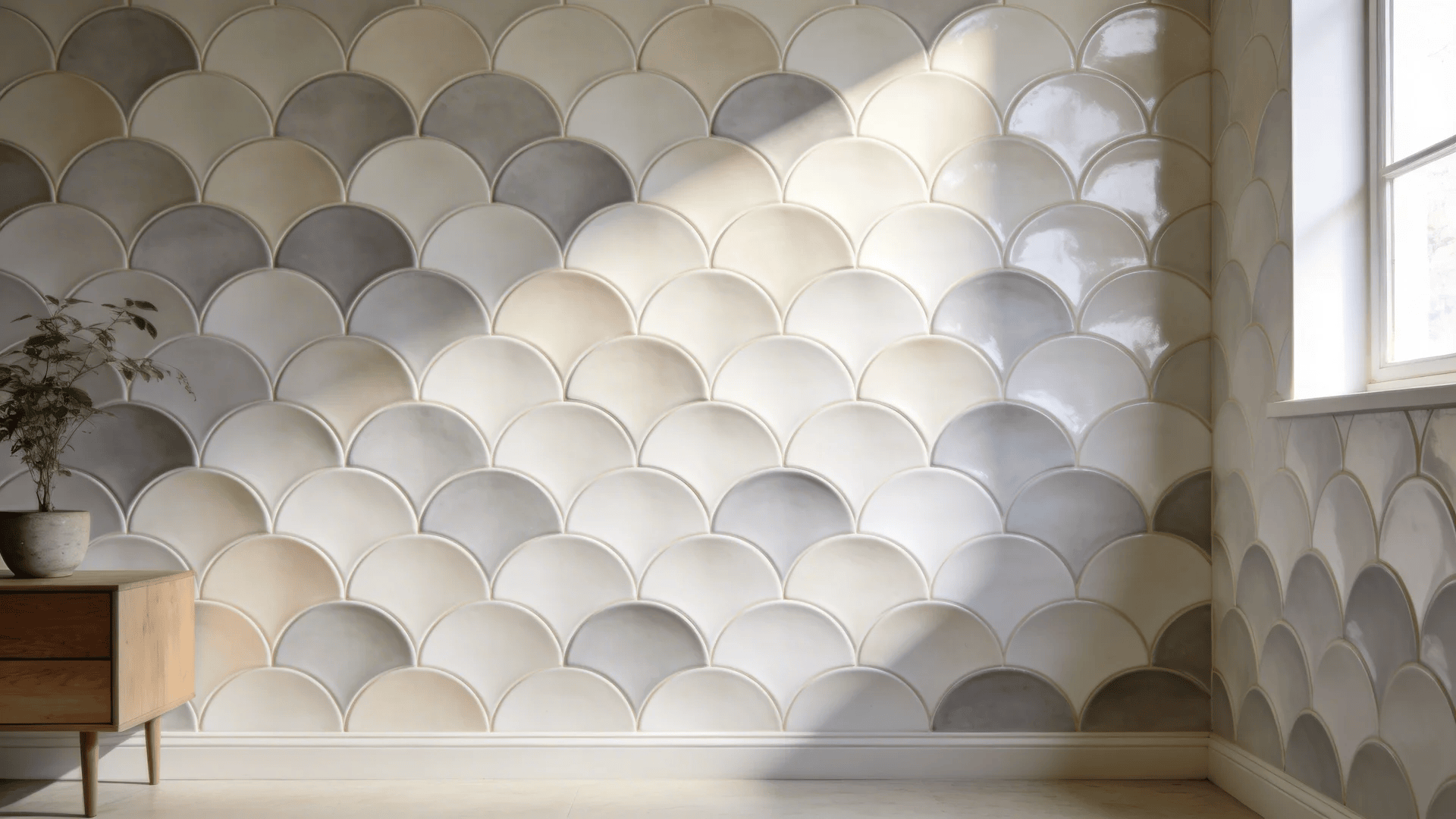
This layout uses curved tiles resembling fish scales, arranged in a repeating pattern. I like how it softens the look of a space compared to sharp tile edges.
It works well on bathroom walls, backsplashes, and accent areas. The curved shapes create a flowing effect that feels calm and smooth.
You can use light shades for a gentle look or darker tones for contrast. This pattern is a great choice if you want something decorative but still easy to style.
23. Hexagon Tile Pattern
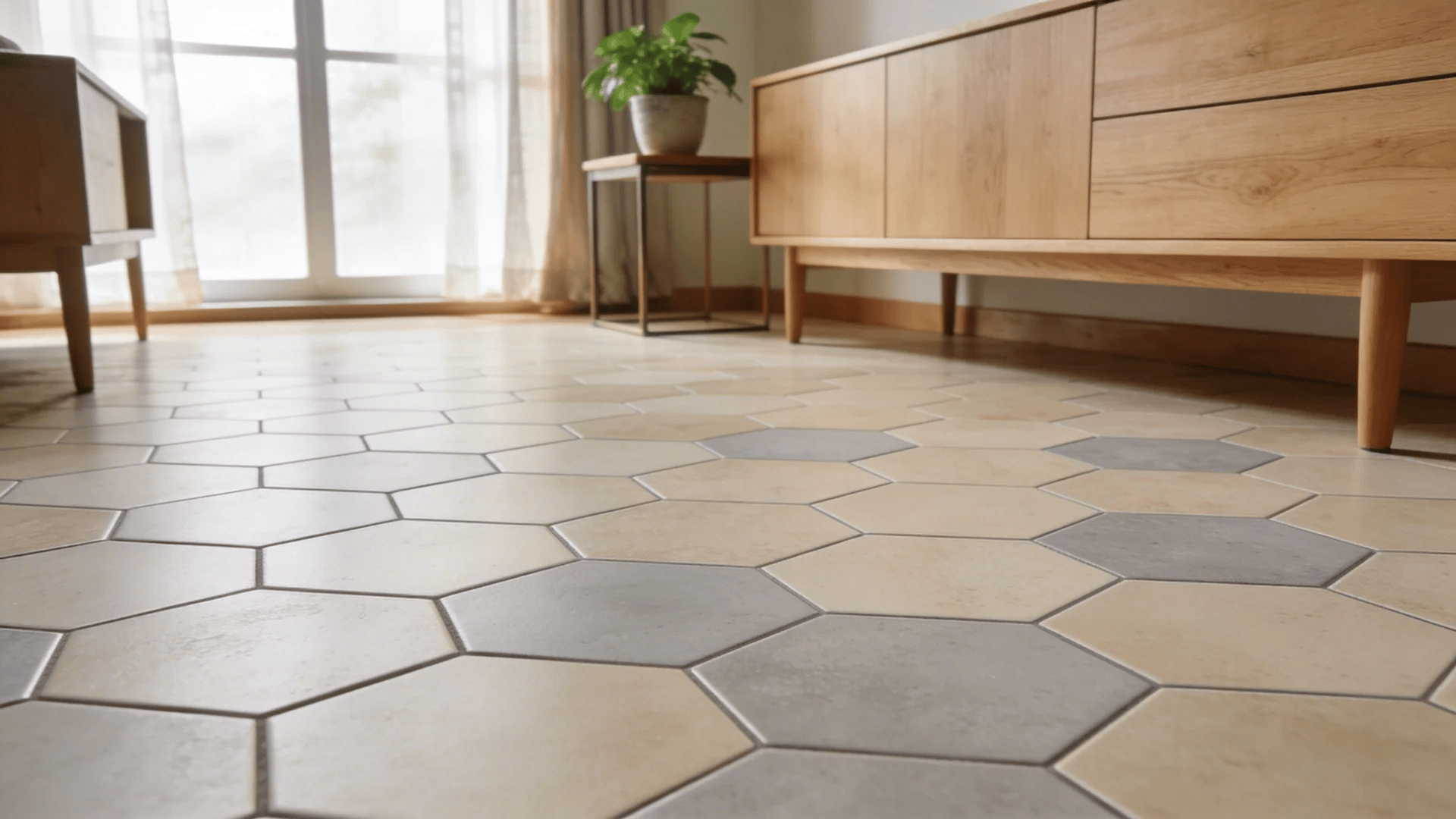
This pattern uses six-sided tiles arranged to create a honeycomb layout. I like how it adds visual interest without making the design feel too complex.
It works well on floors, shower areas, and even feature walls where you want something modern. You can use one color for a clean look or mix shades to create a bold design.
The unique shape breaks the monotony of straight lines. This layout is perfect if you want a modern style that still feels balanced and easy to maintain.
24. Octagon Dot Tile Pattern
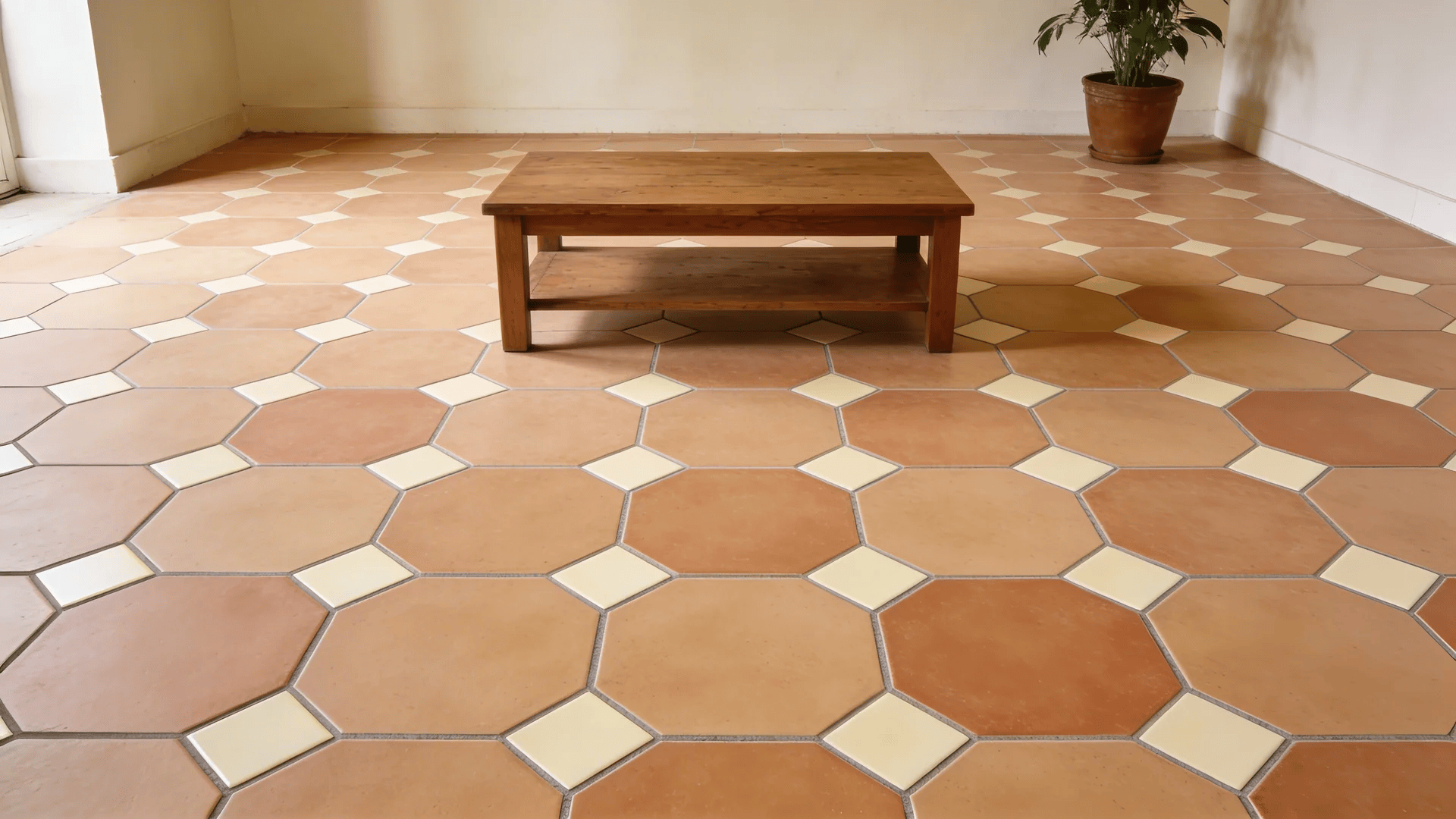
This layout combines large octagon tiles with small square tiles placed in between to complete the pattern. I like how it creates a classic look that still fits modern interiors.
It works well in bathrooms, entryways, and small floor areas. The small tiles add detail and help highlight the overall design. You can use contrasting colors to make the pattern stand out more.
This layout feels structured and timeless, making it a great option if you want a design that stays relevant for a long time.
25. Picket Tile Pattern
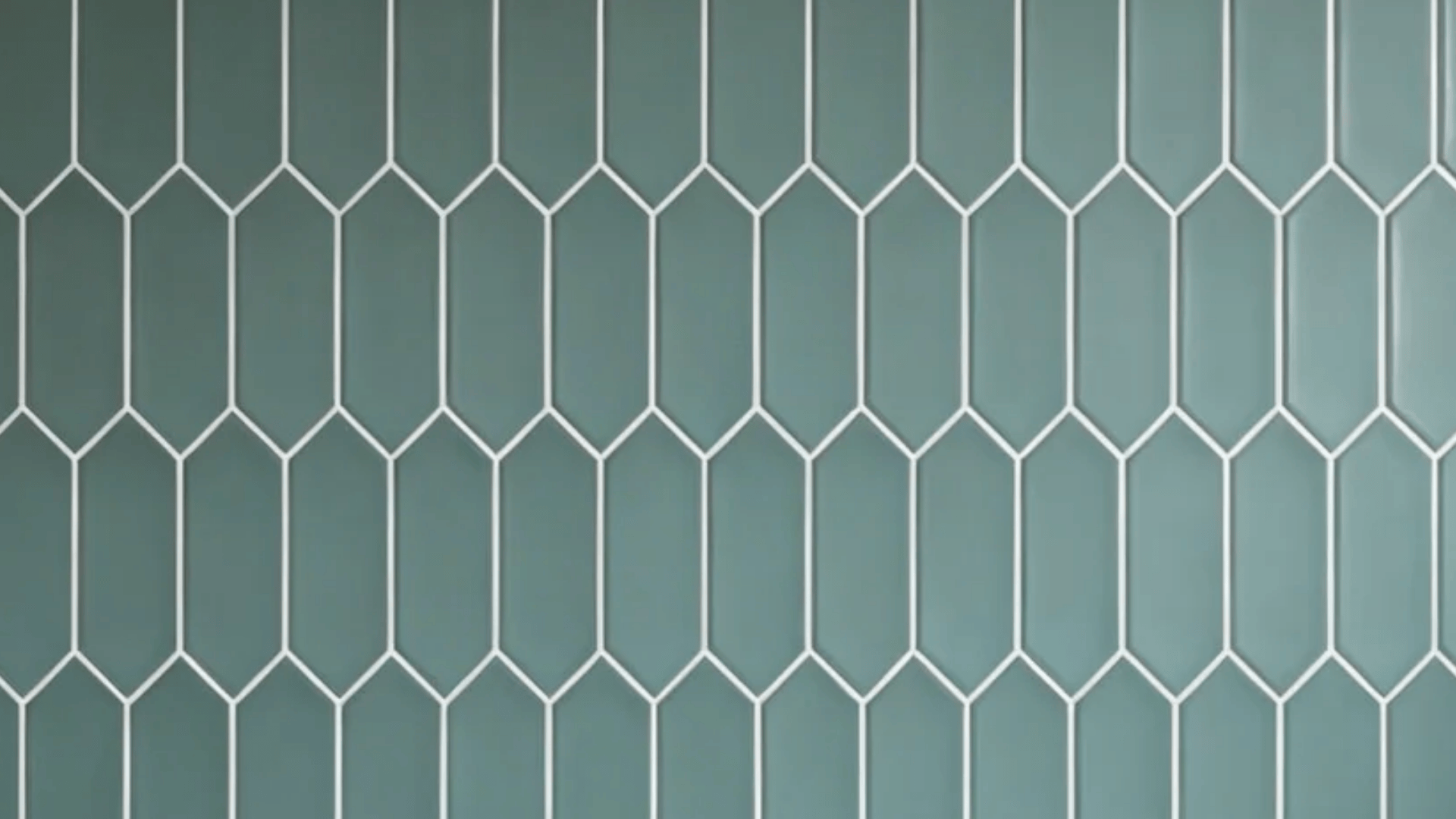
This pattern uses elongated hexagon-shaped tiles arranged vertically or in a stacked layout. I like how it brings a fresh look compared to standard rectangular tiles.
It works well on walls, especially in showers and kitchen backsplashes. The shape creates a slight sense of movement while still keeping the design simple.
You can choose soft tones for a subtle finish or bold colors for more impact. This layout is a good choice if you want a modern design that feels different but not overly complex.
26. Arabesque Tile Pattern
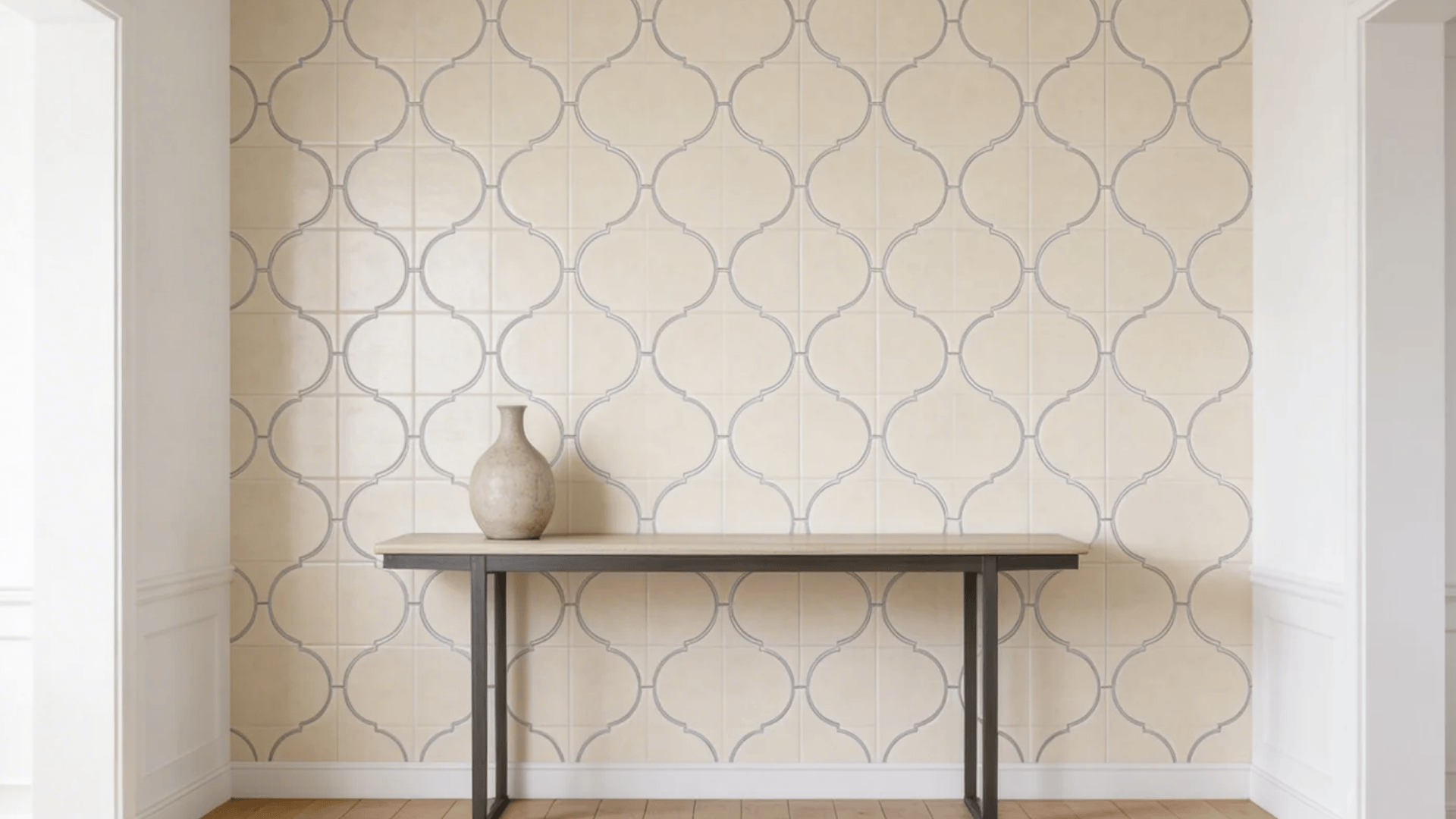
This pattern features curved tiles that connect to create a flowing, decorative layout. I like how it adds detail without needing multiple tile colors or materials.
It works well in kitchens, bathrooms, and feature walls where you want a bit more style. The curved edges create a soft, artistic look that feels distinct from straight tile layouts.
You can keep the color simple or use contrast to highlight the pattern. This layout is ideal if you want a design that feels detailed yet easy to manage.
27. Star Tile Pattern
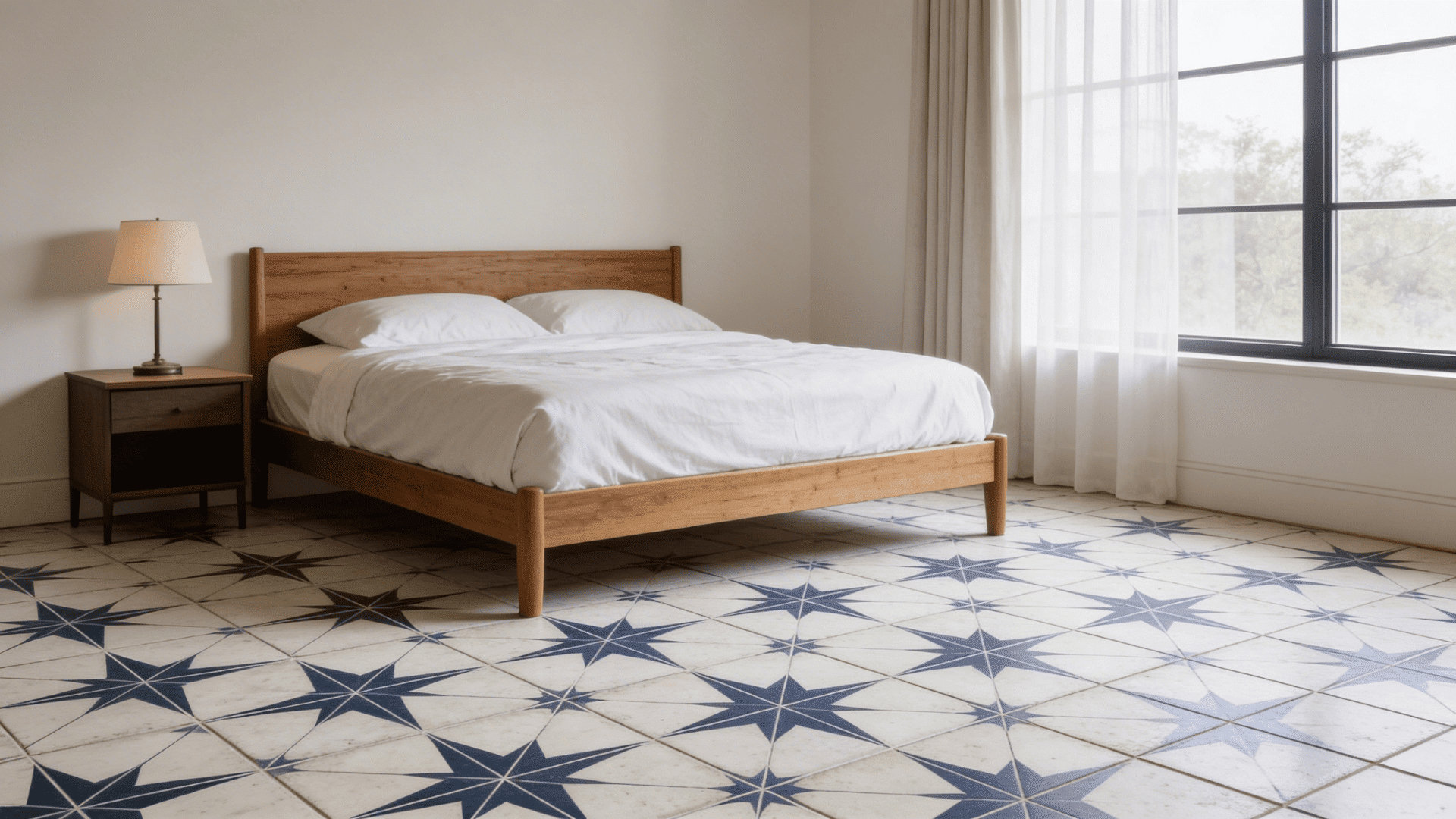
This pattern uses tiles arranged to form repeating star shapes across the surface. I like how it creates a bold, decorative look without requiring too many design elements.
It works well on floors, walls, and even outdoor areas. You can mix colors to highlight the star shapes or use a single tone for a softer effect.
This layout adds strong visual interest and makes the surface stand out. It is a great option if you want a pattern that feels unique and more detailed than basic layouts.
28. Fan Tile Pattern
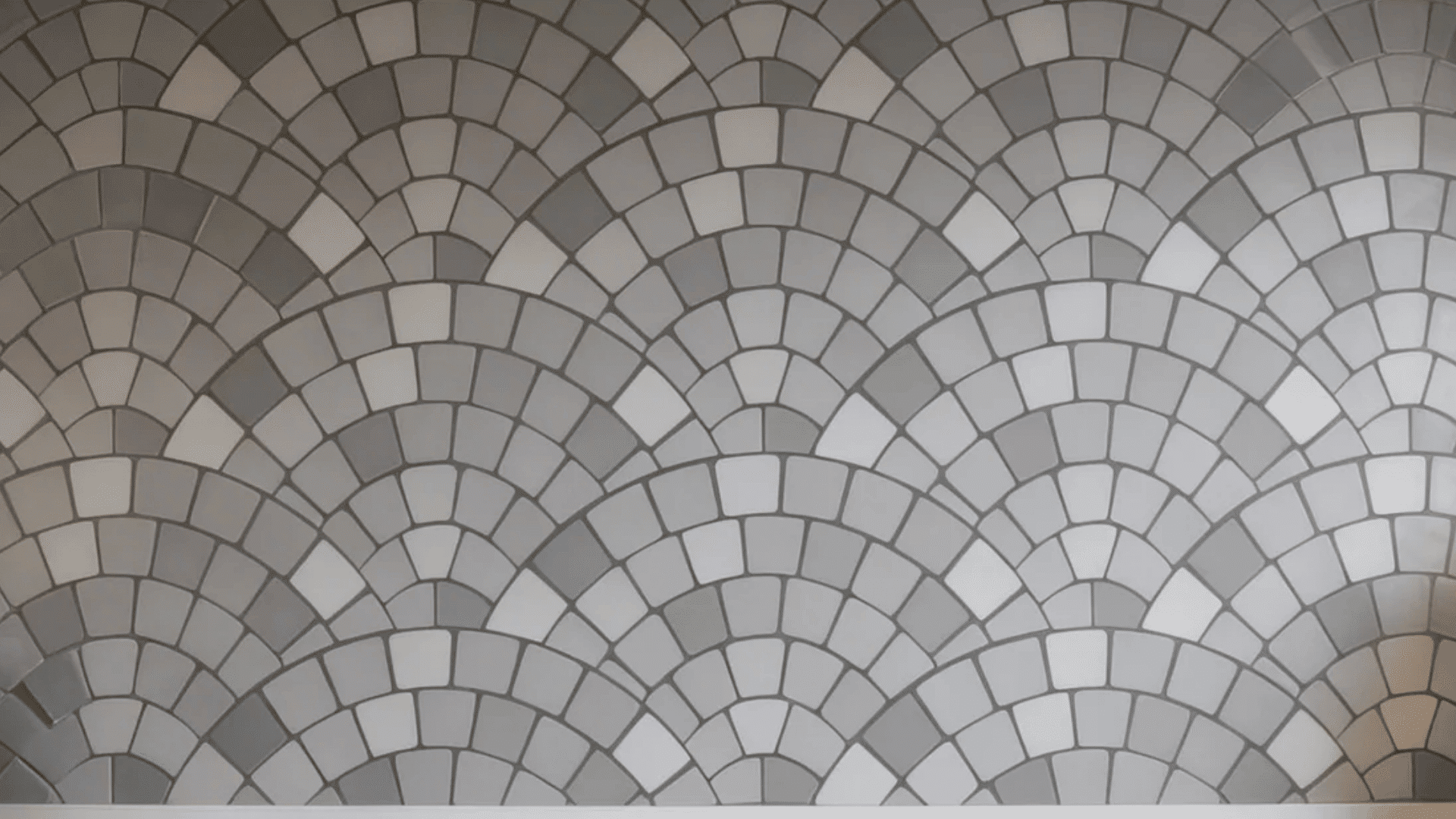
This layout uses curved tiles shaped like a fan or shell arranged in a repeating pattern. I like how it creates a soft and flowing look that feels different from straight tile layouts.
It works well in bathrooms, especially on shower walls or backsplashes where you want a gentle design. The rounded edges add movement without making the space feel busy.
You can use light tones for a calm effect or darker shades for contrast. This pattern is great if you want a smooth and decorative surface.
29. Triangle Tile Pattern
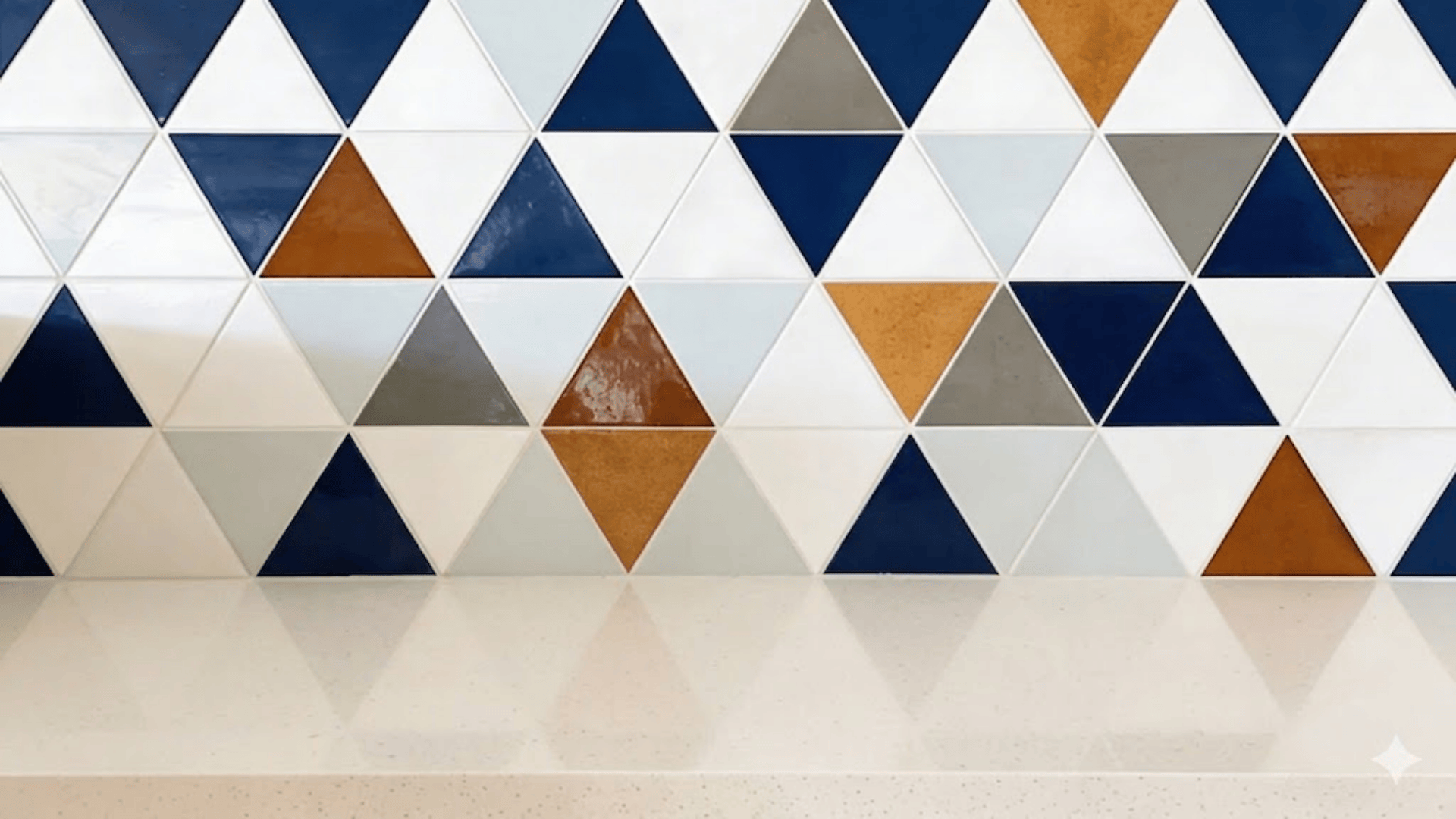
This pattern uses triangular tiles arranged to form geometric shapes across the surface. I like how it adds sharp lines and bold structure to a space.
It works well on feature walls, backsplashes, or floors where you want a modern design. You can mix colors to create different shapes, or use a single tone for a cleaner look.
The angled edges break the usual square layout. This pattern is perfect if you want a design that feels fresh, structured, and visually interesting without using complex materials.
30. Patchwork Tile Pattern
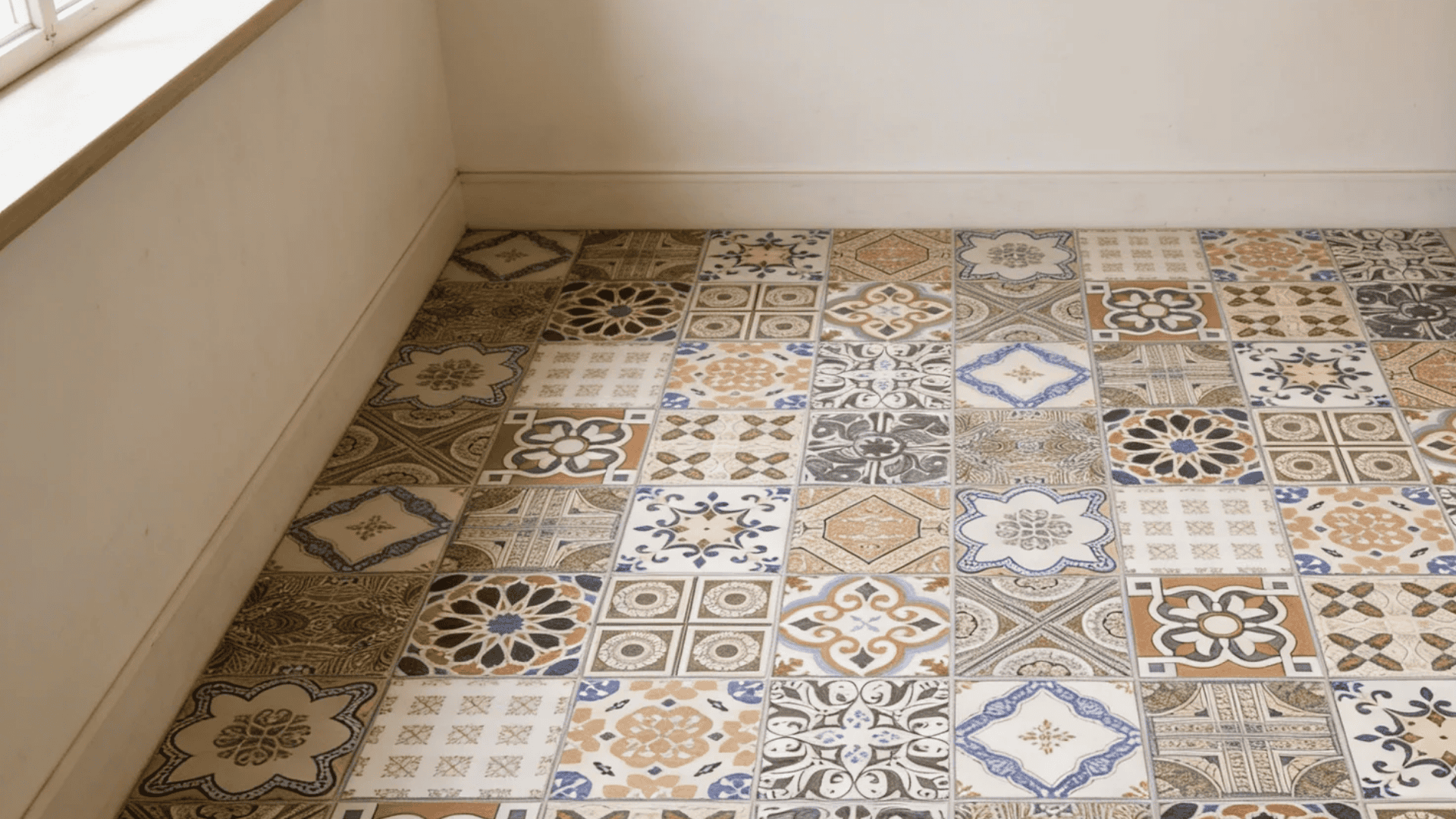
This layout mixes different tile designs and colors in a planned or random arrangement. I like how it adds personality and makes the space feel more lively.
It works well in kitchens, bathrooms, and outdoor areas where you want something eye-catching. The mix of patterns creates a rich surface that doesn’t need extra decor.
You can keep similar tones for balance or use bold colors for more impact. This pattern is ideal if you want a creative layout that stands out and feels full of character.
31. Gradient Tile Pattern
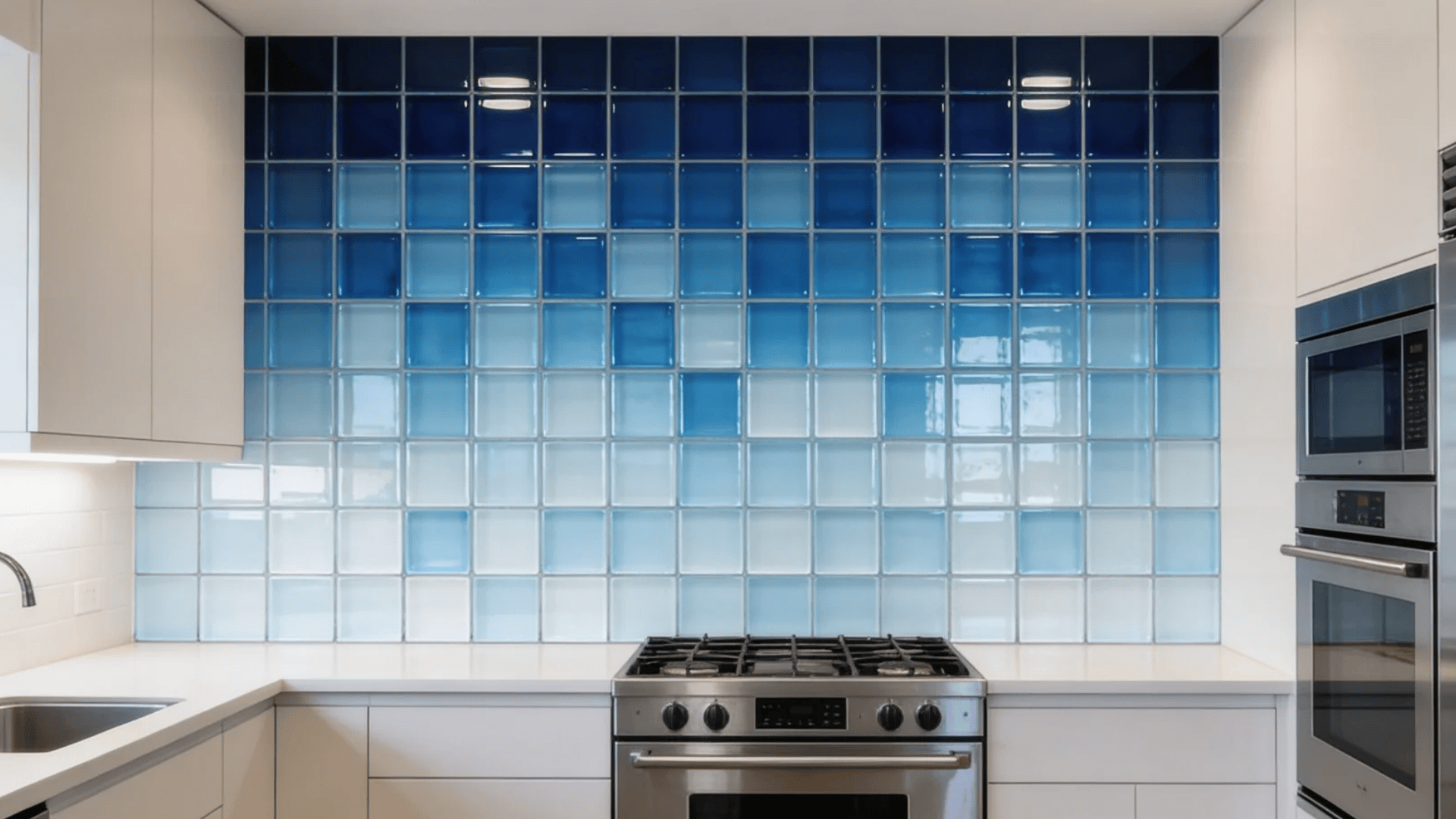
This pattern uses tiles in different shades arranged from light to dark to create a smooth transition. I like how it adds depth without using complex shapes or layouts.
It works well on walls, especially in showers or feature areas where you want a calm effect. The gradual color change makes the space feel soft and modern.
You can use neutral tones for a subtle look or bold shades for more contrast. This layout is perfect if you want a simple design that still feels creative and visually appealing.
Choosing the Best Tile Layout for Your Style
Choosing the best tile layout depends on your style, room size, and mood, helping create balance, flow, and a visually pleasing design for your space.
- Grid and chevron layouts suit modern spaces, offering clean lines, structure, and a polished look that enhances open, minimal interiors.
- Herringbone and basket weave patterns bring charm, adding depth, texture, and elegance, making them perfect for traditional and vintage-inspired interiors.
- Diagonal layouts in small rooms appear larger by drawing the eye outward, creating movement, and giving the illusion of added space.
- Larger rooms support bold layouts like modular or intricate patterns, allowing creativity while maintaining balance and a strong visual impact.
Choose a tile pattern that reflects your taste, fits your space, and works with your overall design to create a beautiful and cohesive environment.
Creative Tile Layout Ideas for Every Room in Your Home
Tile layout patterns can be used in any room to create a unique design that fits your style. From small bathrooms to large living areas, the right tile pattern can completely transform your space.
| Space | Tile Layout Ideas |
|---|---|
| Kitchen | Use herringbone or subway tiles for the backsplash. Try a modular floor layout for a stylish, custom look. |
| Bathroom | Diagonal or basket-weave tiles make small spaces feel larger. Use mosaic tiles in the shower for added detail. |
| Living Room | Large tiles in a grid create a clean look. Add chevron patterns in areas like the entryway for interest. |
| Entryway | Herringbone or diamond patterns add personality and create a bold first impression for your home. |
Creating a Balanced Look with Tile Layouts
Achieving a balanced look with tile layouts involves creating harmony between the tiles, the room’s size, and the overall design. A well-planned tile pattern can make a space feel cohesive and visually appealing.
To maintain balance, consider using symmetrical patterns, such as grid layouts or subway tiles. These designs create a sense of order and are easy on the eyes, making them ideal for more neutral or minimalist spaces.
For a bit of visual interest, try adding a border or accent tiles to create contrast while still keeping the overall look unified.
In larger spaces, modular layouts or herringbone can add texture and movement without overwhelming the room. The key is to avoid overly busy patterns, which can disrupt the flow of the room.
By mixing simplicity with subtle patterns, you can achieve a space that feels balanced and inviting.
Classic vs. Modern Tile Patterns: Which Works Best for You
By comparing classic and modern tile patterns, you can make an informed decision about which style best suits your space.
| Feature | Classic Tile Patterns | Modern Tile Patterns |
|---|---|---|
| Design Style | Timeless, traditional, and elegant | Bold, contemporary, and dynamic |
| Common Patterns | Grid, Basket Weave, Herringbone | Chevron, Modular, Geometric, Subway |
| Best for | Vintage, rustic, or formal interiors | Minimalist, industrial, or modern homes |
| Material Choices | Ceramic, porcelain, stone | Porcelain, glass, polished concrete |
| Color Palette | Neutral, muted, and earthy tones | Bold, contrasting colors and metallics |
| Visual Appeal | Soft and understated | Sharp, clean lines with visual impact |
| Durability | High, with proper maintenance | High, designed to withstand modern living |
| Installation Complexity | Simpler, easier to install | More complex, often requiring precision |
Common Mistakes to Avoid when Choosing Tile Patterns
Choosing the right tile pattern is crucial to achieving the desired look for your space, but it’s easy to make mistakes that can affect the overall design. Here are some common pitfalls to avoid:
- Overcomplicating the Design: Opting for too many intricate patterns can make a space feel cluttered. It’s best to stick with one main pattern and use accents sparingly to maintain a clean, cohesive look.
- Ignoring Room Size: Larger patterns in small rooms can make the space feel cramped, while small patterns in large rooms can get lost. Tailor the size of the tiles and pattern sizes the the room’s scale for the best effect.
- Not Considering Flow: Avoid patterns that disrupt the visual flow of the room. Ensure the layout works well with the shape and flow of the space, especially in open areas.
- Choosing Patterns Without Considering Function: In high-traffic areas, choose patterns that are easy to clean and maintain. Intricate patterns can trap dirt, making maintenance more challenging.
Final Thoughts
When I look at different tile layouts, I always remind myself that the goal is to create a space that feels right for everyday living. The pattern you choose should not only look good but also match how you use the room.
Small choices like layout, color, and tile size can make a big difference in the final result.
I suggest taking your time, comparing a few options, and thinking about what fits your style best. A well-planned layout will always feel more comfortable and complete.
If you’re planning a project soon, try one of these patterns and see how it changes your space. Let me know which one you liked the most!