

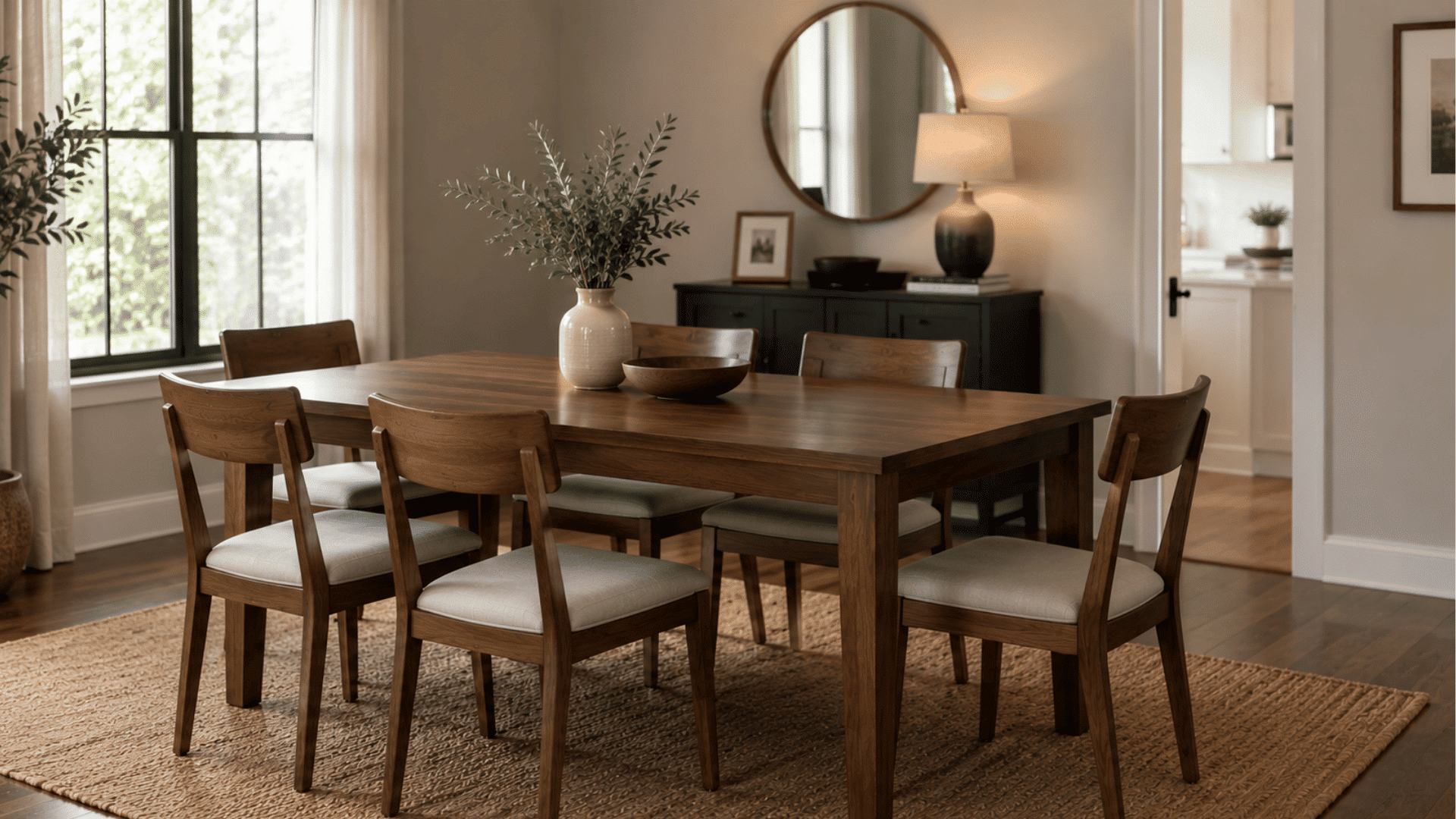
Finding the right kitchen table sounds simple until you see how many sizes are out there. I’ve seen people buy a table that looked great in the store but felt too tall or too low at home.
That’s why knowing the standard kitchen table height can make a big difference before you buy anything.
In this guide, I’ll share the usual table height used in most homes and how it compares to counter-height and bar-height tables.
You’ll also learn how to measure table height, choose the right chair size, and fit a table in your space.
Doesn’t matter if you are updating your kitchen or buying your first dining set; this article will help you make a smart, practical choice without getting confused by measurements.
What Is the Standard Kitchen Table Height?
The standard kitchen table height is usually between 28 and 30 inches (71 to 76 cm), with 30 inches (76 cm) being the most common size in modern homes.
This height is popular because it works comfortably with standard dining chairs that typically have a seat height of 17 to 19 inches (43 to 48 cm).
The space between the chair and table gives enough legroom for dining, working, or chatting comfortably.
Most homeowners choose standard-height tables because they are practical, comfortable, and easy to fit into different kitchen and dining room layouts.
They also match well with many furniture styles and are available in common shapes, such as round, square, and rectangular.
For everyday meals and family use, standard-height tables offer a simple balance of comfort, function, and style.
How to Measure Kitchen Table Height Correctly?
Measuring kitchen table height correctly helps you choose matching chairs and create a more comfortable dining and seating experience at home.
- Measure the Table Height: Use a measuring tape from the floor to the bottom of the tabletop or table apron for an accurate usable height.
- Find the Ideal Chair Height: Leave around 10 to 12 inches between the chair seat and tabletop for comfortable seating and legroom.
- Measure the Chair Seat Height: Measure from the floor to the top of the chair seat, including cushion compression if the seat is soft.
- Check the Legroom Space: Compare the table underside height to the chair seat height to ensure there is enough legroom.
- Test the Setup Before Buying: Sit at the table with the chairs whenever possible to check comfort, balance in height, and the overall seating feel.
One thing I always remind people is to measure the apron depth, too. Some tables have a thick apron (the frame below the tabletop) that cuts into usable legroom by 2 to 3 inches.
A 30-inch table with a deep apron can feel cramped, especially for taller adults.
Materials Commonly Used for Standard Height Kitchen Tables
Standard-height kitchen tables are made from various materials, and each offers a different look, durability, and maintenance requirements.
| Material | Features | Best For |
| Wood | Strong, durable, and timeless with natural warmth and many finish options for traditional or modern kitchen spaces. | Family homes and everyday dining |
| Glass | Creates a clean, modern appearance and helps smaller kitchens feel visually brighter and more open. | Small or modern kitchens |
| Metal | Durable, easy to clean, and commonly used in industrial or contemporary kitchen table designs. | Modern and industrial-style homes |
| Marble | Offers a luxury appearance with unique patterns but usually requires more care and regular maintenance. | Elegant and formal dining spaces |
| Laminate | Affordable, lightweight, and available in many colors and designs, with simple everyday maintenance needs. | Budget-friendly kitchen setups |
| Stone | Heavy, durable, and highly resistant to heat and scratches, while adding a premium look to dining spaces. | Large kitchens and luxury interiors |
Standard Heights for Various Kitchen Tables
Kitchen and dining tables are available in different heights, with each type offering a different seating style, comfort level, and appearance.
1. Dining Room Table (28-30 inches)
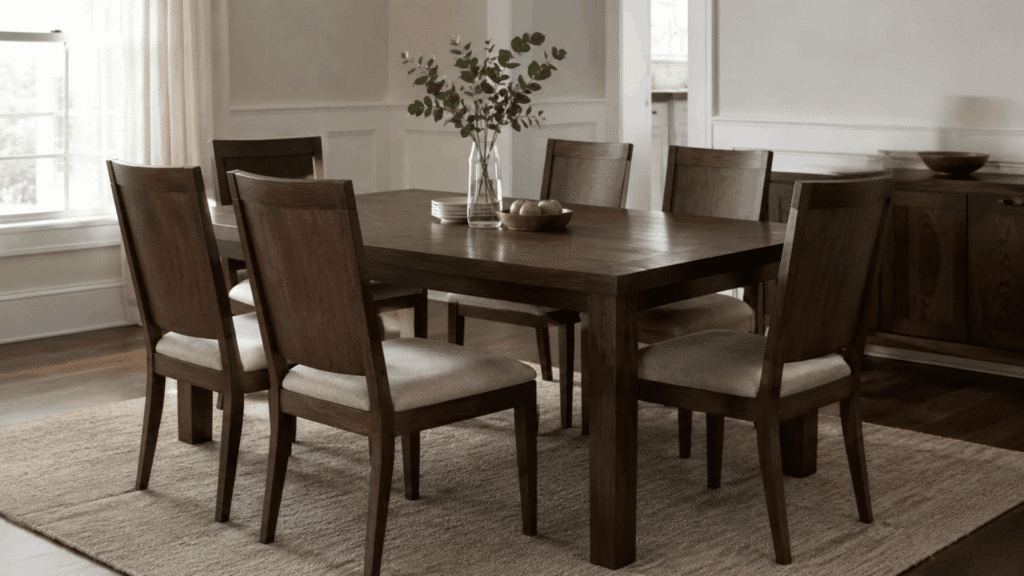
Standard dining room tables are usually 28 to 30 inches high, with 30 inches being the most common size in homes.
These tables pair well with standard dining chairs with seat heights of 17 to 19 inches.
Many homeowners prefer this height because it feels comfortable for daily meals, long conversations, homework, and family gatherings.
Standard-height tables also fit easily into both small and large dining spaces, offering a balanced, traditional look.
2. Counter Table Height (34-36 inches)
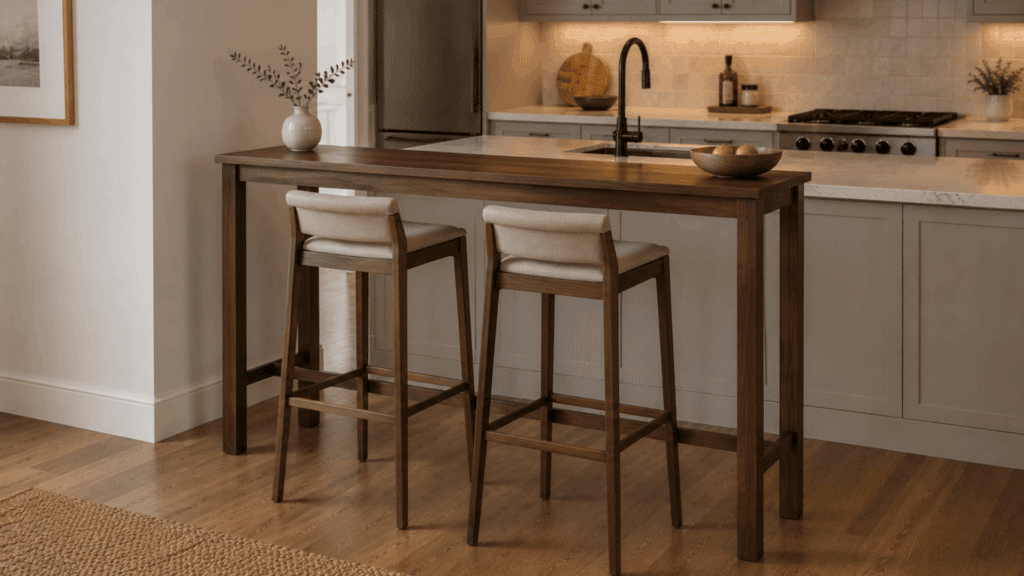
Counter-height tables are generally 34 to 36 inches tall, slightly higher than standard dining tables.
I remember when I first set up one in my apartment, it instantly made the space feel more open and modern.
These tables work best with counter stools or chairs, usually 24 to 26 inches high, providing a comfortable, casual seating option.
They’re especially popular in open kitchens, apartments, and smaller spaces, offering both extra visual height and a relaxed, contemporary dining setup
3. Bar Table Height (40-42 inches)
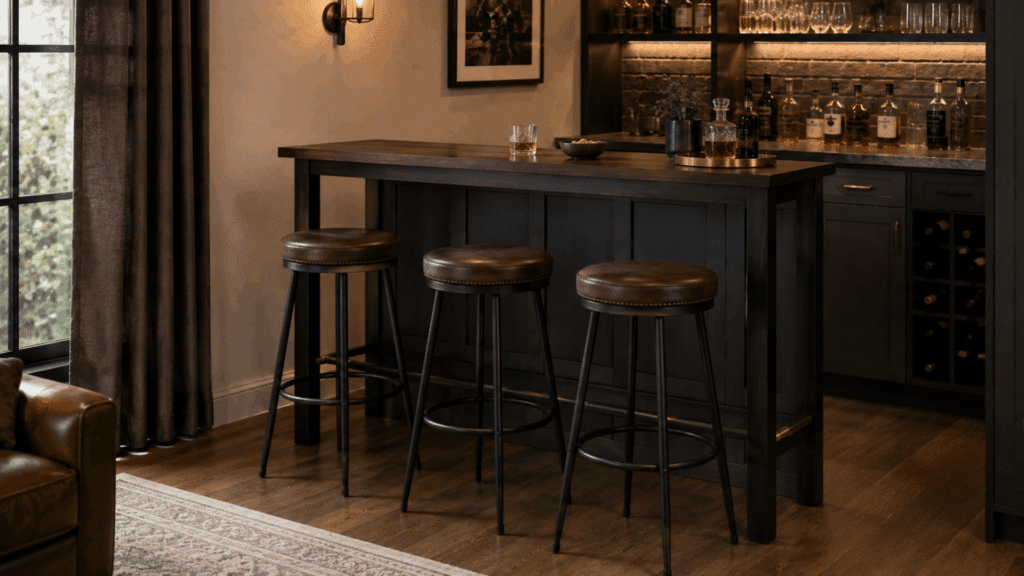
Bar-height tables are usually 40 to 42 inches tall and are commonly paired with bar stools with seat heights of 28 to 30 inches.
These tables create a more social, casual atmosphere, similar to that of a restaurant bar or café.
Bar-height tables are often used in entertainment areas, game rooms, or modern kitchen spaces.
While they look stylish and save floor space in some layouts, they may feel less comfortable for children, seniors, or long family dinners compared to standard-height tables.
4. Breakfast Nook Table
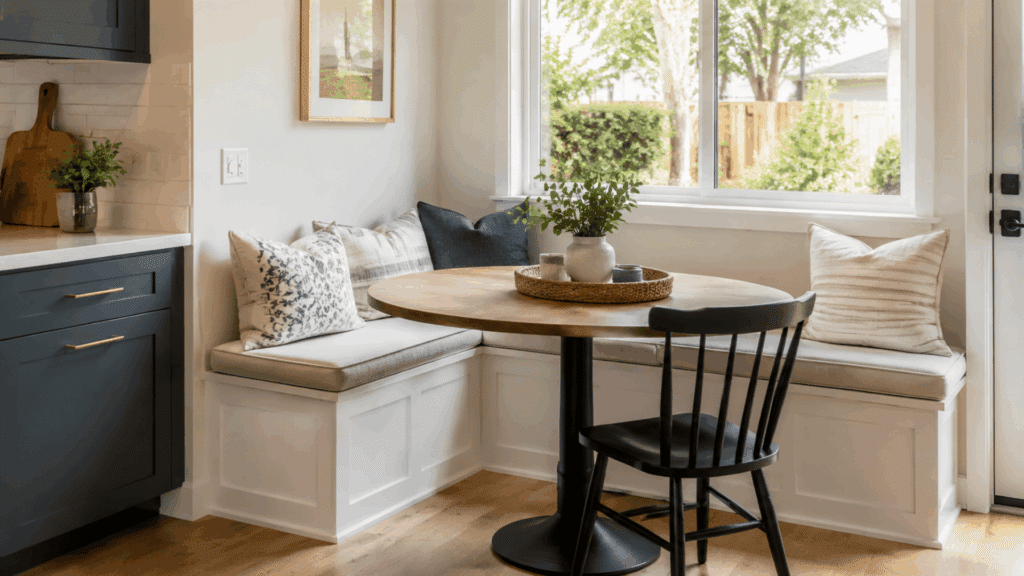
A breakfast nook table is designed for cozy dining spaces, often placed in corners or small areas.
A friend of mine recently set one up in her kitchen, and she loved how it created a warm, inviting spot for morning coffee and quick meals.
The standard height for a breakfast nook table is usually 28 to 30 inches, which pairs well with most dining chairs.
This height ensures comfortable seating, easy access to food, and proper posture while eating.
Breakfast nook tables are great for casual meals and coffee, adding comfort and function to kitchens or breakfast areas.
5. Outdoor Patio Table
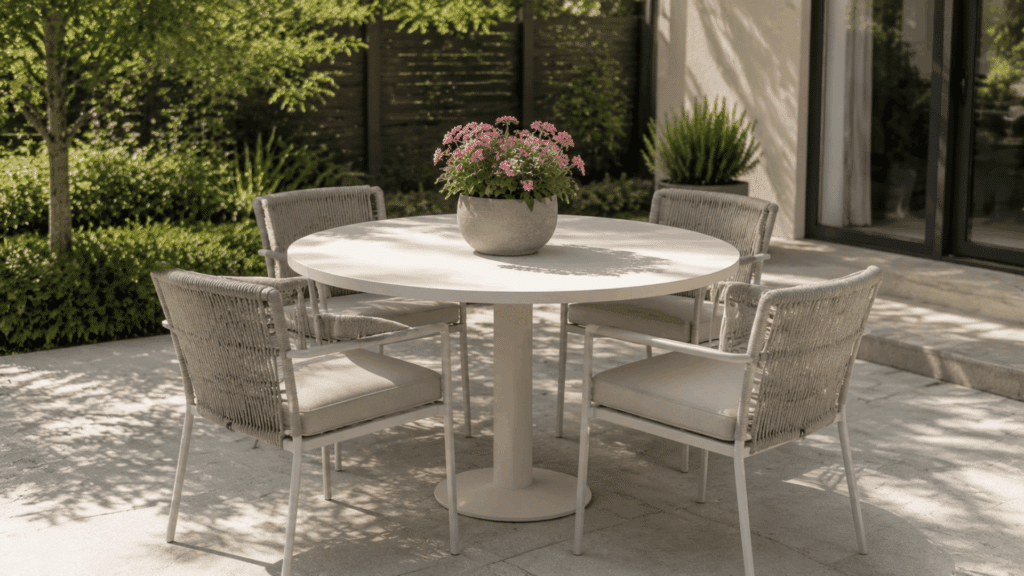
A standard patio table height is usually 28 to 30 inches. This height works well with most outdoor chairs, allowing comfortable seating for meals or activities.
It provides enough legroom and ensures that food, drinks, and decorations are easy to reach.
For outdoor tables, I always suggest checking whether the chair legs will sink into soft ground. A table that sits level on a deck may tilt on grass, which changes the effective height entirely.
Adjustable-leg tables are worth the investment if your patio surface is uneven.
How Much Room Clearance Does a Kitchen Table Need?
This is one of the most consistently overlooked steps, and it causes more furniture regret than getting the height wrong.
Before settling on a table size, measure the room and keep these clearances in mind: leave at least 36 inches between the edge of the table and the nearest wall or cabinet.
This gives one person enough room to pull out a chair and sit down without bumping into anything.
For a dining room where people regularly walk behind seated guests, 48 inches is more comfortable.
I have seen beautifully proportioned tables that made a kitchen feel like a waiting room simply because there was not enough space to walk around them.
In Scandinavian design, which has shaped a lot of how I think about kitchens, the relationship between a table and its surrounding negative space matters just as much as the table itself.
Best Chair Height for a Standard Kitchen Table
A standard kitchen table usually pairs best with chairs that provide enough legroom and comfortable seating for everyday use.
| Table Type | Standard Table Height | Recommended Chair Seat Height | Ideal Space Between Seat and Table |
| Dining Table | 30 inches | 18 inches | Around 12 inches |
| Counter Table | 36 inches | 24 inches | Around 12 inches |
| Bar Table | 42 inches | 30 inches | Around 12 inches |
| Coffee Table | 16–18 inches | N/A (usually low seating) | N/A |
| Patio Table | 28–30 inches | 17–19 inches | 10–12 inches |
| Console Table | 30–32 inches | N/A (used with stools occasionally) | N/A |
| Bistro Table | 28–30 inches | 17–19 inches | 10–12 inches |
The right chair height helps improve comfort, posture, and legroom during meals, conversations, and everyday dining activities.
Accessibility and ADA Considerations for Kitchen Tables
This is a topic most kitchen table guides skip entirely, but it matters for a large number of households.
ADA guidelines recommend a minimum knee clearance of 27 inches high, 30 inches wide, and 19 inches deep for wheelchair access.
For families where someone uses a wheelchair or has limited mobility, a table at 28 to 34 inches with open leg clearance is the most practical choice.
Pedestal-base tables are often better here than four-legged designs, since there are no corner legs blocking footrest access.
I have worked with readers who spent months searching for a table that could comfortably include everyone at family dinners. Getting the clearance right from the start makes it far easier.
How Lighting Impacts Dining Table Design?
Lighting plays a major role in how a dining table looks and how people feel around it. Good lighting helps you see food clearly and makes colors and textures more appealing. It also sets the mood for meals, whether lively or relaxed.
Warm light creates a cozy, inviting atmosphere, while very bright light can feel harsh during dinner.
The type, position, and height of light fixtures can change the room’s balance and style. Hanging lights above the table should be placed so they don’t shine in diners’ eyes but still spread light evenly.
A general rule I follow: the bottom of a pendant fixture should hang 30 to 36 inches above the tabletop for a standard-height dining table.
For counter-height tables, keep lights 24 to 30 inches above the surface to avoid glare or uneven lighting.
Many designers use dimmers so you can adjust brightness for different occasions. Thoughtful lighting design makes the dining area both functional and visually attractive.
How Standard Kitchen Table Height Affects Posture?
The standard kitchen table height helps maintain proper posture by keeping your arms, shoulders, and back in a natural, comfortable position.
A table that is too high or too low can lead to poor sitting posture, body strain, and discomfort during everyday use.
Most standard kitchen tables are around 28 to 30 inches high, which works well with regular dining chairs and provides balanced seating support.
This height allows people to sit comfortably with their feet flat on the floor and enough legroom under the table. Proper table height also reduces pressure on the neck, shoulders, and lower back while eating, working, or studying.
Choosing the right table height improves comfort, posture, and everyday dining.
Standard Kitchen Table Dimensions for Different Family Sizes
Kitchen table sizes differ depending on how many people will be seated, with various lengths, widths, and shapes to suit both small and large spaces comfortably.
| Seating Capacity | Table Type | Width | Length / Diameter | Best Used For |
| 2 people | Rectangular | 24–30 in | 30–36 in | Compact, ideal for small kitchens |
| 4 people | Rectangular | 36 in | 36–48 in | Most popular size for home dining |
| 6 people | Rectangular | 36 in | 60–72 in | Extra space for families and guests |
| Large family | Rectangular | 36 in | 72–96 in | Comfortable for big gatherings |
| 4 people | Round | 36–48 in | Diameter 36–48 in | Cozy for smaller spaces |
| 6 people | Round | 54–60 in | Diameter 54–60 in | Provides extra room and comfort |
Common Types of Standard Height Kitchen Tables
Standard-height kitchen tables come in different shapes and styles to fit various room sizes, seating needs, and dining preferences.
- Round Kitchen Tables: Round tables save space, improve conversation flow, and work well in small kitchens or cozy family dining areas.
- Rectangular Kitchen Tables: Rectangular tables are the most common choice because they offer more seating and fit easily into larger dining rooms.
- Square Kitchen Tables: Square tables create a balanced look and work best in square-shaped kitchens or smaller dining spaces with limited seating.
- Extendable Kitchen Tables: These tables feature adjustable sections that provide extra seating when guests visit or during family gatherings and celebrations.
How Do You Pick the Right Size Dining Table?
Picking the right size dining table starts with carefully measuring your dining area. Leave at least 36 inches of breathing room between the table and nearby walls or furniture for comfortable movement.
You should also think about how many people use the table daily and whether you often host guests.
Round tables work well in smaller spaces, while rectangular tables fit larger dining rooms better.
It also helps to consider the “weight” of the table. Heavy-looking tables can make small rooms feel crowded, while lighter designs create a more open feel.
Many designers also suggest choosing shapes that match the room layout, such as a round table in a square room.
The right table size helps create a balanced, comfortable, and functional dining space.
Mistakes to Avoid when Choosing Kitchen Table Height
Choosing the wrong kitchen table height can affect comfort, movement, and the overall feel of your dining space.
| Mistake | Why It Can Be a Problem |
| Choosing the Wrong Chair Height | Incorrect chair height can make sitting uncomfortable and reduce proper legroom during meals. |
| Ignoring Room Size | Large tables can make smaller kitchens feel crowded and harder to move around comfortably. |
| Forgetting Walking Space | Limited space around the table can make seating and movement more difficult. |
| Picking Style Over Comfort | Some stylish tables may not feel comfortable for everyday dining and family use. |
| Not Measuring Before Buying | Skipping measurements can lead to poor table fit and uncomfortable seating arrangements. |
Conclusion
Choosing the right kitchen table height may seem like a small detail, but it can make a big difference in everyday comfort and how your dining space feels.
A standard-height kitchen table works well in most homes because it offers comfortable seating and fits many room styles.
Doesnt matter if you have a small kitchen, a large dining area, or an open layout, understanding table dimensions can help you avoid common sizing mistakes and create a space that feels more practical and inviting.
I hope this guide helped you better understand standard kitchen table height and what works best for your home.
If you recently bought a kitchen table or are planning to replace one, share your experience or favorite table style in the comments below.
Frequently Asked Questions
What Is the 4 Inch Rule for Seating?
The 4-inch rule means chair arms should fit at least 4 inches below the tabletop for comfortable seating and easy movement.
What Is the 3-5-7 Rule in Decorating?
The 3-5-7 decorating rule uses odd-numbered groups of décor items to create a more balanced and visually appealing room design.
Can You Seat 10 at a 72 Inch Table?
A 72-inch table usually seats 6 to 8 people comfortably, but seating 10 may feel crowded with limited elbow space.
What Are the Three F’s of Interior Design?
The three F’s of interior design are Function, Flow, and Feeling, which help create practical, comfortable, and visually balanced spaces.