

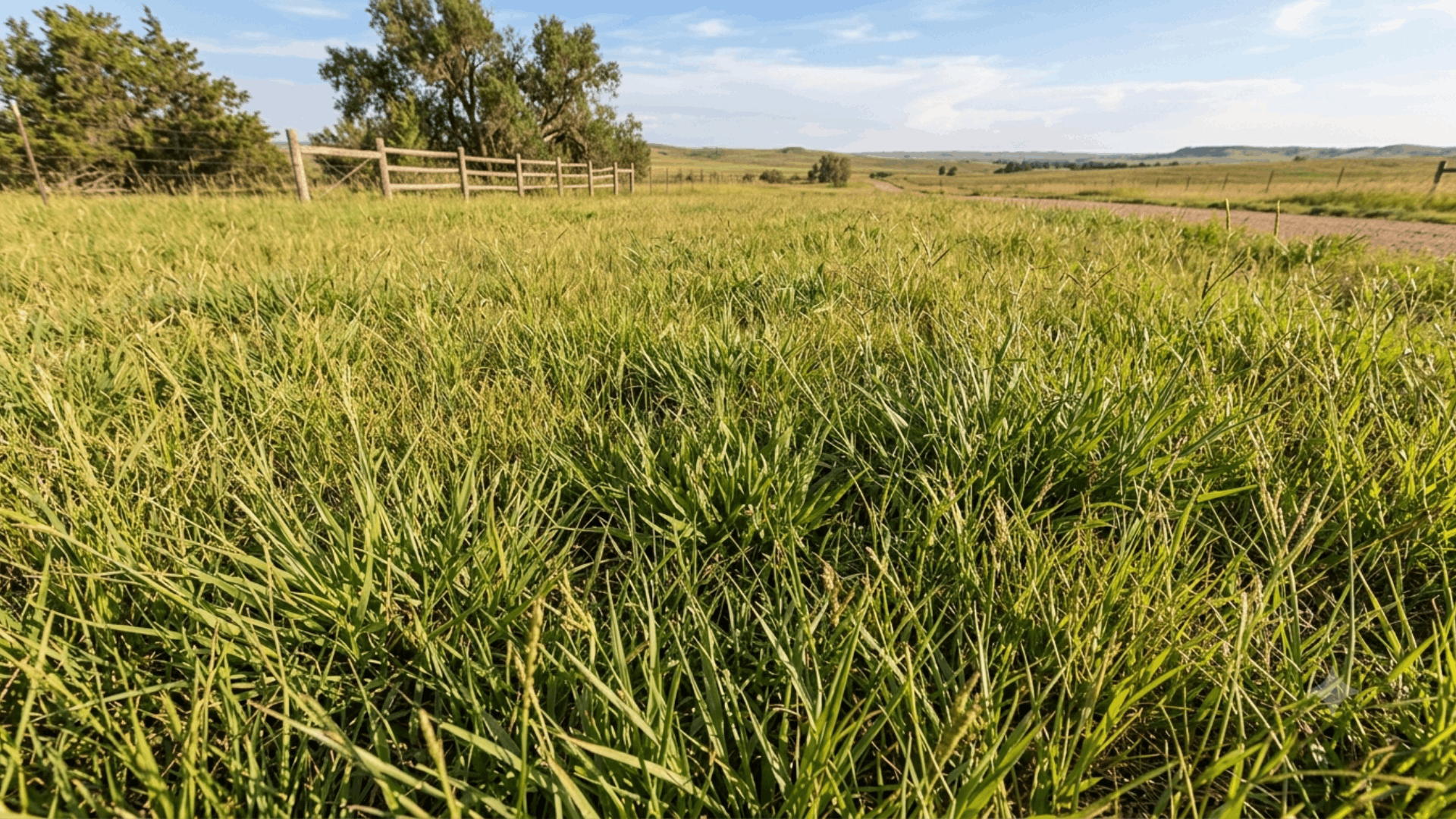
Grass plays a big role in the look and health of your lawn, but not all grass is the same. There are many types of grass, and each one grows best in certain climates, soil conditions, and sunlight levels.
Some grass types can handle heavy foot traffic, while others are better for shaded areas or dry weather.
Knowing the differences can help you choose the right option for a healthy, green lawn that is easier to maintain.
In this guide, you’ll learn about the most common grass types, their key features, and simple ways to identify them. Keep reading to find the best grass for your yard and growing conditions.
Understanding Grass and Its Characteristics
Grass is one of the most common plant types found in lawns, parks, fields, and natural landscapes.
It grows in a wide range of climates and plays an important role in preventing soil erosion, improving air quality, and providing food for many animals.
Different grass varieties have different growth habits, textures, and care needs, making it important to understand their basic features before choosing or maintaining them.
Key Characteristics of Grass
These characteristics help grass survive in different environments and make it useful for lawns, sports fields, farms, and natural landscapes.
- Narrow Leaves: Grass plants typically have long, narrow leaves that grow upward from the base.
- Fibrous Root System: Most grasses develop a dense network of roots that helps hold soil in place.
- Continuous Growth: Grass can continue growing after being cut because new growth comes from the base of the plant.
- Climate Adaptability: Different grass types are suited to warm, cool, dry, or wet conditions.
- Ground Coverage: Grass spreads across the soil surface, creating a protective layer that reduces erosion.
- Low-Growing Habit: Many grass species stay relatively low to the ground and recover well after mowing.
- Seed Production: Grass reproduces through seeds, and some varieties also spread through runners or underground stems.
- High Durability: Many grass types can tolerate foot traffic, making them suitable for lawns and recreational areas.
Understanding Different Cool-Season Grass Types
Cool-season grasses grow best in regions with cold winters and mild summers. They stay green for much of the year and are popular choices for lawns across northern and transition-zone areas.
1. Kentucky Bluegrass
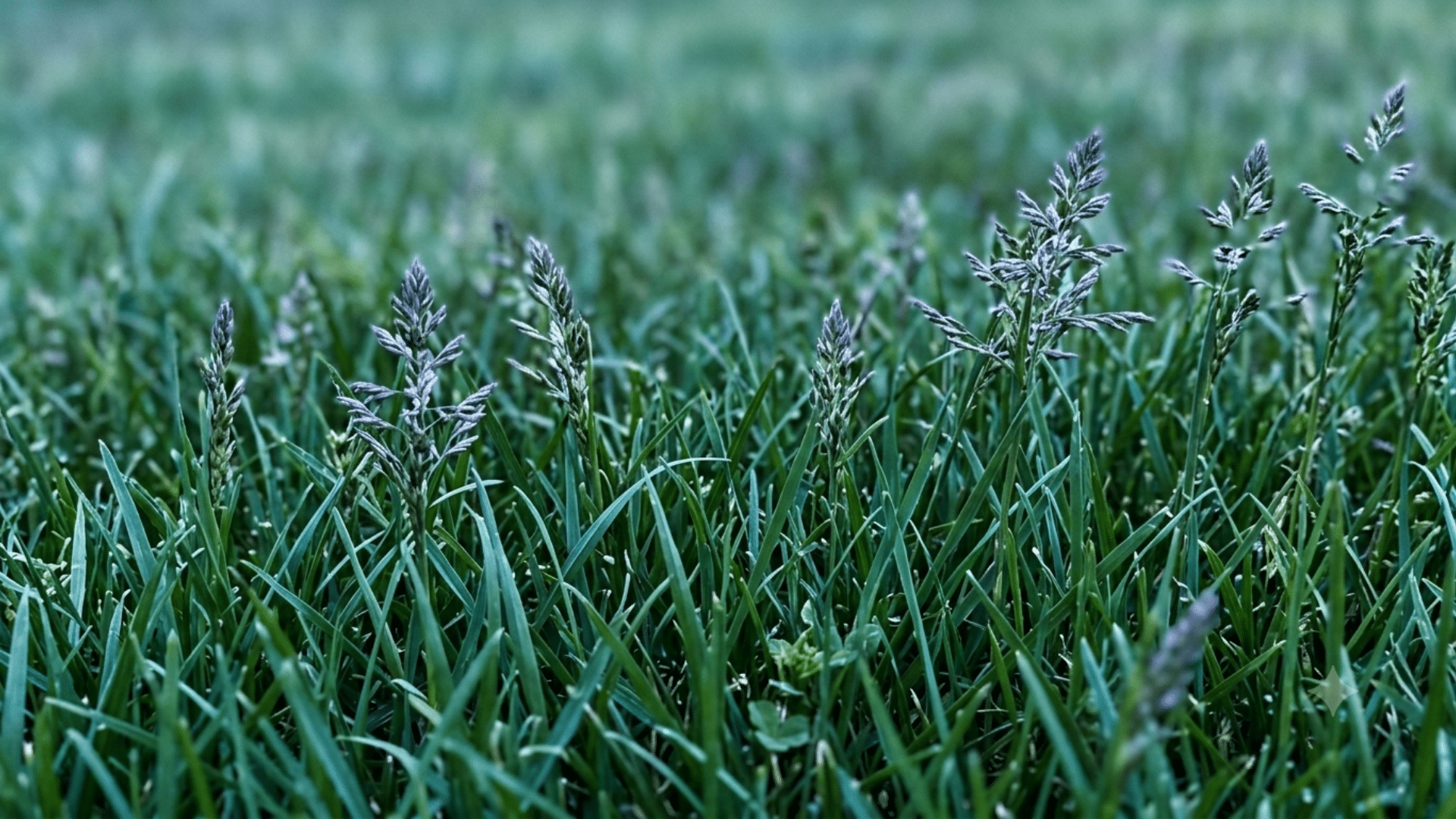
Kentucky Bluegrass is one of the most popular cool-season grass types in the United States. It is recognized for its deep green color, fine texture, and ability to form a thick, attractive lawn.
This grass spreads through underground stems called rhizomes, allowing it to naturally fill bare patches and recover from damage.
It grows best in areas with cool temperatures and full sunlight.
Kentucky Bluegrass is commonly used in residential lawns, parks, and sports fields because it creates a dense turf with excellent visual appeal and durability.
2. Tall Fescue
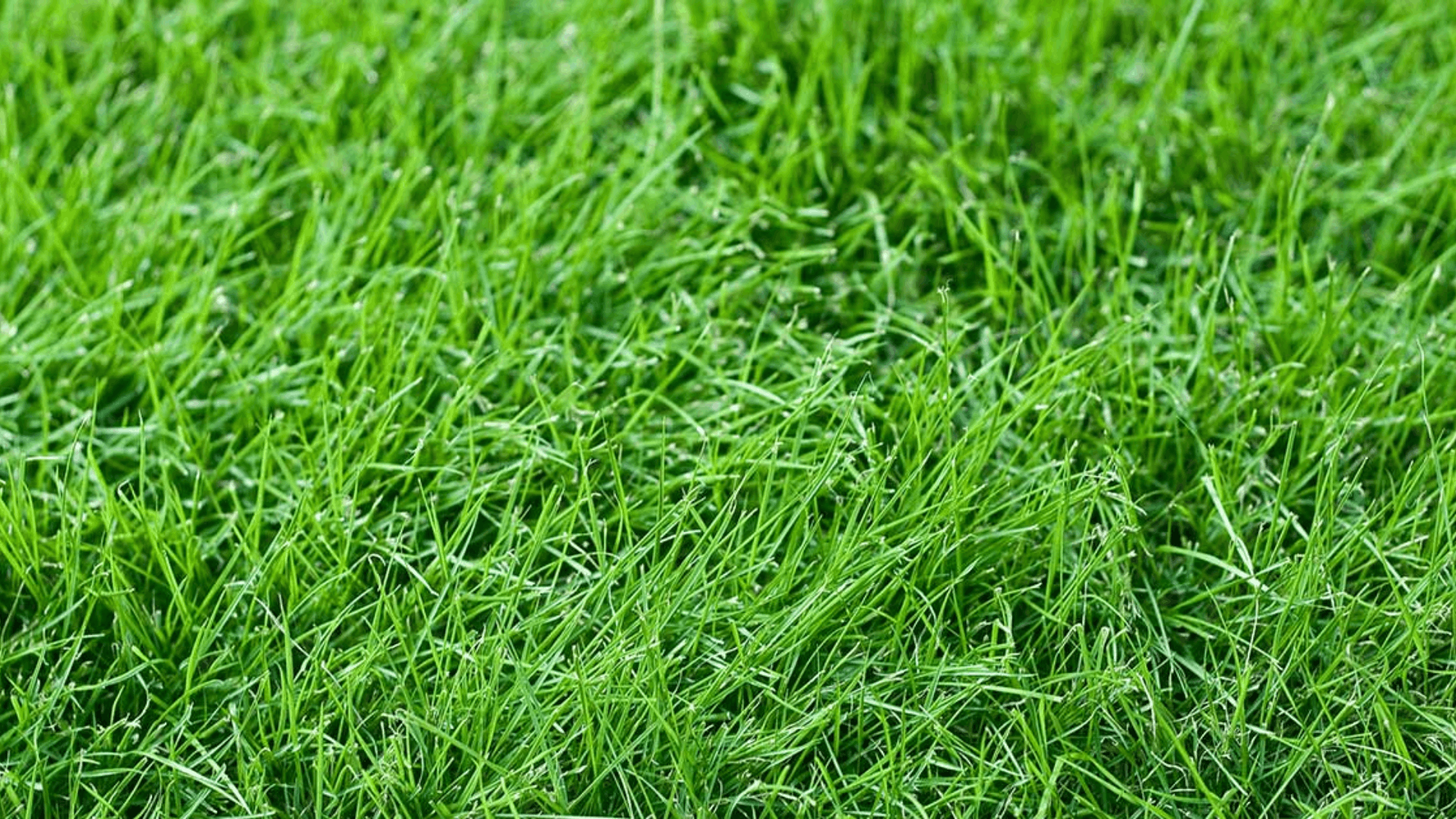
Tall Fescue is a durable cool-season grass known for its broad blades and deep root system.
The roots can grow deeper than many other grass types, helping it access water during dry periods and improving drought tolerance.
It performs well in a variety of soil conditions and can handle both heat and moderate shade. Tall Fescue is also resistant to heavy foot traffic, making it a popular choice for active family lawns.
Its ability to remain green for much of the year adds to its appeal among homeowners.
3. Fine Fescue
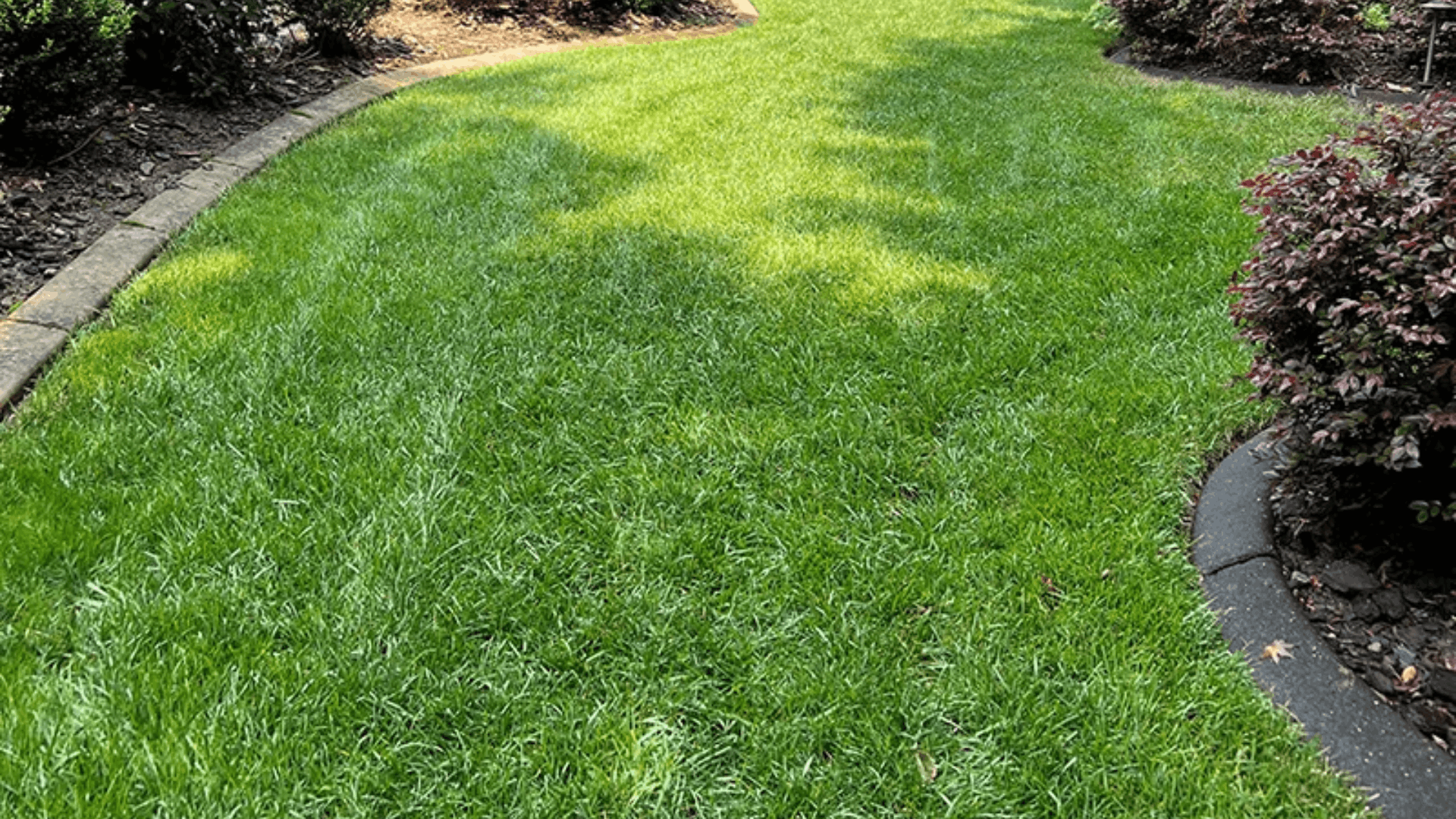
Fine Fescue is a group of cool-season grasses valued for their thin, soft blades and low-maintenance requirements.
These grasses perform exceptionally well in shaded areas where many other grass types struggle to grow.
Fine Fescue requires less fertilizer and water than many lawn grasses, making it a practical option for homeowners seeking easier lawn care.
It is frequently included in grass seed blends to improve shade tolerance and overall lawn performance. Its fine texture creates a soft appearance that complements many residential landscapes.
4. Perennial Ryegrass
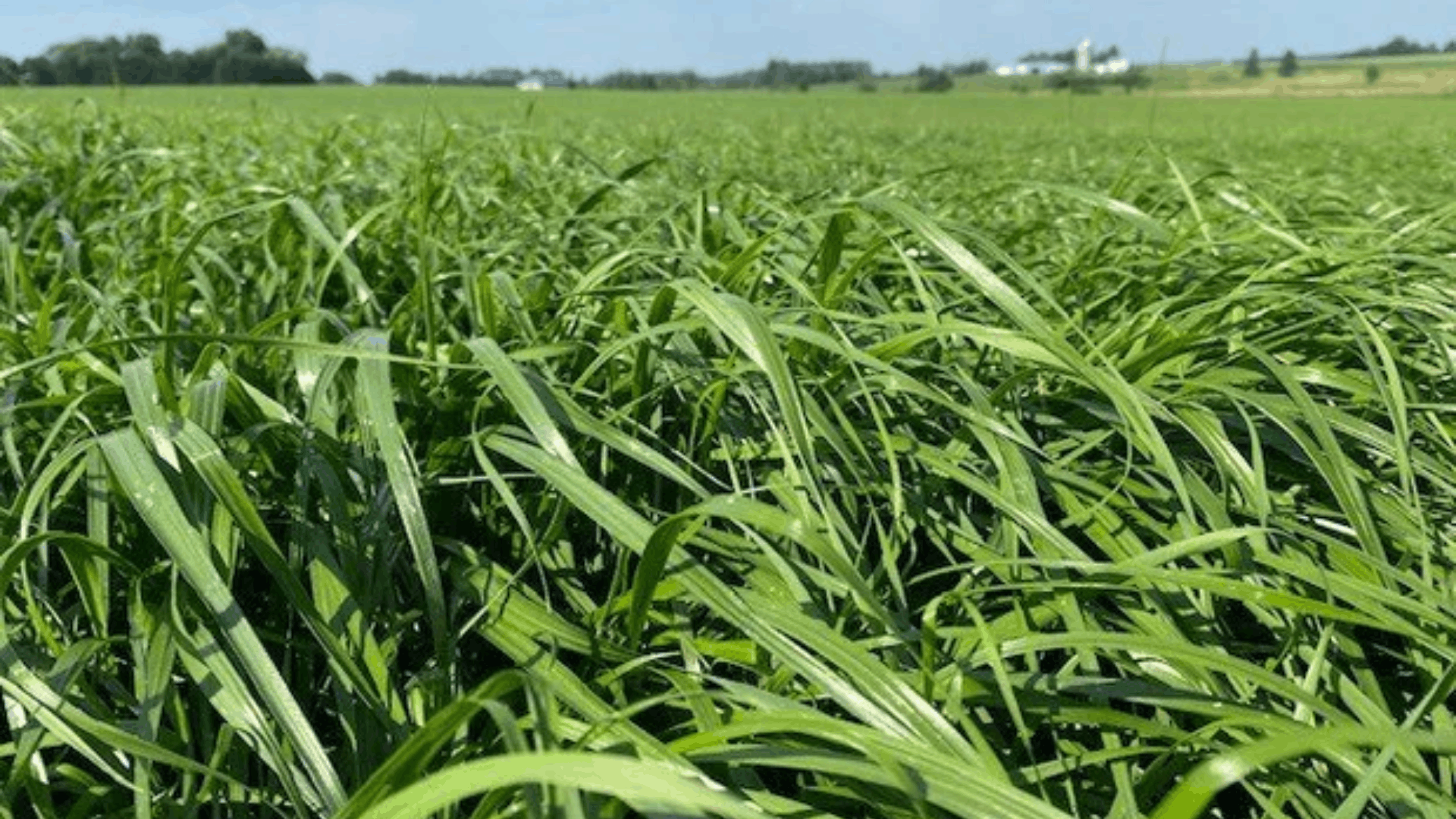
Perennial Ryegrass is known for its rapid germination and quick establishment, making it one of the fastest-growing cool-season grass types.
Its bright green color and fine texture create an attractive lawn appearance shortly after planting. Because it grows so quickly, it is commonly used for overseeding existing lawns and repairing damaged areas.
Perennial Ryegrass performs best in regions with moderate temperatures and regular moisture.
Although it lacks the spreading ability of some grasses, it offers excellent wear tolerance and provides a neat, uniform lawn surface.
5. Bentgrass
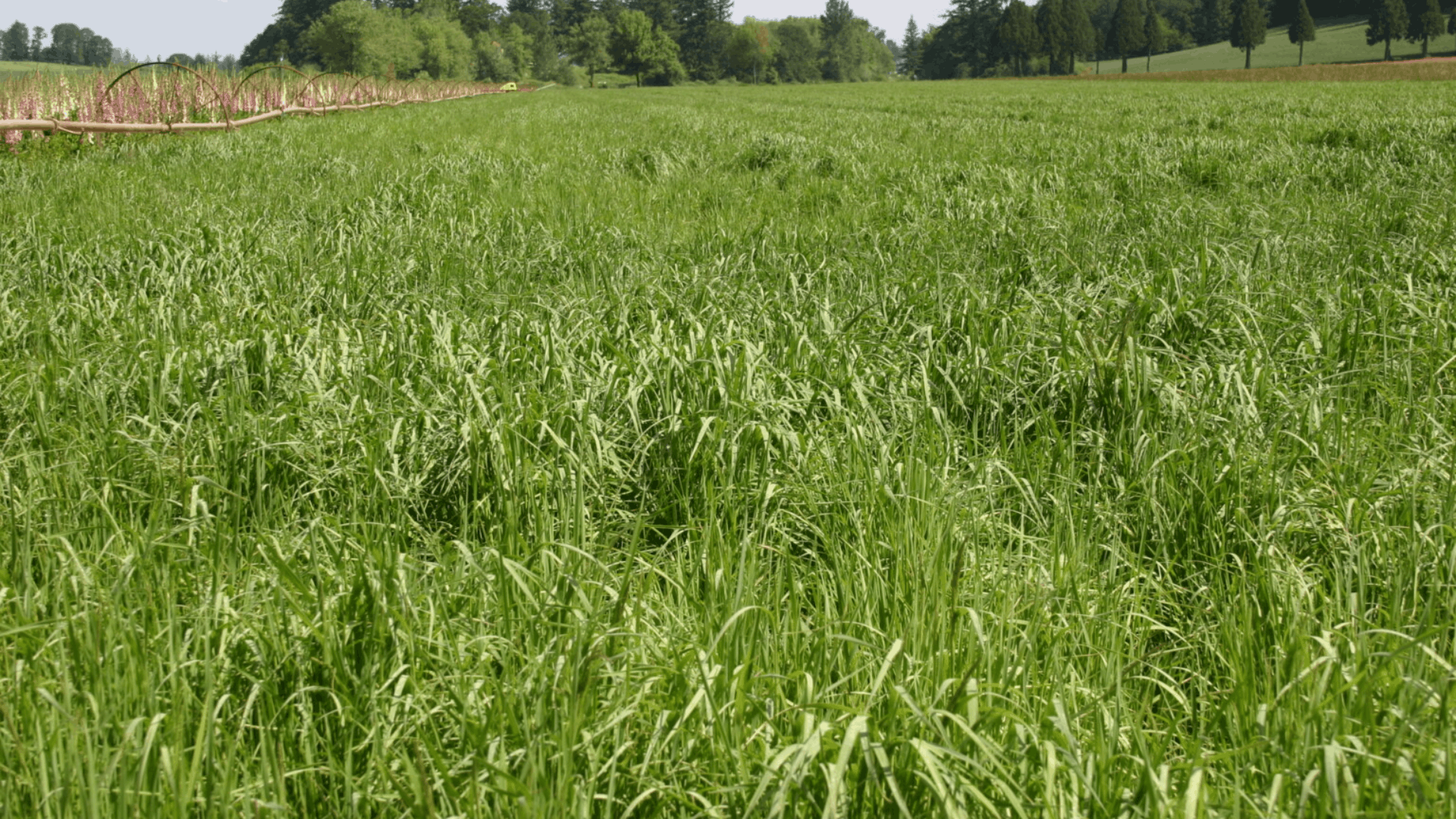
Bentgrass is a fine-textured cool-season grass that produces a dense, carpet-like lawn.
Its extremely thin blades and ability to tolerate very low mowing heights make it a preferred choice for golf course greens and professional sports turf.
Bentgrass grows best in cool, moist environments and requires regular maintenance to remain healthy and attractive.
Frequent mowing, watering, and fertilization are often necessary to support its growth. While it is less common in home lawns, it is highly valued for creating smooth, high-quality turf surfaces.
6. Rough Bluegrass
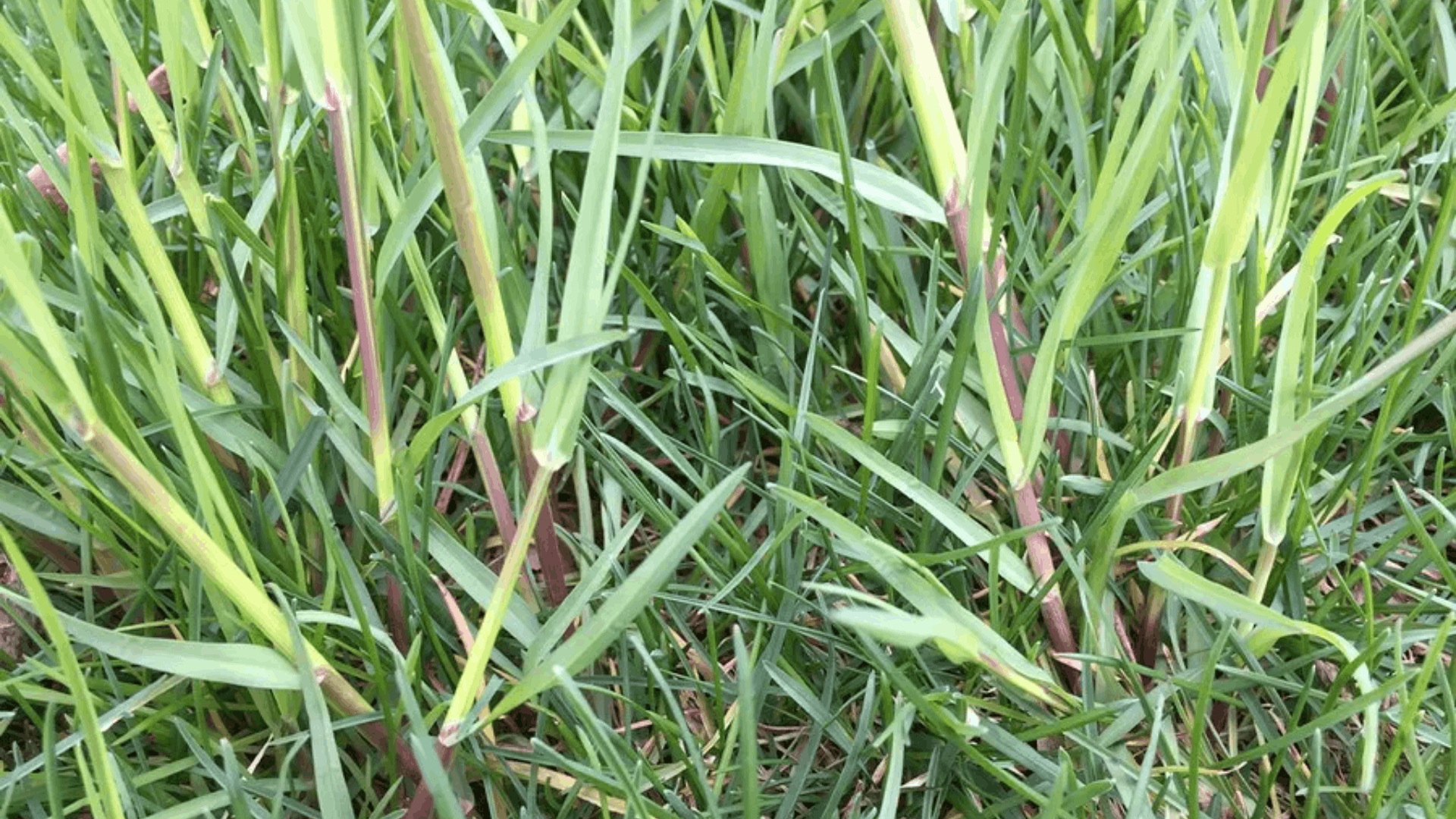
Rough Bluegrass is a cool-season grass that thrives in cool, moist conditions and areas with partial shade.
It has a lighter green color than Kentucky Bluegrass and spreads through underground stems, helping it fill open spaces effectively.
This grass is often used in shaded lawns where other varieties may struggle to establish. Rough Bluegrass grows quickly when conditions are favorable, but may decline during hot, dry weather.
Its spreading growth habit makes it useful for improving lawn coverage in challenging growing environments.
7. Creeping Red Fescue
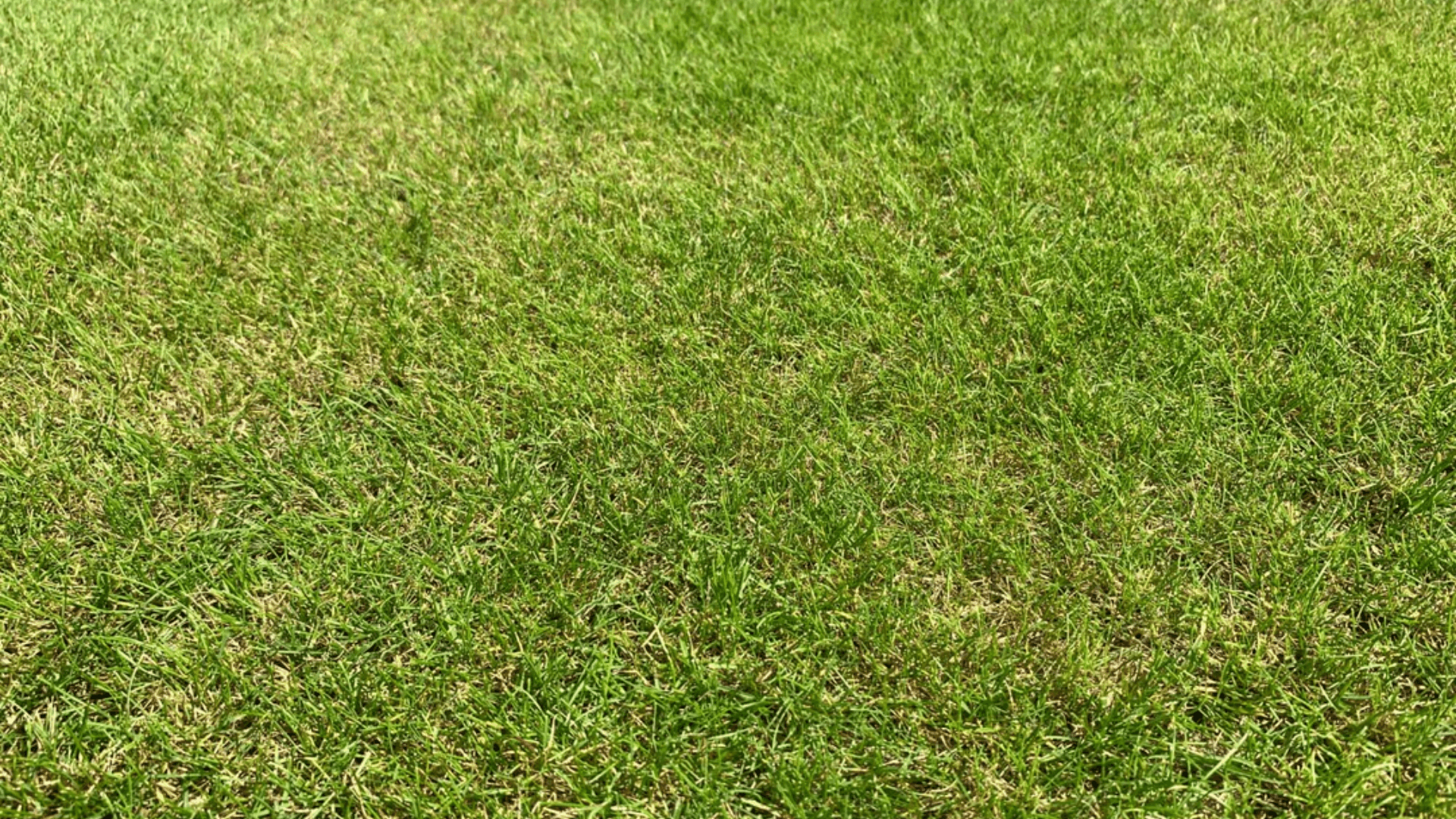
Creeping Red Fescue is a shade-tolerant cool-season grass known for its fine blades and spreading growth habit. It expands through underground rhizomes, allowing it to slowly fill gaps and create a uniform lawn.
This grass performs well in low-maintenance landscapes because it requires less mowing, watering, and fertilization than other varieties.
Creeping Red Fescue is commonly included in grass seed mixtures for shaded areas and natural-looking lawns. Its adaptability and easy-care nature make it a popular choice for residential properties.
Most Common Warm-Season Grass Types
Warm-season grasses stay at their best during warm weather and are valued for their heat tolerance, drought resistance, and ability to create thick, healthy lawns.
8. Bermuda Grass
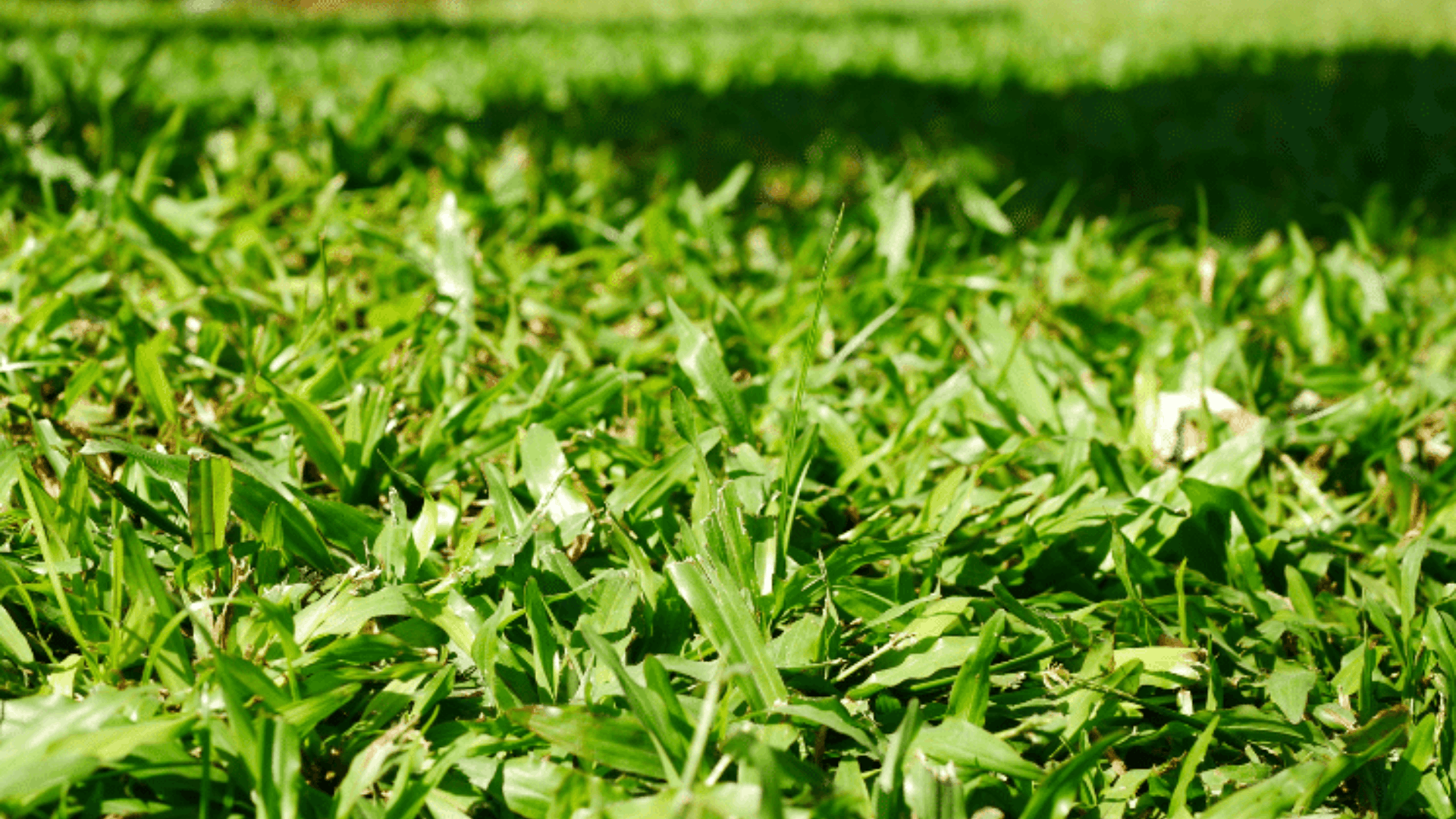
Bermuda Grass is one of the most widely used warm-season grass types in the southern United States. It is known for its fine texture, dark green color, and rapid growth.
This grass spreads through both rhizomes and stolons, allowing it to recover quickly from wear and fill bare areas. Bermuda Grass thrives in full sunlight and performs exceptionally well in hot climates.
Its excellent tolerance to foot traffic makes it a popular choice for residential lawns, sports fields, golf courses, and other heavily used outdoor spaces.
9. Zoysia Grass
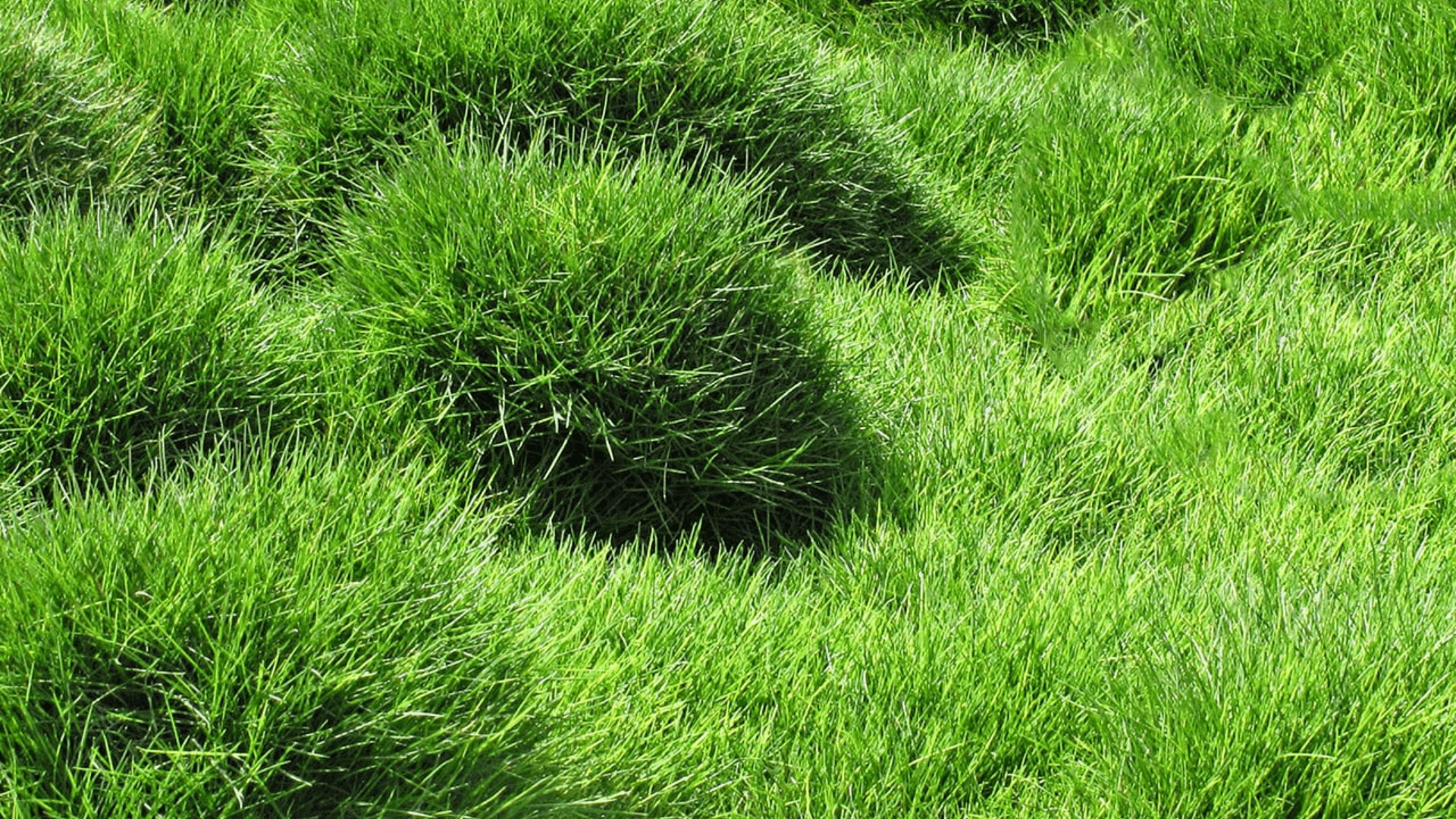
Zoysia Grass is a dense warm-season grass that forms a thick lawn with medium-fine blades.
It is highly valued for its ability to tolerate heat, drought, and moderate foot traffic while maintaining an attractive appearance.
Its dense growth helps reduce weed invasion and creates a soft lawn surface. Zoysia grows more slowly than Bermuda Grass, which means less frequent mowing once established.
It adapts well to various soil types and performs best in sunny locations, although it can tolerate some light shade throughout the day.
10. St. Augustine Grass
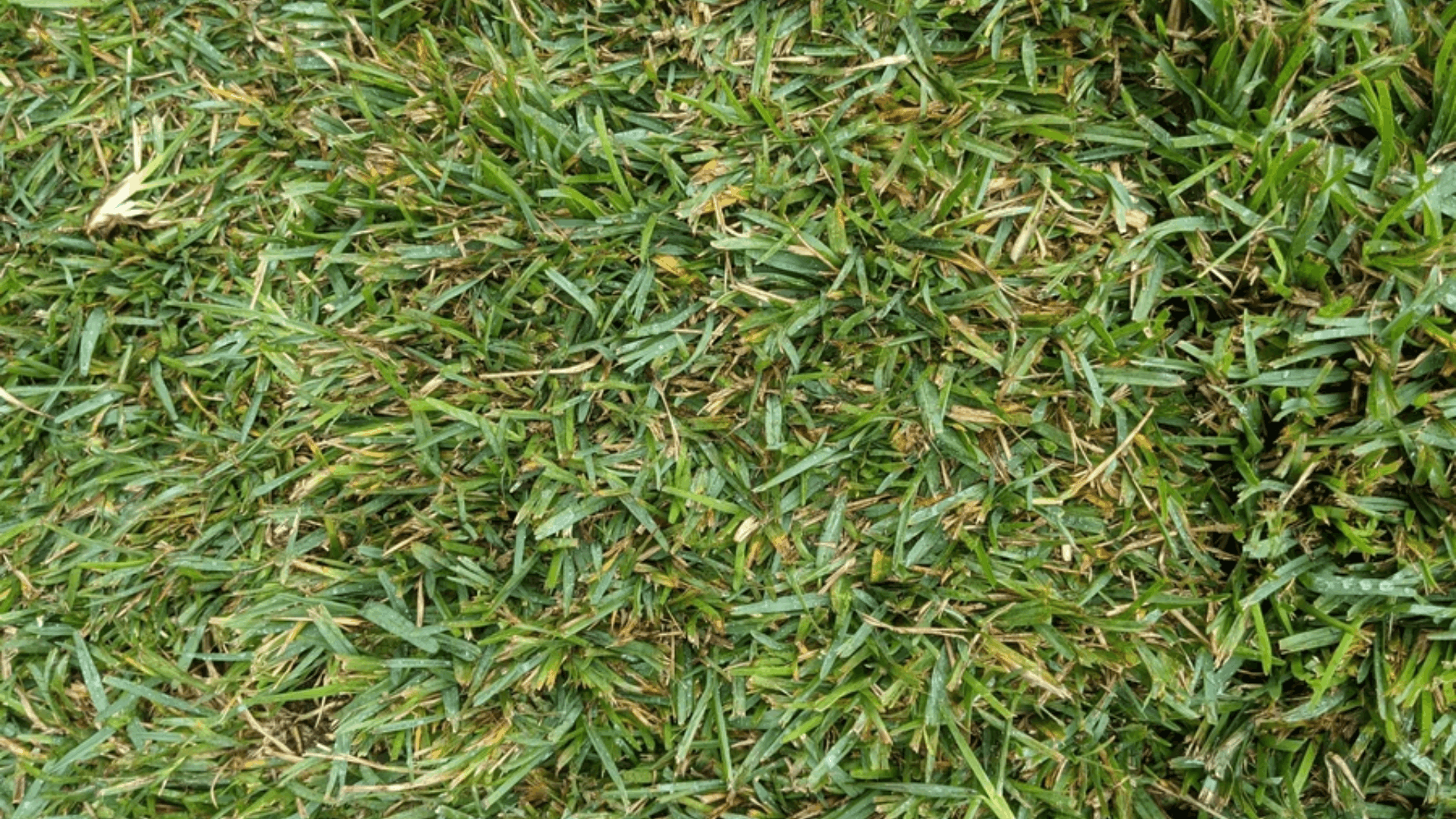
St. Augustine Grass is a coarse-textured warm-season grass recognized for its broad, flat blades and rich green color. It thrives in warm, humid climates and is one of the most shade-tolerant warm-season grasses available.
This grass spreads rapidly through above-ground runners called stolons, helping it establish thick lawn coverage.
St. Augustine Grass performs particularly well in coastal regions because it tolerates salt exposure better than most other varieties.
It is commonly used in residential landscapes throughout the southern and southeastern United States.
11. Centipede Grass
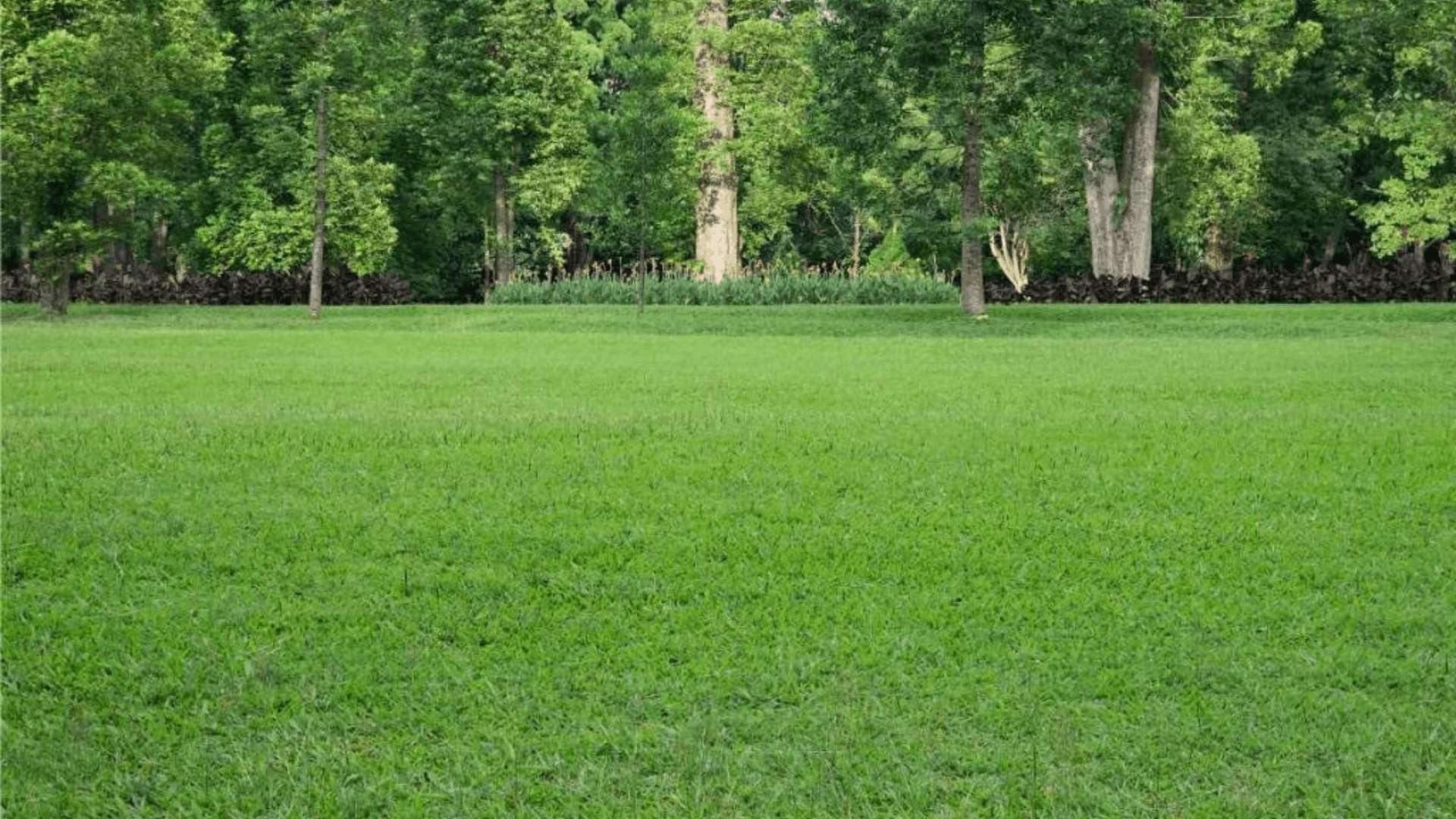
Centipede Grass is a slow-growing warm-season grass often called the “lazy man’s grass” because of its low maintenance needs.
It has a light green color and requires less mowing, fertilizing, and watering than many other lawn grasses. This variety grows best in warm climates with acidic soil conditions and moderate rainfall.
Centipede Grass forms a dense lawn that can crowd out weeds when properly maintained.
Its simple care requirements make it a popular option for homeowners seeking an attractive lawn with minimal upkeep.
12. Bahia Grass
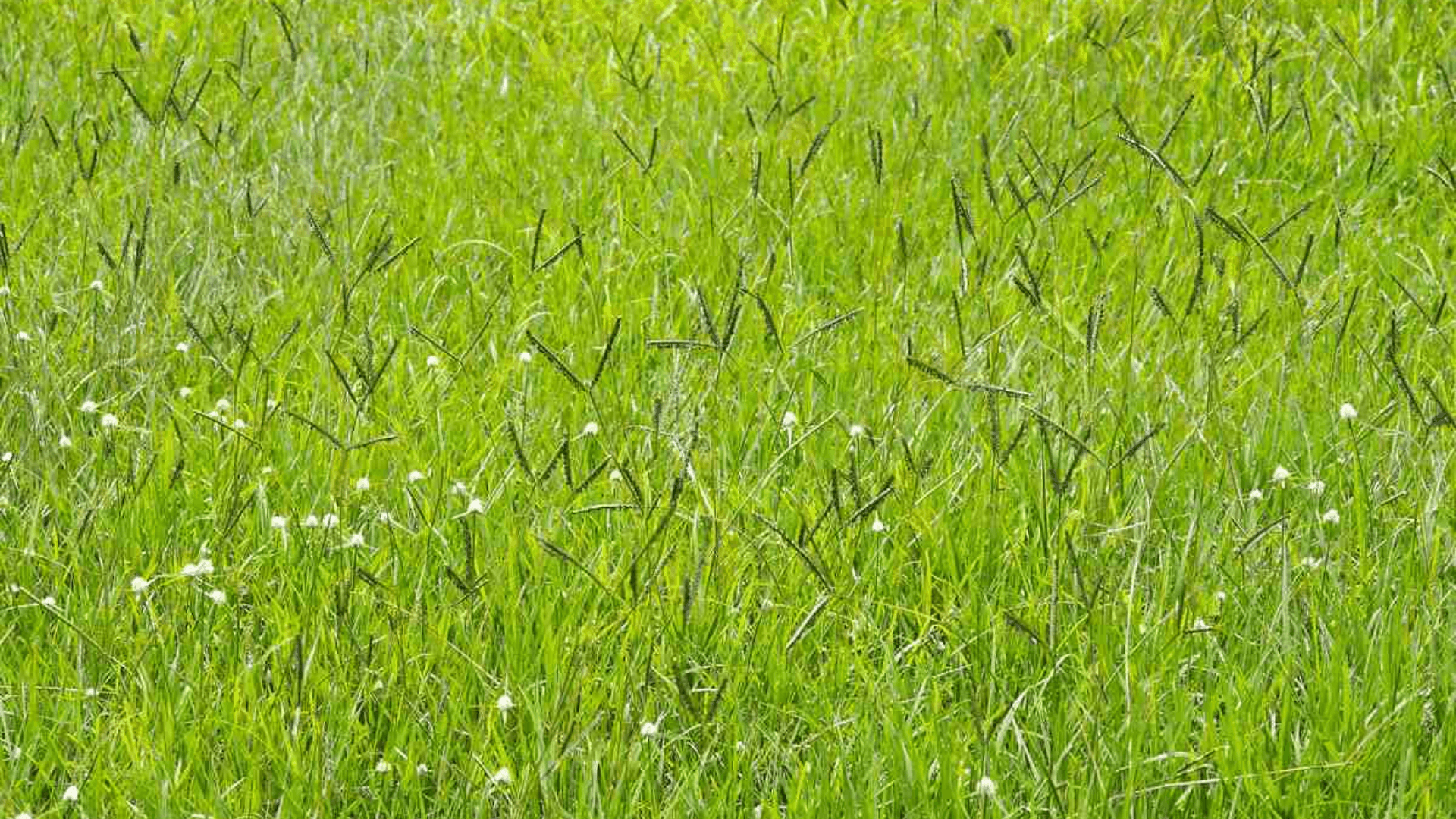
Bahia Grass is a tough warm-season grass known for its deep root system and ability to withstand challenging growing conditions. It performs well in sandy, nutrient-poor soils where many other grass types struggle.
Its deep roots provide excellent drought resistance and allow it to survive extended dry periods. Bahia Grass grows quickly and requires relatively little maintenance once established.
While its texture is coarser than some lawn grasses, it remains a practical choice for large properties, rural landscapes, and low-maintenance lawns in warm climates.
13. Carpetgrass

It is a warm-season grass that grows well in moist, low-fertility soils and areas with poor drainage. It has medium to coarse blades and creates a functional lawn in locations where other grasses may fail.
Carpetgrass establishes quickly and requires less maintenance than many turfgrass species.
Although it does not provide the refined appearance of some premium lawn grasses, it offers dependable coverage in difficult conditions.
It is commonly used in warm regions with high rainfall and soils that remain consistently damp throughout the year.
14. Seashore Paspalum
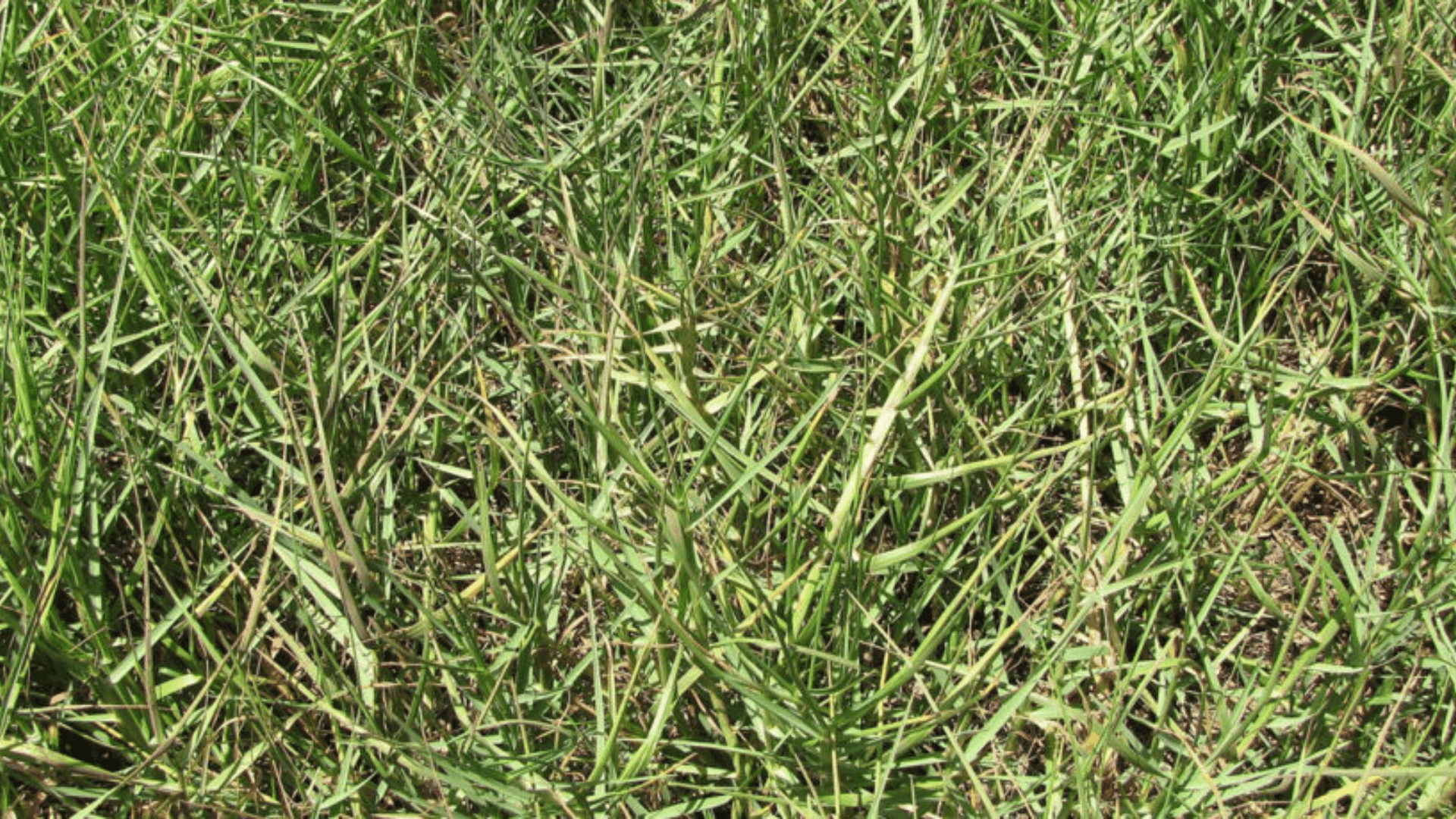
This is a warm-season grass valued for its outstanding salt tolerance. It can grow successfully in coastal environments where exposure to salty air, water, and soil is common.
This grass produces a dense, attractive lawn with a fine to medium texture and a vibrant green color. Seashore Paspalum also performs well in sandy soils and areas near beaches or waterfront properties.
Its ability to tolerate both drought and salt makes it one of the most suitable grass types for coastal landscapes and resorts.
15. Buffalo Grass

Buffalo Grass is a native North American warm-season grass known for its exceptional drought tolerance and low water requirements. It has soft, fine-textured blades and grows naturally in hot, dry climates.
Once established, Buffalo Grass requires minimal irrigation, fertilization, and mowing, making it an environmentally friendly lawn choice.
Its slow growth reduces maintenance needs while still providing attractive ground coverage.
Buffalo Grass is especially popular in regions where water conservation is important, and homeowners want a durable lawn with fewer care requirements.
How Can You Identify the Grass Type Growing in Your Lawn?
Identifying your lawn’s grass type can help you choose the right watering, mowing, and fertilizing schedule. A few simple observations can reveal which grass variety is growing in your yard.
- Examine the Grass Blade Shape: Look closely at the width, length, and texture of the grass blades. Some grass types have fine, narrow blades, while others have wider and coarser leaves.
- Check the Growth Pattern: Notice how the grass spreads across the lawn. Some varieties grow in clumps, while others spread through runners called stolons or underground rhizomes.
- Observe the Grass Color: Different types of grass range from light green to deep blue-green shades. Color can be a useful clue when narrowing down possible grass varieties.
- Inspect the Leaf Tips: Grass leaf tips may appear pointed, rounded, or boat-shaped depending on the species. This small detail is often used to accurately identify grass.
- Look at the Root and Stem Structure: Pull up a small section of grass and examine the roots and stems. The presence of rhizomes or stolons can help identify specific grass types.
- Consider Your Climate and Location: Grass types often grow in specific regions of the United States. Knowing your local climate can help eliminate varieties that are unlikely to thrive in your area.
What Common Problems Affect Different Types of Lawn Grass?
Different grass types face different challenges throughout the year. Cool-season grasses often struggle during hot summers and may develop brown patches, thinning areas, or fungal diseases.
Warm-season grasses handle heat better but can turn brown during winter dormancy and may attract pests such as chinch bugs or armyworms.
Some varieties, including Kentucky Bluegrass and Bermuda grass, spread quickly and may grow into nearby garden beds if left unmanaged. Shade can also affect growth, especially for grasses that need full sunlight to thrive.
Poor drainage may lead to root problems and disease, while drought can stress grasses with shallow root systems.
Knowing the common issues linked to your grass type helps you provide better care and maintain a healthier lawn year-round.
What Are the Best Tips for Planting Different Types of Grass?
Planting grass the right way helps create a thick, healthy lawn. Simple planting steps can improve seed growth and help grass establish faster.
| Planting Tip | Why It Matters |
| Choose the Right Grass Type | Select a grass variety that matches your climate, sunlight levels, and lawn usage for the best long-term results. |
| Test and Prepare the Soil | Healthy soil provides the nutrients and drainage needed for strong root development and better grass growth. |
| Plant During the Right Season | Cool-season grasses should be planted in early fall or spring, while warm-season grasses grow best when planted in late spring. |
| Use Quality Seed or Sod | High-quality grass seed or sod improves establishment rates and reduces the risk of patchy growth. |
| Water Consistently After Planting | Keep the soil moist during germination to encourage strong root growth and successful establishment. |
| Avoid Heavy Foot Traffic | Limiting traffic on newly planted grass helps young roots develop without being damaged or compacted. |
| Follow Proper Mowing Practices | Wait until the grass reaches the recommended height before mowing to prevent stress on new plants. |
How Do You Choose the Right Grass Type for Your Lawn?
Choosing the right grass type helps create a healthy lawn that fits your climate and care needs. The best option depends on the weather, soil conditions, and how you use your yard.
- Consider Your Climate: Warm-season grasses grow best in southern states, while cool-season grasses thrive in northern regions. Choosing a grass suited to your local climate improves long-term lawn health.
- Evaluate Sunlight Exposure: Some grass types need full sun throughout the day, while others can tolerate partial shade. Understanding your lawn’s sunlight levels helps narrow down suitable options.
- Check Your Soil Conditions: Different grasses perform better in certain soil types and pH levels. Testing your soil can help you select a grass that will establish and grow successfully.
- Think About Foot Traffic: Lawns used for children, pets, or outdoor activities need durable grass varieties. Grasses like Bermuda and Tall Fescue handle heavy traffic better than many others.
- Consider Water Availability: If water restrictions are common in your area, drought-tolerant grasses may be the best choice. These varieties stay healthier with less frequent watering.
- Review Maintenance Requirements: Some grass types need regular mowing, fertilizing, and care to stay attractive. Others require less upkeep and are better suited for low-maintenance lawns.
- Match Grass to Your Lawn Goals: Decide if you want a soft appearance, high durability, shade tolerance, or water efficiency. Your priorities can help determine which type of grass best fits your property.
Conclusion
Understanding the different types of grass is the first step toward creating a healthy and attractive lawn.
From cool-season grasses that thrive in northern climates to warm-season varieties that perform best in southern regions, each grass type offers its own benefits and maintenance needs.
Factors such as sunlight, climate, soil conditions, and lawn usage all play a role in selecting the right option.
Learning how to identify grass types can also help you provide proper care throughout the year.
By matching the right grass to your location and lawn goals, you can enjoy stronger growth, fewer problems, and a greener lawn that stays beautiful season after season.
Frequently Asked Questions
What Is the Best Grass Type for a Low-Maintenance Lawn?
Centipede Grass, Buffalo Grass, and some Fine Fescue varieties are popular low-maintenance options. They generally require less mowing, watering, and fertilizing than many other grasses.
Which Grass Grows Best in Shaded Areas?
St. Augustine Grass and Fine Fescue are among the best choices for shaded lawns. These grass types can remain healthy and attractive even with limited sunlight.
What Is the Difference Between Warm and Cool-Season Grasses?
Warm-season grasses grow actively during hot weather and thrive in southern climates. Cool-season grasses prefer cooler temperatures and perform best in northern regions with cold winters.