

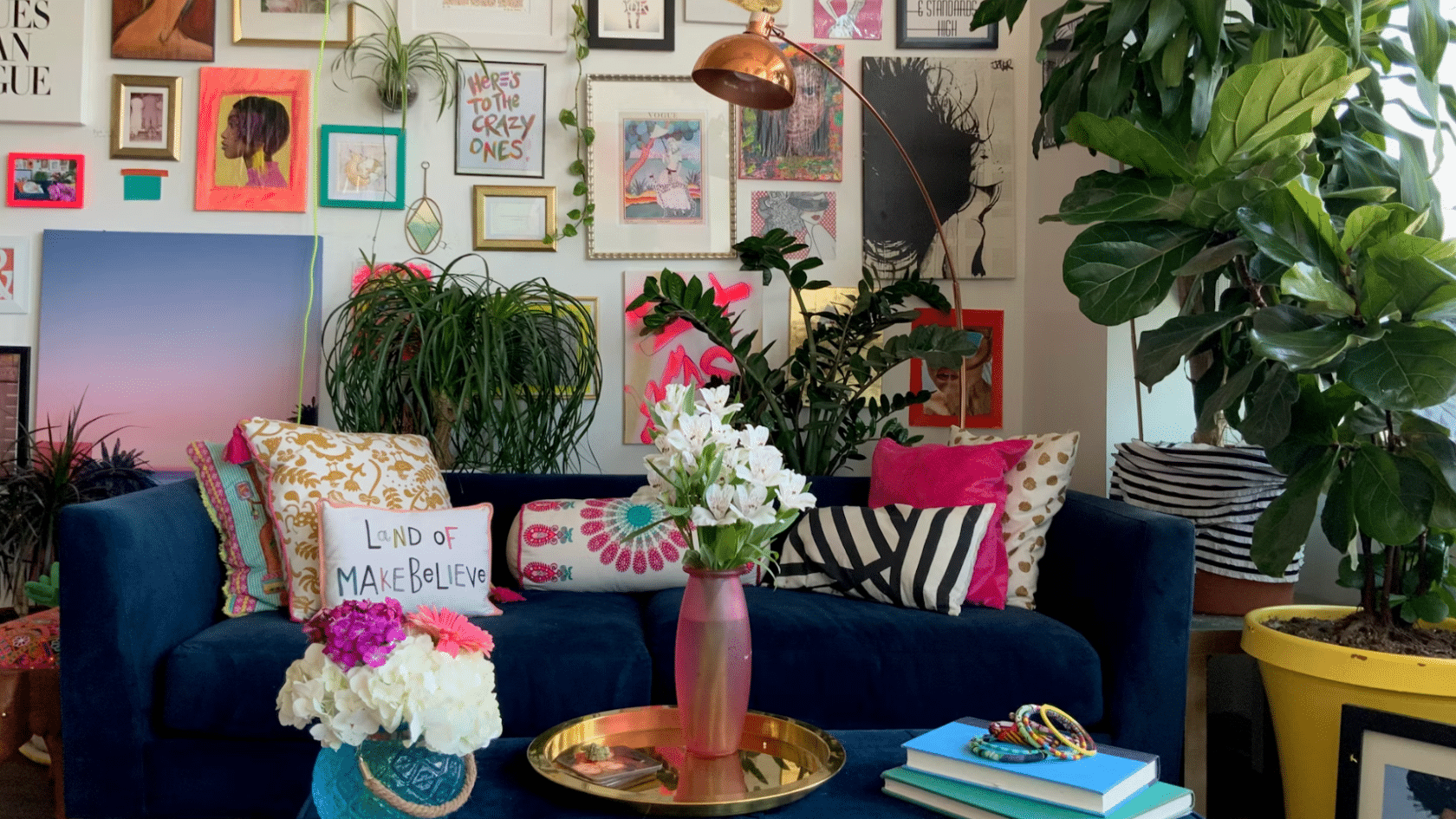
I’ve always liked homes that feel full of life, not empty or plain. When I first saw a bold, colorful room with mixed patterns, art, and layered decor, it felt warm and real.
That is what drew me to maximalist interior design. It is a style that follows the idea of “more is more,” using colors, textures, and personal items to fill a space with meaning rather than keeping it simple.
In this guide, I will share what maximalist interior design is in a clear, easy-to-understand way.
I will also break down its key features and main principles so you can understand how it works.
On top of that, you will find maximalist interior design ideas that you can use in your own home without feeling lost or confused.
What Is Maximalist Interior Design?
Maximalist interior design is a style that celebrates having more rather than less. It uses bold colors, layered patterns, different textures, artwork, and personal collections to create a space full of character.
Unlike minimalist design, maximalism lets people display their interests, memories, and favorite items throughout their home.
Rooms often feature a mix of furniture styles, decorative pieces, books, plants, and eye-catching details.
The goal is not to fill a space with random items but to create a look that feels organized, personal, and meaningful.
Maximalist design is all about self-expression and making a home feel unique to the people who live there. When done well, it creates a warm, lively, and inviting atmosphere.
Core Principles Behind Maximalist Design
Maximalist design may look full and busy, but it follows clear ideas to keep everything balanced. These principles help create a space that feels rich, not messy.
| Principle | Explanation |
|---|---|
| Balance Within Chaos | The space may look full, but items are placed with care. Colors, patterns, and decor are arranged so the room still feels planned and not random. |
| Repetition for Harmony | Colors, shapes, or patterns are repeated across the room. This helps connect different items and makes the space feel more organized and balanced. |
| Storytelling Through Decor | Each item in the room has meaning or a story. Personal items, art, and collections help show personality and make the space feel real and lived in. |
| Scale Play |
Mix big and small items to keep the room interesting. For example, use a large print with small decor or a big mirror with small frames. |
| Matching colors | Using the same colors helps a busy room look connected. Without it, items can feel random. |
Maximalist Interior Design Ideas
These maximalist interior design ideas help you add bold style to your home. Each idea shows how to mix colors, decor, and textures simply.
1. Gallery Wall with Mixed Frames
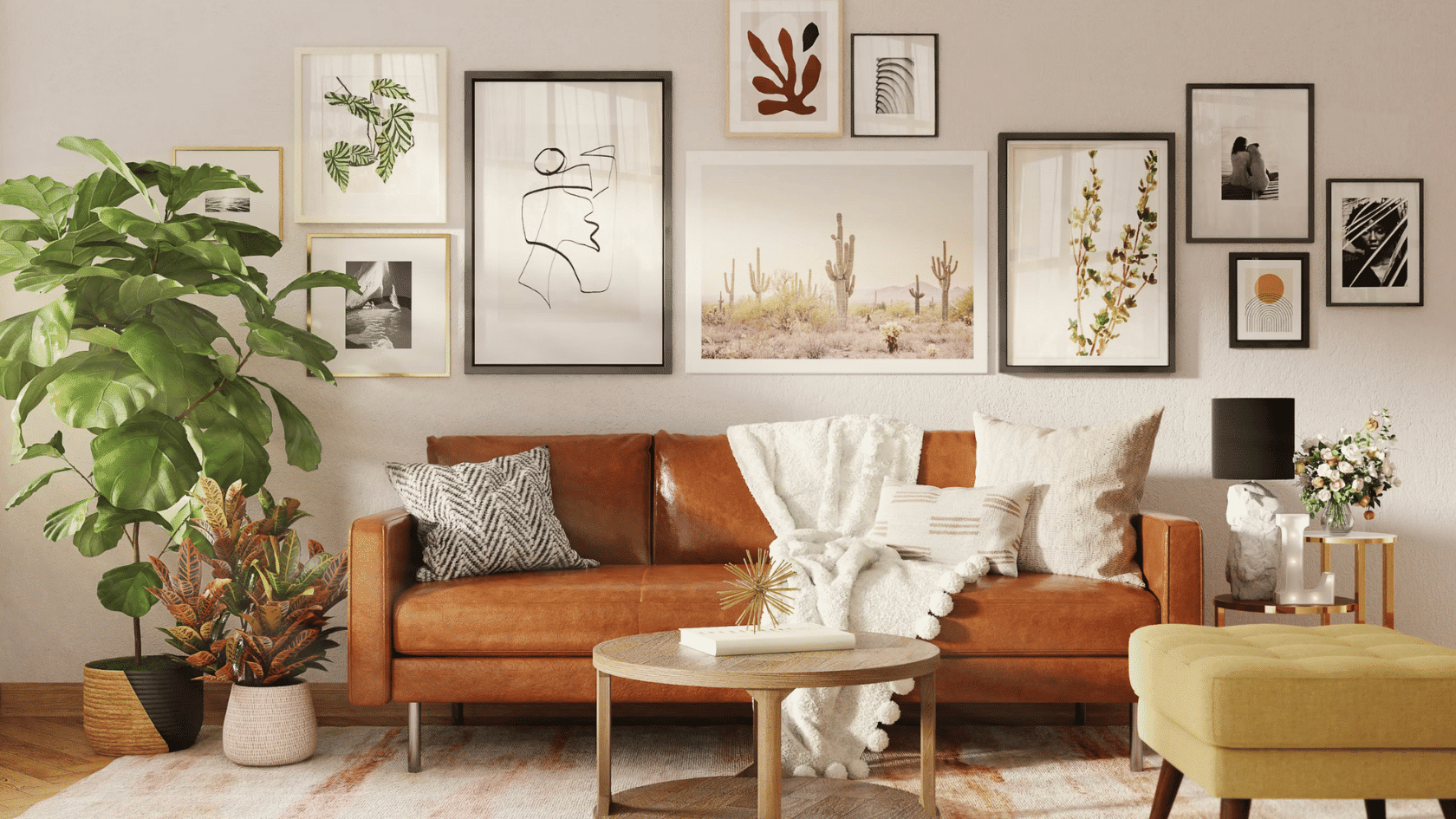
A gallery wall with a mix of frames adds strong visual interest to any room. You can use photos, art prints, and posters in different sizes and styles.
Mixing wood, metal, and colored frames creates contrast and keeps the wall from looking plain.
Place them close together to fill the empty space. This idea helps show your personal style and makes the room feel fuller, more detailed, and more lively without using large furniture or heavy decor.
Try This Simple Tip: Arrange your gallery wall on the floor first. Check it for a day, then hang it. This helps avoid a messy look.
2. Bright Colored Sofa
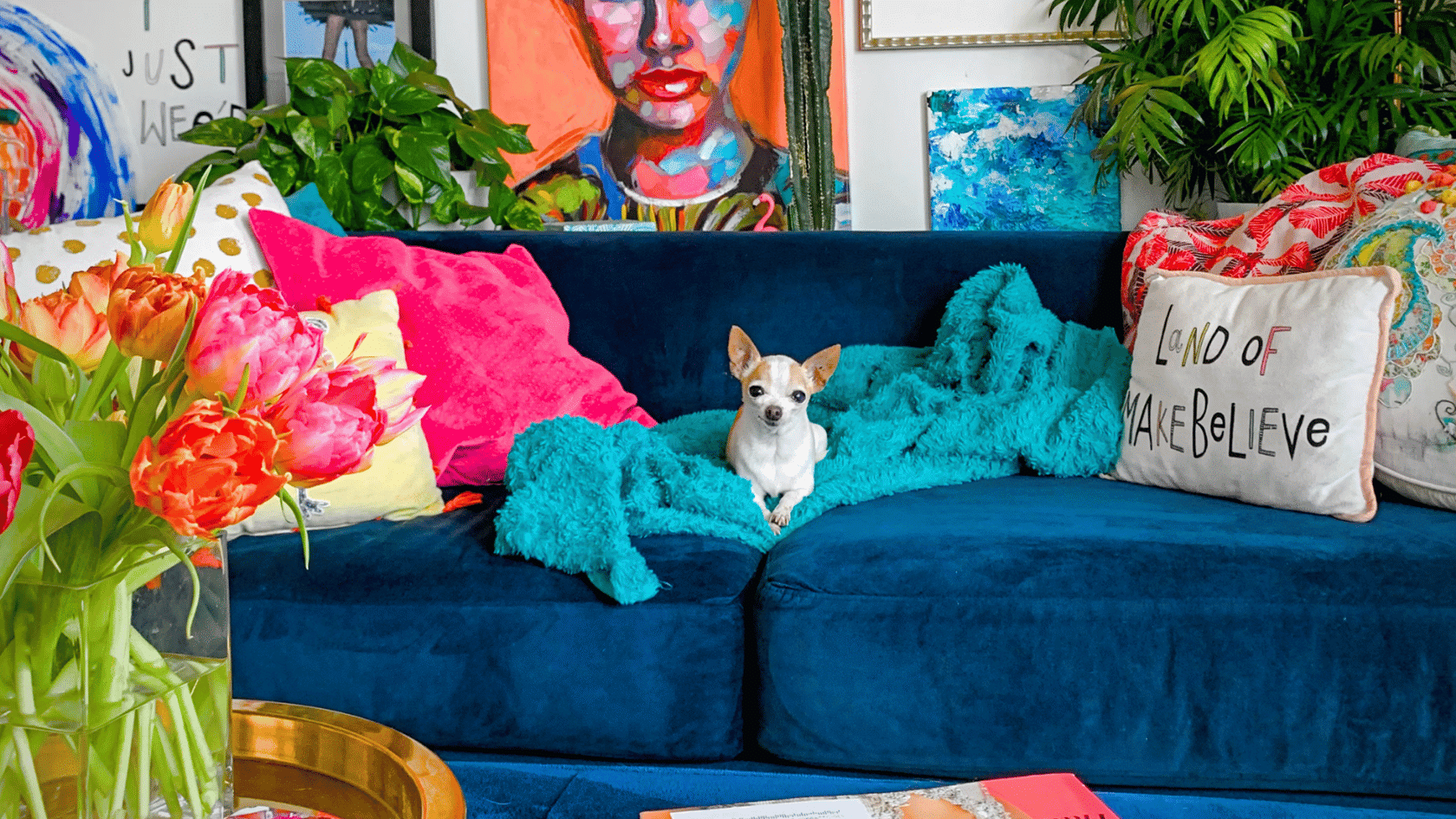
A brightly colored sofa can become the main focus of your room. Choose bold shades like blue, green, or yellow to stand out easily.
It adds energy, making the space feel more lively and active. You can pair it with simple or patterned cushions to balance it.
This one change can refresh the whole room and works well in maximalist interior design by adding color without adding too many extra items.
3. Layered Rugs
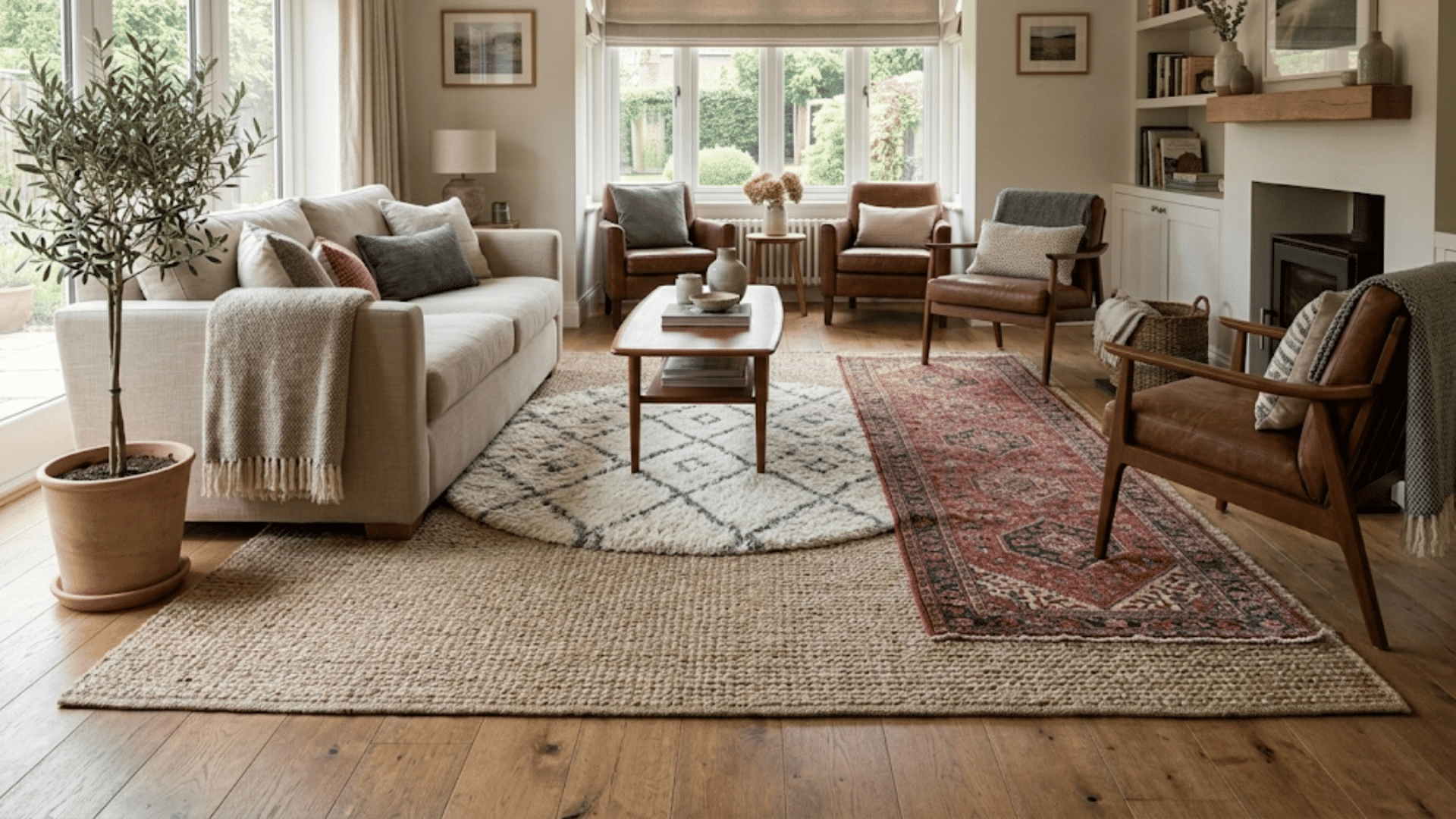
Layering rugs is a simple way to add depth and texture to your floor. You can place a smaller patterned rug over a larger plain one for contrast.
This mix makes the space feel warmer and more complete. Using different colors and designs adds more detail without much effort.
It also helps separate areas in a room, like a seating space, while keeping the overall look rich and full at the same time.
4. Patterned Wallpaper
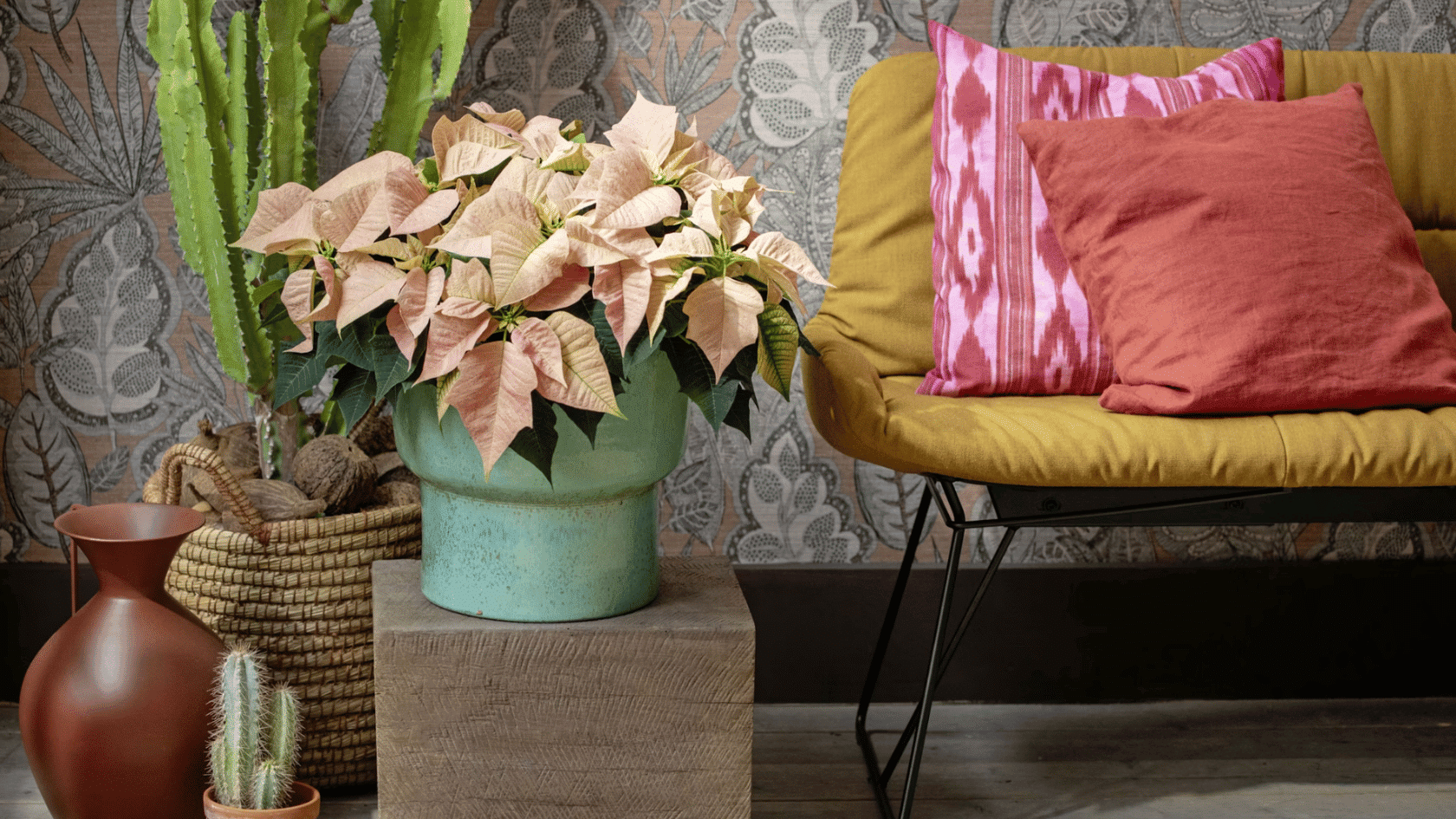
Patterned wallpaper brings life to plain and empty walls. You can choose floral, geometric, or abstract designs with bold colors.
It adds depth and makes the room feel more active and full. You can cover one wall or the entire room, depending on your style.
Wallpaper also works as a strong base, helping you build more layers of decor and making the space look more detailed and interesting without adding too many items.
5. Bold Curtains
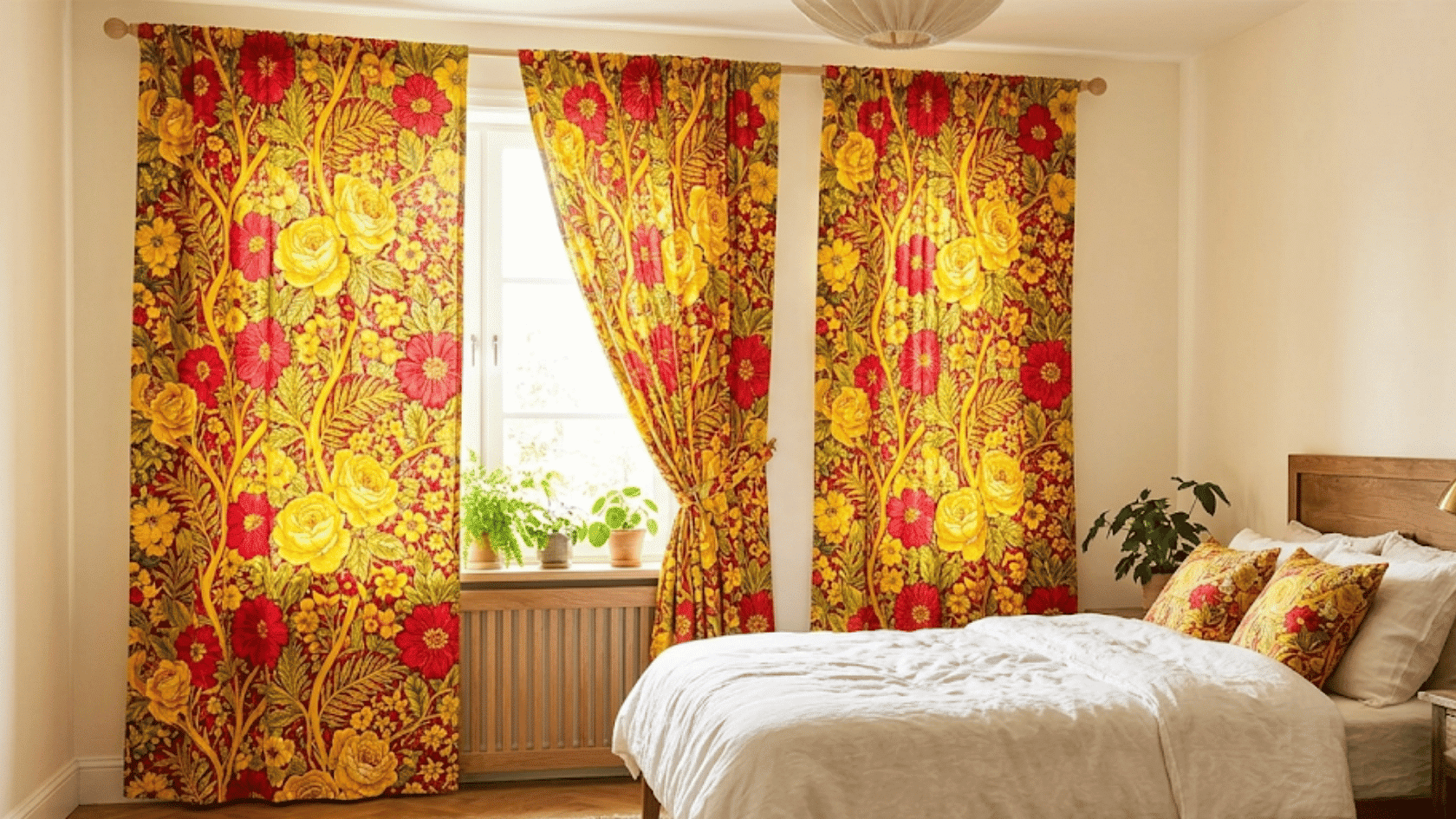
Bold curtains can quickly change how a room looks and feels. Choose bright colors or strong patterns to add interest and contrast.
They frame windows and can make the space look taller and fuller. Thick fabrics also add texture and warmth.
Curtains can match or contrast with your furniture and decor, helping to tie everything together while still standing out as an important part of the room’s overall design.
6. Mix of Vintage and Modern Furniture
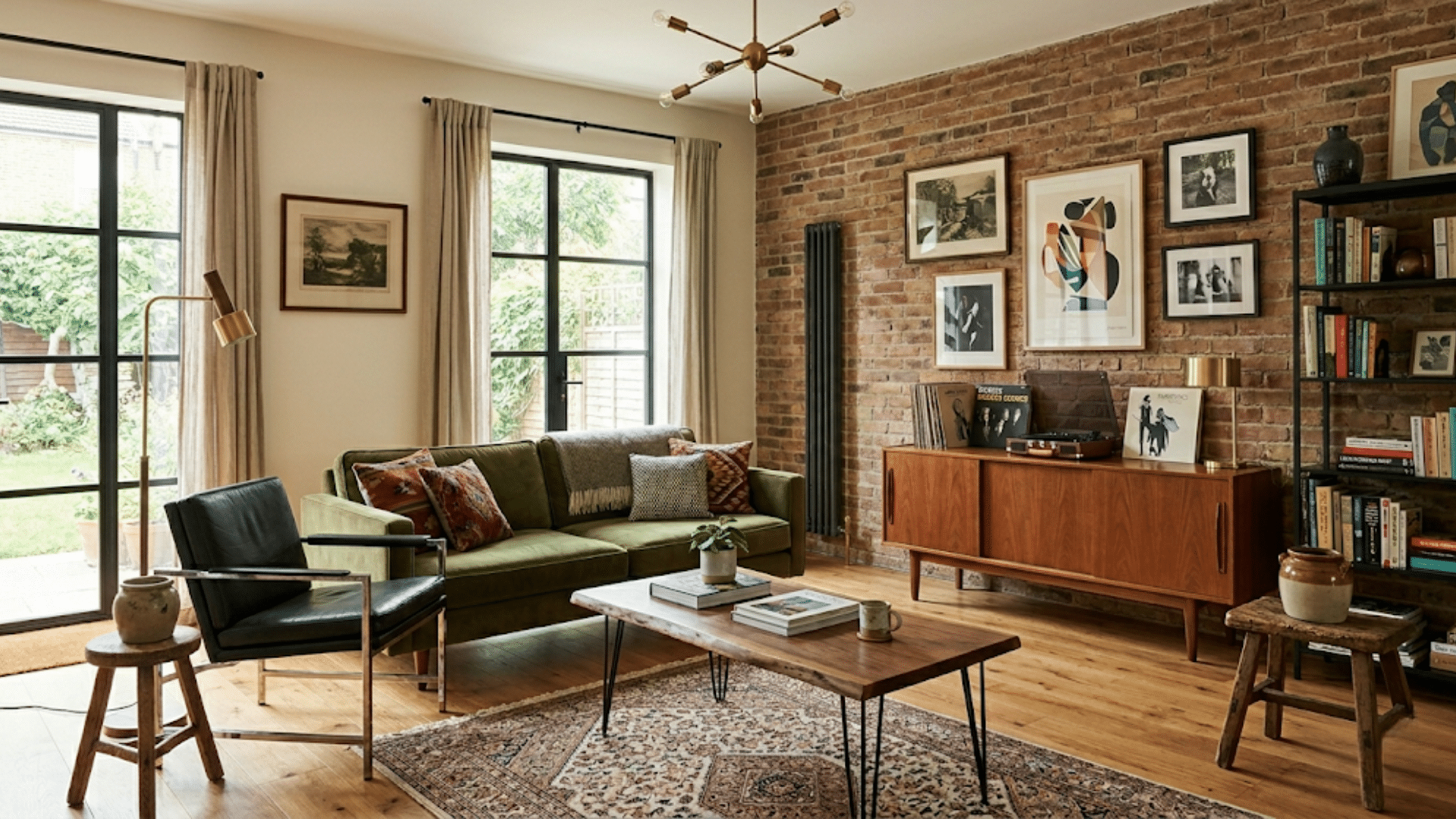
Mixing vintage and modern furniture adds contrast and makes the room more interesting. You can place a modern sofa with an old table or chair to create balance.
This mix helps avoid a flat or boring look. It adds depth and shows different styles in one space.
When done right, both old and new items work well together, making the room feel full, rich, and more personal without looking messy.
7. Bookshelf Styling
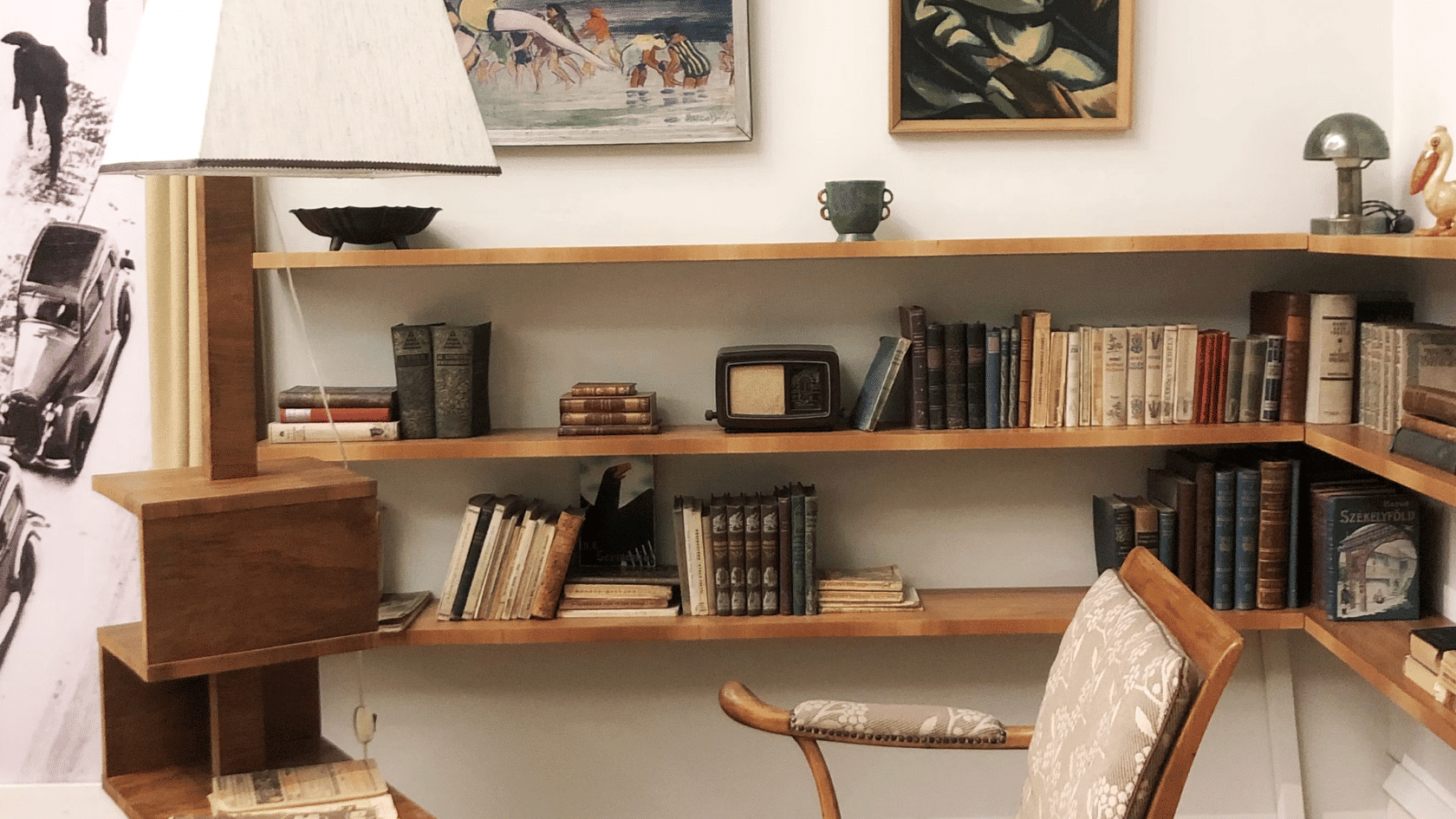
Bookshelf styling helps make your shelves look full and neat at the same time. You can mix books with plants, photo frames, and small decor items.
Instead of lining everything straight, place items in small groups. This makes the shelf look more natural.
Using different heights, colors, and shapes adds depth. It keeps the shelf from looking plain and helps it become part of the room’s overall design.
Small Tip: Place some books with the back cover facing out and some with the front cover facing out. You can also pile a few books and place small items on top. This makes the shelf look styled, not plain.
8. Statement Lighting
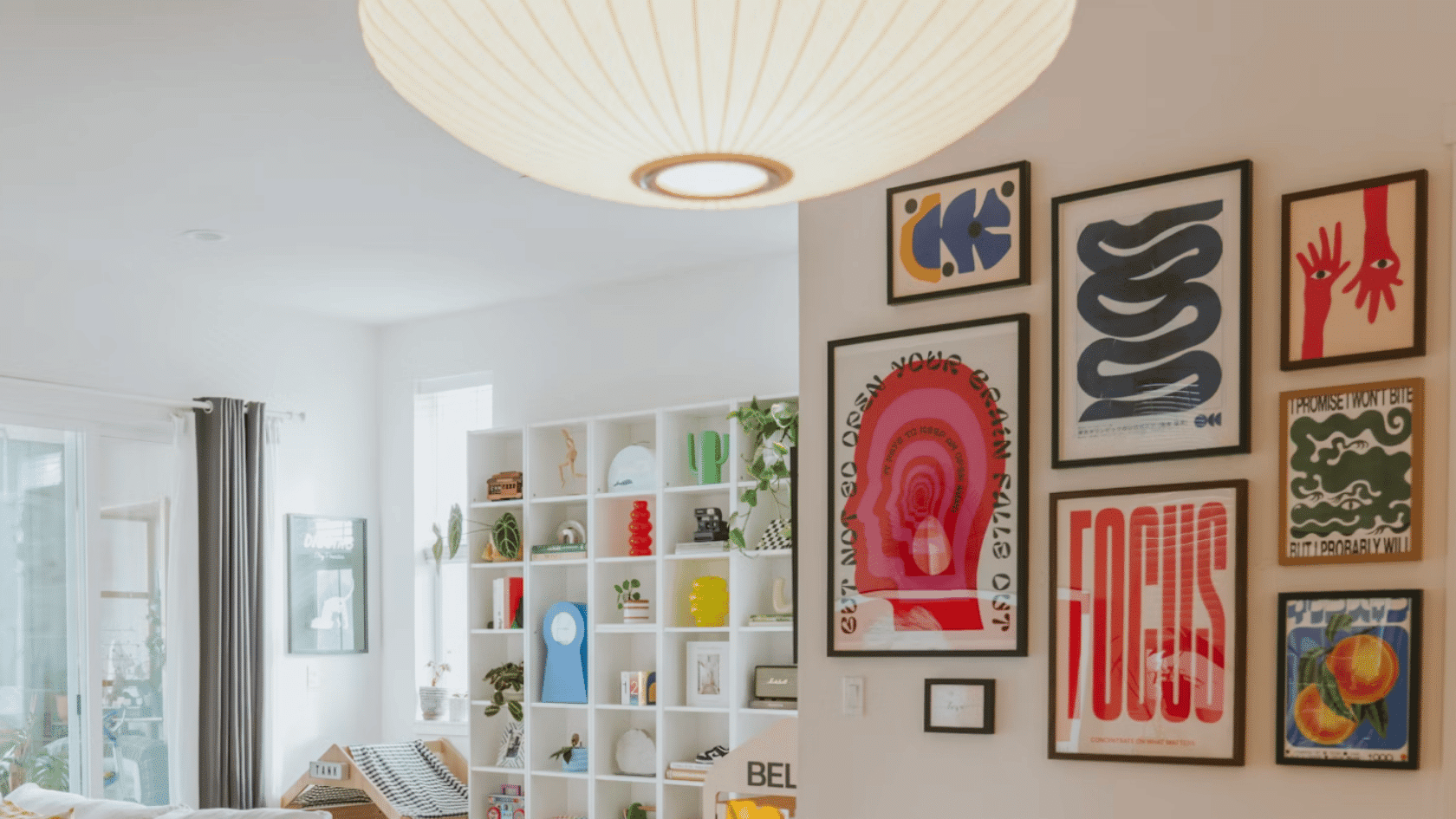
Statement lighting adds a strong focal point to any room. You can use large lamps, hanging lights, or bold designs that stand out easily.
These lights do more than just brighten the space. They also add style and detail.
A unique light fixture can draw attention and help define the room. It works well with other decor layers, making the space feel more complete and visually stronger.
9. Colorful Throw Pillows
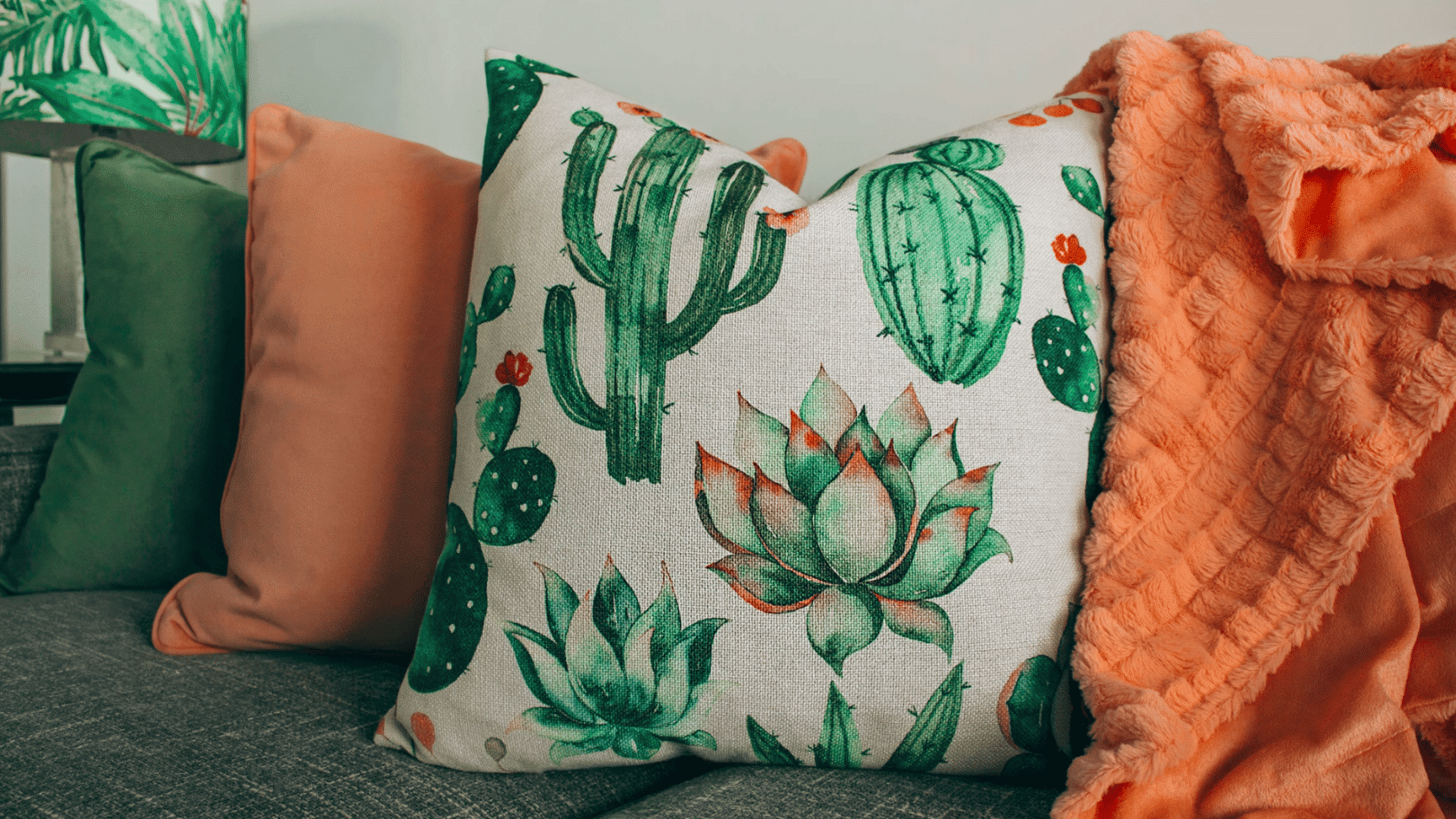
Colorful throw pillows are a simple way to add color and layers to a room. You can mix different fabrics, prints, and shades on a sofa or bed.
This makes the space feel soft and more comfortable. It also adds detail without much effort.
You can change pillows anytime to refresh the look. This small update helps keep the room lively and works well in maximalist interior design.
10. Wall-to-Wall Art
Wall-to-wall art is a great way to fill empty walls and give a room more personality. Hanging paintings, prints, and photos close together creates a full and eye-catching display.
Mixing different sizes, frames, and styles adds interest and keeps the arrangement from looking flat.
This type of gallery wall can turn a plain surface into a standout feature. It also adds depth, color, and detail, helping the room feel more welcoming while showing off your personal style and interests.
11. Indoor Plants Mix
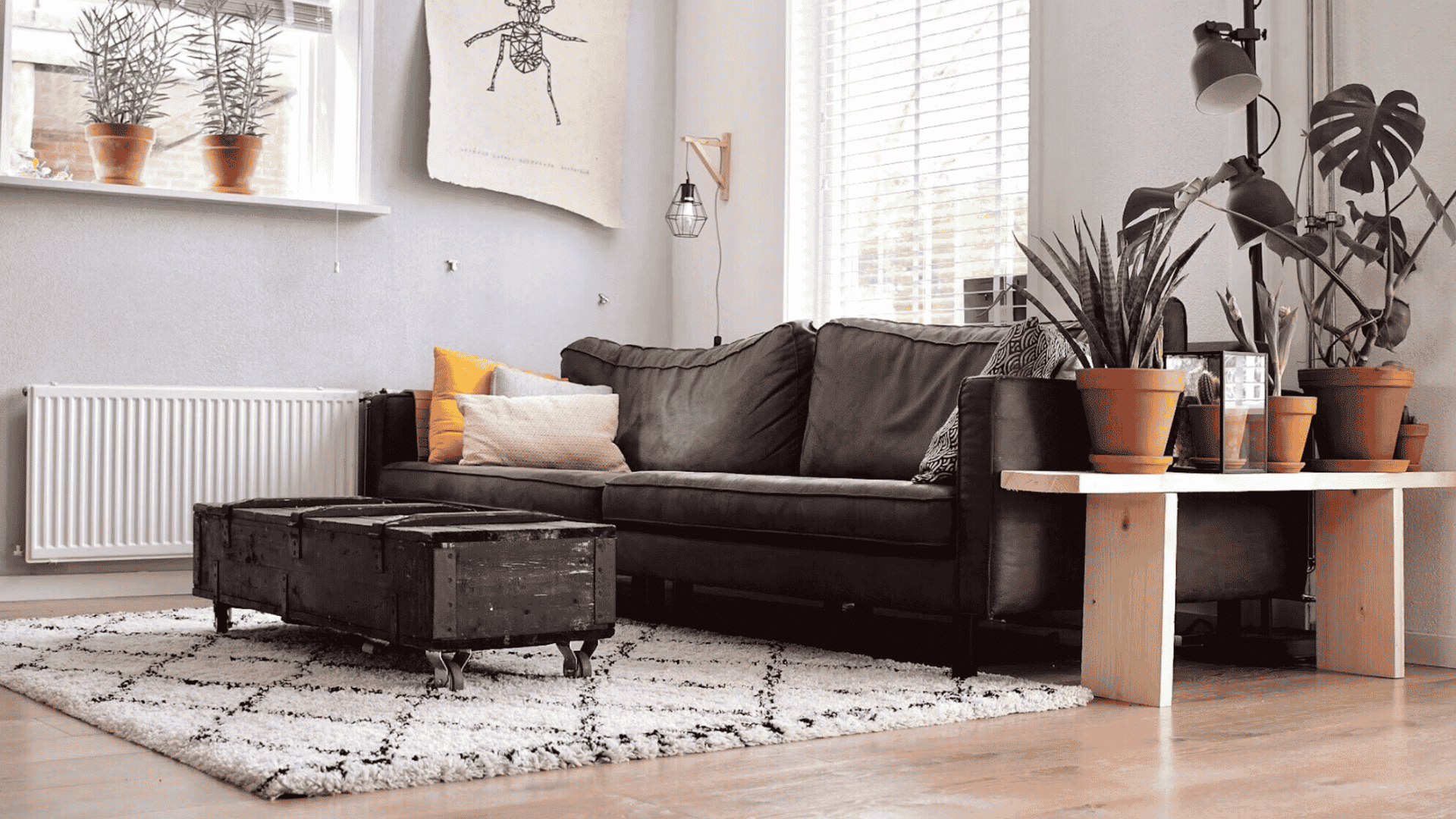
Using different indoor plants adds life and color to your space. You can mix small and large plants in different pots and shapes.
Place them on shelves, floors, and tables to create layers. This helps the room feel fresh and active.
Plants also soften heavy decor and add a natural touch. They improve the look of the space while making it feel calmer, more balanced, and easier to enjoy every day.
12. Painted Ceilings
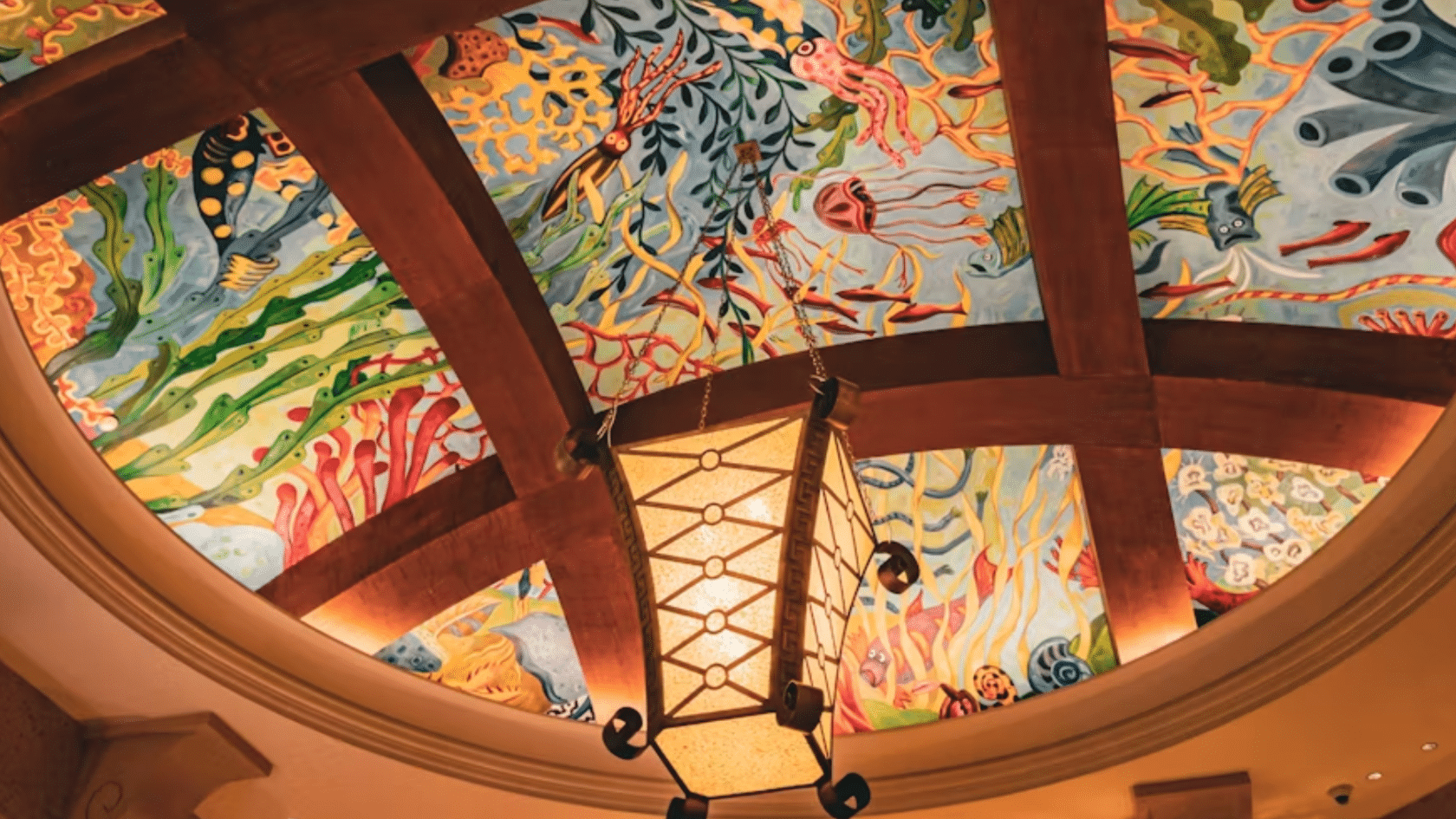
Painting the ceiling is often missed in room design, but it can make a big difference. Many designers call it the “fifth wall.”
If the walls have lots of color and detail but the ceiling stays plain white, the room can feel unbalanced.
Using a deep color on the ceiling helps the space feel complete.
It also draws your eyes upward and adds more depth, making the room feel warmer, fuller, and better designed overall.
13. Mixed Fabric Textures
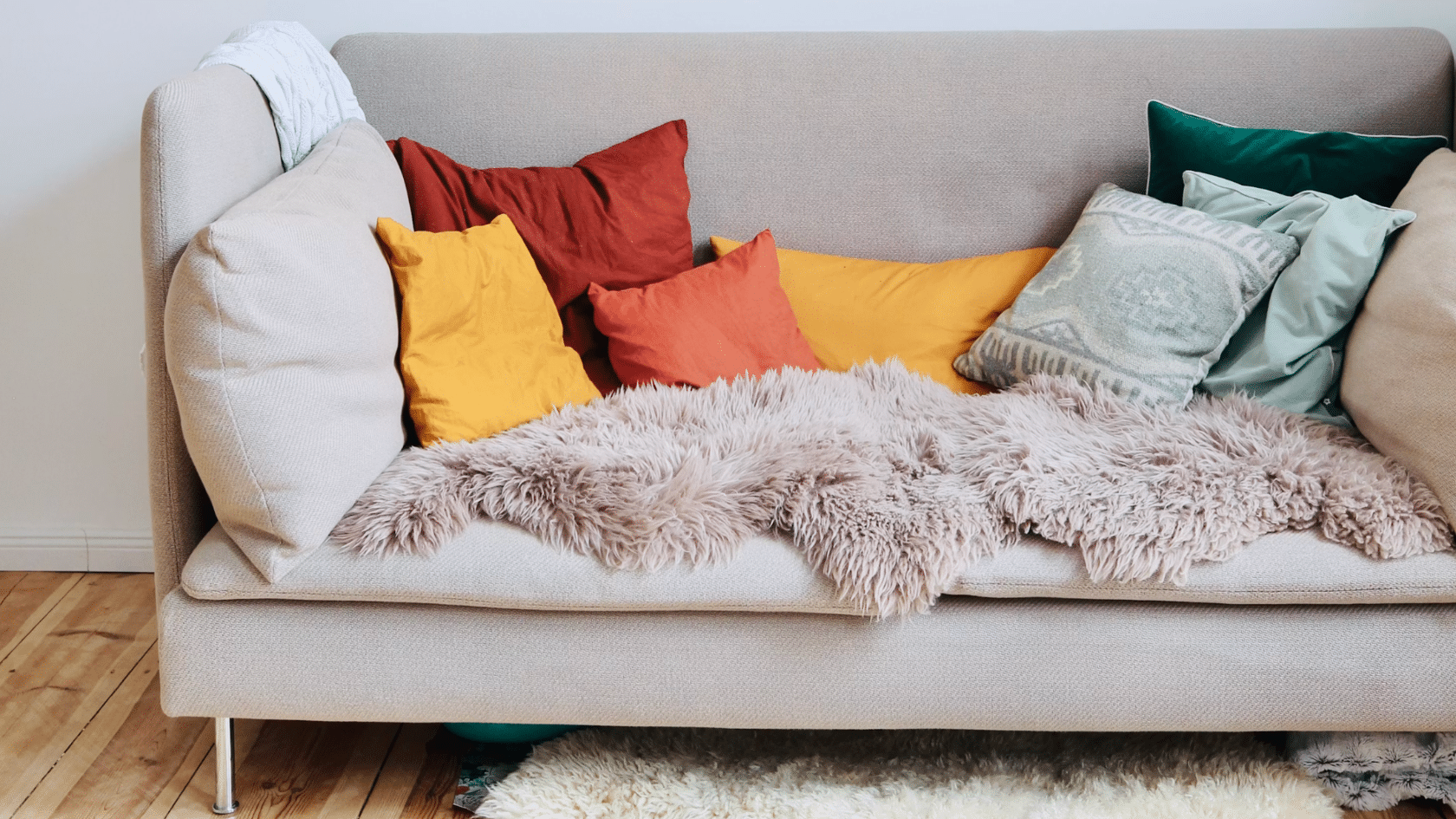
Using different fabric textures adds depth and comfort to a room. You can mix cotton, velvet, linen, and wool in one space.
Use these fabrics in cushions, curtains, rugs, and furniture. This creates a layered look and makes the room feel warm and full.
Texture adds detail that color alone cannot give, helping the space feel richer and more complete without adding too many extra items.
14. Decorative Mirrors
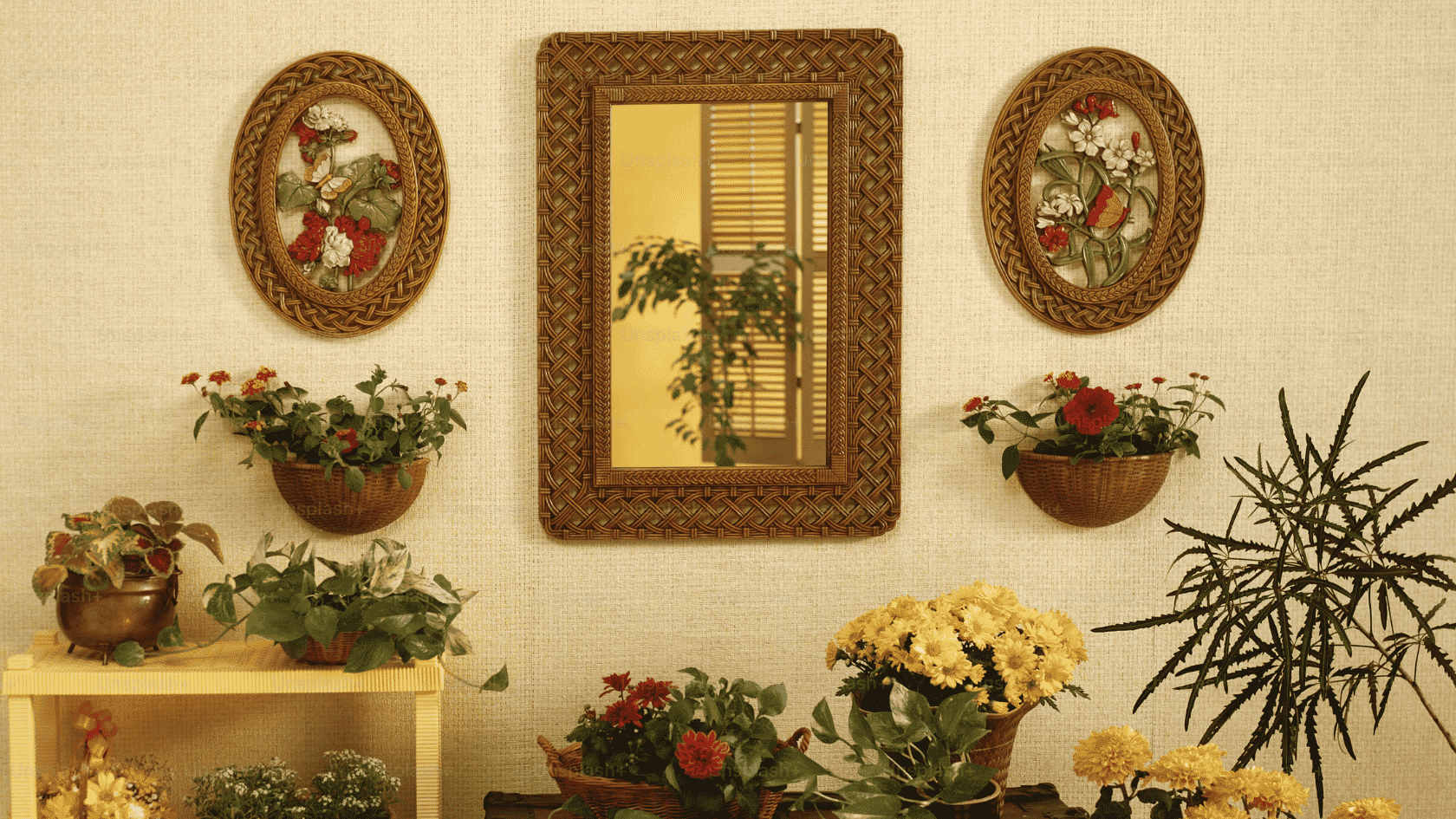
Decorative mirrors help reflect light, making the space feel bigger and brighter. Choose mirrors with bold frames or unique shapes to stand out.
Place them on walls or above tables and cabinets. Mirrors add both style and utility to the room.
They also help balance heavy decor by adding light and shine, making the space feel less crowded and more open while still keeping a full look.
15. Open Shelving Displays
Open shelving displays are a simple way to show off your favorite items while adding more detail to a room. You can arrange books, plants, candles, and small decor pieces together to create a layered look.
Since everything stays visible, the shelves become part of the room’s design.
Grouping items by color, shape, or size helps keep the display organized without looking empty.
This approach adds personality, creates visual interest, and makes the space feel warmer, more lived-in, and more thoughtfully arranged.
16. Patterned Tiles
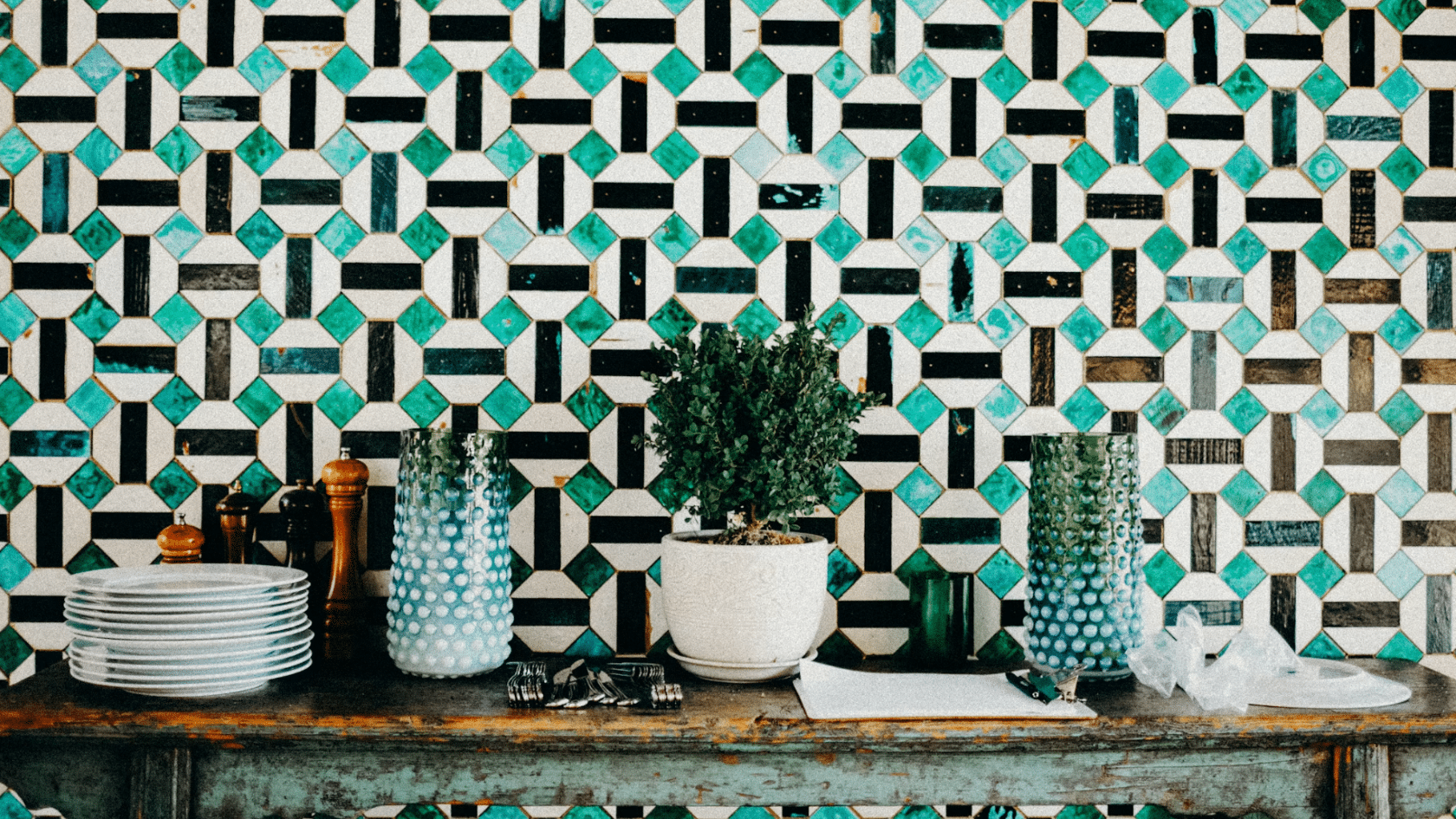
Patterned tiles add a strong design to floors or walls in any room. You can use them in kitchens, bathrooms, or entryways to create a bold look.
Tiles with shapes, lines, or prints bring contrast and make the space more interesting.
They can become the main focus without needing extra decor.
Patterned tiles also work well with other colors and prints, helping the room feel full, detailed, and more connected in maximalist interior design.
17. Bold Accent Walls
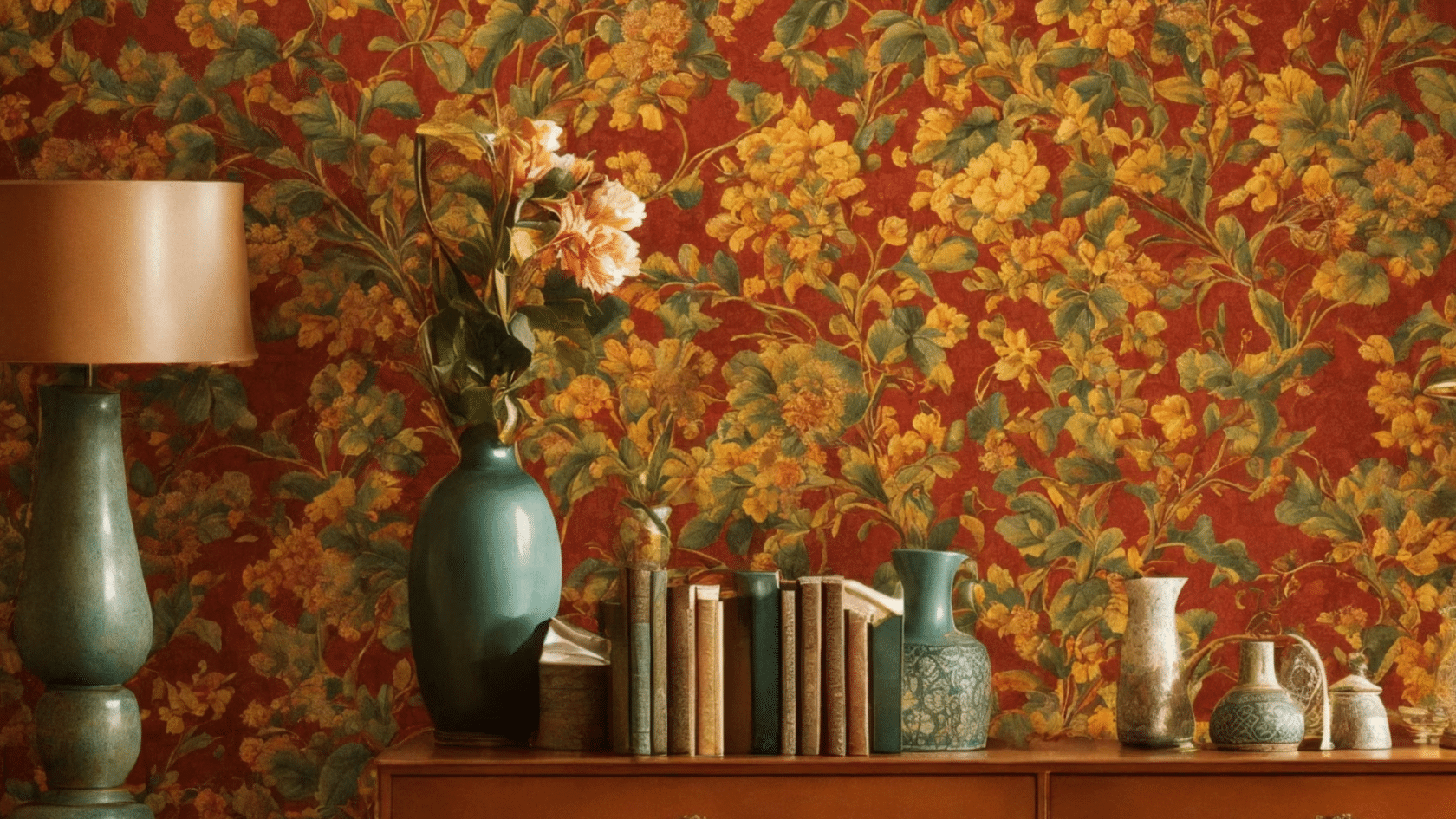
A bold accent wall adds focus and energy to a room. You can paint one wall in a bright color or use patterned wallpaper.
This helps break up plain walls and adds depth. It also gives you a base to build more decor around it.
Accent walls are easy to create and do not need much effort. They are a simple way to start adding maximalist style without changing the whole room.
18. Layered Bedding
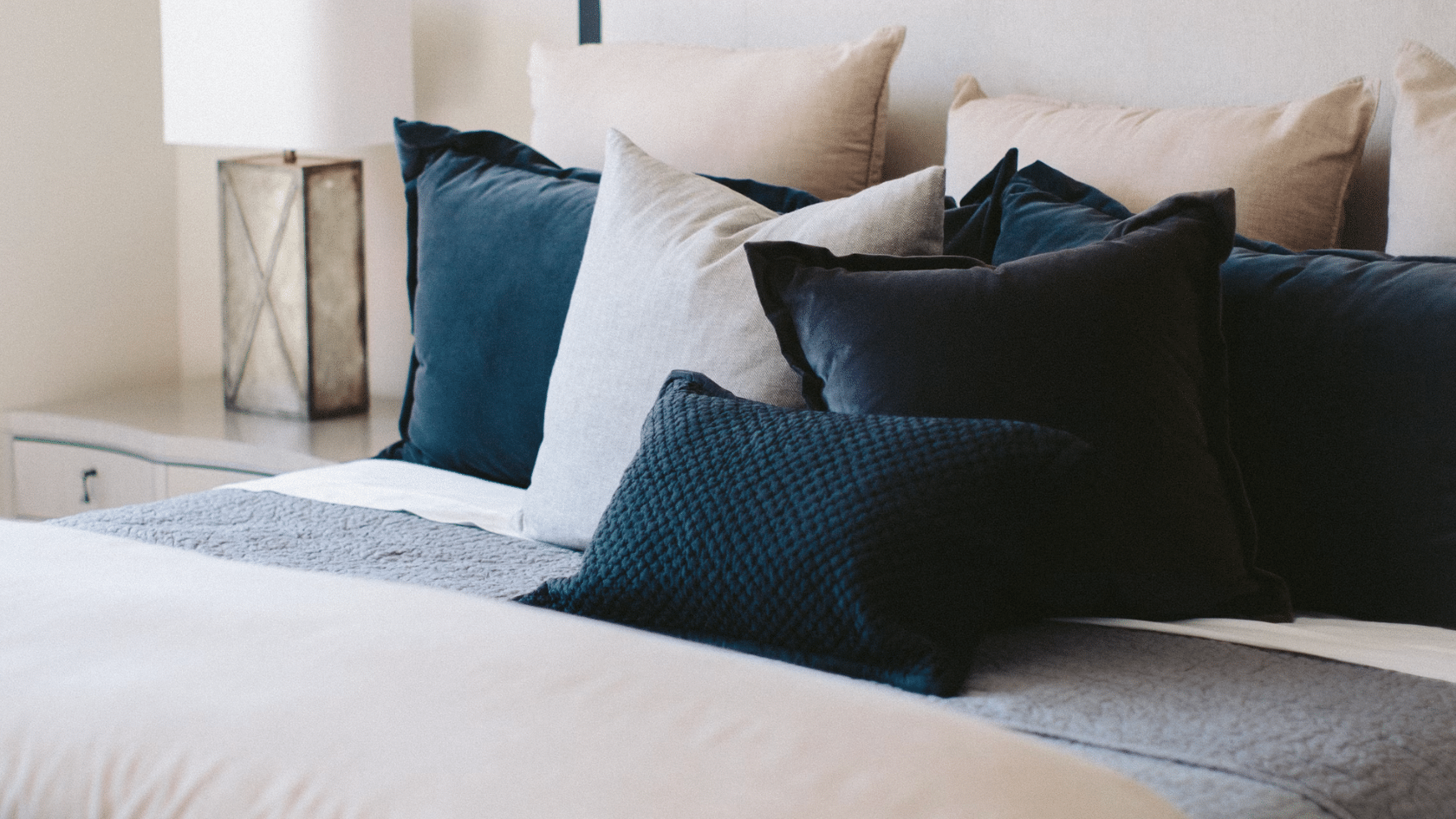
Layered bedding makes a bedroom feel soft, full, and more comfortable. You can use multiple blankets, sheets, and pillows in different colors and patterns.
This creates a rich and detailed look without much effort. Mixing fabrics also adds texture and warmth.
It helps turn the bed into the room’s main feature. Layered bedding is a simple way to add both style and comfort in maximalist interior design.
19. Unique Coffee Tables
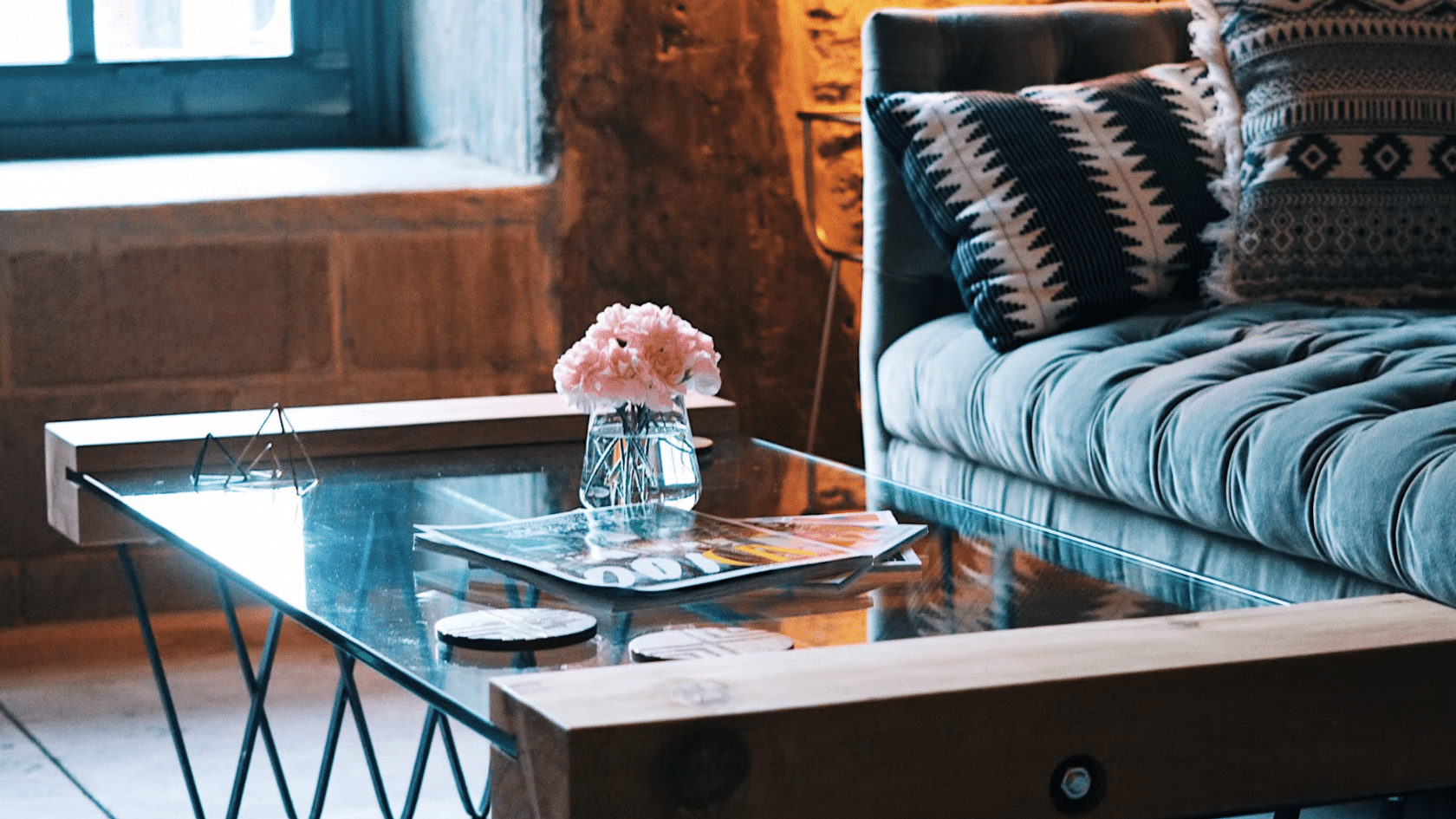
A unique coffee table can stand out and become the center of your living room. You can choose a bold shape, a bright color, or a different material, like glass or wood.
It adds strong character to the space. You can also style it with books, trays, or decor items.
This adds layers and detail. A standout table helps make the room feel complete and more balanced in maximalist design.
20. Colorful Kitchen Cabinets
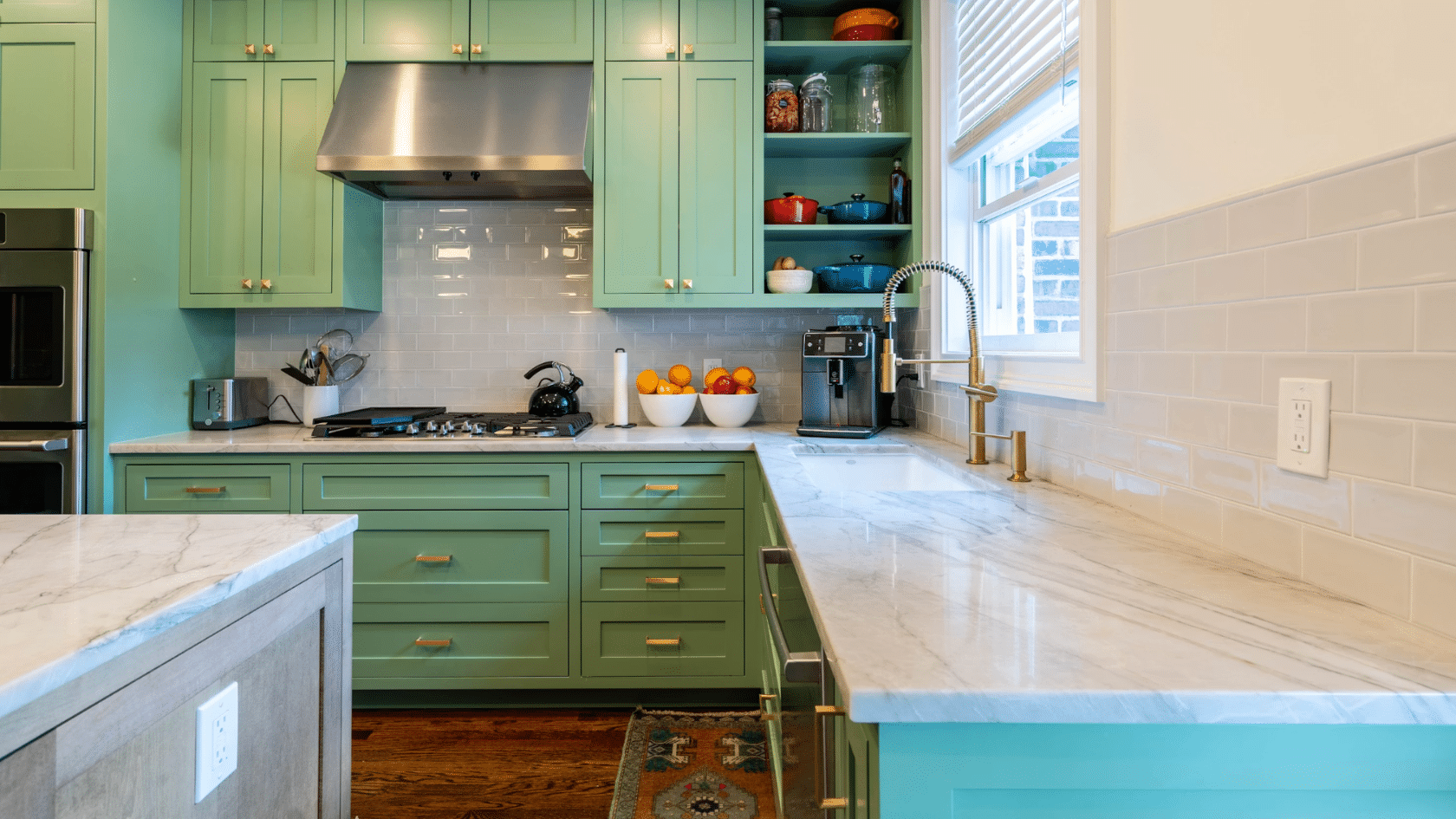
Colorful kitchen cabinets can change the feel of the whole space. Using shades like blue, green, or red adds life and breaks away from plain designs.
These cabinets become a strong part of the room’s look.
They work well with tiles, counters, and other decor. Colorful cabinets help create a bold kitchen that feels full and active while still being useful for daily use.
21. Art and Sculpture Mix
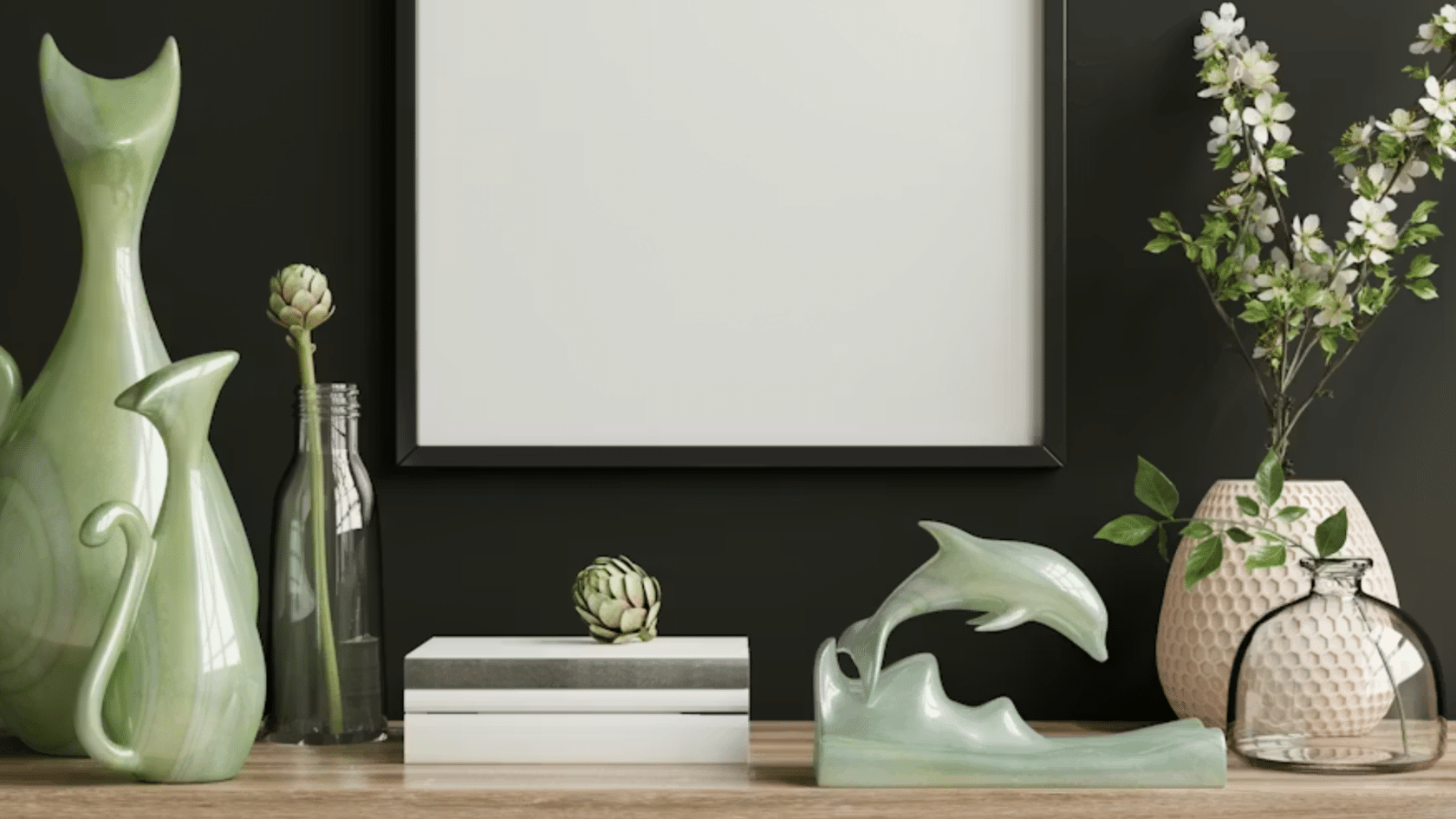
Mixing art and sculptures adds depth and detail to your space. You can hang paintings on the walls and place small statues on shelves or tables. This creates variety and keeps the room from looking flat.
Different shapes and sizes make the space more interesting.
It also helps show personal taste. This mix creates a rich, layered look that complements the maximalist interior design style.
Maximalist vs Minimalist Interior Design
Both styles are popular, but they follow very different design principles. This quick comparison helps you see how each one shapes the look and feel of a space.
| Feature | Maximalist | Minimalist |
|---|---|---|
| Style | Bold and full | Clean and simple |
| Colors | Bright and mixed | Neutral tones |
| Decor | Many items | Few items |
| Feel | Lively | Calm |
Tips to Start Maximalist Interior Design at Home
Starting with maximalist interior design does not require a full home change. You can begin small and build your style step by step with simple choices.
- Audit What You Already Own First: Check what you have before buying new. Use stored decor, art, or personal items. Most people already have enough; they just need to use it.
- Start with One Room: Begin with one room to make it easier to manage. This helps you test ideas without making the whole home feel too full.
- Pick a Color Base: Choose a few main colors to guide your design. This keeps the space from looking random and helps everything match better.
- Add Layers Slowly: Add decor, fabrics, and items one by one. This helps you create a cohesive look without making the space feel cluttered.
- Mix but Keep Balance: Mix styles, colors, and items to create interest. Make sure everything still feels balanced so the room looks planned.
Pros and Cons of Maximalist Interior Design
Maximalist interior design can make a space feel full and personal. But it also needs balance to avoid a messy look.
| Feature | Pros | Cons |
|---|---|---|
| Personal Style | Shows your personality and favorite items. | Too many items can make the room feel crowded. |
| Look and Feel | Creates a warm, colorful, and lively space. | The room can look busy if colors and patterns do not match well. |
| Sustainability | Works well with vintage, second-hand, and family pieces. | Finding the right mix of items may take time. |
| Design Freedom | Let you mix different styles, colors, and decor. | Too much freedom can make the design harder to manage. |
| Planning | Allows creative and unique room designs. | Needs careful planning to avoid a messy look. |
| Maintenance | Makes every room feel interesting and full of character. | Requires regular cleaning and organizing. |
Common Mistakes to Avoid
Maximalist design needs balance to look good without being messy. Avoid these common mistakes to keep your space neat and well planned.
- Adding Too Much Without a Plan: Adding too many items without considering placement can make the room look messy and overcrowded rather than stylish and organized.
- Ignoring Color Balance: Using too many random colors can create visual confusion and make the space feel unplanned and overwhelming.
- No Focal Point: Without a main feature, such as artwork, a statement sofa, or a gallery wall, the room can feel scattered and lack direction.
- Overusing Patterns: Mixing too many patterns can make the design feel busy. A balanced mix helps the room look more coordinated.
- Forgetting Functionality: Filling a room with too much furniture or decor can reduce comfort and make it harder to move around the space.
Conclusion
Maximalist interior design is about creating a home that feels personal, colorful, and full of life. With bold colors, meaningful decor, and layered textures, you can create a space that reflects your style.
The key to maximalism is balance. Choose items that work well together instead of filling the room with random pieces.
When done thoughtfully, maximalist spaces feel inviting, creative, and unique. If you’re ready to try this design style, start with one room and add your favorite pieces little by little.
Focus on what you love, play with colors and patterns, and create a space that reflects your personality.
Have you tried maximalist interior design in your home? Share your favorite decorating tips in the comments below!
Frequently Asked Questions
Is Maximalist Interior Design Messy?
No, maximalist design is not messy when done right. It may look full, but items are placed with care to keep the space balanced and visually pleasing.
Can Small Rooms Use Maximalist Design?
Yes, small rooms can use maximalist design very well. Using smart layout, colors, and layers can make the space feel rich without appearing crowded.
What Colors Work Best in Maximalist Design?
Bright and bold colors work best in maximalist design. Mixing shades of blue, red, and green, along with patterns, helps create a lively, detailed space.
Is Maximalism Expensive?
No, maximalism does not have to be expensive. You can use items you already own, mix old and new pieces, and build your space slowly over time.