

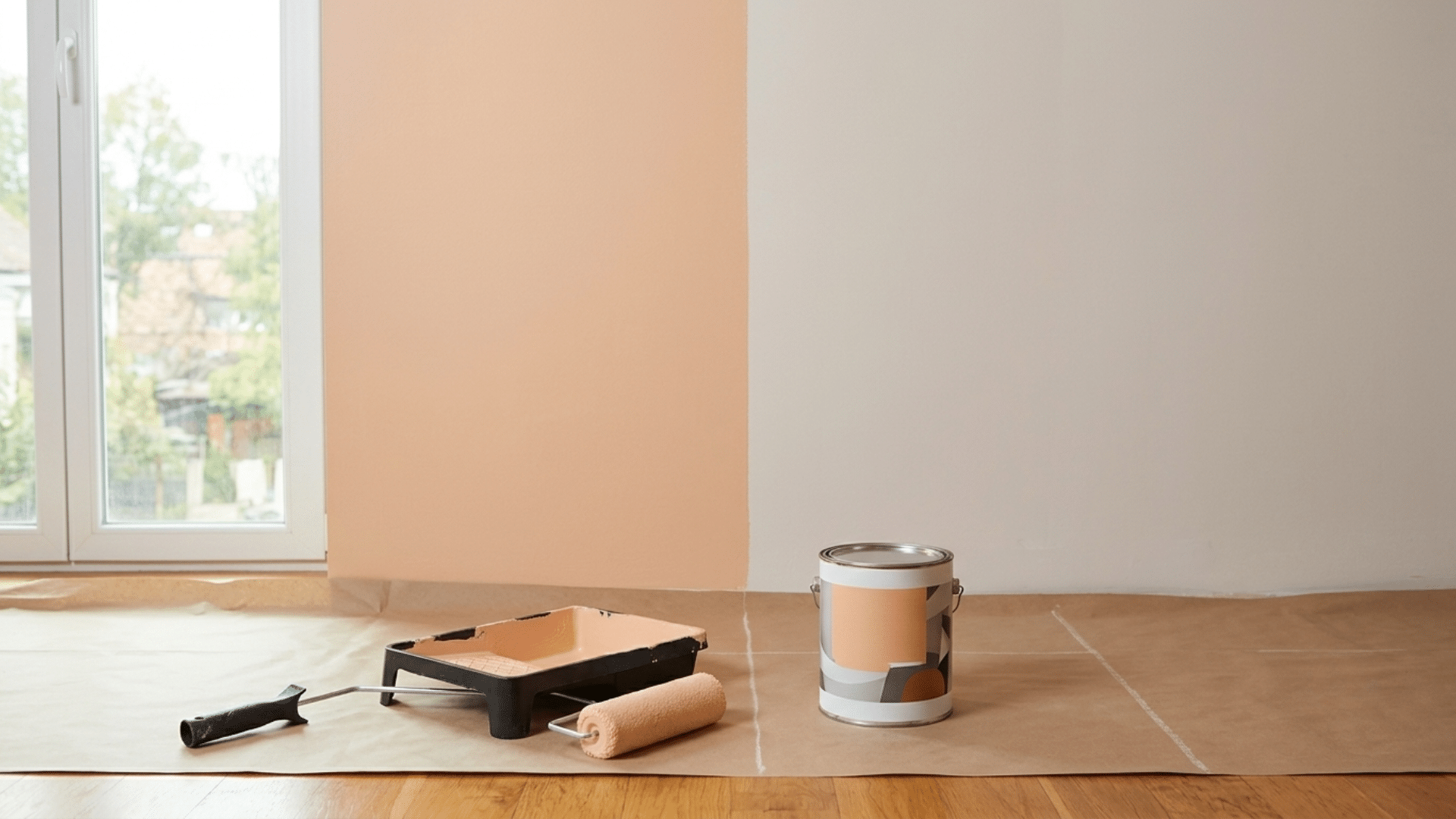
Paint projects often start with one simple question: how much paint do I need? Buying too little can leave you making extra trips to the store, while buying too much can waste money and leave you with unused cans.
Understanding paint coverage per gallon helps you estimate the right amount of paint for walls, ceilings, and exterior surfaces.
Most paints cover a certain number of square feet per gallon, but factors like surface texture, paint type, and the number of coats can affect the final amount needed.
In this guide, you’ll learn how to calculate paint coverage, use simple formulas, and estimate paint accurately for any project. Keep reading to find out exactly how much paint you need.
Why Does Understanding Paint Coverage per Gallon Matter?
Understanding paint coverage per gallon helps you know how much paint you need before starting a project. Paint coverage refers to the area that one gallon of paint can cover, usually measured in square feet.
Most interior paints cover about 350 to 400 square feet per gallon on a smooth wall.
However, the exact amount can vary depending on the paint type, wall texture, surface condition, and the number of coats.
Rough, dry, or unpainted surfaces often require more paint because they absorb more of it. Dark color changes may also need extra coats for an even finish.
By checking the coverage listed on the paint can and measuring your walls first, you can buy the right amount and avoid waste.
Best Paint Coverage Calculator Tools
Below are some of the most reliable paint calculator websites that homeowners, DIYers, and contractors often use. These tools reduce waste, save money, and make planning easier.
1. Sherwin-Williams Paint Calculator
The Sherwin-Williams Paint Calculator is one of the most trusted tools for estimating paint needs. It lets users enter wall dimensions, ceiling measurements, and the number of doors and windows in a room.
The calculator then estimates the amount of paint required based on the selected project area.
I like that it is simple to use and provides results in just a few clicks.
Since Sherwin-Williams is a leading paint brand, the tool is designed to match real-world paint coverage rates, making estimates more accurate.
2. Benjamin Moore Paint Calculator
Benjamin Moore Paint Calculator offers a user-friendly paint calculator that helps estimate paint quantities for both interior and exterior projects.
Users can enter room dimensions and subtract spaces that will not be painted, such as windows and doors. The calculator provides a clear estimate of the number of gallons needed for the job.
One thing that stands out is how straightforward the process is, even for first-time painters.
It is a useful tool for planning budgets and avoiding unnecessary paint purchases while ensuring enough paint is available for the project.
3. Behr Paint Calculator
The Behr Paint Calculator is a popular choice for homeowners working on DIY painting projects. It allows users to enter wall measurements, ceiling sizes, and room details to estimate paint requirements accurately.
The tool is easy to navigate and works well for both small touch-up jobs and full-room makeovers.
Since Behr paints are commonly sold through major retailers, many users find it convenient to estimate paint quantities before shopping.
The calculator also helps prevent overbuying, which can reduce project costs and minimize leftover paint.
4. PPG Paint Coverage Calculator
PPG Paint Coverage Calculator provides a reliable paint coverage calculator that helps users estimate paint quantities based on surface area measurements.
The tool works for a variety of painting projects, including walls, ceilings, and other painted surfaces. I find it helpful because it focuses on practical calculations without unnecessary complexity.
Users simply enter dimensions, and the calculator provides an estimate based on average paint coverage rates.
This makes it easier to plan purchases and avoid running out of paint during a project, which can delay completion and increase expenses.
5. Dulux Paint Calculator
The Dulux Paint Calculator is widely used for residential painting projects and offers quick paint quantity estimates.
Users can enter room dimensions, wall measurements, and details about doors and windows to receive a recommendation.
The tool is designed to help users determine the right amount of paint while considering common coverage factors. Its clean layout makes the process simple, even for beginners.
Many homeowners use it during renovation projects because it provides a practical starting point for paint planning and helps create a more accurate project budget.
6. Lowe’s Paint Calculator
Lowe’s Paint Calculator is a convenient option for people shopping for paint and supplies online. The calculator asks for room measurements and project details, then estimates the amount of paint needed.
It is particularly useful for comparing paint needs across multiple rooms before making a purchase.
It combines planning and shopping in one place, which saves time.
The tool can help users avoid buying too much paint while ensuring they have enough to complete the project without needing additional trips to the store.
Average Paint Coverage per Gallon at a Glance
Paint coverage can vary based on the finish, quality, and surface being painted. The table below shows the average square footage covered by one gallon of paint and where each type is commonly used.
| Paint Type | Average Coverage Per Gallon | Best Used For |
| Flat Paint | 350–400 sq. ft. | Best for ceilings and low-traffic rooms because it hides small dents, cracks, and surface flaws well. |
| Matte Paint | 350–400 sq. ft. | Works well in bedrooms, guest rooms, and home offices where a smooth, non-shiny finish is preferred. |
| Eggshell Paint | 350–400 sq. ft. | Ideal for living rooms, dining rooms, and hallways because it offers a soft sheen and is easier to clean than flat paint. |
| Satin Paint | 300–400 sq. ft. | Commonly used in kitchens, bathrooms, laundry rooms, and children’s rooms due to its moisture resistance and easy cleaning. |
| Semi-Gloss Paint | 300–350 sq. ft. | A great choice for trim, baseboards, doors, and window frames because it stands up well to frequent cleaning and wear. |
| High-Gloss Paint | 250–350 sq. ft. | Best for cabinets, furniture, railings, and decorative details where a shiny, durable finish is desired. |
| Interior Latex Paint | 350–400 sq. ft. | Suitable for most interior walls and ceilings thanks to its low odor, quick drying time, and easy cleanup. |
| Exterior Latex Paint | 250–400 sq. ft. | Commonly used on exterior siding, wood, and masonry surfaces because it handles changing weather conditions well. |
| Exterior Acrylic Paint | 250–400 sq. ft. | Ideal for stucco, brick, concrete, and other outdoor surfaces that require strong adhesion and long-lasting protection. |
How to Calculate the Right Amount of Paint for Any Project?
Knowing how to estimate paint accurately can save both time and money. By following a few simple steps, you can determine exactly how many gallons you’ll need for walls, ceilings, or exterior surfaces without running short.
1. Measure the Width and Height of Each Wall
Start by measuring the width and height of every wall you plan to paint. Multiply the width by the height to find the square footage of each wall.
For example, a wall that is 12 feet wide and 8 feet high has an area of 96 square feet. Repeat this process for all walls in the room.
Accurate measurements are important because even small errors can affect the total paint estimate and lead to purchasing the wrong amount of paint.
2. Calculate the Total Paintable Area
Once you have the measurements for each wall, add them together to find the total paintable square footage. If you plan to paint the ceiling, include its area in the calculation as well.
This step provides the foundation for your paint estimate.
Many homeowners skip this calculation and rely on guesses, which often results in extra costs.
Having the total square footage ensures that your paint coverage calculations are based on actual measurements rather than rough estimates.
3. Subtract Doors and Windows
Doors and windows take up space that does not need paint, so subtracting them can improve accuracy. A standard door typically covers about 20 square feet, while an average window covers around 15 square feet.
Multiply the number of doors and windows by their estimated sizes and subtract the total from your paintable area.
While this step may not matter in very small projects, it can significantly affect paint estimates in larger rooms or entire homes.
4. Determine the Number of Coats Needed
Most painting projects require at least two coats for even color and better durability. If you are painting over a dark color, stained surface, or new drywall, you may need additional coats or a primer.
Multiply your total paintable square footage by the number of coats planned.
For example, a room with 400 square feet of wall space will require coverage for 800 square feet when applying two coats. This step helps prevent underestimating paint requirements.
5. Check the Paint Coverage Rate
Every paint product lists an estimated coverage rate on the label. Most interior paints cover between 350 and 400 square feet per gallon under normal conditions.
However, textured walls, porous surfaces, and lower-quality paints may cover less area.
Always review the manufacturer’s coverage recommendation before calculating paint quantities.
Using the correct coverage rate ensures your estimate reflects the specific paint you intend to use rather than relying on general averages that may not apply to your project.
6. Divide the Total Area by Coverage Per Gallon
After adjusting for doors, windows, and the number of coats, divide the final square footage by the paint’s coverage rate.
For example, if your project requires coverage for 800 square feet and your paint covers 400 square feet per gallon, you will need two gallons of paint.
This simple formula is the basis of most paint calculators.
It provides a reliable estimate and helps you purchase the correct amount without wasting money on excess paint.
7. Add Extra Paint for Touch-Ups and Waste
It is a good idea to buy a little extra paint beyond your exact calculation. Paint can be lost through spills, roller absorption, uneven surfaces, and future touch-up work.
Many professionals recommend adding 10 to 15 percent to your estimate, especially for large projects.
Having extra paint from the same batch also makes it easier to match colors later if repairs are needed. This small buffer can save time and prevent additional trips to the paint store.
How Much Does Paint Cost Based on Coverage Per Gallon?
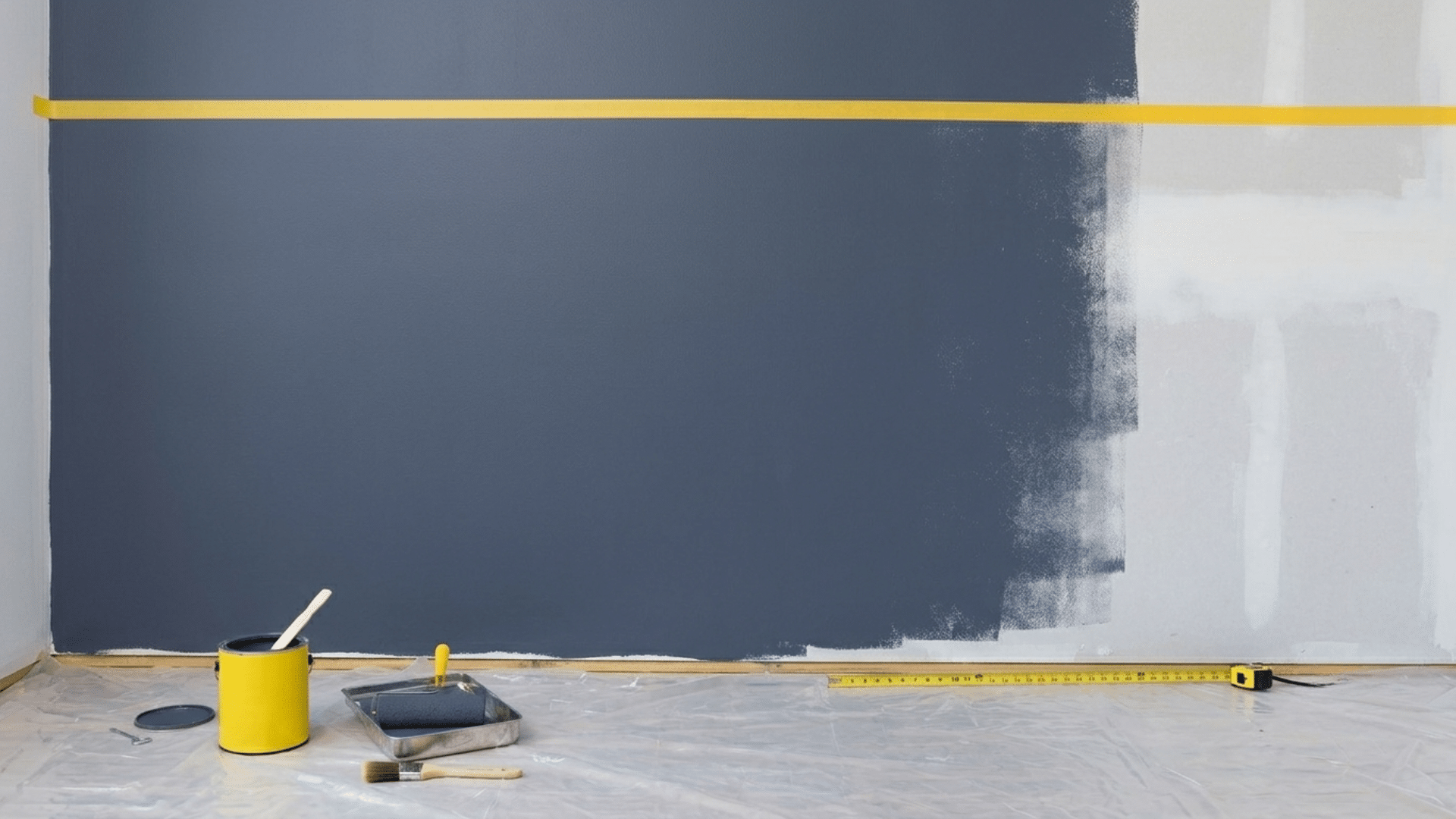
The total cost of a painting project depends on the paint price, coverage per gallon, room size, and the number of coats required. Understanding these factors can help you estimate your budget and avoid unexpected expenses.
- Paint Quality Matters: Paint prices vary widely based on quality. Budget paints typically cost $20–$35 per gallon, while premium options can range from $60–$100 or more.
- Room Size Directly Affects Cost: Painting a small bedroom may cost around $30–$120 in paint, while a large living room can require $90–$300 worth of paint.
- The Number of Coats Impacts Your Budget: Most projects need two coats for even coverage. Applying an extra coat can increase paint costs by 50% to 100%, depending on the size of the area and the paint used.
- Primer Can Add to the Total Cost: If the surface needs primer, expect to spend an additional $15–$40 per gallon. While this increases upfront costs, it can improve paint adhesion and reduce the need for extra coats.
- Interior and Exterior Projects Have Different Costs: Many exterior paints cost between $35 and $80 per gallon, compared to $20–$60 for standard interior paints.
- Surface Condition Can Increase Paint Usage: Rough, porous, or textured surfaces absorb more paint than smooth walls. This can increase paint consumption by 10–20%, leading to higher material costs.
- Painting Supplies Should Be Included in the Budget: Besides paint, supplies such as rollers, brushes, trays, and tape can add another $20–$100 or more to the overall project cost, depending on the tools needed.
How Much Paint Do You Need for Common Room Types?
Paint requirements can vary depending on the room size. The table below provides general estimates for common rooms based on 8-foot ceilings, two coats of paint, and an average coverage rate of 400 square feet per gallon.
| Room Type | Typical Room Size | Estimated Paint Needed (2 Coats) |
| Small Bedroom | 10 ft × 10 ft (100 sq. ft. floor area) | About 1 gallon. Most small bedrooms have around 320 square feet of wall space, making one gallon sufficient for two coats. |
| Medium Bedroom | 12 ft × 12 ft (144 sq. ft. floor area) | About 2 gallons. A medium-sized bedroom typically has around 384 square feet of wall area and may require extra paint for touch-ups. |
| Large Bedroom | 14 ft × 16 ft (224 sq. ft. floor area) | About 2 to 3 gallons. Larger bedrooms have more wall space and often include accent walls that increase paint usage. |
| Living Room | 16 ft × 20 ft (320 sq. ft. floor area) | About 3 gallons. Living rooms usually have larger wall areas and open spaces that require more paint coverage. |
| Family Room | 18 ft × 20 ft (360 sq. ft. floor area) | About 3 to 4 gallons. Family rooms often have longer walls and larger surfaces that increase paint requirements. |
| Bathroom | 5 ft × 8 ft (40 sq. ft. floor area) | About 1 gallon. Bathrooms are smaller, but moisture-resistant paints may require two full coats for proper coverage. |
| Kitchen | 10 ft × 12 ft (120 sq. ft. floor area) | About 1 gallon. Cabinets, backsplashes, and appliances reduce the amount of wall space that needs paint. |
What Are the Best Ways to Lower Your Paint Costs?
Painting projects can quickly become expensive if you do not plan ahead. A few smart decisions can help you reduce costs while still getting excellent coverage and long-lasting results.
- Measure Before You Shop: Calculate your wall area before buying paint. Accurate measurements help you avoid purchasing more paint than your project requires.
- Use a Paint Coverage Calculator: A paint calculator estimates how many gallons you need. This reduces waste and prevents unnecessary spending on extra paint.
- Choose Paint with Better Coverage: Higher-quality paints often cover more square feet per gallon. This can reduce the number of gallons and coats needed.
- Buy During Sales and Promotions: Many paint retailers offer seasonal discounts and holiday sales. Waiting for these promotions can significantly lower project costs.
- Prepare Surfaces Properly: Clean and repair walls before painting. Proper preparation improves coverage and helps you use less paint overall.
- Store Leftover Paint Correctly: Seal paint cans tightly and store them in a cool, dry place. Leftover paint can be used later for touch-ups instead of buying new paint.
- Purchase Supplies in Bundles: Buying rollers, brushes, trays, and tape as a kit is often cheaper than purchasing each item separately.
Conclusion
Estimating paint coverage per gallon helps you plan your project with more confidence and less waste.
Once you know your wall size, number of coats, paint type, and coverage rate, it becomes much easier to decide how many gallons to buy.
A paint calculator can also make the process faster, especially for larger rooms or full-home painting projects. Before you shop, measure your space, check the paint label, and add a small amount extra for touch-ups.
Use the paint coverage formula or calculator above to estimate your exact paint needs before buying your next gallon.
Frequently Asked Questions
How Many Square Feet Will 5 Gallons of Paint Cover?
Five gallons of paint typically cover about 1,750 to 2,000 square feet with one coat, depending on the paint type, surface texture, and application method.
How Much Paint Is Required for A 12×12 Room?
A standard 12×12 room with 8-foot ceilings typically needs about 2 gallons of paint for two coats, depending on wall condition, paint type, and coverage rate.
How Much Paint Can 1 Gallon Cover?
One gallon of paint typically covers 350 to 400 square feet with one coat on a smooth, properly prepared surface. Coverage may be lower on textured or unpainted walls.
What Are the Three Paint Colors that Will Never Go Out of Style?
White, greige (a mix of gray and beige), and navy blue are three paint colors that never go out of style due to their versatility and lasting appeal.
Is a 5 Gallon Bucket of Paint Cheaper?
Yes, a 5-gallon bucket of paint is usually cheaper per gallon than buying five separate 1-gallon cans. Depending on the brand, you can save about 10% to 20% on larger projects.