

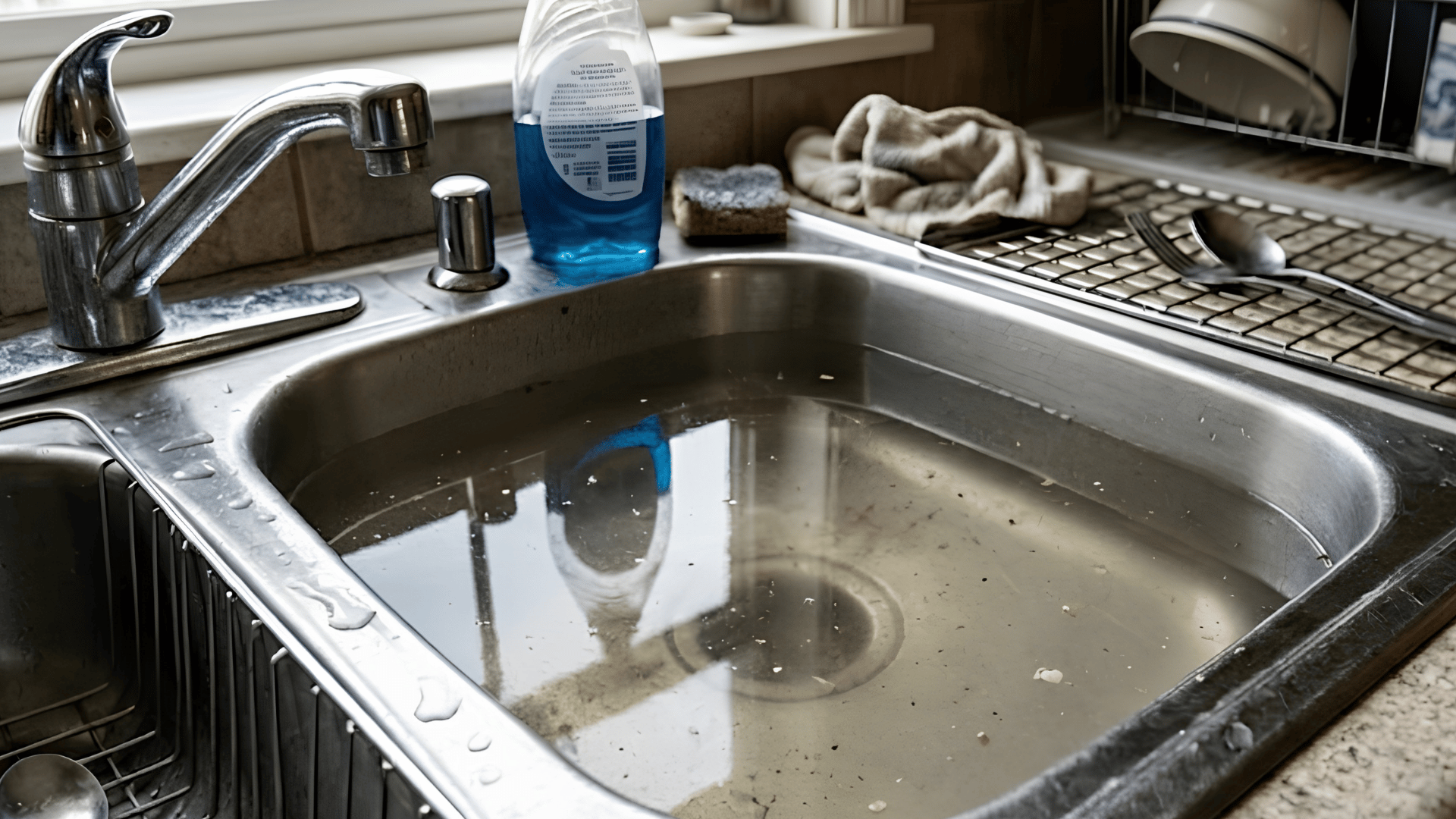
A clogged kitchen sink can quickly disrupt your daily routine and make even simple kitchen tasks frustrating.
If your kitchen sink clogged without warning, you’re not alone. Grease, food scraps, soap residue, and other debris are some of the most common reasons water stops draining properly.
I have seen many homeowners successfully clear kitchen sink clogs on their own using a few simple tools and household ingredients.
Before spending money on a plumber, there are several proven DIY methods worth trying.
In this guide, you’ll learn how to identify the cause of the clog, fix it safely, and prevent future blockages.
Quick Answer: How to Unclog a Kitchen Sink Fast?
To unclog a kitchen sink fast, start by removing any standing water from the basin. Pour hot water down the drain to break up grease and minor buildup.
If the sink is still clogged, add dish soap and more hot water to help dissolve grease deposits.
Next, use a plunger to loosen the blockage. For stubborn clogs, insert a drain snake to remove debris trapped deeper in the pipe. If water still won’t drain, clean the P-trap under the sink.
When none of these methods work, the blockage may be deeper in the plumbing system, and it’s best to call a professional plumber.
Why Is Your Kitchen Sink Clogged?
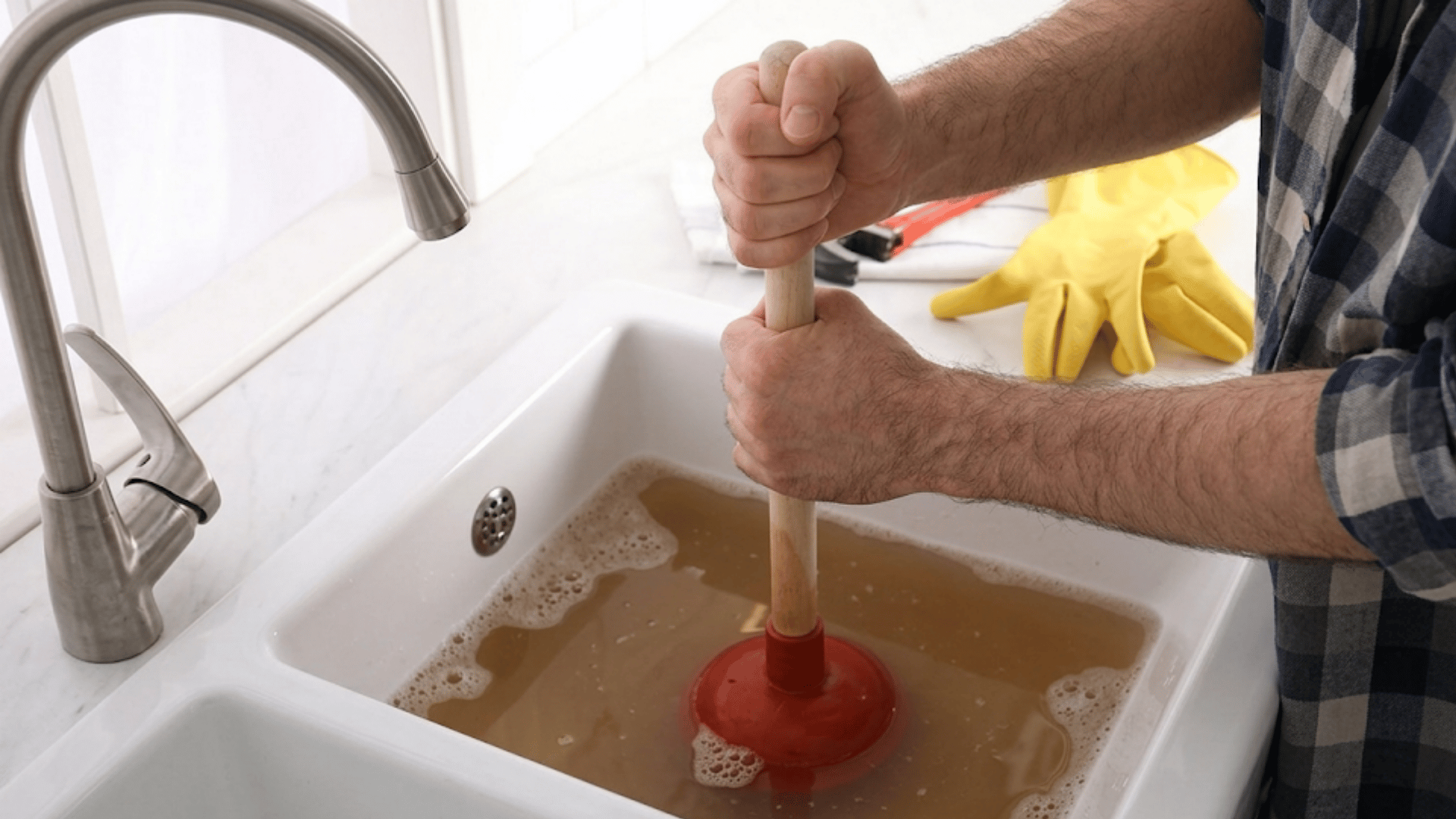
Kitchen sink clogs usually develop over time as grease, food particles, and other debris accumulate inside the drain.
- Grease and cooking oil buildup: Grease may go down the drain as a liquid, but it hardens as it cools, creating sticky deposits that trap other debris.
- Food scraps stuck in the drain: Small food particles can accumulate inside pipes, especially when they are not rinsed away properly.
- Coffee grounds: Unlike many food scraps, they do not dissolve in water and can form dense clumps in the drain.
- Rice, pasta, and starchy foods: These foods absorb water and expand, making them a common cause of stubborn kitchen sink clogs.
- Soap scum and mineral deposits: Over time, soap residue and hard-water minerals can narrow the interior of pipes and slow drainage.
- Garbage disposal problems: A jammed or overloaded garbage disposal can restrict water flow and cause backups in the sink.
- Foreign objects in the drain: Items such as produce stickers, small utensils, bottle caps, or other non-food objects can create blockages that prevent water from draining properly.
- Dishwasher backflow: When the dishwasher drain hose is not properly elevated or clamped, it can push wastewater back into the sink, compounding existing buildup.
Tools and Supplies You May Need to Unclog the Kitchen Sink
Before you start troubleshooting a clogged kitchen sink, gather the necessary tools and supplies. Most DIY unclogging methods require only a few common household items and basic plumbing tools.
| Basic Household Items | Plumbing Tools |
|---|---|
| Hot water | Sink plunger |
| Dish soap | Drain snake |
| Baking soda | Adjustable wrench |
| White vinegar | Pipe wrench |
| Salt | Flashlight |
| Rubber gloves | Needle-nose pliers |
How to Unclog a Kitchen Sink at Home Easily?
Most kitchen sink clogs can be cleared without professional help if you use the right method for the type of blockage.
1. Flush the Drain with Hot Water
Hot water is often the easiest and quickest way to clear a minor kitchen sink clog. Before starting, remove as much standing water as possible from the sink.
Once the water is hot, slowly pour it down the drain and allow it several minutes to work through grease, soap residue, and light debris.
Repeat the process two or three times if necessary.
While this method won’t remove severe blockages, it can often restore normal drainage when grease buildup is the main culprit.
2. Use Salt and Hot Water
Salt and hot water work together to break down minor buildup inside drain pipes. After removing standing water, pour about half a cup of salt into the drain and follow it with hot water.
The salt acts as a mild abrasive that helps loosen grease and residue clinging to the pipe walls. Allow the mixture to sit for several minutes before flushing with more hot water.
This method is most effective for slow-draining sinks and minor clogs caused by grease accumulation.
3. Try Baking Soda and Vinegar
Baking soda and vinegar create a bubbling reaction that may help loosen light debris and buildup inside the drain.
Start by pouring about one cup of baking soda into the drain, followed by an equal amount of vinegar. Once the fizzing begins, place a stopper over the drain and allow the mixture to sit for about 15 minutes.
Finish by flushing the drain with hot water. This method works best for mild clogs and routine drain maintenance rather than stubborn blockages.
4. Use Baking Soda and Salt
For a stronger scrubbing effect, combine baking soda and salt before pouring the mixture into the drain.
Use roughly one cup of baking soda and half a cup of salt, then allow the mixture to sit for several hours or overnight. Follow with hot water to flush away loosened debris.
The abrasive combination can help remove grease and residue without relying on chemical drain cleaners. Several applications may be needed for the best results.
5. Use a Sink Plunger
If natural methods don’t solve the problem, a sink plunger may help dislodge the clog.
For double-basin sinks, seal the second drain opening with a stopper or damp cloth to create better pressure. Add enough water to cover the plunger cup, then plunge several times firmly.
The suction and pressure can loosen food particles and debris trapped in the drain.
Once the blockage clears, flush the drain with warm water to remove any remaining residue.
6. Check the Garbage Disposal
A jammed garbage disposal can sometimes be mistaken for a clogged drain. Before inspecting the unit, disconnect the power source for safety.
Use a flashlight to look for trapped food or foreign objects and remove them with pliers or tongs if necessary. If the disposal is jammed, use the manufacturer’s wrench or reset mechanism according to the instructions.
After clearing the obstruction, run water through the sink to confirm that drainage has returned to normal.
7. Clean the P-Trap
The P-trap is the curved pipe located beneath the sink and is a common location for food debris and grease buildup.
Place a bucket underneath the pipe before loosening the fittings and removing the trap.
Clean out any accumulated debris and rinse the pipe thoroughly before reinstalling it. Once the P-trap is secured, run water through the drain and check for leaks.
This method often resolves clogs near the sink opening.
8. Use a Drain Snake
A drain snake is useful for reaching blockages located deeper within the plumbing system. For easier access, consider removing the P-trap before feeding the snake into the drain line.
Slowly rotate the snake as it moves forward until it encounters resistance. Continue turning to break apart or hook the obstruction, then pull it out carefully.
This method is highly effective for stubborn clogs that cannot be removed with plunging or household remedies.
9. Use a Wire Coat Hanger
A wire coat hanger can serve as a simple alternative when a drain snake is unavailable.
Straighten the hanger and carefully insert it into the drain line, using a gentle twisting motion to reach and remove debris.
Although it cannot reach as far as a professional drain snake, it may help clear clogs located relatively close to the drain opening. After removing any debris, flush the drain with hot water to improve water flow.
10. Use a Wet or Dry Vacuum
A wet/dry shop vacuum can sometimes remove stubborn clogs by pulling debris directly out of the drain.
Set the vacuum to liquid mode and create the tightest seal possible around the drain opening. Turn the vacuum on for several seconds and listen for changes in suction.
If successful, the clog may be pulled into the vacuum canister.
This method is particularly useful for compact food blockages located near the drain opening and can be a powerful alternative to plunging.
11. Remove Debris with a Wire Hook Tool
Hair, food scraps, and other debris often collect near the top portion of the drain where they can be reached without specialized equipment.
A plastic drain-cleaning tool or homemade wire hook can help pull out these obstructions. Carefully insert the tool into the drain, rotate it slightly, and slowly pull it back out.
Remove any debris attached to the tool and repeat as needed. Once finished, flush the drain with hot water to improve flow.
Best Unclogging Method Based on the Cause
The fastest way to fix a clogged kitchen sink depends on what’s causing the blockage. Different types of blockages respond better to specific methods, so it’s worth matching the fix to the likely cause before getting started.
| If Your Sink Is Clogged Because Of | Try This Method | Average Time Required |
|---|---|---|
| Grease buildup | Hot water and dish soap | 10–15 minutes |
| Food scraps | Plunger | 5–10 minutes |
| Standing water | Remove water and plunge | 10–20 minutes |
| Deep blockage | Drain snake | 15–30 minutes |
| Garbage disposal issue | Reset and inspect the disposal | 10–15 minutes |
| P-trap clog | Remove and clean the P-trap | 20–30 minutes |
| Minor drain buildup | Baking soda and vinegar | 30–60 minutes |
| Slow-draining sink | Salt and hot water | 15–20 minutes |
How to Unclog a Double Kitchen Sink?
A double kitchen sink can be tricky to unclog because both basins are connected to the same drain line. When a blockage forms, water may back up from one side into the other instead of draining properly.
In many cases, grease, food scraps, or debris in the shared pipe are to blame.
Start by sealing the drain on one side with a stopper or wet cloth, then use a plunger on the clogged side to create enough pressure to loosen the blockage.
If that doesn’t work, try a drain snake to reach deeper clogs within the shared drain line.
For persistent blockages, cleaning the P-trap may help restore normal drainage and water flow.
Should You Use Chemical Drain Cleaners?
While chemical drain cleaners can sometimes help dissolve minor grease buildup and organic material, they are generally not the first solution recommended for a clogged kitchen sink.
Products such as Drano Max Gel, Liquid-Plumr Clog Destroyer, and Green Gobbler Drain Opener contain powerful chemicals that may damage older pipes, weaken PVC joints over time, or create additional hazards if used repeatedly.
They can also cause skin burns, eye irritation, and harmful fumes if handled improperly.
Chemical cleaners may be useful for occasional minor clogs when other DIY methods have failed, but they are often ineffective against solid blockages or objects lodged in the drain.
Safer alternatives include hot water, dish soap, baking soda and vinegar, plungers, drain snakes, and cleaning the P-trap.
What Never Belongs Down a Kitchen Sink Drain?
To keep your kitchen sink draining properly and avoid costly plumbing repairs, avoid putting the following items down the drain:
- Grease and oil: They harden as they cool and can trap other debris inside the pipes.
- Coffee grounds: They clump together, creating dense blockages that are difficult to flush away.
- Eggshells: Small shell fragments can accumulate in the drain, contributing to clogs.
- Flour: It absorbs water, forming a thick, paste-like substance inside pipes.
- Rice and pasta: These foods expand when exposed to water and can obstruct water flow.
- Fibrous vegetables: Celery, corn husks, onion skins, and similar foods can tangle and collect in the drain.
- Produce stickers: Small produce labels do not break down and can easily become trapped in plumbing.
- Paint and chemicals: These substances can damage pipes, contaminate water systems, and create disposal hazards.
- Medication and vitamins: Pills and supplements do not dissolve fully and can leave residue on pipe walls. Dispose of them through a pharmacy take-back program instead
When to Call a Plumber?
While many kitchen sink clogs can be cleared with DIY methods, some situations require professional assistance.
If water will not drain at all, the clog keeps returning despite repeated cleaning, or multiple fixtures in your home are experiencing drainage problems, the issue may extend beyond the kitchen sink.
Other warning signs include foul sewer odors, gurgling sounds from nearby drains, or water backing up into sinks, tubs, or toilets.
If you’ve already tried plunging, snaking, cleaning the P-trap, and other common solutions without success.
It’s best to call a licensed plumber to diagnose and resolve the problem before it leads to more extensive plumbing damage.
How to Prevent Future Kitchen Sink Clogs?
A few simple habits can go a long way toward keeping your kitchen sink drain clear and reducing the risk of future blockages.
- Use a sink strainer: Place a strainer over the drain to catch food scraps and debris before they enter the pipes.
- Dispose of grease properly: Allow grease and cooking oil to cool, then discard them in the trash instead of pouring them down the drain.
- Flush the drain weekly: Run hot water down the drain to help wash away grease and minor buildup.
- Clean the garbage disposal regularly: Periodically run the disposal with cold water and clean it according to the manufacturer’s instructions to prevent residue buildup.
- Create a monthly maintenance routine: Use preventive methods such as hot water, dish soap, or a drain-safe cleaner each month to keep pipes flowing smoothly.
- Run cold water when using the disposal: Cold water keeps grease solid so it passes through in chunks rather than coating the pipe walls as a liquid.
- Check the dishwasher drain connection annually: Confirm the drain hose is elevated to the correct height, and the clamp on the disposal inlet is tight.
Conclusion
A clogged kitchen sink can be frustrating, but most blockages can be cleared with simple DIY methods such as hot water, dish soap, plunging, snaking the drain, or cleaning the P-trap.
Identifying the cause of the clog is often the key to choosing the most effective solution and restoring proper drainage quickly.
Regular maintenance and smart disposal habits can also help prevent future problems.
I have found that addressing slow drainage early often prevents more serious and costly plumbing issues later on.
If your sink remains clogged after trying these methods, don’t hesitate to contact a licensed plumber to avoid further damage and get your kitchen back to normal.
Frequently Asked Questions
Can Boiling Water Damage Sink Pipes?
Boiling water can damage PVC pipes and loosen pipe joints if used repeatedly. Hot water is generally a safer option for most household plumbing systems.
How to Tell if a Kitchen Sink Clog Is in the Sewer Line?
Multiple drains backing up, gurgling toilets, foul odors, and water appearing in other fixtures often indicate a blockage in the main sewer line rather than the kitchen sink.
Can a Clogged Kitchen Sink Fix Itself?
A clogged kitchen sink rarely fixes itself. Minor blockages may drain slowly over time, but most clogs require cleaning or removal to restore proper water flow.