

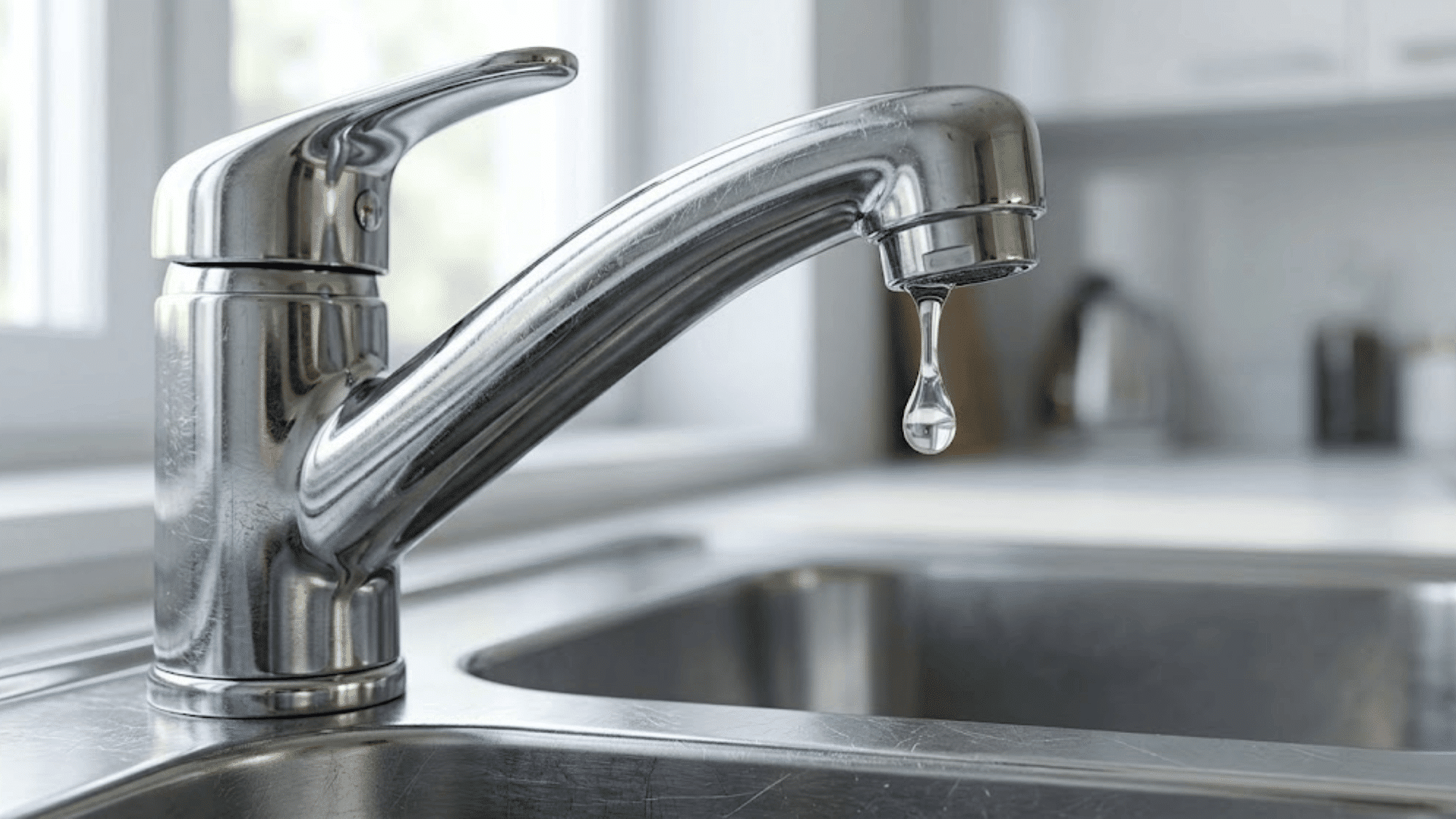
If you have ever heard a steady drip coming from the sink late at night, you know how annoying it can be. I have dealt with leaking faucets before, and what seems like a small problem can waste water and increase utility bills over time.
The good news is that many faucet issues are easier to understand and fix than most people think.
In this guide, I will share some of the most common causes of a dripping faucet and the best ways to fix it.
You will learn how to spot warning signs, identify worn parts, decide whether to repair or replace, and prevent future leaks.
Whether you want to handle the repair yourself or simply understand what the problem is, this article will help you take the right next step with confidence.
Quick Answer: How to Fix a Leaking Faucet?
To fix a leaking faucet, first turn off the water supply under the sink. Next, identify where the leak is coming from.
Most faucet leaks happen because of a worn washer, damaged O-ring, faulty cartridge, or mineral buildup inside the faucet.
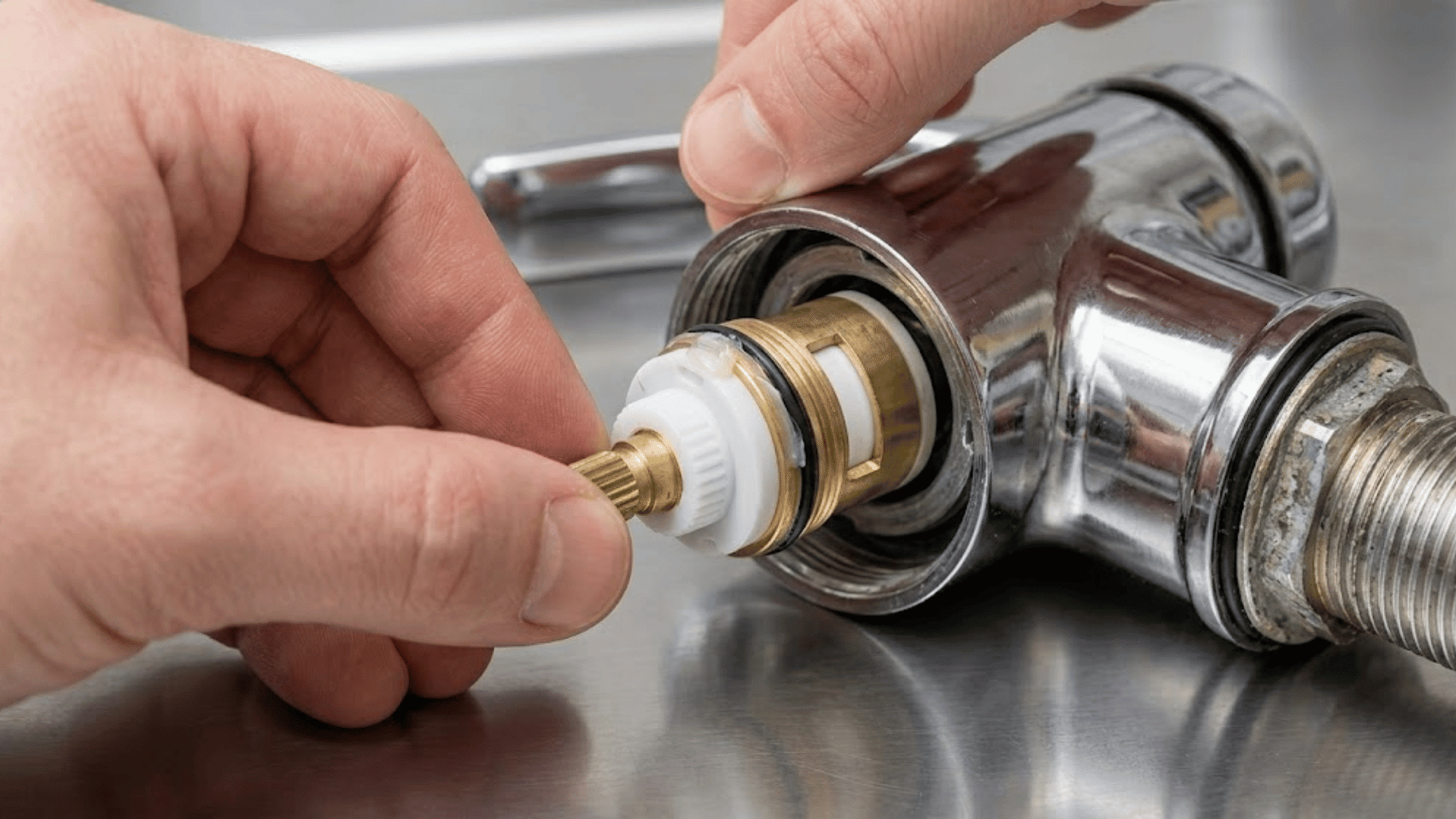
Take the faucet apart and inspect the internal parts for wear or damage. Replace any worn components with matching replacement parts and clean away mineral deposits before reassembling the faucet.
Once everything is back in place, turn the water supply on and test the faucet.
If the faucet still leaks after replacing the worn parts, it may be time to replace the entire faucet.
What Causes a Dripping Faucet?
A dripping faucet is rarely a random event. There is almost always a specific internal component that has worn out or failed.
1. Worn-Out Washers and O-Rings
Washers and O-rings are among the most common causes of faucet leaks because they create seals that help control water flow.
Regular use can wear these components down over time, reducing their ability to maintain a tight seal and prevent leaks. When a washer deteriorates, it may allow water to pass through and cause a steady drip from the spout.
Damaged O-rings often cause leaks around the faucet handle or base rather than allowing water to escape from the spout.
Replacing worn washers and O-rings is usually an affordable repair that many homeowners can complete using basic tools.
2. Damaged Cartridges and Valve Seats
A damaged cartridge or valve seat can disrupt normal water flow and lead to ongoing faucet leaks. These components help control water pressure, temperature, and sealing performance inside the faucet.
When a cartridge wears out, water may continue passing through after shut-off, causing leaks and reducing control over flow and temperature.
Valve seat wear often develops from mineral buildup, which can damage sealing surfaces and create leaks around the spout.
In some faucets, cracked ceramic discs may also cause sudden leaks and typically require replacement to restore proper operation.
3. Mineral Buildup from Hard Water
Mineral buildup from hard water can cause faucet leaks over time. Calcium and magnesium deposits collect inside aerators, cartridges, and valve seats, affecting normal faucet performance.
As deposits grow, they can prevent seals from closing properly, allowing water to continue leaking even when the faucet is turned off.
Buildup may also restrict water flow and make handles harder to operate smoothly.
Regular cleaning and routine maintenance can help remove deposits, improve performance, and extend the lifespan of faucet components.
4. High Water Pressure and Loose Parts
High water pressure and loose faucet components can increase wear and lead to leaks over time. When pressure is too high, internal parts may struggle to maintain a proper seal, causing dripping during regular use.
Loose packing nuts can allow water to escape around the handle or faucet body, while worn seals may leak as they age and deteriorate.
In some cases, leaks only appear when water pressure rises, making the problem harder to diagnose.
Checking pressure levels, tightening loose parts, and replacing worn seals can often fix minor leaks and prevent larger plumbing issues.
Common Signs Your Faucet Needs Attention
Faucets rarely fail without warning. There are usually a few signs that something is starting to go wrong before the dripping becomes impossible to ignore.
1. Dripping Water and Handle Leaks
A dripping faucet is one of the clearest signs that something inside the fixture needs attention. Even an occasional drip can point to a worn washer, damaged cartridge, or failing seal.
You may also notice water collecting around the handle or faucet base. This often happens when O-rings or packing nuts wear out over time.
Fixing these parts early can stop the leak, prevent water waste, and help avoid more expensive repairs later.
2. Stiff Handles and Visible Wear
Faucet handles should turn smoothly and easily. If the handle feels stiff, squeaks, or becomes difficult to move, internal parts may be wearing out or becoming clogged with mineral deposits.
You might also see corrosion, rust, or white buildup around the faucet body and aerator.
These signs can affect performance and eventually cause leaks. Addressing the issue early helps keep the faucet working properly and extends the life of its components.
3. Rising Water Bills and Multiple Warning Signs
A sudden increase in your water bill may indicate a faucet leak that is wasting water without being immediately noticeable.
Small drips can add up over time and significantly increase water usage.
If you also notice handle leaks, mineral buildup, or reduced water flow, the faucet may have several worn parts.
When multiple warning signs appear together, it is often a good idea to inspect the faucet thoroughly and determine if repair or replacement is needed.
4. Constant Dripping from the Spout
A steady drip from the faucet spout usually means an internal part is no longer creating a proper seal. Common causes include worn washers, damaged cartridges, mineral buildup, or a deteriorated valve seat.
What starts as an occasional drip often becomes more frequent as the affected component continues to wear down.
Ignoring the problem can waste water and increase utility costs. Repairing the faucet as soon as possible can prevent further damage and restore normal operation.
Tips to Prevent Faucet Drips in the Future
A few simple maintenance habits can help keep your faucet working properly and reduce the chances of future leaks.
- Avoid overtightening handles: Turning handles too tightly accelerates wear on washers and valve seats, causing leaks over time.
- Clean mineral deposits regularly: Monthly cleaning with diluted vinegar helps prevent hard water buildup from affecting faucet components.
- Replace worn parts early: Addressing minor drips or stiffness early helps prevent larger repairs and more costly replacements.
- Check for leaks periodically: Regular inspections under the sink help catch small leaks before they cause water damage.
- Use quality replacement components: Higher-quality washers and O-rings last longer and provide more reliable sealing performance.
When to Replace Instead of Repair?
Repairing a dripping faucet is often the right move, but replacement makes more sense when the fixture keeps failing or shows serious damage.
Severe corrosion or rust on the faucet body, valve seat, or internal parts usually means new parts will not solve the real problem.
Multiple failed repairs are another clear sign. If washers or O-rings have been replaced more than once and it keeps dripping, the faucet might not work.
A cracked faucet body should also be replaced because cracks can lead to water damage under the sink.
Older faucets often use more water than newer models, making replacement a simple way to reduce water use.
If leaks appear from the spout, handle, and base, full replacement is usually the smarter and more cost-effective choice.
How Much Water Can a Dripping Faucet Waste?
Different faucet types have different parts, making it important to identify your faucet before starting repairs.
- Compression faucets: Compression faucets commonly develop leaks when worn washers fail to create a proper watertight seal.
- Cartridge faucets: Cartridge faucets often drip when the cartridge becomes worn, damaged, or no longer seals properly.
- Ball faucets: Ball faucets contain multiple seals and moving parts that can wear out and cause leaks.
- Ceramic disc faucets: Ceramic disc faucets are durable, but cracked discs or damaged seals can still leak.
- Why identification matters: Identifying your faucet type helps diagnose leaks accurately and select the correct replacement parts.
What Reddit Users Say About Leaking Faucets?
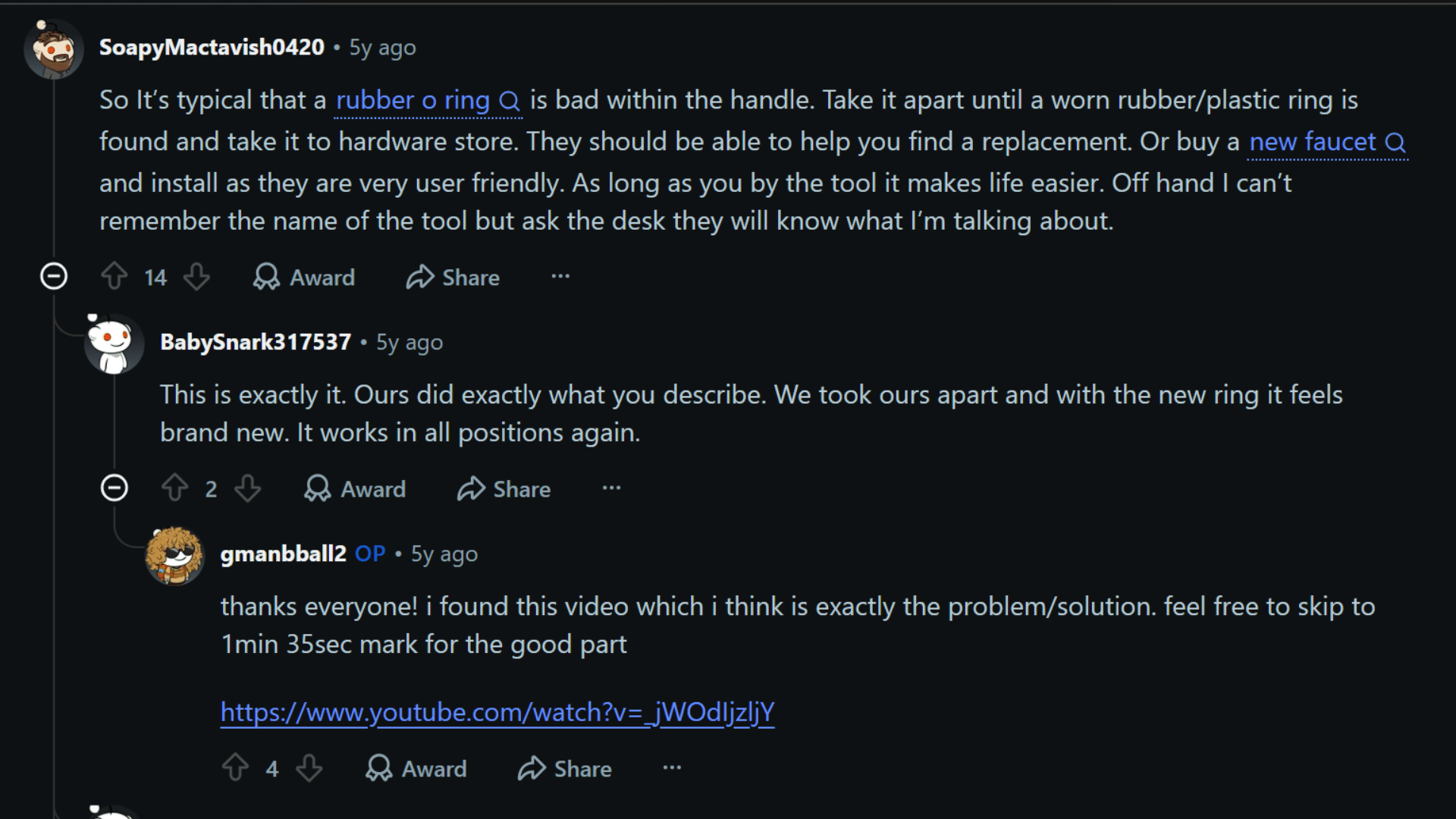
According to several homeowners in an online discussion, a worn O-ring or faulty cartridge is one of the most common reasons a faucet starts dripping.
Many users suggested turning off the water supply, removing the faucet handle, and inspecting the cartridge for damaged rubber seals.
If an O-ring looks cracked or torn, replacing it often stops the leak. Some homeowners also recommended cleaning the aerator because trapped water and mineral buildup can sometimes cause dripping after the faucet is turned off.
Others shared that faucet manufacturers may provide replacement cartridges under warranty.
The general opinion was that most faucet leaks can be fixed with inexpensive parts rather than replacing the entire faucet.
DIY vs Professional Faucet Repair Costs
DIY faucet repairs may cost less upfront, while professional repairs offer expertise, warranties, and fewer risks of costly mistakes or water damage.
| Category | DIY Faucet Repair | Professional Faucet Repair |
|---|---|---|
| Typical Cost | Under $50 for most repairs | $100 to $200 for most repairs |
| Parts Cost | Washers and O-rings: $2 to $10 Cartridges: $10 to $40 |
Usually included in the total repair cost |
| Labor Cost | No labor charges | $75 to $150 per hour |
| Time Required | Depends on experience and repair type | Most repairs take one hour or less |
| Factors Affecting Cost | Faucet brand model replacement parts and any tools needed | Faucet brand model, plumbing condition, and ease of access |
| Best For | Simple repairs such as replacing washers, O-rings, or cartridges | Complex repairs or situations involving corroded valves and unusual fittings |
| Main Benefit | Lowest overall cost and complete control over the repair | Faster repair with professional expertise and lower risk of mistakes |
| When It Is Worth It | When the repair is straightforward, and parts are easy to identify | When dealing with corroded shutoff valves, copper pipe connections, or hard-to-identify fittings |
When to Call a Professional Plumber?
Homeowners can handle many dripping faucet repairs, but some issues are better left to a professional plumber.
Severe corrosion, damaged plumbing connections, or unusual parts that are hard to identify can make the repair more complicated.
Hidden leaks under the sink or inside the wall also need expert attention before they cause more damage. If you feel unsure about taking the faucet apart or putting it back together, calling a plumber is a smart choice.
A licensed plumber can quickly identify the problem, recommend the right repair, and help prevent costly mistakes.
While professional service adds to the cost, it can save time and reduce the risk of water damage during more complex repairs.
Conclusion
A dripping faucet may seem like a minor annoyance at first, but it is often a sign that something inside the fixture needs attention.
Many common causes, like worn washers, O-rings, and cartridges, can be fixed before they turn into expensive repairs. Spotting problems early can help prevent water waste and extend faucet life.
If a repair no longer makes sense, replacing an aging faucet can improve performance, reduce water use, and give your space a fresh update.
The key is to fix the problem early. Have a dripping faucet story or repair tip? Share it in the comments below.
Frequently Asked Questions
Is a Dripping Faucet a Serious Problem?
Yes, a dripping faucet can waste water, increase bills, and eventually cause corrosion or moisture-related damage.
Can a Dripping Faucet Increase Water Bills?
Yes, even a slow drip can waste thousands of gallons of water and raise utility costs over time.
How Long Does It Take to Fix a Dripping Faucet?
Most standard faucet repairs take between 30 minutes and one hour to complete.
What Type of Faucet Is Easiest to Repair?
Compression faucets are usually the easiest to repair because their washers are simple and widely available.