

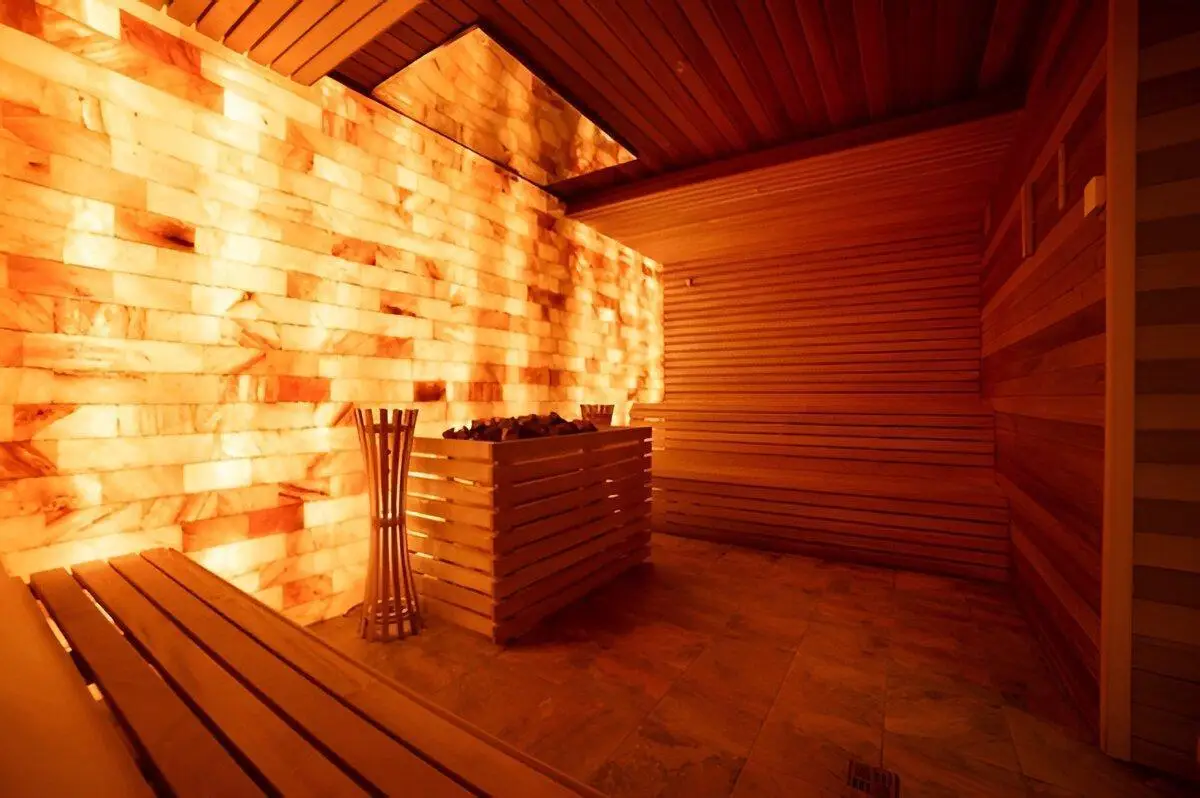
Natural products are the best options for today’s modern houses and offices. They provide great aesthetic value, durability, and cost-effectiveness. The Himalayan salt bricks are an excellent addition to decorate the interiors.
The Himalayan pink salt bricks are mineral-rich. They are produced from Khewra Salt Mine in Pakistan and come in beautiful colors like pink, orange, and amber.
The Himalayan salt bricks walls, fashionable salt wall décor, or modern design elements from the beginning of the 2000s can be easily designed using these bricks. They provide a classic touch to every home and office interior. They appear natural with back-lighting.
They are very versatile in application. They have great texture. These characteristics make them the perfect choice for homeowners. Architects and designers also utilize them greatly. They create elegant interiors inspired by nature.
What Is a Himalayan Salt Wall?
A Himalayan salt wall is a type of wall art. It uses Himalayan pink salt bricks, salt blocks, or panels. LED lights illuminate these. These blocks are full of minerals.
They come from the famous Khewra Salt Mines in Pakistan, one of the oldest and largest salt mines in the world. Every brick is different. Its unique crystal patterns and warm colors make each wall special.
A Himalayan salt brick wall highlights the beauty of natural stone. It stands out against painted walls or manufactured panels. Natural salt brick pairs well with wood, glass, or marble.
This combination creates warm, inviting interiors that feel cozy, not cold. The outcome is an architectural artwork and practical mood lighting.
Himalayan Salt Bricks vs. Salt Wall Panels
If you are looking for a wall panel vs. salt bricks decision, here is what you should consider. Both are great for a beautiful pink salt wall, but they are for different purposes.
Individual Himalayan salt bricks can be flexible walls. They can fit into designs, curves, logos, or artistic patterns to enhance the look. These are perfect for feature walls, especially with handcrafted-looking bricks.
Salt wall panels and Himalayan wall panels, however, are easier to install. The manufacturers preassemble the bricks into sections. This cuts down installation time while still getting the same bright effect. These systems are becoming popular in commercial projects. They offer speed and consistency, but they also look good.
How Does a Himalayan Salt Wall Work?
The charm of a Himalayan salt wall comes from light rather than technology. Warm LED lights behind semi-transparent salt bricks spread light across the wall. The minerals help to diffuse the glow.
The wall gives off a gentle amber glow. This creates a relaxing atmosphere instead of harsh brightness. This soft light makes the wall a nice focal point day and night.
Many people believe salt walls improve indoor air quality or release negative ions. However, current scientific evidence remains limited. Experts say that warm lighting and natural textures help reduce visual stress.
Biophilic interior design also plays a key role in this. These elements help create a more comfortable environment. Designers admire the interior salt wall for its beauty and emotional appeal. However, it does not offer significant medical benefits.
Pros of a Himalayan Salt Wall
However, the biggest advantage that comes from installing a Himalayan salt wall is that you can turn any interior space into a comfortable one. It has a beautiful warm light that creates a warm, pleasant atmosphere that cannot be created by using painted drywall.
It will transform your space – be it residential or commercial – into an absolutely stunning centerpiece. It has an elegant look that will make people remember it for a long time.
Other advantages include the design versatility. A decorative salt wall will fit into different locations. You will see it in modern apartments, cabins, fancy hotels, yoga rooms, and stylish offices.
What Are the Reasons People Love Salt Walls? What Makes Salt Walls So Popular?
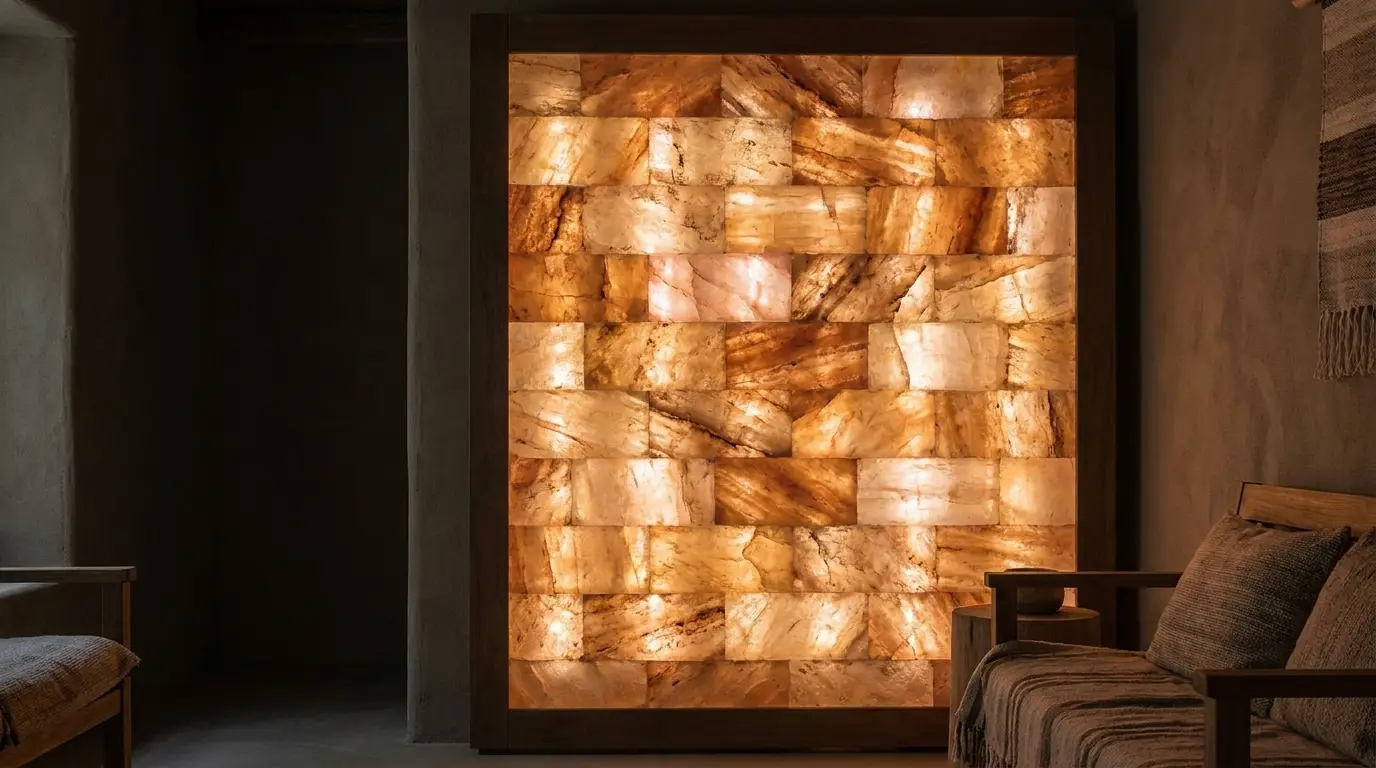
The salt walls are a peaceful place for homeowners. They can read, meditate, or relax after work. Their natural texture makes them popular in wellness wall designs. Designers use them to promote a more mindful and slower way of living. They create a cozy atmosphere all day when used with the ambient lighting wall systems.
This unique feature also lends itself to commercial business use. A glowing Himalayan salt wall creates a strong first impression. You’ll find it in hotel lobbies, luxury spas, wellness centers, and upscale restaurants. It links high quality and relaxation. It’s also a great material for design and branding.
Learn How to Create a Himalayan Salt Wall Step by Step
Before starting a Himalayan salt wall, builders must consider many things. Measure the wall. Check the surface. Look at the electrical setup for LED lighting. The safest place is dry and well-ventilated. Too much moisture can damage mineral-rich salt over time. Good planning minimizes waste. The final wall looks great from every angle.
The frame is set up by professional installers before the bricks. The first thing they test is the lighting, as it is much more difficult to fix electrical problems later on. After choosing the design, they stack the bricks, row by row. They check each section before building higher. This method will create steady lighting and even spacing across the wall.
Installation Process
The steps for installing salt walls are the same for every setup.
- Install wall framing
- Attach LED backlighting
- Add wall-mounting hardware or adhesive
- Place each brick
- Test the lighting
- Seal the project
Taking your time is important. Rushing can lead to uneven joints or lighting shadows. So, it’s worth the effort.
Choosing the Right Salt Wall Adhesive
When choosing a salt adhesive, keep these factors in mind:
The quality of the adhesive is a crucial factor in the strength of a Himalayan salt brick wall. For a normal stone, you can use standard construction glue. But for salt brick, you need a glue that matches its special properties.
A good salt brick adhesive will bond the brick well. It reduces movement and keeps the wall stable for years. A good selection helps protect the installation from small structural shifts, too.
Professional installers don’t choose the adhesive based on the cost. They think about the wall size. They check the brick weight. They also consider indoor humidity and installation.
Then, they make a decision. Some commercial projects use adhesive and mechanical support. This makes it easier to maintain and replace bricks when needed.
Should It Be Tile Adhesive or Salt Brick Adhesive?
In some interior environments, ordinary tile adhesive will work well. Formulated salt wall installation products work better with natural crystal salt. They resist temperature changes better. This reduces the chance of bricks crumbling over time.
Many professionals suggest using adhesive with aluminum framing for big commercial walls. This blended method will provide support without influencing the looks. This makes for a stronger wall. It needs less maintenance later and keeps its natural beauty for years.
Common Installation Mistakes and How to Avoid Them
If the material is top quality, installation won’t be perfect if there are mistakes. A frequent issue is putting a Himalayan salt wall in a moist space without safeguarding. Ventilation matters because moisture can harm both appearance and durability.
This leads to salt absorbing moisture over time. Good planning before work commences on the project can avoid these problems.
The final effect is also affected by lighting mistakes. If leads aren’t placed, dark spots will appear. These spots hide the beautiful mineral patterns in the bricks. Spacing creates uniformity of light and accentuates the individual colors of each wall.
Expert Tips for Better Results
Professionals are used to checking for humidity prior to beginning any projects. Humidity protection, humidity control, and ventilation make the walls more beautiful. The professionals check everything connected with electricity prior to installing the last brick. This process is quite expensive if performed later.
The best advice would be to choose a brick. Pros: mix lighter and darker bricks instead of using one color for the whole wall. This method creates a natural gradient that looks like raw Himalayan rock. It adds more depth and visual interest to the installation.
| Common Mistake | Better Solution |
| High humidity | Improve ventilation |
| Poor LED spacing | Use evenly distributed lighting |
| Weak adhesive | Choose quality salt adhesive |
| Uneven brick layout | Dry-fit bricks before installation |
| Skipping inspection | Test lighting and alignment first |
Building a Himalayan salt wall is easy. With simple upkeep, the wall will keep its natural beauty for years. Himalayan salt bricks have natural colors that do not fade or peel, whereas painted walls can do so.
Care is also important as it avoids dust covering the unique crystal patterns found on each wall. Maintenance is easy and does not need costly cleaning products.
Age is no threat to salt walls. It is humid. You can extend the wall’s life by managing the indoor environment. This helps repel moisture from the air. It’s easy to care for. Most homeowners will see that simple upkeep keeps them looking new for years.
Simple Care Tips
Standard Cleaning Salt Walls starts by using a soft, dry cloth or microfiber duster. Do not water the bricks, as it can cause the surface to deteriorate over time.
Keep your Salt Wall in good shape with proper care. Manage humidity and check it now and then. This will help maintain its warm glow and prevent wear on the sealed salt bricks.
Typical maintenance includes checking the LED lighting, electrical wiring, and wall framing yearly. Small inspections lead to minor repairs down the road. They help keep a long-lasting wall finish that impresses visitors long after installation.
FAQs
How Can Himalayan Salt Bricks Be Used?
Salt bricks of Himalayan origin are the main component in the construction of decorative salt walls. They may also be used to decorate spas, saunas, and wellness centers. They can be used for feature walls, fireplaces, and backlighting.
How Much Is a Brick of Himalayan Salt?
It is important to note that the price of Himalayan salt bricks depends on their dimensions, thickness, and quality. Generally speaking, the price of a brick of salt is $5-$15.
How Much Is a Brick of Pink Salt in Pakistan?
A pink Himalayan salt brick is available in Pakistan at the price of PKR 300-1,000. The bigger order is, the lower the wholesale price is.
What Is the Process Used to Create Salt Bricks?
Salt bricks come from cutting larger blocks of Himalayan pink salt. A special machine does this to ensure uniform sizes. They form, polish, and check the bricks. Then, workers pack them for construction and decoration.
For How Many Uses Will a Himalayan Salt Block Last?
A Himalayan salt block can last for decades if you take care of it and install it in a dry indoor space. You can improve this by reducing moisture exposure and cleaning it often.
Conclusion
Himalayan salt bricks are a perfect mix of beauty, strength, and lasting appeal. You can use them for a feature wall, a home spa, or a commercial space. They add warmth and elegance to any interior. These special bricks last for many years with proper installation and care. They offer great value for both modern and traditional styles.