

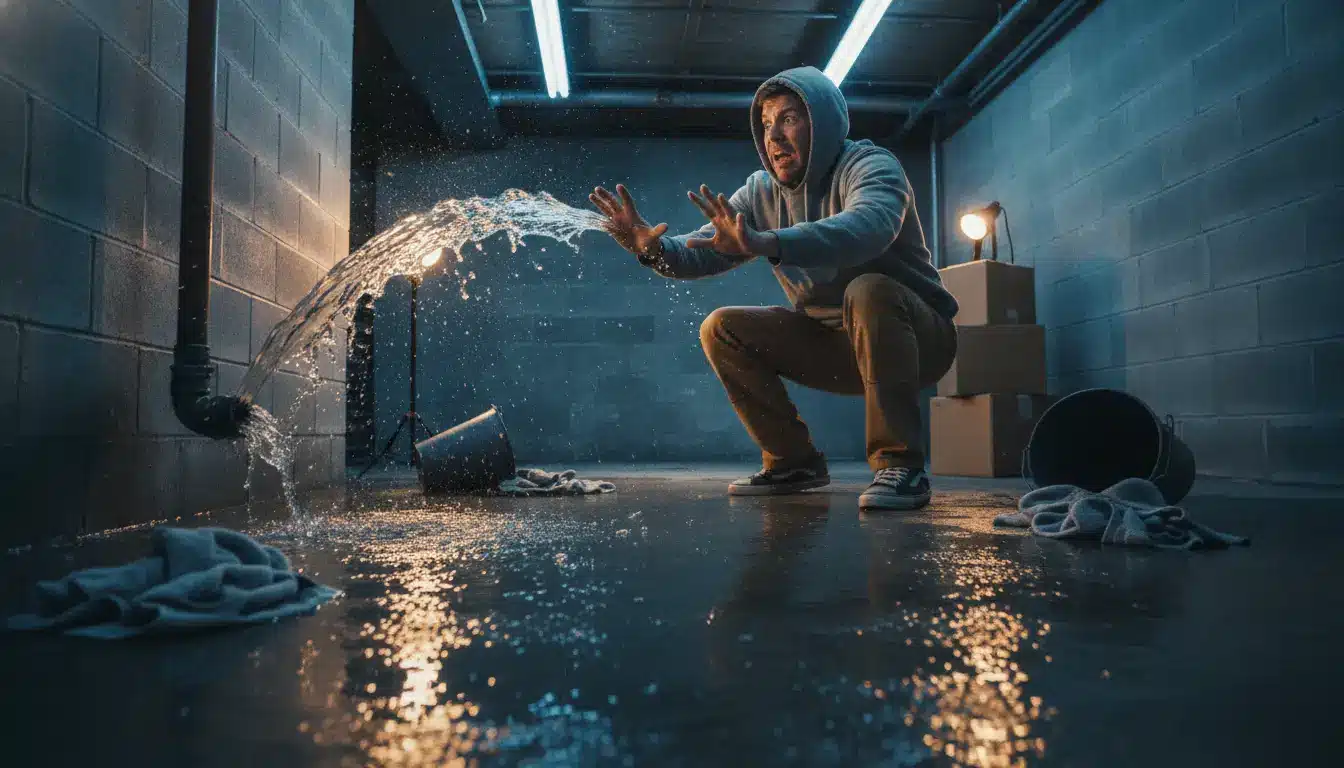
A pipe bursts. The basement is filled with water. The toilet won’t stop overflowing. These situations don’t come with a warning, and when they hit, most people freeze, unsure whether to call someone, try to fix it themselves, or just stand there watching the damage spread.
The first 30 minutes of a plumbing emergency matter more than most homeowners realize. The decisions you make in that window can mean the difference between a manageable repair and a major restoration project. Here’s what to do.
Step 1: Shut Off the Water; Right Now
Before anything else, stop the water. If the problem is isolated to one fixture, a toilet, a sink, or a washing machine, there’s usually a shutoff valve right behind or beneath it. Turn it clockwise until it stops.
If you can’t find the local shutoff, or if the problem is more widespread, go straight to your main shutoff valve. In most Toronto homes, it’s located near the front foundation wall in the basement. Know where yours is before you ever need it, that’s not advice you want to be googling while water is spreading across your floor.
Step 2: Turn Off the Water Heater
If you’ve had to shut off the main water supply, turn off your water heater too. Running a water heater without a water supply can damage the unit or, in the case of gas heaters, create a safety hazard. Switch electric heaters to the breaker; turn gas heaters to the pilot setting.
Step 3: Open Drains and Faucets
Once the main supply is off, open a few faucets at the lowest level of your home. This helps drain the remaining water out of your pipes and relieves pressure, which reduces the risk of further damage while you wait for help to arrive.
Step 4: Document the Damage
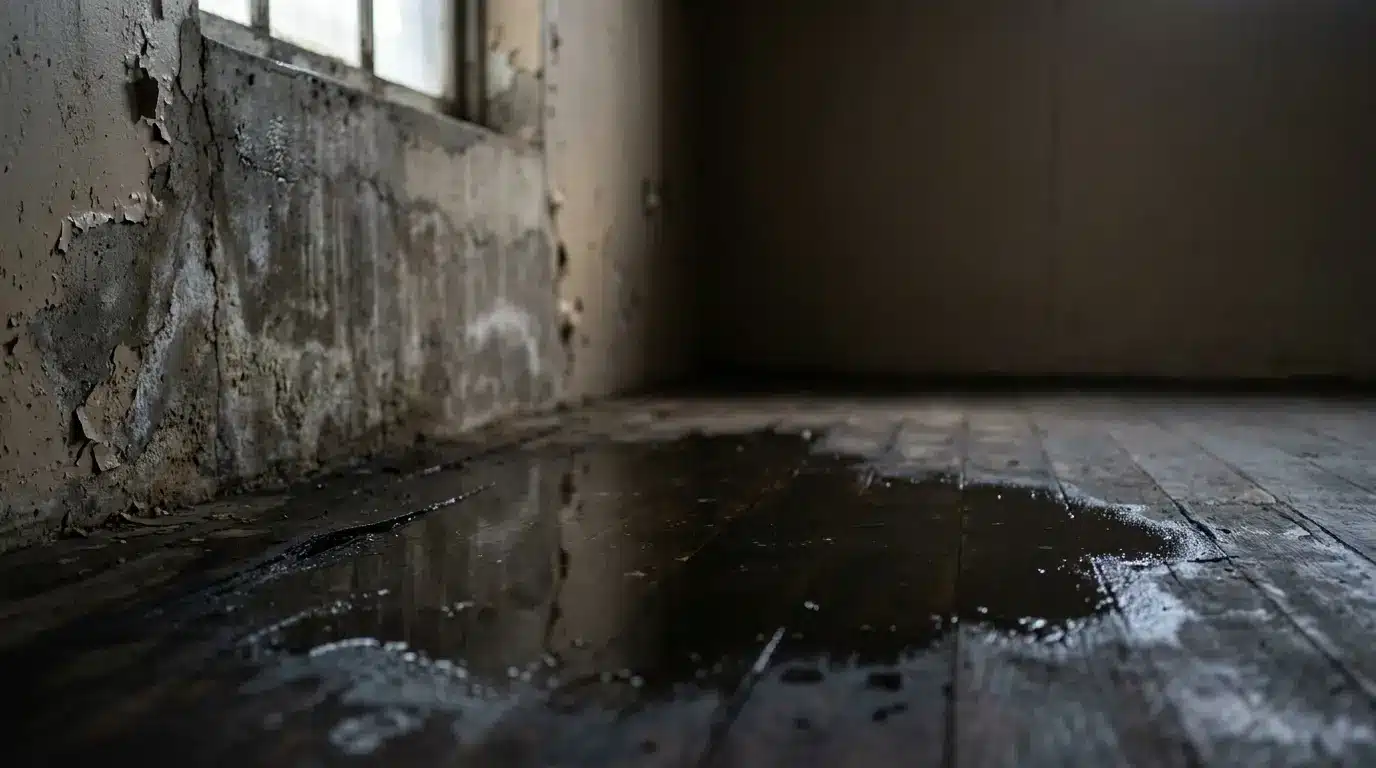
Take photos and video of everything, the source of the problem, the affected area, any visible damage to walls, floors, or belongings. Do this before you start cleaning anything up.
This documentation matters for two reasons: your insurance claim, and the plumber’s diagnosis. The more clearly you can show what happened and where, the faster a professional can assess the situation when they arrive.
Step 5: Call Your Insurance Company
Many homeowners don’t realize that water damage from a sudden, accidental plumbing failure is often covered under standard home insurance policies. Call your provider early, even before the repair is done, to understand what’s covered and what documentation they’ll need.
Keep in mind that gradual leaks or slow damage that build up over time are typically not covered. Insurers distinguish between sudden events and maintenance issues that were left unaddressed.
Step 6: Call a Licensed Plumber
Now that the immediate situation is under control, it’s time to get a professional on the phone. For serious emergencies, burst pipes, sewage backups, flooding, you want someone who offers 24/7 response, not just regular business hours.
When you call, be ready to describe: where the problem is, whether you’ve shut off the water, and what you can see happening. The more specific you are, the better they can prepare before they arrive.
If you’re in a big and busy city like Toronto and searching for an emergency plumber in Toronto, look for a company that’s licensed, local, and available around the clock, not just one that shows up first in a search result.
Step 7: Start Managing the Water
While you wait for the plumber, do what you can to limit the spread. Towels, mops, buckets, a wet-dry vac if you have one. Move furniture and valuables out of the affected area. If water has reached electrical outlets or your breaker panel, don’t enter that area, call an electrician or your utility provider first.
Most Emergencies Start as Ignored Warnings
The worst plumbing emergencies aren’t always the dramatic ones. Sometimes it’s a slow leak behind a wall that goes unnoticed for months, until the drywall gives out, or mold sets in, or a pipe finally fails entirely.
Regular maintenance and annual inspections won’t prevent every emergency, but they catch the problems that are quietly building before they become ones you can’t ignore. A small investment in prevention almost always beats a large, urgent repair.