

If you want to sell a house fast, the first decision you make shapes everything that follows. The method you choose sets your timeline, tells you which prep work matters, and determines how much you walk away with.
Pick the wrong path, and no amount of staging or pricing tricks will fix it.
Today, I’ll go over how to sell a home fast, which sale path fits your situation, how to get the home ready once you’ve chosen, and how to price and list for offers in the first week. Let’s get started.
Which Sale Method Should You Choose?
Every sales method trades speed for profit differently. Understanding that trade-off before you do anything else is the decision that actually moves the needle.
| Sale Method | Typical Timeline | What to Know |
|---|---|---|
| Cash buyer / “we buy houses.” | 7–14 days | Closes fastest, but expect offers 10–20% below market value. Speed comes at a price. |
| iBuyer (Opendoor, etc.) | 14–30 days | Near-market pricing, but service fees can run 5–8%. Availability varies by city. |
| Agent-listed sale | 30–45 days | Best shot at full market value. Timeline depends on prep, pricing, and your local market. |
If your market runs slow or you’re listing in winter, add time to the agent estimate. That 30–45 days assumes the home is ready, priced well, and pulling real interest from day one.
Selling to a Cash Buyer or “We Buy Houses” Company
When you’re focused on selling a home fast, a cash buyer or investor becomes the quickest route, closing in as few as 7–14 days. They skip mortgage approvals and most contingencies. For the right situation, that speed is worth something.
That discount isn’t the buyer being stingy. It reflects their repair costs, holding time, and the risk of reselling, all priced into the offer from the start.
I’ve seen sellers burn two weeks trying to negotiate a cash offer up, not realizing the gap isn’t personal. It’s the business model. Once you get that, you can make the call fast: is the speed worth the price?
Using an iBuyer
Opendoor is the main iBuyer running at scale in the US. They use automated pricing to turn around an offer quickly, and the headline number often looks close to market value. Look closer before you commit.
Service fees run 5–8%, and that’s before repair credits. Those credits come from their contractor estimates, not yours. Your real net can end up well below what the offer implied.
Check availability in your city first; coverage is uneven, and plenty of markets don’t have a live iBuyer option.
Listing with an Agent for a Fast Sale
If the goal is how to sell a home fast while still aiming for full market value, a well-run agent listing can beat both alternatives on net and still close in 30–45 days. Though the home’s condition matters more than the method. If it’s ready and priced right, the timeline holds.
Skip the reviews when you’re vetting agents. Pull their average days on market instead.
That number shows you how they actually price and sell homes. A good agent walks into the first meeting with a CMA, a comparison of recent nearby sales, and a number they can back up.
How to Prepare Your Home for a Fast Sale
Fast-sale prep isn’t about making the home perfect. It’s about taking away every reason a buyer has to pause before they walk in and before their inspector hands them ammunition to renegotiate.
1. Curb Appeal Fixes that Take One Weekend
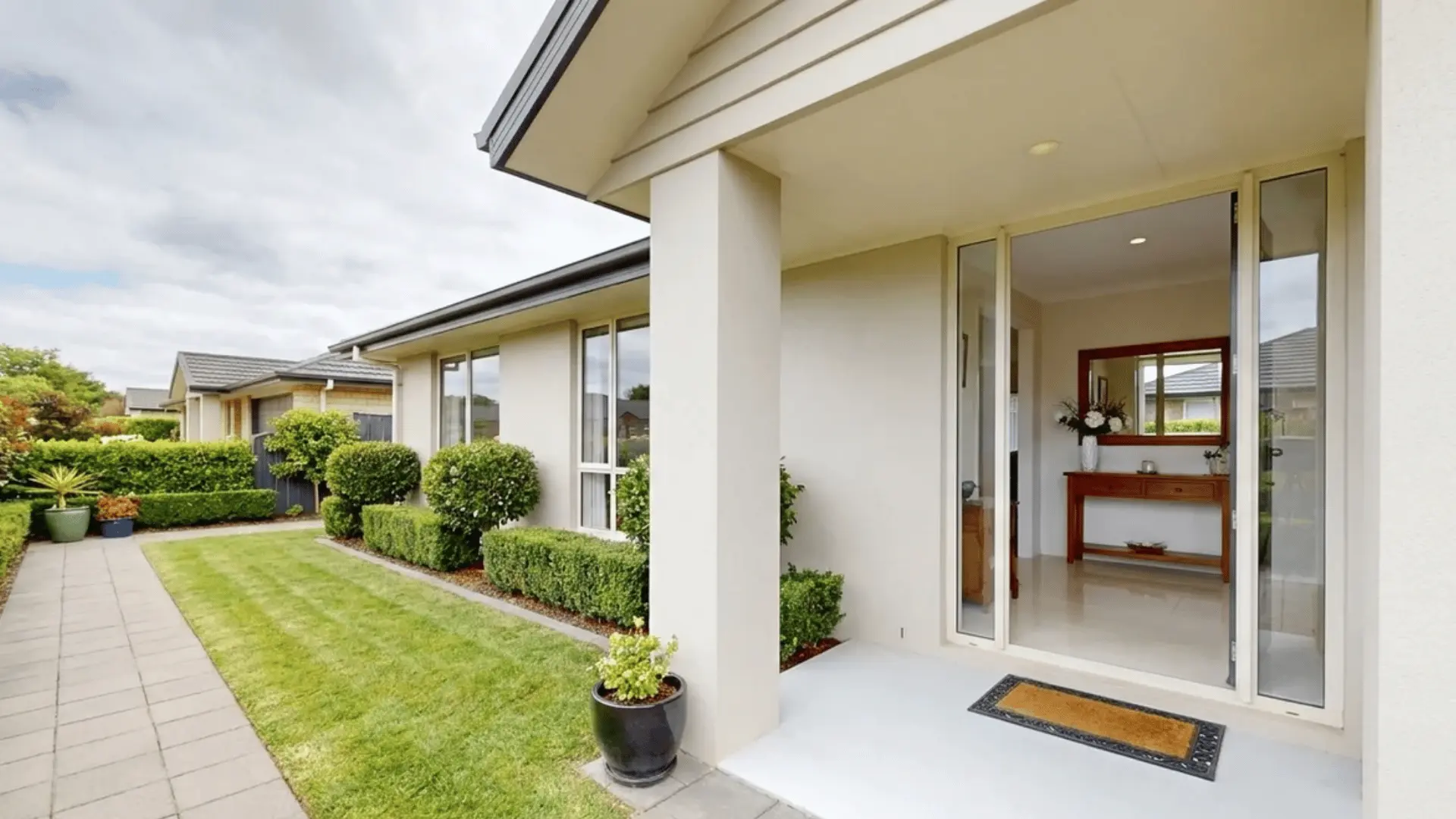
Buyers form their first impression before they step out of the car. One weekend of work changes how your listing photos land and how a showing feels from the second someone pulls up.
These are the fixes that actually make a difference:
- Mow, edge, and pull dead or overgrown plants
- Power wash the driveway, paths, and exterior walls
- Repaint or swap out a worn front door
- Put up a new doormat and fresh house numbers, buyers notice these more than you’d think
- Clear the porch of anything that doesn’t belong there
None of it costs much. The payoff is in how the home reads at a glance, and that first read decides whether someone books a showing.
2. Interior Fixes Worth Doing (and What to Skip)
Buyers spend the first 30 seconds deciding if they can see themselves living there. They’re looking at the entryway, the kitchen, and the bathrooms. That’s where your energy goes.
Do these:
- Deep clean every surface, appliance, and corner, including spots guests never see
- Remove at least a third of each room’s contents to make spaces feel bigger
- Touch up or repaint scuffed, dark, or dated walls
- Swap out bulbs throughout and go with warm light
That list takes a weekend and costs almost nothing. The list below is where sellers throw away time and money:
Skip these:
- Roof or HVAC replacement unless it’s broken right now
- Partial kitchen or bathroom work; a half-finished kitchen raises questions, not value
- New flooring unless it’s genuinely worn out
Partial renovations are the prep mistake I see most often. They push your listing back by weeks and give buyers something to pick apart instead of something to want.
3. Pre-Listing Inspection
A pre-listing inspection is one you pay for before buyers ever see the home. It costs a few hundred dollars, but trust me, it can protect a deal worth far more.
The goal isn’t to fix everything. It’s to know what’s there. You can disclose it, price around it, or deal with it on your schedule, not in the middle of a live contract.
I’ve watched deals fall apart in the final week because a roof issue or bad wiring caught everyone off guard after an offer was already signed.
A pre-listing inspection is the thing that stops that from happening to you.
4. Staging and Photography
Most buyers decide whether to book a showing based on photos. Your photos are your first showing. They need to do real work.
Here’s how to handle staging and photography when speed is the goal:
- Professional photography is the best money you’ll spend. More views mean more showings, and more showings mean faster offers.
- For occupied homes, decluttering and rearranging furniture are enough; a full staging package usually isn’t needed.
- Virtual staging works online, but a vacant home that looks furnished in photos can disappoint buyers in person. Keep that in mind if the property sits empty.
Tell your photographer which rooms are strongest before they show up. Tell them what to feature and what to skip. If they don’t ask those questions, give them the answers anyway.
How to Price, List, and Show it Right for Maximum Speed
Pricing below market isn’t giving something away. It’s a move to pull buyer attention into your first week, and the reason it works is worth knowing.
Pricing to Attract Offers in the First Week
Price 1–3% below recent comparable sales, and something specific happens. Buyers who’ve been watching the market spot the value right away.
That cuts their hesitation. It shrinks the gap between “I saw this listing” and “I want to see it today.”
Heavy traffic in the first week creates social proof. Buyers know other buyers are looking. That’s what starts a bidding war, not the low price, but the competition it draws in. It’s a chain reaction
Getting this wrong costs more than the discount would have.
Homes that sit collect doubt. Buyers assume something’s off. Days on the market climbs, your leverage shrinks, and you often cut the price by more than a below-market launch would have cost. Have your agent pull a CMA before you set the number.
Getting Maximum Exposure from Day One
A listing that trickles onto platforms over a few days burns days-on-market numbers before most buyers find it. Buyers track that counter, and a high number raises red flags before anyone’s even seen the place.
Hit the MLS and every major portal at the same time. List Thursday or Friday to catch weekend traffic. In a slow market, ask your agent about promoted listings. Share it yourself.
Spring and early autumn tend to move faster; use that if you have any flexibility on timing.
Showing Access that Doesn’t Cost You Offers
You don’t have to say yes to every request at every hour. But every showing window you close is a motivated buyer who might not come back.
A lockbox lets agents schedule showings without going through you each time. A first-weekend open house bundles interest and creates a sense of urgency around your launch. Set limits that fit your life; just go in knowing the trade-off.
Wrapping Up
The three decisions about which method fits your situation, how to get the home ready, and how to price and list it aren’t separate. They connect.
Getting the first one right makes the preparation clearer. Solid prep makes your price easier to hold. The right price makes everything after it faster.
Knowing how to sell a house fast comes down to making these calls in the right order, with a clear read on what each one costs you.
Frequently Asked Questions
What’s the fastest way to sell a house?
Accepting a cash offer from a direct buyer or iBuyer is the fastest path — closing in as few as 7–14 days because it skips mortgage approvals and most contingencies. On the open market, pricing below comparable sales and listing on the MLS gives you the best shot at an offer inside the first week.
Can I sell my house in 7 days?
Yes — but only through a cash buyer or iBuyer. They can make an offer within 24–48 hours and close without waiting on financing. Traditional agent sales almost never move that fast. Even a well-prepared, correctly priced home usually takes 2–4 weeks to get a strong offer accepted.
How do I sell my house fast without losing money?
Price at or slightly below recent comparable sales — not below your equity target. Put money into professional photography and basic staging; these lift offer quality, not just speed. Skip partial renovations that push back your listing date. An agent with a low average days-on-market record will protect your net better than a discounted cash offer.
What is a pre-listing inspection and do I need one?
A pre-listing inspection is one you commission before buyers see the home. It finds issues early so you can disclose them, price around them, or fix them on your own schedule. It cuts the chance of a deal falling through after you’ve accepted an offer and already started planning your move.