

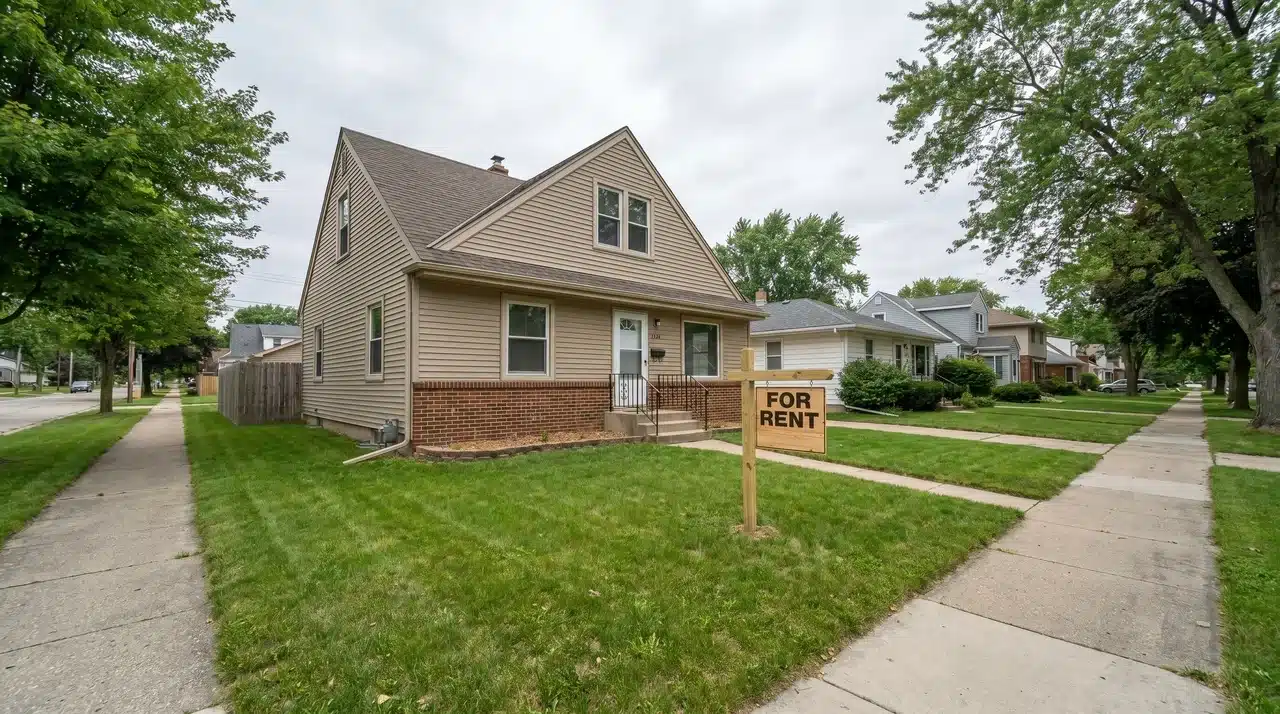
Think owning a rental is just collecting checks? It isn’t. Learning how to become a landlord means running a small business, tracking income, managing expenses, meeting legal rules, and keeping tenants happy.
Every call you make, from picking a property to screening applicants, decides whether your rental earns money or loses it. The good news: the steps are learnable, and they run in a set order.
Get the finances right first. Then sort out the legal layer. Then find the property, the tenant, and the management setup that keeps it all running.
Are Your Finances Ready for a Rental Property?
Most people think financial readiness means having a down payment. It doesn’t. You need to know your monthly numbers cold and have a buffer for costs that will arrive, not might arrive.
How to Run the Numbers Before You Buy
The 1% rule is the first filter most landlords learn. A property’s monthly rent should equal at least 1% of its purchase price before it’s worth looking at closely. In high-cost markets, almost nothing clears that bar, so use it as a quick screen, not a final call.
The real test is a full cash flow model. Add up the actual monthly costs:
- mortgage payment
- property taxes
- insurance
- a vacancy allowance
- maintenance reserve.
If the rent covers all of that with money left over, the property works. If it only holds together in a best-case scenario, it doesn’t.
I’ve seen first-time landlords buy a property that looks profitable on paper and end up negative within the first year. It’s almost always the same thing: they trusted the one-line filter and skipped the full model.
What Cash Reserves Do You Actually Need?
Here’s the thing that catches new landlords off guard most often: vacancy and turnover aren’t surprises. They’re predictable annual costs, and you need to plan for them before you close on anything.
Your reserves need to cover three things that will happen:
- Budget for 1–2 months of vacancy per year, even with solid tenants.
- Set aside roughly 1% of the property’s value every year for maintenance, a roof, HVAC unit, or plumbing issue can show up in year one.
- Tenant turnover costs add up fast: cleaning, minor repairs, and re-listing fees hit your wallet every time a tenant leaves.
If your budget only covers the mortgage, you’re not ready yet. A vacant unit sitting empty for 30 days while you scramble isn’t a temporary setback. It’s a cash gap you could have planned around.
How Do You Find the Right Rental Property and Market?

Buying a rental is not like buying a home to live in. The criteria are different. What matters here is whether the property works as a business, and that comes down to the market around it.
Single-Family vs. Multi-Unit: What Changes
The type of property you pick shapes your financing, your workload, and how much you earn. There’s no universally right answer; it depends on your budget and how much hands-on work you’re ready to take on.
| Property Type | Pros | Cons | Best For |
|---|---|---|---|
| Single-Family Home | Easier to finance; attracts longer-term tenants | One income stream; vacancy hits hard | First-time landlords who want simpler management |
| Multi-Unit Property | Higher income potential; one vacancy doesn’t stop all income | More complex to manage: multiple leases, maintenance, and possibly different legal rules | Landlords with more capital who are ready for hands-on management |
If you’re just starting out, a single-family home is usually the cleaner first move. Fewer moving parts mean fewer places for things to go wrong while you’re still learning.
What Makes a Market Work for Rentals?
You can buy a great property in the wrong market and still lose money every month. That’s the part most first-timers don’t see coming.
A property in a high-appreciation area can look strong on paper and still not cash-flow. Appreciation and monthly income don’t move together. You’re buying for what the property earns each month, not what it might be worth in five years.
Two numbers tell you whether a market works:
the local vacancy rate and closed rents what units like yours have actually rented for, not what landlords are asking.
- Low vacancy means real demand.
- Closed rents tell you what tenants will pay.
I always look at proximity to employment centers, transit, and schools before anything else. Those factors drive occupancy far more than how nice the street looks. A good market makes every other problem more manageable.
What Are Your Legal Obligations as a Landlord?
This is the layer that trips up more new landlords than anything else, especially when learning how to become a landlord.
Legal compliance works at three levels: federal, state, and local, all active at once. Miss anyone, and no lease clause will protect you.
Federal, State, and Local Rules: What Each Layer Covers
Each level has its own rules, and they don’t overlap neatly. Here’s what you’re dealing with at each one:
- Federal law: The Fair Housing Act covers how you advertise, how you screen, and what you can ask applicants. Even accidental inconsistencies like running credit checks on some applicants but not others can expose you to a complaint.
- State law: This is where your rules around security deposits live how much you can collect, how long you have to return them, and how the eviction process works. State law sets the floor of what you must do as a landlord.
- Local law: This is the layer most new landlords skip, and it’s the one that bites first. Many cities require a rental license or property registration before you can legally rent anything out. That usually means contacting your local housing authority, completing registration, and possibly passing an inspection. Do all of this before you list the unit. Rules vary by city and change without much notice.
I’ve seen people collecting rent for months without knowing they needed a local rental license. The fine isn’t even the worst part it’s the legal exposure it creates if a tenant ever challenges you.
Insurance and Entity Protection
Before your first tenant moves in, two things need to be in place. Skipping either one is a risk most landlords only understand after something goes wrong.
Landlord insurance is not the same as a homeowner’s policy. It covers damage caused by tenants, liability if someone gets hurt on the property, and lost rental income if the unit can’t be occupied. Check that you have the right product, not just any policy with the property on it.
Forming an LLC keeps your rental finances and liability separate from your personal ones.
Whether it makes sense for a single property depends on your situation. A real estate attorney or CPA can walk you through it. The point is to make that call on purpose, not skip it because it seemed like extra paperwork.
How Do You Find, Screen, and Sign a Tenant?
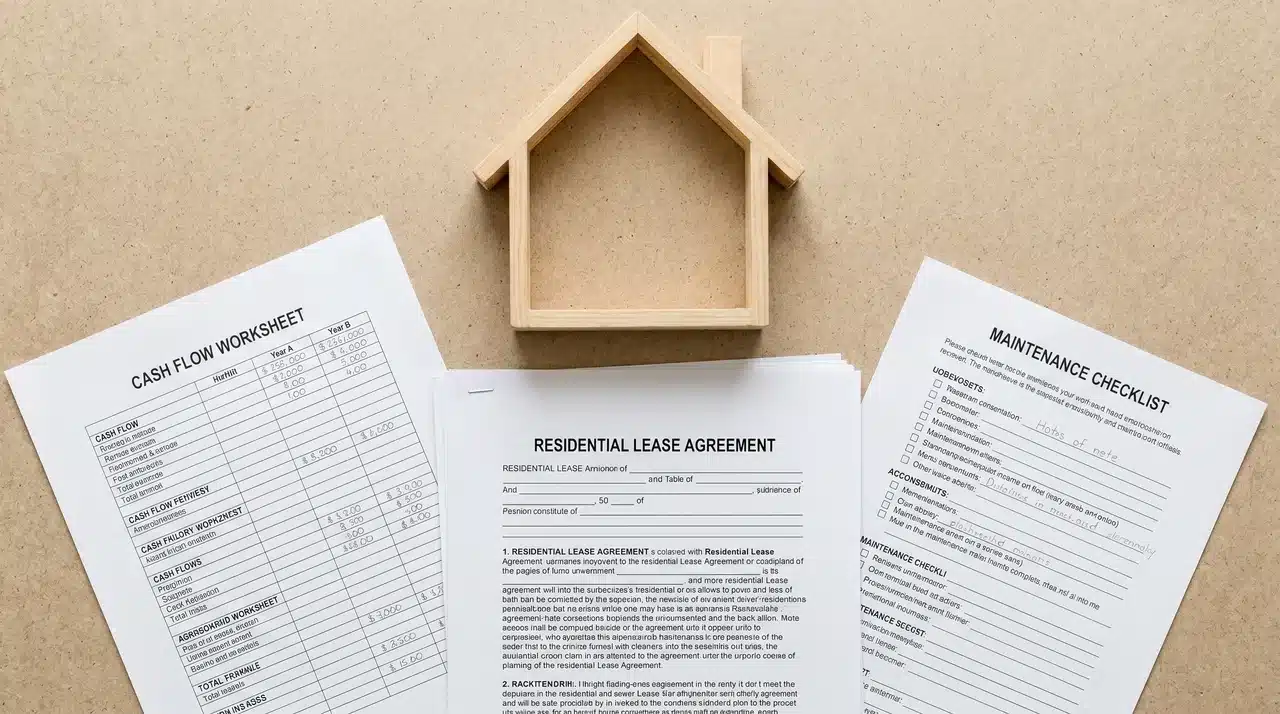
Getting a tenant in place is a four-step run: set the rent, list the property, screen applicants, sign the lease. Each step depends on the one before it. Get one wrong, and the damage usually shows up later, not right away.
Setting Rent and Listing the Property
Rent is set by the market. Start with closed rents, what similar units in your area have actually rented for lately, not what landlords are listing.
When the price is set above the market, the property just sits there. Vacancy drags on, and that waiting time usually ends up costing more than the extra rent you were trying to get in the first place.
List on Zillow Rental Manager or Apartments.com to reach the most renters. Use wide-angle photos and clean spaces. Put the rent, deposit, lease term, pet policy, and who pays utilities right in the listing.
Getting those details out front cuts the back-and-forth before it starts.
Screening Tenants and Signing the Lease
Screening is where most first-time landlords underestimate what’s at stake. A solid process covers:
- credit check
- background check
- eviction history
- income verification
- Direct call to previous landlords
Don’t just ask if they’d rent to the person again. Ask how they handled late payments and what shape they left the unit in.
Fair Housing Act protection
This isn’t about doing a credit check. It’s about consistency. You need written criteria, set before you see any applications, applied the same way to every person.
Rule of thumb: annual rent shouldn’t exceed 30% of a tenant’s gross income. Push past that and the risk of missed payments goes up sharply.
Your lease agreement has to be state-specific. A generic template can look complete and still fall apart in court. State law decides what’s enforceable.
A clause that works fine in one state can be void in another. That means your late fee, your pet policy, your deposit terms. Have a real estate attorney look at your lease before you hand it to anyone.
How Do You Manage a Rental Property Day to Day?
Once the lease is signed, your job becomes keeping the property in good shape and responding to tenant issues fast. How you handle both is a decision to make before move-in day, not after the first problem shows up at 10 pm.
Most new landlords think this is a two-option choice: do it yourself or hire a property manager. There’s a third path.
Avail and TurboTenant are platforms built for landlords who want to self-manage without drowning in admin. They handle rental applications, digital rent collection, and maintenance requests. For one or two local units, this is usually the right call.
| Management Option | Pros | Cons | Best For |
|---|---|---|---|
| Self-Management with Software | Full control; lower cost; software handles applications, rent collection, and maintenance tracking | You still take the calls, deal with late payments, and handle issues directly | Landlords with 1–2 local units who can stay organized and responsive |
| Property Manager | Saves time; handles daily operations; best for remote owners or multiple units | Costs 8–12% of monthly rent and major repairs, lease enforcement, and big decisions stay yours regardless | Landlords with multiple units, properties far from home, or limited availability |
The 8–12% fee adds up fast, and a property manager doesn’t lift the big decisions off your plate. Those stay yours no matter what you pay. Know that going in.
Conclusion
The process works best when the steps stay in order, especially when learning how to become a landlord. Finances come first: know your numbers before committing to any property.
Then legal compliance at the federal, state, and local levels, including local licensing that often trips up first-timers. After that, the right market, consistent screening, and a lease that actually holds up in your state.
Most landlord struggles don’t come from one big mistake. They come from missing something early and only seeing the impact later. Strong systems set up before problems show up are what keep rentals stable over time.
A simple starting point: run a cash flow model on a property you’re considering, or check your local housing authority site for licensing rules. Both take under an hour and quickly show where things stand.
Frequently Asked Questions
What is required to become a landlord?
You need to own or buy a rental property, get any local rental license or property registration your city requires, and follow the Fair Housing Act and your state’s landlord-tenant laws. You also need a state-specific lease, landlord insurance, and a system for collecting rent and handling maintenance requests.
Can a landlord raise rent during an existing lease term?
In most states, rent can’t go up during a fixed-term lease unless the lease says it can. For month-to-month tenancies, most states require written notice, usually 30 to 60 days before a rent increase takes effect. Local rent control rules may add more limits or require longer notice.
How long does the eviction process typically take?
It depends on the reason and the state. Most evictions start with a written notice, then a court filing if the tenant doesn’t leave, then a hearing and enforcement. A contested eviction can take anywhere from a few weeks to several months from the first notice to the finish.
What happens when a lease ends and the tenant stays without signing a new one?
In most states, the tenancy shifts to month-to-month under the original lease terms. Either side can end it with proper written notice, usually 30 days, unless the original lease or local law says otherwise.