

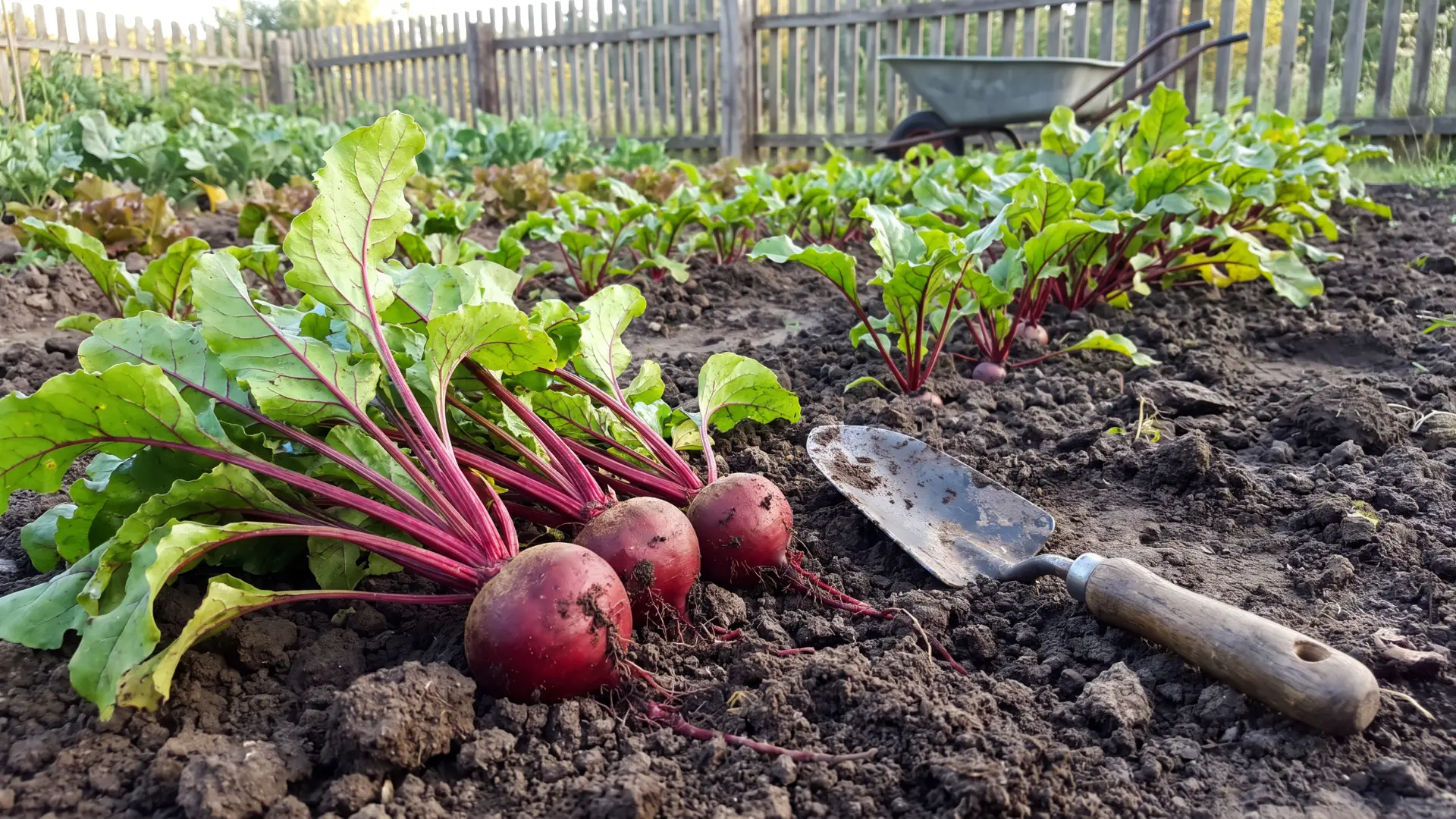
Healthy beet leaves can hide a disappointing problem: tiny roots beneath the soil. I know how frustrating it feels to care for a crop, wait patiently, and pull up almost nothing worth eating.
Learning how to grow beets starts with getting a few early choices right. You need cool weather, loose soil, enough room between plants, and steady moisture as the roots form.
I have also found that careful thinning and restrained feeding make a noticeable difference. Here’s what has helped me learn how to grow beets, why each step matters, and a few go-to gardening references I keep coming back to. Let’s start with choosing the right time and place to plant.
When and Where to Plant Beets
Beets are cool-season vegetables that grow best when daytime temperatures stay near 50–75°F. They need at least six hours of direct sun, though light afternoon shade can help during a warm spring, a light requirement they share with plenty of other full-sun root crops.
Heat, crowding, dry soil, and excess nitrogen often produce plenty of leaves with small or tough roots, so timing and spacing matter as much as the soil itself.
Planting dates depend on local soil temperatures and frost patterns. Beet seeds germinate in cool soil, and established seedlings can handle a light frost.
- Spring planting: Sow seeds in early spring as soon as the ground can be worked, about four weeks before the final expected frost in most areas. Add another short row every two or three weeks while the weather stays mild. This succession sowing prevents every beet from reaching harvest size at once and gives you fresh roots over a longer period.
- Fall planting: Start a fall crop in late summer, about eight to ten weeks before the first expected hard frost. Warm soil can dry quickly, so check the seedbed daily during germination. Fall beets often develop a sweet flavor as cooler nights arrive. Harvest before the ground freezes solid, or protect the bed with mulch during light cold spells.
- Warm climates: In mild or frost-free regions, plant from fall through early spring. Avoid starting a crop before long stretches of heat; temperatures above 80–85°F can slow germination, limit root growth, and cause older plants to send up flower stalks (bolting).
As the season winds down, watch for bolting. Once it begins, roots become tougher and less enjoyable to eat. Harvest remaining beets before extreme heat arrives, or let bolted plants flower and collect seed for next time.
How to Prepare the Soil
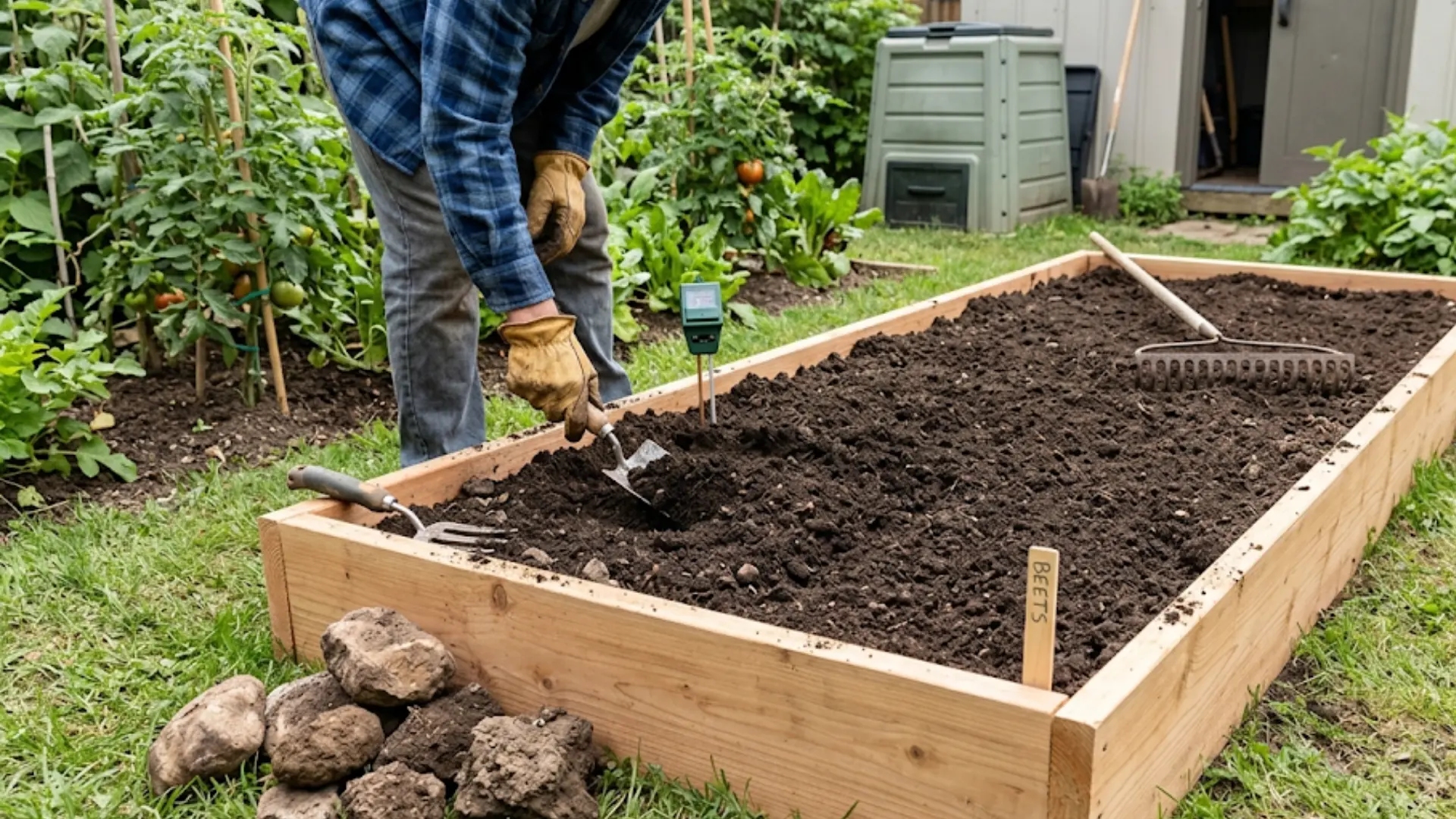
Choose loose, well-draining soil with a pH of 6.0–7.0. Stones and hard clumps can block the roots and cause forked or misshapen beets, so loosen the top 8–12 inches before sowing and remove anything that could get in the way.
Work in a modest layer of finished compost if the bed lacks organic matter, then rake the surface level. Avoid fresh manure and heavy applications of high-nitrogen fertilizer; both push energy into leafy tops at the expense of the roots. A soil test is the safest basis for deciding whether to add anything at all.
Raised beds are useful in heavy clay or poorly drained ground, since they make it easier to create a loose root zone without reworking a large area of native soil. If you’d rather build one than fight with existing ground, there are plenty of straightforward raised bed frame designs that work well for a bed this size.
How to Grow Beets: Step-by-Step
Follow these simple steps to grow healthy beets from seed to harvest. Learn the right planting, care, and harvesting methods for a successful crop.
Tools and Materials
- Garden trowel or small hand shovel
- Garden gloves
- Watering can or garden hose with a gentle nozzle
- Small scissors or garden snips (for harvesting greens)
- Plant marker or labels
- Beet seeds (Early Wonder, Golden, Chioggia, Detroit Dark Red, or another variety suited to your taste and climate)
Step 1: Choose the Right Planting Time
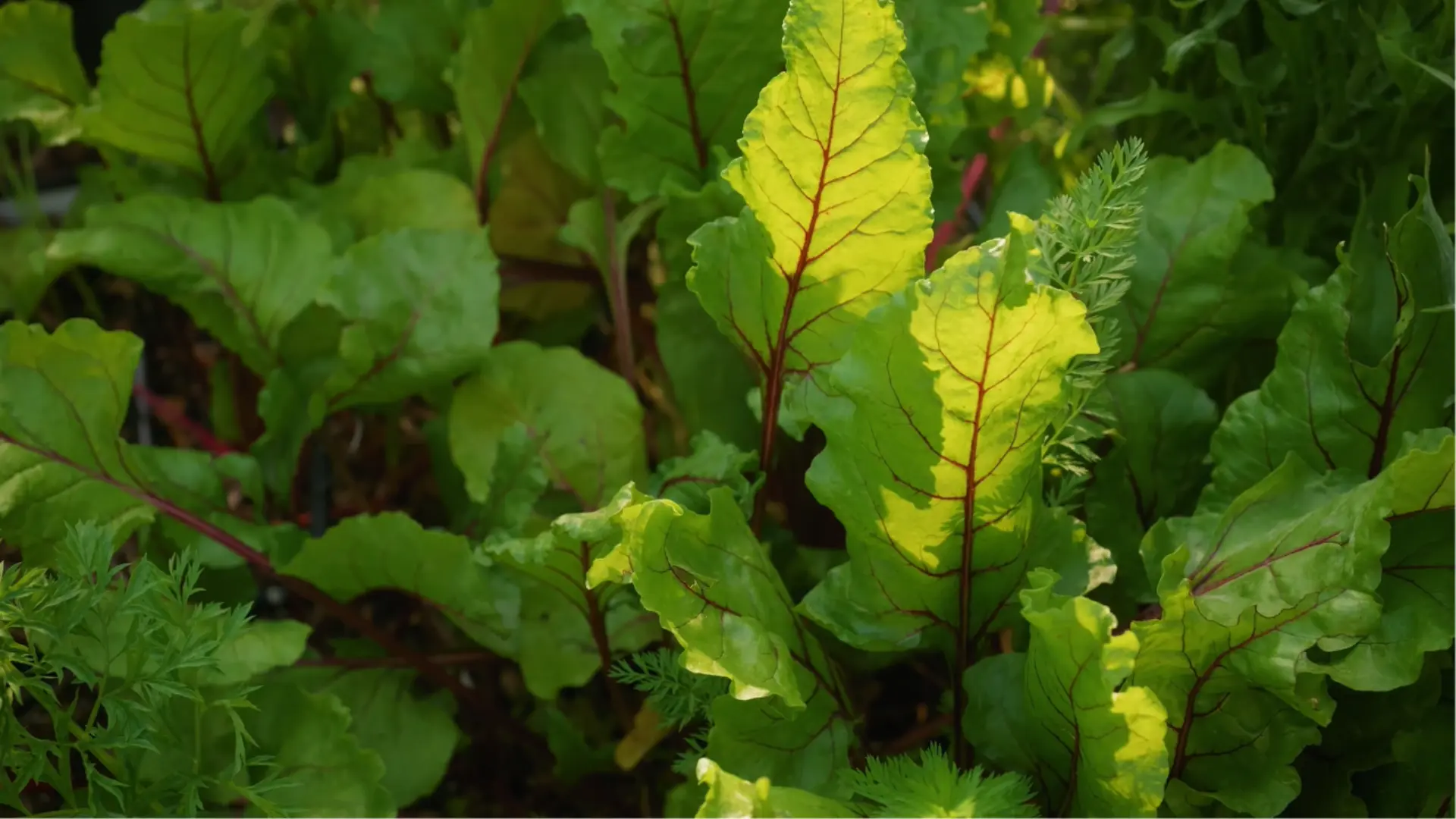
Start by choosing a planting time that matches your climate. Beets grow best in cooler weather and can handle light frost, but they struggle during hot, dry conditions.
In cooler regions, plant beet seeds about one month before the last spring frost when soil temperatures are around 50°F. In warmer climates, plant in fall and grow them through the cooler months.
For a steady harvest, plant new seeds every few weeks while daytime temperatures stay below 80°F.
Step 2: Prepare the Soil and Plant Beet Seeds
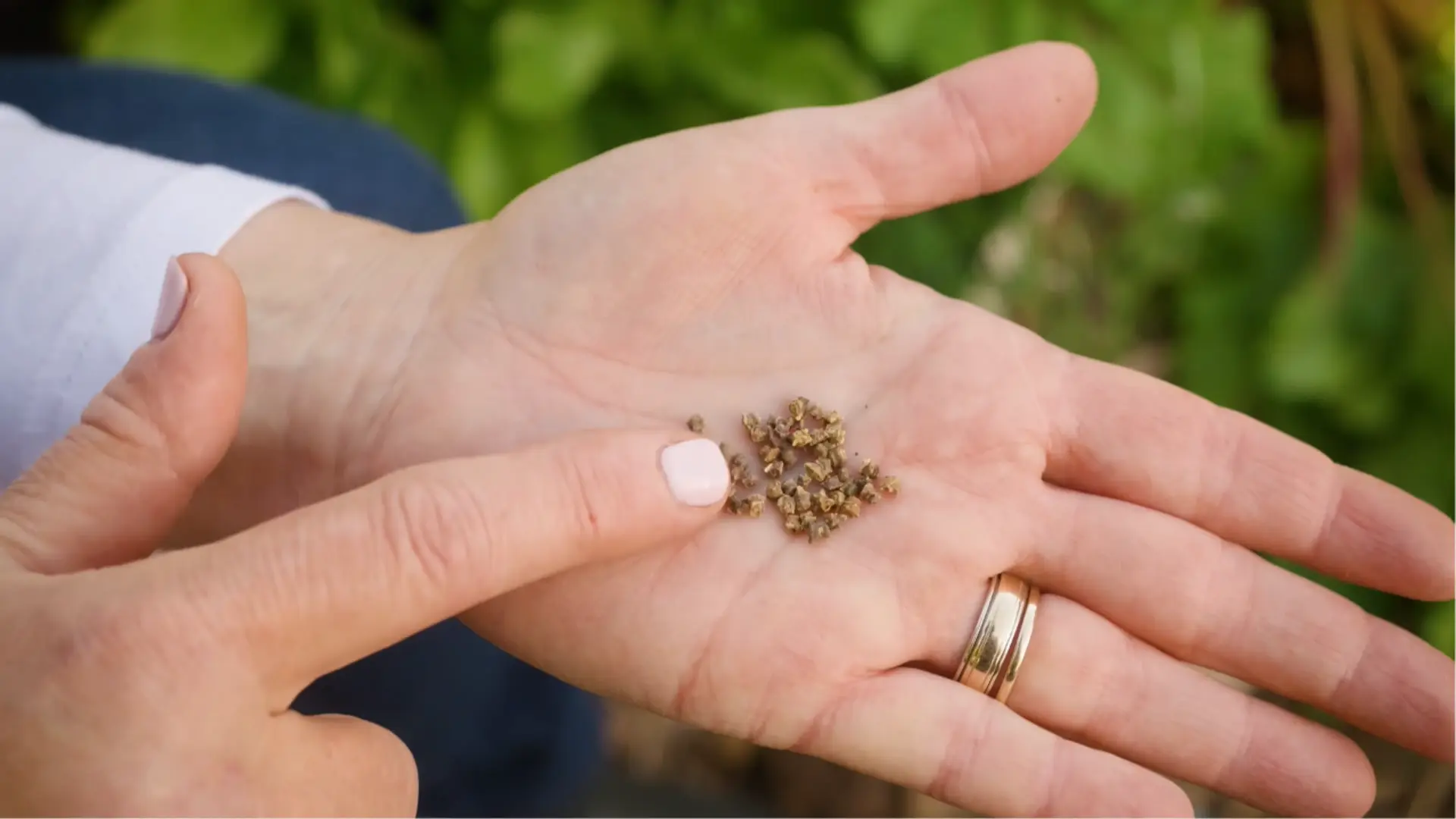
Prepare a sunny garden bed with loose, well-draining soil. Break up hard soil so beet roots have enough space to grow without becoming misshapen.
Plant beet seeds about ¼ inch deep and space them 2 to 3 inches apart. Since beet seeds contain multiple seeds inside one seed cluster, several seedlings may grow from one spot.
After planting, water gently to keep the soil moist until seedlings appear.
Step 3: Thin Seedlings and Maintain Proper Spacing
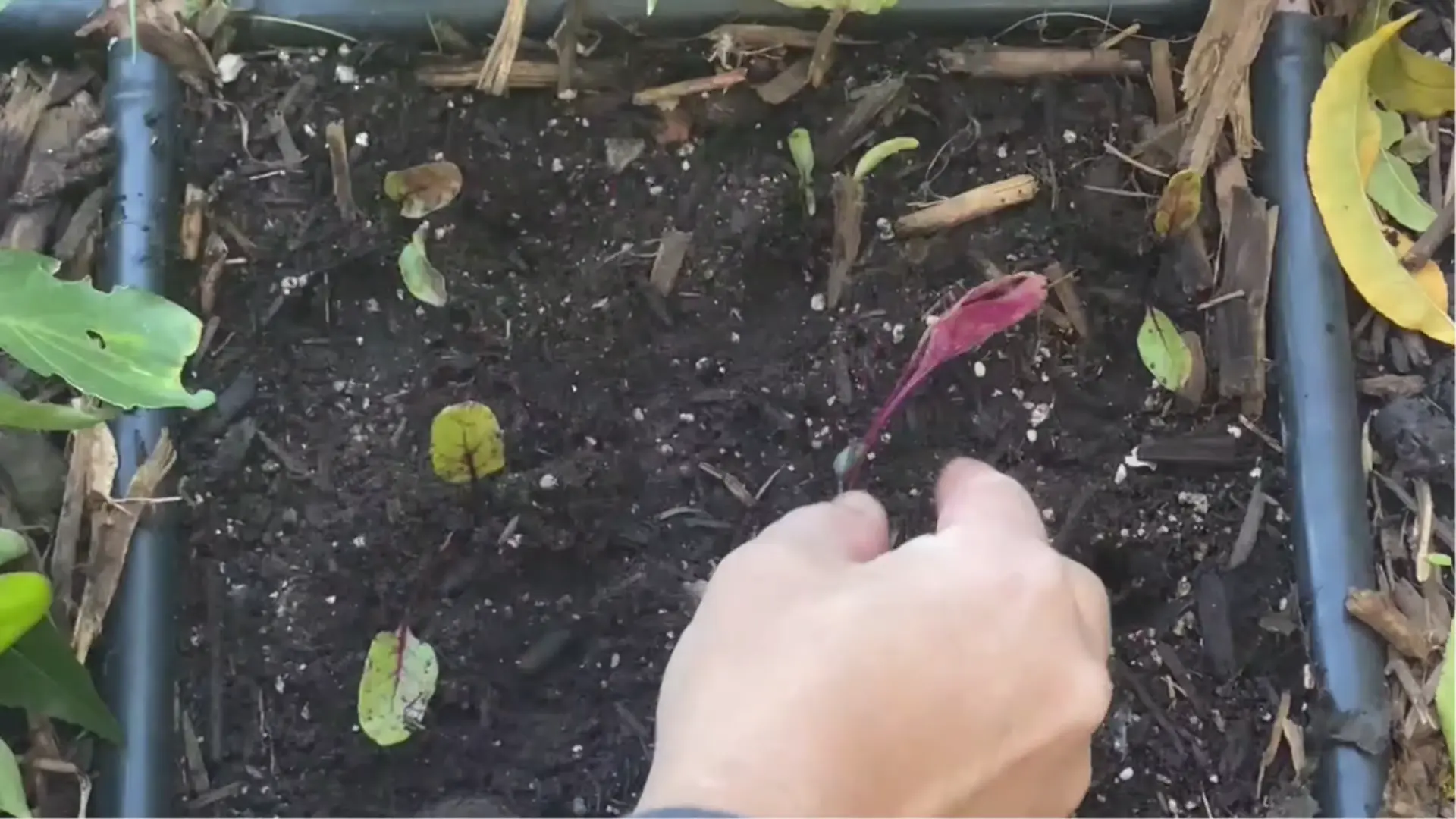
Once seedlings begin growing, thin out extra plants so the remaining beets have enough room to develop larger roots.
Remove weaker seedlings and keep healthy plants spaced properly. Young beet seedlings can also be transplanted if handled carefully.
If you move extra seedlings, lift them gently, avoid damaging the roots, and replant them at the same spacing as the original plants.
Step 4: Provide Regular Care During Growth
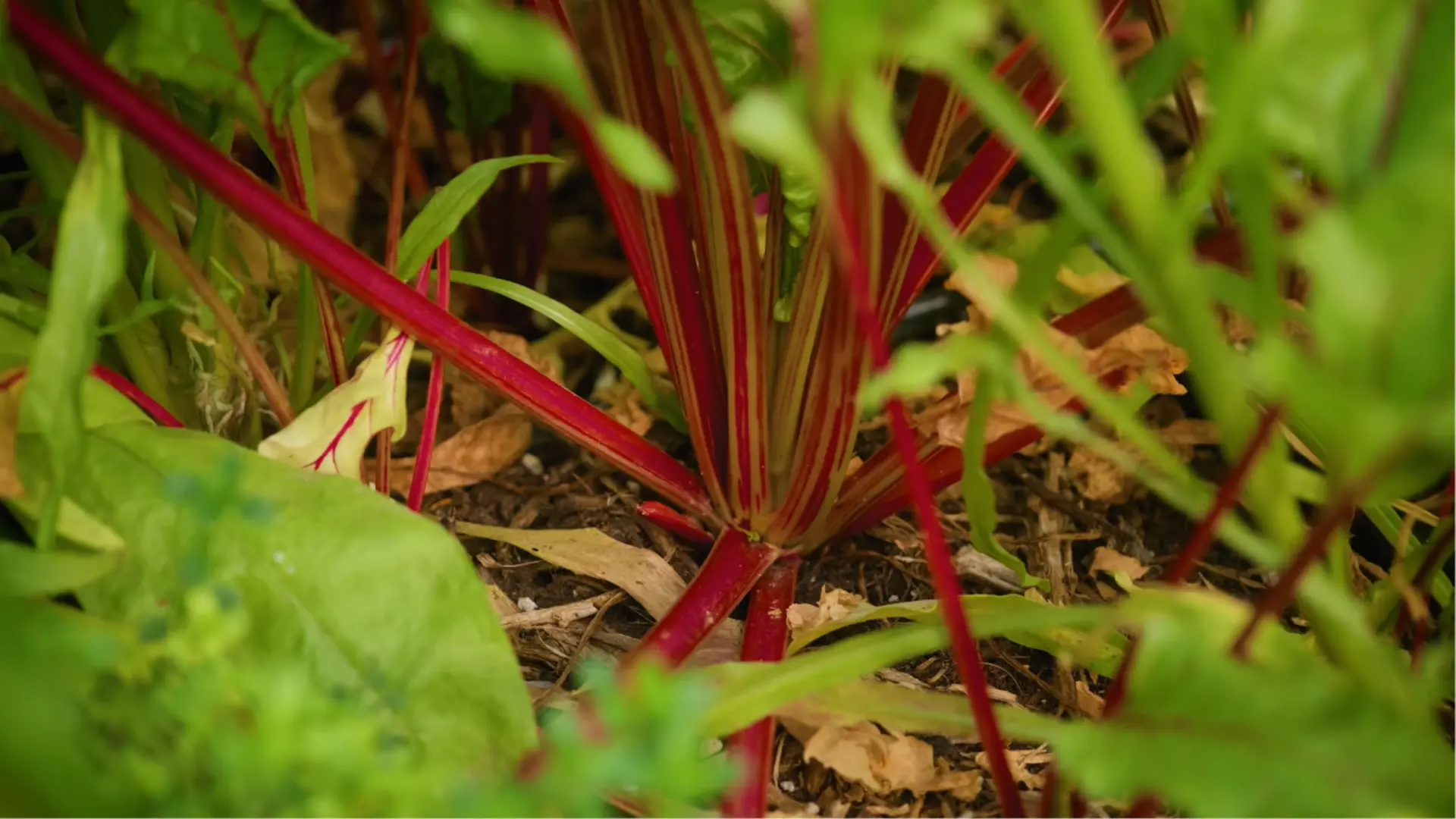
Give beet plants plenty of sunlight and consistent moisture throughout the growing season. Full sun produces faster growth and better-tasting roots, although beets can tolerate partial shade.
Water regularly, especially during dry periods, because uneven moisture can affect root development. Avoid adding too much fertilizer, as overly rich soil can create large leafy tops with smaller roots.
Keep the growing area free from weeds so beets do not compete for nutrients.
Step 5: Harvest Beet Greens and Roots
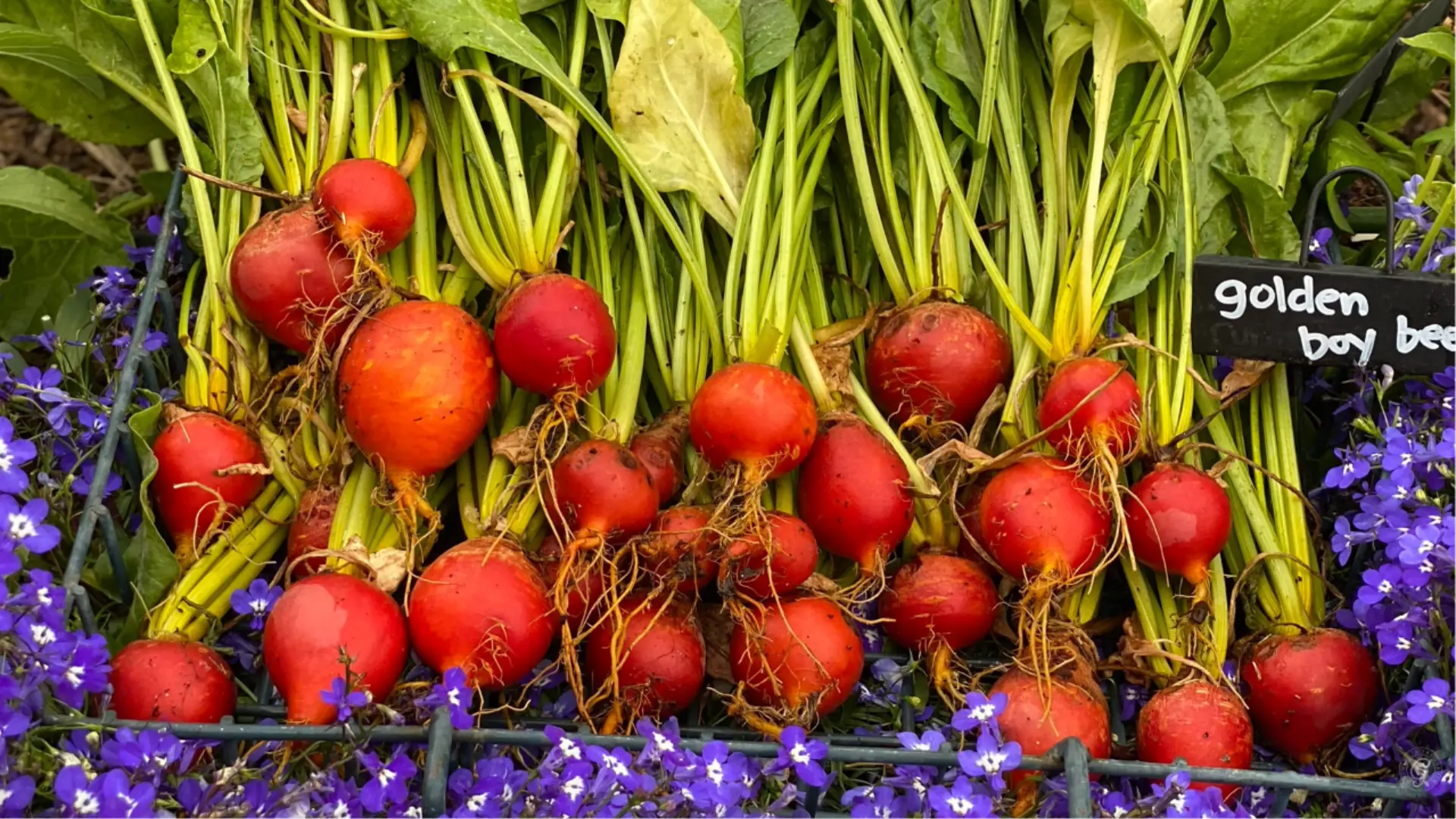
You can harvest beet greens while the roots continue developing. Remove only a few leaves from each plant so the beet can keep growing.
For baby beets, harvest when the roots are small and tender. For mature roots, wait until they reach around 3 to 4 inches in diameter.
Use a trowel to loosen the soil around the root if needed, then gently pull the beet from the ground.
Step 6: Finish Harvest Before Hot Weather Arrives
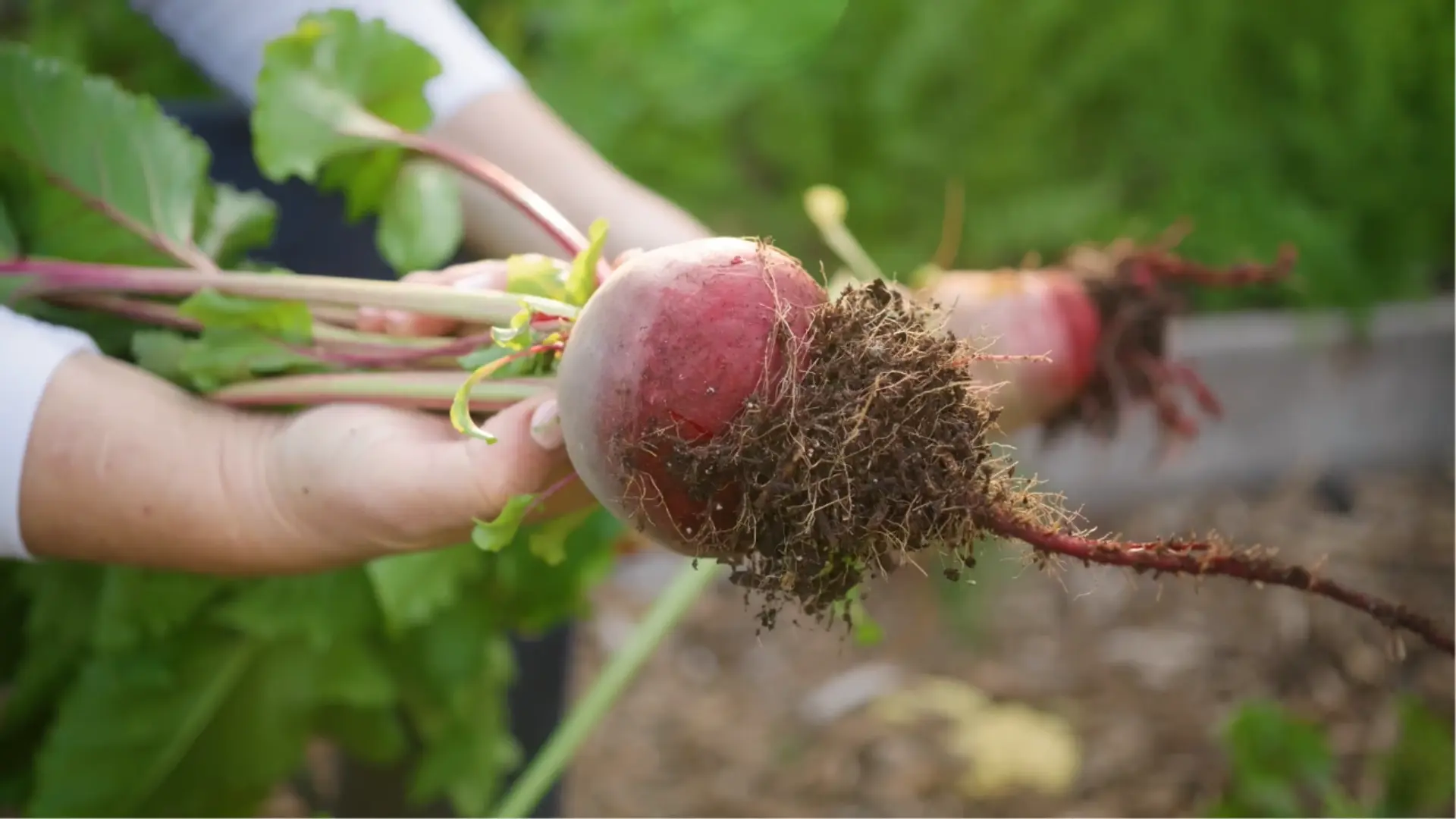
Watch for signs that the growing season is ending. As temperatures rise, beets may bolt, meaning they send up a tall flower stalk and shift energy toward producing seeds.
Once bolting begins, the roots may become tougher and less enjoyable to eat. Harvest remaining beets before extreme heat arrives, or allow bolted plants to flower and collect seeds for future planting.
For a complete walkthrough of the process, check out the video tutorial below:
How and When to Thin Beet Seedlings
Thinning gives each root enough space to become round and full. Begin when seedlings reach about 2 inches tall. Cut the smallest or weakest sprouts at soil level, leaving the stronger plants in place; pulling clustered seedlings can disturb the roots you want to keep.
Check the row again as the plants grow, and leave 3–4 inches between them: slightly tighter for baby beets, wider for varieties that produce large roots.
Tender thinnings are edible, so toss the leaves and small stems into a salad instead of the compost pile. Early thinning is one of the easiest ways to prevent a row of healthy leaves from hiding undersized roots.
Caring for Growing Beet Plants
- Sunlight: Give beets at least six hours of direct sun a day. They’ll tolerate partial shade, but growth slows, and roots stay smaller when light is limited. In hot regions, light shade late in the day can ease heat stress without blocking the morning sun.
- Watering: Supply about 1 inch of water per week, including rainfall. Water deeply enough to moisten the root zone, then check the soil before watering again; cycling between very dry and saturated soil can lead to cracked roots, slow growth, or a coarse texture.
- Mulching: Spread a thin layer of straw, shredded leaves, or another clean organic mulch once seedlings are established, keeping it away from the crowns. Mulch slows moisture loss, limits surface crusting, and cuts down on weeds competing with beets’ shallow feeder roots.
- Fertilizing: Use compost or a low-nitrogen vegetable fertilizer only if a soil test shows the bed actually needs it. Don’t add phosphorus or potassium just because beets are a root crop; too much nitrogen is what sends energy into leaves instead of roots.
- Weeding: Pull weeds while they’re small. Hoe only the soil surface, since deep cultivation can damage beet roots; hand-pulling is safer once the rounded shoulders start rising above the ground.
Growing Beets in Pots
Container-grown beets need depth, loose soil, consistent moisture, and full sun, the same fundamentals as an in-ground bed, just in a smaller space.
- Choose a container at least 10–12 inches deep with multiple drainage holes.
- Fill it with a loose, well-draining potting mix rather than heavy garden soil.
- Sow seeds about ½ inch deep.
- Thin seedlings to 3–4 inches apart once they sprout.
- Place the container somewhere it gets at least six hours of direct sun.
- Water when the top inch of soil feels dry, and avoid letting the pot get waterlogged.
- Favor compact varieties bred for small spaces.
Common Beet Growing Problems
Several beet problems look similar at first. Start by checking temperature, spacing, soil moisture, and recent fertilizer use — those four factors explain most weak beet crops and are easier to correct than an assumed nutrient deficiency.
| Problem | Likely Cause | Practical Fix |
|---|---|---|
| Large leaves and small roots | Excess nitrogen or crowding | Stop high-nitrogen feeding and thin plants to 3–4 inches |
| Patchy germination | Dry soil, old seeds, or a crusted surface | Keep the seedbed moist and loosen only the top layer |
| Forked or misshapen roots | Stones, clods, or compacted soil | Prepare a deeper, softer bed before the next sowing |
| Tough or woody roots | Heat, drought, or late harvesting | Maintain moisture and harvest at a smaller size |
| Cracked roots | Uneven watering | Water consistently during dry periods |
| Blotched or mined leaves | Leaf-miner larvae | Remove affected leaves and use row cover before flies lay eggs |
| Small holes in young leaves | Flea beetles | Protect seedlings with row cover and control nearby weeds |
| Early flower stalks | Temperature stress or an aging crop | Adjust the sowing date and harvest remaining roots promptly |
Harvesting and Storing Beets
Brush off loose soil but leave roots unwashed until you’re ready to use them. Store them in a perforated bag in the refrigerator’s produce drawer, where the humidity reduces shriveling; firm, undamaged roots often keep for several weeks.
Wash the greens, dry them, and refrigerate separately from the roots. Use tender leaves within a few days, since they lose quality faster than the roots do. Larger harvests can also be pickled, frozen after cooking, or kept in a cool root cellar.
Discard any roots that turn slimy, develop soft rotten spots, or smell off.
How Long for Beets to Grow: A Simple Timeline
| Growth Stage | Approximate Timing | Main Task |
|---|---|---|
| Sowing | Day 1 | Plant seeds ½ inch deep and water gently |
| Germination | Days 5–14 | Keep the soil surface consistently moist |
| First thinning | Weeks 2–3 | Cut crowded seedlings at soil level |
| Root development | Weeks 3–7 | Water, weed, and watch for leaf damage |
| Harvest | Days 50–70 | Check root shoulders and lift tender beets |
Cool soil may delay germination, while heat, drought, and overcrowding can extend the time roots need to size up.
Conclusion
A strong beet harvest depends on simple choices made at the right time. Sow during cool weather, loosen the soil well, and give each seedling enough room to form a full root.
You also need steady moisture, weeding, and limited nitrogen to prevent leafy plants with small beets. I find that checking the crop often makes thinning, pest control, and harvesting easier.
Once you understand how to grow beets, you can spot problems and adjust your care before the roots suffer. These steps work in garden beds and containers, so you can use the space you have.
Try these tips with your next planting, then share which beet variety grew best for you.
Frequently Asked Questions
Should I soak beet seeds before planting?
Soaking beet seeds in room-temperature water for 12–24 hours may soften their tough outer coating and support faster germination. It is optional, however. Seeds can sprout without soaking when the soil remains evenly moist.
Can I grow beets indoors?
Beets can grow indoors beside a bright, south-facing window, but limited light may produce small roots. A grow light providing 12–14 hours of daily light usually gives plants a better chance of forming usable beets.
Do beet plants need pollination to produce roots?
Beets do not need pollination to form edible roots. Pollination becomes necessary only when plants flower and produce seeds. Gardeners growing beets for food can harvest the roots without worrying about bees or other pollinators.
What vegetables can I plant near beets?
Beets can share garden space with onions, lettuce, cabbage, broccoli, and bush beans. Place neighboring crops far enough away to prevent shade and root competition. Avoid planting them beside pole beans, which may restrict beet growth.
Can you grow a new beet from a beet top?
A cut beet top may produce fresh leaves when placed in shallow water, but it cannot form another full root. Use this method for edible greens or a simple growing activity, not for producing new beets.