

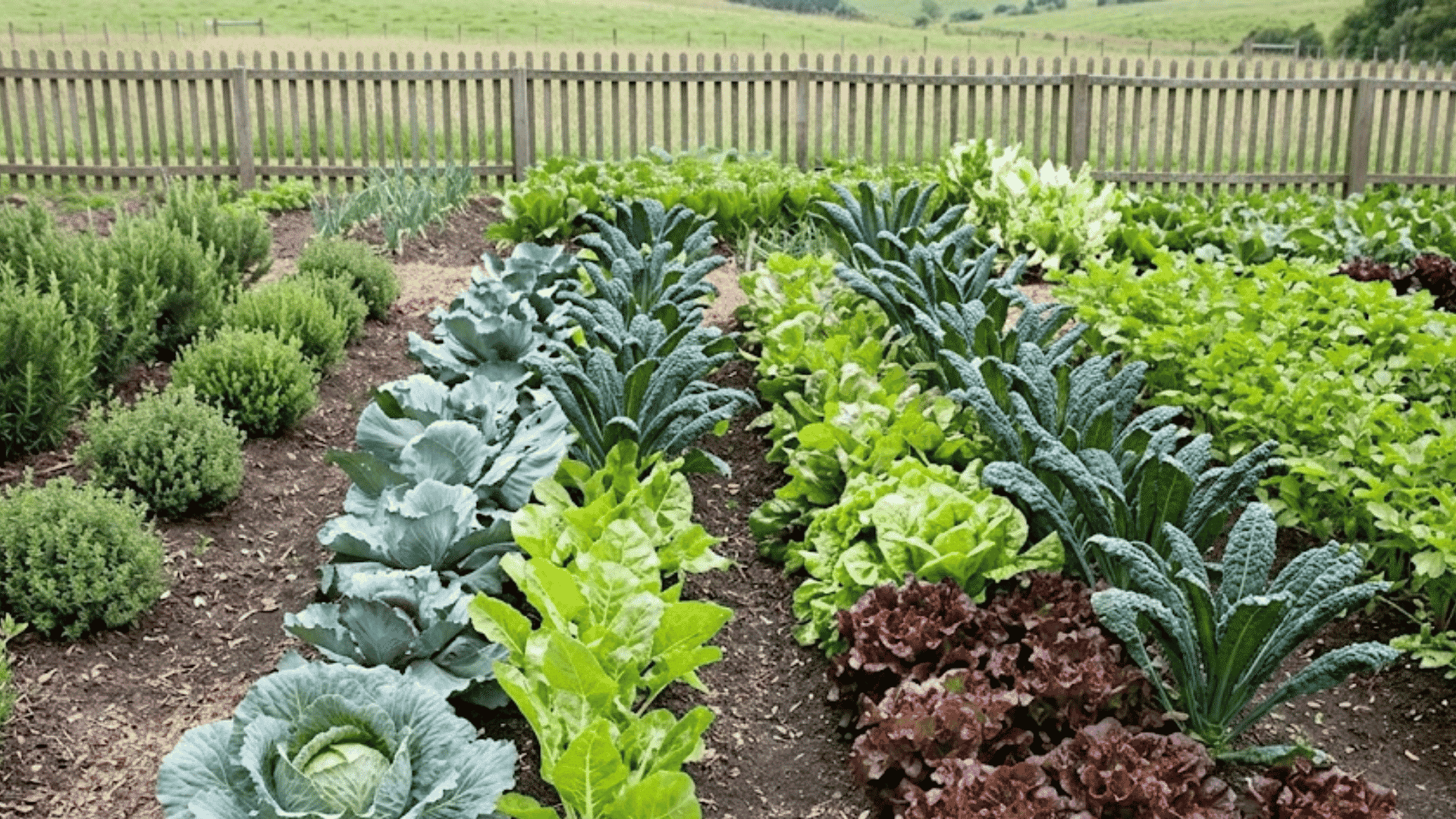
Many people want healthier plants without synthetic chemicals but are unsure where to start.
Organic gardening is a simple approach that focuses on building healthy soil, using natural methods, and working with nature instead of against it.
I know it can seem like there is a lot to learn at first, but the basics are easier than many people expect.
In this guide, you’ll learn what organic gardening is, how it works, and the key principles behind it.
I’ll also share practical steps for starting a garden, improving soil, choosing natural fertilizers, preventing pests, avoiding common mistakes, and caring for your garden through the seasons.
By the end, you’ll have a clear understanding of how to grow a productive, healthy garden using easy-to-follow natural methods.
Quick Answer: What Is Organic Gardening?
Organic gardening is a natural way to grow plants by improving soil health and using natural methods instead of synthetic fertilizers and pesticides.
It relies on compost, mulch, crop rotation, companion planting, and beneficial insects to support healthy plant growth.
By building nutrient-rich soil and encouraging biodiversity, organic gardening helps reduce pests naturally while supporting pollinators and other beneficial organisms.
This sustainable approach promotes long-term soil fertility and healthy harvests of fruits, vegetables, herbs, and flowers.
Core Principles of Organic Gardening
These principles form the foundation of organic gardening and help create a healthy, balanced environment where plants can grow naturally.
- Build Healthy Soil: Healthy soil supports strong plant growth by providing nutrients, improving drainage, increasing water retention, and encouraging beneficial microorganisms and earthworms.
- Encourage Biodiversity: Grow a variety of plants to attract pollinators, beneficial insects, and wildlife that naturally support pollination and help manage garden pests.
- Use Natural Pest Management: Prevent pests through companion planting, proper spacing, crop rotation, and the use of beneficial insects, rather than relying on synthetic pesticides.
- Recycle Organic Materials: Compost kitchen scraps, leaves, and garden waste to return valuable nutrients to the soil and reduce unnecessary waste.
- Conserve Water: Water deeply when needed, use mulch, and improve soil quality to reduce evaporation and help plants withstand dry conditions.
- Protect the Environment: Choose sustainable gardening practices that reduce pollution, preserve natural resources, and support healthy ecosystems for future growing seasons.
Organic Gardening Tools Every Beginner Needs
The right tools make everyday gardening tasks easier while helping maintain healthy plants and well-prepared soil.
- Hand Trowel
- Garden Fork
- Pruning Shears
- Watering Can
- Garden Hose or Soaker Hose
- Gardening Gloves
- Compost Bin
- Wheelbarrow or Garden Cart
- Garden Rake
- Soil Thermometer
How to Start Organic Gardening Step By Step?
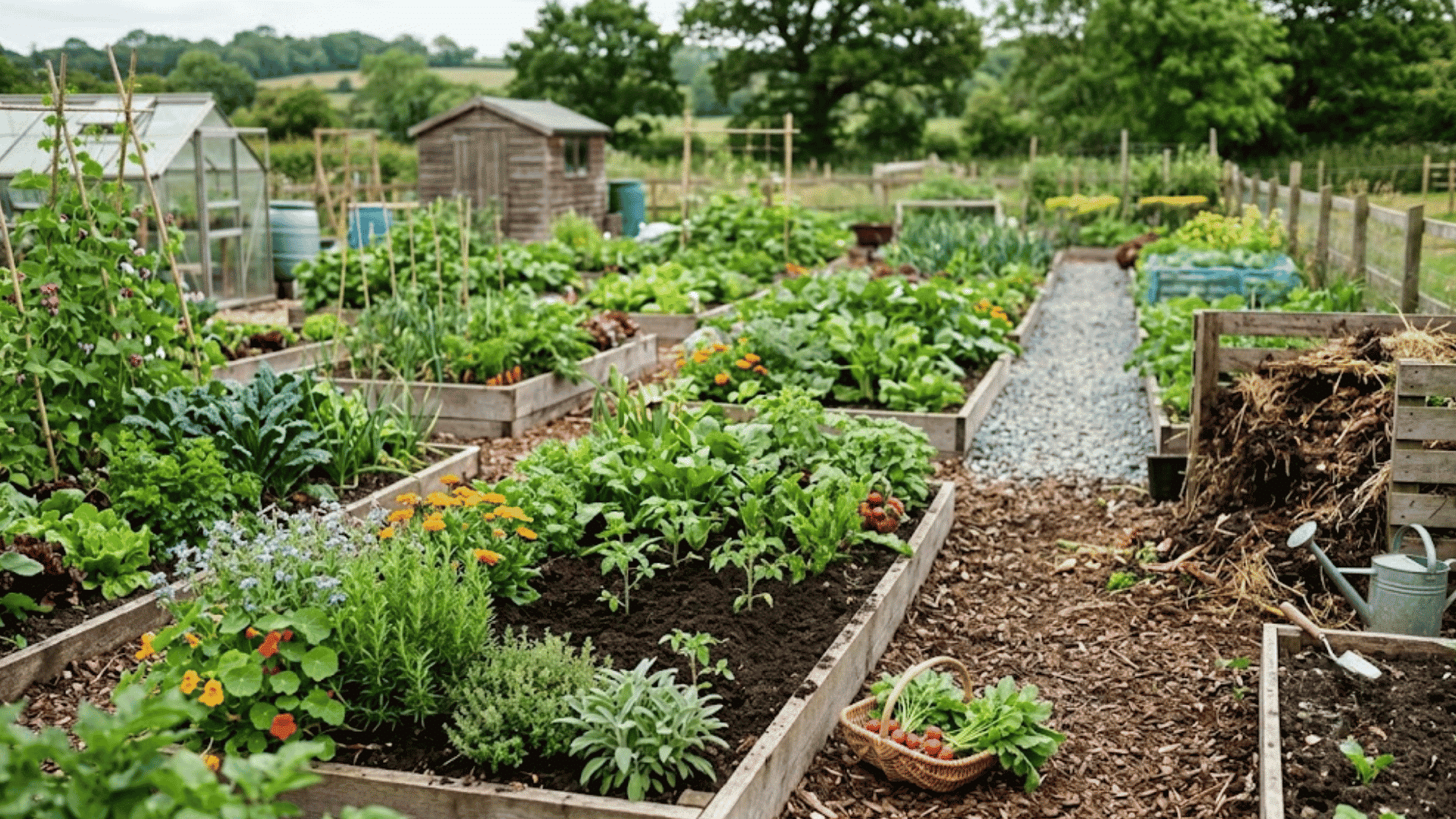
Starting an organic garden is simple when you follow the right steps, build healthy soil, choose suitable plants, and maintain them consistently.
1. Choose the Right Garden Location
Select a location that receives at least six to eight hours of direct sunlight daily, especially if you plan to grow vegetables.
The area should have good drainage and easy access to water. Avoid low spots where water collects after rain.
If space is limited, raised beds or containers can also work well. Starting with a small garden makes it easier to manage and maintain as you gain experience.
2. Test and Improve Your Soil
Healthy soil is the foundation of organic gardening, so understanding its condition is essential. A soil test helps identify nutrient levels and pH, allowing you to improve the soil naturally.
Mix compost, well-rotted manure, or other organic matter into the soil before planting.
These materials improve soil structure, increase water retention, and provide nutrients that plants can use gradually throughout the growing season.
3. Add Compost and Organic Matter
Compost is one of the most valuable additions to an organic garden because it enriches the soil naturally.
Spread finished compost over garden beds and work it into the top layer before planting. Organic matter improves drainage in heavy soils and helps sandy soils retain moisture.
It also encourages beneficial microorganisms and earthworms that recycle nutrients, making them available to growing plants over time.
4. Select Organic Seeds or Healthy Plants
Choose organic or untreated seeds whenever possible, or buy healthy seedlings from a trusted nursery. Pick plant varieties suited to your local climate and growing season to improve success.
Beginners often find crops like lettuce, beans, tomatoes, herbs, and radishes easier to grow.
Starting with healthy plants reduces the chances of disease and gives your garden a stronger beginning.
5. Plan Your Garden Layout
Arrange your garden carefully before planting to give each crop enough room to grow. Place taller plants where they will not block sunlight from shorter ones.
Group plants with similar sunlight and watering needs together to simplify maintenance.
Proper spacing improves airflow, helping reduce fungal diseases while making watering, weeding, and harvesting easier throughout the growing season.
6. Plant at the Right Time
Each crop grows best within a specific temperature range, so planting at the correct time is important.
Cool-season vegetables such as spinach and lettuce perform better in spring or fall, while tomatoes, peppers, and cucumbers need warm soil and frost-free weather.
Following your local planting calendar helps seeds germinate properly and supports stronger, healthier plant growth.
7. Water Deeply and Consistently
Organic gardens benefit from deep, regular watering rather than frequent shallow watering. Watering deeply encourages roots to grow farther into the soil, making plants stronger during dry weather.
Morning is generally the best time to water because leaves dry quickly, reducing the risk of disease.
Applying water directly to the soil rather than the leaves also helps conserve moisture and keep plants healthier.
8. Apply Organic Mulch
Cover the soil with organic mulch such as straw, shredded leaves, wood chips, or grass clippings after planting.
Mulch helps retain moisture, suppress weeds, and keep soil temperatures more stable. As it breaks down, it also returns organic matter to the soil.
Leave a small gap around plant stems to improve airflow and reduce the risk of stem rot.
9. Prevent Pests Naturally
Organic gardening focuses on preventing pest problems instead of relying on synthetic pesticides.
Encourage beneficial insects like ladybugs and lacewings, rotate crops each season, and grow companion plants that naturally deter harmful insects.
Remove damaged leaves and inspect plants regularly for early signs of pests or disease.
Healthy plants growing in healthy soil are naturally more resistant to many common garden problems.
10. Monitor and Maintain Your Garden
Visit your garden regularly to check soil moisture, plant health, weed growth, and signs of pests or diseases.
Pull weeds before they spread, harvest crops when they are ready, and continue adding compost or mulch as needed.
Regular observation helps you solve small problems before they become larger ones. Consistent care throughout the growing season leads to healthier plants and more productive harvests.
Organic Gardening vs. Conventional Gardening
Both methods can grow healthy plants, but they differ in how they manage soil, pests, weeds, and plant nutrition. The table below highlights the main differences at a glance.
| Aspect | Organic Gardening | Conventional Gardening |
| Fertilizers | Compost, manure, and other natural sources | Synthetic or chemical fertilizers |
| Pest Control | Beneficial insects, hand-picking, natural sprays | Chemical pesticides and insecticides |
| Weed Management | Mulch, hand weeding, and cultivation | Herbicides and chemical weed killers |
| Soil Health | Focuses on building healthy, living soil | Focuses more on supplying plant nutrients |
| Environmental Impact | Generally aims to reduce pollution and support biodiversity | May have a greater environmental impact if chemicals are overused |
| Cost | Lower long-term input costs but more labor | Often higher ongoing costs for chemical products |
| Maintenance | Requires regular monitoring and preventive care | Can provide quicker solutions for common problems |
| Certification | Can qualify for organic certification if standards are met | Does not qualify as organic |
Natural Pest and Disease Control Methods
Natural pest and disease control focuses on prevention and maintaining a balanced garden ecosystem rather than relying on synthetic chemicals.
- Encourage Beneficial Insects: Attract ladybugs, lacewings, and parasitic wasps that naturally feed on harmful pests, helping maintain healthy plant populations naturally.
- Practice Companion Planting: Grow compatible plants together to discourage pests, attract pollinators, increase biodiversity, and reduce the spread of disease within the garden.
- Apply Neem Oil Carefully: Spray diluted neem oil on affected plants to control insects and fungal diseases, following the product’s application instructions.
- Use Insecticidal Soap: Treat soft-bodied insects like aphids and whiteflies with insecticidal soap, which leaves no long-lasting chemical residues on plants.
- Install Row Covers: Cover vulnerable crops with lightweight fabric barriers that block insects while allowing sunlight, water, and airflow to reach plants.
- Space Plants Properly: Leave enough distance between plants to improve air circulation, reduce moisture buildup, and lower the risk of fungal diseases.
- Remove Diseased Plant Parts: Prune infected leaves, stems, and fruits promptly to reduce the spread of disease and maintain healthier growing conditions throughout the seasons.
- Rotate Crops Every Season: Change planting locations annually to interrupt pest life cycles and reduce recurring soil-borne diseases affecting similar crop families.
Essential Organic Gardening Practices
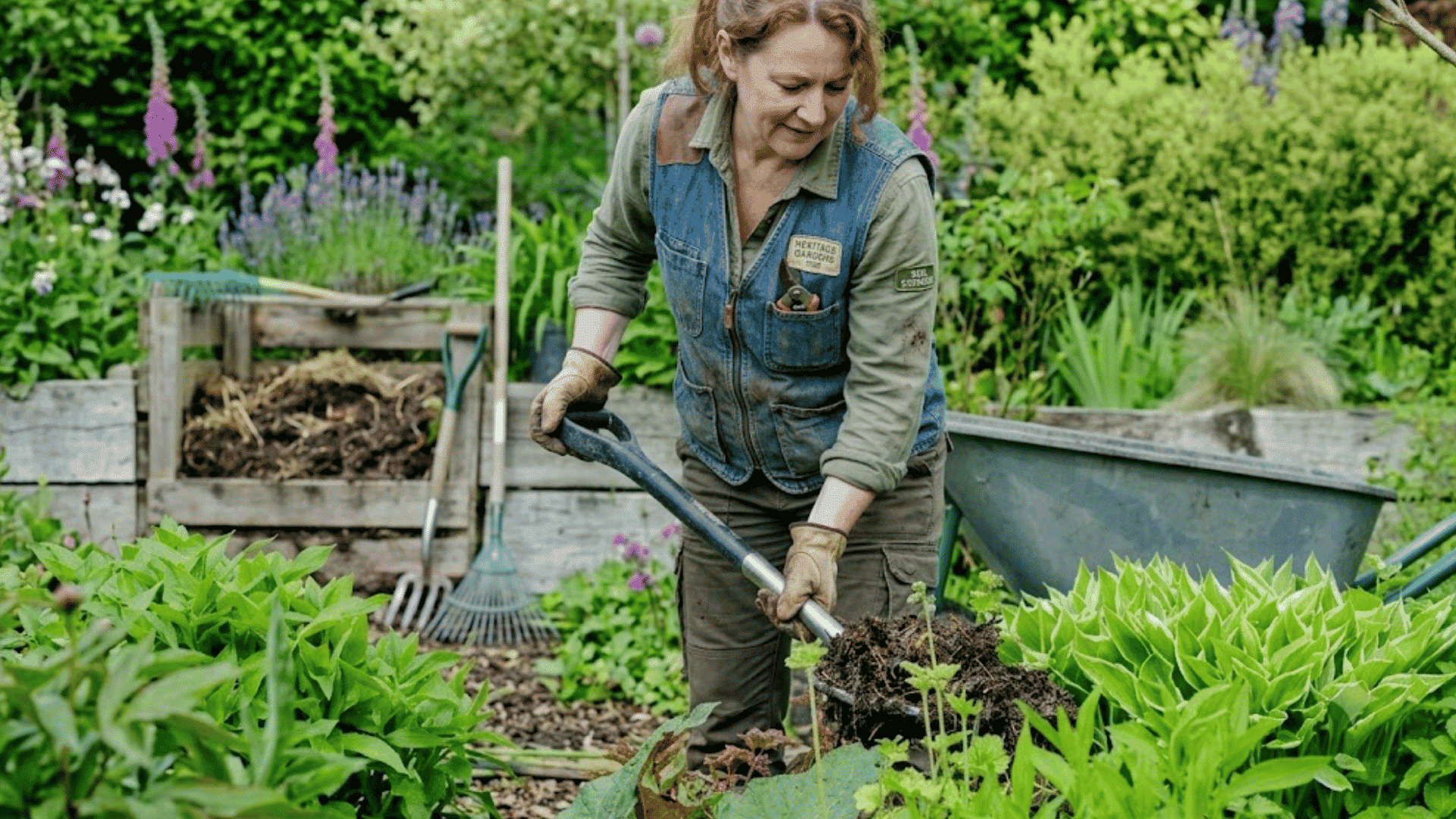
These everyday practices help maintain healthy soil, support strong plant growth, and create a balanced garden ecosystem over time.
1. Composting
Composting turns kitchen scraps, leaves, grass clippings, and other organic materials into nutrient-rich compost that naturally improves soil.
Finished compost adds essential nutrients, increases the soil’s ability to hold water, and supports beneficial microorganisms that break down organic matter.
Apply compost before planting or as a top dressing during the growing season. Avoid adding meat, dairy products, or oily foods, as they can attract pests and slow the composting process.
2. Crop Rotation
Crop rotation means growing different plant families in different locations each season instead of planting the same crop in the same bed repeatedly.
This practice helps prevent soil-borne diseases, reduces pest populations, and balances nutrient use because different plants remove and return nutrients in different ways.
A simple three- or four-year rotation plan keeps soil healthier and lowers the chance of recurring pest and disease problems.
3. Companion Planting
Companion planting involves growing certain plants together because they benefit one another. Some flowers attract pollinators and beneficial insects, while others naturally discourage pests.
For example, marigolds are commonly planted near vegetables, and basil is often grown with tomatoes.
Companion planting also makes better use of garden space and can improve plant health without relying on synthetic pesticides or other chemical treatments.
4. Mulching
Mulching involves covering the soil with organic materials such as straw, shredded leaves, wood chips, or grass clippings.
A layer of mulch reduces weed growth, conserves soil moisture, and helps regulate soil temperature throughout changing weather conditions.
As organic mulch gradually breaks down, it adds nutrients and organic matter back into the soil. Keeping mulch slightly away from plant stems helps prevent excess moisture and reduces the risk of rot.
5. Cover Cropping
Cover crops are planted during periods when garden beds would otherwise remain empty.
Plants such as clover, rye, or field peas help protect the soil from erosion, reduce weed growth, and improve soil structure.
Some cover crops also naturally add nitrogen, making nutrients available for future crops.
Before planting vegetables, gardeners cut down or turn these plants into the soil, where they decompose and enrich the garden.
6. Hand Weeding
Removing weeds by hand is one of the safest and most effective weed control methods in organic gardening. Pulling weeds while they are young prevents them from competing with crops for water, sunlight, and nutrients.
Regular weeding also reduces the chance that weeds will produce seeds that spread throughout the garden.
Combining hand weeding with mulch creates longer-lasting weed control while protecting the surrounding soil from unnecessary disturbance.
Best Natural Fertilizers for Organic Gardening
Natural fertilizers improve soil fertility slowly and support healthy plant growth without synthetic chemicals.
| Natural Fertilizer | Best For | Key Benefit |
| Compost | Most garden plants | Improves soil structure and adds balanced nutrients |
| Worm Castings | Vegetables and seedlings | Supports root growth and beneficial soil microbes |
| Well-Rotted Manure | Heavy-feeding crops | Adds nutrients and improves moisture retention |
| Bone Meal | Root crops and bulbs | Provides phosphorus for root development |
| Blood Meal | Leafy greens | Adds nitrogen for strong leaf growth |
| Fish Emulsion | Fast plant boost | Gives quick nutrients during active growth |
| Seaweed Fertilizer | Overall plant health | Supports stress resistance and steady growth |
| Alfalfa Meal | Vegetables and flowers | Adds gentle nutrients and organic matter |
Choosing the Right Organic Seeds for Your Garden
Choose organic seeds that match your local climate, growing season, soil conditions, and available garden space.
Healthy, well-suited seeds are more likely to grow successfully than varieties that are not adapted to your conditions.
Start by selecting crops recommended for your USDA Hardiness Zone or local growing region. Check the seed packet for days to maturity, sunlight needs, spacing, and planting time to ensure the variety fits your garden.
If diseases are common in your area, choose varieties with natural disease resistance.
Buy seeds from reputable suppliers that clearly label their organic certification and provide current packaging or harvest dates for better viability.
Beginners often have the best success with reliable, easy-to-grow crops such as lettuce, beans, radishes, and herbs.
Choosing the right seed from the beginning makes organic gardening simpler and more productive.
Best Plants for Beginners in Organic Gardening
Many plants grow well with basic organic care, making them suitable choices for gardeners who are just getting started.
- Lettuce: Grows quickly, requires little maintenance, and allows repeated harvesting by picking the outer leaves while the plant continues to produce new growth.
- Radishes: Mature rapidly, grow well in small spaces, and help beginners gain confidence through fast, reliable harvests within several weeks.
- Bush Beans: Produce generous harvests, improve soil by fixing nitrogen naturally, and require only regular watering and full sunlight for success.
- Spinach: Thrives in cool weather, grows quickly, and performs well in garden beds or containers with nutrient-rich, well-drained soil.
- Tomatoes: Grow productively with full sunlight, consistent watering, sturdy support, and nutrient-rich soil maintained through compost and organic matter.
- Basil: Requires minimal care, grows well beside tomatoes, attracts pollinators, and provides fresh leaves throughout the growing season.
- Zucchini: Produces abundant vegetables from one or two plants when provided with sunlight, space, regular watering, and fertile organic soil.
- Green Onions: Easy to grow from seeds or sets, require little space, and can be harvested continuously as they mature.
- Marigolds: Attract pollinators, support beneficial insects, and help discourage certain garden pests when planted alongside vegetables and herbs.
- Calendula: Bright flowers attract pollinators and beneficial insects while adding color and supporting a healthy organic garden ecosystem throughout the seasons.
Organic Gardening Throughout the Seasons
Organic gardening tasks change with the seasons to support healthy soil, strong plants, and productive harvests throughout the year.
| Season | Main Gardening Tasks |
| Spring | Prepare soil, add compost, plant cool- and warm-season crops, and apply mulch. |
| Summer | Water deeply, control weeds, monitor pests, harvest crops, and replenish mulch as needed. |
| Fall | Harvest remaining crops, plant cover crops, add compost, and clean up garden beds. |
| Winter | Protect soil with mulch, maintain compost, plan next season’s garden, and clean tools. |
Common Organic Gardening Mistakes to Avoid
Avoiding a few common mistakes can improve plant health, protect soil quality, and make organic gardening more successful.
- Overwatering Plants: Excess water can cause root rot, wash away nutrients, and create favorable conditions for fungal diseases.
- Ignoring Soil Health: Healthy soil is the foundation of organic gardening. Poor soil limits nutrient availability, weakens plants, and reduces yields.
- Using Fresh Manure: Fresh manure can burn roots and may introduce harmful pathogens. Always use well-aged or properly composted manure.
- Overcrowding Plants: Planting too closely restricts airflow, increases disease risk, and prevents plants from reaching their full size.
- Planting at the Wrong Time: Sowing crops outside their recommended season often leads to poor germination, slower growth, and lower yields.
- Growing the Same Crop Repeatedly: Planting the same crop in the same area can encourage pests and diseases and lead to nutrient depletion. Crop rotation helps maintain healthier soil.
- Neglecting Regular Garden Checks: Inspect plants frequently to catch pests, diseases, and nutrient deficiencies early, before they become difficult to manage.
Gardening Problems and Easy Fixes
Most garden problems can be managed with simple, natural practices that improve plant health and growing conditions.
| Garden Problem | Simple Solution |
| Yellow Leaves | Check watering, improve drainage, and add compost if needed. |
| Poor Plant Growth | Test the soil and apply organic compost or natural fertilizer. |
| Weed Growth | Apply mulch and regularly remove weeds by hand. |
| Pest Damage | Encourage beneficial insects and inspect plants frequently. |
| Fungal Diseases | Improve air circulation and avoid overhead watering. |
| Wilting Plants | Water deeply and check soil moisture before watering again. |
| Low Harvest | Ensure enough sunlight and feed the soil with organic matter. |
| Compacted Soil | Loosen the soil gently and mix in compost or leaf mold. |
| Blossom End Rot | Maintain consistent watering and improve calcium availability in the soil. |
| Slug and Snail Damage | Handpick pests or use physical barriers around vulnerable plants. |
Conclusion
Organic gardening is a practical way to grow healthy plants while improving your soil and reducing the use of synthetic chemicals.
Natural methods like composting, crop rotation, and mulching help build a productive, healthier garden over time.
I believe the most rewarding part of organic gardening is seeing how small, consistent efforts lead to healthier plants and better harvests each season.
If you are starting with a few containers or a larger backyard garden, every step helps you gain experience and confidence. There is always something new to learn, and each growing season brings valuable lessons.
If you have tried organic gardening or are planning to start, share your experience, favorite tips, or questions in the comments below.
Frequently Asked Questions
What Is the 70/30 Rule in Gardening?
The 70/30 rule suggests planting about 70% reliable, easy-to-grow plants and 30% new or experimental varieties for balanced, productive gardens.
Why Is Gardening Good for Osteoporosis?
Gardening involves weight-bearing activities like digging and lifting, which can help maintain bone strength, improve balance, and support overall physical health.
What Is the 3-Hour Gardening Rule?
The 3-hour gardening rule refers to limiting continuous gardening to about 3 hours before taking a break to reduce the risk of fatigue, dehydration, and injury.
What Is the Miracle Plant that Heals Bones?
There is no scientifically proven miracle plant that heals bones. A balanced diet, proper medical care, and adequate calcium and vitamin D are essential for bone healing.