

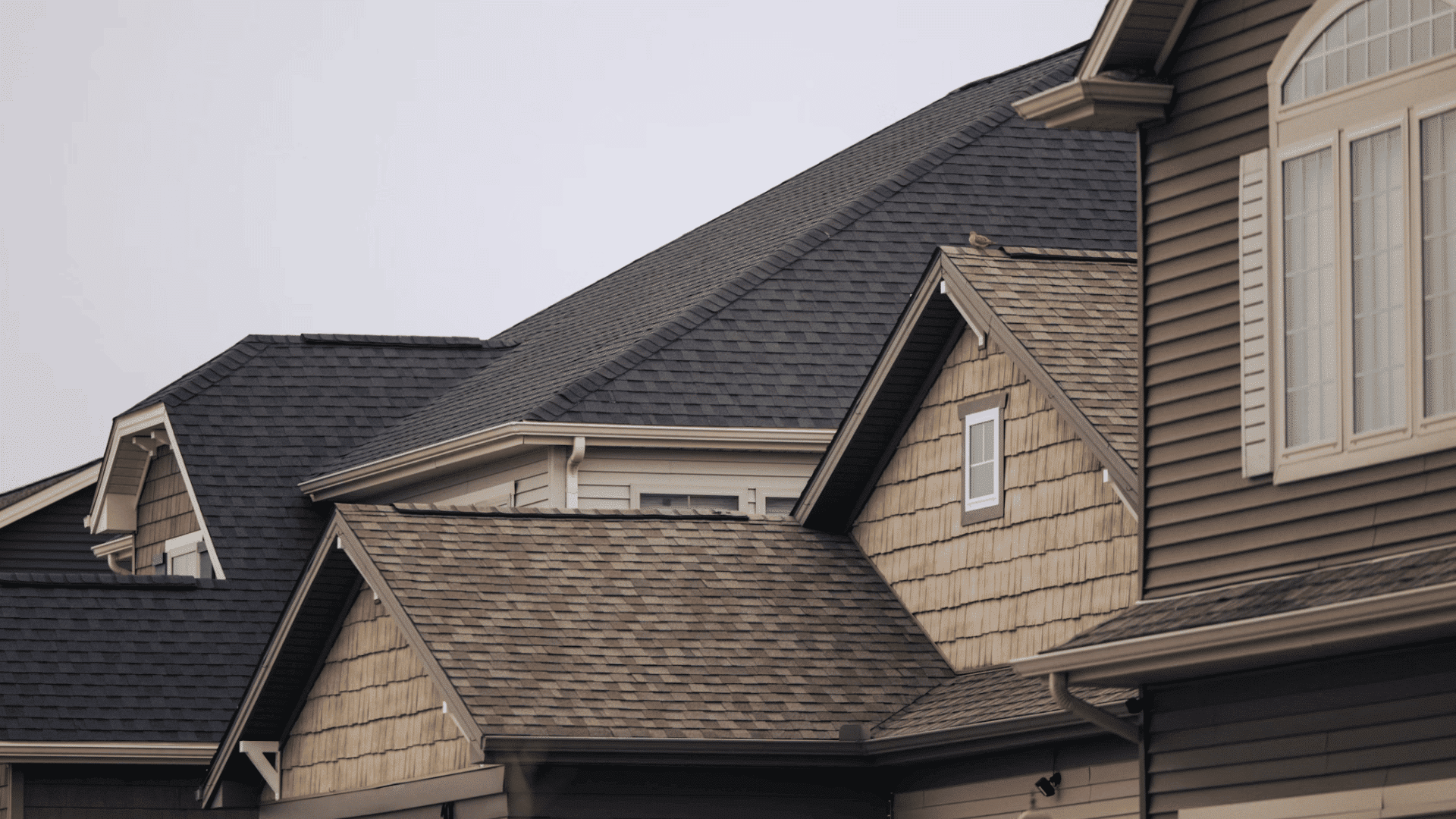
Your roof is one of the most important parts of your home, but it won’t last forever. How long a roof lasts depends on several factors, including the roofing material, local climate, installation quality, and how well it has been maintained over the years.
Some roofs need replacement after a couple of decades, while others can protect a home for 50 years or more.
Knowing what affects your roof’s lifespan can help you plan repairs and avoid unexpected problems.
In this blog, you’ll learn the average lifespan of different roofing materials and the warning signs that indicate it’s time for a replacement.
It’ll also cover the factors that can shorten a roof’s life and practical maintenance tips to help your roof last as long as possible.
Quick Answer: How Long Does a Roof Last?
Most roofs last 15 to 100+ years, depending on the roofing material, installation quality, climate, and maintenance.
Asphalt shingle roofs typically last 15–30 years, while metal, tile, slate, and other premium materials can remain in good condition for 40–100 years or more.
Regular inspections, prompt repairs, and proper maintenance help maximize your roof’s lifespan and delay the need for replacement.
How to Tell How Old Your Roof Is?
Knowing your roof’s age helps you estimate its remaining lifespan, schedule maintenance, and decide whether repairing or replacing it is the better investment.
Start by reviewing your home purchase documents, inspection reports, building permits, or closing paperwork, as these often include the roof’s installation or replacement date.
If available, check old roofing invoices, warranties, or receipts for details about when the work was completed and the materials used.
Previous homeowners may also be able to provide information about the roof’s history if records are missing.
You can inspect roofing materials for manufacturer labels or production date stamps, although these only indicate when the materials were made, not necessarily when they were installed.
If the roof’s age is unknown, a roofing contractor can estimate it by inspecting its materials, installation, and condition.
What Causes a Roof to Wear Out Faster?
Several factors can shorten a roof’s lifespan, even if it’s made from durable materials. Understanding these causes helps you prevent premature damage and costly repairs.
- Extreme Weather: Heavy rain, hail, snow, strong winds, and prolonged sun exposure gradually weaken roofing materials, reducing their lifespan and overall performance.
- Poor Installation: Improper installation can create weak points, leading to leaks, loose shingles, poor drainage, and accelerated deterioration throughout the roof system.
- Lack of Maintenance: Skipping regular inspections and minor repairs allows small problems to grow, shortening your roof’s lifespan and increasing replacement costs.
- Poor Attic Ventilation: Inadequate ventilation traps heat and moisture, causing shingles to age faster while increasing the risk of mold and structural damage.
- Moisture Buildup: Standing water or trapped moisture can rot roof decking, weaken structural components, and encourage mold growth beneath roofing materials.
- Falling Tree Branches: Overhanging branches can scrape shingles, puncture roofing materials, and drop debris that traps moisture and accelerates roof deterioration.
- Walking on the Roof: Frequent foot traffic can crack shingles, loosen roofing materials, and cause hidden damage, especially on older or fragile roofs.
Signs It’s Time to Replace Your Roof
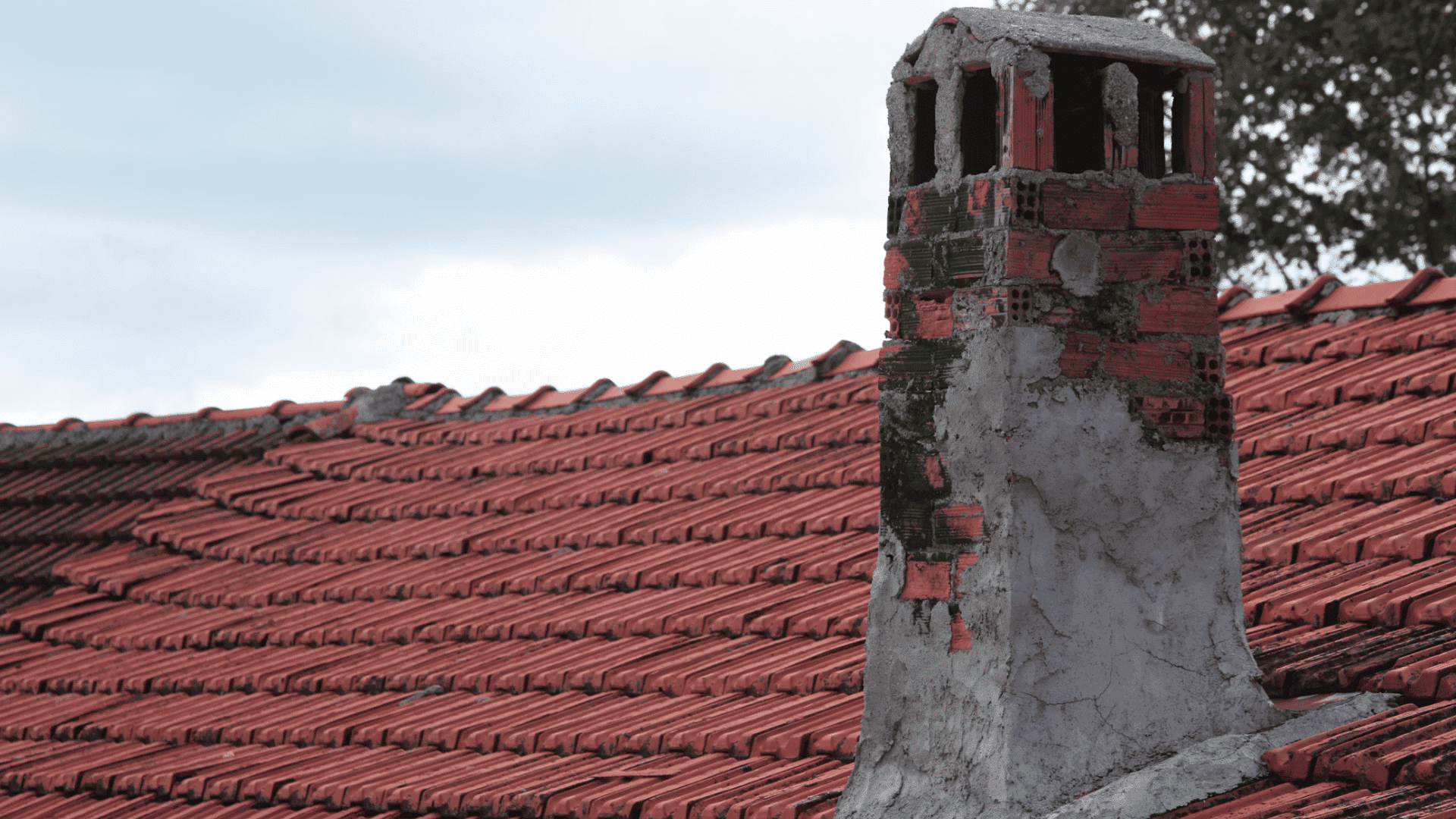
Recognizing the warning signs early can help you avoid costly structural damage, water intrusion, and unexpected emergency replacements
1. Missing or Broken Shingles
Missing or broken shingles leave the roof’s protective layer exposed, allowing water to seep into the underlying structure.
High winds, aging, and severe weather are common causes of shingle damage. Even a few missing shingles can increase the risk of leaks if left unrepaired.
If you notice damaged shingles appearing repeatedly despite repairs, your roof may be reaching the end of its service life and should be professionally evaluated for replacement.
2. Curling or Buckling Shingles
Shingles that curl at the edges or buckle across the surface often indicate that the roofing material is deteriorating. This can happen because of prolonged sun exposure, poor attic ventilation, moisture buildup, or simply old age.
Curled shingles are more likely to crack or blow away during storms, leaving your roof vulnerable to water damage.
Widespread curling usually suggests the roof has aged significantly and may need replacement instead of another repair.
3. Granules Collecting in Gutters
Asphalt shingles gradually lose the protective granules that shield them from sunlight and harsh weather.
Finding a small amount of granules in gutters is normal over time, but excessive accumulation often signals advanced wear.
Without these granules, shingles become more vulnerable to cracking, fading, and water penetration.
If your gutters regularly collect large amounts of roofing granules, it may indicate that your roof is nearing the end of its expected lifespan.
4. Frequent Roof Leaks
An occasional leak may be repairable, but recurring leaks often point to widespread roofing problems. Water can enter through damaged shingles, worn flashing, deteriorated underlayment, or aging roof materials.
Constant patching may temporarily solve individual leaks without addressing the overall condition of the roof.
When leaks continue appearing in different areas, replacing the roof is often more practical and cost-effective than repeated repairs.
5. Sagging Roof Deck
A sagging roof deck is one of the most serious warning signs because it may indicate structural damage beneath the roofing materials.
Long-term moisture exposure can weaken roof decking, rafters, and support structures, causing sections of the roof to sink or appear uneven.
This problem should never be ignored, as it can worsen over time and create safety risks. Immediate inspection by a qualified roofing professional is essential.
6. Water Stains on Ceilings or Walls
Brown or yellow water stains on ceilings and interior walls often indicate that moisture is entering through the roof.
Although plumbing issues can sometimes cause similar stains, roof leaks are a common source, especially after heavy rain.
Water intrusion can also damage insulation, drywall, and wooden framing while encouraging mold growth.
Persistent interior water stains should always be investigated to determine whether roof replacement is necessary.
7. Moss, Mold, or Algae Growth
Moss, mold, and algae growing on your roof often indicate trapped moisture, especially in shaded or humid areas.
Moss can lift shingles and hold water against the roof surface, increasing the risk of deterioration over time.
While algae mainly affects appearance, extensive biological growth may signal poor drainage or aging roofing materials.
If cleaning no longer resolves the issue, replacing the roof may become the better long-term solution.
8. Storm or Hail Damage
Severe storms can cause damage that is not always obvious from the ground.
Hail may crack shingles or knock away protective granules, while strong winds can loosen, lift, or remove roofing materials entirely.
Even if your roof appears intact, hidden damage can shorten its lifespan and eventually lead to leaks.
After major storms, a professional inspection helps determine whether repairs are sufficient or replacement is the safer option.
9. Daylight Visible in the Attic
If you can see daylight coming through your attic roof boards, there are openings where water, air, and pests can also enter.
These gaps may result from deteriorated roofing materials, damaged decking, or storm-related impacts.
During rain, such openings often allow moisture to reach insulation and interior structures. V
isible daylight inside the attic is a clear indication that your roof requires immediate inspection and possibly full replacement.
Roof Lifespan by Material
Different roofing materials have different lifespans. Comparing their expected durability and maintenance needs helps you choose the right roofing option.
| Roofing Material | Average Lifespan | Typical Maintenance Level |
|---|---|---|
| Asphalt Shingles (3-tab) | 15–20 years | Moderate |
| Architectural Shingles | 25–30 years | Moderate |
| Premium Asphalt Shingles | 30–40 years | Moderate |
| Wood Shakes/Shingles | 20–40 years | High |
| Metal Roofing | 40–70 years | Low |
| Clay Tiles | 50–100 years | Low |
| Concrete Tiles | 50+ years | Low |
| Slate Roofing | 75–150+ years | Low |
| Synthetic Slate/Composite | 30–50 years | Low |
| Flat Roof (EPDM/TPO/PVC) | 20–30 years | Moderate |
What Factors Affect How Long a Roof Lasts?
Several factors determine whether a roof reaches its expected lifespan or needs replacement sooner. Understanding them helps homeowners protect their investment.
- Roofing Material Quality: Higher-quality roofing materials generally resist weather, wear, and aging better, allowing the roof to last significantly longer with proper maintenance.
- Local Climate: Frequent storms, heavy snowfall, intense sunlight, strong winds, and temperature fluctuations can accelerate roof deterioration and shorten its expected lifespan.
- Roof Slope and Design: Steeper roofs shed water and debris more effectively, while flatter designs may retain moisture and require additional maintenance.
- Sun Exposure: Constant exposure to direct sunlight and ultraviolet rays can dry out roofing materials, causing cracking, fading, and faster deterioration over time.
- Roof Ventilation: Proper attic ventilation reduces heat and moisture buildup, helping roofing materials last longer while preventing mold and structural damage.
- Installation Quality: A professionally installed roof performs better, resists leaks, and reaches its expected lifespan more consistently than one installed incorrectly.
- Maintenance Frequency: Regular inspections, gutter cleaning, and timely repairs prevent minor issues from becoming major problems that reduce your roof’s lifespan.
Does Roof Age Affect Your Home Insurance?
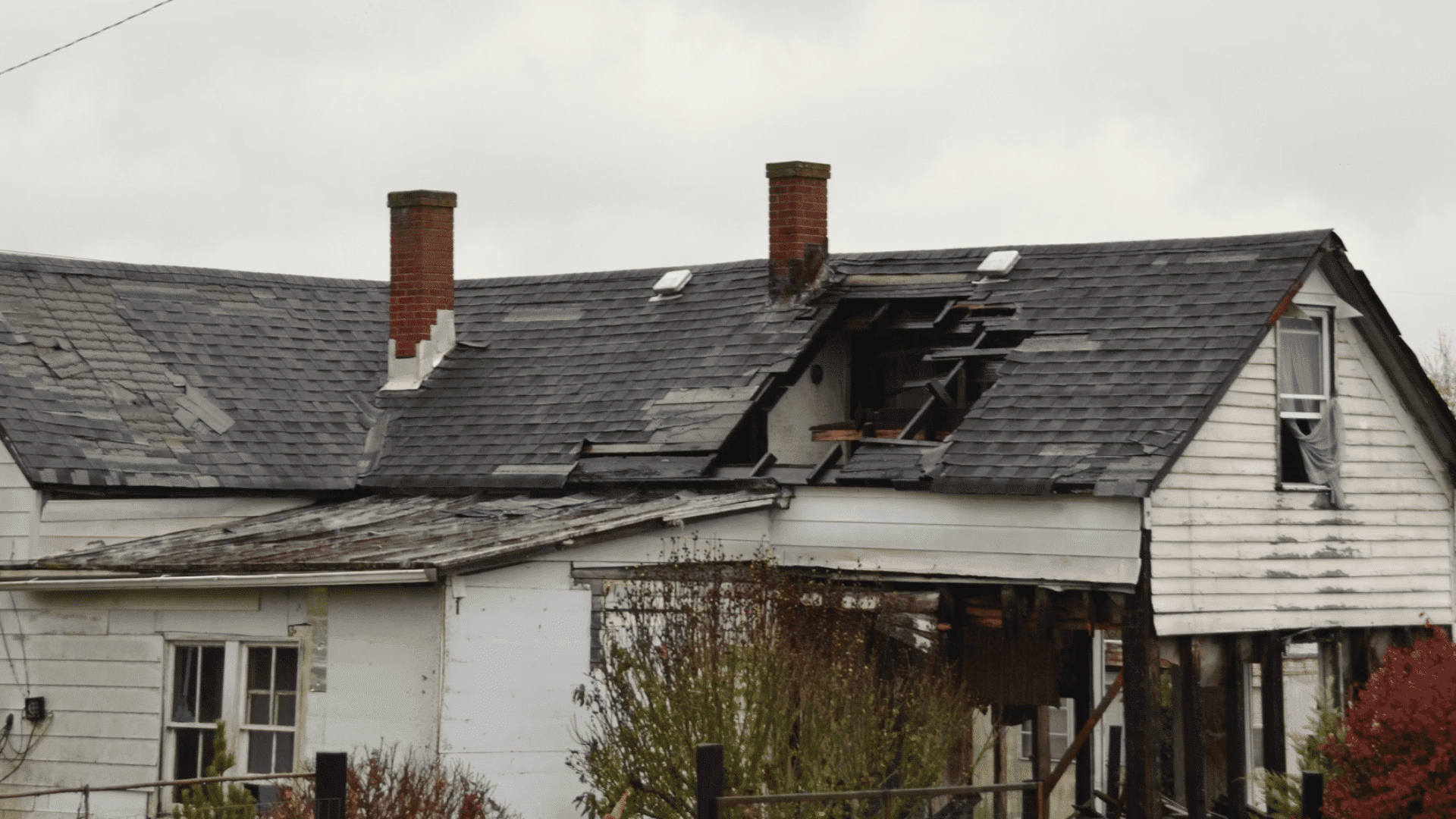
Yes, roof age can affect your homeowners insurance coverage and the amount you receive if you file a roof damage claim.
Many insurers reduce coverage options or payouts as a roof gets older, especially once it reaches 15 to 20 years of age. As a roof ages, insurance companies consider it more likely to suffer damage or wear.
Some policies offer full replacement coverage, while others deduct depreciation based on the roof’s age and condition.
Homes with similar storm damage may receive different claim amounts when one roof is much older.
Insurance companies also vary in their underwriting rules, with some requiring inspections or limiting coverage for older roofs.
If your roof is approaching 15 to 20 years old, reviewing your policy and confirming how roof claims are settled can help you avoid unexpected costs after a covered loss
Roof Repair vs. Roof Replacement: Which One Do You Need?
Minor roof issues can often be repaired, but older roofs or extensive damage usually make replacement the more practical long-term solution.
| Situation | Roof Repair May Be Enough | Roof Replacement Is Usually Better |
|---|---|---|
| Roof Age | Roof is still within its expected lifespan | Roof has exceeded its expected lifespan |
| Leaks | One small, isolated leak | Multiple or recurring leaks across the roof |
| Shingle Condition | A few missing, cracked, or damaged shingles | Widespread cracked, curling, or missing shingles |
| Storm Damage | Damage limited to one section | Severe hail or wind damage affecting large areas |
| Flashing | Loose or damaged flashing around vents or chimneys | Flashing failure combined with aging roofing materials |
| Roof Deck | Roof deck is solid and structurally sound | Sagging, rotting, or weakened roof deck |
| Water Damage | Minor moisture with no structural issues | Extensive water damage, rot, or mold growth |
| Repair History | First or occasional repair needed | Frequent repairs with ongoing roofing problems |
How Climate and Region Affect Roof Lifespan?
Your local climate plays a major role in how long a roof lasts. Homes in hot, sunny states like Arizona are exposed to intense UV rays and extreme heat.
This can dry out asphalt shingles, cause cracking, and speed up aging.
Florida’s humidity, salt air, hurricanes, and heavy rain increase corrosion, moisture damage, and roof wear.
In northern states, repeated freeze-thaw cycles allow water to seep into small cracks, expand when frozen, and gradually damage roofing materials.
Regions with frequent hail, strong winds, heavy snow, or falling tree debris also place extra stress on roofs.
Choosing roofing materials designed for your local climate and scheduling regular inspections can help maximize your roof’s lifespan.
How to Make Your Roof Last Longer?
Simple maintenance habits can extend your roof’s lifespan, reduce repair costs, and help protect your home from preventable weather-related damage.
- Schedule Annual Roof Inspections: Annual inspections help identify loose shingles, damaged flashing, and hidden problems before they develop into expensive roof repairs or replacement.
- Clean Gutters Regularly: Clear gutters allow rainwater to drain properly, preventing water backups, roof leaks, wood rot, and damage to your home’s foundation.
- Replace Damaged Shingles Promptly: Repair or replace cracked, loose, or missing shingles quickly to prevent water intrusion and further damage to surrounding roofing materials.
- Trim Overhanging Tree Branches: Prune nearby branches to prevent scraping, falling limbs, debris buildup, and easier access for pests that may damage your roof.
- Keep Moss and Algae Under Control: Remove moss and algae promptly because they trap moisture, weaken roofing materials, and shorten your roof’s expected lifespan.
- Improve Attic Ventilation: Good attic ventilation reduces heat and moisture buildup, helping roofing materials age more slowly and preventing mold and wood rot.
- Fix Small Leaks Immediately: Repair minor leaks as soon as possible to prevent insulation damage, mold growth, structural deterioration, and costly future roof repairs.
Does Roof Color Affect How Long a Roof Lasts?
Yes, roof color can indirectly affect how long a roof lasts, but the roofing material, installation quality, climate, and maintenance have a much greater impact on its lifespan.
Dark-colored roofs absorb more heat, while lighter-colored roofs reflect more sunlight, which can influence roof temperature over time.
In hot climates, dark roofs absorb more heat, increasing thermal expansion and contraction. Over many years, this repeated movement can place additional stress on roofing materials, particularly asphalt shingles.
However, modern roofing products are designed to withstand temperature changes, so color alone does not determine durability.
Regular inspections, proper ventilation, quality materials, and timely repairs remain the most important factors in maximizing the life of any roof, regardless of its color.
How Much Does a Roof Replacement Cost?
Roof replacement costs vary by material, roof size, labor, and location. Understanding average prices helps you budget and compare roofing options.
| Roofing Material | Average Cost (2,000 sq. ft. Roof) | Typical Lifespan | Best For |
|---|---|---|---|
| Asphalt Shingles | $5,000–$12,000 | 15–30 years | Budget-friendly residential roofs |
| Architectural Shingles | $8,000–$16,000 | 25–30 years | Better durability and curb appeal |
| Metal Roofing | $10,000–$25,000 | 40–70 years | Long-term value and energy efficiency |
| Wood Shakes/Shingles | $10,000–$20,000 | 20–40 years | Traditional and rustic homes |
| Clay Tile | $15,000–$35,000 | 50–100+ years | Warm climates and Mediterranean-style homes |
| Concrete Tile | $12,000–$30,000 | 40–75 years | Durable, low-maintenance roofing |
| Slate Roofing | $20,000–$50,000+ | 75–100+ years | Premium, long-lasting roofs |
When Should You Call a Roofing Professional?
You should call a roofing professional whenever you notice signs that your roof may no longer be protecting your home properly.
Schedule an inspection after severe storms, even if damage is not obvious, since hail, strong winds, and falling branches can weaken roofing materials.
Don’t ignore water stains, ceiling leaks, or damp spots in the attic, as these often point to hidden roof damage.
If multiple shingles are cracked, curled, missing, or scattered across your yard, repairs should be made before the problem spreads.
It’s also wise to have your roof professionally inspected as it nears the end of its expected lifespan.
Early inspections can identify issues before they become costly repairs and help you decide a repair or full replacement is the better option.
Conclusion
Your roof’s lifespan depends on its material, installation quality, local climate, and the care it receives over time.
Although every roof will eventually need replacing, regular inspections and timely maintenance can help it last longer and perform better.
Fixing small issues, such as missing shingles, clogged gutters, or minor leaks, before they worsen can save you from costly repairs and unexpected damage.
If you’re unsure about your roof’s age or notice signs of wear, it’s a good idea to have it checked by a professional.
Schedule a roof inspection to assess its condition, catch problems early, and help keep your home safe and protected for years to come.
Frequently Asked Questions
What Is the 25% Rule for Roofing?
The 25% rule generally means that if more than 25% of a roof section is damaged, some building codes may require replacing that entire section instead of repairing it.
What Is the Cheapest Time to Replace a Roof?
Late winter and early spring are often the most affordable times to replace a roof because demand is lower, allowing contractors to offer more flexible scheduling and occasional discounts.
How Old Can a Roof Be for Insurance?
Many insurers closely evaluate roofs over 20 years old, though the limit varies by company, roofing material, and the roof’s overall condition and maintenance history.