

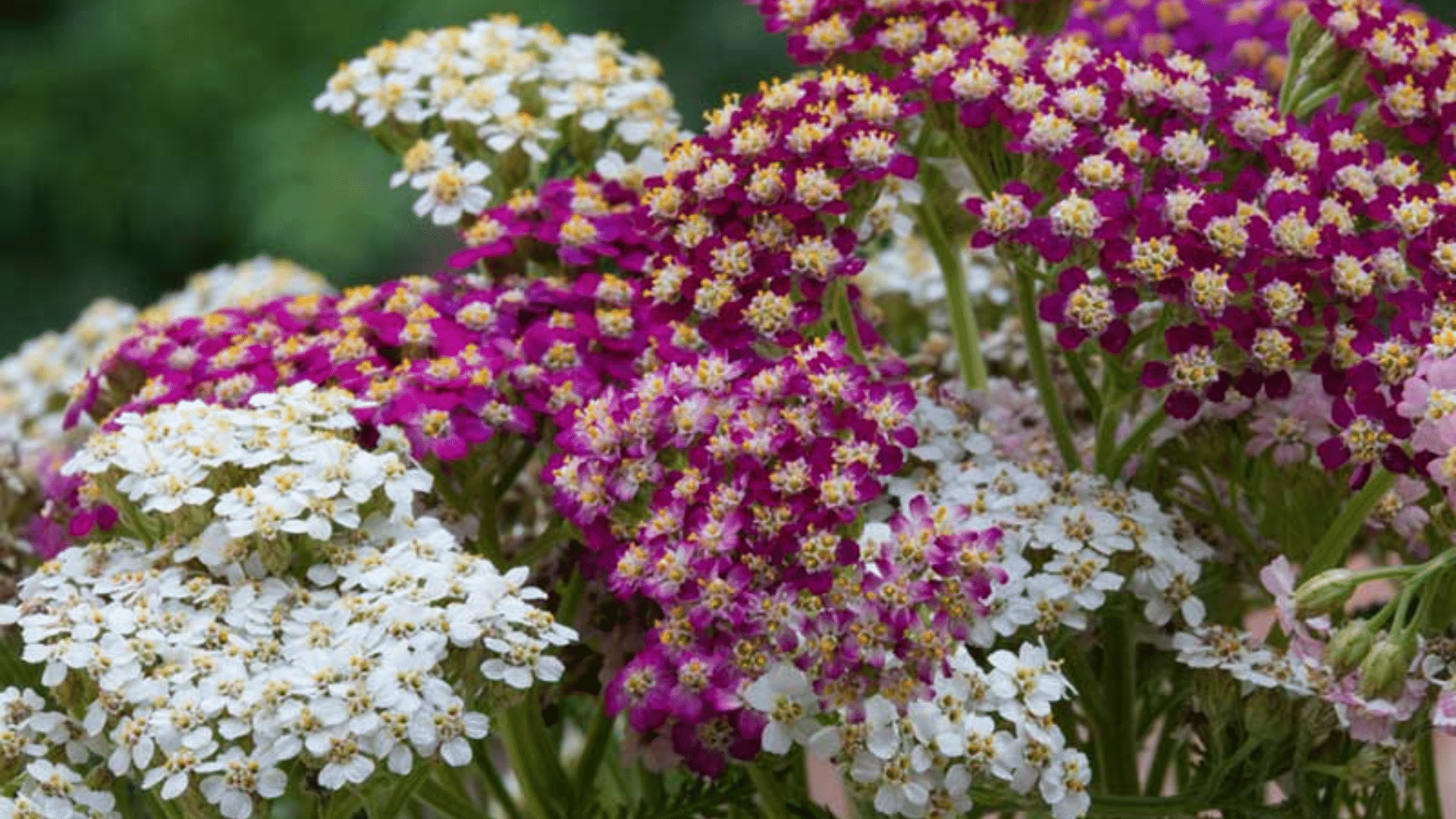
Rabbit-resistant plants are a smart choice for gardeners who want colorful landscapes with less damage from hungry rabbits.
While no plant is completely rabbit-proof, many flowers, perennials, herbs, and shrubs are less appealing because of their scent, texture, or taste.
Choosing these plants can help reduce browsing and make garden beds easier to maintain throughout the growing season.
This article shares some of the best rabbit-resistant plants, explains why rabbits avoid them, and offers simple planting ideas to help you create a healthier, more attractive garden.
If you’re planning a new garden or improving an existing one, these plants can help create a landscape that’s both attractive and easier to protect.
Why Choose Rabbit-Resistant Plants?
Rabbit-resistant plants can help reduce damage to flowers, shrubs, and garden beds without relying on constant deterrents.
No plant is rabbit-proof, but rabbits often avoid strong-smelling, fuzzy, prickly, or bitter plants.
Adding these plants to your landscape can make your garden easier to maintain while keeping it colorful throughout the growing season.
These plants also pair well with other rabbit-control methods, such as fencing, raised beds, and proper plant spacing.
If you’re planting a new flower bed or updating an existing landscape, choosing rabbit-resistant plants is a simple way to protect your garden while still enjoying a wide variety of blooms, herbs, and shrubs.
Key Characteristics of Rabbit-Resistant Plants
Plants that naturally resist rabbit browsing often share certain traits. These features make them less appealing than tender, soft-leaved plants commonly found in home gardens.
- Strong Fragrance: Plants with aromatic leaves, such as lavender, rosemary, sage, and thyme, often deter rabbits with their strong scent.
- Fuzzy or Rough Leaves: Soft, hairy, or coarse foliage is less appealing for rabbits to chew than smooth, tender leaves.
- Bitter Taste: Some plants contain naturally bitter compounds that rabbits typically avoid when other food sources are available.
- Woody Stems: Mature shrubs and woody perennials are generally tougher to nibble than plants with soft, succulent stems.
- Thick or Leathery Foliage: Tough leaves are more difficult to eat, making these plants less attractive to browsing rabbits.
- Needle-Like or Spiky Growth: Sharp needles or prickly foliage can make feeding uncomfortable, encouraging rabbits to look elsewhere.
- Natural Protective Compounds: Certain bulbs and perennials contain natural substances that make them unpalatable or mildly toxic to rabbits.
Best Rabbit-Resistant Plants for Your Garden
Choosing the right mix of plants can help reduce rabbit damage while adding color, texture, and fragrance. Although hungry rabbits may nibble almost any plant, these are dependable choices for home gardens.
1. Lavender
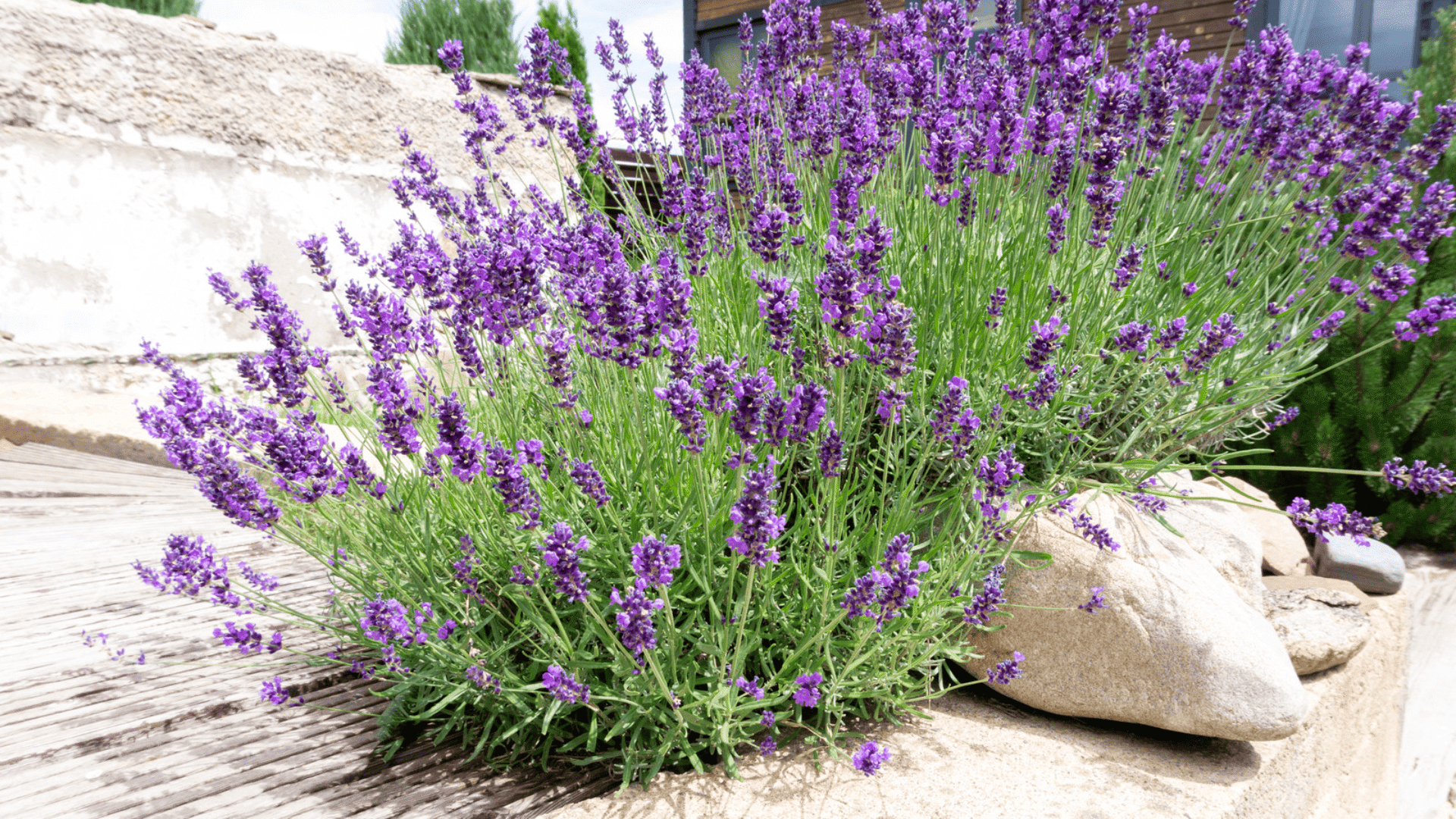
Lavender is one of the most popular rabbit-resistant plants thanks to its strong fragrance and silvery foliage.
Most rabbits avoid the scent, while bees and butterflies happily visit the purple blooms throughout summer. It grows best in full sun with well-draining soil and needs very little care once established.
I’ve planted lavender along garden borders before, and it has stayed untouched even when rabbits visited nearby flower beds.
Besides helping discourage rabbits, lavender adds color, fragrance, and a calming appearance, making it an excellent choice for pathways, rock gardens, and cottage-style landscapes.
2. Russian Sage
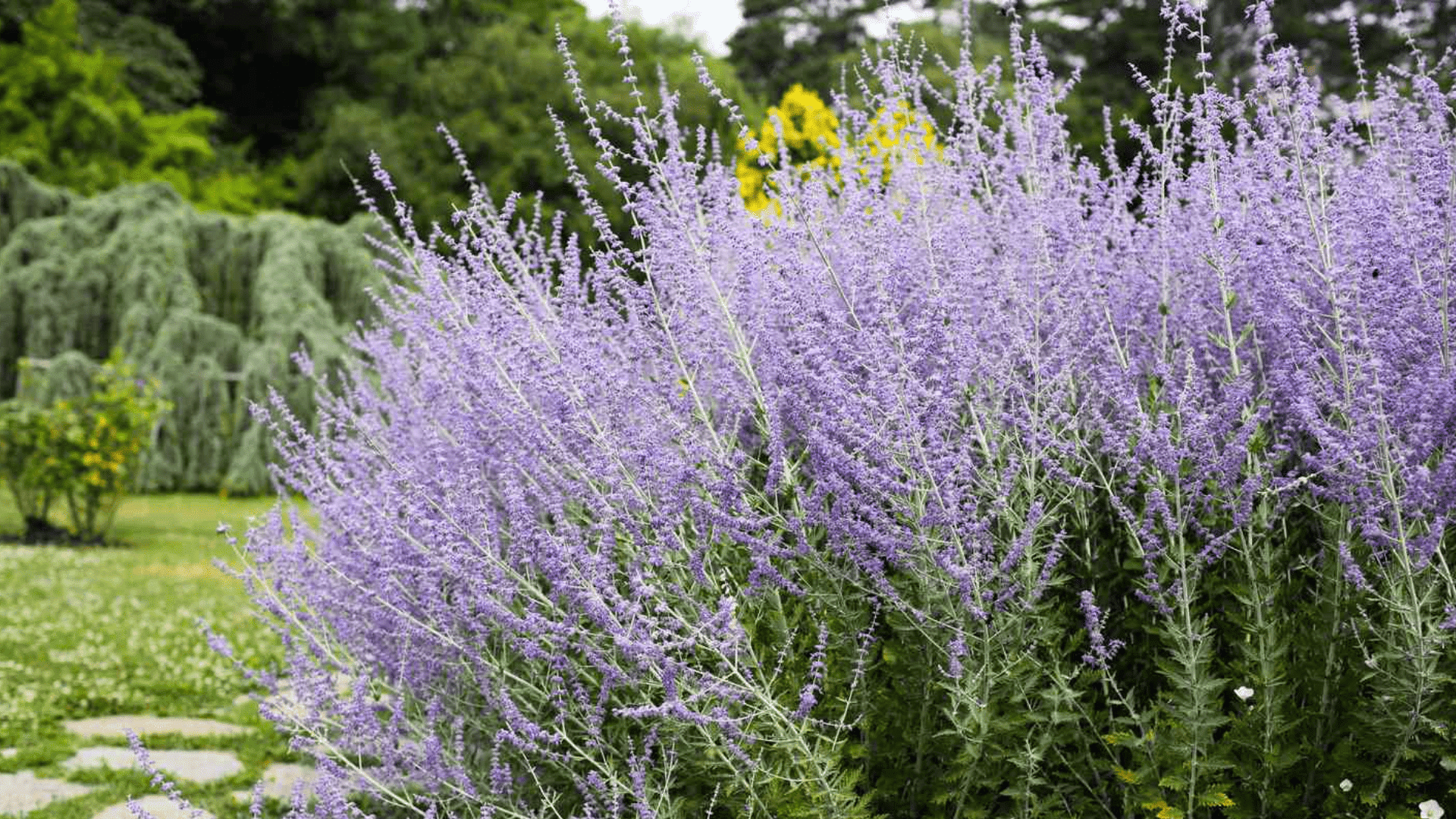
Russian sage produces airy spikes of lavender-blue flowers that bloom for months. Its aromatic leaves and woody stems make it less appealing to rabbits, helping protect nearby flower beds.
This drought-tolerant perennial grows well in sunny locations and handles heat with ease.
Once mature, it creates a soft, colorful backdrop without demanding much maintenance.
Pair it with ornamental grasses, coneflowers, or black-eyed Susans for a landscape that stays attractive from early summer through fall while requiring minimal watering.
3. Catmint
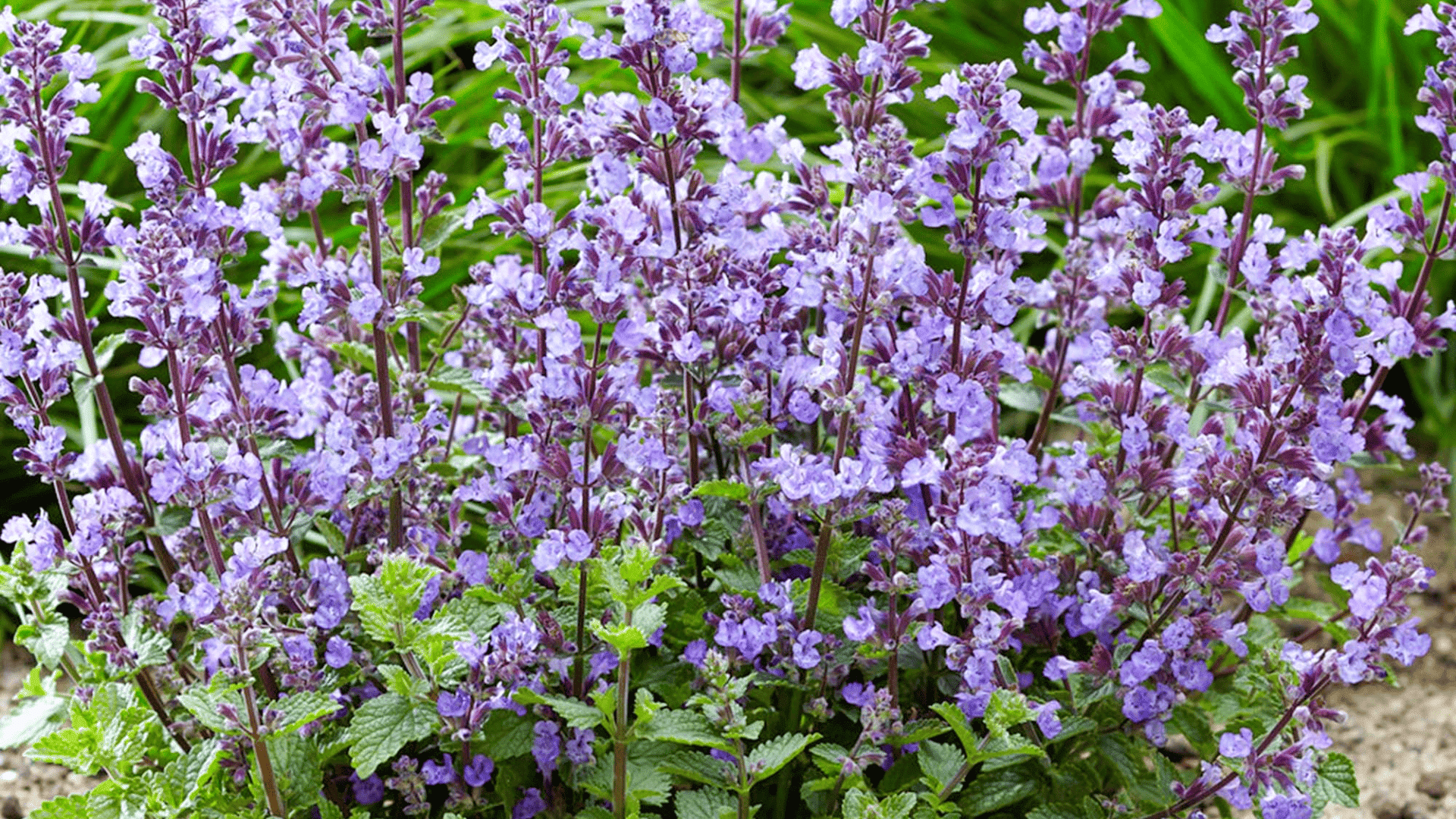
Catmint offers long-lasting purple-blue flowers and fragrant gray-green leaves that rabbits usually leave alone.
It spreads into neat mounds, making it a great border plant for walkways and garden edges. This easy-care perennial blooms from late spring into summer and often attracts bees and butterflies.
After the first flush of flowers fades, a light trim usually encourages another round of blooms later in the season.
Its long flowering period and low maintenance make it a reliable addition to almost any sunny garden.
4. Salvia
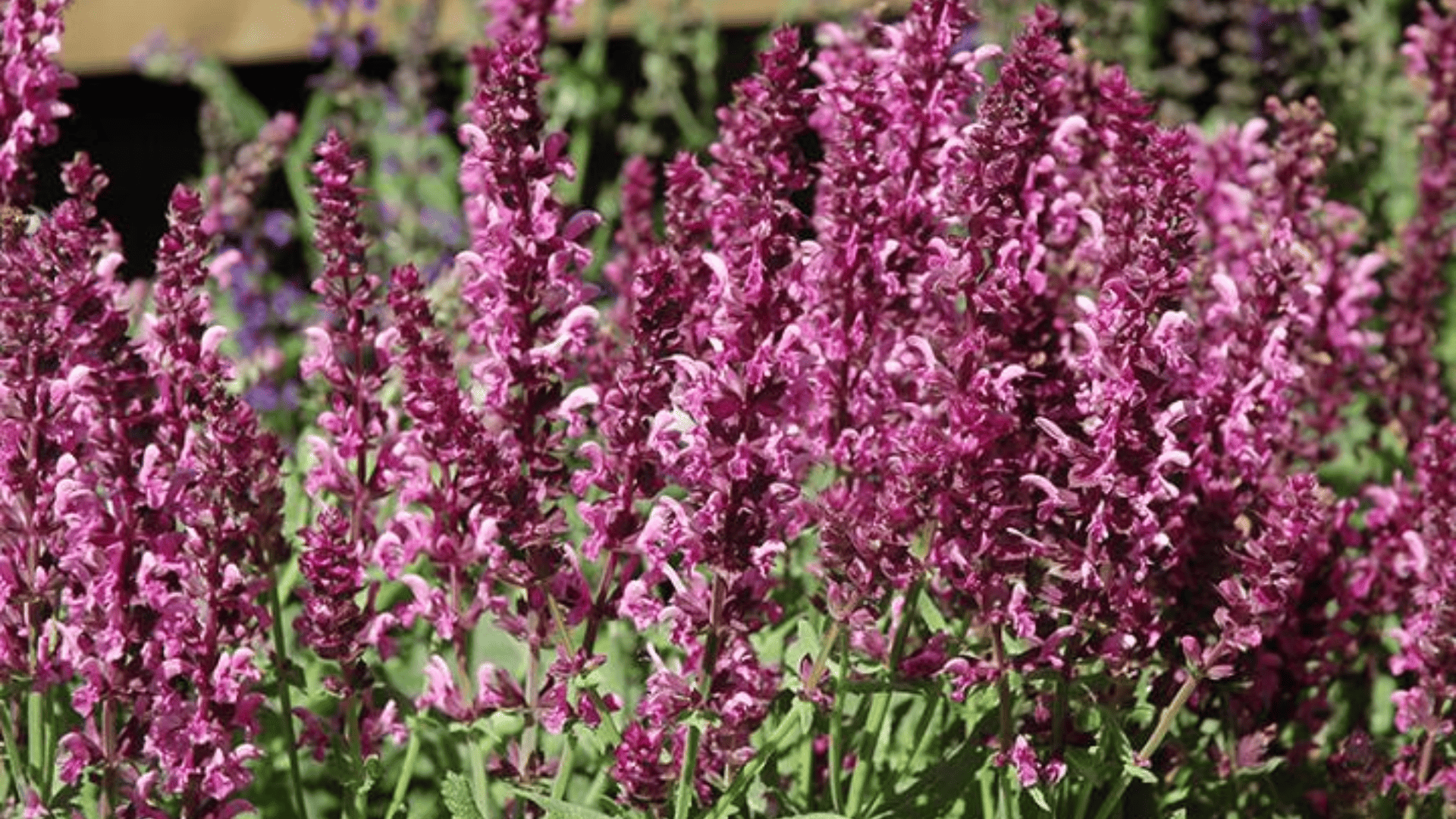
Salvia combines colorful flower spikes with aromatic foliage that rabbits rarely find appealing. Available in shades of blue, purple, pink, and red, it fits into almost any garden style.
It grows best in full sun and well-drained soil, and it handles dry conditions better than many flowering plants.
Salvia also attracts hummingbirds, butterflies, and bees, making it a practical choice for pollinator gardens.
Regular deadheading helps extend blooming, giving you bright color throughout much of the growing season.
5. Daffodils
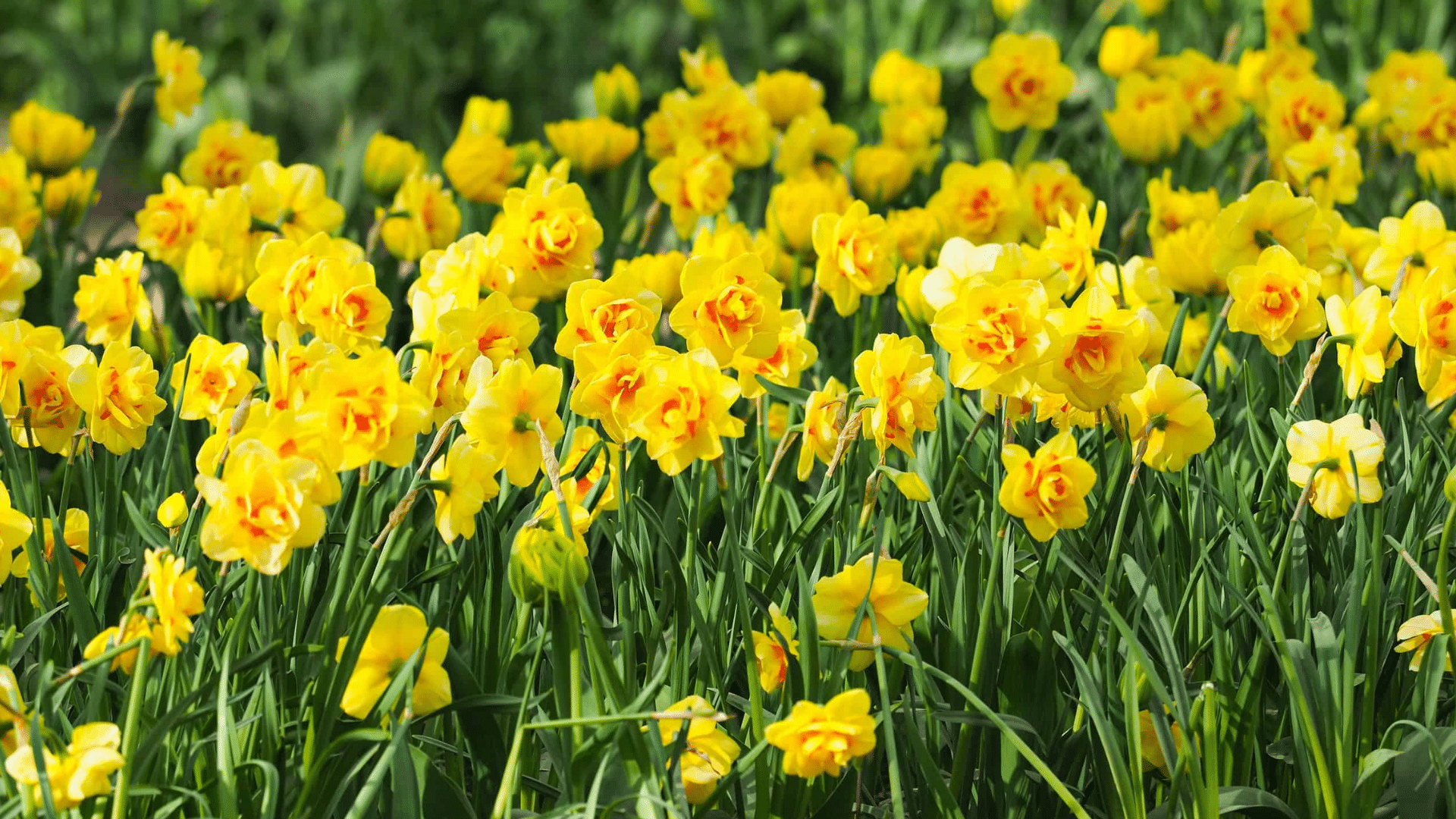
Daffodils brighten spring gardens with cheerful yellow, white, or orange blooms. Unlike many spring flowers, they contain natural compounds that make them unappealing to rabbits and deer.
Plant the bulbs in the fall for colorful blooms the following spring. They work well along borders, beneath trees, or mixed with other early-season flowers.
Since daffodils return year after year with very little maintenance, they provide dependable spring color while helping reduce rabbit damage in the landscape.
6. Alliums
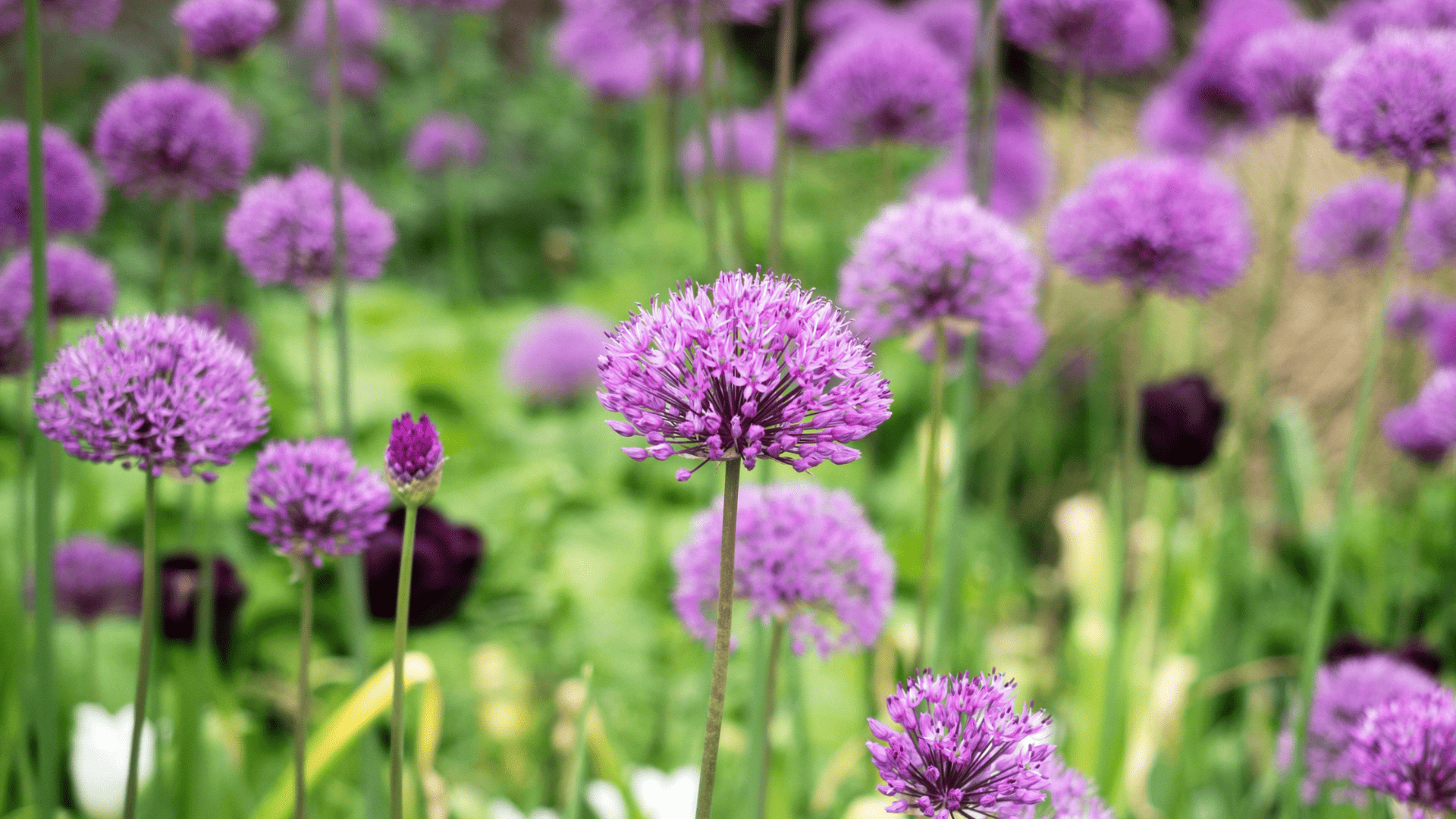
Alliums belong to the onion family, and their strong scent is one of the main reasons rabbits usually avoid them.
Their round flower heads add height and architectural interest to flower beds while blooming in late spring or early summer.
These hardy bulbs are easy to grow in sunny spots with good drainage and come back reliably each year.
They pair beautifully with roses, peonies, and other summer-blooming perennials, adding both texture and color without requiring much attention.
7. Yarrow
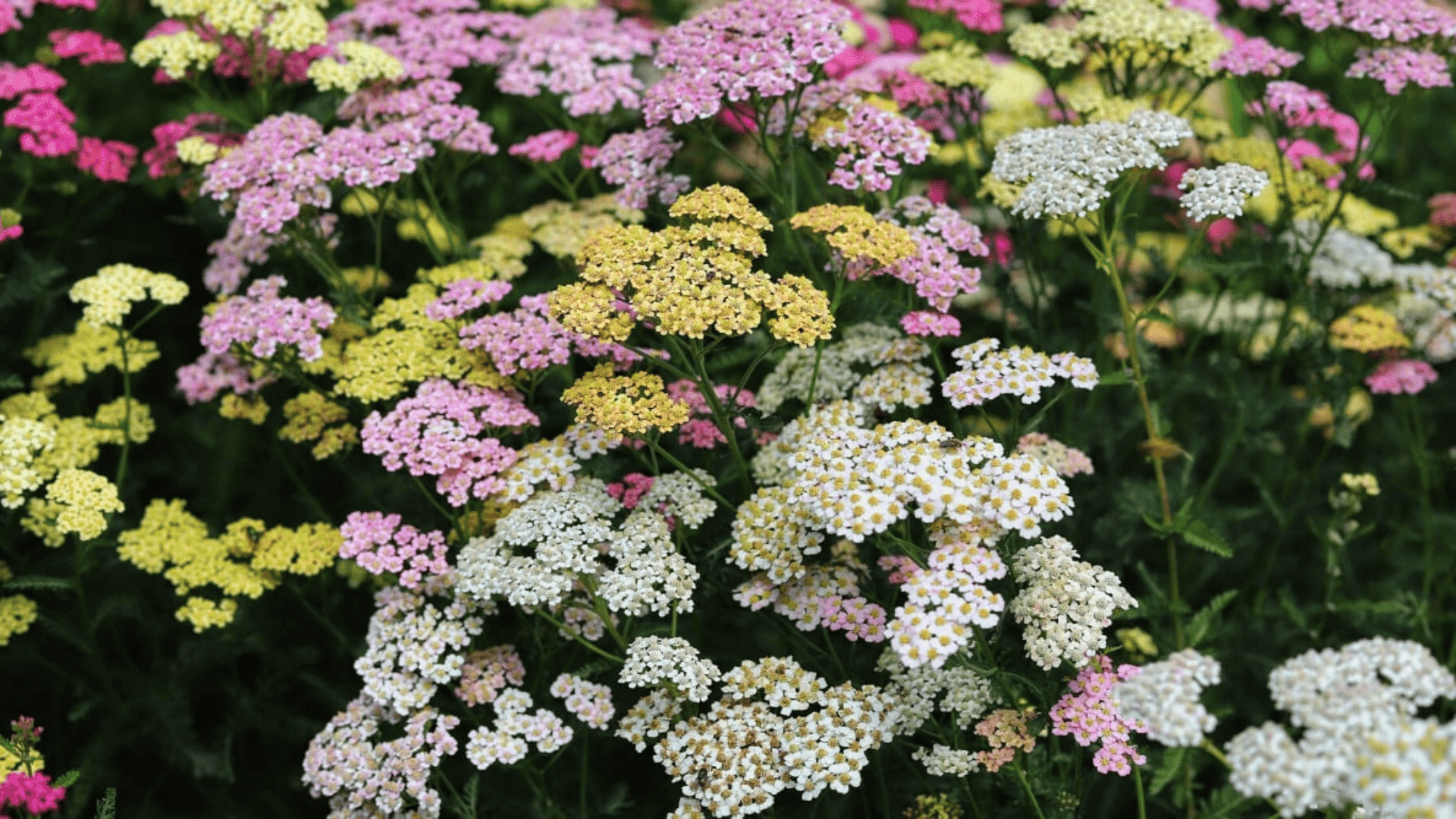
Yarrow produces clusters of tiny flowers in colors like yellow, pink, red, and white. Its fern-like foliage has a scent and texture that rabbits generally dislike.
This drought-tolerant perennial grows well in poor soils and blooms for weeks during summer.
Yarrow works well in sunny borders because it quickly fills empty spaces and remains attractive even during dry weather.
It also attracts pollinators and makes excellent cut flowers, giving it value both inside and outside the garden.
8. Coneflower
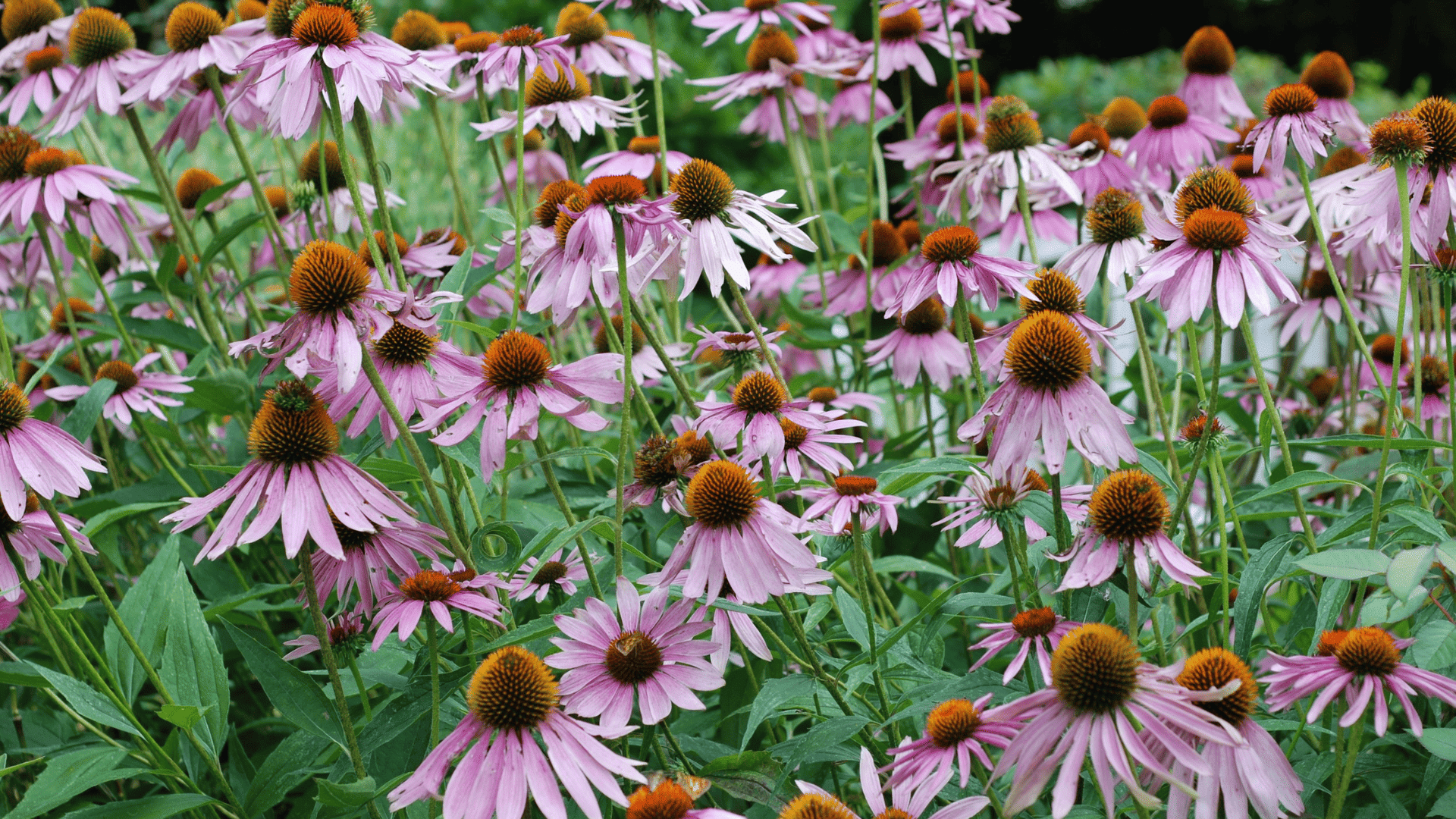
Coneflowers are hardy native perennials known for their large daisy-like blooms and long flowering season.
Their coarse leaves are less attractive to rabbits, while the colorful flowers provide nectar for butterflies and bees throughout summer.
They prefer full sun and tolerate heat and drought once established.
Leave the seed heads in place after blooming, and you’ll often spot goldfinches and other birds feeding on them during fall and winter, adding wildlife interest long after the flowers fade.
9. Bee Balm
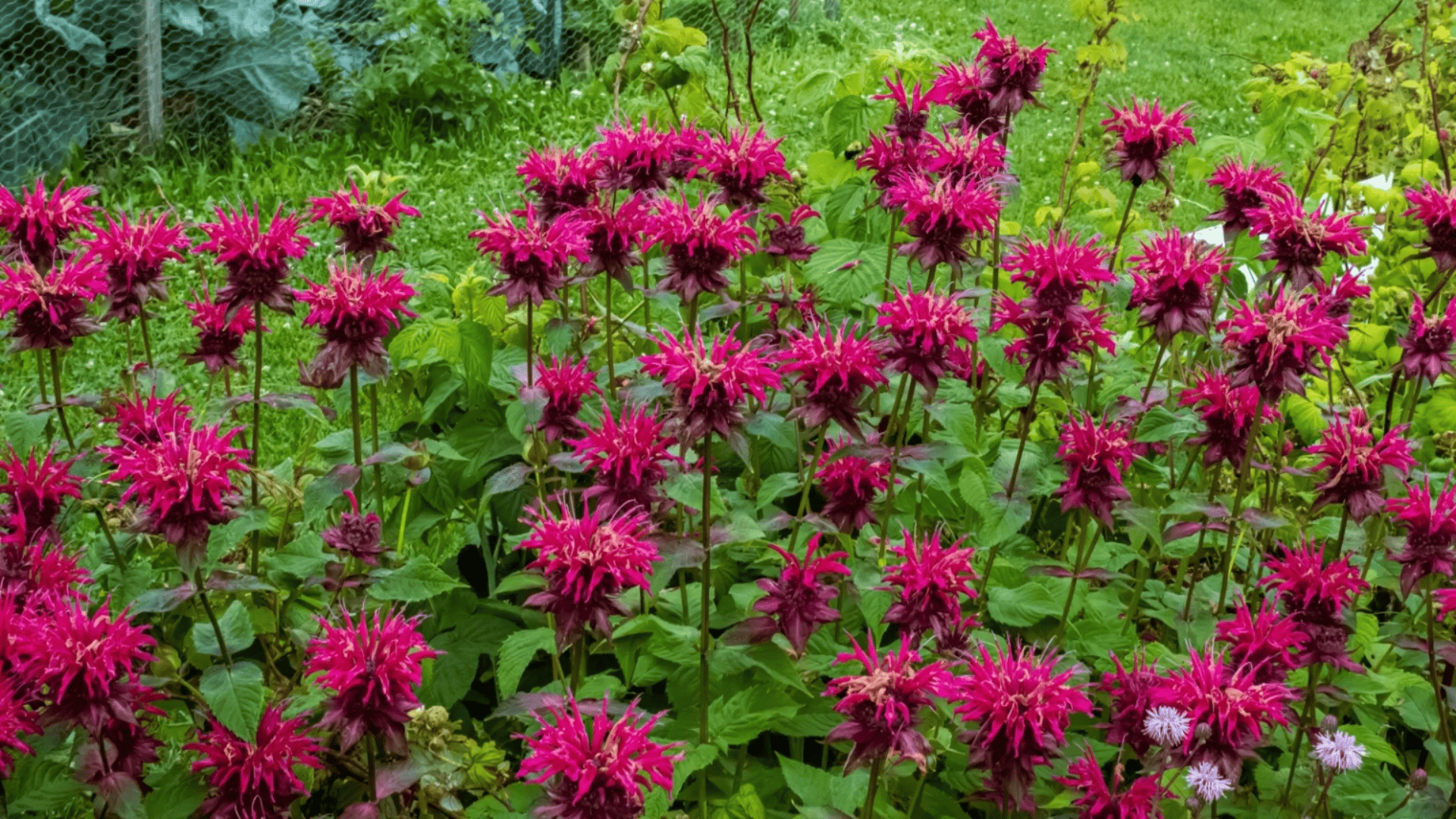
Bee balm adds bold color to summer gardens with red, pink, purple, or white flowers. Its mint-like fragrance helps discourage rabbits, while hummingbirds, butterflies, and bees flock to the blooms.
It grows best in sunny locations with evenly moist soil and benefits from good air circulation to reduce disease problems.
Bee balm works especially well in pollinator gardens and mixed perennial borders, where its vibrant flowers create eye-catching displays throughout much of the summer season.
10. Lamb’s Ear
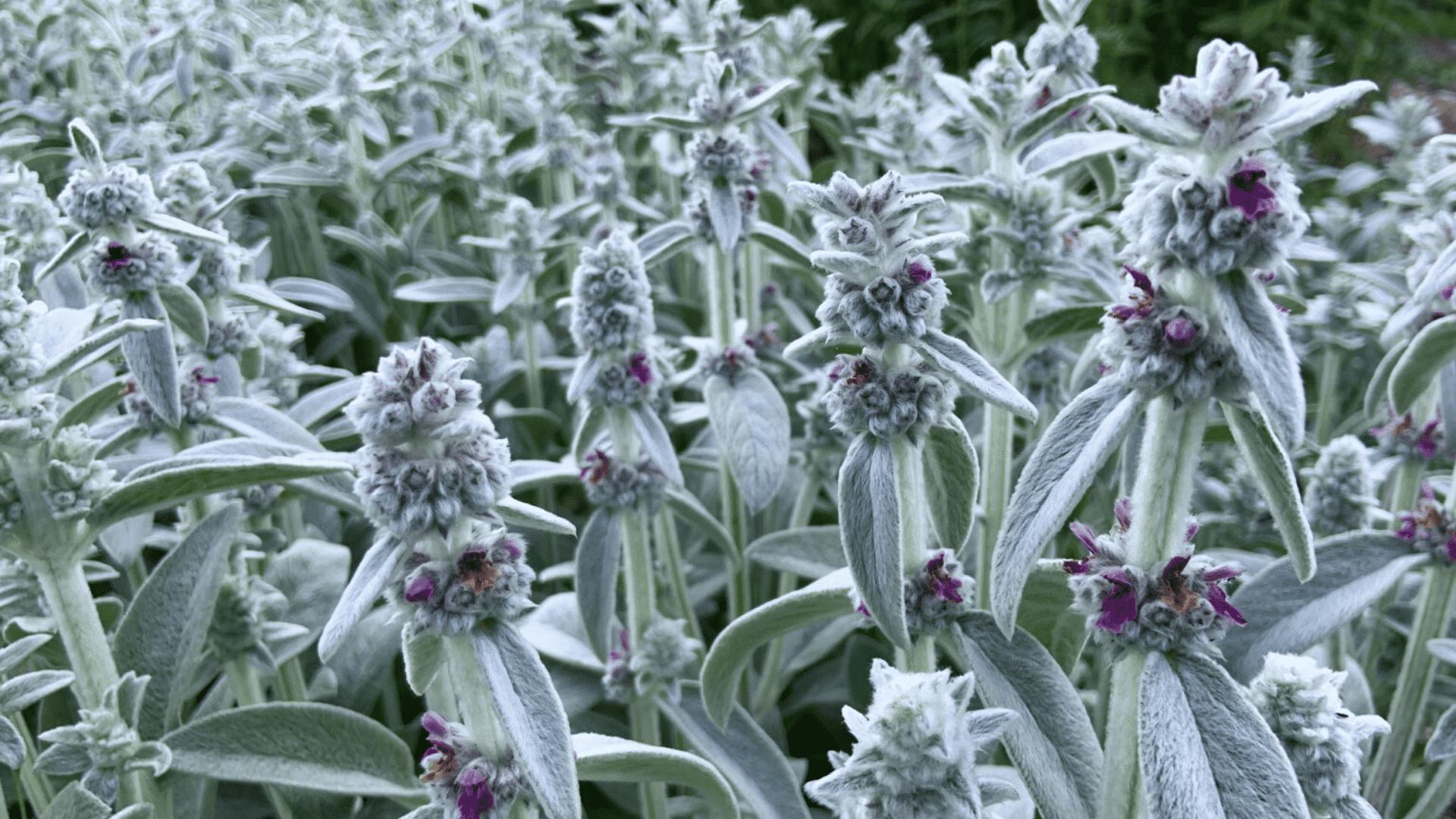
Lamb’s ear is easy to recognize by its soft, fuzzy silver leaves, and that unique texture is one reason rabbits usually pass it by.
It spreads slowly to form a low-growing ground cover that brightens garden edges throughout the season.
This drought-tolerant plant performs best in full sun and well-drained soil.
Its silvery foliage creates an attractive contrast beside colorful flowering plants and continues adding interest even when nearby blooms have finished for the season.
11. Peonies
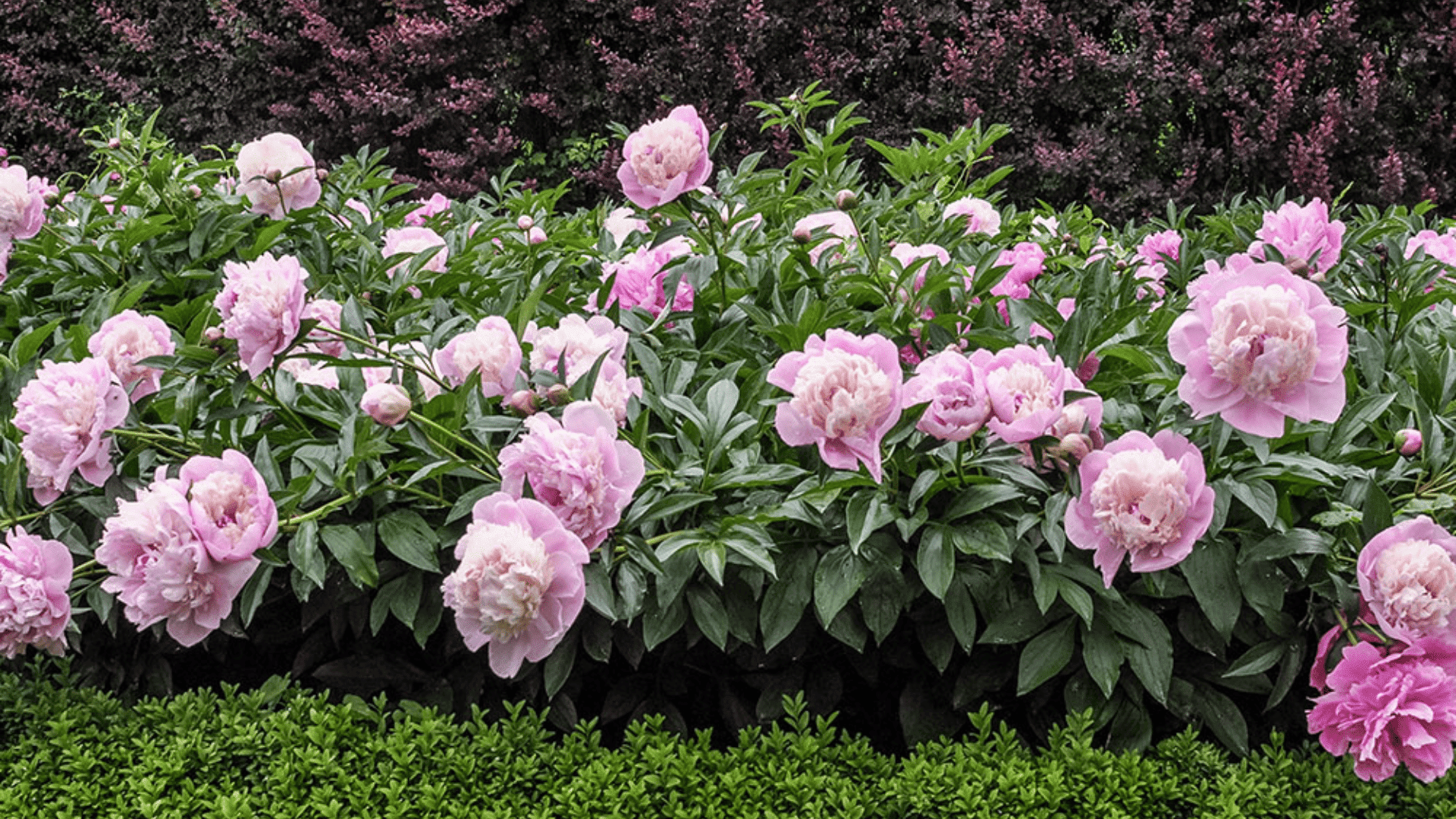
Peonies are treasured for their large, fragrant blooms that appear in late spring. Even though the flowers are eye-catching, rabbits generally avoid the plant’s foliage, making it a dependable choice for many gardens.
Once established, peonies can bloom reliably for decades with minimal care. Plant them in a sunny location with well-drained soil and avoid moving them unless necessary.
Their impressive flowers and long lifespan make them one of the most rewarding perennials to grow.
12. Hellebores
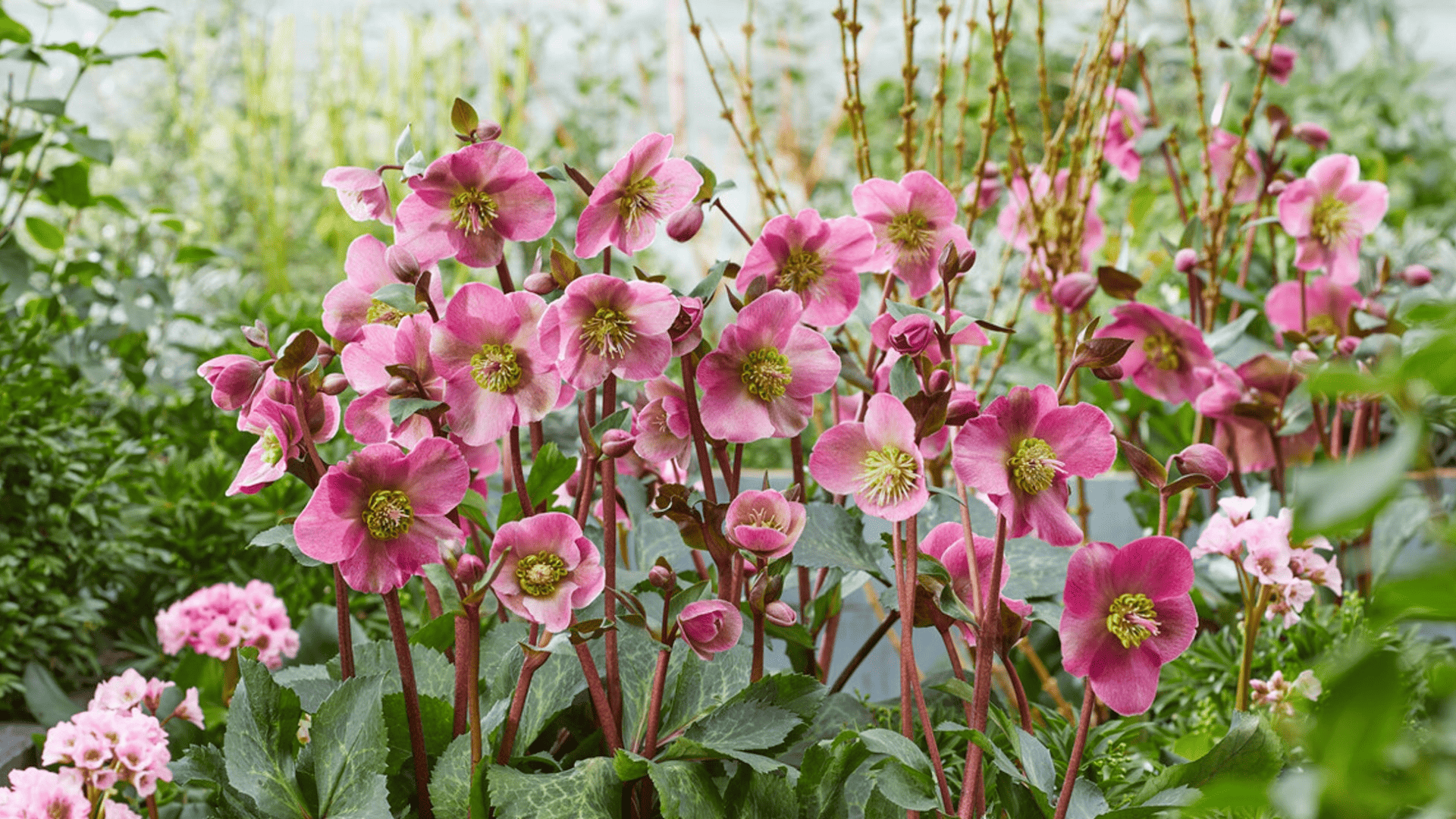
Hellebores, often called Lenten roses, bloom when many other plants are still dormant. Their thick leaves and natural compounds help discourage rabbits from feeding on them.
These shade-loving perennials work well beneath trees or in woodland gardens where colorful options are sometimes limited.
Their evergreen foliage provides year-round interest, while their early blooms bring welcome color to the landscape long before many spring flowers begin to appear.
13. Boxwood
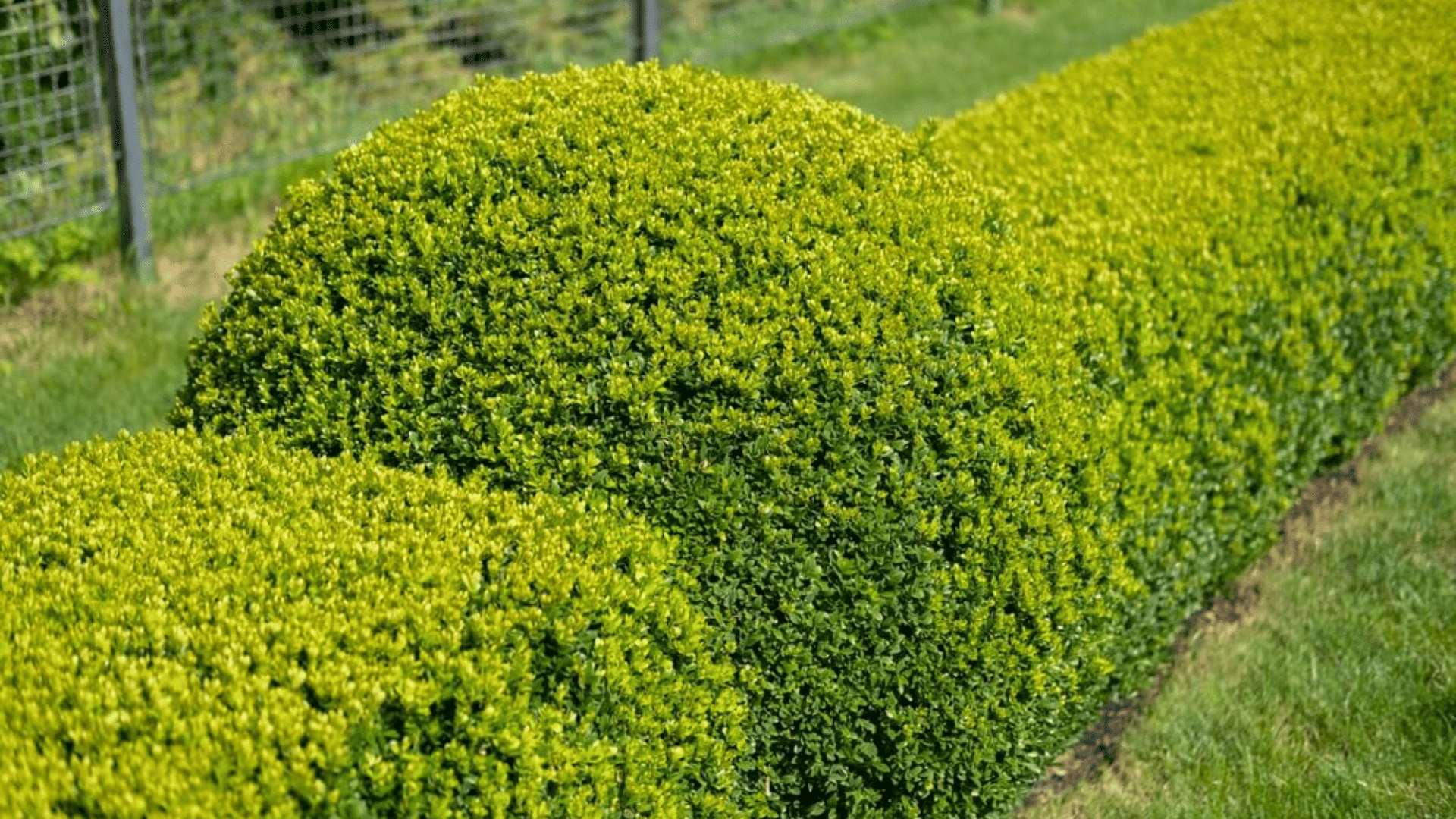
Boxwood is a classic evergreen shrub often used for hedges and foundation plantings. Its dense foliage and bitter taste make it one of the more dependable rabbit-resistant shrubs.
It tolerates regular pruning, allowing you to create formal borders or neatly shaped bushes that maintain their appearance throughout the year.
Boxwood also provides valuable structure in the landscape, especially during winter when many flowering plants have gone dormant.
14. Juniper
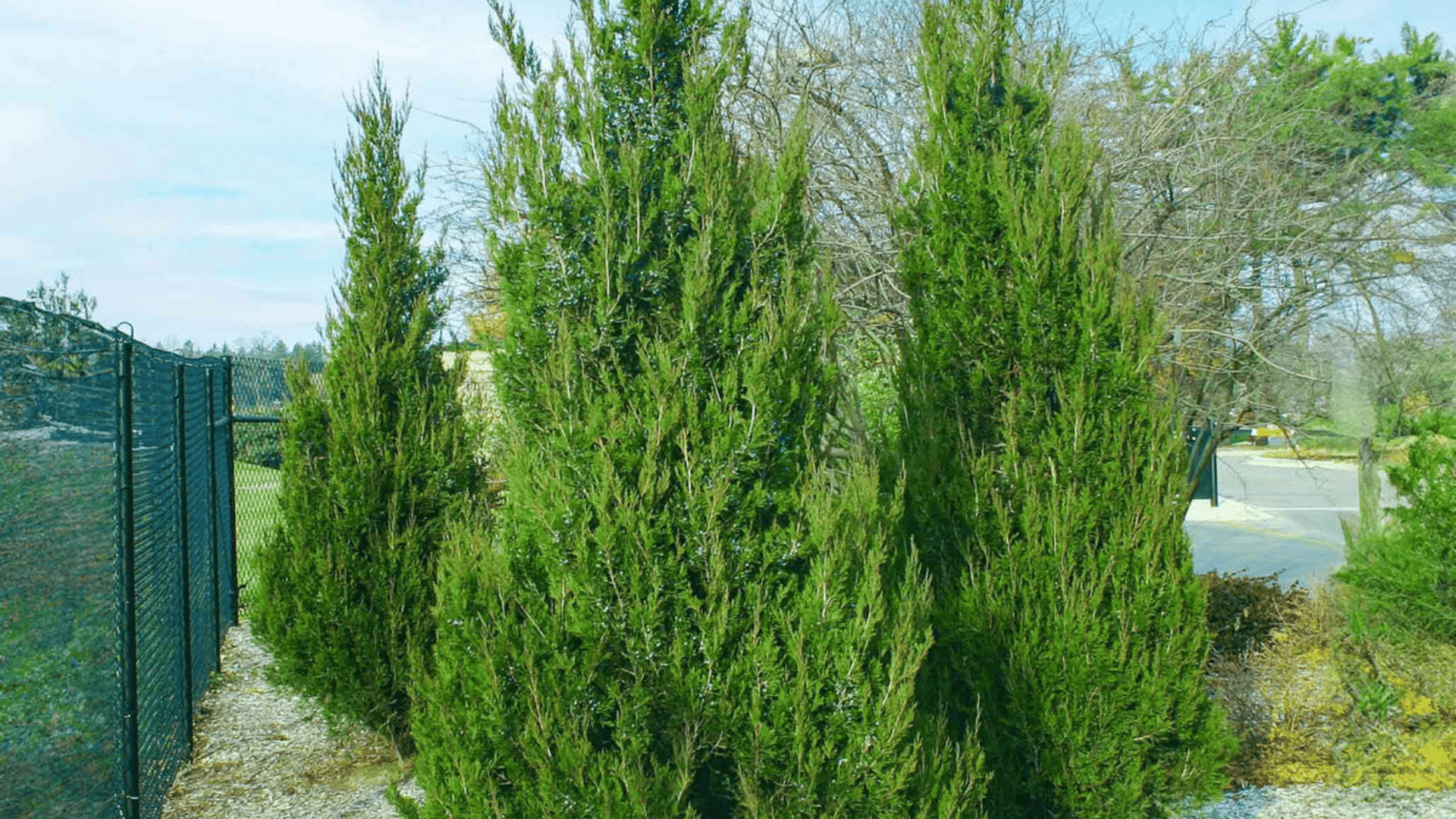
Juniper is a hardy evergreen shrub with needle-like foliage that rabbits usually avoid. Available in upright, spreading, and compact varieties, it suits many landscaping styles and garden sizes.
It performs well in full sun and handles drought once established, making it an excellent low-maintenance option.
Junipers provide year-round greenery, help prevent soil erosion on slopes, and require very little pruning, making them a practical addition to almost any landscape.
Its dense foliage also provides shelter for birds and other beneficial wildlife throughout the year.
15. Rosemary
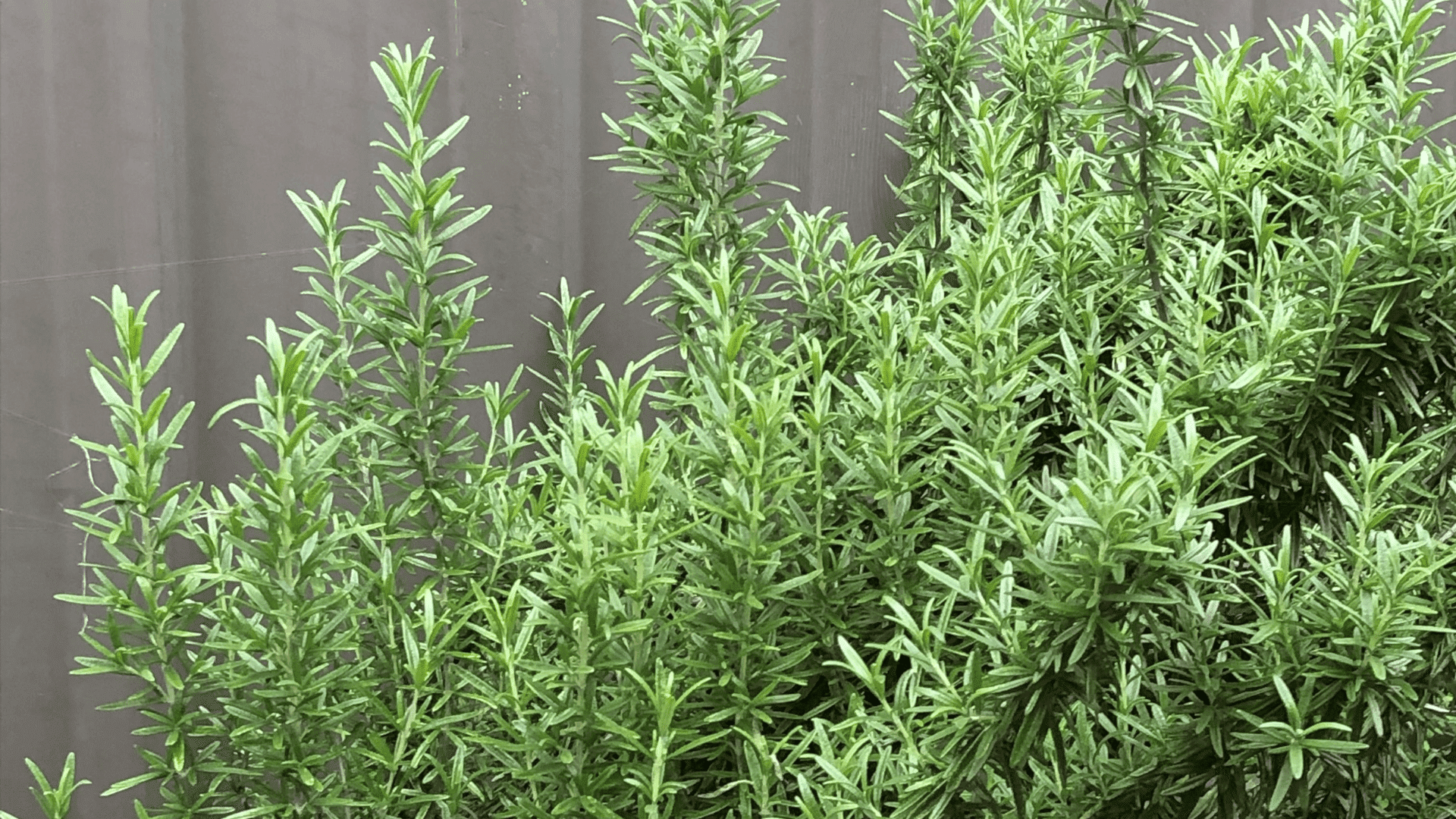
Rosemary serves two purposes in the garden: it’s a flavorful culinary herb and a plant rabbits typically leave alone.
Its woody stems and strong aroma make it less appealing to browsing animals. Grow rosemary in a sunny spot with well-drained soil, or keep it in containers if winters are cold.
Fresh sprigs are always handy for cooking, while the fragrant foliage and small blue flowers add beauty and usefulness to herb gardens and borders alike.
16. Thyme
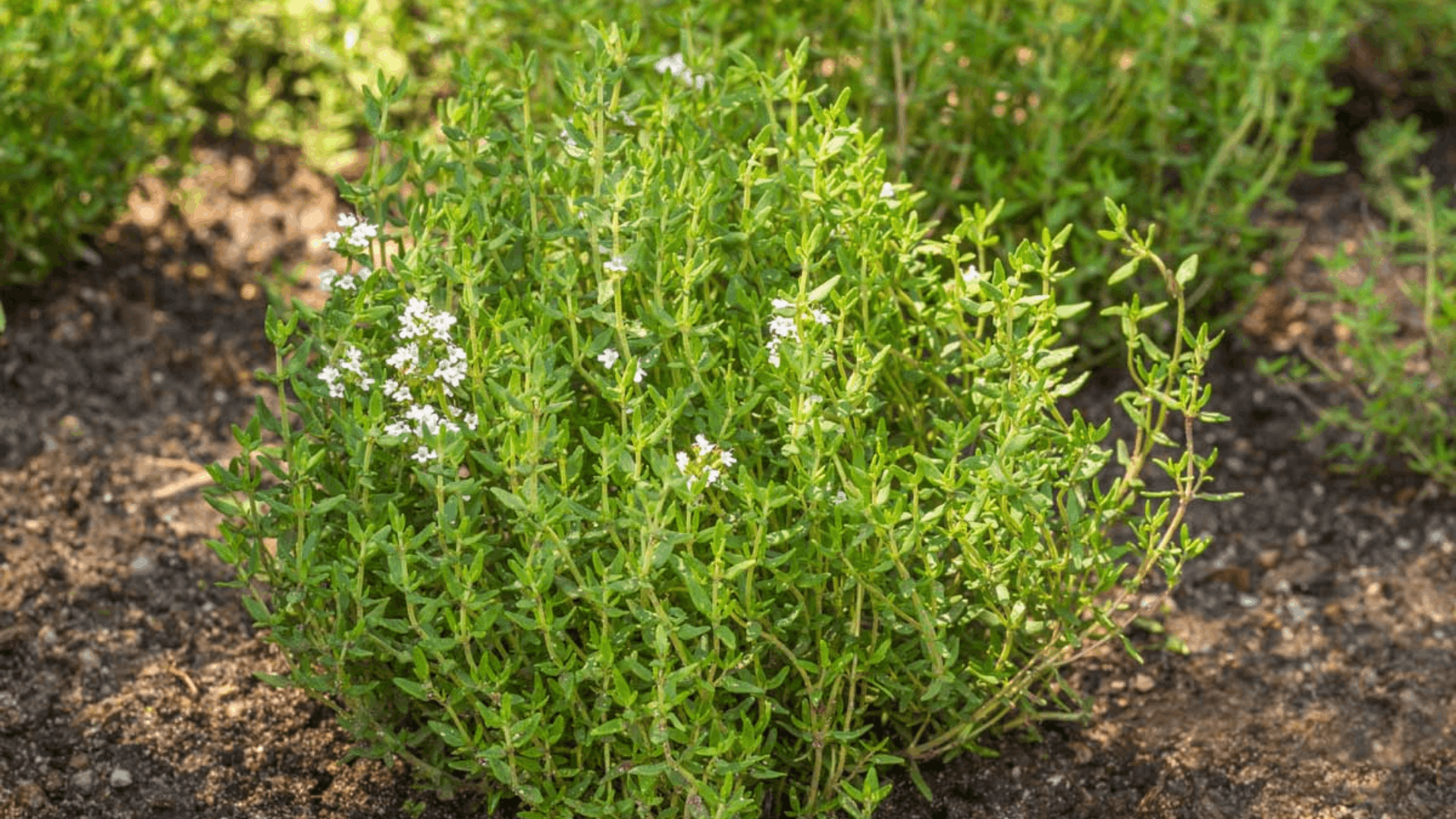
Thyme forms a fragrant carpet of tiny leaves that works well between stepping stones or along pathways. Rabbits usually avoid its strong scent, while the small flowers attract bees during summer.
This low-growing herb thrives in sunny, well-drained locations and needs very little watering once established.
Creeping thyme varieties are especially useful as attractive ground covers because they tolerate light foot traffic while filling empty spaces with greenery and seasonal blooms.
17. Marigolds
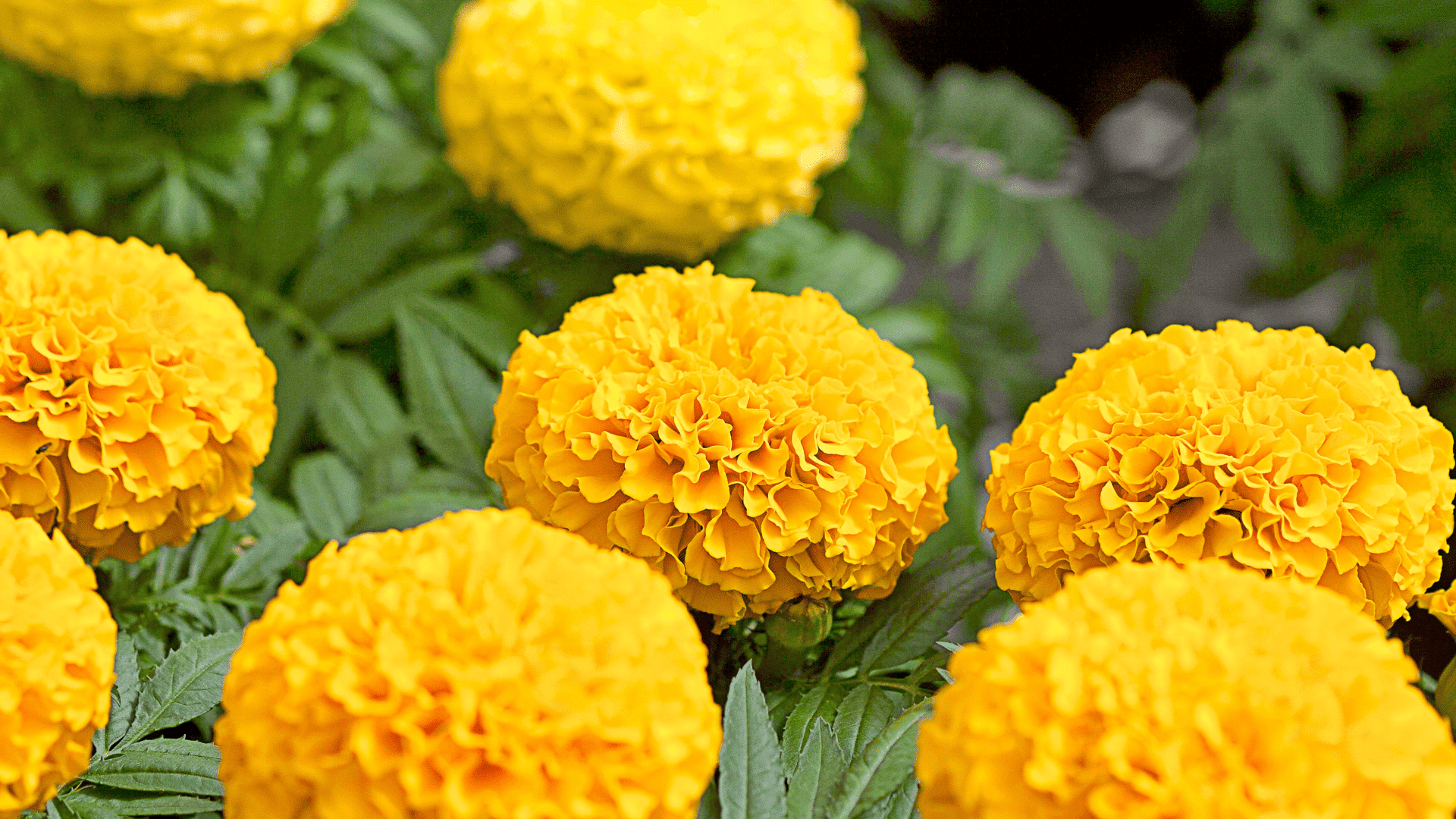
Marigolds bring bright yellow, orange, and gold flowers to gardens from late spring until frost. Their distinctive scent may help deter rabbits and several common garden pests.
They’re easy to grow from seed or nursery plants and bloom continuously with regular deadheading.
If planted in vegetable gardens, containers, or flower beds, marigolds add cheerful color while creating a more rabbit-resistant landscape.
They also attract beneficial pollinators throughout the growing season.
Which Bulbs and Herbs Also Deter Rabbits?
Many bulbs and herbs help deter rabbits because they produce strong scents, bitter flavors, or compounds that rabbits generally avoid.
Planting them around flower beds and vegetable gardens can reduce browsing while adding color, fragrance, and useful pollinator plants. Popular rabbit-resistant bulbs include daffodils, alliums, grape hyacinths, and snowdrops.
Daffodils and alliums are especially effective because they contain natural compounds that rabbits tend to avoid.
Among herbs, lavender, rosemary, sage, thyme, oregano, and mint are common choices. Their fragrant leaves make them less appealing to rabbits than tender garden plants.
Placing these bulbs and herbs along garden borders or between vulnerable plants can create a natural barrier.
Although no plant is completely rabbit-proof, combining several rabbit-resistant species usually offers better protection throughout the growing season.
How to Create a Rabbit-Resistant Garden?
Growing rabbit-resistant plants works best when you combine them with a few practical gardening habits. These simple steps can help reduce rabbit damage throughout the growing season.
| Garden Practice | How It Helps |
|---|---|
| Plant rabbit-resistant varieties together | Creates larger areas that rabbits are less likely to browse. |
| Install a wire fence | A 2–3-foot fence with the bottom buried a few inches helps keep rabbits out. |
| Protect young plants | Newly planted flowers and vegetables are more vulnerable and may benefit from temporary covers. |
| Remove hiding spots | Trim tall grass and clear brush piles where rabbits may shelter. |
| Add raised beds | Raised beds make it harder for rabbits to reach young plants and seedlings. |
| Use natural repellents | Scent-based repellents can provide extra protection, especially during peak feeding seasons. |
| Rotate plant varieties | Mixing herbs, flowers, and shrubs creates a garden that is less attractive to rabbits. |
Why Do Rabbits Avoid Certain Plants?
Rabbits usually avoid plants with characteristics they find unpleasant to eat. While no plant is completely rabbit-proof, these features often make certain flowers, herbs, and shrubs less appealing.
- Strong fragrance: Aromatic plants such as lavender, rosemary, sage, and thyme often deter rabbits with their intense scent.
- Fuzzy or rough leaves: Textured foliage, such as lamb’s ear and pulmonaria, is less appealing for rabbits to chew.
- Bitter taste: Plants like daffodils, hellebores, and yarrow contain compounds that rabbits generally avoid.
- Woody stems: Shrubs with firm, dense stems are tougher to nibble than soft, leafy growth.
- Needle-like foliage: Evergreens such as juniper and spruce are usually less attractive because of their sharp needles.
- Thick or leathery leaves: Plants with tough foliage, such as bergenia, are often skipped in favor of softer plants.
- Spiny or prickly growth: Thorny stems and spiky foliage make certain plants difficult and uncomfortable to eat.
- Low moisture content: Rabbits often prefer tender, juicy growth over older, drier, or tougher vegetation.
Are Rabbit-Resistant Plants Completely Rabbit-Proof?
No, rabbit-resistant plants are less likely to be eaten, but they are not completely rabbit-proof.
When natural food is scarce, especially during winter, drought, or early spring, rabbits may nibble plants they normally avoid.
Young plants are also more vulnerable because their tender growth is easier to eat than mature foliage.
For the best results, combine rabbit-resistant plants with simple protective measures such as fencing, raised beds, or temporary plant covers.
Using several methods together provides more reliable protection than depending on plant selection alone.
What Plants Attract Rabbits the Most?
Rabbits are more likely to feed on plants with soft, tender leaves and fresh new growth. If these plants are growing near your rabbit-resistant plants, they can still attract rabbits into your yard.
| Plants Rabbits Commonly Eat | Examples |
|---|---|
| Leafy vegetables | Lettuce, spinach, kale, cabbage |
| Tender herbs | Parsley, cilantro, basil |
| Young flowers | Pansies, petunias, tulips |
| Vegetable seedlings | Beans, peas, carrots |
| Soft ornamental plants | Hostas, impatiens, daylilies |
| Fresh shoots | New growth on shrubs and perennials |
Mistakes to Avoid when Choosing Rabbit-Resistant Plants
A few common mistakes can reduce the effectiveness of even the best rabbit-resistant plants. Avoiding these problems can help keep your garden healthier and reduce rabbit damage.
- Assuming “rabbit-resistant” means “rabbit-proof”: Hungry rabbits may still sample these plants during food shortages.
- Planting only one resistant variety: A mix of flowers, shrubs, and herbs creates a stronger deterrent.
- Ignoring young plants: New plants often need extra protection until they become established.
- Skipping other protective measures: Fencing and good garden maintenance work well alongside resistant plants.
- Choosing plants without considering local conditions: Select varieties that match your climate, sunlight, and soil for healthier growth and better results.
Conclusion
Creating a beautiful garden becomes much easier when plant choices work with nature instead of against it. Adding rabbit-resistant flowers, herbs, shrubs, and ground covers can reduce damage while keeping the landscape colorful and full of life.
Rabbits may still nibble resistant plants, but smart planting and proper care offer better long-term protection.
Start with a few reliable varieties that suit the local climate, observe how they perform, and gradually expand the planting plan over time.
Each season helps you learn, reduce frustration, and build a healthier garden.
Which rabbit-resistant plants have performed best, or surprised the most? Share experiences, favorite plants, or helpful tips in the comments below to help fellow gardeners.
Frequently Asked Questions
Do Coffee Grounds Keep Rabbits Away?
Coffee grounds may temporarily discourage rabbits because of their strong smell, but they are not a reliable long-term deterrent.
What Smell Do Rabbits Hate the Most?
Rabbits usually avoid strong scents such as lavender, rosemary, sage, garlic, onions, and peppermint.
What Do Rabbits Absolutely Hate?
Rabbits dislike strong-smelling plants, prickly or fuzzy foliage, loud noises, and sturdy fencing that blocks access to food.
What Bait Is Irresistible to Rabbits?
Fresh clover, dandelions, leafy greens, carrots, and apple slices are among the foods that commonly attract rabbits.