

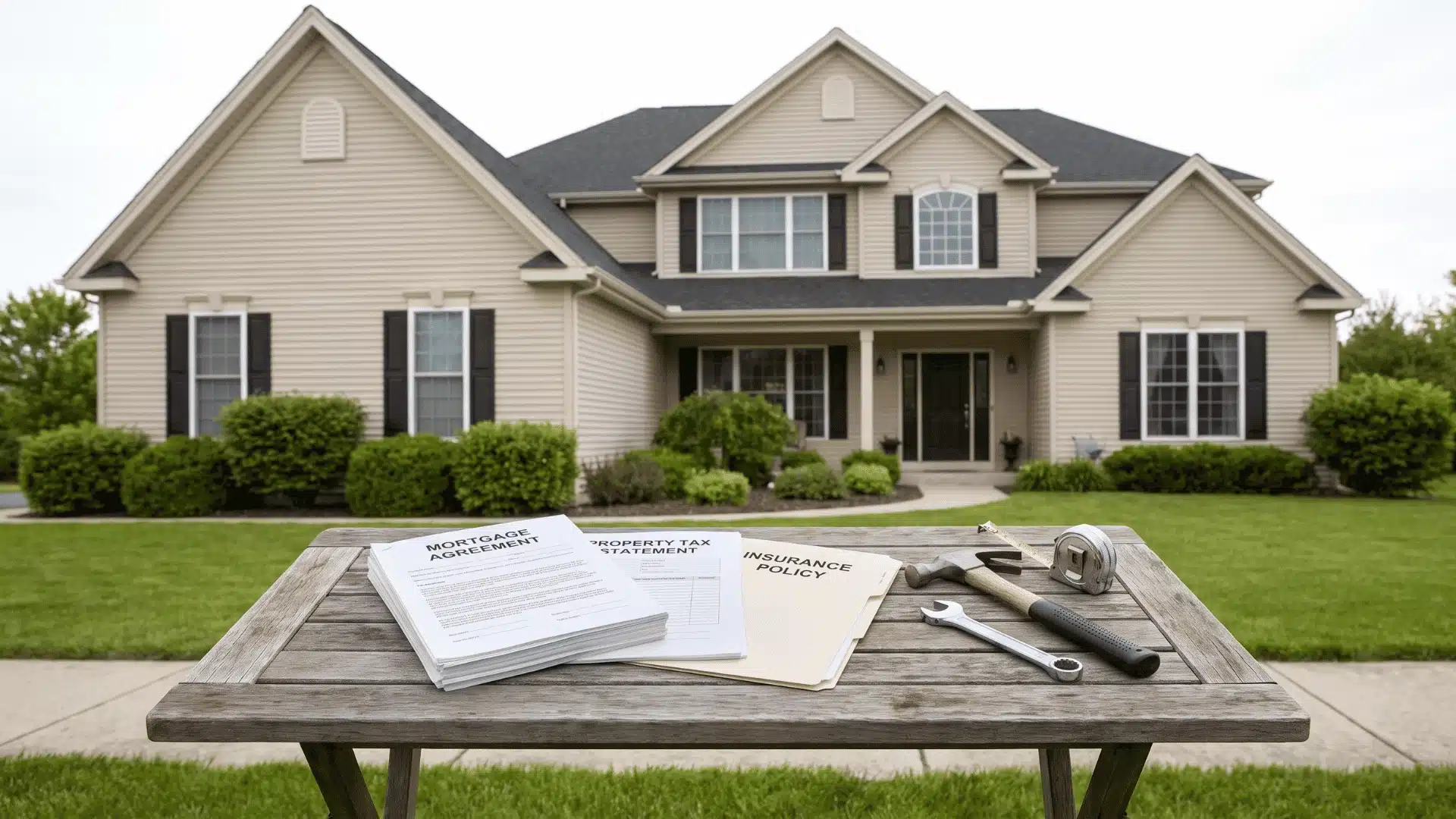
People treat buying a house like a financial milestone. Sign the papers, build equity, retire rich. But the actual math is rarely that clean.
If you’re asking, “is buying a house a good investment,” the answer is not always straightforward. It depends on costs you won’t see in the listing, comparisons nobody makes upfront, and life decisions that have nothing to do with the market.
Before you decide, it’s worth understanding what a house actually does, and doesn’t, do for your finances over time. Let’s start with the foundation.
Is Buying a House a Good Investment? What Does It Mean?
A house is where you live first. You pay for it every month, fix things when they break, and cover the taxes whether the market is up or down. That makes it a cost, not automatically an asset.
It becomes an investment only when what you walk away with, after every dollar you spent owning it, beats what that money would have made elsewhere.
That’s why the question “is a house a good investment?” depends less on the home itself and more on the numbers behind ownership. That calculation is worth doing before you buy, not after.
Building equity isn’t the same as making money. Yes, paying down your mortgage means you own more of the home over time. But subtract the interest, taxes, insurance, repairs, and selling costs first. What’s left is your actual return.
It also depends on what you’re comparing it to. Against a savings account? A house usually wins. Against index funds held for 20 years? That’s a much closer race, and worth thinking through before you sign anything.
Note: if the home earns rental income, the whole equation changes. A property that pays you monthly works differently than one you live in. Different costs, different upside, different risks.
What Does a House Actually Return Over Time?
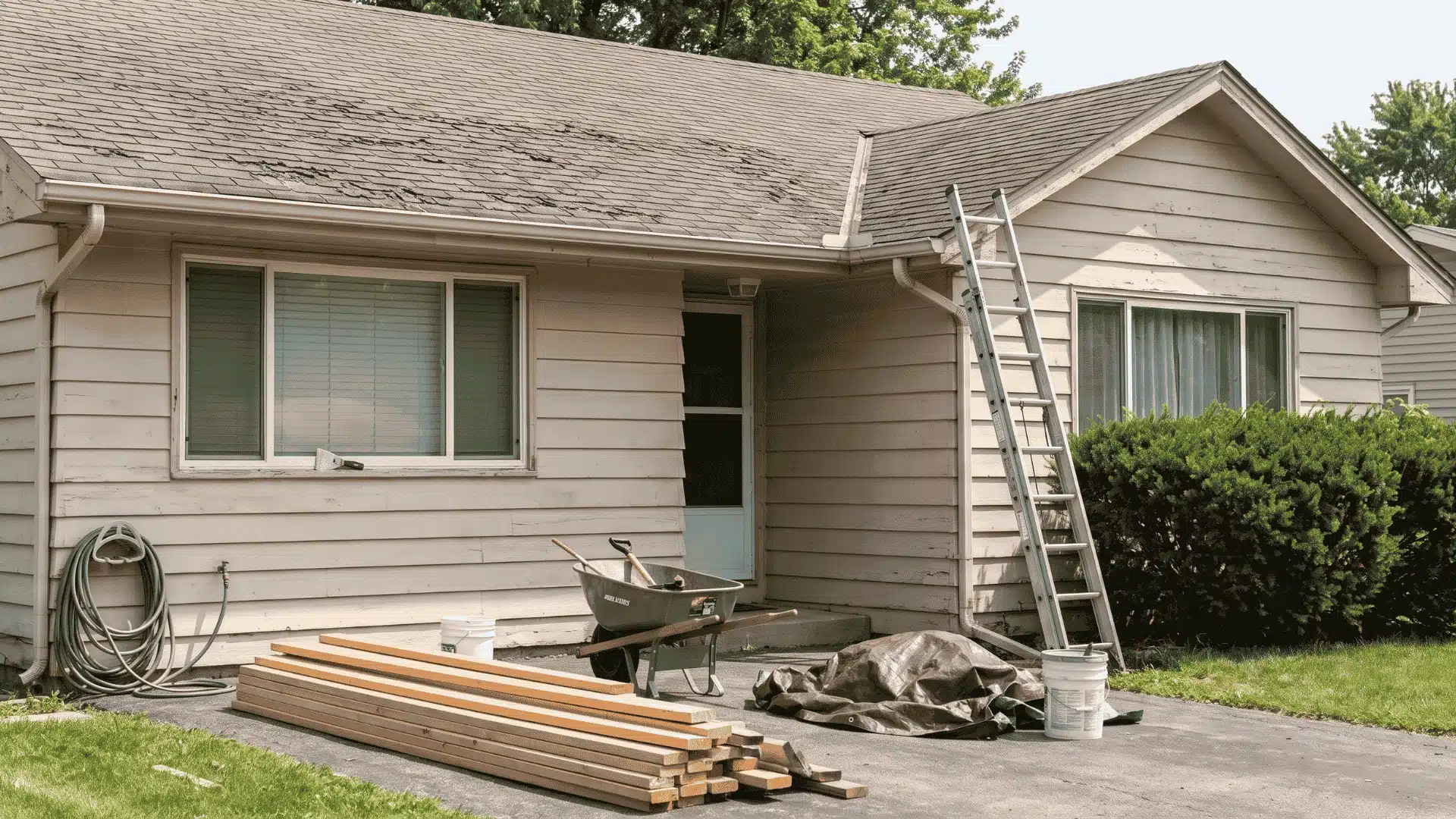
Real estate can appreciate, but the amount you actually keep after ownership costs can be very different from the headline gains.
How Appreciation Compares to Inflation Over Time
U.S. home prices have historically grown at roughly 1% per year above inflation in real terms. That’s the long-run average, based on decades of data. It sounds small because it is.
When you hear that a house bought for $200,000 is now worth $400,000, that’s the nominal gain, the raw number before inflation eats into it.
In real terms, after adjusting for what a dollar actually buys, the gain is much more modest. That doesn’t make homeownership a bad deal. It just means the question of, is buying a house worth it depends on the full picture. “My house doubled in value” tells you less than you think.
How Transaction and Carrying Costs Reduce Net Return
Buying and selling a home typically costs 8–12% of the purchase price. Closing costs, agent commissions, and fees on a $400,000 home, that’s up to $48,000 before you’ve made a single repair.
That’s why the five-to-ten-year holding period isn’t just common advice. It’s math. You need enough appreciation just to clear those entry and exit costs before you’re actually ahead.
Then here’s what it costs to stay:
- Maintenance: Expect to spend about 1–4% of your home’s value each year on repairs and upkeep.
- Property taxes and insurance: These costs add significantly to your yearly expenses.
- For a $400,000 home: Total annual costs for maintenance, taxes, and insurance can easily reach $8,000–$20,000 just to keep the home maintained and protected.
A brokerage account doesn’t work like this. You don’t pay to maintain a stock. These costs are real, they compound, and they quietly shrink the return you’d otherwise expect to keep.
How Does It Compare to Investing in Stocks?
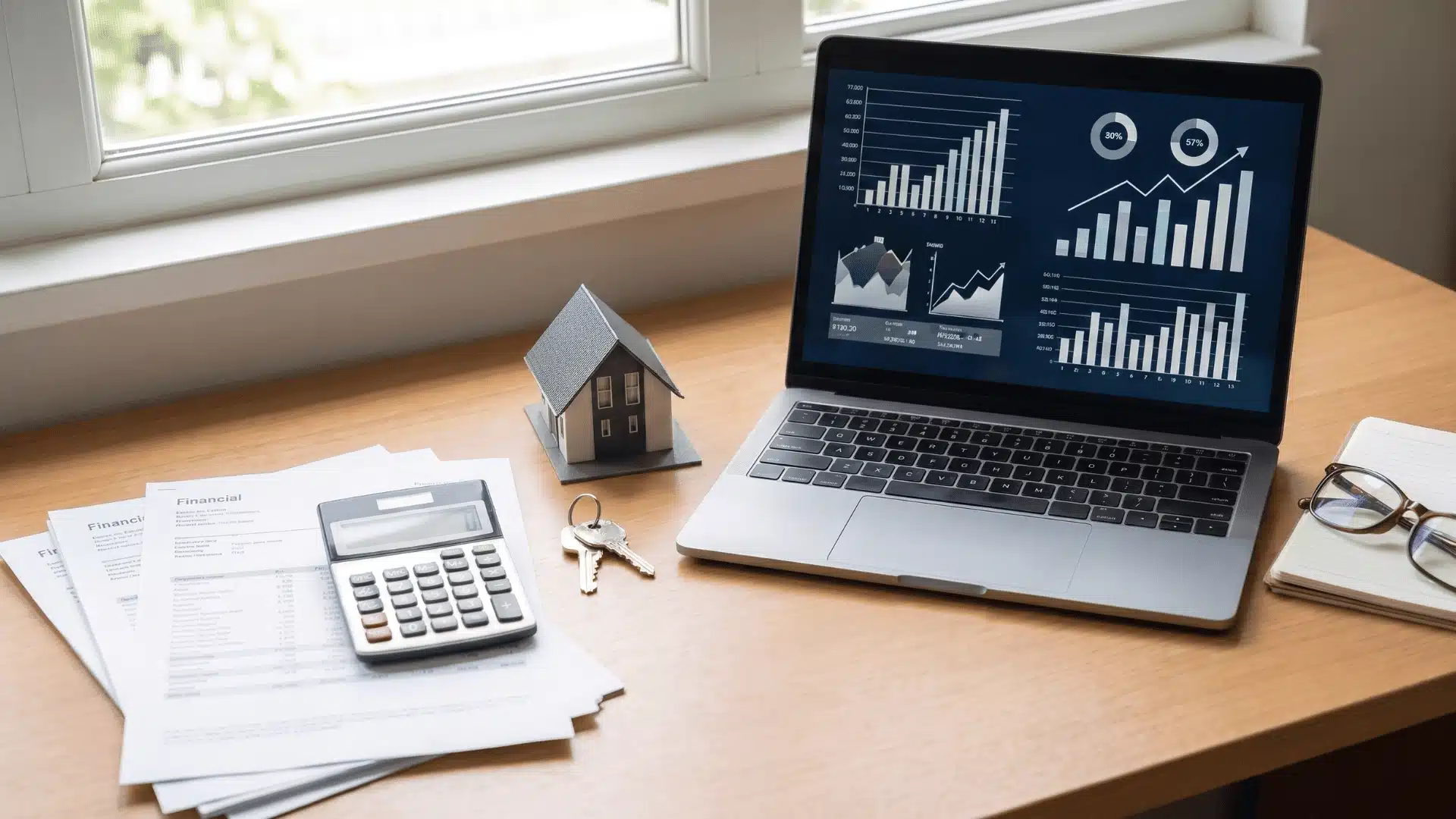
Neither wins unconditionally. Whether is buying a house worth it depends on how long you hold, what you actually do with the money you’re not putting into a house, and how those choices compare over time.
| Buying a Home | Investing in Stocks | |
|---|---|---|
| Historical returns | ~1% above inflation (real terms) | Higher long-run total returns |
| Liquidity | Low, selling takes months | High, sell in seconds |
| Leverage | Yes, control the full value with 20% down | No, you invest what you put in |
| Ongoing costs | Taxes, insurance, maintenance | Minimal |
| Forced discipline | Yes, mortgage payments build equity | Only if you invest consistently |
| Market downside | Leverage amplifies losses in flat markets | Losses not amplified |
Leverage cuts both ways. A 20% down payment on a $400,000 home means a 10% rise in value returns 50% on your actual cash in. But in a flat or falling market, the costs keep coming while the value doesn’t move.
The stock comparison also assumes the renter invests the difference. Most don’t. The money gets spent, and nothing gets built.
The real comparison is what owning costs you, what renting costs you, and what actually happens to the gap. Run those numbers for your situation before deciding.
What Financial Advantages Actually Hold Up?
Some homeownership benefits are real and apply to most buyers. Others only kick in under specific conditions, and those are most often overstated.
- Mortgage interest deduction: Only helps if you itemize your taxes. Most homeowners don’t, especially since the standard deduction increased significantly in 2017.
- Forced savings: Every mortgage payment builds equity, but it’s a discipline tool, not a return booster. You can’t skip a mortgage payment like you can with a brokerage transfer.
- Inflation hedge: A fixed-rate mortgage locks your housing cost for 30 years. As rents rise with inflation, your payment stays flat; that gap compounds over time.
- Predictability: This is the most underrated benefit. Knowing your housing cost for 30 years gives you stability that no appreciation figure captures.
- Long-term stability: Owning removes the risk of a landlord selling, raising rent, or asking you to leave; that security has real financial and personal value.
The tax break gets the most attention but applies to the fewest people. The inflation hedge and forced savings are what actually hold up for most buyers.
When Does Buying a House Make Sense as an Investment?

The single biggest condition is how long you plan to stay. Buy and sell within two or three years, and the transaction costs alone will likely put you in the red.
Here’s why: buying and selling combined cost 8–12% of the home’s value. On a $400,000 home, that’s up to $48,000 gone before you’ve built a dollar of real return.
At average appreciation rates, you need five to seven years just to break even. Beyond that, three conditions determine whether the investment case holds:
- Financial cushion: Draining your emergency fund to close is a real risk. Unexpected repairs don’t wait, and starting with debt puts you behind from day one.
- Life stability: A job change, a move, or a relationship shift can force an early sale, turning a potential gain into a loss through timing alone.
- Total cost awareness: Property taxes, insurance, and maintenance don’t pause for appreciation. If those costs outpace your home’s growth, you’re not ahead.
When all three line up- long horizon, financial cushion, stable life- buying has a genuine case as an investment. When even one is shaky, the math gets harder fast.
Wrapping Up
A house can work as an investment, but only when you go in with clear eyes. Not just on the price, but on what it actually costs to own, what it realistically returns, and how long you’re prepared to stay.
So, is buying a house a good investment for you? The answer sits in your holding period, your financial cushion, and what you’d honestly do with the money otherwise.
The market matters less than people assume. Your situation matters more. Run the numbers for your life, not someone else’s. And if you’re close to making the call, a good financial advisor can help you make it with confidence.
Frequently Asked Questions
Is buying a house better than investing in index funds?
Neither is unconditionally better. Index funds have historically delivered higher liquid returns, but homeownership provides leverage, forced savings, and inflation-hedged housing costs that a stock account does not. The comparison depends on how long you hold, what you do with the capital difference if you rent, and whether you would actually invest consistently without the structure of a mortgage.
How long do you need to own a home before it becomes a good investment?
Most financial analyses set the minimum at five years, and many put it closer to seven to ten. The reason is that buying and selling costs of 8–12% combined require enough appreciation to offset them before you see a net gain. The longer you hold past that threshold, the more the numbers tend to improve.
Does building equity mean you’re making money on a house?
Not directly. Equity is the portion of the home’s value you own outright, but it is not the same as investment return. Net return is calculated by subtracting what you paid in mortgage interest, property taxes, maintenance, and transaction costs from any appreciation you gained. In many cases, those costs consume a significant portion of the nominal equity built.
Is it ever better to rent and invest the difference?
In high-cost markets and shorter time horizons, yes. If the monthly cost of owning significantly exceeds renting a comparable home, the financial advantage shifts toward renting and investing the difference, provided you actually invest it. Rent-vs.-Buy calculators from Fidelity or Rocket Mortgage can model this for your specific numbers.