

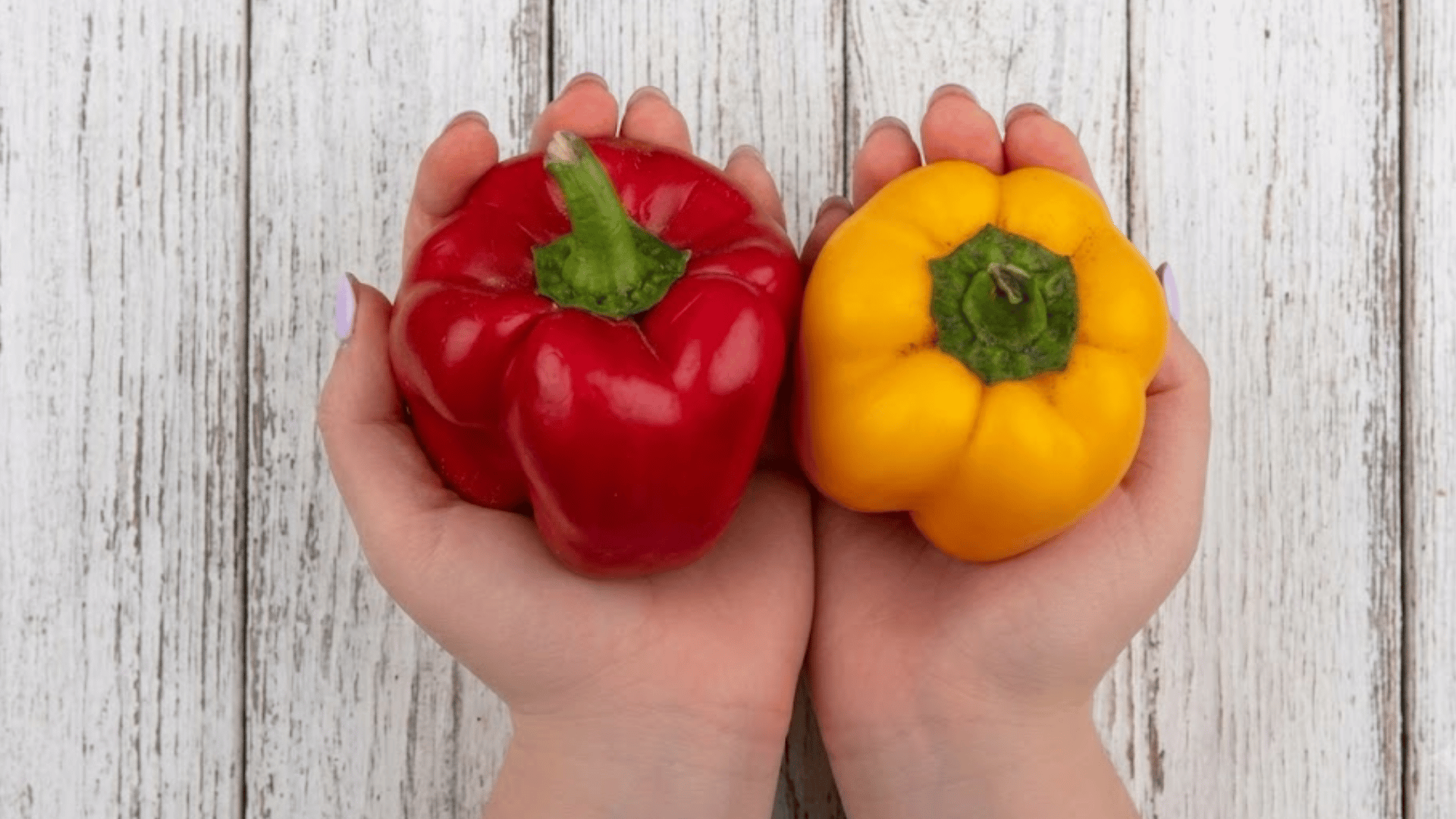
Peppers are found in every kitchen around the world, yet their classification continues to confuse many people.
If you’re wondering, “Are Peppers a fruit?” the answer depends on whether you’re looking at them from a botanical or culinary perspective.
While science classifies peppers as fruits, cooking often treats them as vegetables, leading to years of debate and misunderstanding. I used to think there was only one correct answer until I learned how both classifications make sense.
Read on to understand the difference and learn interesting facts about different types of peppers.
Quick Answer: Are Peppers a Fruit?
Yes, peppers are botanically classified as fruits because they develop from the flower’s ovary and contain seeds.
This applies to all Capsicum varieties, including bell peppers, jalapeños, serranos, habaneros, and chili peppers.
In botany, a fruit develops from the ovary of a flowering plant and contains seeds. After a pepper flower is pollinated, its ovary develops into the pepper, with seeds forming inside.
Since peppers grow from a flower’s ovary and produce seeds, they are scientifically classified as fruits.
They are often called vegetables in cooking because of their savory flavor, but this culinary use does not change their botanical classification.
How Are Peppers Classified?
Peppers are classified using the scientific system of plant taxonomy, which groups them based on shared characteristics and evolutionary relationships.
| Taxonomic Rank | Scientific Classification of Peppers |
|---|---|
| Kingdom | Plantae |
| Clade | Angiosperms (flowering plants) |
| Clade | Eudicots |
| Order | Solanales |
| Family | Solanaceae (nightshade family) |
| Genus | Capsicum |
| Common Cultivated Species | Capsicum annuum, C. chinense, C. frutescens, C. baccatum, C. pubescens |
| Botanical Classification | Fruit, because it develops from the flower’s ovary and contains seeds. |
Key Characteristics of the Pepper Plant
Peppers share several botanical characteristics that influence how they grow, flower, and produce fruit across different climates.
- Life cycle: Peppers are perennial plants in frost-free tropical climates but are commonly grown as annuals in temperate regions.
- Plant type: They are herbaceous, flowering plants in the genus Capsicum within the Solanaceae (nightshade) family.
- Growth habit: Most pepper plants have an upright, bushy growth habit and typically reach 1 to 4 feet (30 to 120 cm) tall, depending on the variety.
- Leaves: The leaves are simple, smooth-edged, and oval to lance-shaped, providing energy through photosynthesis.
- Flowers: Peppers produce small, star-shaped flowers that are usually white but may also be purple or greenish in some varieties.
- Fruit development: After pollination, the flower’s ovary develops into a fleshy fruit that changes color as it ripens.
- Seed production: Mature peppers contain numerous flat, cream-colored seeds that can be collected and used to grow new plants.
The History of Peppers
Peppers originated in Central and South America, where Indigenous peoples domesticated wild varieties over 6,000 years ago.
Archaeological evidence shows that peppers were grown alongside other crops and valued for their flavor and medicinal properties.
After Christopher Columbus encountered peppers during his voyages to the Americas in the late 15th century, he introduced them to Europe, where they quickly gained popularity.
Peppers spread through trade to Asia and Africa, becoming important in many regional cuisines.
Today, peppers are grown on every inhabited continent and used in dishes worldwide, from sweet bell peppers in salads to spicy chilies.
Different Types of Peppers
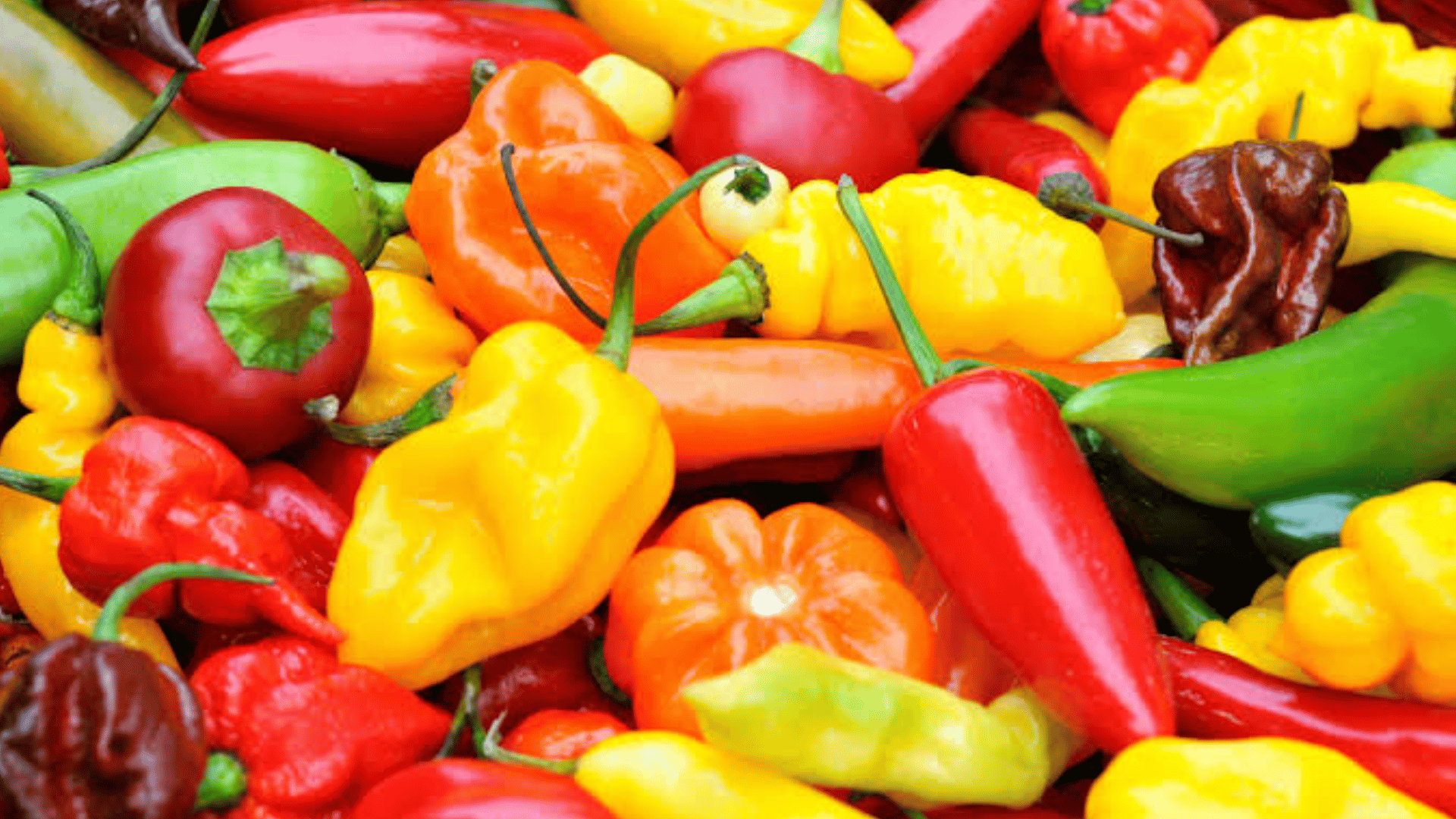
Peppers range from sweet, mild varieties to intensely spicy chilies, with each type offering unique flavors, textures, and culinary uses. Here are some of the most popular peppers grown and enjoyed around the world.
1. Bell Pepper
Bell pepper (Capsicum annuum) is the best-known sweet pepper and is completely free of heat because it does not produce capsaicin.
It grows in several colors, including green, yellow, orange, red, purple, and white, with each color representing a different stage of ripeness or cultivar.
Bell peppers have thick, crisp flesh and a mild flavor that makes them ideal for salads, stir-fries, roasting, grilling, stuffing, and fresh snacks. They are also an excellent source of vitamin C and antioxidants.
2. Jalapeno
Jalapeno peppers are medium-sized chili peppers that originated in Mexico and are valued for their moderate heat and fresh, slightly grassy flavor.
They are usually harvested while green, although ripe fruits turn red and develop a slightly sweeter taste. Jalapenos are commonly sliced into nachos, blended into salsas, pickled for sandwiches, or added to tacos and burgers.
Their balanced heat makes them one of the most widely used peppers in home cooking and commercial food products.
3. Serrano
Serrano peppers are slender chili peppers that are noticeably hotter than jalapeños while retaining a fresh, bright flavor.
Native to the mountainous regions of Mexico, they are widely used in authentic Mexican cuisine. Serranos are often added raw to salsas, pico de gallo, and hot sauces because their thin skin does not require peeling.
They ripen from green to red, orange, or yellow and are appreciated for their crisp texture and clean, spicy finish.
4. Poblano
Poblano peppers are large, heart-shaped chili peppers with mild heat and a rich, earthy flavor. They are commonly harvested while dark green but eventually ripen to deep red or brown.
Poblanos are best known as the pepper used in traditional chiles rellenos, where they are stuffed and baked.
When dried, they become ancho peppers, which are widely used in mole sauces, soups, and spice blends for their sweet, smoky flavor.
5. Anaheim
Anaheim peppers are long, mild chili peppers believed to have originated from New Mexico varieties before becoming popular in California.
They have a gentle heat level and a slightly sweet, smoky flavor that works well in many recipes.
Anaheim peppers are commonly roasted, grilled, stuffed, or chopped into soups, stews, casseroles, and sauces.
Their thin skin peels easily after roasting, making them a favorite ingredient in Southwestern and Mexican-inspired cooking.
6. Banana Pepper
Banana peppers are long, curved peppers named for their resemblance to bananas. They are usually pale yellow when harvested, although some varieties turn orange or red as they mature.
Their mild, tangy flavor and low heat make them a popular choice for fresh salads, sandwiches, pizzas, burgers, and pickled condiments.
Banana peppers are easy to grow in home gardens and produce abundant harvests throughout the growing season, making them a favorite among gardeners.
7. Cayenne
Cayenne peppers are thin, elongated chili peppers known for their bright red color and pronounced heat.
They are most commonly dried and ground into cayenne pepper powder, a widely used seasoning in cuisines around the world.
Fresh cayenne peppers are also added to soups, sauces, curries, and marinades for extra spice.
The plants are highly productive and grow well in warm climates, producing numerous peppers throughout the growing season.
8. Habanero
Habanero peppers are small, lantern-shaped chilies famous for their intense heat and fruity, citrus-like flavor.
They are commonly found in orange, red, yellow, chocolate, and white cultivars, with each offering slight flavor differences.
Despite their high spiciness, habaneros are prized for hot sauces, marinades, salsas, and Caribbean dishes that balance heat and sweetness.
They grow best in warm climates with plenty of sunlight and a long growing season.
9. Thai Pepper
Thai peppers are small, slender chili peppers widely used throughout Southeast Asian cuisine.
Although compact in size, they deliver intense heat and a clean, sharp flavor that complements curries, stir-fries, soups, salads, and dipping sauces.
These peppers are often used fresh but can also be dried to make chili flakes or powders.
Thai pepper plants are compact, highly productive, and suitable for both garden beds and container gardening in warm conditions.
10. Ghost Pepper
Ghost pepper (Bhut Jolokia) originated in northeastern India and was once recognized as the world’s hottest pepper.
It is known for its wrinkled appearance, fruity flavor, and exceptionally high capsaicin content, which creates an intense burning sensation.
Ghost peppers are mainly used in specialty hot sauces, chili powders, and spicy food products rather than everyday cooking.
Because of their extreme heat, they should be handled carefully, especially when cutting or processing the fresh fruits.
Nutritional Benefits of Bell Peppers
Bell peppers are low-calorie fruits that provide important vitamins, antioxidants, fiber, and water for everyday nutrition.
- Rich in vitamin C: Bell peppers are an excellent source of this vitamin, which supports skin health, tissue repair, and normal immune function.
- High in vitamin A: Red, orange, and yellow bell peppers contain carotenoids that the body can convert into vitamin A.
- Antioxidants: Bell peppers provide antioxidants such as beta-carotene, lutein, zeaxanthin, and lycopene, depending on their color.
- Fiber: Their fiber content supports digestion, helps add bulk to meals, and contributes to a feeling of fullness.
- Low calories: Bell peppers are naturally low in calories, making them easy to add to salads, snacks, and cooked dishes.
- Water content: Bell peppers have high water content, which helps keep their texture crisp and supports daily hydration.
- Supports immune function: Their vitamin C, vitamin A, and antioxidant content help support the body’s normal immune defenses.
How Do Peppers Grow?
Peppers grow through a series of distinct stages that begin with seed germination and end with harvest. Seeds sprout in warm, moist soil, producing roots and the first seed leaves.
During the vegetative stage, the plant develops stems, true leaves, and a strong root system to support future growth.
As the plant matures, it produces small flowers that self-pollinate or are pollinated by insects.
After pollination, the flower’s ovary develops into a pepper, which gradually increases in size. The fruit then ripens, changing color from green to shades such as yellow, orange, red, or purple, depending on the variety.
Once peppers reach their desired size, color, and firmness, they are harvested for fresh consumption, processing, or seed collection.
Peppers Around the World
Peppers are cultivated on every inhabited continent, with different regions favoring varieties suited to their local climates and culinary traditions.
| Region | Popular Pepper Varieties | Common Culinary Uses |
|---|---|---|
| North America | Bell, Jalapeño | Salads, grilling, salsas, stuffed peppers |
| Mexico | Serrano, Poblano, Jalapeño | Salsas, tacos, mole, chiles rellenos |
| South America | Aji peppers | Stews, sauces, marinades, traditional dishes |
| Europe | Paprika peppers, Bell peppers | Paprika, roasting, salads, stuffed dishes |
| India | Green chili, Bird’s eye chili | Curries, chutneys, pickles, spice blends |
| Thailand | Thai chili | Stir-fries, curries, soups, dipping sauces |
| China | Facing Heaven chili | Sichuan cuisine, chili oil, stir-fries |
Other Fruits Often Mistaken for Vegetables
Many everyday foods are botanically fruits because they develop from a flower and contain seeds. However, their savory flavor and common culinary uses often lead people to think of them as vegetables.
- Tomato: Commonly used in sauces, soups, salads, and sandwiches.
- Cucumber: Frequently added to salads, sandwiches, and pickled dishes.
- Squash: Often roasted, grilled, baked, or added to soups and casseroles.
- Pumpkin: Used in savory recipes as well as pies, breads, and other desserts.
- Avocado: Popular in salads, sandwiches, sushi, and guacamole.
- Olive: Served as a snack, a pizza topping, a garnish, or an ingredient in Mediterranean dishes.
- Green Peas: Cooked as a side dish or mixed into soups, rice, pasta, and vegetable recipes.
Is a Bell Pepper a Vegetable?
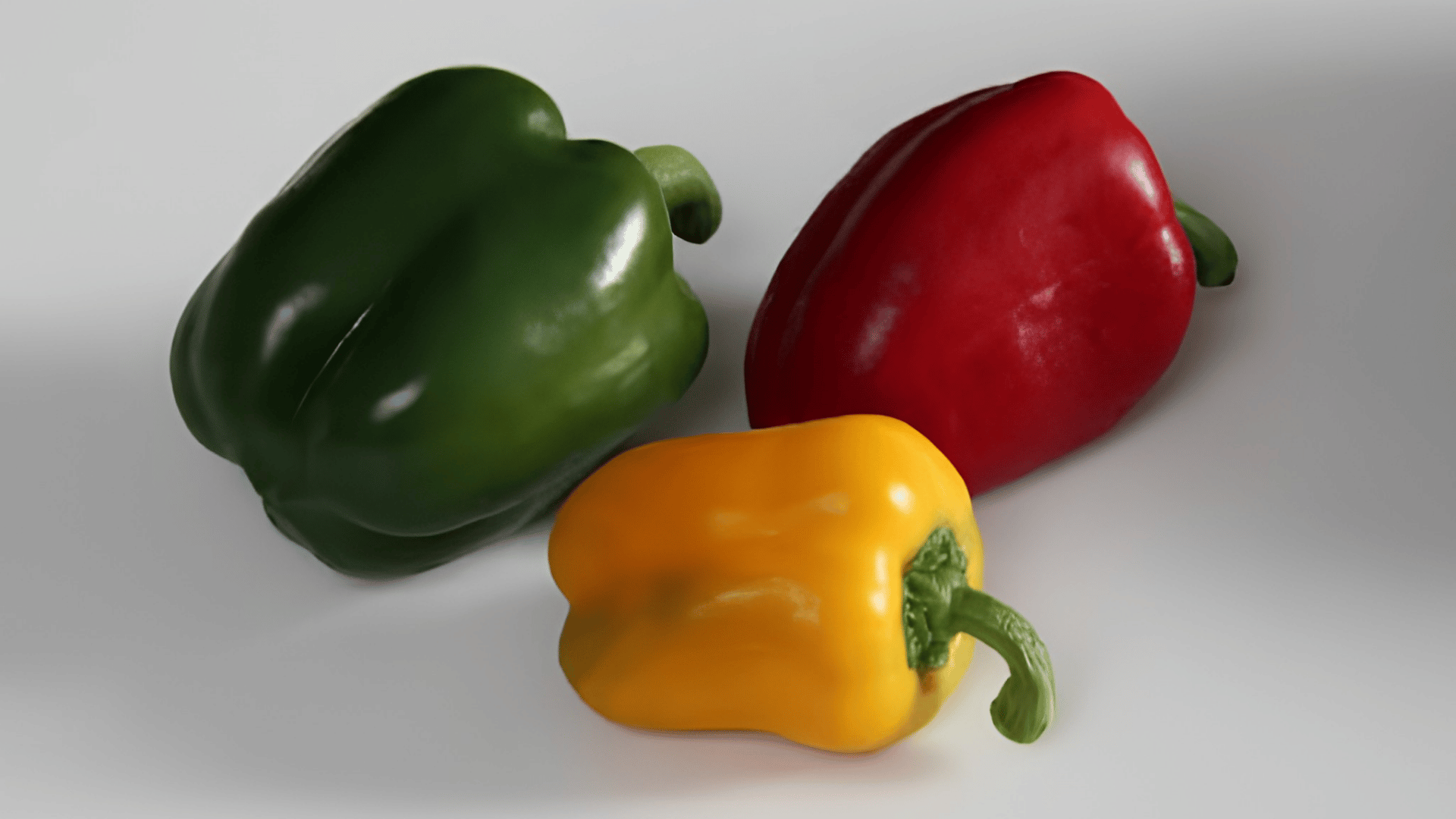
No, a bell pepper is not a vegetable in botanical terms because it develops from the ovary of a flower after pollination and contains seeds, making it a fruit.
However, it is considered a vegetable in culinary terms because of its mild, savory flavor and its common use in everyday meals.
From a scientific perspective, bell peppers are fruits because they develop from the reproductive part of the plant.
In cooking, foods are classified by taste and use rather than plant biology. Since bell peppers are commonly used in salads, stir-fries, soups, stuffed recipes, and other savory dishes, grocery stores and recipes group them with vegetables.
Both classifications are correct because they follow different systems: botany is based on plant structure, while culinary classification is based on how foods are prepared and eaten.
How to Safely Handle and Prepare Hot Peppers?
Proper handling of hot peppers helps prevent skin irritation and accidental exposure to capsaicin. Following a few simple precautions makes preparing even the hottest varieties safer and more comfortable.
- Wear Disposable Gloves: Use nitrile or latex gloves when handling hot peppers, especially varieties hotter than jalapeños, to keep capsaicin off the skin.
- Wash Hands Thoroughly: If gloves are not used, wash hands immediately with dish soap and cool water, as hot water can spread capsaicin oils.
- Avoid Touching the Face: Keep hands away from the eyes, nose, mouth, and contact lenses until all capsaicin residue has been completely removed.
- Keep Milk Nearby: When processing large batches, keep a bowl of milk nearby since dairy proteins help break down capsaicin more effectively than water.
- Clean Utensils and Surfaces: Wash knives, cutting boards, and countertops thoroughly after use to prevent capsaicin from transferring to other foods or surfaces.
Pepper Colors and What They Mean
The color of a pepper indicates its stage of ripeness and affects its flavor, texture, and nutritional profile.
| Pepper Color | Ripeness | Flavor | Nutritional Highlights |
|---|---|---|---|
| Green | Immature | Mild, slightly bitter | Good source of vitamin C and fiber, but lower in antioxidants than ripe peppers. |
| Yellow | Partially ripe | Mildly sweet | Higher in vitamin C and carotenoids than green peppers. |
| Orange | Fully ripe | Sweet | Rich in vitamin C, beta-carotene, and antioxidant compounds. |
| Red | Fully ripe | Sweetest | Highest in vitamin C, beta-carotene, lycopene, and antioxidants among common bell peppers. |
| Purple | Varies by variety | Mildly sweet with slight bitterness | Contains anthocyanins, natural pigments with antioxidant properties. |
| White | Fully mature specialty variety | Mild, slightly sweet | Provides vitamin C but contains fewer plant pigments than darker-colored peppers. |
Interesting Facts About Peppers
Peppers have a fascinating history and unique botanical traits that make them one of the world’s most diverse cultivated crops.
- Bell peppers contain no capsaicin: Unlike hot peppers, bell peppers lack the compound that produces a spicy sensation.
- Birds Can Eat Hot Peppers Without Feeling Heat: Birds lack the receptors that detect capsaicin, allowing them to eat even the hottest peppers and spread their seeds naturally.
- The World’s Hottest Peppers Can Exceed 2 Million Scoville Heat Units: Extremely hot varieties like Pepper X and Carolina Reaper are many hundreds of times hotter than a jalapeño.
- Capsaicin Is Used Beyond Cooking: The same compound that makes peppers hot is also used in pepper sprays, topical pain-relief creams, and some medical treatments.
- Peppers Are Self-Pollinating but Benefit From Pollinators: Pepper flowers can self-pollinate, but bees and other insects often increase fruit production and yields.
- The Seeds Are Not the Hottest Part: Capsaicin is concentrated mainly in the white inner membranes (placenta) rather than in the seeds themselves, although seeds can become coated with it during growth.
Conclusion
Peppers are botanically fruits because they develop from a flower’s ovary and contain seeds, but they are treated as vegetables in cooking because of their savory flavor and everyday use.
Understanding this difference makes it easier to see why both classifications are correct in different contexts. Beyond the debate, peppers are a diverse group of plants with fascinating varieties, rich history, and valuable nutritional benefits.
Now that you know the difference, you can confidently answer the next time someone asks whether peppers are fruits or vegetables.
Frequently Asked Questions
Is Black Pepper a Vegetable?
No. Black pepper is not a vegetable. It is a spice made from the dried berries of the Piper nigrum plant and is primarily used to season food.
Is a Cucumber a Fruit or a Vegetable?
Botanically, cucumber is a fruit because it develops from a flower and contains seeds. In cooking, it is commonly treated as a vegetable due to its mild, savory flavor.
Why Is Broccoli Not a Fruit?
Broccoli is not a fruit because it is the unopened flower buds and stems of the plant. Fruits develop from a flower’s ovary and contain seeds, which broccoli does not.
Which Two Vegetables Should Not Be Eaten Together?
There are no scientifically proven combinations of vegetables that must be avoided. Most vegetables can be safely eaten together as part of a balanced, varied diet.