

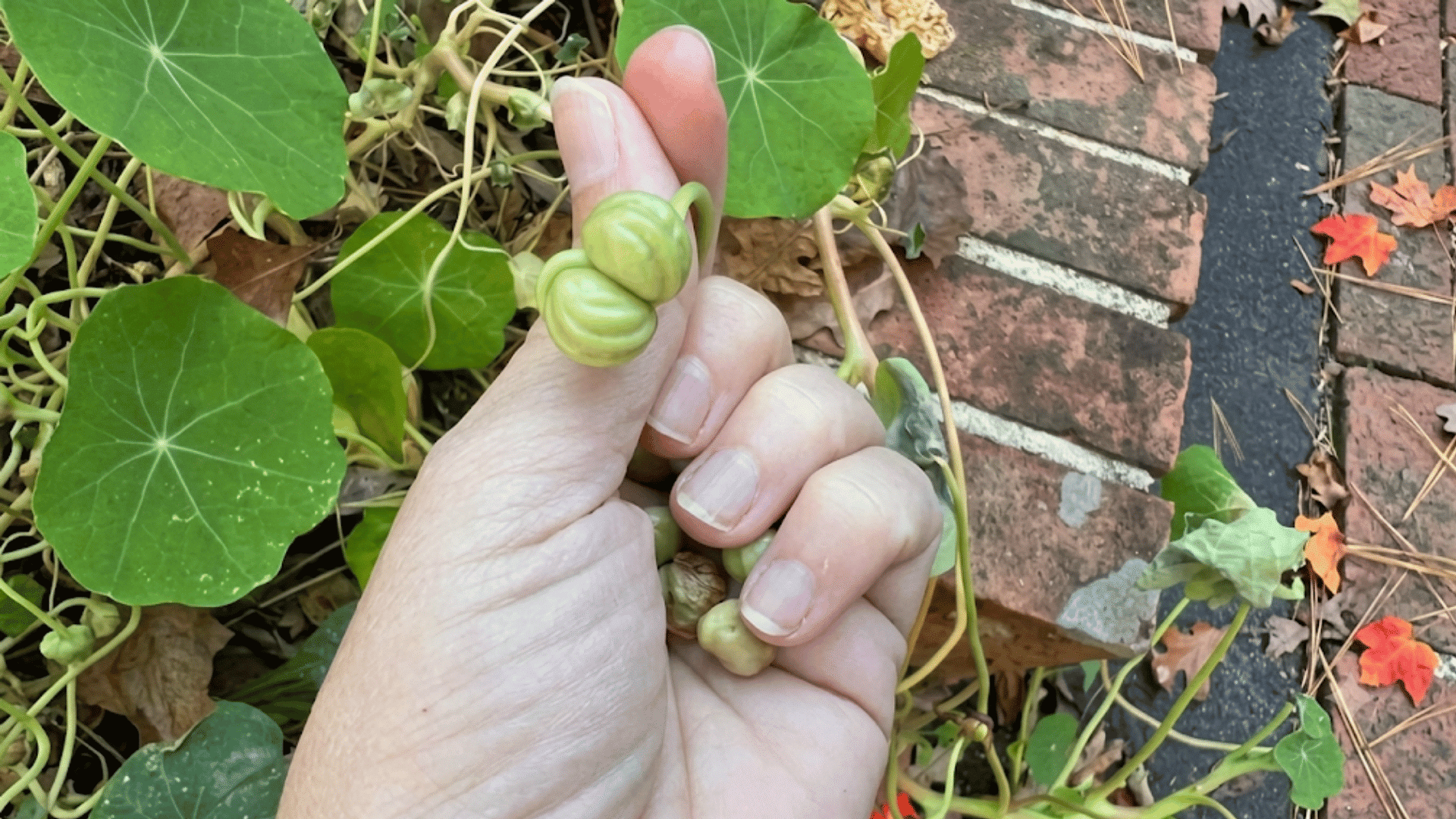
Nasturtiums are among the easiest flowering plants to grow, but planting them at the right time gives you the best chance of strong germination and long-lasting blooms.
Seasonal timing, soil temperature, and your local climate all play an important role in how well the seeds develop.
In this guide, I’ll share when to plant nasturtium seeds based on the season and USDA zone, discuss the typical germination time for nasturtium, and offer practical growing tips for healthy plants.
You’ll also learn how to sow seeds correctly, avoid common mistakes, and encourage reliable flowering from the very beginning.
Keep reading to get your nasturtiums off to a great start.
Quick Answer: When to Plant Nasturtium Seeds?
The best time to plant nasturtium seeds is after your area’s last spring frost, when soil temperatures reach about 55–70°F (13–21°C).
Northern states typically plant from late May through June, while many southern states can sow seeds as early as March or enjoy a second planting in fall for winter blooms.
Nasturtiums grow best when seeds are sown directly into the garden because they dislike root disturbance from transplanting.
Choose a sunny location with well-drained soil, water lightly after planting, and expect seedlings to emerge within 7 to 14 days under favorable growing conditions.
When Is the Best Time to Plant Nasturtium Seeds by Season?
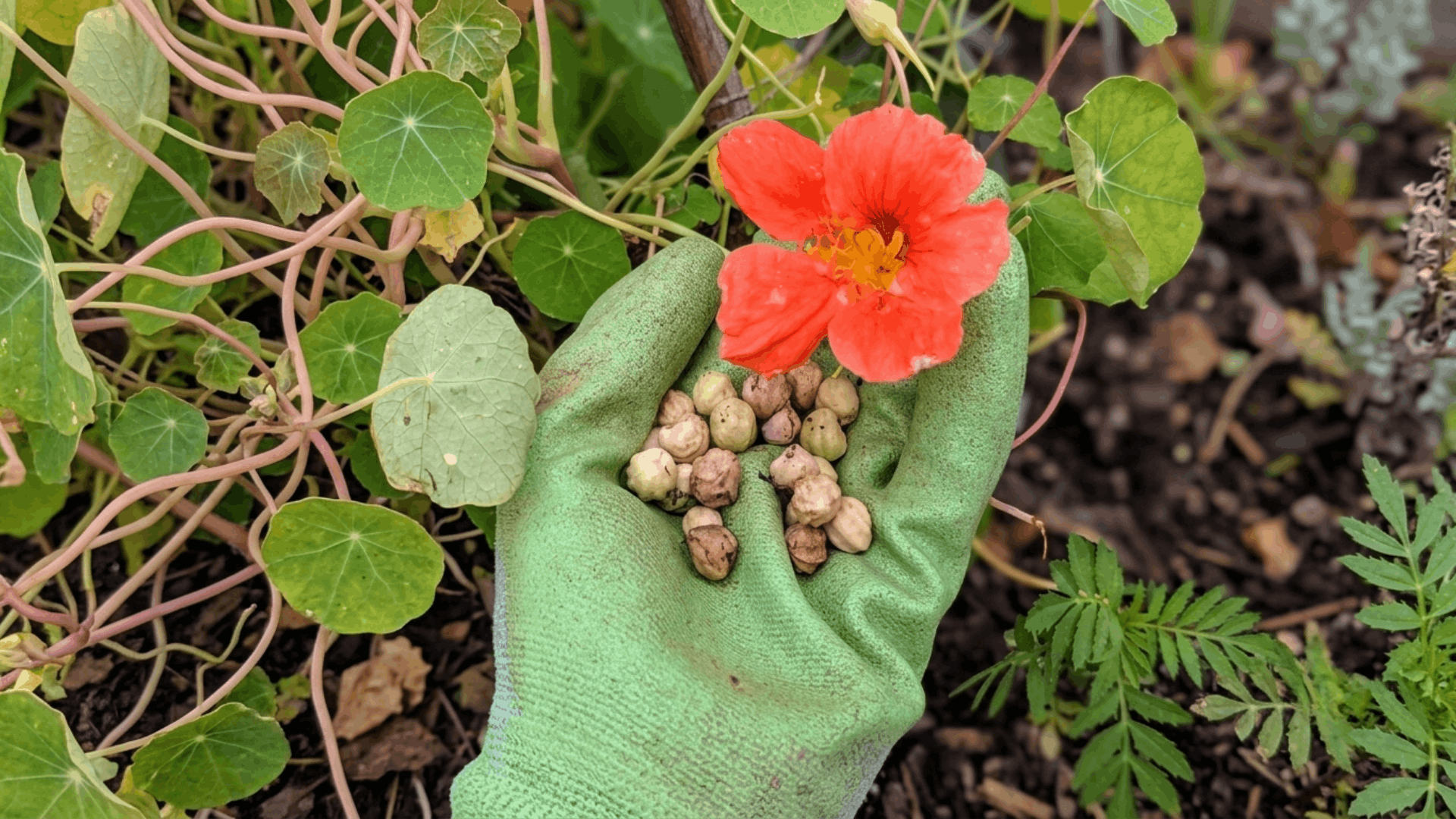
The best planting season depends on your local climate, average frost dates, and soil temperature. Following the right seasonal planting window helps nasturtium seeds germinate more reliably.
1. Spring Planting
Spring is the ideal time to plant nasturtium seeds across most of the United States. Wait until the danger of frost has passed and soil temperatures reach at least 55°F.
In northern states, planting usually begins from late May through June, while many southern states can sow seeds in March or April.
Directly sow the seeds in well-drained soil because nasturtiums dislike transplanting. With consistent moisture and plenty of sunlight, seedlings typically emerge within one to two weeks.
2. Summer Planting
Summer planting works best in cooler regions where temperatures remain moderate throughout the growing season.
In hotter parts of the southern United States, intense heat can slow germination and reduce flowering.
If planting during summer, choose a location that receives morning sun and light afternoon shade. Water regularly to prevent the soil from drying out, especially during heat waves.
Although flowering may begin slightly later, healthy plants can still provide colorful blooms until the first fall frost.
3. Fall Planting
Fall is an excellent planting season for gardeners in USDA Zones 9 through 11, where winters are generally mild. Seeds planted in early fall often establish quickly and bloom during winter or early spring.
Cooler temperatures also reduce heat stress on young plants.
Gardeners in northern states should avoid outdoor fall planting because frost usually arrives before seedlings become established.
Always plant early enough to allow roots and foliage to develop before colder weather arrives.
4. Winter Planting
Winter planting is recommended only in frost-free areas, including parts of Southern California, coastal Texas, southern Arizona, and Florida.
These regions offer mild temperatures that allow nasturtiums to grow through winter and bloom before summer heat arrives.
In most other parts of the United States, frozen or cold soil greatly slows germination and can damage young seedlings. Waiting until spring provides much better growing conditions and improves the chances of healthy, vigorous plants.
When to Plant Nasturtium Seeds by USDA Hardiness Zone?
USDA Hardiness Zones help you choose the right planting window based on your region’s frost dates and climate. Use this table to decide when to sow nasturtium seeds in the United States.
| USDA Hardiness Zone | Best Time to Plant | Planting Notes |
|---|---|---|
| Zones 3–4 | Late May to June | Direct sow after the last frost once the soil reaches at least 55°F. Spring planting is the safest choice because the growing season is short. |
| Zone 5 | Late April to May | Wait until frost risk has passed before sowing outdoors. Seeds usually germinate well as the soil warms. |
| Zone 6 | Mid-April to May | Plant in full sun after the final frost date. One spring planting can provide blooms through summer. |
| Zone 7 | Late March to April | Sow directly into well-drained soil once temperatures stay mild. Early planting supports a longer bloom season. |
| Zone 8 | March to April or September | Spring and early fall planting both work well. Fall planting may yield winter or early-spring flowers. |
| Zone 9 | February to March or October | Avoid peak summer heat. Fall planting is often better for steady growth and flowering. |
| Zone 10 | October to January | Sow during cooler months for the best results. Plants may bloom through winter and spring. |
| Zone 11 | October to February | Plant during the cool season in well-drained soil. Avoid extreme summer heat, which can reduce flowering. |
Factors that Affect Nasturtium Germination
Nasturtium seeds germinate best when growing conditions match their natural needs. Paying attention to these factors can improve germination rates and encourage healthy seedlings.
- Soil Temperature: Seeds germinate most reliably when soil temperatures stay between 55°F and 70°F. Cold soil slows sprouting, while excessive heat may reduce germination success.
- Planting Depth: Sow seeds about ½ to 1 inch deep in loose soil. Planting too deeply can delay emergence or prevent seedlings from reaching the surface.
- Consistent Moisture: Keep the soil evenly moist after sowing, without letting it become waterlogged. Allowing the soil to dry out may interrupt germination before seedlings emerge.
- Seed Quality: Fresh, properly stored seeds generally germinate faster and more evenly. Older seeds may have lower germination rates and produce weaker seedlings.
- Soil Drainage: Well-drained soil helps prevent seeds from sitting in excess water. Poor drainage can cause seeds to rot before they have a chance to sprout.
- Sunlight After Emergence: Seeds do not need sunlight to germinate, but young seedlings grow best in full sun. Adequate light encourages sturdy stems and healthy leaf development once they emerge.
How to Plant Nasturtium Seeds Successfully?
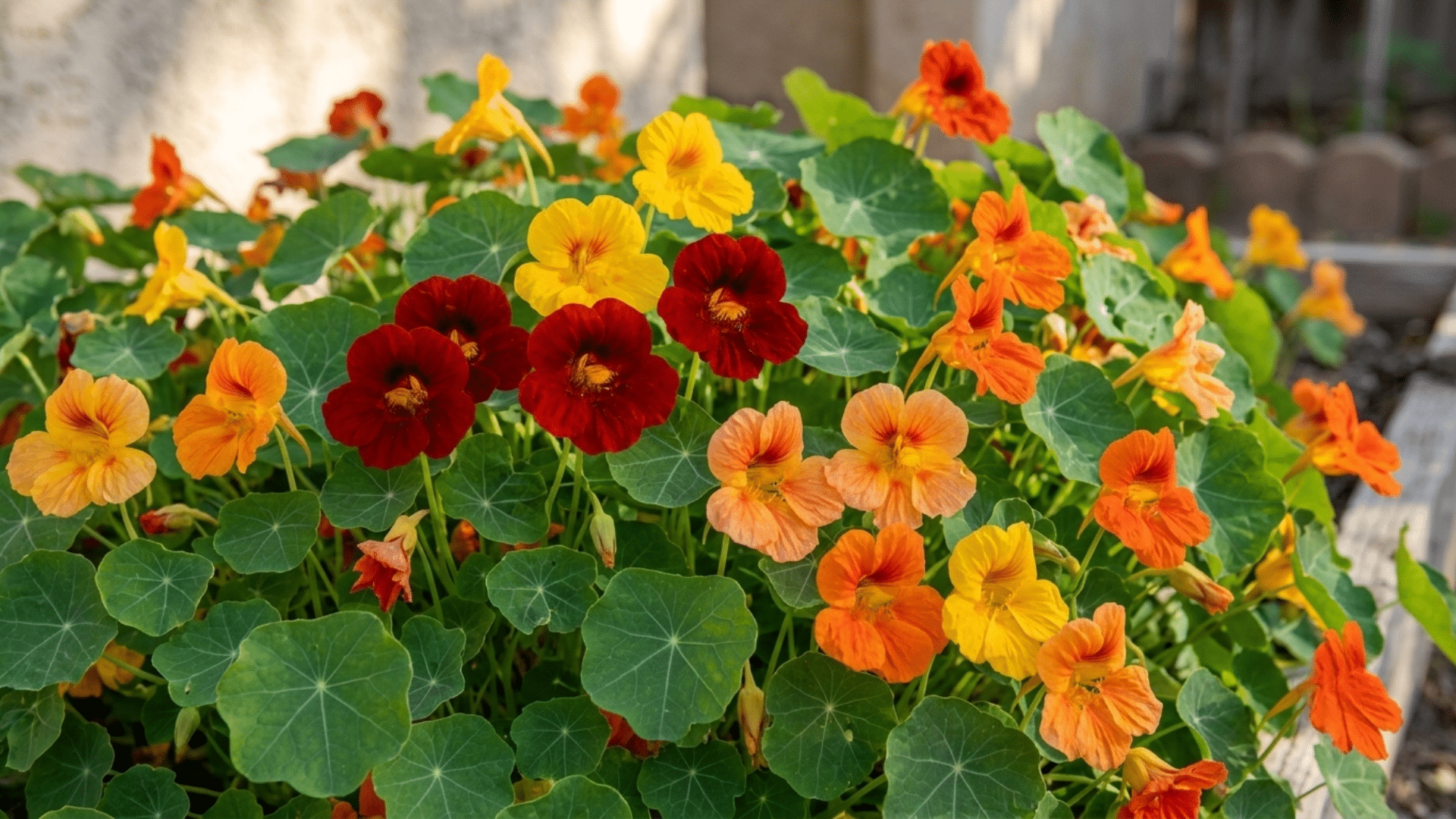
Planting nasturtium seeds the right way helps improve germination and encourages healthy plants with long-lasting blooms.
1. Choose the Right Location
Choose a location that receives at least six hours of direct sunlight each day. In cooler parts of the United States, full sun supports stronger flowering throughout the season.
Gardeners in hotter southern states can select a spot with light afternoon shade to reduce heat stress.
Make sure the planting area has good air circulation and well-drained soil.
Avoid places where rainwater collects because overly wet conditions can prevent seeds from germinating properly and damage young roots.
2. Prepare the Soil
Nasturtiums grow best in loose, well-drained soil with average fertility.
Before planting, loosen the soil to a depth of 6 to 8 inches and remove weeds, rocks, and other debris that may interfere with root growth.
Avoid adding large amounts of compost or high-nitrogen fertilizer, as rich soil often produces abundant leaves rather than flowers.
If your soil is heavy clay, mix in coarse sand or organic matter to improve drainage before sowing the seeds.
3. Soak the Seeds Before Planting
Although not required, soaking nasturtium seeds for 8 to 12 hours before planting can soften their hard outer coating and encourage quicker germination.
Use room-temperature water and avoid soaking them for more than overnight, as overly soft seeds may begin to deteriorate.
Drain the seeds well before planting them directly into prepared soil. This simple step is especially useful during cool spring weather when germination naturally takes a little longer.
4. Sow the Seeds Correctly
Directly sow nasturtium seeds outdoors after your area’s last expected spring frost.
Plant each seed about ½ to 1 inch deep and leave 8 to 12 inches of space between plants, depending on the variety.
Cover the seeds lightly with soil and gently firm the surface without compacting it.
Direct sowing is recommended because nasturtiums develop delicate roots that do not respond well to transplanting once growth has started.
5. Water After Sowing
Water the planting area immediately after sowing to help settle the soil around the seeds.
Keep the soil evenly moist until seedlings emerge, which usually takes about 7 to 14 days under favorable conditions. Water gently to avoid washing seeds out of place or creating compacted soil.
Once plants become established, allow the top inch of soil to dry slightly between waterings.
Avoid overwatering because soggy soil can lead to seed rot and weak root development.
6. Thin the Seedlings
After seedlings develop two or three sets of true leaves, thin crowded plants to improve airflow and reduce competition for sunlight, water, and nutrients.
Leave about 8 to 12 inches between compact varieties and more space for trailing types. Instead of pulling extra seedlings, trim them at the soil line with clean scissors to avoid disturbing nearby roots.
Proper spacing encourages healthier plants and allows each one enough room to spread naturally.
7. Care for Young Plants
Once nasturtiums become established, they require relatively little maintenance throughout the growing season.
Water only when the top inch of soil feels dry, especially during extended dry periods. Avoid frequent fertilizing because excess nitrogen encourages leafy growth at the expense of flowers.
Remove faded blooms regularly to encourage continued flowering and monitor plants for common pests such as aphids.
With proper care, healthy nasturtiums typically begin flowering about six to eight weeks after planting.
Tips for Faster Nasturtium Germination
A few simple planting practices can help nasturtium seeds sprout more quickly and evenly. These tips create favorable growing conditions that support healthy seedlings from the beginning.
- Soak Seeds Overnight: Place seeds in room-temperature water for 8 to 12 hours before planting. This softens the hard seed coat and may encourage quicker germination.
- Plant in Warm Soil: Wait until soil temperatures stay between 55°F and 70°F before sowing. Warm soil supports faster and more consistent seed sprouting than cold ground.
- Keep the Soil Evenly Moist: Water regularly to maintain consistent moisture without making the soil soggy. Seeds need moisture to germinate, but excess water can cause them to rot.
- Sow at the Correct Depth: Plant seeds about ½ to 1 inch deep in loose, well-drained soil. Proper depth helps seedlings reach the surface more easily after sprouting.
- Use Fresh, High-Quality Seeds: Fresh seeds generally germinate more reliably than older ones. Store unused seeds in a cool, dry place to maintain their viability for future planting.
- Avoid Disturbing the Seeds: After planting, leave the soil undisturbed until seedlings emerge. Frequent digging or heavy watering can displace seeds and slow germination.
Nasturtium Germination Time
Nasturtium seeds typically germinate within 7 to 14 days when planted under favorable conditions. The exact germination time depends on soil temperature, moisture, and seed quality.
Seeds sprout most reliably when soil temperatures remain between 55°F and 70°F (13°C–21°C) and the soil stays evenly moist without becoming waterlogged.
Cooler temperatures can extend germination to nearly three weeks, while warm, well-prepared soil often produces faster results.
Soaking the seeds overnight before planting may also help speed up sprouting. Once seedlings emerge, provide plenty of sunlight and moderate watering to encourage strong growth.
Healthy nasturtiums usually begin producing flowers about 6 to 8 weeks after germination.
Mistakes that Delay the Germination of Nasturtium Seeds
Even healthy nasturtium seeds can take longer to sprout if growing conditions are not suitable. Avoiding these common mistakes helps improve germination rates and supports stronger seedling growth.
- Planting Too Early: Sowing seeds before the last spring frost or into cold soil slows germination. Wait until soil temperatures reach at least 55°F for more reliable results.
- Planting Too Deep: Burying seeds deeper than 1 inch makes it harder for seedlings to reach the surface. Plant them at the recommended depth of ½ to 1 inch.
- Overwatering the Soil: Waterlogged soil limits oxygen around the seeds and increases the risk of rot. Keep the soil evenly moist instead of constantly saturated.
- Letting the Soil Dry Out: Seeds need consistent moisture throughout the germination period. Dry soil can stop the germination process before seedlings have a chance to emerge.
- Using Rich or Poorly Drained Soil: Heavy clay soil or excessive fertilizer can affect healthy growth. Choose well-drained soil with moderate fertility for the best results.
- Ignoring Proper Spacing: Sowing too many seeds in one area reduces airflow and increases competition for moisture and nutrients. Space seeds according to the variety to encourage healthy development.
Companion Plants for Nasturtiums
Nasturtiums pair well with many vegetables, herbs, and flowering plants in home gardens. They attract pollinators, may help draw aphids away from nearby crops, and make efficient use of garden space.
| Companion Plant | Why It Pairs Well With Nasturtiums | Best Growing Tip |
|---|---|---|
| Tomatoes | Nasturtiums can attract aphids away from tomato plants while bringing pollinators into the garden. Their trailing habit also helps cover bare soil. | Plant around the edges of tomato beds, leaving enough space for good airflow. |
| Cucumbers | Both plants enjoy similar growing conditions. Nasturtiums attract bees that help improve cucumber pollination. | Grow nearby without allowing vines to overcrowd each other. |
| Squash | The bright flowers attract pollinators that visit squash blossoms, supporting fruit production throughout the season. | Plant along the border of squash beds to maximize pollinator activity. |
| Broccoli | Nasturtiums may attract aphids away from broccoli and other brassicas, helping reduce pest pressure naturally. | Leave adequate spacing so both plants receive enough sunlight. |
| Cabbage | Cabbage and nasturtiums share similar growing seasons in many U.S. regions. Nasturtiums can act as a trap crop for aphids. | Plant a few nasturtiums around cabbage rows rather than mixing them too closely. |
| Fruit Trees | Nasturtiums planted beneath young fruit trees attract pollinators and may draw aphids away from new growth. | Keep flowers a short distance from the trunk to reduce competition for water. |
| Marigolds | Marigolds and nasturtiums create a colorful planting while attracting pollinators and beneficial insects. | Plant along borders or raised beds for continuous seasonal color. |
Signs Your Nasturtium Seedlings Are Growing Well
Healthy nasturtium seedlings show steady growth during the first few weeks after germination. Watching for these signs helps confirm your plants are developing under the right growing conditions.
- Bright Green Leaves: Healthy seedlings produce vibrant green leaves without yellowing or brown edges. Consistent leaf color usually indicates adequate sunlight, moisture, and nutrients.
- Strong Upright Stems: Seedlings should develop sturdy stems that remain upright without bending or collapsing. Strong stems help support future leaves, flowers, and trailing growth.
- Steady New Growth: New leaves should appear regularly as the seedling matures. Consistent growth shows the plant is adapting well to its environment and receiving proper care.
- Healthy Root Development: A well-established seedling develops a strong root system that anchors it firmly in the soil. Healthy roots improve water uptake and support vigorous growth.
- No Signs of Disease or Pest Damage: Leaves should remain free of spots, holes, mold, or sticky residue. Healthy seedlings are less likely to struggle as they continue growing.
- Early Flower Bud Formation: As plants mature, small flower buds begin forming several weeks after germination. Bud development is a good sign that the plant is healthy and growing in favorable conditions.
Conclusion
Growing nasturtiums from seed is simple when you plant at the right time and provide suitable growing conditions.
Waiting until the soil is warm, sowing seeds at the correct depth, and maintaining consistent moisture can improve germination and encourage healthy, vigorous plants.
Planting at the right time for your USDA Hardiness Zone helps produce reliable blooms in beds, raised beds, or containers.
With proper care, nasturtiums reward gardeners with colorful flowers and attractive foliage for months.
Use the planting and germination guidance in this guide to grow healthy nasturtiums with confidence and enjoy a successful growing season from start to finish.
Frequently Asked Questions
What Not to Plant Next to Nasturtiums?
Avoid planting nasturtiums next to fennel, potatoes, and aggressive-spreading plants, as they can compete for space, reduce growth, or adversely affect nearby crops.
Do Nasturtiums Come Back Every Year?
Nasturtiums are annuals in most U.S. climates, so they do not return every year. However, they often self-seed and may grow again the following season.
Is It Hard to Grow Nasturtiums from Seed?
No. Nasturtiums are among the easiest flowers to grow from seed. With warm soil, consistent moisture, and full sun, they usually germinate within 7 to 14 days.