

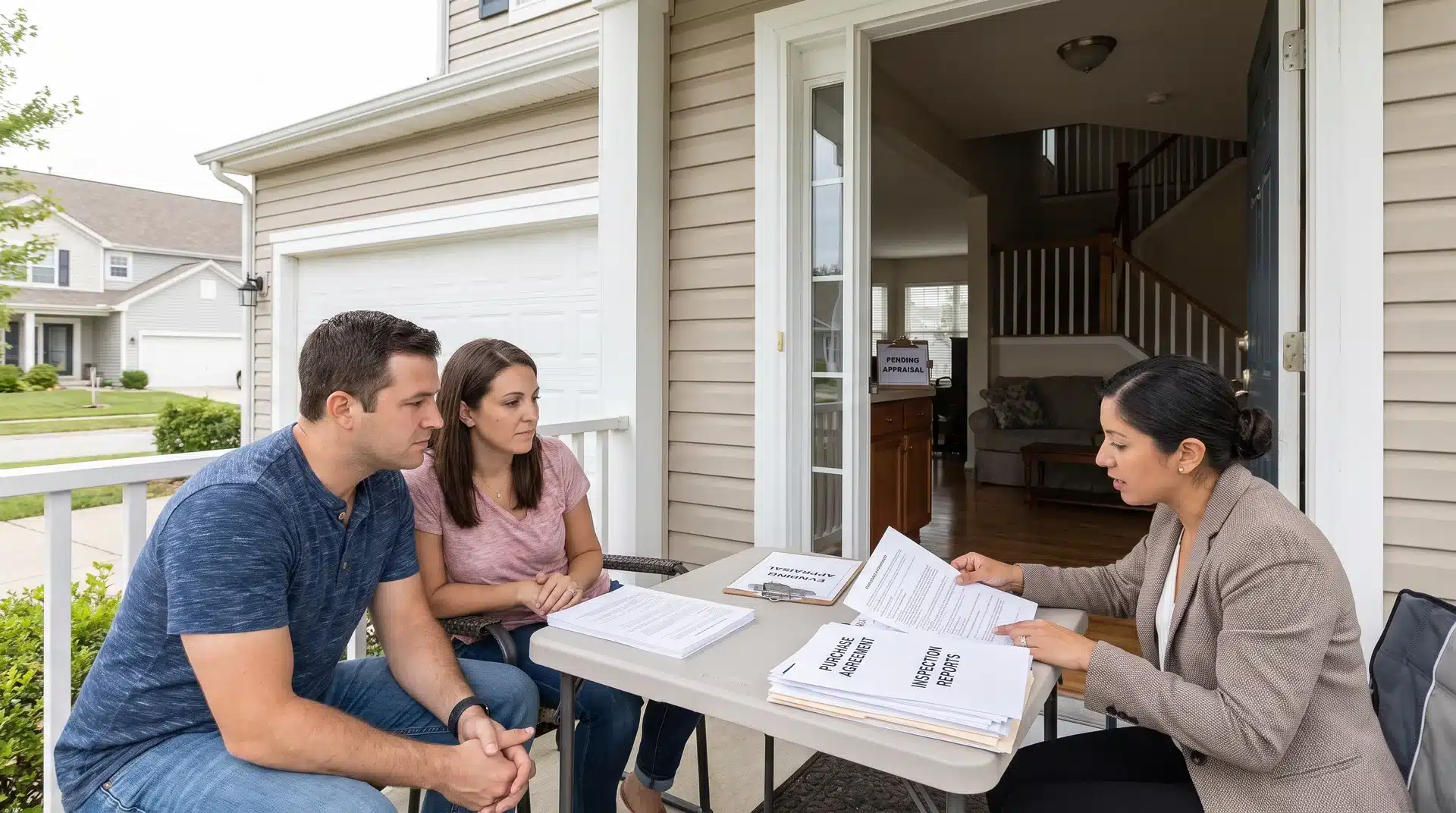
I remember seeing “under contract” on a listing I wanted and feeling completely unsure about what that label actually meant for my chances.
At first glance, the phrase sounds like the home is already sold, but the reality is that several important steps still remain before the transaction finishes.
I have found that many buyers misunderstand these statuses because the words seem simple while the process behind them involves inspections, financing, negotiations, and closing requirements.
Below, I’ll explain what does under contract means in real estate, how it differs from contingent and pending, and when a buyer may still have options.
What Does Under Contract Mean in Real Estate?
“Under contract” means a buyer and seller have signed a purchase agreement, but the sale is not final yet.
Both sides are committed to the agreed terms, including the price, timeline, and conditions that need to be completed before closing. The deal is legally binding, so walking away can have consequences.
A signed contract shows that both sides are committed to the deal, but it does not mean the buyer already owns the property.
There is still a gap between accepting an offer and closing. During that time, the buyer may need to finish steps like the inspection, appraisal, and financing approval.
I’ve seen buyers assume an under contract home is already off the table, only to find the deal falls apart during this stage. A few unresolved issues can still change what happens next.
Think of “under contract” as a home moving toward a sale, not one that has already sold. The final outcome depends on whether the remaining conditions are cleared before closing.
What Happens Between Contract and Closing?
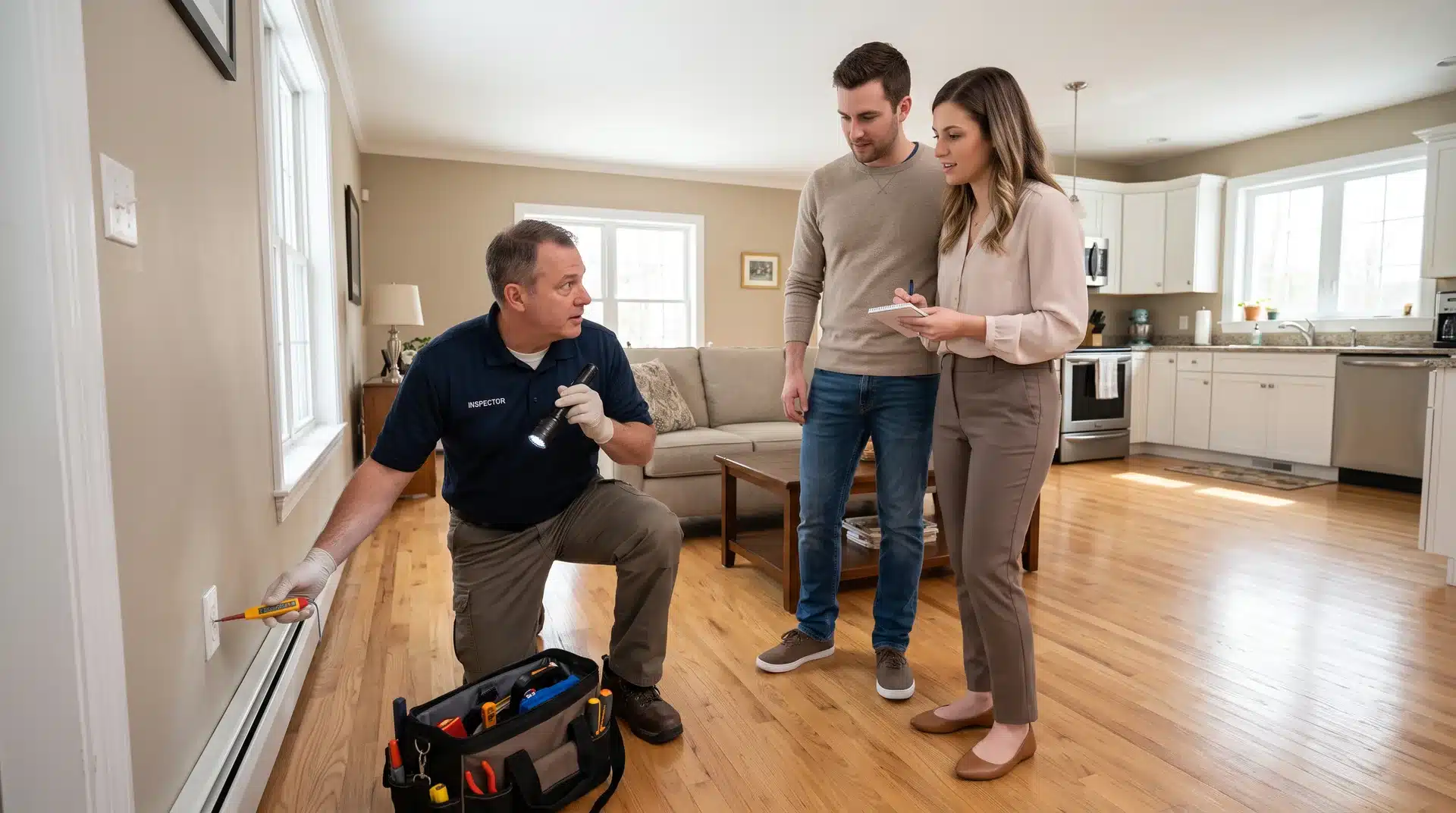
After the purchase agreement is signed, the buyer and seller enter a period where several remaining requirements must be completed before closing.
These requirements are called contingencies, and they create protection when certain conditions are not satisfied during the transaction.
I usually explain contingencies as checkpoints because each completed step reduces uncertainty and moves the purchase closer to the final transfer.
If a contingency cannot be completed, the buyer may have options to renegotiate, cancel the agreement, or recover their earnest money depending on the contract.
Inspection Contingency
An inspection contingency allows the buyer to have the property professionally examined after the seller accepts the offer.
The inspector reviews major areas of the home, including the roof, electrical system, plumbing, foundation, and other important components that may affect the property’s condition.
If serious problems are discovered, the buyer may request repairs, negotiate the purchase price, or decide not to continue with the transaction after reviewing issues like structural concerns or old house foundation types.
The seller does not automatically have to fix every issue discovered during the inspection.
Instead, both parties review the findings and decide how to move forward based on the contract terms and the severity of the problems.
Appraisal Contingency
An appraisal contingency protects the buyer when the home’s appraised value is lower than the agreed purchase price. The lender orders an appraisal to confirm that the property value supports the amount being borrowed for the mortgage.
If the appraisal comes in below the purchase price, the buyer may need to pay the difference, negotiate a price change, or reconsider the agreement.
I have seen appraisal issues create unexpected delays because buyers and sellers may need additional discussions before deciding how to proceed.
If neither side reaches an agreement, the contract may be cancelled depending on the terms included in the purchase agreement.
Financing Contingency
A financing contingency protects the buyer if they cannot receive final mortgage approval after signing the purchase agreement.
A pre-approval does not guarantee the loan will close because lenders still review income, credit, employment, and property details during the final process.
Changes in the buyer’s financial situation or issues discovered during underwriting can affect whether financing is approved.
If the lender denies the loan for a covered reason, this contingency may allow the buyer to cancel the purchase while protecting their earnest money.
This is why a home can remain under contract even when the buyer has already received initial loan approval.
Under Contract vs Contingent vs Pending: Key Differences Explained
Under contract, contingent, and pending all describe stages of a home sale, but each status shows how close the transaction is to closing.
| Feature | Under Contract | Contingent | Pending |
|---|---|---|---|
| Contract status | Offer accepted, sale not final | Contract active with conditions | Conditions cleared, closing ahead |
| What is happening | Deal moving through the process | Inspection, appraisal, or financing may remain | Final steps before closing |
| Risk of falling through | Possible | Higher due to open conditions | Lower, but still possible |
| Showings | Depends on seller | Often continues | Usually stopped |
| Buyer opportunity | May return if deal fails | Backup offers may be accepted | Rarely available again |
| Meaning for buyers | Watch the listing | Still worth monitoring | Unlikely to reopen |
The biggest difference is that a contingent home still has important conditions to clear, while a pending home has usually passed those hurdles and is closer to closing.
Can You Still Make an Offer on a Home That’s Under Contract?
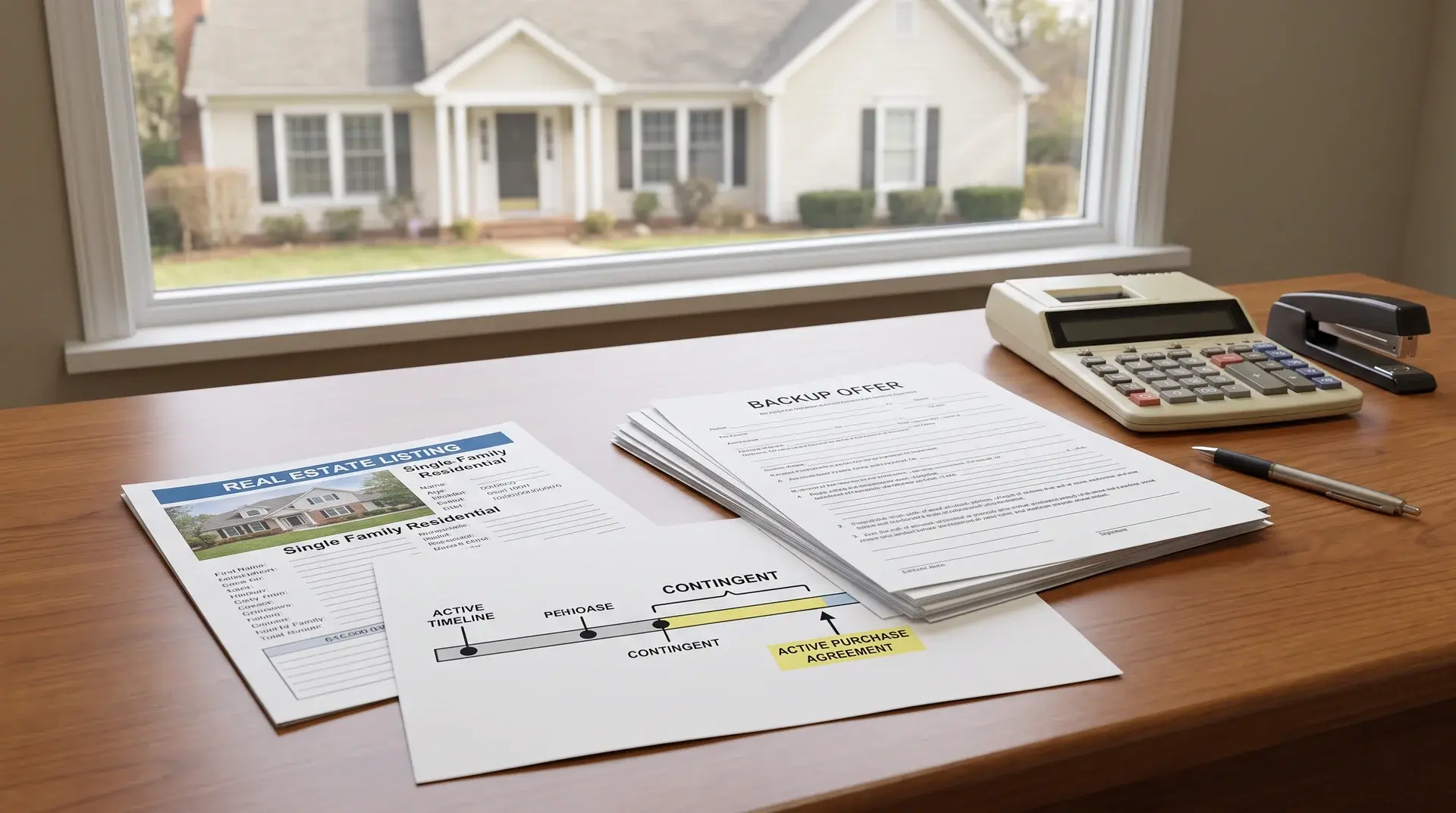
Yes during the contingent phase, you can submit a backup offer, which is a formal offer that activates if the primary deal falls through.
A backup offer does not replace or interfere with the existing contract. The seller is not choosing between two buyers. Instead, it creates a second position that only moves forward if the first deal fails.
- A backup offer waits in line and moves forward if the original contract falls apart. Sellers typically consider backup offers in the order they receive them.
- Once a listing moves to pending, the chance to submit a backup offer is usually gone because major conditions have been cleared and sellers often stop accepting new offers.
- Whether a backup offer makes sense depends on the situation. A home that went under contract quickly with no reported issues is different from one sitting in contingent status for weeks because of unresolved problems.
I’d always look beyond the status label. Ask your agent what they know about the timeline, offer history, and any problems that came up. Those details usually tell you more than the listing status alone.
What Should Buyers Ask Before Walking Away From an Under-Contract Home?
A listing status alone does not always show the full situation behind a real estate transaction.
I would always recommend asking your agent about the timeline, contingency status, offer history, and any known issues before deciding the home is unavailable.
A property that went under contract quickly with strong buyer interest is very different from one that has remained contingent for weeks.
Longer timelines may indicate unresolved inspection concerns, appraisal problems, financing delays, or negotiations between the buyer and seller.
The details behind the status usually provide more useful information than the label itself, including factors like price, location, and home size and space before deciding whether to pursue a listing.
Conclusion
Understanding what does under contract means in real estate helps you make better decisions when searching for a home. A signed agreement shows serious progress, but it does not guarantee the transaction will reach closing.
I have found that buyers feel more confident once they understand the difference between a home that is contingent, pending, or simply under contract.
The most important step is looking beyond the listing status and learning what conditions still remain before the sale becomes final. If a specific home catches your attention, your agent may provide details that are not visible from the status label alone.
Frequently Asked Questions
Is a house under contract a good thing?
For the seller, yes. It means an accepted offer and a deal in motion. For a buyer who wanted that home, it depends. If it’s contingent, there’s still a chance. If it’s pending, the realistic window has closed. Neither status means it’s permanently gone until the closing actually happens.
How long will a house stay under contract?
Most under-contract periods run 30 to 60 days. The timeline depends on contingency deadlines, how quickly the lender processes the loan, and what the purchase agreement specifies. Cash deals move faster. Financing-dependent deals take longer. If a home has been contingent for more than 60 days, something is likely unresolved, and it may come back to market.
What’s the difference between pending and under contract?
Pending is a later stage within the under contract period. Under contract means a purchase agreement is signed but conditions are still active. Pending means those conditions have been cleared and the deal is moving to close. A pending home rarely returns to market. A contingent home still might.
Can you still put in an offer if a house is under contract?
During the contingent phase, yes, a backup offer is possible and sometimes worth making. Once the status moves to pending, most sellers aren’t accepting new offers. Your best move is to ask your agent to check the listing history and find out where the deal actually stands.