
A well-managed apartment community is often easier to recognize than to describe. Packages arrive where they should, maintenance requests receive timely responses, shared spaces are inviting, and residents know whom to contact when something goes wrong. None of these details seems especially remarkable on its own. Together, however, they determine whether residents feel comfortable and confident in the place they call home.
Everyday Convenience Starts Behind the Scenes
Residents usually notice property management most when a routine task becomes frustrating. A package goes missing, a maintenance appointment is forgotten, or a question receives different answers from different employees. These experiences may signal operational inefficiencies in multifamily properties, including manual processes, unclear responsibilities, and disconnected systems. Improving those systems can make resident experiences better without requiring expensive new amenities.
Package delivery is a useful example because online shopping creates a steady flow of items through apartment offices and mailrooms. When staff must manually receive, store, locate, and distribute deliveries, the process competes with other responsibilities. Secure collection options, clear notifications, and consistent procedures can reduce uncertainty for both residents and employees. The best solution depends on the building’s size, delivery volume, accessibility needs, and staffing arrangement.
Clear Communication Prevents Unnecessary Conflict
Residents do not expect every problem to be solved instantly, but they do expect straightforward information. Confusion about rent charges, parking policies, planned repairs, and lease procedures can undermine otherwise positive experiences. Communication should explain what is changing, why it matters, and what action residents need to take. Messages that are technically accurate but difficult to understand may still create avoidable frustration, so consistency is critical.
Long-Term Ownership Influences Property Decisions
The resident experience is shaped partly by financial decisions made far above the leasing office. Owners must budget for roofs, plumbing, landscaping, insurance, technology, and other expenses that may not produce immediate visible returns. Some property owners also evaluate whether to retain, improve, or sell an asset as part of a larger investment strategy. These choices can affect how consistently a community is maintained over time.
Long-range ownership planning may include tax and reinvestment considerations. For investors who own qualifying real estate, it’s important to consider all options including 1031 exchanges. This type of transaction generally has to do with qualifying investment or business-use real property, not the sale of an operating business itself, and it has strict requirements. Although residents do not need to navigate these rules, ownership transitions and capital planning can influence management priorities and future property improvements.
Maintenance Responsiveness Builds Trust
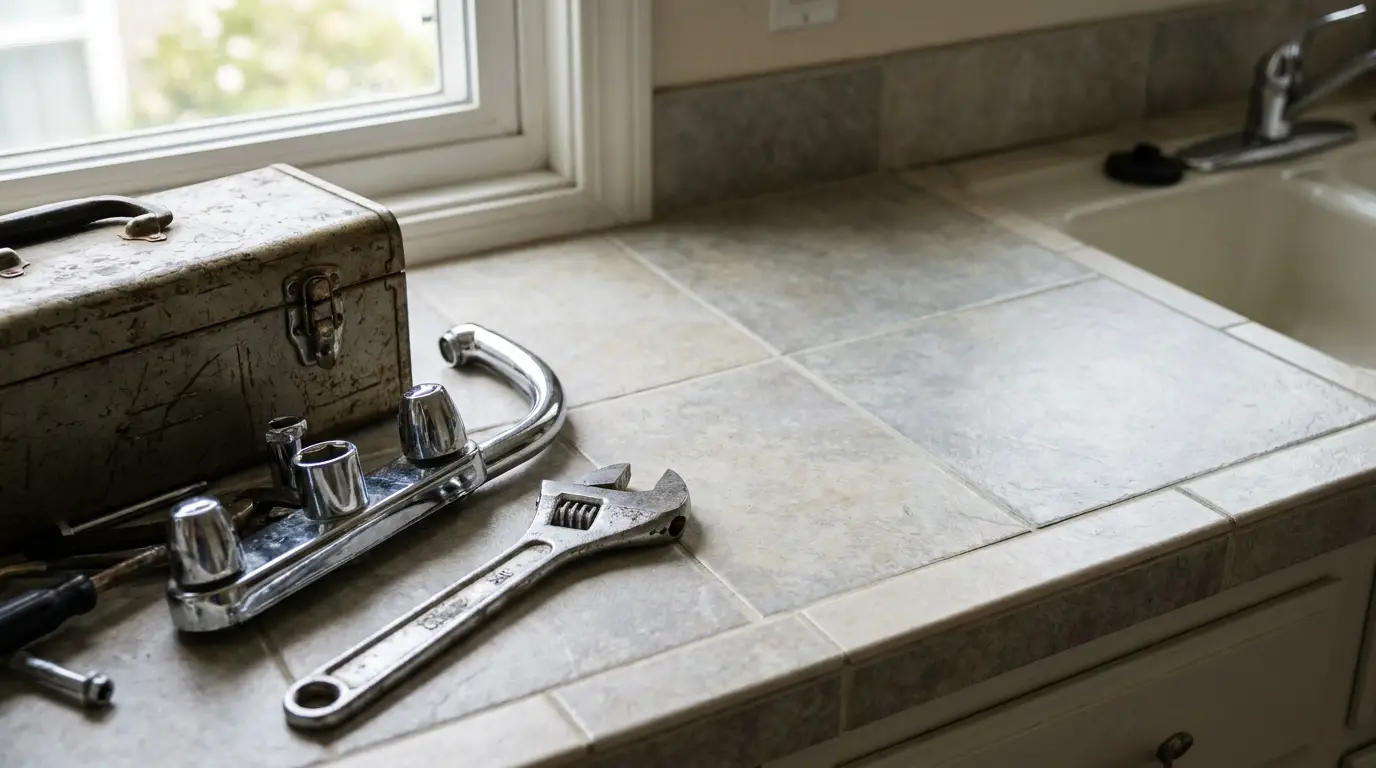
Few things affect a resident’s confidence more directly than how management handles maintenance problems. A leaking fixture, broken air conditioner, or malfunctioning entry door can quickly disrupt everyday life. Residents want to know that their request was received, how urgent it is considered, and when someone is expected to respond. Silence often creates more anxiety than an honest explanation of a delay.
Online request systems can make the process easier when residents can describe a problem, attach photographs, and track its status. Technology alone is not enough if work orders are never prioritized or assigned properly. Property teams need clear procedures for emergencies, routine repairs, follow-up visits, and communication with outside contractors. Consistency matters more than whether the request began through an app or a phone call.
Clean, Functional Shared Spaces Set the Tone
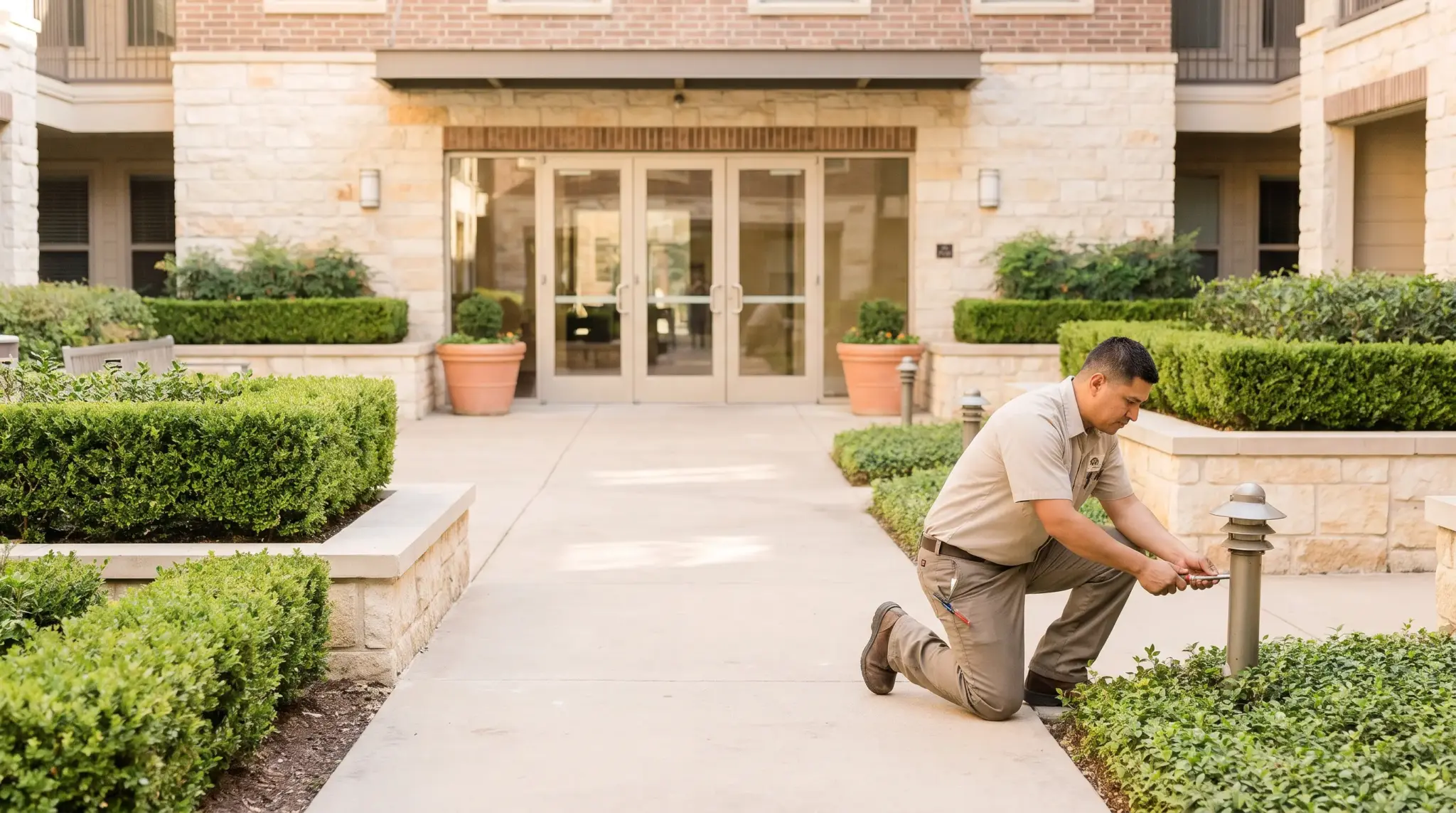
Entrances, hallways, laundry rooms, gyms, and outdoor spaces all communicate something about how a property is cared for. A spotless leasing office cannot compensate for poorly lit stairs or an overflowing trash area. Residents experience the community through the places they use every day, not just the amenities featured during a tour. Attention to these ordinary spaces often produces a stronger impression than decorative upgrades.
Functional design helps maintenance teams keep shared areas usable. Durable materials, adequate storage, accessible waste collection, and logical traffic patterns can reduce wear and prevent congestion. A package room, for instance, should accommodate realistic delivery patterns rather than look impressive only when empty. Design decisions should account for the people who maintain spaces as well as those who use them.
Strong Communities Are Built Through Consistency
A community’s reputation develops through hundreds of small interactions over time. A courteous maintenance visit, accurate billing statement, and clean walkway may not generate attention individually. Their absence, however, is noticed quickly and remembered. Reliable service makes residents feel that their home is being managed with care.
Managers can strengthen that reliability by tracking repeat problems rather than only closing individual requests. If the same entry gate fails every month or deliveries continually accumulate in a hallway, the underlying process needs attention. Reviewing patterns helps owners choose improvements that solve real problems. It also supports more responsible use of maintenance budgets and staff time.