

Keeping your home’s plumbing system in top shape doesn’t always require a professional visit. With a few simple habits and regular upkeep, you can prevent common issues, extend the lifespan of your pipes, and avoid costly repairs. Whether you’re a new homeowner or just looking to improve your maintenance routine, these practical tips will help you stay ahead of plumbing problems before they escalate.
Understand What Goes Down Your Drains
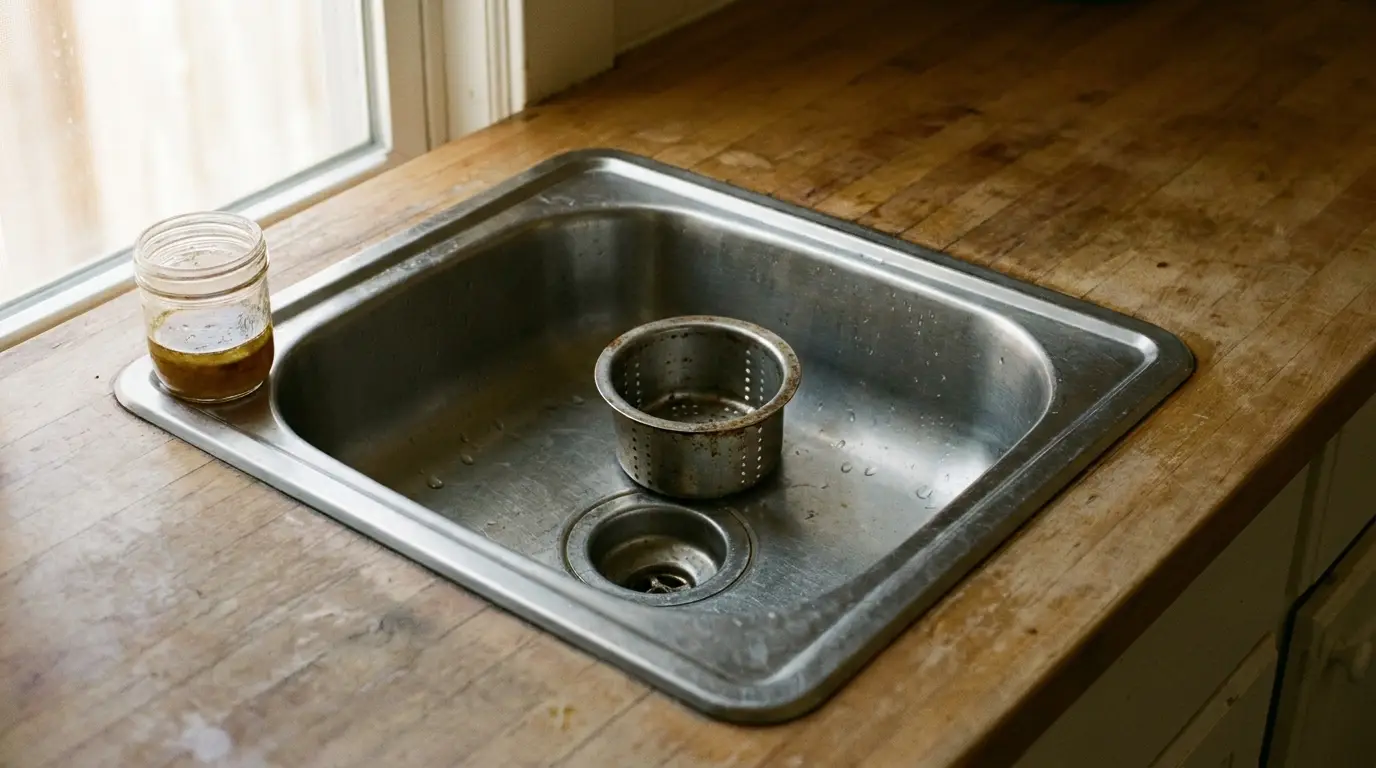
One of the easiest ways to maintain healthy pipes is by being mindful of what you allow into your drains. Kitchen sinks often suffer from grease buildup, which can harden over time and create stubborn blockages. Instead of pouring oil or fat down the drain, collect it in a container and dispose of it in the trash.
Bathroom drains are another trouble spot. Hair, soap residue, and small debris can accumulate quickly, leading to slow drainage. Installing simple drain covers can significantly reduce buildup and make cleaning easier.
Establish a Regular Cleaning Routine
Routine cleaning is essential to prevent clogs and maintain smooth water flow. You don’t need harsh chemicals; natural solutions can be just as effective. A mixture of hot water, baking soda, and vinegar can help break down minor blockages and eliminate odors.
Make it a habit to flush your drains with hot water once a week. This helps dissolve grease and keeps pipes clear. For bathroom sinks and showers, periodic removal of visible debris can prevent deeper issues from forming.
Check for Leaks and Drips
Small leaks may seem harmless, but over time, they can lead to significant water waste and structural damage. Regularly inspect exposed pipes under sinks, around toilets, and near appliances like washing machines.
Look for signs such as moisture, discoloration, or musty odors. Even a slow drip can increase your water bill and weaken surrounding materials. Tightening loose fittings or replacing worn washers can often resolve minor leaks without professional help.
Monitor Water Pressure
Water pressure that’s too high can strain your plumbing system, leading to leaks or pipe damage. On the other hand, low pressure may indicate hidden issues such as buildup or blockages.
You can use a simple pressure gauge to check your home’s water pressure. Ideally, it should fall within a safe range (typically 40 to 60 psi). If you notice sudden changes, it’s worth investigating further to prevent long-term damage.
Protect Your Pipes from Temperature Changes
Temperature fluctuations can have a major impact on your plumbing. In colder conditions, pipes are at risk of freezing and bursting. Insulating exposed pipes in areas like basements or garages can help prevent this.
Even in warmer climates, sudden temperature shifts can cause expansion and contraction, which may weaken pipe joints over time. Taking preventive measures ensures your system remains stable throughout the year.
Be Cautious with Chemical Cleaners
While chemical drain cleaners promise quick fixes, they can be harsh on your pipes. Frequent use may corrode materials, especially in older plumbing systems. Instead, opt for mechanical tools like plungers or drain snakes to address clogs safely. If you must use a cleaner, choose a mild, enzyme-based option that won’t damage your pipes. Long-term maintenance is always better than relying on quick, potentially harmful solutions.
Know When to Take a Closer Look
Some plumbing issues aren’t visible on the surface. Slow drains, recurring clogs, or unexplained odors may point to deeper problems within your system. In such cases, it’s wise to consider a more thorough evaluation.
A professional service like underground pipe inspection can help identify hidden issues without invasive digging. This approach uses advanced camera technology to pinpoint blockages, cracks, or root intrusion, allowing for targeted repairs and preventing unnecessary damage to your property.
Maintain Outdoor Plumbing and Drainage
Your home’s plumbing system extends beyond the interior. Outdoor drains, gutters, and irrigation systems also require attention. Clear leaves and debris from gutters regularly to prevent water from pooling near your foundation.
If you have a garden or lawn irrigation system, check for leaks or uneven watering patterns. These can indicate underlying issues that may affect your landscaping and your plumbing network.
Schedule Preventive Maintenance
Even with diligent DIY care, periodic professional checkups are beneficial. A licensed plumber can assess areas that are hard to access and provide expert recommendations tailored to your home. Preventive maintenance helps catch small problems early, saving you time and money in the long run. Think of it as an investment in the longevity and efficiency of your plumbing system.
Keep a Plumbing Toolkit Handy
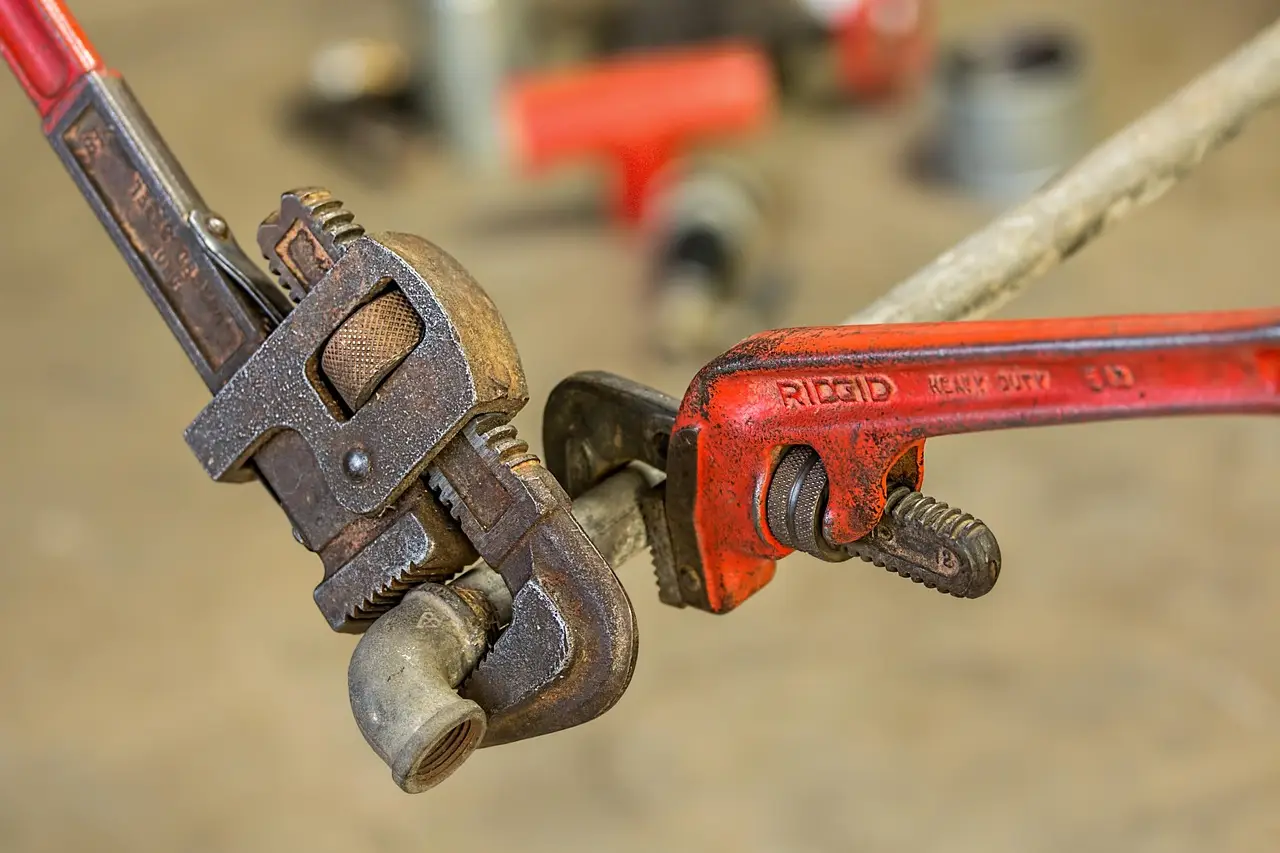
Having the right tools on hand can make a big difference when minor issues arise. A basic toolkit should include a plunger, an adjustable wrench, pipe tape, and a drain snake. These tools allow you to handle common problems quickly without waiting for assistance. Familiarizing yourself with how to use these tools safely can boost your confidence and reduce the likelihood of escalating a minor issue into a major repair.
Endnote
Consistent attention and simple habits go a long way in keeping your pipes in good condition. By understanding how your system works and addressing small issues promptly, you can avoid unexpected disruptions and maintain a comfortable, efficient home environment.