

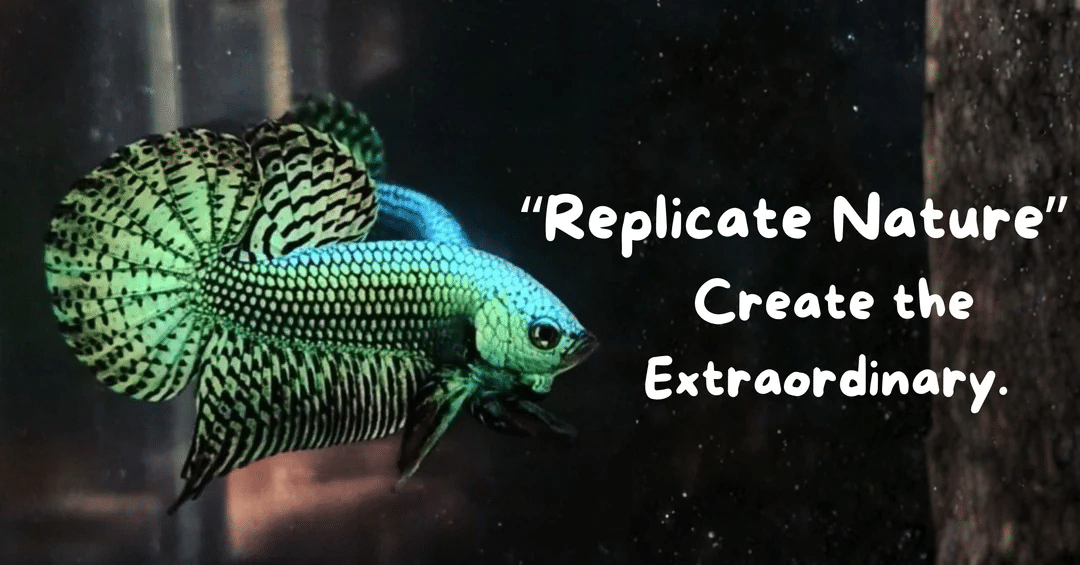
A thoughtfully designed aquarium can be much more than a home for aquatic life—it can become a striking design feature that enhances the atmosphere of a living space.
Among freshwater aquarium fish, bettas are especially suited to modern interiors because of their vibrant colors, graceful movement, and elegant finnage.
Their compact habitat allows homeowners to incorporate a living display into apartments, offices, bedrooms, or living rooms without requiring a large footprint.
Creating a beautiful betta aquarium involves more than selecting an attractive fish. The best aquariums combine interior design principles with responsible fish care, ensuring that the environment is visually appealing while supporting the betta’s health and well-being.
When aesthetics and husbandry work together, the result is a display that complements your décor while providing an enriching habitat for its resident.
The Aquarium as Part of the Interior
Modern interior design often emphasizes clean lines, carefully selected focal points, and natural elements that bring warmth to a room.
A betta aquarium can serve all three purposes. The gentle movement of water and the fish’s flowing fins introduce a sense of calm, while vibrant colors add a dynamic accent that changes throughout the day.
Unlike static decorative objects, an aquarium introduces movement and life into a space. Positioned thoughtfully, it can soften minimalist interiors, provide contrast in neutral color palettes, or become a conversation piece in a contemporary home office.
The aquarium should feel integrated into the room rather than appearing as an afterthought. Matching the aquarium stand, surrounding furniture, and decorative accessories helps create a cohesive look that feels intentional and sophisticated.
Choosing the Right Location
Location plays an important role in both the aquarium’s appearance and the health of its inhabitant. Ideally, the tank should be placed where it is easy to enjoy without exposing the fish to unnecessary stress.
Choose a stable surface capable of supporting the aquarium’s weight when filled with water. Position it near a reliable electrical outlet for equipment such as heaters and filters while ensuring that cables remain organized and discreet.
Avoid placing the aquarium in direct sunlight. Excessive sunlight can cause unwanted algae growth and contribute to temperature fluctuations that may stress the fish. Instead, locate the aquarium where it receives ambient room light while relying on controlled aquarium lighting for consistent illumination.
Noise and vibration should also be considered. Avoid placing the aquarium next to loud speakers, constantly opening doors, or heavy foot traffic. A quieter location helps create a more stable environment for the betta.
Finally, leave enough space around the aquarium for routine maintenance. Easy access makes water changes, equipment cleaning, and plant care much simpler while encouraging consistent upkeep.
Creating a Balanced Aquarium Design
Beautiful aquascaping follows many of the same principles used in interior design. Balance, proportion, texture, and negative space all contribute to a visually pleasing composition.
Start with an appropriately sized aquarium. Animal welfare organizations and experienced aquarists generally recommend a minimum aquarium size of around 5 gallons (approximately 19 liters) for a single betta, providing greater water stability and swimming space than very small bowls or containers.
A dark or neutral background often creates depth while allowing the fish’s natural colors to stand out. Carefully selected hardscape elements such as smooth stones or natural driftwood introduce structure without overwhelming the aquarium.
Live aquatic plants contribute both beauty and function. Species such as Anubias, Java fern, and Amazon sword provide shelter, resting places, and a natural appearance while remaining suitable for many beginner aquariums.
Silk plants may also be used when live plants are not practical, but sharp plastic decorations should be avoided because they can damage delicate fins.
Negative space is equally important. Leaving open swimming areas allows the betta to move comfortably while creating a clean, uncluttered aesthetic that complements modern furniture and décor.
Using Color and Lighting Effectively
Lighting has a significant impact on how an aquarium appears within a room. Modern LED aquarium lights offer adjustable brightness and energy efficiency while allowing fish and plants to be viewed clearly.
Neutral-colored substrates and backgrounds often provide the greatest contrast for brightly colored bettas. Rather than competing with the fish, these understated design choices help make it the visual centerpiece.
Lighting should be consistent rather than excessive. Most planted aquariums benefit from approximately six to eight hours of light each day, although the ideal duration depends on plant species and algae management.
Using a timer helps establish a predictable day-night cycle that supports the fish’s natural rhythm while maintaining a polished appearance.
Soft, indirect room lighting can further enhance the aquarium without creating glare on the glass, allowing the display to remain attractive from multiple viewing angles.
Choosing the Betta as the Focal Point
Every successful aquarium has a focal point, and in a betta aquarium, that focal point is naturally the fish itself. The betta’s coloration, movement, and finnage define the personality of the display.
Some hobbyists prefer bold solid colors, while others are drawn to metallic finishes, marbled patterns, or butterfly coloration. Fin shape also dramatically influences the aquarium’s visual style.
Among the most admired options are elegant Halfmoon betta varieties recognized for their spectacular caudal fins that spread into a broad semicircle when fully displayed.
Their graceful movement creates a flowing, sculptural effect that complements contemporary interiors and transforms even a minimalist aquarium into an eye-catching centerpiece.
Selecting décor that complements rather than competes with the fish allows its natural beauty to remain the primary visual attraction.
Buying from a Specialist Breeder
When purchasing a betta online, choosing a reputable breeder is just as important as selecting an attractive fish. Responsible breeders typically provide clear photographs and videos of the individual fish rather than generic images, allowing buyers to evaluate coloration, body shape, fin condition, and overall health.
If you’re searching for premium betta fish available from Thailand look for breeders who are transparent about their breeding practices, shipping procedures, and customer support. Reliable sellers clearly explain each variety, communicate promptly with buyers, and provide detailed information about packaging methods and transit schedules.
Arrival guarantees can offer additional peace of mind, particularly for international shipments, as they demonstrate confidence in the breeder’s preparation and shipping standards. Reading customer reviews and understanding the breeder’s policies before making a purchase can also help buyers make informed decisions.
Designing Around Fish Welfare
A beautiful aquarium should always prioritize the well-being of its resident. Design choices should support the fish’s natural behavior rather than simply creating an attractive display.
Bettas thrive in warm, stable water, with temperatures generally maintained between 76°F and 82°F (24°C to 28°C). An adjustable aquarium heater helps maintain this range consistently, especially in cooler climates.
Gentle filtration is beneficial because it supports water quality while avoiding strong currents that can make swimming difficult for long-finned bettas. Water parameters should remain stable through regular partial water changes and routine testing for ammonia, nitrite, and nitrate.
Decorations should have smooth surfaces to prevent torn fins, while broad-leaved plants or floating vegetation provide resting areas near the water surface. Bettas also benefit from access to the surface because they possess a labyrinth organ that allows them to breathe atmospheric air.
Regular maintenance—including cleaning the glass, trimming plants, removing debris, and monitoring equipment—keeps the aquarium healthy while preserving its clean, modern appearance.
Conclusion
A modern betta aquarium successfully combines interior design with responsible animal care. Careful placement, balanced aquascaping, thoughtful lighting, and harmonious décor allow the aquarium to become an elegant focal point that enhances the surrounding space.
Equally important is selecting a healthy fish from a trusted breeder and providing the stable environment it requires to thrive.
By balancing aesthetics with proven husbandry practices, homeowners can create an aquarium that is visually impressive, practical to maintain, and genuinely supportive of the betta living within it. The result is a living work of art that brings beauty, movement, and tranquility to any modern home.