

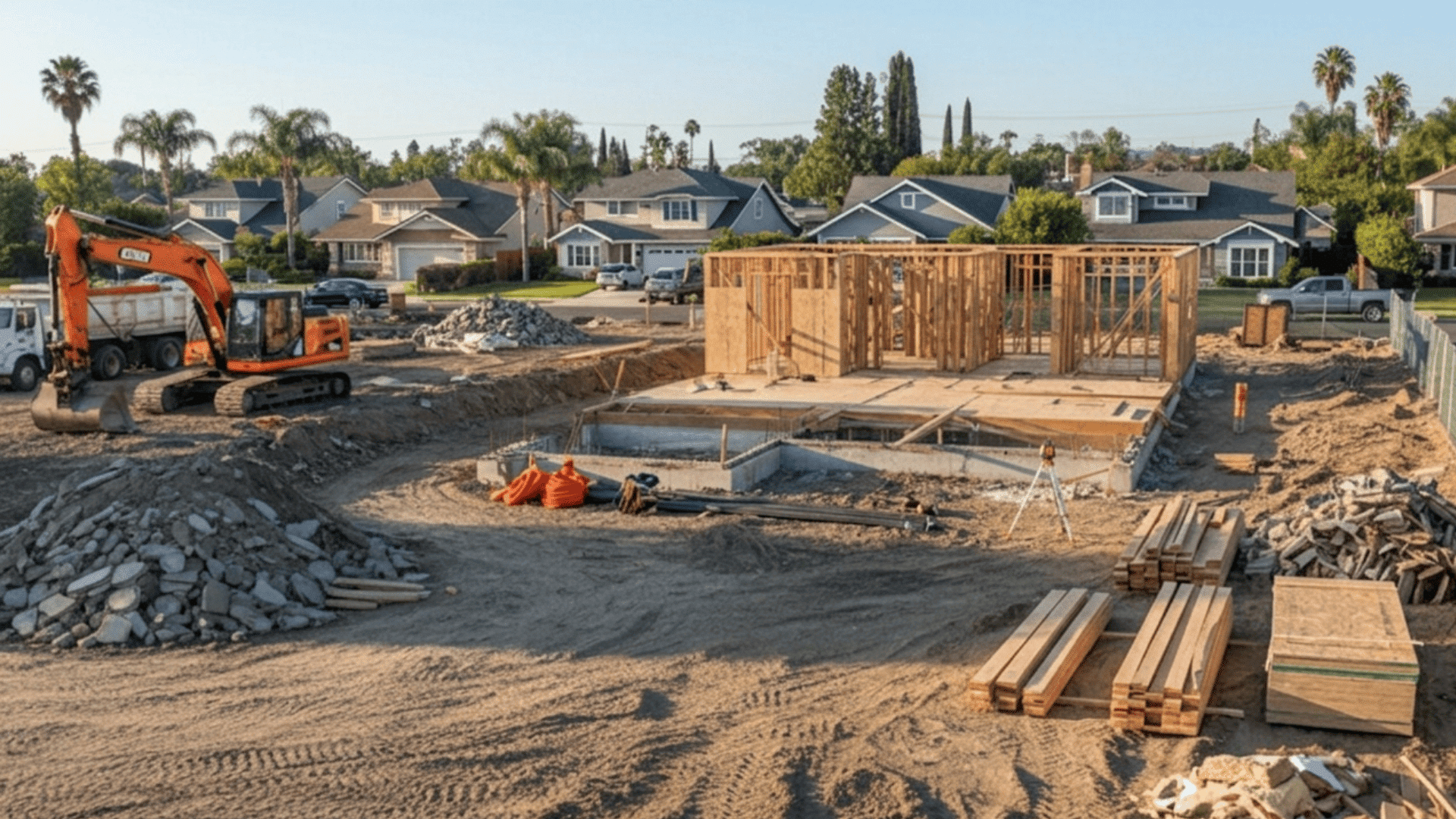
Building your own home may sound like a big, complex task, but it is more possible than most people think. Many buyers today are looking for ways to save money, stay in control, and create a space that fits their needs.
From small builds to partial DIY options, there are several ways to take part in the process and reduce costs.
At the same time, the process can feel confusing at the start. Questions about where to begin, how much it will cost, and what steps to follow often slow people down.
Planning your budget, understanding your options, and knowing your role in the build are all key parts of getting started.
This guide will help you understand legal rules, avoid common mistakes, and follow the right steps before you start building your home, so you can move forward with clarity and confidence.
Basic Requirements to Build Your Own Home
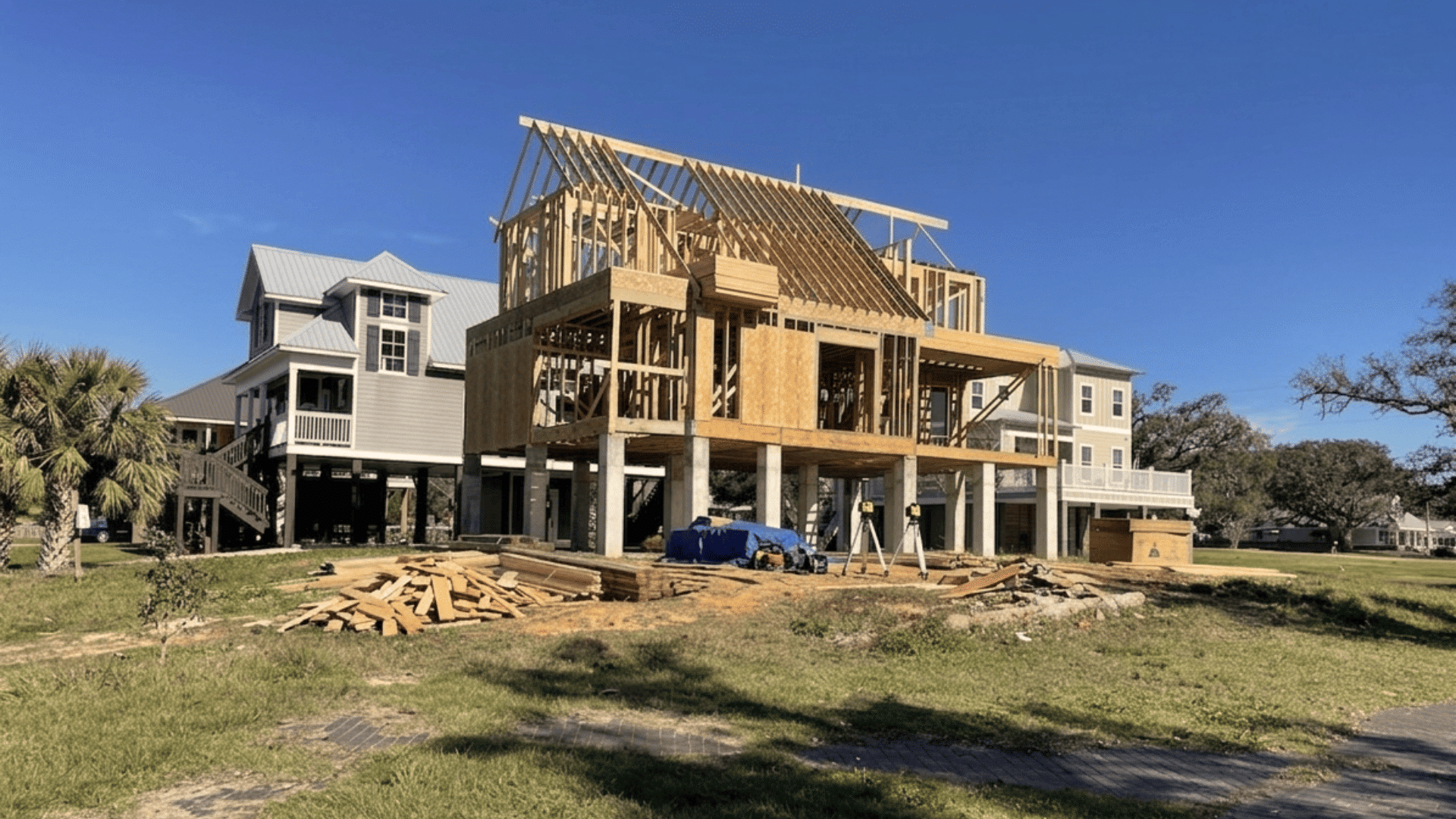
Before starting construction, a few basic rules must be followed. These steps ensure the house is safe, legal, and approved by local authorities.
1. You Must Own the Land
Legal ownership of the land is required before building a house. The property must also be approved for residential use under local zoning laws. If the land is not zoned for housing, permission may be denied.
Check access to roads, water supply, and utility connections.
In rural areas, you may also need to verify septic system viability and well permits before purchase, since these affect whether a build is feasible at all. Clear ownership helps avoid legal disputes and delays.
Without proper land approval, construction cannot begin, even if the design and budget are ready.
2. You Need Building Permits
Building permits are required before any construction work starts. You can check the official building permits requirements for your area before applying.
Local authorities check plans for safety and legal standards, and you may need permits for electrical, plumbing, and structural work.
In most US states, owner-builders can get permits without a contractor license, but states like California, Florida, and Louisiana have extra rules and limits on how many homes you can build.
Check your state’s contractor licensing board before assuming you can proceed without additional paperwork.
Without valid permits, the project can face fines, delays, or even removal orders.
3. Follow Building Codes
Building codes are rules set to ensure safety and proper construction. These codes cover structure strength, fire safety, electrical systems, and more.
Most US states follow the International Residential Code (IRC) as a baseline, but local jurisdictions can adopt amendments that override national standards.
A framing detail may pass in one county but fail in another, so check local codes early to avoid costly rework.
Following building codes not only keeps the home safe but also prevents future legal and structural problems that can be costly to fix.
4. Inspections Are Mandatory
Inspections are required at different stages of the building process. Officials check if the work meets approved plans and safety standards.
Common inspections include foundation, framing, electrical systems, and final completion.
Do not schedule insulation or drywall installation until your framing, electrical rough-in, and plumbing rough-in inspections have all passed.
Covering work before inspection is one of the most common and costly mistakes in self-builds; inspectors can require you to open walls. Passing all inspections is necessary before getting approval to occupy the home legally.
5. Hire Licensed Pros for Certain Work
Some parts of building a house must be handled by licensed professionals. Work like electrical wiring, plumbing, and HVAC systems often requires certified experts to meet local safety codes.
Even in states where owner-builders can legally do their own electrical and plumbing work, many choose to subcontract these trades to keep their insurance valid and their inspection pass rates clean.
An unlicensed plumber failed inspection, and the fix cost nearly three times more than hiring a licensed contractor.
Hiring skilled pros for these tasks helps ensure your home is safe, compliant, and approved during inspections.
Pros and Cons of Building Your Own House
Building your own house has clear benefits but also serious challenges. Understanding both sides helps you decide if it is the right choice.
| Pros | Cons |
|---|---|
|
Can save around 15–25% on labor and contractor costs |
You take full responsibility for the entire project |
|
Full control over design, layout, and materials |
Legal risks if permits or codes are not followed |
|
Personal satisfaction from building your own home |
Very time-consuming and requires long-term commitment |
|
Flexibility to plan and manage your schedule |
Mistakes can increase costs instead of saving money |
|
Can choose your own materials |
Some work needs licensed experts |
|
Customize every detail |
Delays are common without experience |
|
No middleman decisions |
Finding reliable suppliers can be tough |
Average Costs of Building Your Own House
Building your own house can cost less than hiring a full contractor, but it still needs a solid budget.
In the USA, the average cost to build a house is around $150 to $300 per square foot, depending on location, materials, and design.
If you manage the project yourself, you may save on labor, but you will still pay for skilled work like plumbing, electrical, and roofing. The total cost usually includes land, permits, materials, tools, and inspection fees.
Materials alone can take up a large part of your budget, especially if prices change during the build.
Plan for extra costs like delays or changes. You can save money, but only with good planning and a clear budget.
Many first-time builders add at least 10–20% extra to cover unexpected costs. Below is a simple breakdown of where that extra budget usually goes:
| Cost Category | Estimated Share of Total Budget | Notes |
| Land purchase | 15–25% | Varies widely by location and lot size |
| Foundation | 10–15% | Higher on unstable or sloped lots |
| Framing and structural shell | 15–20% | Lumber costs are subject to market swings |
| Mechanical (electrical, plumbing, HVAC) | 15–20% | Licensed subcontractors are required in most states |
| Interior finishes | 20–30% | Most commonly underestimated category |
| Permits and inspections | 1–3% | Varies by municipality |
| Contingency | 10–20% | Non-negotiable for owner-builds |
Step-By-Step Construction Timeline for an Owner-Builder
Planning your build in the right order helps avoid delays and extra costs. Each stage depends on the one before it, so timing matters at every step.
1. Pre-Construction Phase (2–4 Months)
This stage sets the base for your entire build and takes more time than most expect. You handle land surveys, soil tests, design plans, permits, and loan approvals here.
Skipping details can lead to delays later. Think of it like planning a trip; you need the map before you drive.
Getting approvals, checking the land, and finalizing your design help avoid costly mistakes. Most first-time builders spend a few months here, but this time saves stress during construction.
2. Site Preparation Phase (1–2 Weeks)
Once permits are ready, you prepare the land for building. This includes clearing trees, leveling the ground, and marking utility lines.
It may seem simple, but this step affects everything that follows.
Poor prep can lead to drainage issues or weak support under the home. Crews usually complete this in a week or two, depending on land size and weather.
Taking time here ensures the foundation sits on solid ground and reduces the chance of expensive fixes later.
3. Foundation Phase (2–4 Weeks)
The foundation supports the whole house, so it must be done right. Workers pour footings, build walls or slabs, apply waterproofing, and then backfill the area.
This stage usually takes a few weeks and must pass inspection before moving forward.
If anything is off here, fixing it later can cost a lot of money. A strong, level base keeps your home stable and protects it from water damage and shifting over time.
4. Framing Phase (4–8 Weeks)
Framing gives your house its shape and structure. Builders install floor systems, wall frames, and the roof structure during this stage.
You will finally see rooms, doors, and layout take form.
This phase can take several weeks, depending on the size and weather. Delays often happen due to material supply or rain. Accuracy is key here because mistakes can affect later work.
A solid frame ensures the home stays safe and holds everything in place properly.
5. Rough-In MEP Phase (3–6 Weeks)
In this stage, workers install electrical wiring, plumbing pipes, and HVAC systems before walls are closed. Inspections happen here to check safety and proper setup.
If something fails, it must be fixed before moving forward.
This phase can take a few weeks, depending on the complexity of the home. Think of it as setting up the hidden systems that make your house work.
Careful planning here avoids major problems later when everything is sealed behind walls.
6. Exterior Envelope Phase (4–6 Weeks)
Now the home gets sealed from outside weather. Workers install roofing, windows, doors, siding, and insulation. This protects the structure from rain, wind, and temperature changes.
Once done, the inside becomes safer for further work.
This phase may take several weeks based on materials and crew availability.
A tight exterior keeps energy costs lower and prevents water damage. Doing this step properly ensures the home stays strong and comfortable in all seasons.
7. Interior Finishes Phase (8–16 Weeks)
This is where the home starts to feel complete. Workers install drywall, flooring, cabinets, fixtures, paint, and trim.
It takes the longest time because of the detailed work and multiple trades. Delays can happen due to design changes or material availability.
This stage can take a few months, depending on the home size.
Careful choices here affect the final look and feel of your home, so planning ahead helps keep the process smooth and within budget.
8. Final Inspections Phase (1–3 Weeks)
In the final stage, all work gets checked and approved. Inspectors review each system to make sure it meets code requirements.
Once everything passes, you receive a certificate of occupancy. This allows you to move in legally.
The process usually takes a few weeks, depending on local schedules.
Any issues must be fixed before approval. Completing this step means your home is safe, ready, and built according to rules, giving you peace of mind.
Tips to Successfully Build Your Own House
Building your own house feels easier when you follow a clear plan and stay organized. I focus on simple steps and smart choices to avoid costly mistakes later.
| Tip | Description |
|---|---|
| Start simple | Choose a basic design to reduce cost and make the build easier to manage |
| Plan budget | Set a clear budget and keep extra money ready for unexpected costs |
| Hire experts | Use licensed professionals for electrical and structural work to stay safe |
| Check permits | Confirm approvals before starting each stage to avoid delays |
| Follow codes | Stick to local building rules so inspections go smoothly |
| Visit the site often | Check the site regularly to catch mistakes early |
| Use quality materials | Good materials help reduce future repair costs |
| Track progress | Keep records of work, costs, and timelines to stay on track |
| Ask local officials | Stay in touch with the building department for proper guidance |
| Avoid rushing | Take your time with each step to prevent costly errors |
Is Building Your Own House Worth It?
It depends on your budget, time, and skill level. You need to think about effort, cost, and long-term value.
- Good for DIY builders: If you enjoy hands-on work and learning new skills, this can be a great option. It gives you control and real experience.
- Best for flexible schedules: Building takes time, so it works better if you are not in a rush. Delays are common.
- Works with strong planning: If you can plan well and manage tasks, you can avoid many problems and extra costs.
- Not ideal for beginners: If you have no construction knowledge, mistakes can cost more than hiring a contractor.
- Worth it for savings: You can save money, but only if you manage the project properly and avoid errors.
- Better for small projects first: Starting with a smaller home or simple design makes the process easier and less risky for first-time builders.
- Requires strong decision-making: You will need to make quick choices about materials, budget, and timelines, which can feel stressful without experience.
- Good for long-term value: If done right, a self-built home can increase value and give you full control over future upgrades.
What Reddit Users Say on Building a House Yourself?
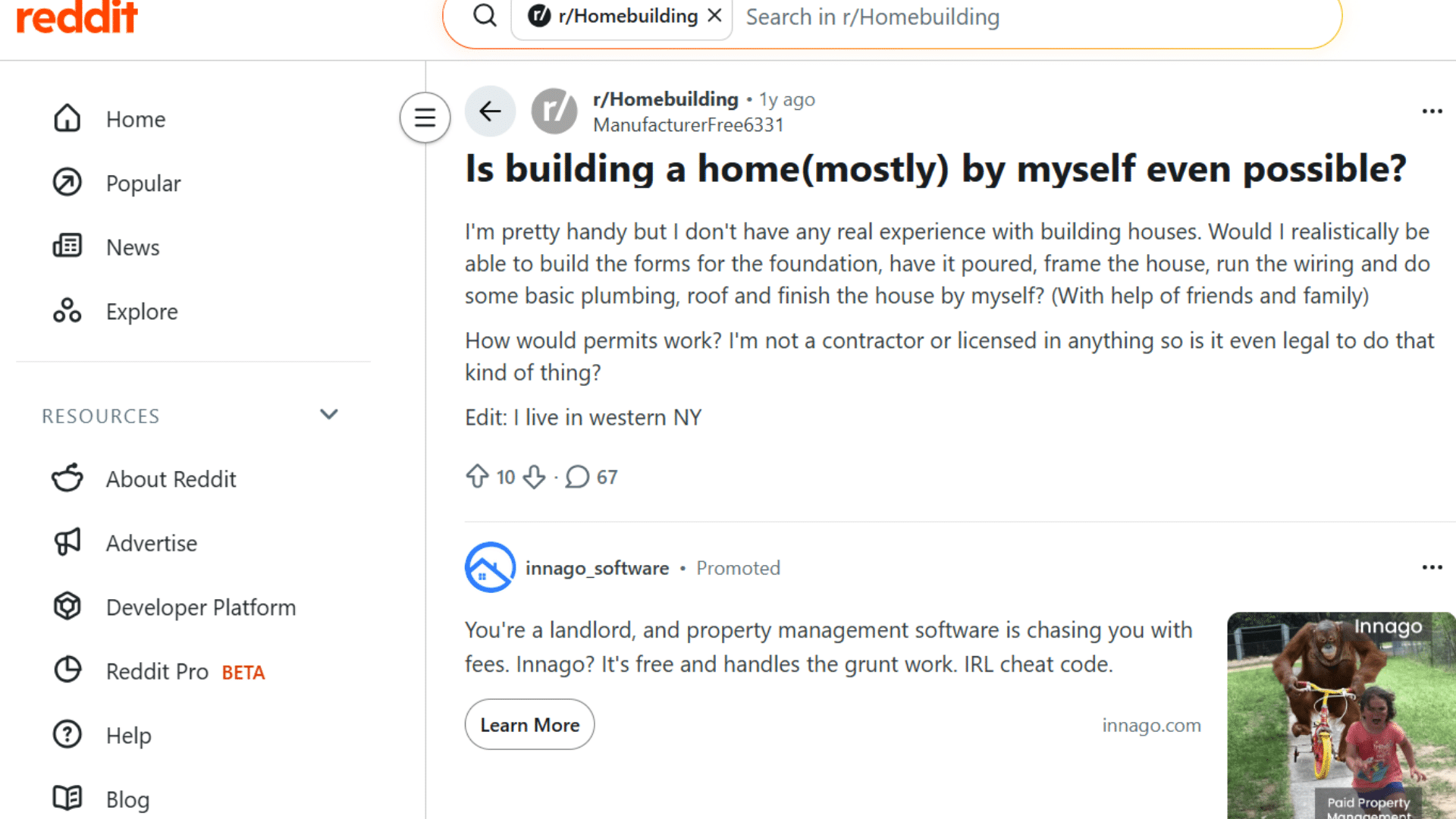
Reddit users often say that building a home mostly by yourself is possible, but it comes with serious challenges.
Many people stress that planning every detail in advance is very important, because even small changes later can quickly increase costs and delay the project.
Some users shared that handling permits, buying materials, and managing timelines can feel stressful without prior experience.
Others explained that learning construction skills takes time, and mistakes can lead to extra costs or safety risks.
Many beginners underestimate how much work goes into each stage, from foundation to finishing.
A common suggestion is to handle simple tasks like painting, flooring, or landscaping yourself, while hiring experts for complex work such as wiring, plumbing, or structural framing.
Building your own home is possible, but it takes patience, planning, time, and realistic expectations.
Challenges You Should Know Before Starting
Building your own house comes with serious responsibilities. Understanding these challenges helps avoid costly mistakes later.
- Legal risks: Fines can apply if work starts without permits or approvals
- Code violations: Structures not meeting rules may need removal
- Compliance issues: All local building codes must be followed strictly
- Long timelines: Building can take months or even years to complete
- Daily effort: Constant planning and supervision are required
- Unexpected delays: Weather and material shortages can slow work
- Safety responsibility: You are fully responsible for site safety
- Financing complexity: Securing a construction loan as an owner-builder requires more documentation and a higher down payment than a standard mortgage
- Resale considerations: Some buyers and their lenders are cautious about owner-built homes. Keeping thorough documentation of permits, inspections, and licensed trade work protects resale value.
Conclusion
Building your own house is possible, and many people do it. Most act as their own general contractor, hiring licensed workers while managing the budget, schedule, and work quality themselves.
From my experience, success comes down to good planning and following legal steps from the start.
Permits, building codes, and inspections are not things you can skip. They protect you and your future home.
Understand your financing options before committing to a scope, freeze your design before permits, and build a realistic contingency into every phase.
A well-documented, properly inspected self-build holds value and can be a rewarding project.
If you plan carefully and stay patient, the process can be worth it. If you are thinking about building your own home, start planning today and take the first step with confidence.
Frequently Asked Questions
What Permits are Required to Build a House?
Building permits are required before construction begins. These include approvals for zoning, structure, electrical, and plumbing work based on local regulations.
What Is the First Step Before Building a House?
The process starts with selecting land and getting it surveyed to understand boundaries, soil conditions, and construction feasibility.
Is Soil Testing Important Before Building a Foundation?
Yes, soil testing helps determine ground strength and stability, which affects the type of foundation needed for safe construction.
What Type of Foundation Is Best for a House?
The best foundation depends on soil type, climate, and budget. Common options include slab, crawl space, and basement foundations.
What Inspections Are Required During Construction?
Multiple inspections are required, including foundation, framing, electrical, plumbing, and final inspection to ensure safety and code compliance.