

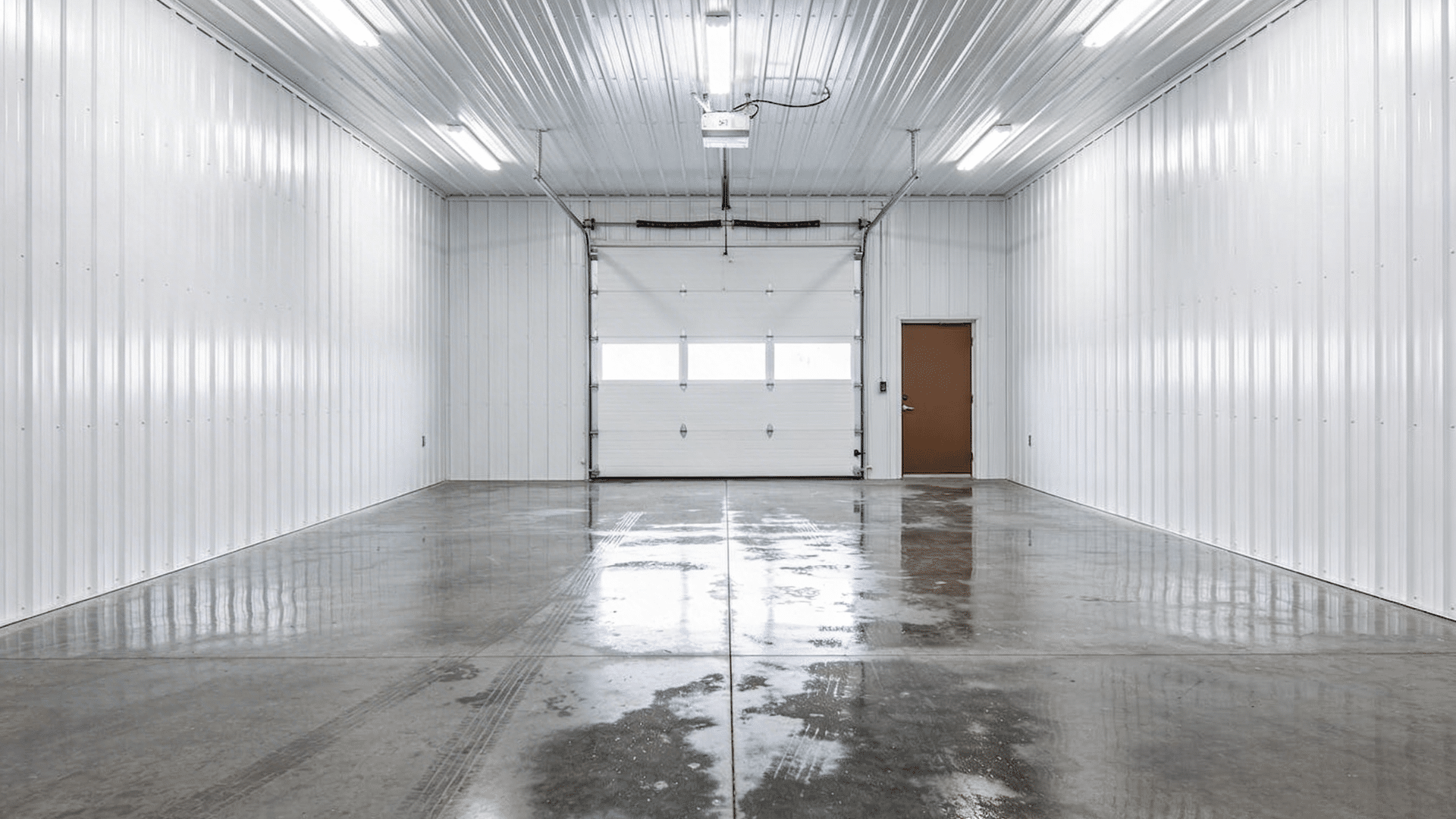
Sealing a concrete basement floor is an important step for any homeowner. It helps protect the surface and keeps the space cleaner and easier to maintain.
Many people are unsure which sealer to pick or when to apply it. With so many options, it can feel confusing at first.
The right sealer can make a big difference in how the floor holds up over time. Moisture, stains, and cracks are common problems that sealers help prevent.
This blog breaks down the best basement floor sealers. It explains what each one does and why it matters.
Why Seal a Concrete Basement Floor?
Concrete basement floors are highly durable, but they are not immune to damage. Unsealed concrete is porous, which means it can absorb water, chemicals, and even odors.
Over time, this can lead to moisture problems, mold growth, surface staining, and deterioration.
Sealing the floor helps protect it from these issues by creating a barrier on the surface and within the surface that resists water, spills, and wear.
A proper basement floor sealer extends the lifespan of the concrete, improves its appearance, and simplifies cleaning and maintenance.
It also helps preserve indoor air quality by reducing dust and allergens that naturally come from untreated concrete.
Types of Basement Floor Sealers
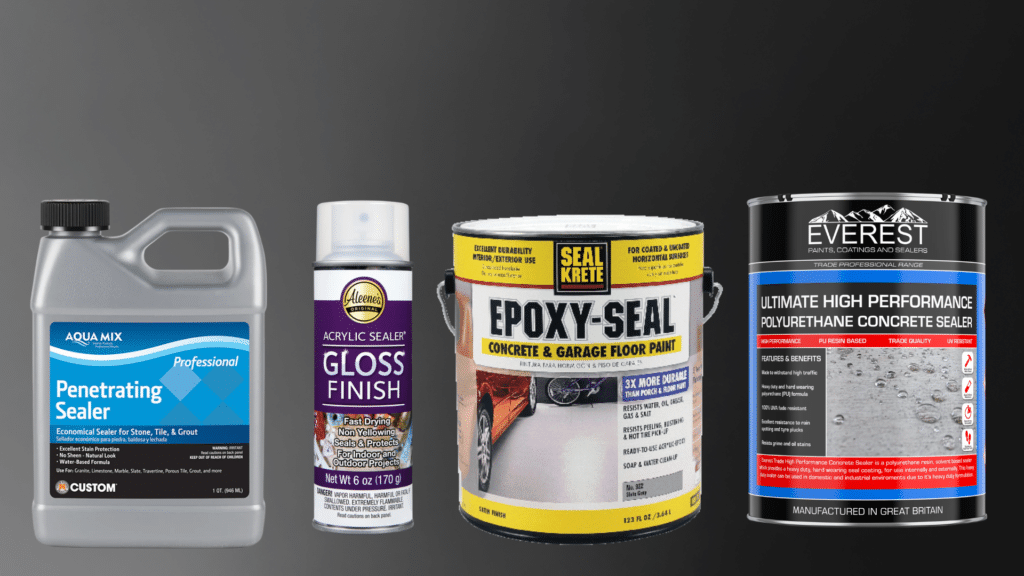
Not all sealers work the same way or offer the same level of protection. Understanding the different types is essential before making a choice. Each type is suited to different conditions and end goals.
1. Penetrating Sealers
Penetrating sealers are absorbed into the concrete and react chemically to form a protective barrier within the pores. They are ideal for basements with moisture problems because they allow the concrete to breathe while still repelling water.
Common types of penetrating sealers include:
- Silane and siloxane: Best for repelling water and reducing moisture absorption.
- Silicate: Densifies the surface and improves strength.
- Siliconate: Offers both water repellency and some surface hardening.
These sealers typically leave no sheen, so they’re preferred when a natural concrete appearance is desired.
2. Acrylic Sealers
Acrylic sealers form a thin surface film on the concrete and provide moderate protection against water, stains, and wear. They are easy to apply, dry quickly, and are available in both solvent-based and water-based formulas.
- Solvent-based acrylics tend to darken the concrete and leave a glossy finish.
- Water-based acrylics are more environmentally friendly and provide a matte to low-gloss finish.
Acrylic sealers are a good option if you want to enhance the look of the concrete with a light sheen while getting basic surface protection.
3. Epoxy Sealers
Epoxy sealers are among the most durable options and provide excellent protection against chemicals, abrasion, and heavy foot or vehicle traffic.
They form a thick, hard layer on the surface, making them ideal for basements that are used as workshops, gyms, or finished living areas.
However, epoxies do not breathe, so any trapped moisture beneath the concrete can cause problems such as peeling or blistering. For that reason, they should only be used on dry, moisture-free basement floors.
4. Polyurethane Sealers
Polyurethane sealers offer similar durability to epoxy but are more flexible and resistant to UV damage.
This makes them better suited for areas with temperature fluctuations or exposure to sunlight. They also provide a high-gloss finish and excellent chemical resistance.
Like epoxy, polyurethane is a film-forming sealer and requires proper surface preparation. It’s best used in finished basements where appearance and wear resistance are key.
Pros and Cons of Each Sealer Type
To help summarize the differences, here’s a breakdown of the main advantages and drawbacks:
| Sealer Type | Pros | Cons |
|---|---|---|
| Penetrating | Breathable, long-lasting, invisible | No glossy finish, limited stain resistance |
| Acrylic | Easy to apply, budget-friendly, decorative | Less durable, may need frequent reapplication |
| Epoxy | Extremely tough, chemical-resistant | Not breathable, can peel if moisture is present |
| Polyurethane | Flexible, durable, UV-resistant | More complex application, higher cost |
How to Choose the Right Basement Floor Sealer
The best basement floor sealer depends on the concrete’s condition, how the space is used, and your preferred look and upkeep level.
Moisture Levels
If your basement has moisture issues, test for vapor using a plastic sheet or a calcium chloride test. For damp floors, penetrating sealers are the safest option. Avoid film-forming sealers like epoxy or polyurethane unless you’re sure the concrete is completely dry.
Desired Finish
For a natural, matte finish, choose a penetrating or water-based acrylic sealer. For a glossy or wet look, go with solvent-based acrylic, epoxy, or polyurethane.
Usage and Maintenance
- Storage: Penetrating or acrylic sealers
- Recreation: Epoxy or polyurethane
- Workshops/gyms: Epoxy for toughness
Penetrating sealers require little maintenance, while acrylic and epoxy may need reapplication every few years.
Top-Rated Basement Floor Sealers
These highly rated products offer reliable performance for sealing concrete basement floors. Each serves different needs depending on moisture levels, finish preferences, and usage.
1. Drylok Siloxane 7
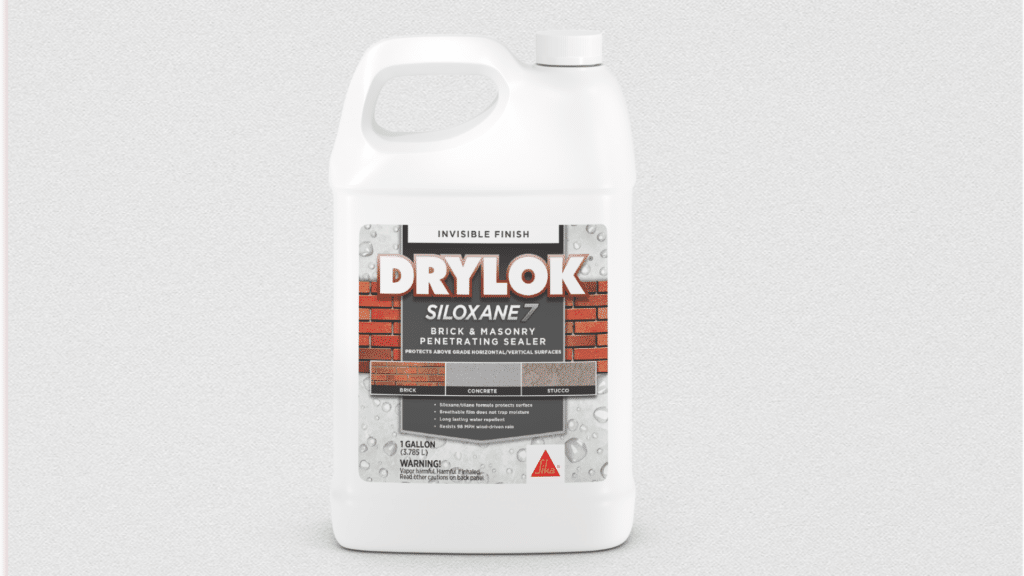
- Type: Penetrating (Siloxane-based)
- Best For: Moisture-prone basements
- Finish: Invisible / Matte
- Highlights:
- Excellent water repellency
- Long-lasting performance
- Maintains a natural concrete look
2. Foundation Armor AR350
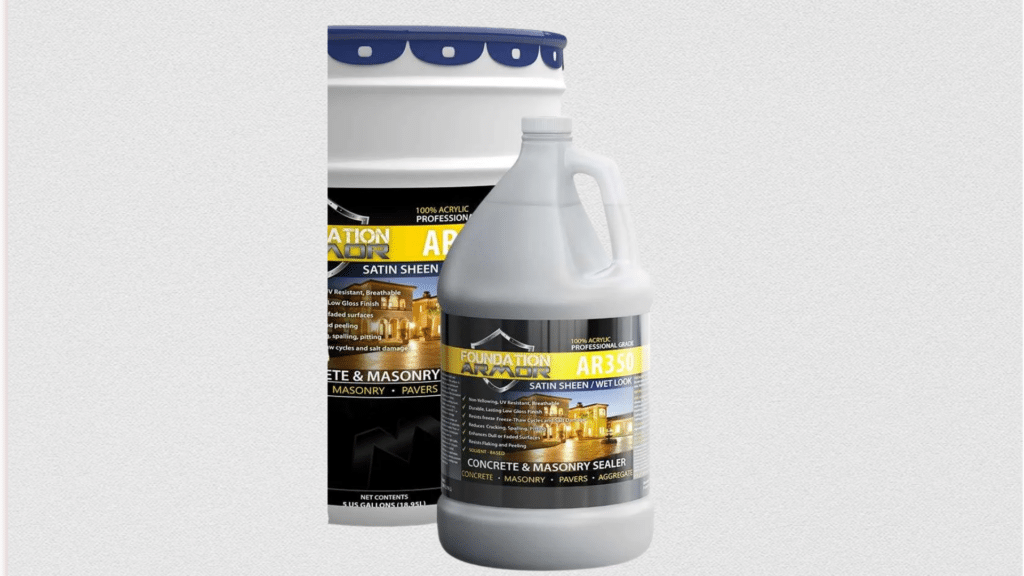
- Type: Solvent-based Acrylic
- Best For: Decorative concrete with light to moderate foot traffic
- Finish: Glossy / Wet-look
- Highlights:
- Enhances color depth and appearance
- Offers UV protection
- Great for finished or stained concrete
3. Rust-Oleum EpoxyShield Basement Floor Kit
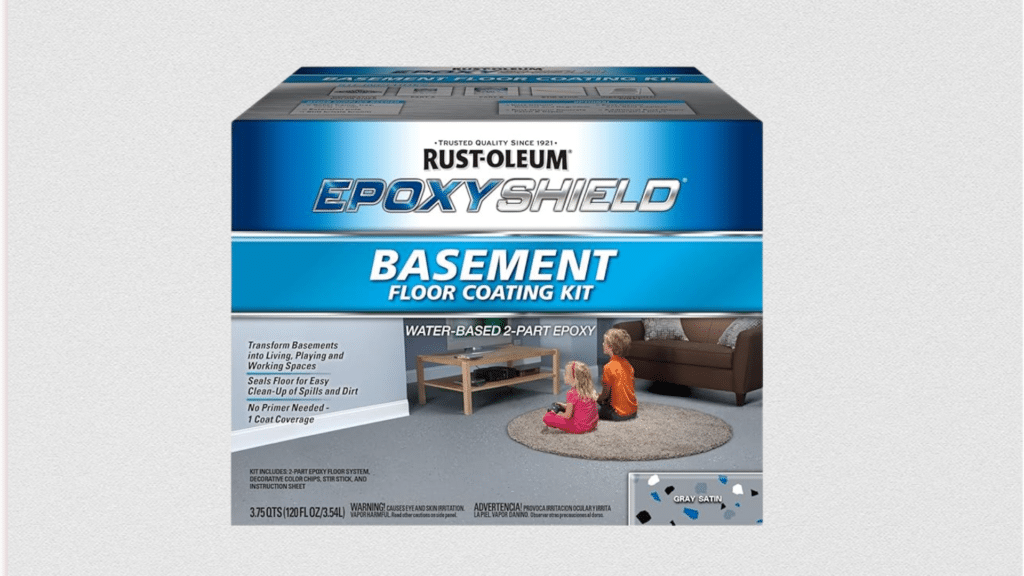
- Type: Water-based Epoxy
- Best For: Finished basements, home gyms, laundry rooms
- Finish: Satin
- Highlights:
- Comes with decorative chips
- Easy DIY roller application
- Durable and chemical-resistant
4. Ghostshield Lithi-Tek 9500
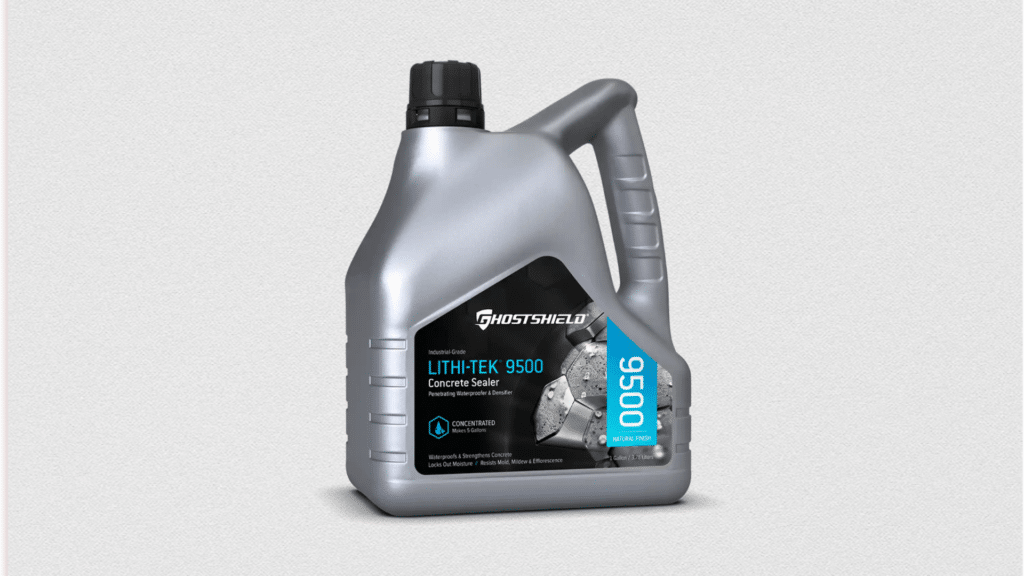
- Type: Penetrating (Silicate/Siliconate blend)
- Best For: Strengthening and waterproofing bare concrete
- Finish: Natural
- Highlights:
- Increases surface hardness
- Reduces water and chloride intrusion
- Ideal for uncoated, raw concrete
5. Seal-Krete Epoxy-Seal
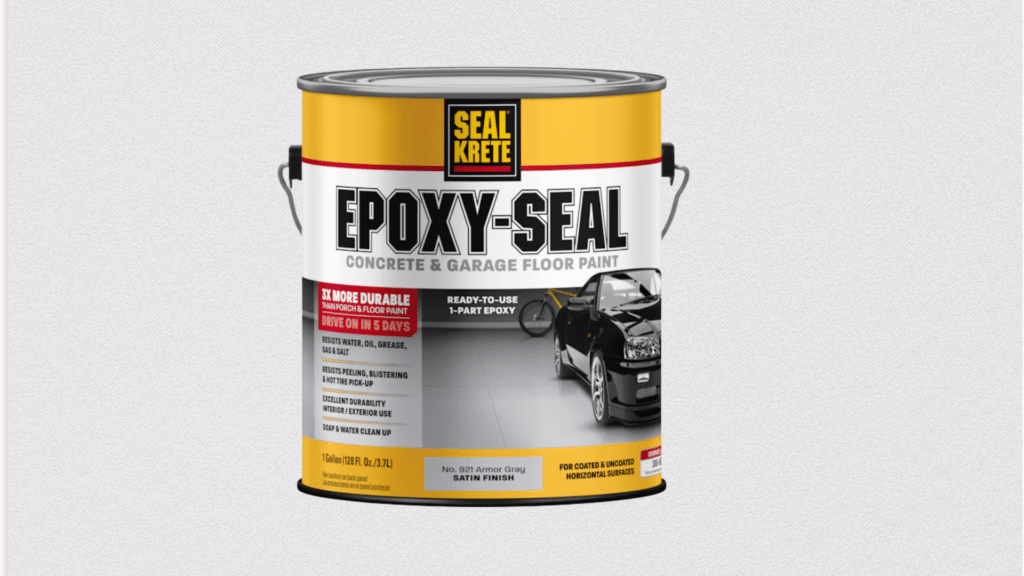
- Type: Water-based Epoxy
- Best For: Light-duty residential basement floors
- Finish: Satin or Semi-gloss
- Highlights:
- Good stain and abrasion resistance
- Available in multiple colors
- Requires a clean, prepped surface for best results
How to Apply a Basement Floor Sealer
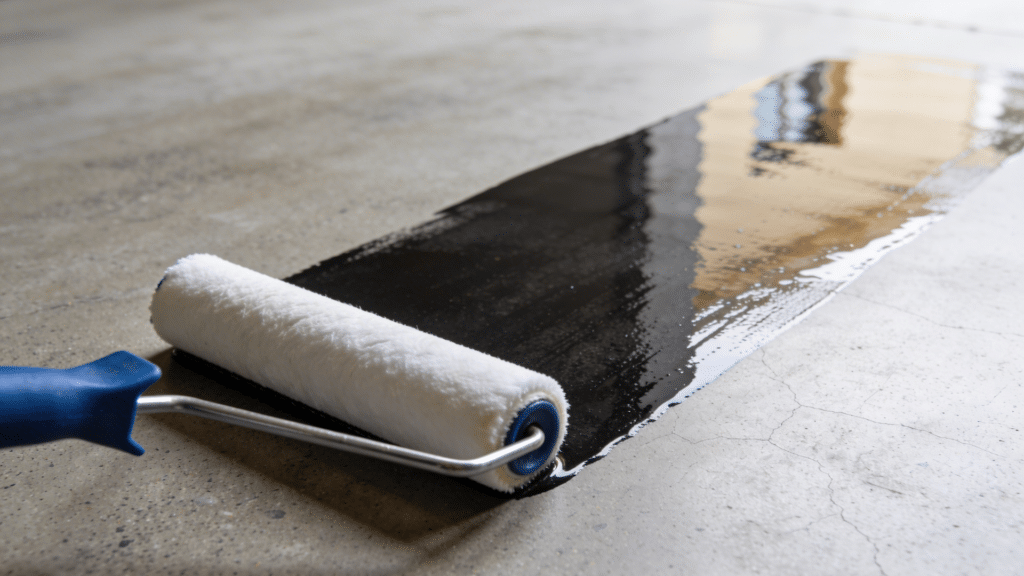
Applying a basement floor sealer isn’t difficult, but following each step carefully is key to getting long-lasting results.
Step 1: Clean the Floor: Remove dust, dirt, oil, paint, or any previous coatings. Use a degreaser for oily spots and a concrete cleaner for the rest. A pressure washer can be helpful, but make sure the floor dries completely afterward.
Step 2: Repair Cracks or Damage: Use a concrete patch or crack filler for any chips, holes, or surface cracks. Let it cure fully before sealing.
Step 3: Test for Moisture: Tape down a plastic sheet (about 2 ft x 2 ft) for 24 hours. If condensation appears underneath, you have a moisture issue and should use a penetrating sealer.
Step 4: Apply the Sealer: Use a paint roller, sprayer, or brush depending on the product. Work in sections and follow the manufacturer’s coverage instructions. For epoxies or polyurethanes, mix and apply quickly before the material sets.
Step 5: Allow to Cure: Drying times vary. Penetrating sealers often dry within hours. Epoxies and polyurethanes can take days to fully cure. Avoid foot traffic or moving items back in too soon.
When Should You Reseal a Basement Floor?
The lifespan of a basement floor sealer depends on the type used and the level of wear the floor experiences. Use the table below as a general guide:
| Sealer Type | Typical Lifespan | Resealing Signs |
|---|---|---|
| Penetrating Sealer | 7–10 years | Water starts absorbing, reducing stain resistance |
| Acrylic Sealer | 1–3 years | Dull finish, surface scratches, visible wear |
| Epoxy Sealer | 5–7 years | Peeling, chipping, or worn areas in high-traffic zones |
| Polyurethane Sealer | 5–10 years | Loss of gloss, scuffs, surface dullness |
Tips for Maintaining a Sealed Floor
Even the best basement floor sealer needs basic care to stay effective. Regular maintenance can extend the sealer’s life and keep the floor looking clean and performing well.
- Clean up spills quickly to avoid staining or surface damage.
- Sweep or vacuum regularly to remove dust, dirt, and grit that can scratch the surface.
- Avoid harsh chemicals; use pH-neutral cleaners made for sealed concrete.
- Use floor mats or rugs in high-traffic areas to reduce wear.
- Reapply the sealer as needed based on the product’s recommended lifespan and visible signs of wear.
- Don’t drag heavy furniture; use felt pads or lift items when moving them.
To Conclude
Choosing a basement floor sealer isn’t just a technical decision; it’s a practical one. The goal isn’t perfection; it’s protection that lasts.
A floor that holds up over time makes the space more usable, easier to maintain, and less likely to cause future problems.
Instead of rushing the process, take a step back and match the product to your specific needs. Look beyond the label and consider how the space functions day-to-day.
Ready to begin? Review the options, set your priorities, and choose a plan that makes sense for your home.