

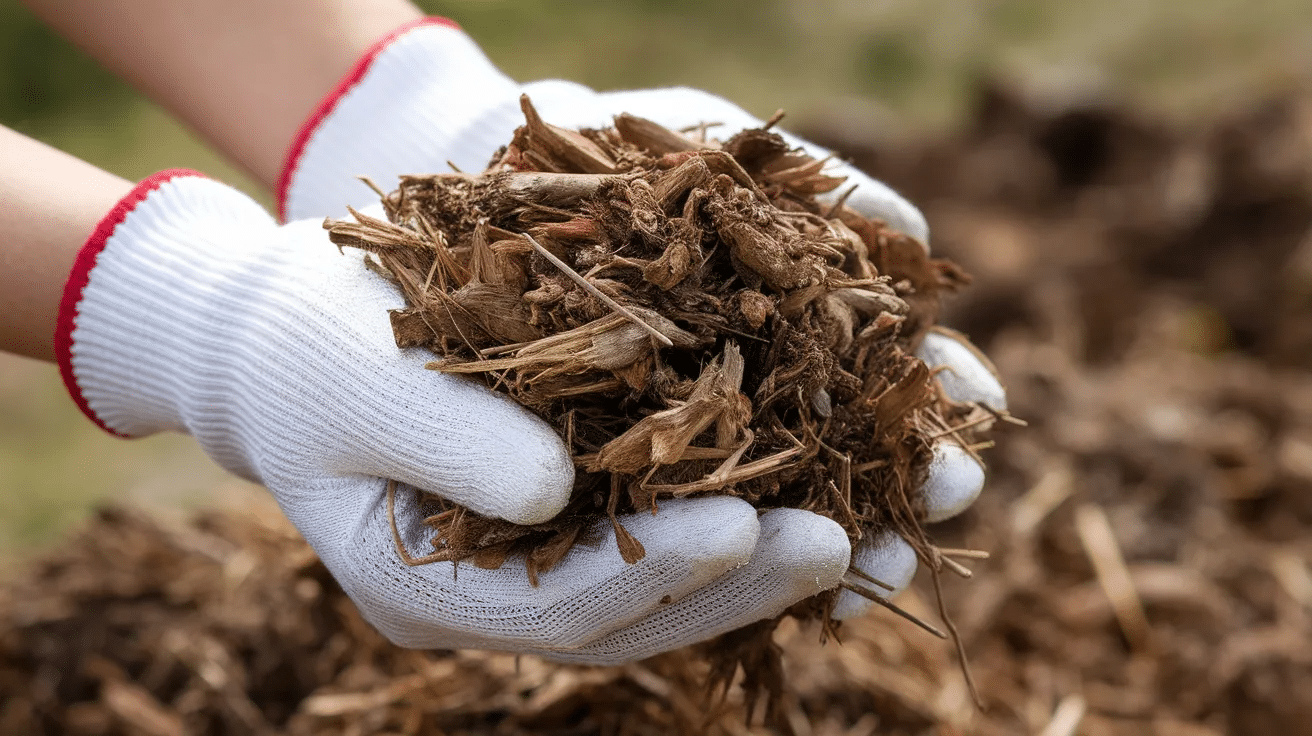
Mulch is a helpful part of gardening. It covers the soil, protects plants, and keeps yards neat. Many people use it to stop weeds and hold in water.
Picking the right mulch can be tricky. There are many kinds to choose from. Each one has a different look and use.
Some mulch works well in flower beds. Others are better for paths or trees. Color also matters when planning a yard. A good mulch color can match the home or garden style.
This blog shares simple tips to help with these choices. Knowing what to use makes gardening easier and helps plants grow strong and healthy.
What is Mulch?
Mulch is a layer of material spread over the soil in gardens and yards. It helps protect plants, keeps moisture in the ground, and blocks weeds from growing.
Mulch also helps the soil stay warm in the winter and cool in the summer. There are many types of mulch, and some even add nutrients to the soil as they break down.
People use mulch around flowers, trees, and vegetable beds to make the area look neat and tidy.
It can be made from natural materials like bark and leaves or from longer-lasting options like rubber or stone.
Main Types of Mulch
There are two main types of mulch: organic and inorganic. Each type has its own benefits and best uses.
Organic Mulch
Organic mulch is made from natural materials. It breaks down over time and adds good things to the soil.
1. Bark Mulch
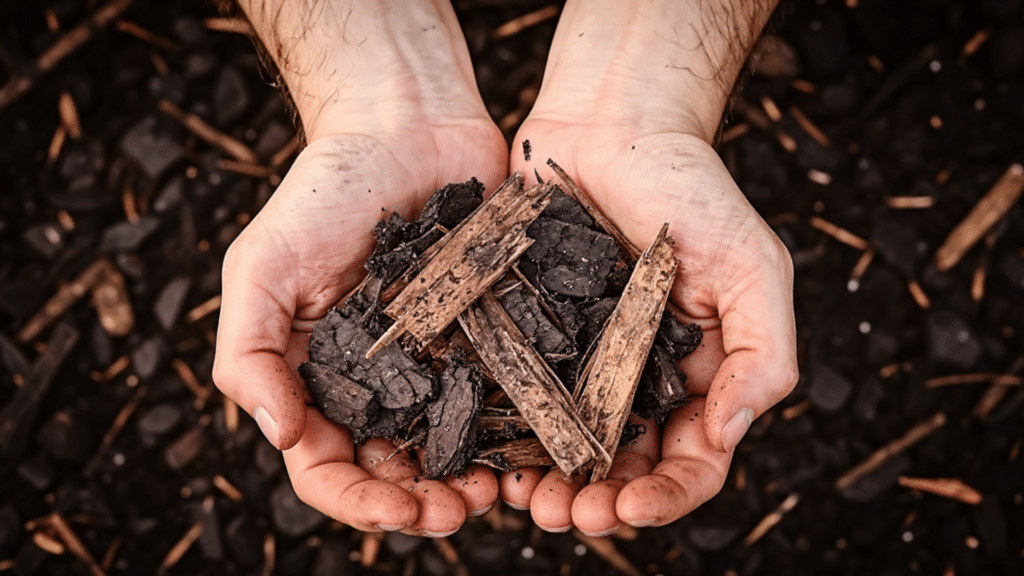
- Made from tree bark
- Often comes from pine, cedar, or hardwood trees
- Breaks down slowly
- Works well around trees, shrubs, and flower beds
Bark mulch comes in big or small pieces. Smaller bark breaks down faster. Large bark chunks last longer and stay in place better.
2. Wood Chips
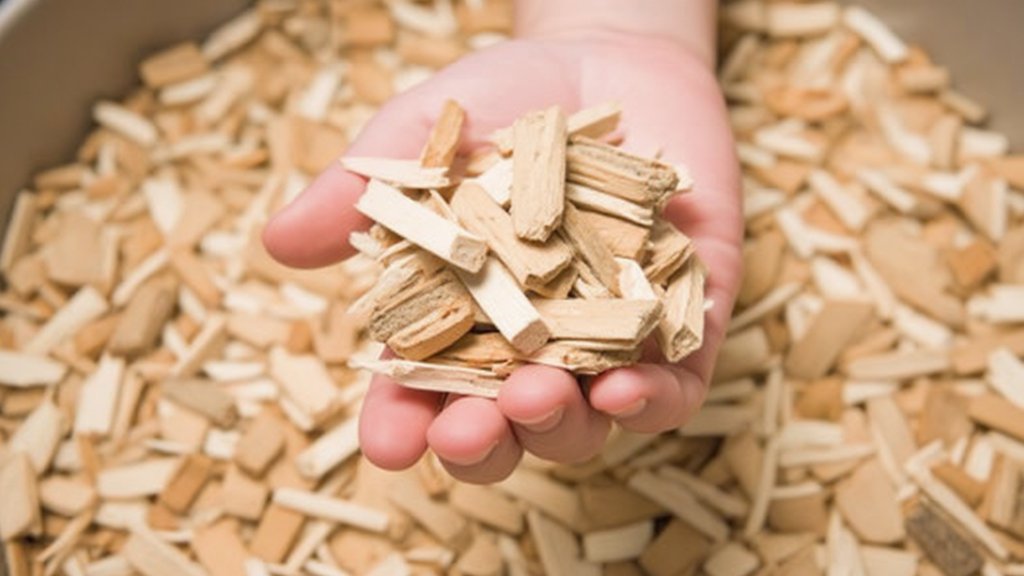
- Made from ground-up tree branches or logs
- Looks natural and clean
- Good for walking paths, flower beds, and trees
Wood chips can also be dyed different colors, like brown, red, or black. Some are made from old pallets or scrap wood, so check if they are safe for plants.
3. Straw
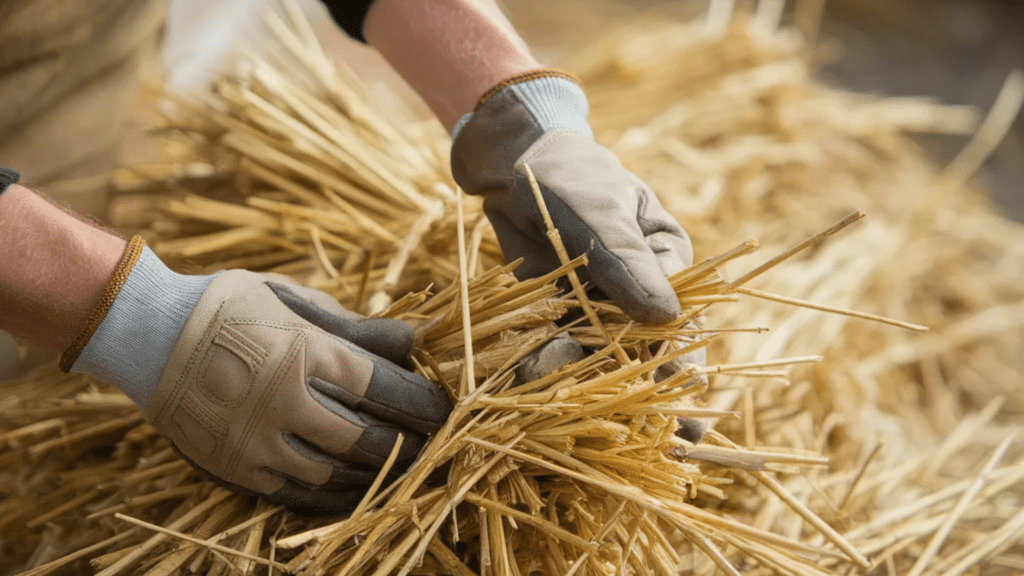
- Often used in vegetable gardens
- Breaks down fast
- Keeps soil cool and moist
Straw is light and easy to spread. It should be clean and free from weed seeds. Avoid using hay, as it can have unwanted seeds.
4. Grass Clippings
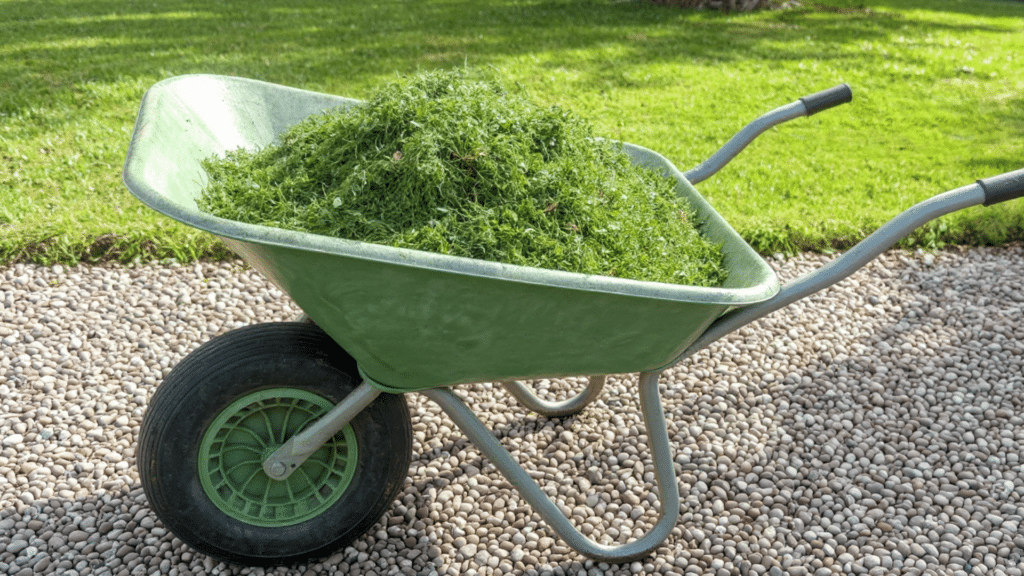
- Made from fresh-cut grass
- Easy to get if you mow your own lawn
- Best used in thin layers to avoid mold
Grass clippings break down fast. They are rich in nitrogen, which helps plants grow. Let the clippings dry a bit before using them as mulch.
5. Leaves
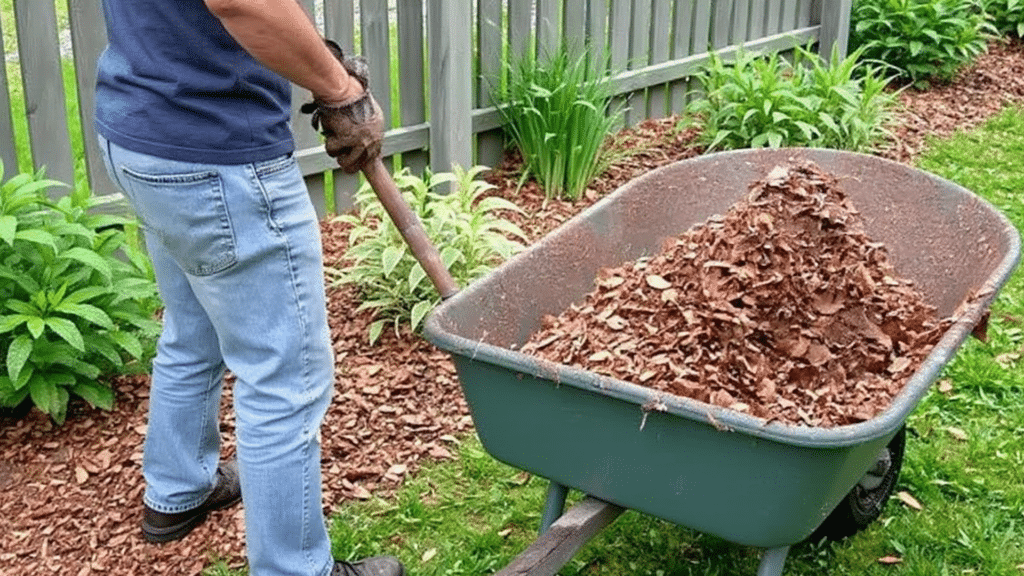
- A great free option in the fall
- Can be shredded or used whole
- Add nutrients to the soil
Shredded leaves work better than whole leaves because they stay in place and break down faster. They are great for flower beds and vegetable gardens.
6. Compost
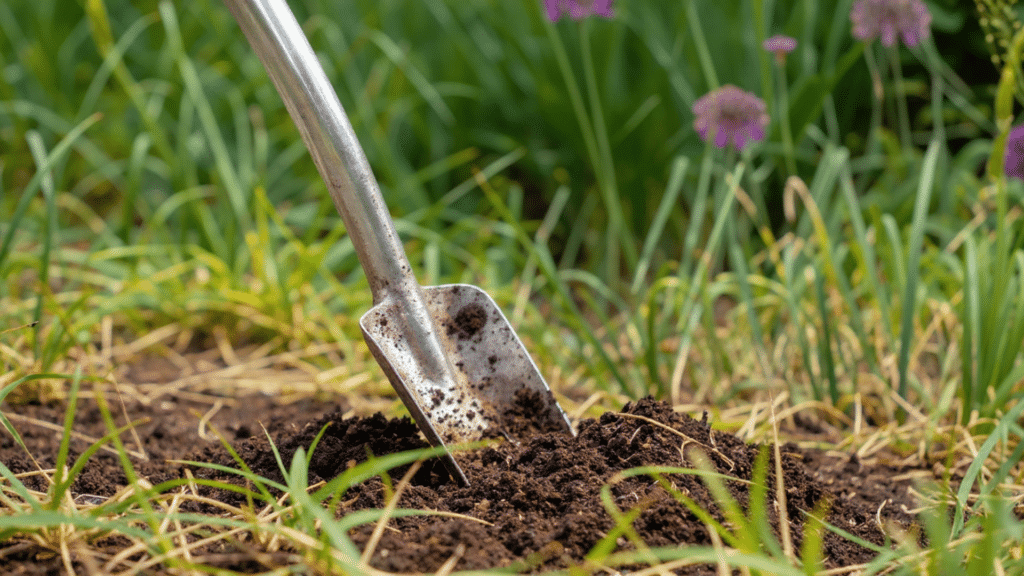
- Made from food scraps, yard waste, and other organic materials
- Rich in nutrients
- Best used in thin layers under other mulch
Compost feeds the soil and plants. Use it under other mulch to help hold in moisture and boost growth.
Inorganic Mulch
Inorganic mulch does not break down. It lasts longer and doesn’t need to be replaced as often.
7. Rubber Mulch
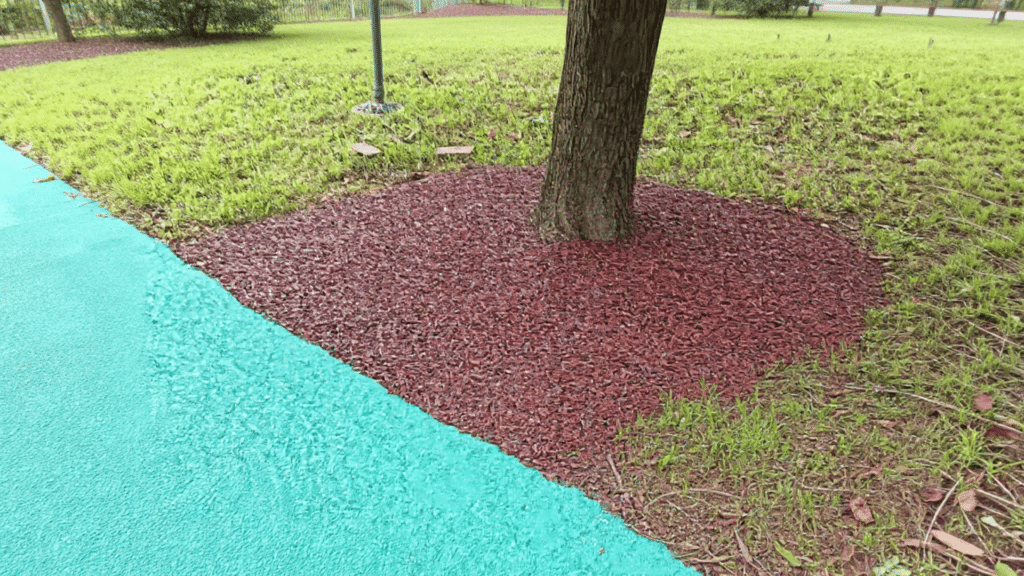
- Made from recycled tires
- Lasts many years
- Does not attract bugs or mold
Rubber mulch is good for playgrounds and areas where you want mulch to stay put. It comes in colors like black, brown, and red.
8. Rock or Stone
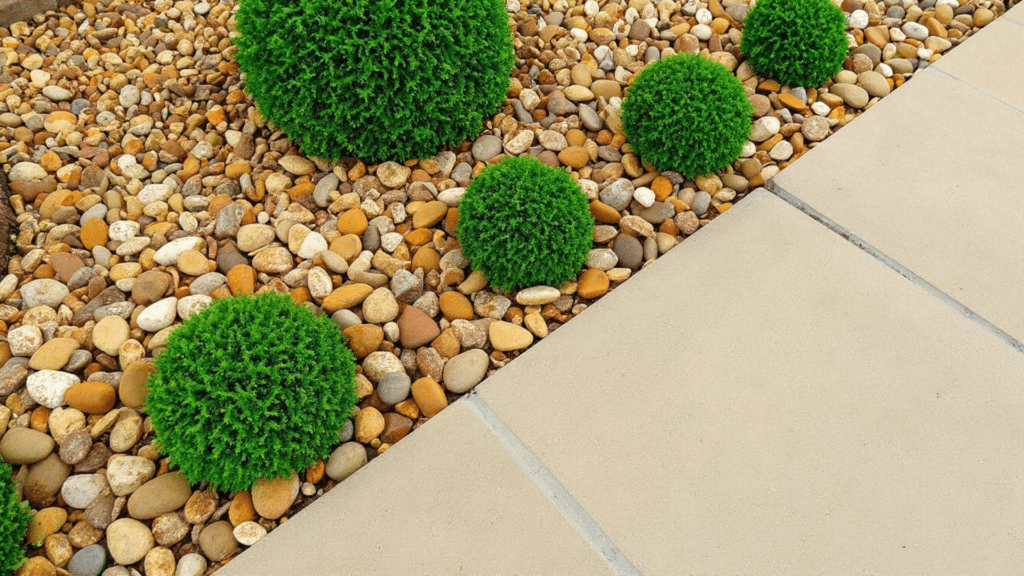
- Includes gravel, pebbles, lava rocks, and river stones
- Good for dry areas or cactus gardens
- Heavy and doesn’t move in the wind
Rocks don’t help the soil, but they look clean and neat. They’re best for decorative spots, not for flower or veggie beds.
9. Landscape Fabric with Mulch on Top
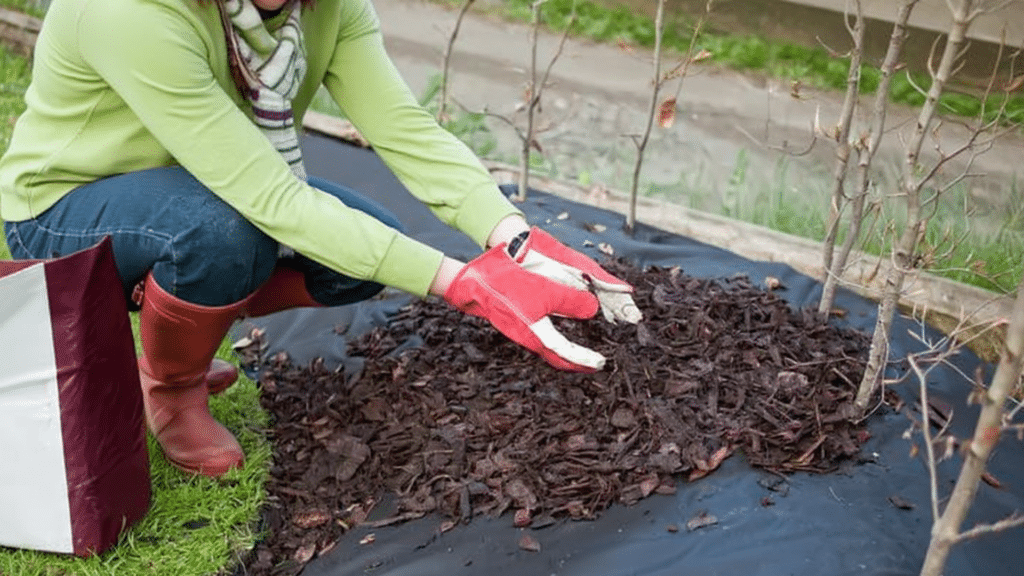
- Blocks weeds when used under other mulch
- Often used with stone or wood mulch
- Must be pinned down so it doesn’t shift
Fabric alone is not mulch, but it’s used under mulch to help control weeds.
How to Choose the Right Mulch for Your Garden
There is no single best mulch for everyone. The right mulch depends on your needs, plants, and climate.
For Flower Beds
- Bark mulch or shredded wood looks nice
- Adds nutrients over time
- Helps control weeds and keep moisture in
For Vegetable Gardens
- Straw, compost, or grass clippings work well
- Break down quickly and feed the soil
- Easy to replace each season
For Trees and Shrubs
- Bark mulch or wood chips are ideal
- Keep mulch a few inches away from the trunk
- Use a 2–4 inch deep layer
For Walkways and Paths
- Use rock, stone, or rubber mulch
- These don’t break down or blow away
- Easy to maintain
Common Mulch Colors and What They Do
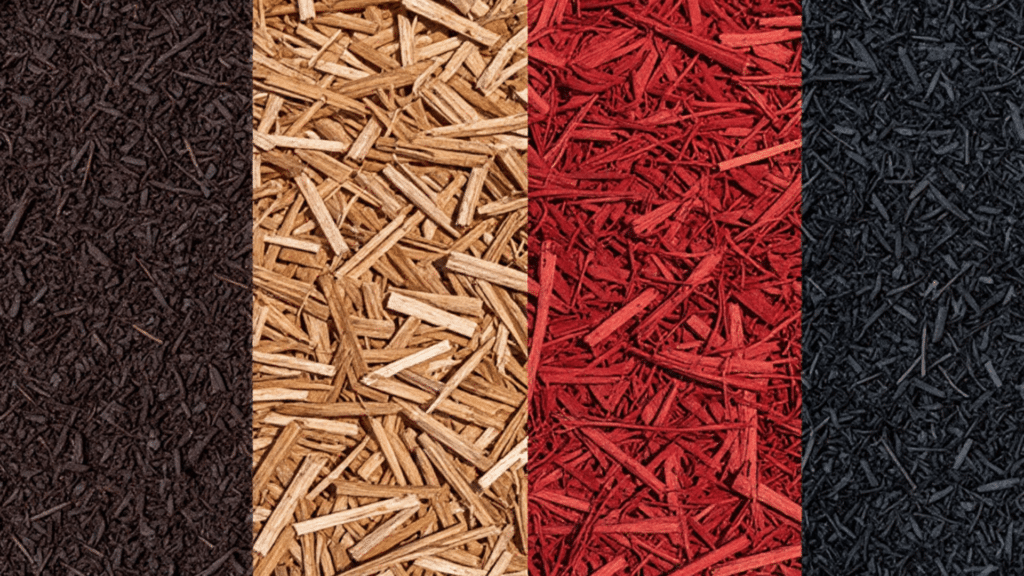
Mulch comes in several colors, and each one can affect how your garden looks and feels. The table below shows what each mulch color does best:
| Color | Look & Feel | Best Uses | Things to Know |
|---|---|---|---|
| Brown | Natural and soft | Flower beds around trees and most garden areas | Blends with most yards and homes; fades slowly |
| Black | Sharp and modern | Cool-weather areas, formal gardens | Warms the soil; may get too hot in sunny spots |
| Red | Bold and eye-catching | Modern gardens, homes with red or brick tones | Stands out; may fade faster than other colors |
| Natural | No added dye (light wood look) | Vegetable gardens, safe zones for kids and pets | Chemical-free and safe; breaks down faster |
| Gray or Stone | Clean and polished | Rock gardens, desert areas, and walkways | Matches stone paths and modern landscapes; does not feed soil |
| Rubber Colors | Dyed black, brown, or red rubber chips | Playgrounds, high-traffic zones | Very long-lasting; colors stay longer than wood mulch |
How to Apply Mulch the Right Way
Using mulch correctly helps your plants stay healthy, and your garden looks neat. If mulch is spread too thick or too close to plants, it can cause problems. Follow these simple steps to apply mulch the right way:
- Clear the Area: Start by removing weeds, grass, and any old mulch if there’s excessive buildup. Rake the soil flat so the mulch sits evenly.
- Water the Soil: Water your plants and soil before adding mulch. This helps retain moisture and gives the roots a good drink before being covered.
- Spread the Mulch: Use your hands or a shovel to spread the mulch evenly. Keep the layer about 2 to 4 inches deep. Too little won’t block weeds, and too much can stop air from reaching the roots.
- Leave Space Around Stems and Trunks: Do not pile mulch right up to the base of plants or trees. Leave a small gap of about 2–3 inches. This stops moisture from building up, which can cause rot or invite bugs.
- Reapply When Needed: Organic mulch breaks down over time. Check it a few times a year. Add more when it looks thin or patchy, usually once a year in spring or fall.
Benefits of Using the Right Mulch
Picking the right mulch type and color has many benefits for your garden.
- Stops weeds: A thick layer of mulch blocks sunlight, preventing weeds from growing.
- Keeps moisture in: Mulch slows down water evaporation.
- Protects roots: Mulch keeps soil at the right temperature.
- Feeds soil: Organic mulch adds nutrients over time.
- Makes yards look neat: Clean mulch helps tie your landscape together.
How Often to Replace Mulch?
| Mulch Type | Replace Every |
|---|---|
| Bark | 1–2 years |
| Wood chips | 1 year |
| Straw | Each season |
| Grass clippings | Every 2–3 weeks |
| Leaves | Once per year |
| Compost | Each season |
| Rubber mulch | 5+ years |
| Rock/Stone | 5+ years |
Organic mulch breaks down faster and will need to be topped up more often. Inorganic mulch lasts longer but does not feed the soil.
Wrapping Up
Mulch can do a lot for your garden. It helps the soil, keeps plants healthy, and makes your yard look neat. There are many mulch types and colors to choose from.
Each kind has its own use and look. Pick what works best for your garden space and needs.
Think about the plants you have, your local weather, and how much time you want to spend on upkeep.
Mulch is easy to use, and when done right, it makes a big difference. Try different types and colors until you find the best fit.
Ready to start? Use this guide to pick your mulch and make your garden shine today.