


They buzz around, leave itchy bites, and appear when you least expect them. Mosquitoes can quickly make your yard, patio, or home uncomfortable, especially during warmer months.
They are drawn to warmth and moisture and multiply fast, which is why they are such a common problem around living spaces.
I know sprays and coils are often the first choice, but they can smell strong and need frequent use.
That’s where plants help. They offer a natural way to add greenery and reduce the need for chemical products around your family.
In this article, I shared some of the best plants that are known for helping keep mosquitoes away. You’ll learn how these plants work, where to place them, and how to get better results from them.
By the end, you’ll have a clear plan for using plants to make your space more comfortable.
How Mosquito-Repelling Plants Work?
Mosquito-repelling plants work mainly because of their natural scents and oils.
Many of these plants release strong smells that confuse mosquitoes and make it harder for them to find people nearby.
Oils found in the leaves, such as citronella-like compounds, can help discourage mosquitoes from staying close. A common myth is that simply placing one plant will stop mosquitoes completely.
That’s not true. Plants help reduce mosquito activity, not remove it entirely. Another misunderstanding is that plants work from a distance.
In most cases, the scent needs to be close by, or the leaves lightly brushed, to be effective.
Results also depend on placement, airflow, and how many plants you use. These plants work best as part of a simple control plan, not as a single fix.
When used the right way, they can support other methods and make your space more comfortable overall.
Top Mosquito-Repelling Plants You Can Grow Easily
These plants are popular because they are simple to grow and useful in everyday spaces. Each one works a little differently, so choosing the right fit can improve results.
1. Citronella
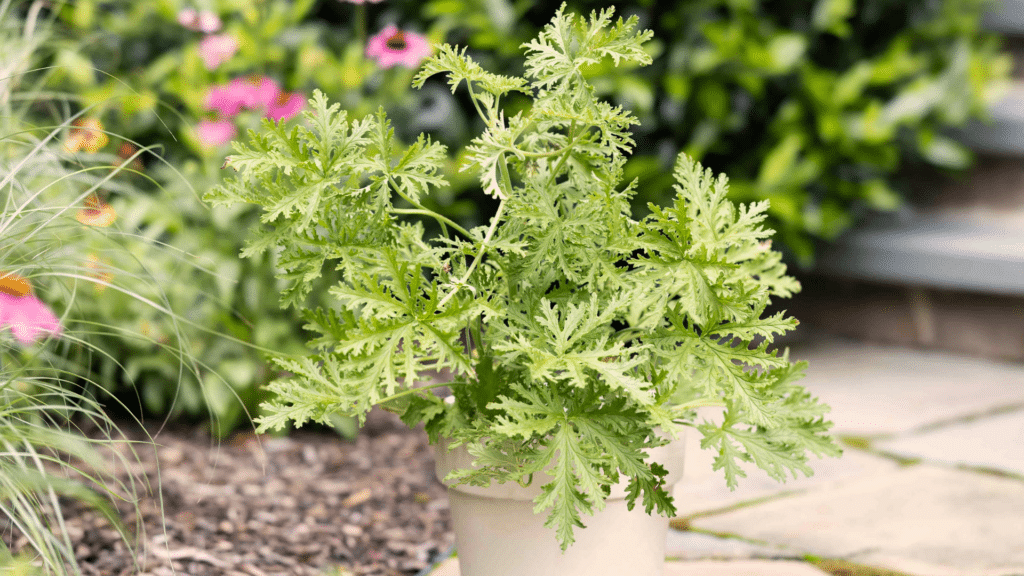
Citronella helps repel mosquitoes by releasing a strong lemon-like scent that masks the smells mosquitoes are drawn to. It grows best in bright light and needs regular watering without soggy soil.
Rubbing or lightly brushing the leaves helps release more scent.
For noticeable results, using several plants together works better than just one.
It is generally safe around kids and pets when grown outdoors, but contact with leaves should be limited to avoid skin irritation.
Citronella works best when placed close to seating or entry areas where mosquitoes gather.
- Where It Grows Best: Outdoor pots, patios, garden borders
- Quick Care Tip: Give it full sun and trim often to encourage fresh growth
2. Lavender
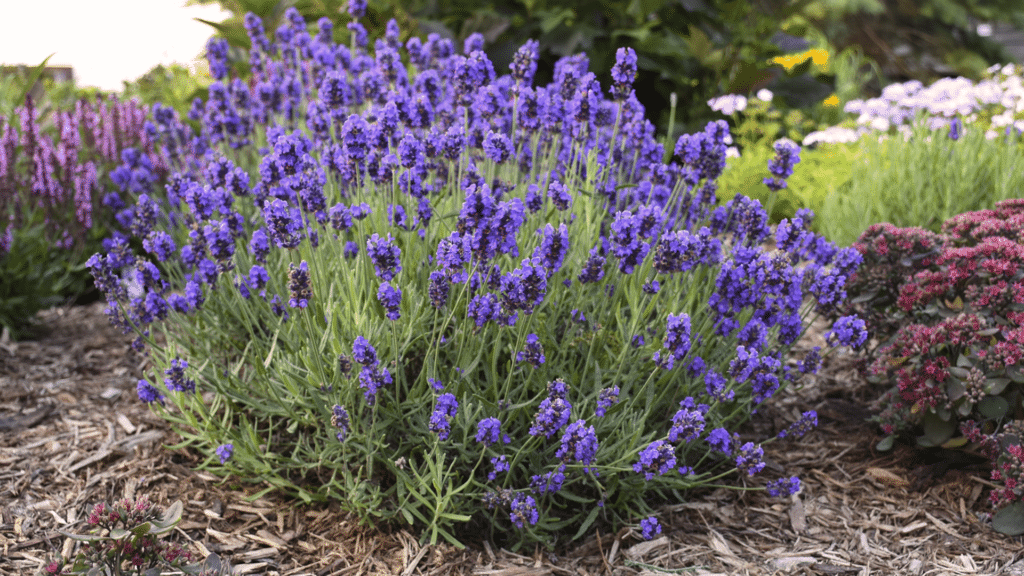
Lavender helps repel mosquitoes through its strong, calming scent that insects tend to avoid. It prefers bright sunlight and light watering, as too much moisture can damage the roots.
Placing lavender near doors, windows, or seating areas helps spread its scent where mosquitoes enter.
For better results, using two to three plants in one area works well. Lavender is considered safe for kids and pets when planted outdoors, though eating large amounts should be avoided.
Keeping plants healthy helps maintain a steady scent release throughout the season.
- Where It Grows Best: Outdoor gardens, patios, sunny window areas
- Quick Care Tip: Plant in well-drained soil and avoid overwatering
3. Basil
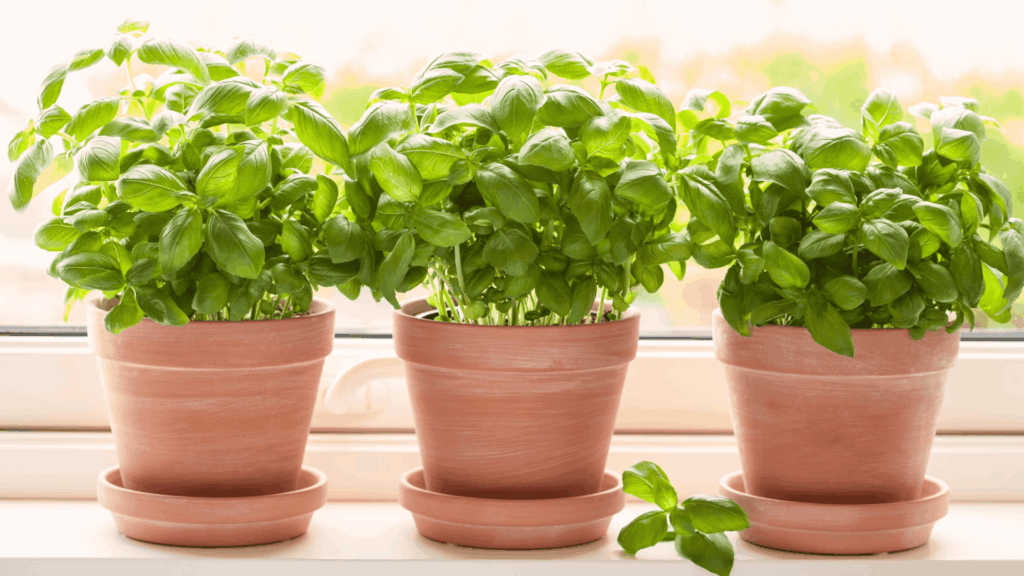
Basil repels mosquitoes by giving off a strong herbal scent that interferes with how mosquitoes find people. It needs bright light and regular watering to keep the soil slightly moist.
Crushing or brushing the leaves helps release more scent, especially in active areas.
Using several basil plants together improves results, rather than relying on one pot.
Basil is safe for kids and pets and can also be used for cooking, which makes it a practical choice. Healthy growth supports better scent release over time.
- Where It Grows Best: Indoor pots, outdoor containers, kitchen gardens
- Quick Care Tip: Pinch leaves often to encourage fuller growth
4. Mint
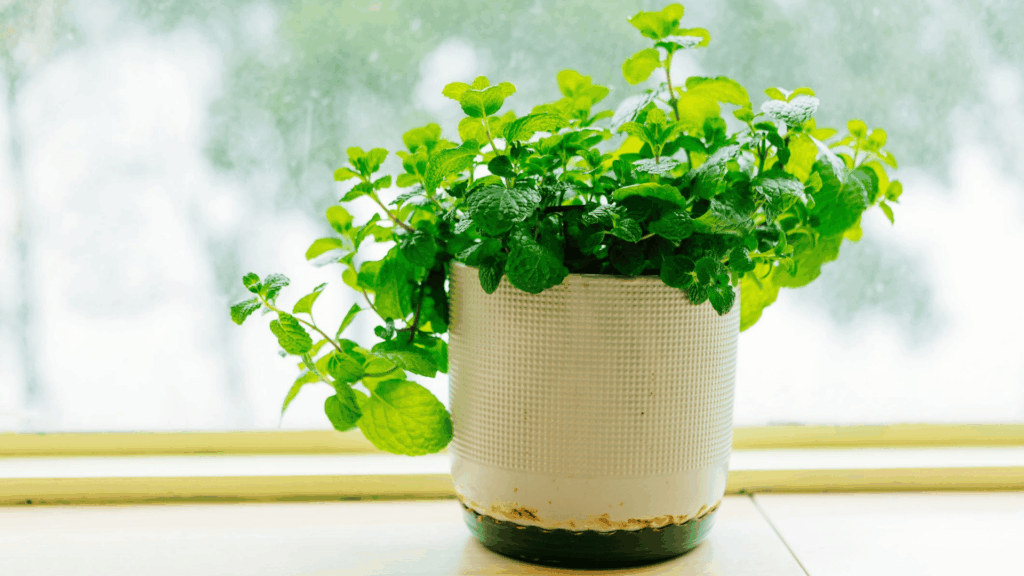
Mint helps repel mosquitoes by releasing a sharp, fresh scent that disrupts how they sense food sources. It grows well in bright light and needs regular watering to keep the soil evenly moist.
Rubbing the leaves or trimming the plant helps release more scent into the air.
For noticeable results, using two or three pots in the same area works best. Mint is safe for kids and pets, but it spreads fast, so containers are a smart choice.
Keeping it trimmed helps control growth and scent strength.
- Where It Grows Best: Outdoor containers, patios, sunny indoor spots
- Quick Care Tip: Grow mint in pots to prevent spreading
5. Rosemary
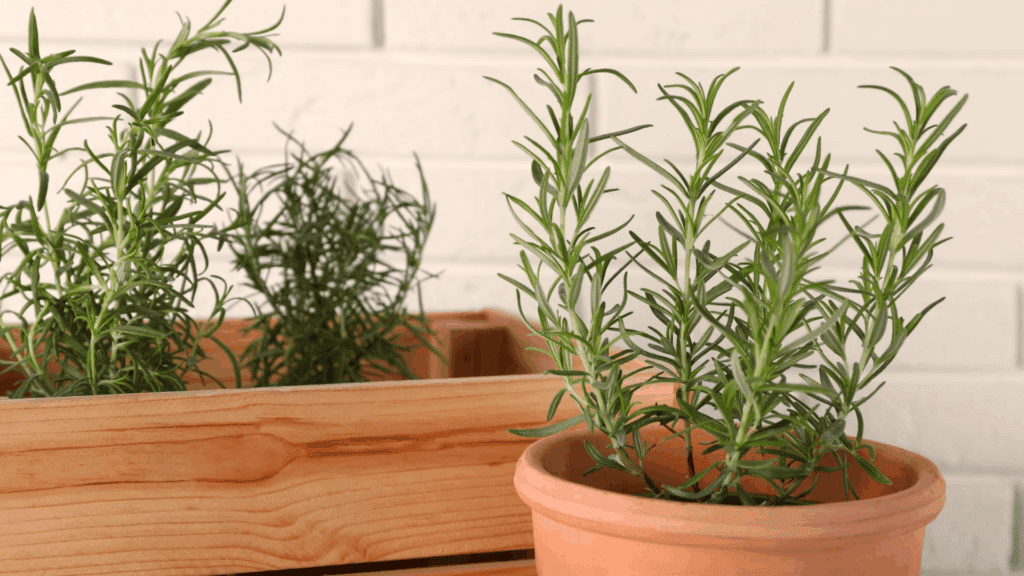
Rosemary repels mosquitoes with its strong woody scent that insects tend to avoid. It prefers full sun and light watering, as it does not like wet soil.
Placing rosemary near seating areas or entry points helps keep its scent close to where mosquitoes gather.
Using multiple plants improves coverage in outdoor spaces. Rosemary is safe for kids and pets when grown outdoors and handled properly.
Regular trimming keeps the plant healthy and supports steady scent release throughout the season.
- Where It Grows Best: Outdoor gardens, patios, sunny balconies
- Quick Care Tip: Let soil dry slightly between waterings
6. Lemongrass

Lemongrass helps repel mosquitoes by releasing a citrus-like scent that interferes with their ability to locate people. It needs full sun and regular watering, though the soil should drain well.
Placing lemongrass in large pots near seating areas helps spread its scent more effectively.
For noticeable results, using two or more plants together works best.
Lemongrass is generally safe for kids and pets when planted outdoors, but direct contact should be limited. Healthy growth supports stronger scent release over time.
- Where It Grows Best: Outdoor containers, patios, warm garden areas
- Quick Care Tip: Water deeply, but allow soil to drain fully
7. Marigold

Marigolds help repel mosquitoes with a strong scent from their flowers and leaves. They grow best in full sun and need moderate watering to keep the soil slightly moist.
Planting marigolds along borders or near entryways helps reduce mosquito activity.
Using several plants together improves effectiveness. Marigolds are considered safe for kids and pets, though some people may notice mild skin irritation.
Removing spent flowers encourages more blooms and keeps scent levels steady.
- Where It Grows Best: Garden beds, borders, outdoor pots
- Quick Care Tip: Deadhead flowers often to promote new blooms
8. Peppermint
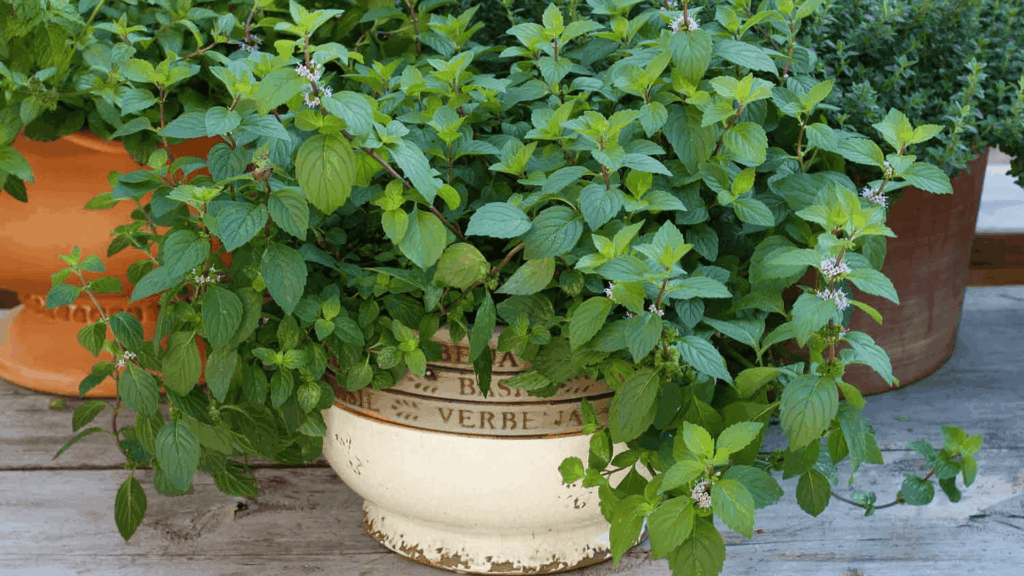
Peppermint repels mosquitoes by releasing a strong minty scent that insects avoid. It prefers bright light and regular watering to keep the soil evenly moist.
Brushing or crushing the leaves helps release more scent, especially near seating areas.
Using two to three plants in one space gives better results. Peppermint is safe for kids and pets, but it spreads quickly, so containers are recommended.
Frequent trimming keeps growth under control and supports scent strength.
- Where It Grows Best: Outdoor containers, patios, sunny indoor areas
- Quick Care Tip: Prune often to prevent overgrowth
9. Catnip
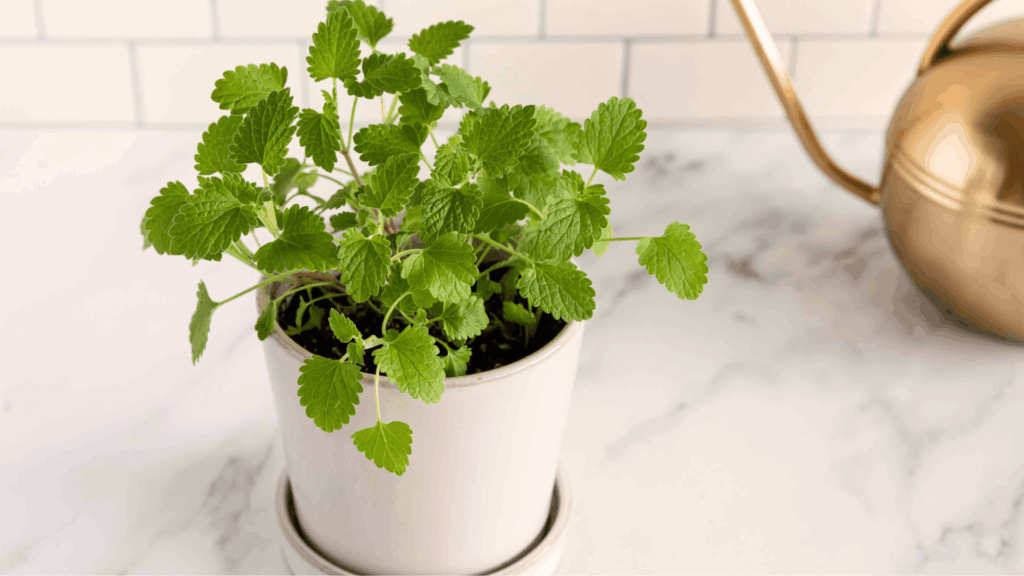
Catnip helps repel mosquitoes by releasing a strong scent that mosquitoes tend to avoid. It grows best in bright light and needs regular watering, allowing the soil to dry slightly between waterings.
Crushing or brushing the leaves helps release more scent into the air.
For better results, using two or more plants together works well.
Catnip is safe for kids and pets, though it may attract cats to the area. Regular trimming keeps the plant healthy and helps control its spread.
- Where It Grows Best: Outdoor gardens, containers, sunny indoor spots
- Quick Care Tip: Trim often to manage growth and scent release
10. Sage
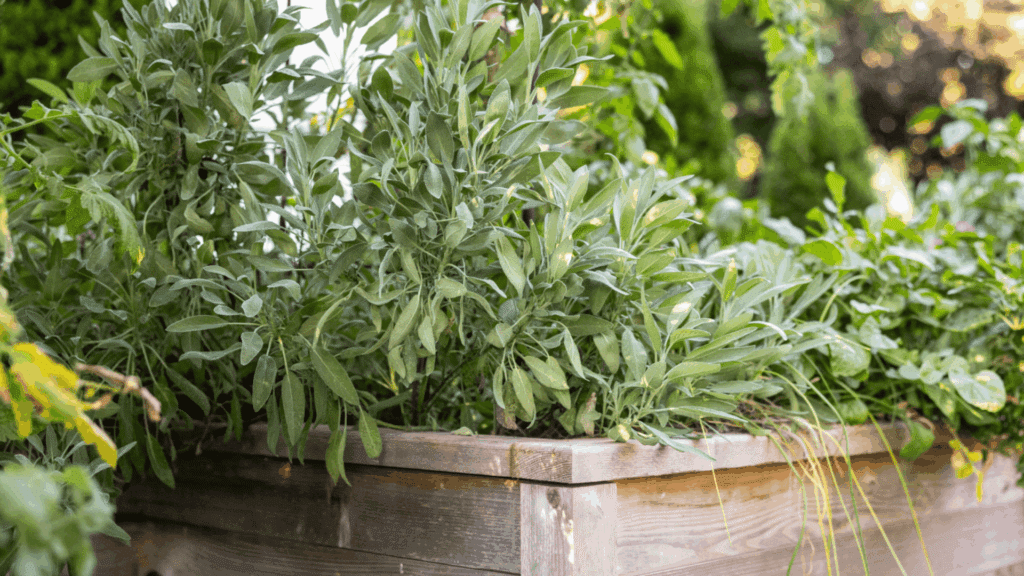
Sage helps repel mosquitoes through its earthy scent, which can disrupt how mosquitoes sense nearby hosts.
It prefers full sun and light watering, as it does best in well-drained soil. Placing sage near seating areas or walkways helps keep its scent close to activity zones.
Using multiple plants improves coverage. Sage is safe for kids and pets when grown outdoors and handled properly.
Regular pruning encourages fresh growth and maintains scent strength.
- Where It Grows Best: Outdoor gardens, patios, raised beds
- Quick Care Tip: Avoid overwatering to prevent root issues
11. Thyme

Thyme helps repel mosquitoes by giving off a strong herbal scent that insects tend to avoid. It grows well in full sun and needs light watering, as it prefers dry to slightly moist soil.
Placing thyme in pots or along walkways helps keep its scent close to ground level, where mosquitoes often linger.
Using several small plants together gives better results than a single one.
Thyme is safe for kids and pets and works well in family spaces. Regular trimming keeps the plant compact and healthy.
- Where It Grows Best: Garden borders, pots, sunny patios
- Quick Care Tip: Let soil dry between waterings
12. Lemon Balm
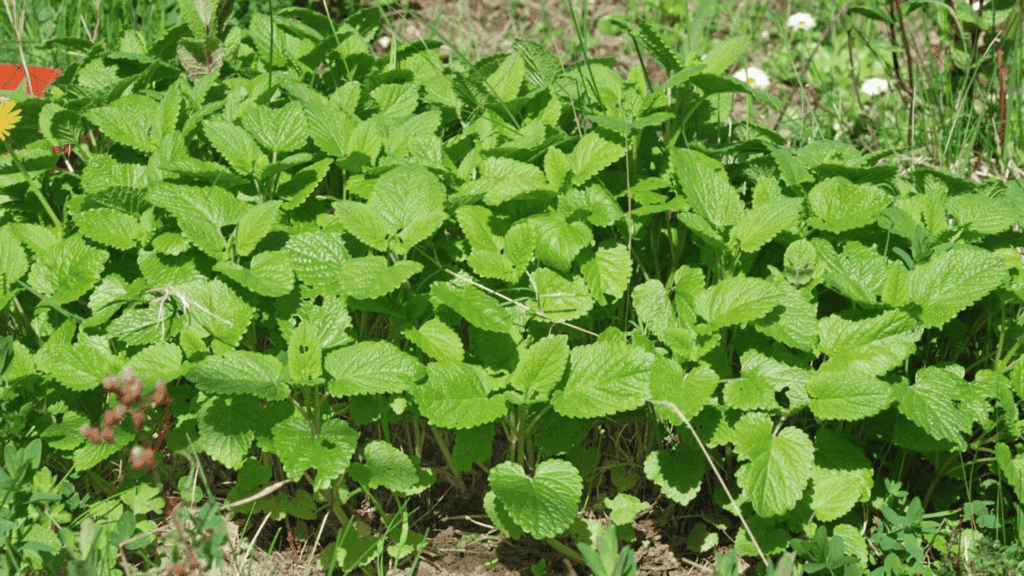
Lemon balm repels mosquitoes with a fresh citrus scent released from its leaves. It prefers bright light and regular watering, though the soil should drain well.
Gently rubbing the leaves helps release more scent, especially near seating areas.
For noticeable results, growing two or more plants together works best. Lemon balm is safe for kids and pets, but spreads quickly if planted in the ground.
Containers help keep growth under control and make placement easier.
- Where It Grows Best: Containers, garden beds, sunny indoor areas
- Quick Care Tip: Grow in pots to limit spreading
13. Eucalyptus
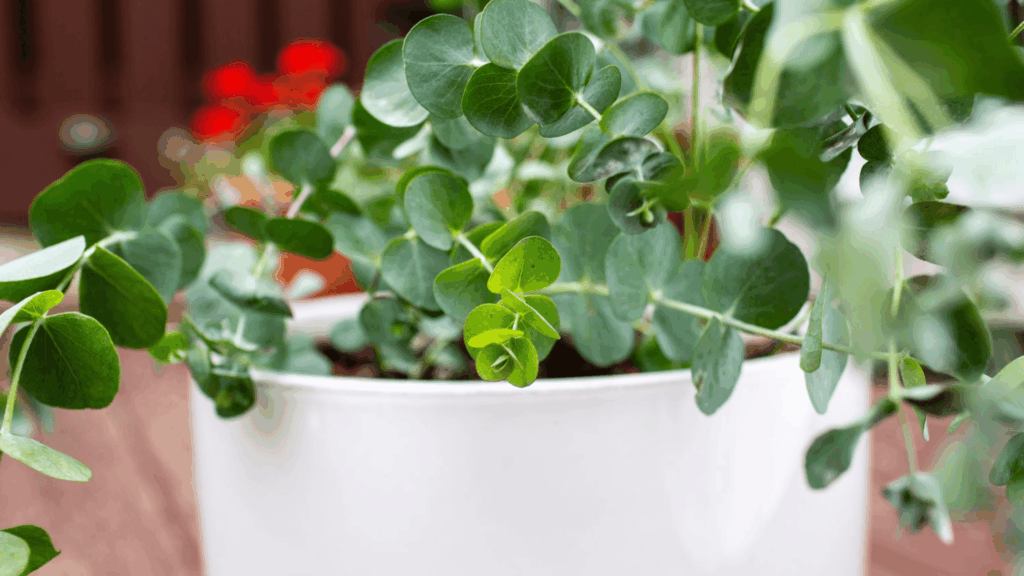
Eucalyptus helps repel mosquitoes by releasing a strong, clean scent from its leaves that insects tend to avoid.
It needs bright light and moderate watering, allowing the soil to dry slightly between waterings. Placing eucalyptus in large pots near doors or seating areas helps spread its scent where mosquitoes are active.
For noticeable results, using one to two well-sized plants works better than many small ones.
Eucalyptus is not considered safe for pets if ingested, so it should be placed out of reach. Regular pruning supports healthy growth.
- Where It Grows Best: Outdoor containers, sunny patios, bright indoor spaces
- Quick Care Tip: Keep in a pot to control size and placement
Indoor vs Outdoor Mosquito-Repelling Plants
Some plants adapt better to indoor spaces, while others need open air to release their scent. Choosing the right spot helps improve results and keeps plants healthy over time.
| Setting | Plant Type | Why It Works There | Light Needs | Airflow & Placement Tips |
| Indoor | Low-scent herbs | These release mild oils that work best in small spaces | Bright, indirect light | Place near windows or doors where air moves |
| Indoor | Compact leafy plants | Easier to manage and safer for enclosed areas | Medium to bright light | Keep on shelves or window sills |
| Indoor | Potted herb plants | Leaves can be gently brushed to release scent | Bright light | Avoid corners with no air movement |
| Outdoor | Strong-scent plants | Open air helps spread natural oils better | Full sun | Place near seating areas or entry points |
| Outdoor | Tall garden plants | Cover larger areas and deter lingering mosquitoes | Full to partial sun | Use along borders or walkways |
| Outdoor | Container plants | Easy to move based on mosquito activity | Sun based on plant type | Group pots together for a stronger effect |
How to Create a Mosquito-Repelling Garden?
A few smart choices can help make your garden less inviting to mosquitoes. Layout, plant placement, and care all play a role in how well your space works.
1. Choose the Right Location
Start by placing mosquito-repelling plants where you spend the most time. Focus on patios, walkways, seating areas, and near doors or windows.
Mosquitoes tend to gather in shaded and damp spots, so improving sunlight and drainage helps.
Grouping plants in these areas allows their natural scent to stay concentrated. Avoid spreading them too far apart, since distance reduces their effect.
Keeping plants close to activity zones makes the garden more practical and easier to maintain.
2. Group Plants for Better Coverage
Instead of planting one here and there, group several mosquito-repelling plants together.
This helps build a stronger scent barrier that mosquitoes are less likely to cross. Mixing plants with similar light and water needs keeps care simple.
Clusters also work well in pots, raised beds, or along borders.
The goal is to create small zones that mosquitoes avoid rather than trying to cover the entire yard at once.
3. Improve Airflow and Sunlight
Good airflow makes it harder for mosquitoes to linger.
Trim back overgrown plants and avoid crowding areas where air should move freely.
Sunlight also matters, since mosquitoes prefer darker, damp spaces. Place plants where they get the light they need and help dry out nearby soil.
Simple steps like spacing pots and pruning regularly can make a big difference in how effective your garden feels.
4. Maintain Plants Regularly
Healthy plants release scent more consistently. Water them as needed, remove dead leaves, and prune lightly to encourage new growth.
Brushing or trimming leaves can help release natural oils, especially in active areas.
Neglected plants lose strength and reduce results. Regular care keeps your garden looking good while supporting its purpose over time.
Tips to Boost the Effect of Mosquito Repellent Plants
Small changes in care and placement can improve how well your plants perform. Paying attention to daily habits helps you get better results without much extra effort.
- Place plants near doors, windows, and seating areas where mosquitoes gather most
- Group several plants together to build a stronger scent barrier
- Lightly brush or trim leaves to help release natural oils
- Keep plants healthy with proper watering and regular pruning
- Avoid placing plants in still, enclosed corners with no airflow
- Use containers so plants can be moved as mosquito activity changes
- Remove standing water nearby to limit mosquito breeding spots
Conclusion
Using plants to help manage mosquitoes works because it supports what nature already does well. Many plants release scents and oils that help keep mosquitoes from staying nearby.
While plants are not a full solution on their own, they can make your space feel more comfortable and reduce how often mosquitoes bother you.
If you’re just getting started, begin with a few easy plants and place them where you spend the most time.
Pay attention to how they perform in your yard, patio, or home, and adjust as needed.
Every space is different, so testing what works best for you matters. Over time, small changes can lead to better results.
I’d love to hear what has worked for you, so share your experience or tips in the comments below.