

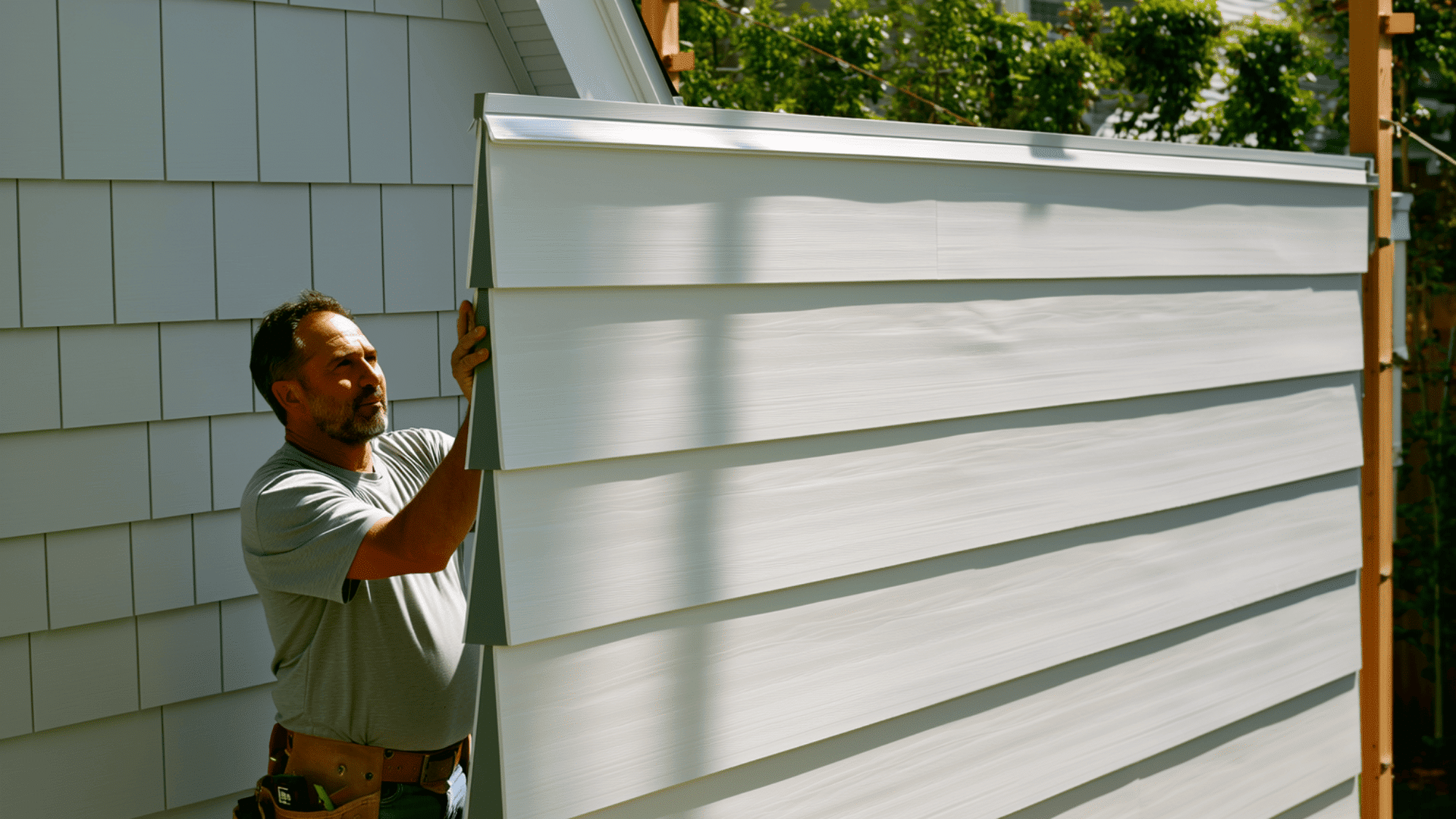
From my experience, vinyl siding is one of the easiest ways to improve a home’s exterior without a lot of ongoing work. It looks clean, protects your walls from the elements, and requires minimal maintenance over time.
That is why many homeowners choose it when planning an upgrade.
But before starting, I know how important it is to understand the total cost. Without a clear idea, it can be hard to set a budget or avoid unexpected expenses later.
In this guide, I will walk you through everything you need to know about the cost to install vinyl siding. I will cover average prices per square foot, material and labor costs, and the main factors that affect pricing.
I will also share hidden costs, simple ways to save money, and whether vinyl siding is worth it in the long run.
Let’s see how much it will cost you!
Average Cost to Install Vinyl Siding Per Square Foot
The cost to install vinyl siding per square foot usually ranges from $5 to $12, depending on materials and labor.
Lower costs include basic siding and simple installation, while higher prices cover premium panels and more detailed work. Costs increase with insulated siding, upgraded finishes, or multi-story homes.
Labor rates, location, and wall condition also affect pricing. Homes with more corners, trims, or design details need extra effort, which raises the overall cost per square foot.
Note: Actual costs vary by location, contractor, and project scope. This is just estimated cost.
Vinyl Siding Material Costs
Materials account for a large share of the total cost. The type you choose and extra items like trim or insulation can change your overall budget.
| Type | Details | Cost Range |
|---|---|---|
| Basic Vinyl Siding | Standard panels, entry-level options, limited colors, easy to install, good for simple homes | $2 to $5 per sq ft |
| Premium Vinyl Siding | Insulated siding, better quality, more colors and textures, looks like wood or stone, lasts longer | $5 to $10 per sq ft |
| Additional Materials | Trim pieces for edges, starter strips for base, insulation boards for better energy use, plus small parts | $1 to $3 per sq ft |
Cost to Install Vinyl Siding Labor
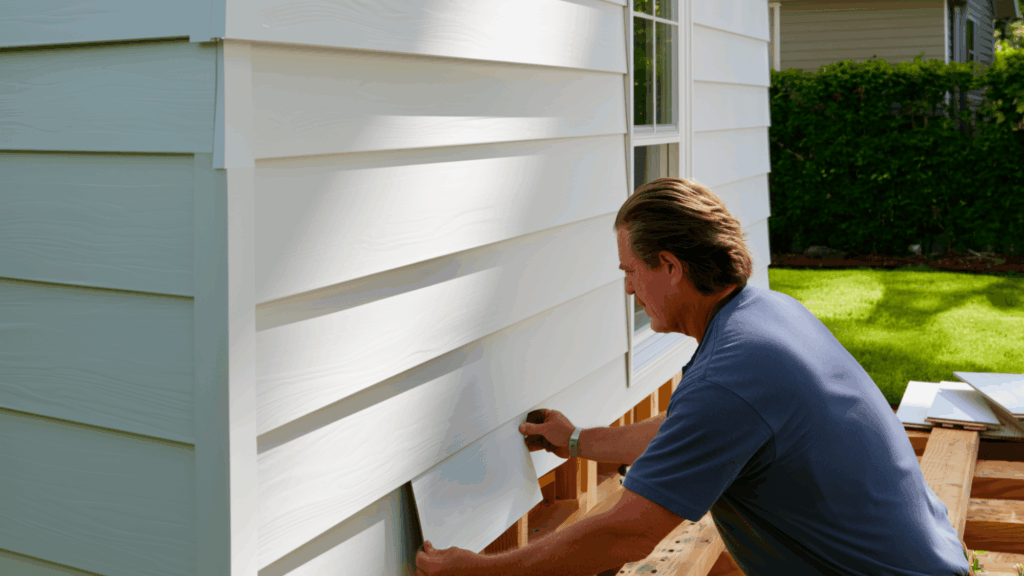
Labor is a major part of the total cost to install vinyl siding. The final price depends on skill level, home design, and the amount of work needed for proper installation.
Average Labor Cost Per Square Foot
Contractors typically charge $40 to $80 per hour, or $2 to $6 per square foot for vinyl siding installation, depending on location and the complexity of the job.
Labor alone accounts for roughly 50% of the total project cost on most homes. Basic labor at the lower end covers straightforward work on flat, single-story walls.
More experienced installers charge toward the upper range, particularly for multi-story homes, homes with intricate rooflines, or projects that require precise cutting around gables and dormers.
What Impacts Labor Cost?
Several factors affect the cost to install vinyl siding labor. Single-story homes cost less, while double-story homes need more time and equipment.
Wall condition also matters, as damaged walls require repair before installation. Removing old siding adds extra labor time and cost.
Homes with complex shapes, more corners, or detailed designs take longer to complete. All these factors increase the total labor cost and should be considered when planning your budget.
Contractor vs DIY Cost
Hiring a contractor increases the cost of installing vinyl siding, but ensures proper installation and fewer mistakes.
DIY installation is possible for experienced homeowners, but it carries real risk. Poor fitting, gaps in moisture barriers, and improper fastening can void manufacturer warranties and lead to water infiltration over time.
I have seen renovation jobs where homeowners saved $2,000 upfront on labor, only to spend more than that a few years later fixing warped panels and mold behind improperly sealed walls.
Contractors also work faster and handle tools safely. While DIY may seem cheaper at first, professional work often provides better long-term results and reduces the chances of costly issues.
Total Cost Breakdown (Materials + Labor)
This table shows how total vinyl siding costs are split, making it easier to understand where most of your budget goes. From my experience, seeing this breakdown early helps plan better and avoid overspending on one part of the project.
This is an estimated cost of a 1,500 sq ft house. Prices may vary.
| Category | Details | Estimated Cost |
|---|---|---|
| Material Cost | Covers siding panels, trim, and insulation (about 60%–70% of total cost) | $5,400 – $10,500 |
| Labor Cost | Covers installation and finishing work (about 30%–40% of total cost) | $3,600 – $4,500 |
| Total Project Cost | Includes materials + labor | $9,000 – $15,000 |
Factors that Affect Vinyl Siding Cost
Several factors can change the total cost of installing vinyl siding. Understanding these helps you plan your budget better and avoid unexpected expenses.
1. Home Size and Shape
The size of your home is one of the biggest factors in total cost. Larger homes need more siding and more labor, which increases the final price.
The shape of the house also plays an important role. Homes with flat, simple walls are easier and cheaper to cover.
Homes with many corners, angles, or sections take more time and effort. This extra work increases both material use and labor cost, raising the overall installation price.
2. Siding Type and Quality
The type and quality of vinyl siding you choose can greatly affect the total cost. Basic siding is more affordable but offers fewer style and color options.
Higher-quality siding costs more because it lasts longer and provides a better look. Insulated siding also increases the price but helps reduce energy bills.
Thicker panels and improved finishes add to the upfront cost. Choosing premium options raises the total cost but can lower maintenance and repair needs over time.
3. Location and Labor Rates
Your location plays a big role in the total installation cost. Labor rates vary depending on the area and demand for contractors. In cities or high-demand areas, labor costs are usually higher.
For reference, average siding installation in New York runs around $12,000, while the same project in Cleveland, Ohio, is closer to $8,000.
Vinyl siding is also more widely available and competitively priced in the Northeast and Midwest, where it performs well through freeze-thaw cycles.
In southern states with extreme heat, vinyl can be more prone to warping, limiting options or pushing costs toward higher-grade panels.
These location-based factors can make the same project cost more or less in different areas.
4. Removal of Old Siding
Removing old siding adds extra cost to the project. Contractors need time and effort to take off existing materials before installing new siding.
This process may also include disposal fees for the removed materials. If the old siding has damage underneath, repairs may be needed before installation.
These additional steps increase labor time and cost. Skipping removal is not always possible, so it is important to include this expense in your budget.
5. Extra Features (Windows, Trim, Insulation)
Extra features like windows, trim, and insulation can increase the total cost of vinyl siding. Areas around windows and doors need careful cutting and fitting, which takes more time and effort.
Old siding removal typically costs $0.70 to $2.00 per square foot. One important point many homeowners miss: you cannot install new vinyl siding directly over existing vinyl.
The old material must come off first, so this cost is unavoidable in most replacement projects.
Homes with more design details require additional materials and labor, increasing the final cost of installing vinyl siding.
Hidden Costs You Should Know
Some extra costs can come up during installation that many homeowners do not plan for. These small expenses can add to the total budget.
- Permits and Inspection Fees: Some areas require permits for siding installation, which adds to the total cost. Inspection fees may also apply to ensure the work complies with local building regulations.
- Disposal Costs: Removing old siding creates waste that needs proper disposal, which adds extra charges. Contractors may include hauling and dump fees in your final bill.
- Repairs Before Installation: Damaged walls or moisture issues must be fixed before new siding is installed. These repairs increase both labor time and overall project cost.
- Accessories and Finishing: Extra items like trims, corner pieces, and fasteners add to the final cost. Finishing work also takes time and increases both material and labor expenses.
- Soffit and Fascia Replacement: If your soffit or fascia is damaged or aging, contractors often suggest replacing it during the same project. This can add hundreds to thousands of dollars but prevents a second mobilization cost.
- House Wrap / Moisture Barrier: A quality moisture barrier under the siding adds cost but is crucial for preventing water infiltration. Skipping it to save money is a common and regrettable shortcut in renovation work.
Cost Comparison With Other Siding Options
This table compares vinyl siding with other common siding options. It highlights differences in cost, maintenance needs, and durability.
| Siding Type | Average Cost (Per Sq Ft Installed) | Maintenance | Durability | Key Point |
|---|---|---|---|---|
| Vinyl Siding | $6 – $12 | Low | 20–30 years | Affordable and easy to maintain |
| Wood Siding | $10 – $20 | High | 20–40 years | Natural look but needs regular care |
| Fiber Cement | $8 – $15 | Medium | 30–50 years | Strong and fire-resistant, but heavier |
| Aluminum Siding | $7 – $13 | Low | 20–40 years | Lightweight and rust-resistant, but can dent easily |
Ways to Save Money on Vinyl Siding Installation
You can lower your total siding cost by making smart choices during planning and installation. Small decisions can help you stay within budget.
- Choose Standard Designs: Standard siding designs cost less than custom styles and are easier to install. They also reduce labor time, helping you save on both materials and installation costs.
- Get Multiple Quotes: Getting quotes from different contractors helps you compare prices and services. It also gives you a better chance to find a fair deal for your project.
- Install During Off-Season: Installing siding during slower seasons may reduce labor costs. Contractors often offer better rates when demand is lower.
- Avoid Unnecessary Upgrades: Skipping extras like premium finishes or add-ons can lower your costs. Focus on essential materials to keep your budget under control.
Is Vinyl Siding Worth the Cost?
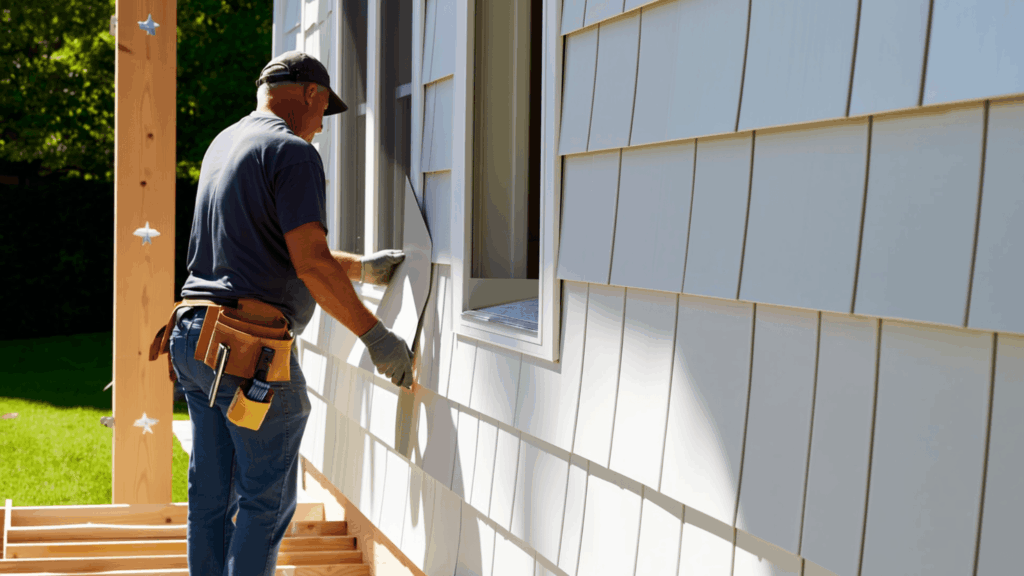
From my experience, vinyl siding is often worth the cost for many homeowners because it offers a good balance of price, durability, and easy care.
It can last around 20 to 30 years or more when installed properly, making it a reliable long-term option. Unlike wood, it does not rot, peel, or attract pests easily.
Maintenance is simple, as it only needs occasional cleaning with water and mild soap to keep it looking clean.
In terms of long-term value, vinyl siding can improve your home’s look and may increase resale value. It also offers basic insulation, which can help lower energy use.
Overall, it is a practical choice for homeowners who want durability without high upkeep.
Final Thoughts
From what I have seen, the cost to install vinyl siding can vary widely depending on your choices and your home’s needs. Small details like siding type, labor, and extra features can quickly change the final price.
That is why I always feel it is important to plan carefully and understand each cost before starting.
In my view, vinyl siding is a solid option if you want something that lasts and requires minimal upkeep. It gives your home a clean look and helps protect it without adding too much stress later.
Before you move forward, I recommend taking time to compare options and set a clear budget. Talk to a few contractors and ask questions so you feel confident.
If you are planning your project soon, start getting quotes today and choose what works best for your home and budget.