

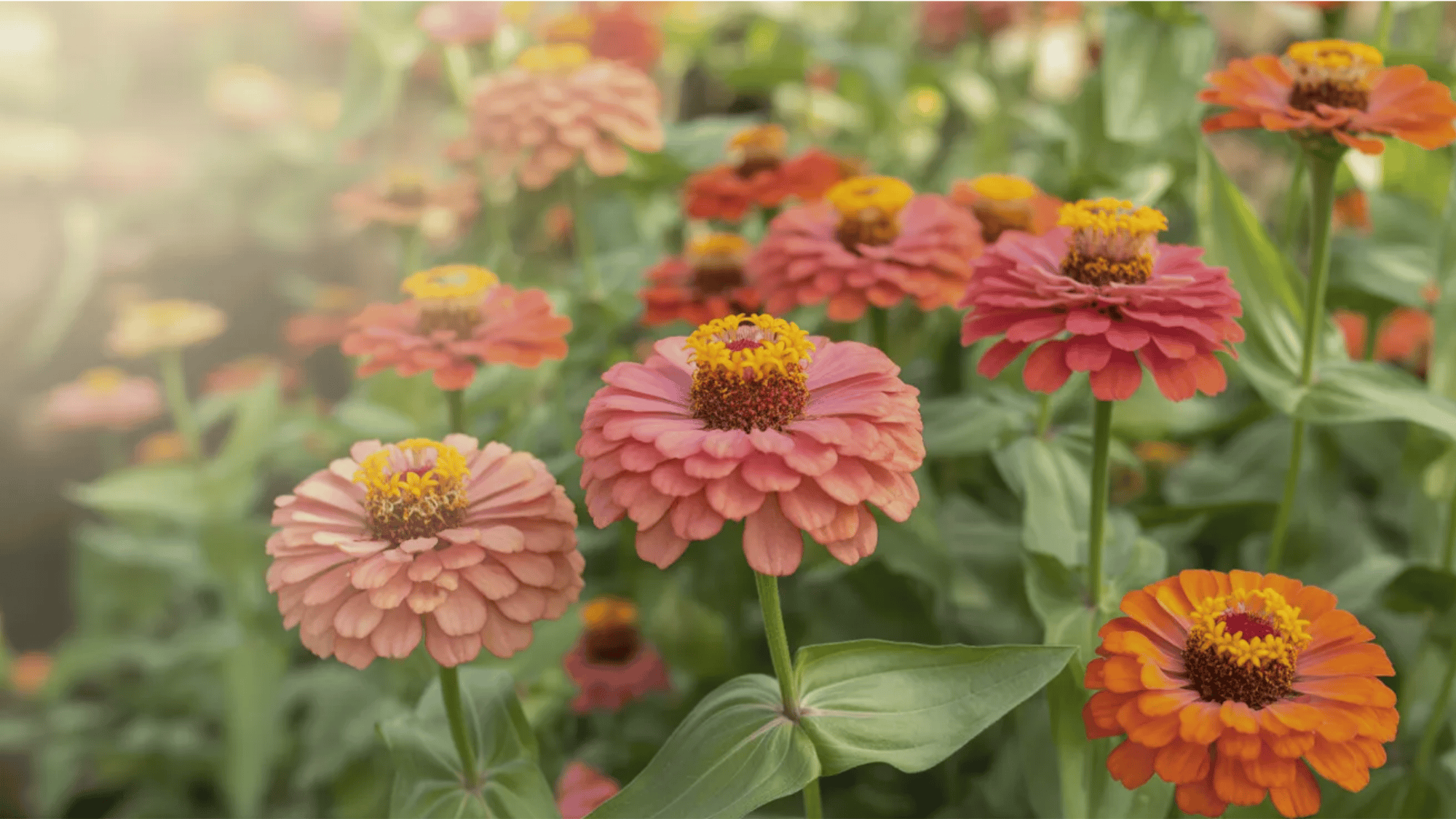
I often see people plant zinnias for their bright colors and easy care.
When I first started growing them, I had the same question many gardeners ask: Do zinnias come back or do they die each year?
If you are planning your flower beds, it helps to know what to expect from these plants.
In this guide, I will explain how zinnias grow and what happens to them after the season ends.
You will learn if they return the next year, how seeds play a role, and what you can do to keep them growing in your garden.
I will also share a few simple tips that helped me keep zinnias blooming longer.
By the end, you will understand how these flowers behave and how to plan your garden so you always have fresh zinnias each year without confusion.
An Overview of the Zinnias
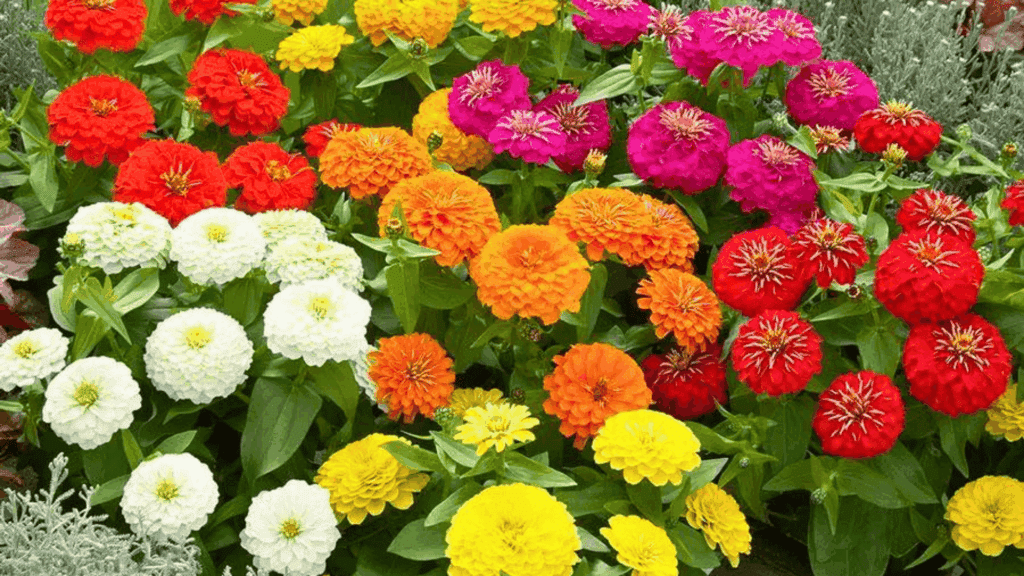
Zinnias are popular garden flowers known for their bright colors and simple care.
You will often see them planted in home gardens, flower beds, and even small pots because they grow fast and bloom for a long time.
These flowers come from Mexico and grow best in warm weather with plenty of sunlight. Zinnias attract butterflies and other helpful insects, which makes them great for pollinator gardens.
Gardeners also like them because they grow quickly from seed and do not need much attention once established.
With proper sunlight and regular watering, zinnias can produce many blooms throughout the summer, adding steady color to outdoor spaces.
Specific details about zinnias:
- Plant type: Zinnias are annual flowers, which means they complete their life cycle in one growing season.
- Flower colors: They grow in many colors, such as red, pink, orange, yellow, white, and purple.
- Plant height: Most varieties grow between 6 inches and 3 feet tall, depending on the type.
- Bloom shape: Flowers can appear single, double, or semi-double with round, layered petals.
- Growing zones: They grow well in USDA zones 3–10 during warm months.
- Common varieties: Popular types include Zinnia elegans, Zinnia angustifolia, and Zinnia haageana.
Do Zinnias Come Back or Die Each Year?
Zinnias grow as annual flowers, which means they live for only one growing season. I plant them in spring, enjoy their blooms through summer, and the plants usually die when cold weather arrives.
Frost ends their life cycle, so the same plant does not grow again the next year. That is why gardeners often replant zinnia seeds each spring.
However, the flowers produce many seeds before they die.
If some of those seeds fall to the ground and stay in the soil, they may grow into new plants the next season. This can make it look like the zinnias came back on their own.
In warm areas with long growing seasons, this happens more often. Still, the original plant does not survive winter.
To keep zinnias in your garden every year, it is best to save seeds or plant fresh ones each spring.
Types of Zinnias
Different zinnia varieties grow in different sizes, shapes, and flower styles. Knowing the main types can help when choosing the right plants for a garden.
- Zinnia Elegans: This is the most common type grown in home gardens. It produces large, colorful flowers and grows well in warm weather with full sunlight. Many popular garden varieties come from this species.
- Zinnia Angustifolia: Also called narrow-leaf zinnia, this type grows shorter and spreads wider. It is known for strong disease resistance and works well in borders, containers, and small garden spaces.
- Zinnia Haageana: Often called Mexican zinnia, this variety has smaller flowers but very bright colors. The plants handle heat well and continue blooming through warm summer conditions.
- Zinnia Profusion Series: This hybrid type is popular for its strong disease resistance and steady blooming. The plants stay compact and are commonly used in garden beds and landscaping.
- Zinnia Zahara Series: Zahara zinnias grow well in hot and dry conditions. They produce many flowers and are known for their ability to resist common plant diseases.
- Zinnia Dreamland Series: These zinnias grow as compact plants with large blooms. They are often chosen for flower beds, edging, and container gardening because of their uniform growth.
Best Conditions for Growing Zinnias
Zinnias grow best when they receive the right mix of sunlight, soil, and basic care. When these conditions are met, the plants grow faster and produce more flowers.
1. Well-Drained Soil
Zinnias prefer soil that drains water easily and does not stay wet for long periods. Soil that holds too much water can cause root rot and weaken the plants.
Loose garden soil allows water to pass through while still holding enough moisture for growth.
Adding compost can help improve soil texture and support healthy roots. Good drainage also reduces the risk of common plant problems.
When soil stays light and airy, zinnias grow stronger and produce better flowers throughout the growing season.
2. Proper Plant Spacing
Proper spacing helps zinnias grow stronger and stay healthier. Leaving enough space between plants allows air to move freely around the leaves and stems.
Good airflow reduces moisture buildup and lowers the chance of plant diseases.
Most zinnias grow well when spaced about 8 to 12 inches apart, depending on the variety. Plants that grow too close together compete for sunlight, water, and nutrients.
Giving each plant enough room helps it grow fuller and produce more flowers during the blooming season.
3. Moderate Watering
Zinnias grow best when the soil stays slightly moist but not overly wet. Watering should be done when the top layer of soil begins to dry out.
Deep watering helps the roots grow stronger and reach deeper into the soil. It is better to water the base of the plant rather than the leaves to reduce the risk of fungal problems.
Too much water can damage the roots and slow plant growth.
Balanced watering helps the plants stay healthy and continue producing flowers through the season.
4. Warm Weather
Zinnias grow best in warm temperatures and sunny conditions. Seeds should be planted after the last frost when the soil becomes warm enough for germination.
Cold weather can damage young plants and stop growth. Warm soil helps seeds sprout faster and supports steady plant development.
Zinnias often grow well when temperatures stay between 70 and 85 degrees Fahrenheit.
A warm environment encourages strong stems, healthy leaves, and many colorful flowers during the summer months.
Tips to Help Zinnias Grow Back
Zinnias can surprise you by returning year after year with a little extra care. Follow these tips to give your zinnias the best chance of growing back naturally.
- Deadhead regularly: Remove spent blooms often to keep the plant producing more flowers throughout the season, encouraging continuous growth and vibrant blooms.
- Let some flowers go to seed: Stop deadheading toward the end of summer and let a few flowers dry out fully on the stem, ensuring they produce seeds for next season.
- Add mulch before winter: Try not to disturb the soil too much over winter, so the seeds stay where they fell, allowing them to naturally reseed for the next season.
- Avoid heavy digging: Try not to disturb the soil too much over winter so the seeds stay where they fell, allowing them to naturally reseed for the next season.
- Choose the right spot: Plant zinnias in a sunny, well-drained area where fallen seeds won’t get waterlogged or shaded out during winter months.
- Avoid heavy raking in fall: Raking too aggressively can remove seeds from the soil surface, so go easy on cleanup in areas where you want zinnias to return.
Best Companion Plants for Zinnias
Some plants grow well near zinnias and help the garden stay healthy. These plants can support pollinators, improve soil, or help reduce pests.
- Marigolds: Marigolds grow well beside zinnias because they enjoy the same sunny conditions and similar soil. Their strong scent can help reduce some garden pests, which helps nearby flowers stay healthier.
- Cosmos: Cosmos and zinnias share similar growing needs, including full sun and well-drained soil. These flowers bloom at the same time and attract many pollinators such as bees and butterflies.
- Sunflowers: Sunflowers grow tall and create a natural background behind shorter flowers like zinnias. Both plants thrive in warm weather and bright sunlight, making them easy to grow together.
- Salvia: Salvia pairs well with zinnias because it also enjoys sunny garden beds. The flowers attract bees and hummingbirds, which helps increase pollination activity in the garden.
- Basil: Basil grows well in sunny garden spaces and can sit near flower beds with zinnias. Its scent may help discourage some pests while also attracting pollinators.
Conclusion
Zinnias are one of the easiest flowers to grow, but knowing how they behave through the seasons makes gardening much easier.
These plants do not survive winter, yet their seeds can grow again the next year if the conditions are right.
Once this is clear, planning flower beds and keeping blooms each summer becomes easier.
Saving seeds, allowing a few flowers to dry, and choosing the right planting spot can make a big difference. Small steps like these help keep the garden full of zinnias without much effort.
Gardening often comes down to trial and experience. If zinnias have grown in your garden before, your results may be different from others.
Share your experience in the comments below and let other readers know if your zinnias came back the following year.
Frequently Asked Questions
What to Do with Zinnias at the End of the Season?
At the end of the season, remove dead zinnia plants after frost. Save dried flower heads to collect seeds for next year, or leave some in the soil so they can reseed naturally.
Why Are Zinnias Considered a Dirty Flower?
Zinnias are sometimes called a “dirty flower” because they can drop a lot of petals as they age. The fading blooms may also turn brown and look messy on the plant, especially if they are not removed regularly.
What Not to Plant Next to Zinnia?
Avoid planting potatoes, cucumbers, melons, pumpkins, and corn near zinnias. These plants compete for nutrients and space or attract pests and diseases that can harm nearby zinnia plants.