

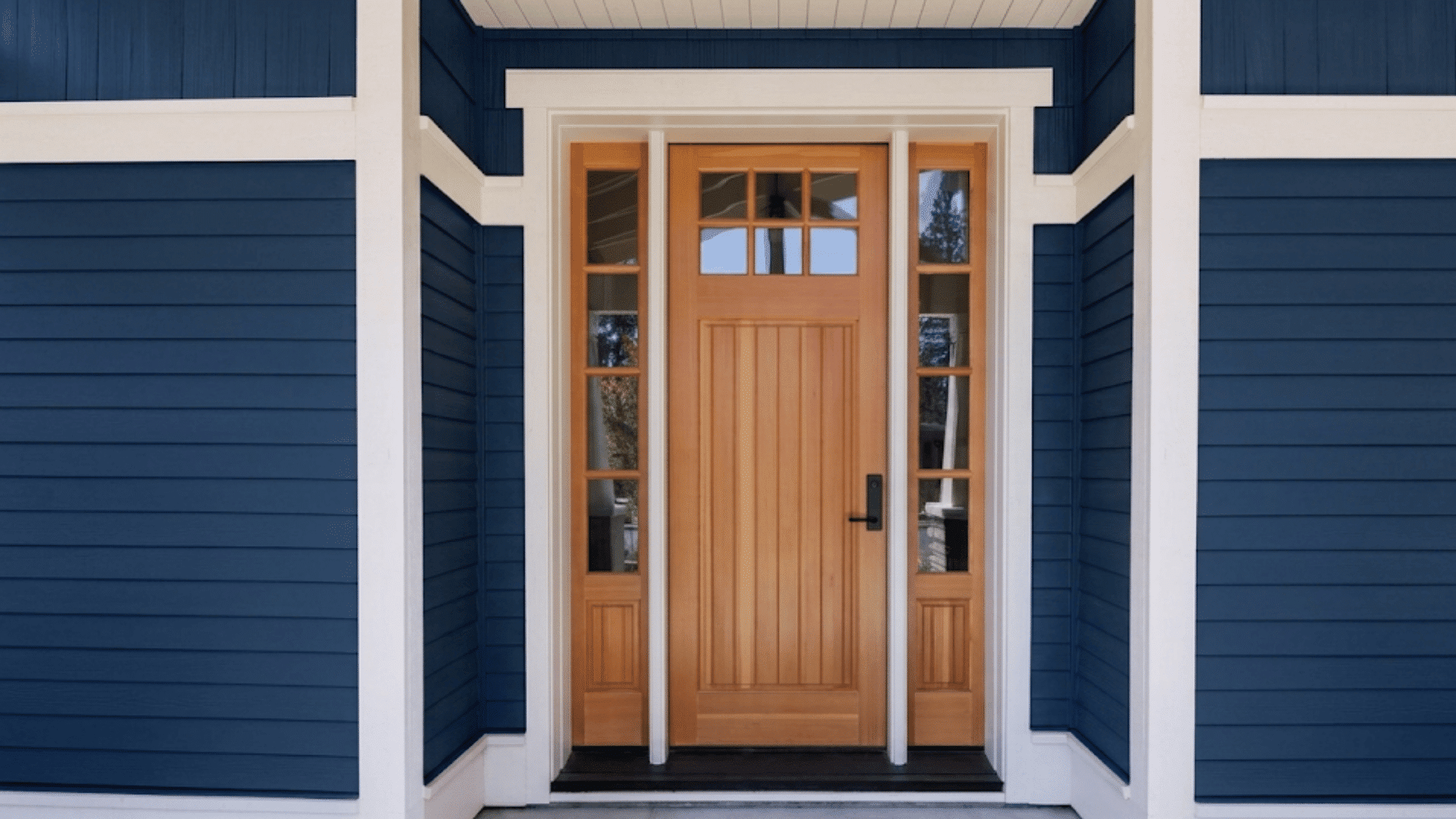
Door casing styles play a significant role in shaping the overall appearance of an interior. Beyond framing a doorway, these trim details add structure, highlight architectural features, and contribute to a refined finish throughout a home.
From sleek contemporary profiles to detailed heritage-inspired designs, each option brings a distinct aesthetic that influences the atmosphere of a space.
In this guide, you’ll find some popular door casing styles, including modern, craftsman, farmhouse, colonial, Victorian, and minimalist designs.
To help you choose a door casing that complements your home’s layout, décor, and architectural identity.
Popular Door Casing Styles for Every Home
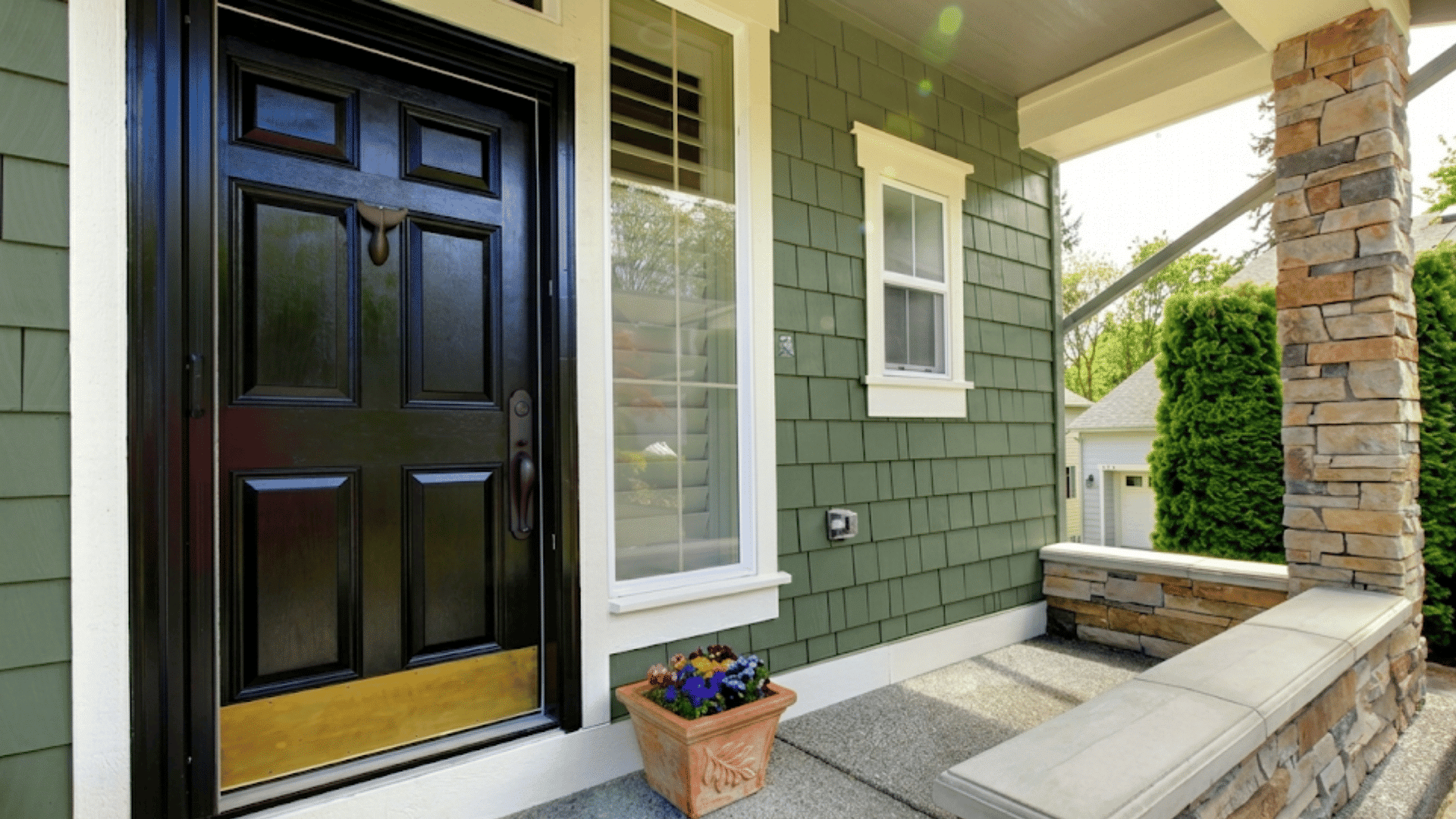
Door casing styles define the visual frame around entryways and play a key role in shaping interior character.
1. Traditional Door Casing Style
Traditional door casing styles bring classic elegance with layered trim profiles and decorative detailing.
This style enhances interior depth and suits heritage-inspired spaces that value symmetry and refined finishing touches.
It is often used to create a formal architectural presence, making rooms feel more structured and visually balanced.
- Key Features: Layered molding, decorative edges, and balanced proportions that create a formal visual appeal
- Best Interior Styles: Colonial, Victorian, classic luxury homes, and transitional spaces with traditional accents
- Pros and Cons: Strong visual richness and timeless look, but may require more cleaning due to detailed grooves and installation precision
- Design Inspiration: Works well with white or neutral paint, crown molding, classic hardware finishes, and symmetrical room layouts
2. Modern Door Casing Style
Modern door casing styles focus on simplicity, straight lines, and clean finishes. This design approach supports a clutter-free look that blends well with contemporary interiors and open-plan layouts.
It emphasizes function-driven design while maintaining a sleek architectural appearance.
- Key Features: Smooth surfaces, sharp edges, minimal detailing, and streamlined proportions for a sleek appearance
- Best Interior Styles: Contemporary, minimalist, Scandinavian, urban apartments, and industrial-inspired interiors
- Pros and Cons: Easy to maintain and visually clean, but may feel too plain for ornate or traditional spaces
- Design Inspiration: Pairs well with neutral color palettes, matte finishes, large windows, and modern furniture designs
3. Craftsman Door Casing Style
Craftsman door casing styles emphasize solid construction and simple geometry, with wider trim boards.
This design reflects craftsmanship and works well in homes that emphasize natural materials and grounded aesthetics.
It delivers a strong architectural presence without excessive decoration.
- Key Features: Wide trim boards, flat surfaces, strong proportions, and minimal ornamentation for a sturdy appearance
- Best Interior Styles: Craftsman homes, farmhouse interiors, bungalows, rustic spaces, and transitional designs
- Pros and Cons: Durable and visually strong with timeless appeal, but wider trim may not suit compact rooms
- Design Inspiration: Combines well with natural wood tones, matte black hardware, built-in furniture, and earthy color palettes
4. Farmhouse Door Casing Style
Farmhouse door casing styles bring a warm and natural feel with simple yet bold trim profiles.
This design is widely used in rustic-inspired homes where comfort, texture, and organic materials define the interior look.
While it offers strong warmth and visual appeal, it may not suit highly modern or glossy interior styles that prioritize sleek minimalism.
- Key Features: Thick trim boards, simple profiles, natural wood finishes, and slightly rustic detailing for a cozy appearance
- Best Interior Styles: Farmhouse homes, country-style interiors, rustic cabins, and modern farmhouse layouts
- Pros and Cons: Offers a warm and inviting look with strong character, but may not suit ultra-modern or highly formal spaces
- Design Inspiration: Works well with shiplap walls, neutral tones, black hardware accents, and reclaimed wood elements
5. Colonial Door Casing Style
Colonial door casing styles feature balanced proportions and subtle decorative detailing. This design reflects historical architecture and adds a structured, elegant touch to interior spaces.
The style focuses on proportion and simplicity while still maintaining a classic decorative character.
While it offers strong architectural appeal, it may feel less aligned with highly modern or minimalist interiors that prioritize ultra-sleek design elements.
- Key Features: Symmetrical trim design, refined edges, slightly decorative profiles, and a structured appearance for a classic feel
- Best Interior Styles: Colonial homes, traditional interiors, heritage properties, and formal living spaces
- Pros and Cons: Timeless and elegant design, but may feel less suitable for ultra-modern interiors
- Design Inspiration: Pair with neutral wall colors, classic furniture pieces, and traditional molding combinations
6. Victorian Door Casing Style
Victorian door casing styles are known for ornate detailing and intricate craftsmanship. This style adds richness and decorative depth to interiors with historical or luxury-inspired themes.
While visually striking, it requires regular upkeep and may feel too heavy for minimalist or ultra-modern interiors.
It pairs well with rich color palettes, patterned wallpapers, antique furnishings, and traditional lighting elements to enhance its dramatic appeal
- Key Features: Intricate carvings, layered trims, decorative molding patterns, and elaborate finishing details
- Best Interior Styles: Victorian homes, heritage renovations, luxury interiors, and formal dining or entry areas
- Pros and Cons: Highly decorative and visually striking, but requires more maintenance and may overwhelm simple interiors
- Design Inspiration: Complements rich wall colors, antique furniture, gold accents, and vintage-inspired décor
7. Minimalist Door Casing Style
Minimalist door casing styles focus on simplicity and clean visual flow. This approach removes unnecessary detailing to create a smooth and modern architectural transition.
The design reflects classic architectural heritage and brings a sense of elegance and grandeur to interior spaces.
While the design avoids ornamentation, it enhances spatial clarity and creates a cohesive look that feels open, balanced, and classic in modern interiors.
- Key Features: Slim profiles, flat surfaces, straight edges, and absence of decorative elements for a clean finish
- Best Interior Styles: Minimalist homes, modern apartments, Scandinavian interiors, and contemporary open spaces
- Pros and Cons: Easy to maintain and visually light, but may lack decorative presence in traditional spaces
- Design Inspiration: Works well with neutral tones, seamless wall finishes, hidden hardware, and uncluttered interiors
8. Rustic Door Casing Style
Rustic door casing styles emphasize natural textures and raw finishes. This design brings an earthy, organic feel that connects interior spaces to natural elements.
They pair beautifully with stone walls, wooden beams, and warm lighting to enhance a cozy environment.
While the design adds strong character, it may not suit highly modern or polished spaces, making it best for interiors that embrace natural imperfection and texture.
- Key Features: Distressed wood finishes, uneven textures, natural grain patterns, and earthy tones for a raw aesthetic
- Best Interior Styles: Rustic homes, mountain cabins, countryside interiors, and lodge-style spaces
- Pros and Cons: Creates strong natural character, but may not align with modern or polished interiors
- Design Inspiration: Pair with stone walls, wooden beams, warm lighting, and handcrafted furniture pieces
9. Flat Stock Door Casing Style
Flat stock door casing styles use simple, straight-cut boards without decorative shaping. Its smooth, flat surface allows for easy painting and consistent finishing across all door frames.
This design is widely used in modern interiors where clean structure and minimal detail are preferred.
While it may appear understated compared to decorative profiles, its simplicity helps maintain visual balance and works well with modern furniture and neutral color schemes.
- Key Features: Smooth flat boards, straight edges, no ornamentation, and a simple linear profile for a neat finish
- Best Interior Styles: Modern homes, minimalist interiors, contemporary apartments, and budget-friendly renovations
- Pros and Cons: Cost-effective and easy to install, but may appear plain in highly decorative interiors
- Design Inspiration: Works well with neutral walls, simple furniture, matte finishes, and uncluttered layouts
10. Beaded Door Casing Style
Beaded door casing styles feature a subtle groove or bead detail along the trim edge. This small accent adds depth while keeping the overall design elegant and balanced.
The fine detailing introduces a gentle texture that enhances the doorway frame without overpowering the surrounding interior.
While it improves aesthetic appeal, it requires careful cleaning in grooved areas to maintain a neat appearance over time.
- Key Features: Thin bead detailing, soft decorative groove, refined edge design, and balanced proportions for subtle texture
- Best Interior Styles: Transitional homes, classic interiors, cottage-style spaces, and traditional-modern blends
- Pros and Cons: Adds gentle detail without overpowering space, but may require careful cleaning in grooved areas
- Design Inspiration: Complements soft color palettes, vintage décor elements, and layered wall textures
11. Backband Door Casing Style
Backband door casing styles combine a primary trim with an additional outer molding layer. This creates depth and a more prominent architectural frame around door openings.
It is often used to elevate standard casing designs into more detailed and refined interior features.
This style is commonly found in traditional and transitional interiors where added trim complexity supports a richer architectural look.
- Key Features: Dual-layer trim design, extended profile depth, bold framing effect, and enhanced architectural presence
- Best Interior Styles: Traditional homes, upscale interiors, transitional designs, and custom-built residences
- Pros and Cons: Strong visual impact and added depth, but requires more material and precise installation
- Design Inspiration: Works well with crown molding, decorative baseboards, and classic interior finishes
12. Picture Frame Door Casing Style
Picture-frame door casing styles create a framed effect around the doorway, similar to artwork framing. This style enhances visual focus and adds structured detail to walls.
It works well with accent walls, neutral palettes, and minimal décor, allowing the framed structure to stand out.
The design often uses clean, measured lines to create symmetry, making the doorway feel more intentional within the overall interior layout.
- Key Features: Rectangular framing layout, balanced proportions, defined edges, and structured wall integration
- Best Interior Styles: Modern classic homes, transitional interiors, gallery-style spaces, and refined contemporary designs
- Pros and Cons: Adds strong visual definition, but may not suit very small or heavily decorated rooms
- Design Inspiration: Pairs well with accent walls, minimalist décor, and monochromatic color schemes
13. Contemporary Square-Edge Door Casing Style
Contemporary square-edge door casing styles focus on sharp geometry and precise lines.
Square-edge casings are often preferred in urban homes, modern apartments, and minimalist interiors where architectural precision is a priority.
It creates a clean visual frame around doorways, emphasizing straight edges and balanced proportions without decorative detailing.
- Key Features: Crisp square edges, flat surfaces, sharp profile definition, and clean structural lines for a modern finish
- Best Interior Styles: Contemporary homes, urban apartments, minimalist spaces, and modern luxury interiors
- Pros and Cons: Offers a refined modern look with easy maintenance, but may feel too plain in traditional settings
- Design Inspiration: Works well with glass elements, neutral palettes, smooth walls, and modern lighting fixtures
14. Arched Door Casing Style
Arched door casing styles highlight curved architectural lines, softening interior transitions. This design adds elegance and uniqueness to entryways and passage areas.
It replaces rigid angles with smooth curves, creating a more fluid and visually pleasing connection between rooms.
This style is often chosen to enhance architectural charm while adding a sense of openness and refined detail.
- Key Features: Curved top design, soft structural flow, decorative framing, and custom-shaped trim profiles
- Best Interior Styles: Mediterranean homes, luxury villas, classic interiors, and custom architectural spaces
- Pros and Cons: Visually elegant and distinctive, but requires custom installation and precise craftsmanship
- Design Inspiration: Complements textured walls, warm tones, ornate décor, and statement entry designs
15. Custom Decorative Door Casing Style
Custom decorative door casing styles offer personalized design options, including unique patterns, shapes, and layered trim.
It allows flexibility in combining materials, profiles, and detailing to match specific design themes, from modern luxury to classic elegance.
These casings are often used in statement areas such as entryways, living rooms, or feature walls where visual impact is important.
- Key Features: Bespoke design elements, mixed trim profiles, decorative enhancements, and tailored architectural detailing
- Best Interior Styles: Luxury homes, designer interiors, statement spaces, and high-end renovations
- Pros and Cons: Highly customizable and visually striking, but typically more expensive and installation-intensive
- Design Inspiration: Pairs well with bold interiors, feature walls, premium materials, and artistic design concepts
Door Casing Materials: What to Consider Before Choosing a Style
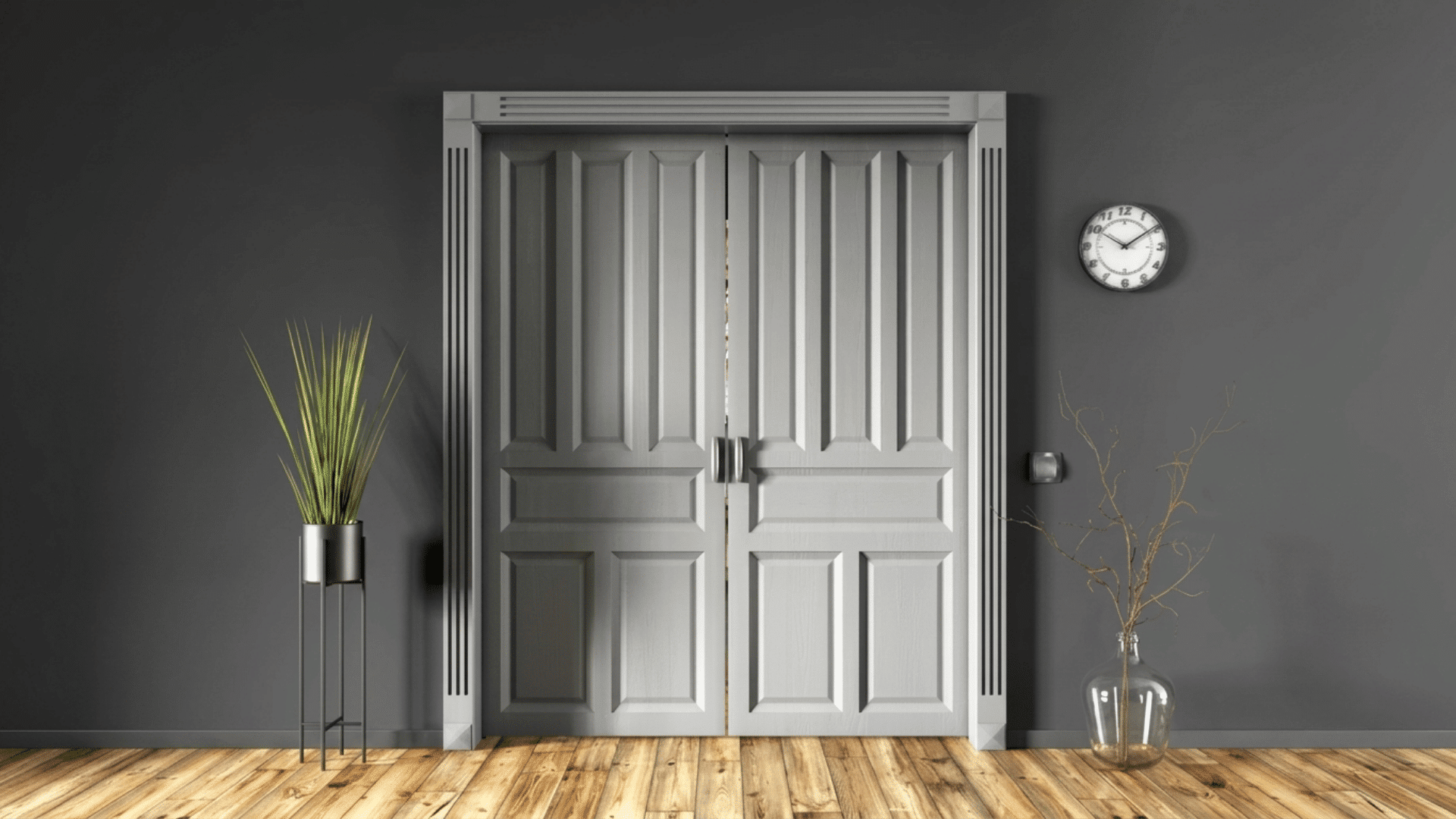
Selecting the right door casing materials is important for durability, appearance, and long-term performance.
1. Solid Wood Door Casings
Solid wood door casings offer a natural, premium appearance and strong structural integrity. It can withstand daily wear and retain its shape when properly treated and cared for.
They are widely used in both traditional and modern interiors for their rich texture and long-lasting appeal.
With proper care, solid wood door casings remain a high-quality choice for elegant interiors, offering a balance of natural beauty, strength, and timeless design value.
- Benefits: Strong durability, natural grain appearance, premium finish, easy refinishing, long service life
- Drawbacks: Higher cost, sensitive to humidity changes, requires regular maintenance, may warp in extreme conditions
- Popular wood species: Oak, Pine, Maple, Cherry, Teak
2. MDF Door Casings
MDF door casings are made from engineered wood fibers and provide a smooth, uniform surface ideal for painted finishes.
They are commonly used in budget-friendly and modern interior projects. It is widely preferred for interior applications where visual consistency and smooth texture are important.
This material delivers a clean and consistent look, making it suitable for spaces that prioritize simple design and cost efficiency.
- Benefits: Affordable pricing, smooth surface, easy painting, consistent finish, widely available
- Drawbacks: Less moisture resistance, lower strength than solid wood, not suitable for wet areas, limited lifespan in harsh conditions
- Best applications: Interior rooms, apartments, painted trim designs, low-moisture environments
3. PVC and Composite Door Casings
PVC and composite door casings are designed for high durability and moisture resistance. These materials are ideal for areas exposed to humidity or frequent temperature changes.
They are available in various finishes that can mimic wood-like textures or modern smooth surfaces, allowing flexibility in interior design planning.
Unlike natural wood, they do not absorb water easily, which helps prevent swelling, cracking, or decay over time.
- Benefits: Moisture-resistant, low maintenance, termite-proof, long-lasting performance, easy installation
- Drawbacks: Limited natural texture, may look less premium, fewer finishing options, can feel synthetic in appearance
- Moisture-resistant advantages: Suitable for bathrooms, kitchens, basements, and coastal regions where humidity levels are high
Each material type offers distinct strengths depending on room conditions, budget, and design preferences.
Trending Door Casing Ideas for Modern Homes
Modern interiors are evolving with fresh and creative door casing styles that focus on clean design, bold contrast, and natural textures.
| Idea | Description | Best Use |
|---|---|---|
| Oversized Door Casings | Wide trims that create strong visual framing and highlight door openings | Large rooms, luxury interiors |
| Dark Painted Trim | Deep tones that add contrast and define architectural edges | Modern, industrial spaces |
| Natural Wood Finishes | Warm wood textures that bring organic character and softness | Contemporary, rustic homes |
| Mixed Material Designs | A combination of wood, metal, or painted surfaces for a unique look | Designer and custom interiors |
| Minimalist Square Profiles | Clean, sharp edges with no decorative detailing | Minimal, Scandinavian spaces |
| Statement Entryway Casings | Bold designs that highlight main entrances and focal points | Entry halls, luxury homes |
These trends enhance visual appeal while maintaining a balanced architectural look.
Common Mistakes to Avoid when Selecting Door Casing Styles
Choosing the right door casing styles requires attention to design balance, material selection, and overall interior harmony.
- Ignoring Architectural Consistency: Selecting a casing style that does not match the home’s overall design theme can disrupt visual harmony and make interiors feel disconnected.
- Choosing the Wrong Trim Width: Oversized or undersized trim can affect room proportions, making spaces feel unbalanced or visually heavy.
- Overlooking Material Durability: Ignoring environmental factors such as moisture and usage levels may lead to premature wear or damage over the.
- Mixing Too Many Trim Profiles: Using multiple casing styles in a single space can create a cluttered, inconsistent design.
- Forgetting About Maintenance Requirements: Some designs require regular cleaning or upkeep, especially those with detailed grooves or natural wood finishes.
DIY vs Professional Door Casing Installation
Choosing between DIY and professional door casing installation depends on skill level, available tools, budget, and the required finish quality.
| DIY Installation Benefits | When to Choose Professional Installation | Estimated Cost Factors |
|---|---|---|
| Lower cost as no labor charges are needed | Complex or uneven door frames | Material type (wood, MDF, PVC) |
| Suitable for simple home projects | When high precision and a clean finish are required | Labor cost (varies by location) |
| Flexible timing and self-paced work | If you don’t have tools or experience | Door size and design complexity |
| Good for basic repairs or small upgrades | When multiple doors need uniform finishing | Extra finishing (paint, polish, sealant) |
| Helps improve DIY skills | When quick and professional results are needed | Tool cost if doing it yourself |
Door Casing Maintenance Tips
Proper maintenance helps extend the life of door casings and keeps them looking clean and well-finished. Regular care also prevents damage caused by dust, moisture, daily handling, and environmental changes over time.
- Cleaning painted casings: Wipe with a soft cloth and mild cleaner to remove dust, fingerprints, and light stains without harming the paint finish.
- Caring for natural wood trim: Use a dry or slightly damp cloth and apply wood polish occasionally to preserve shine, color, and surface texture.
- Preventing moisture damage: Keep areas dry, avoid water exposure, and maintain proper ventilation in humid spaces like bathrooms and kitchens.
- Repairing minor scratches and dents: Use wood filler, touch-up paint, or polish to restore smoothness and maintain a neat appearance.
- Regular inspection: Check for early signs of wear, peeling paint, or loosening joints to address issues before they worsen.
- Avoid harsh chemicals: Do not use strong cleaners or abrasive materials that can damage the surface or reduce finish quality.
Comparing Door Casing Styles: Which One Is Right for Your Home?
Selecting suitable door casing styles depends on interior theme, space layout, and architectural flow. This table gives a clear overview to help match each design with the right home setting.
| Category | Description | Suitable Styles |
|---|---|---|
| Best for Traditional Homes | Classic trims with balanced proportions and refined detailing | Traditional, Colonial, Victorian |
| Best for Modern Homes | Clean profiles with minimal detailing and smooth finishes | Modern, Minimalist, Square-Edge |
| Best for Farmhouse Interiors | Natural textures with warm and simple design elements | Farmhouse, Craftsman, Rustic |
| Best for Luxury Spaces | Detailed and custom designs with strong visual presence | Victorian, Backband, Custom Decorative |
| Best for Small Rooms | Slim, simple trims that maintain open visual flow | Flat Stock, Minimalist, Modern |
| Best for Large Open-Concept Homes | Bold framing styles that define wide openings clearly | Craftsman, Picture Frame, Backband |
Conclusion
Proper installation and regular maintenance of door casings play an important role in enhancing both durability and appearance.
Choosing between DIY and professional installation depends on skill level, budget, and finishing expectations.
While DIY can reduce costs for simple projects, professional work ensures precision and a polished result.
Ongoing care, including gentle cleaning, moisture control, and timely repairs, helps preserve the quality of casings over time.
With the right approach to installation and upkeep, door casings can remain strong, attractive, and long-lasting, adding value and refinement to any interior space.
Frequently Asked Questions
What Is the Difference Between Door Casing and Door Molding?
Door casing is the trim that frames a doorway, while door molding is a general term for decorative trim on doors, walls, and ceilings.
What Door Trim Is in Style?
Simple modern trims, flat stock profiles, and natural wood finishes are widely preferred in current interior design trends.
What Are the Three Types of Molding?
The three main types include base molding for floors, crown molding for ceilings, and casing molding for doors and windows.
What Makes a Home Look Outdated?
Heavy ornamental trims, mismatched design styles, and overly detailed profiles can make interiors feel less modern and visually unbalanced.
Which Door Casing Style Works Best for Modern Homes?
Minimalist, square-edged, flat-stock door casing styles work best for modern homes due to their clean lines and simple structure.