

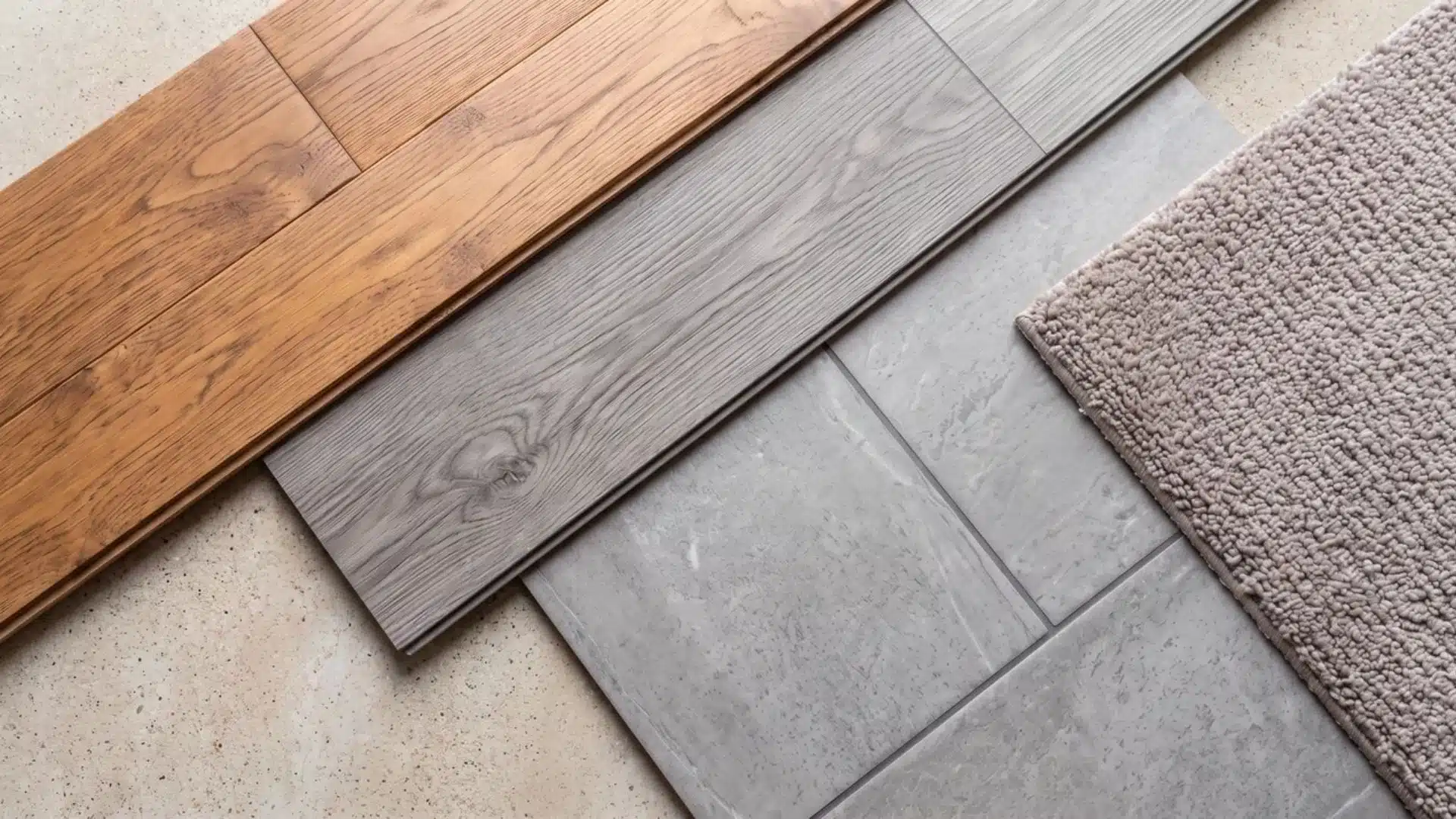
I have seen homeowners choose a floor based on showroom lighting, then regret it once daily life puts it to the test.
A surface can look perfect under displays and still fail under moisture, pets, heavy traffic, or an uneven subfloor. The real difference between flooring types is not just appearance.
It comes down to how each material is built, where it performs well, how much care it needs, and whether it suits the room underneath it. I usually recommend starting with the room, not the color or pattern.
A practical match saves money, prevents early repairs, and gives you a floor that lasts. Before you buy, learn what each option costs, how it handles wear, and where it belongs.
What Actually Separates One Flooring Type From Another?
Flooring types differ because of how they are made, not simply how they look. Their construction affects durability, moisture resistance, maintenance, comfort, and installation requirements.
Common options include solid hardwood, engineered hardwood, luxury vinyl plank, laminate, porcelain and ceramic tile, natural stone, carpet, linoleum, and bamboo. Each material reacts differently to water, heavy traffic, temperature changes, and uneven subfloors.
One common mistake is treating waterproof and water-resistant flooring as the same. Waterproof materials tolerate greater moisture exposure, while water-resistant products provide limited protection. The layered water-resistant flooring structure also affects how well moisture is kept away from the subfloor.
Before choosing a floor, check the room’s moisture level, expected foot traffic, and subfloor condition. These factors should guide the decision before color, texture, or pattern enters the process.
Real and Engineered Wood Flooring
Wood flooring brings a warmth no other material fully replicates, and it stays my first recommendation whenever budget and room conditions allow it.
1. Solid Hardwood
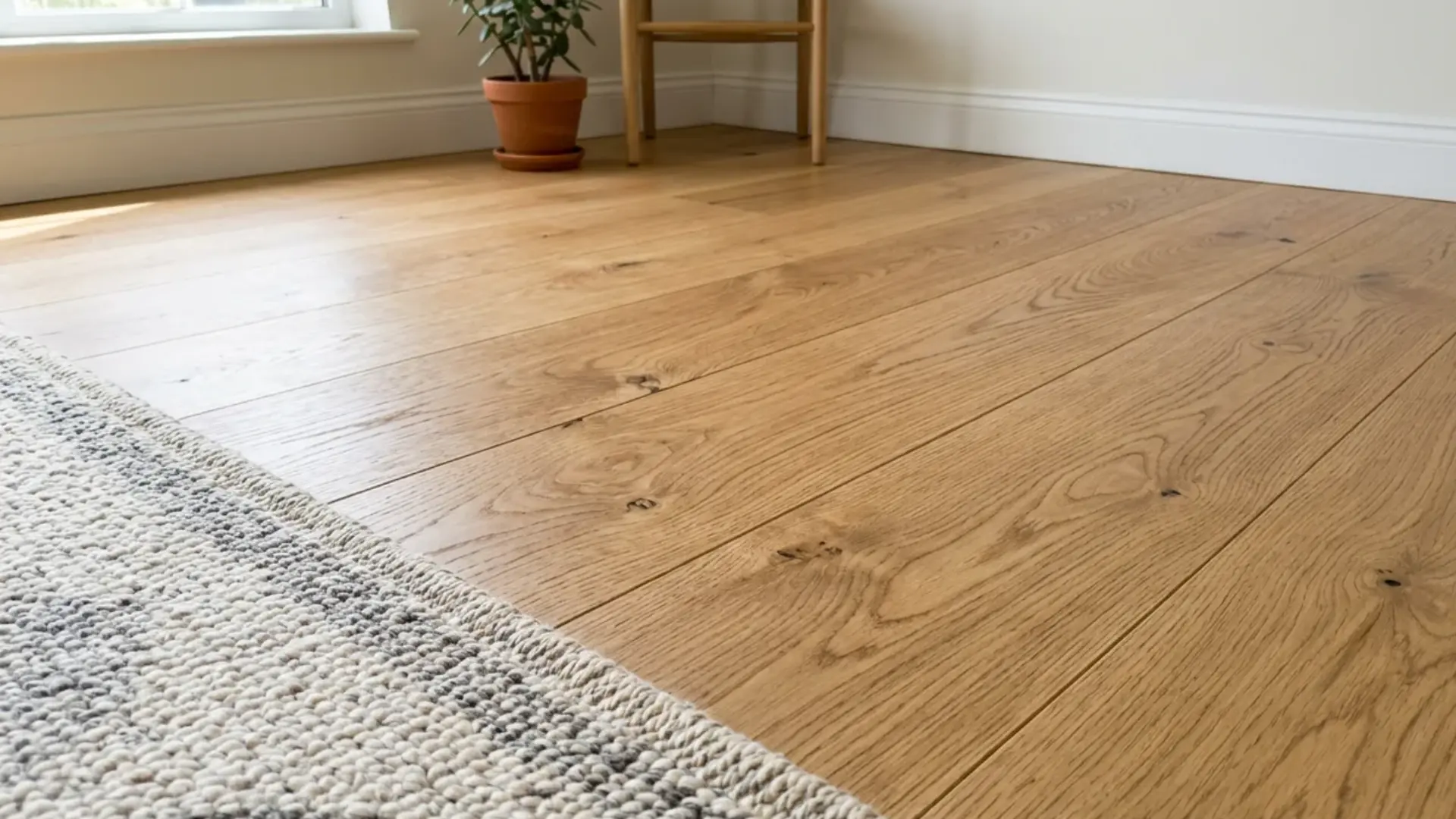
Solid hardwood is cut from one piece of timber, giving it a durable structure that can be sanded and refinished several times throughout its long service life in most homes.
- Built from: One solid piece of milled wood, installed tongue-and-groove or nailed directly to the subfloor.
- Works best in: Living rooms, dining rooms, and bedrooms where temperature and humidity stay stable.
- Lifespan: 25 to 100+ years, refinishable multiple times, at $8 to $15 per square foot installed.
- Watch out for: Humidity swings, since the National Wood Flooring Association doesn’t recommend it for basements or bathrooms.
Tip: Daily cleaning, moisture control, furniture pads, and other hardwood protection habits can reduce surface damage and help the finish last longer.
2. Engineered Hardwood
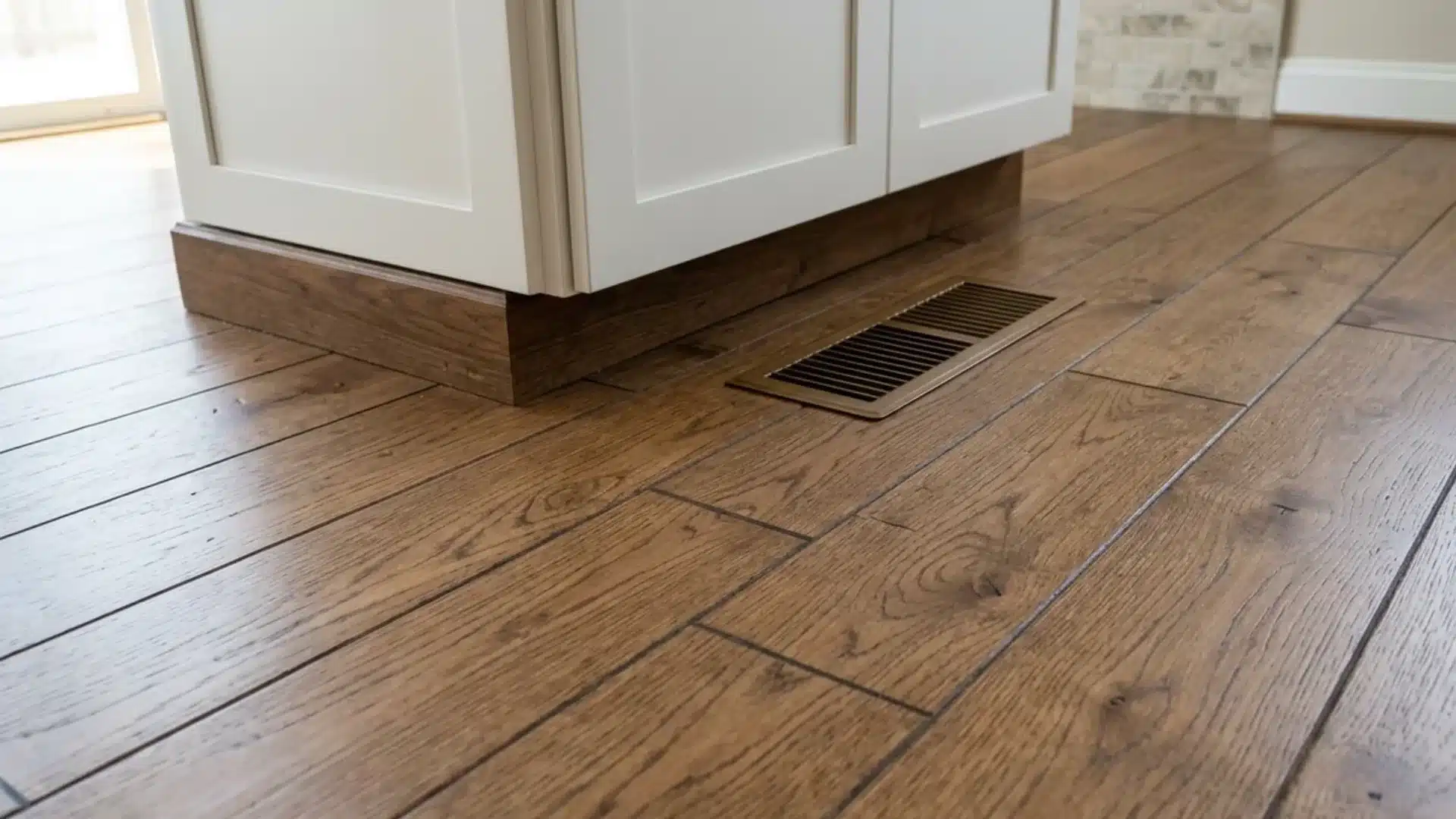
Engineered hardwood combines a genuine wood veneer with a layered plywood core. This construction improves stability, making it a practical real wood choice for basements, concrete subfloors, and rooms with changing humidity.
- Built from: A thin hardwood veneer bonded to a cross-layered plywood core for added stability.
- Works best in: Rooms with radiant heat systems, below-grade spaces, and kitchens.
- Lifespan: 20 to 30 years, longer with a thicker top veneer, at $6 to $14 per square foot installed.
- Watch out for: A thinner veneer means fewer refinishing cycles than solid wood offers over time.
3. Bamboo
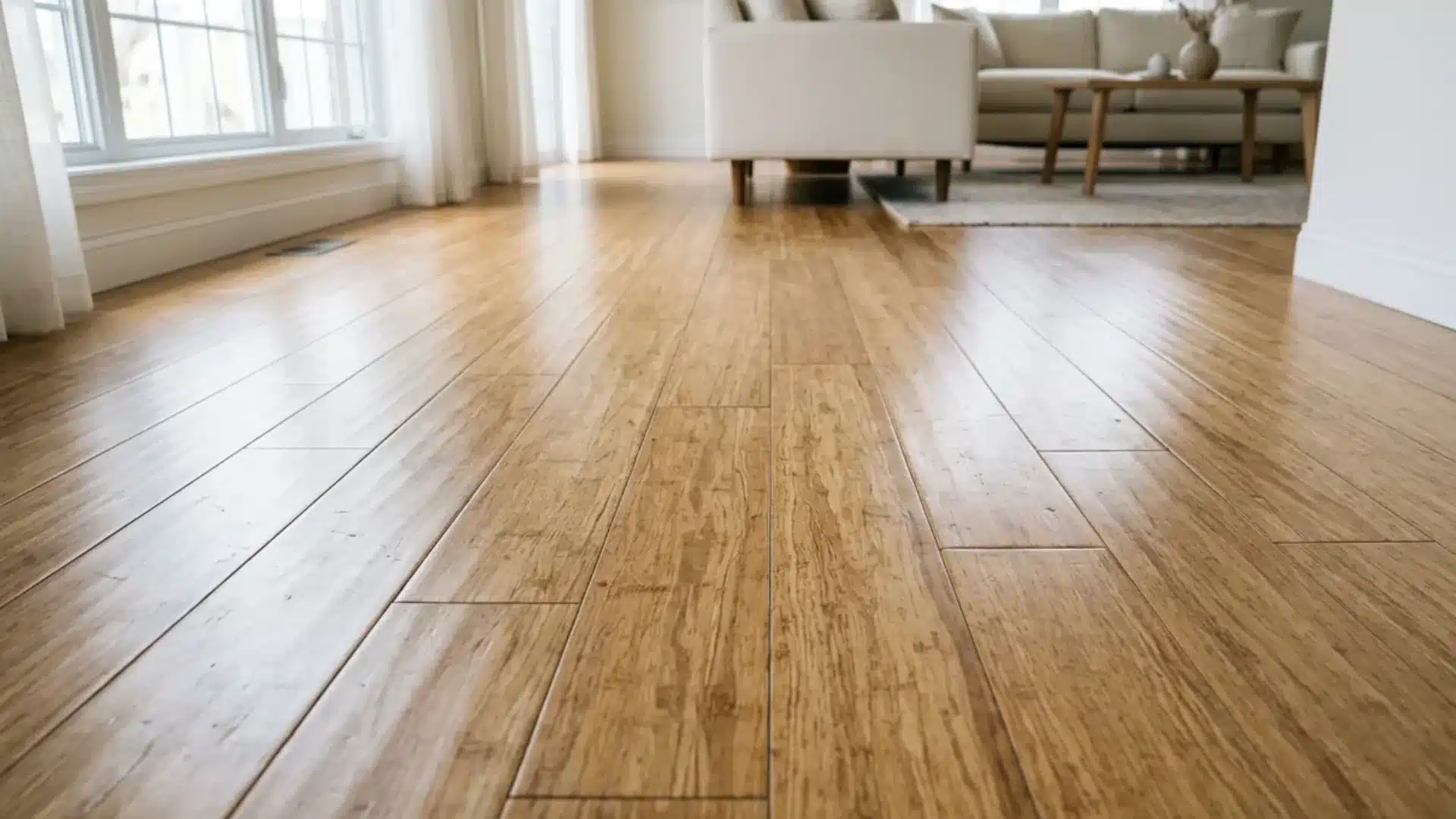
Bamboo flooring is sliced, laminated, and pressed from a fast-growing grass, giving homeowners a hardwood-like look at a lower cost.
- Built from: Sliced bamboo fibers, laminated and pressed, with strand-woven versions compressing fibers for extra hardness.
- Works best in: Living areas where a renewable, hardwood-like look matters to the homeowner.
- Lifespan: 20 to 25 years, longer for strand-woven versions, at $4 to $11 per square foot installed.
- Watch out for: Traditional bamboo is soft and dents easily, and quality varies widely between manufacturers.
Tip: Always ask for strand-woven bamboo by name. It’s noticeably harder underfoot than the traditional horizontal or vertical-grain versions sold at the same price point.
4. Parquet Wood Flooring
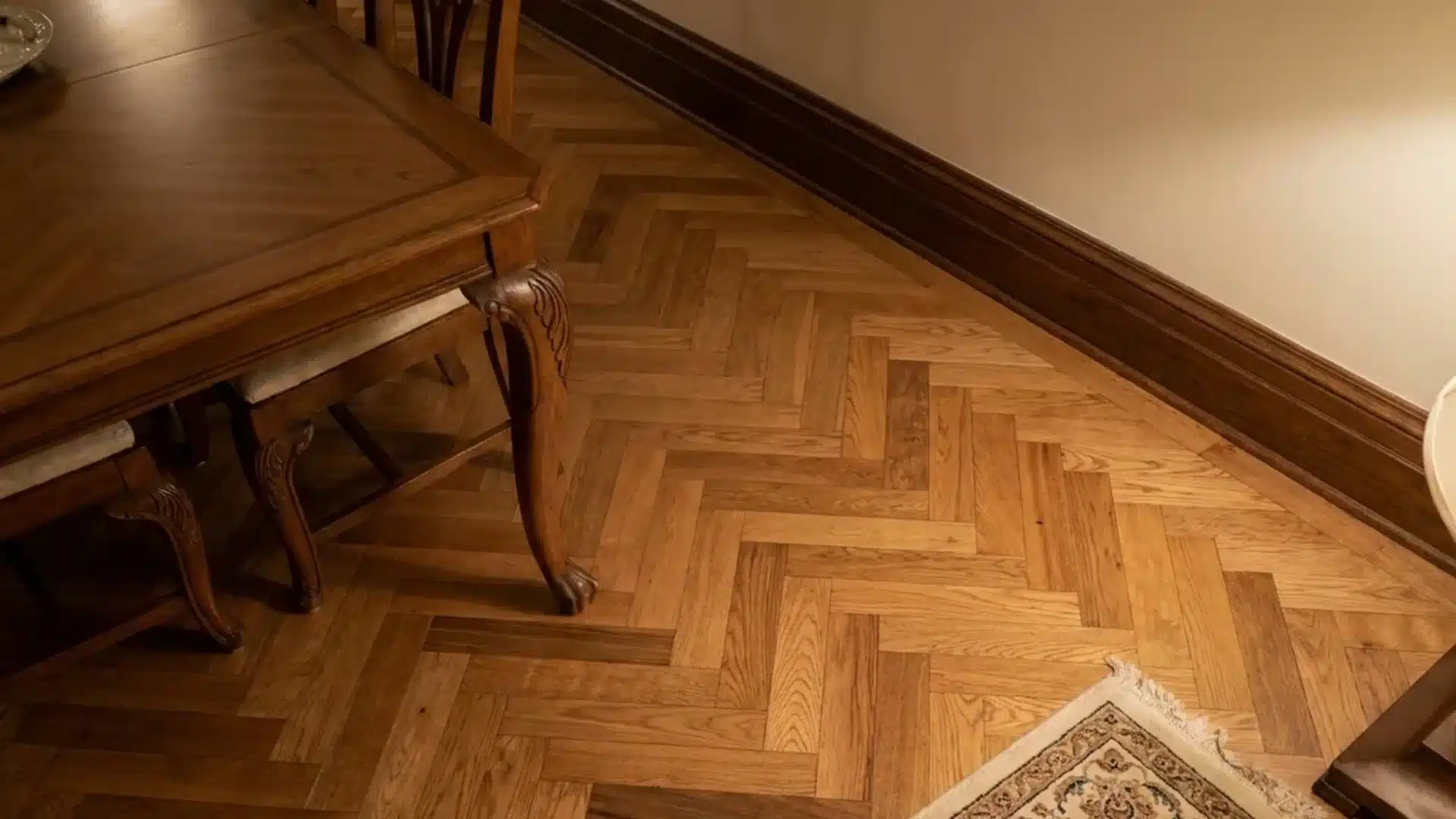
Parquet flooring arranges small wood pieces into decorative geometric patterns, delivering a formal, traditional look that plank flooring cannot replicate.
- Built from: Small wood pieces glued down in geometric patterns, unlike straightforward plank flooring.
- Works best in: Formal living and dining rooms wanting a decorative, traditional statement.
- Lifespan: 25 to 50+ years and refinishable, at $8 to $20 per square foot installed.
- Watch out for: Pattern complexity makes repairs and refinishing more difficult and costly than plank flooring.
Whichever wood option you choose, match the wear layer and finish to your room’s real daily traffic and moisture exposure levels.
Vinyl and Laminate Flooring
Vinyl and laminate floors earned their spot in busy households because they handle moisture, traffic, and tight budgets without much fuss.
5. Luxury Vinyl Plank (LVP)
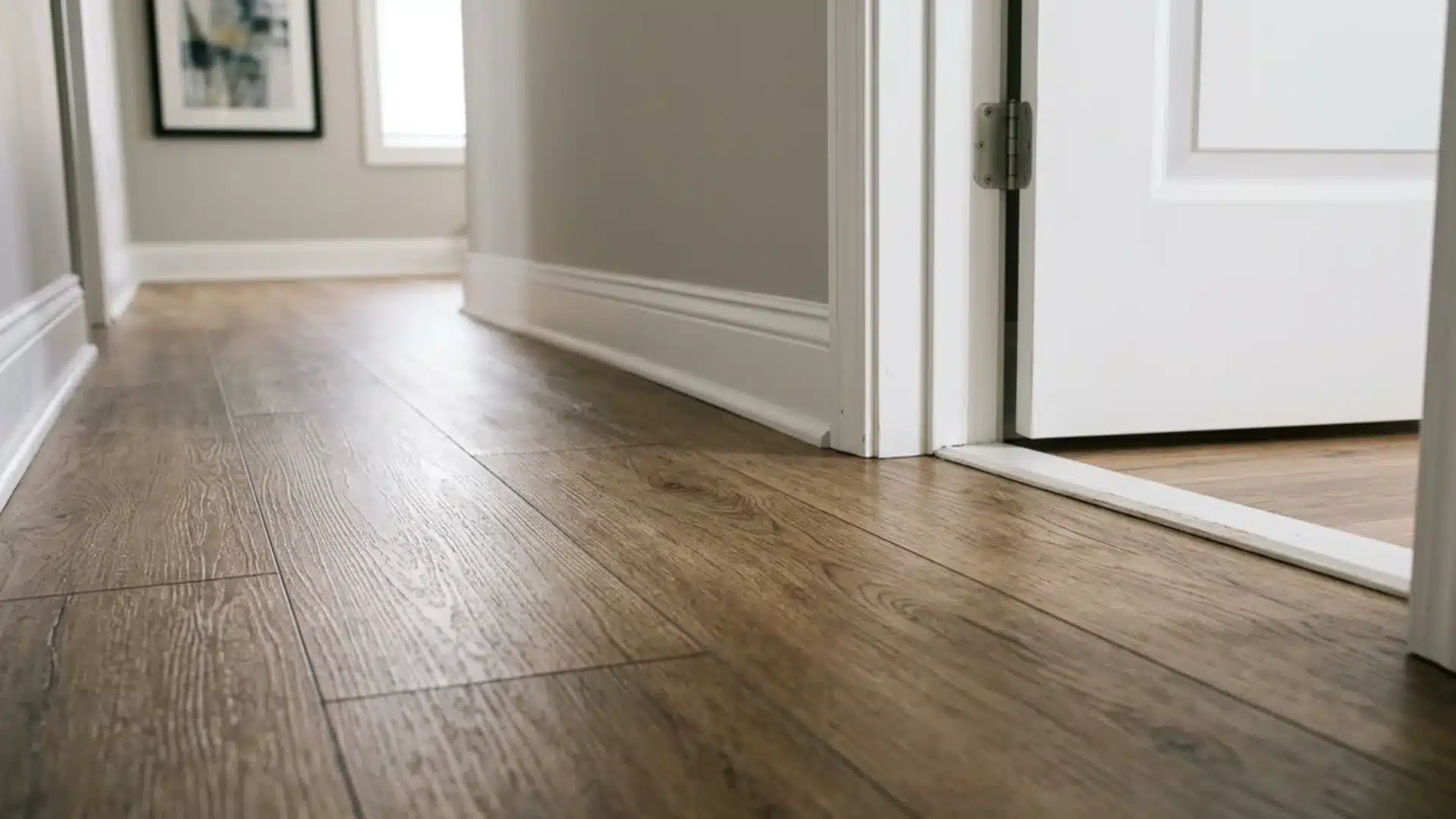
Luxury vinyl plank layers a printed wood-look surface over a multi-layer vinyl core, usually installed with a simple click-lock system.
- Built from: A multi-layer vinyl core topped with a printed wood-look surface and a wear layer.
- Works best in: High-traffic, moisture-prone rooms, as long as seams are properly sealed.
- Lifespan: 10 to 20 years depending on wear-layer thickness, at $3 to $7 per square foot installed.
- Watch out for: Wear-layer thickness, installation quality, maintenance, and foot traffic all influence the expected LVP lifespan in residential spaces.
Tip:Run a bead of flexible sealant along seams in bathrooms and laundry rooms even if the installer skips it. It’s cheap insurance against hidden subfloor damage.
6. Luxury Vinyl Tile (LVT)
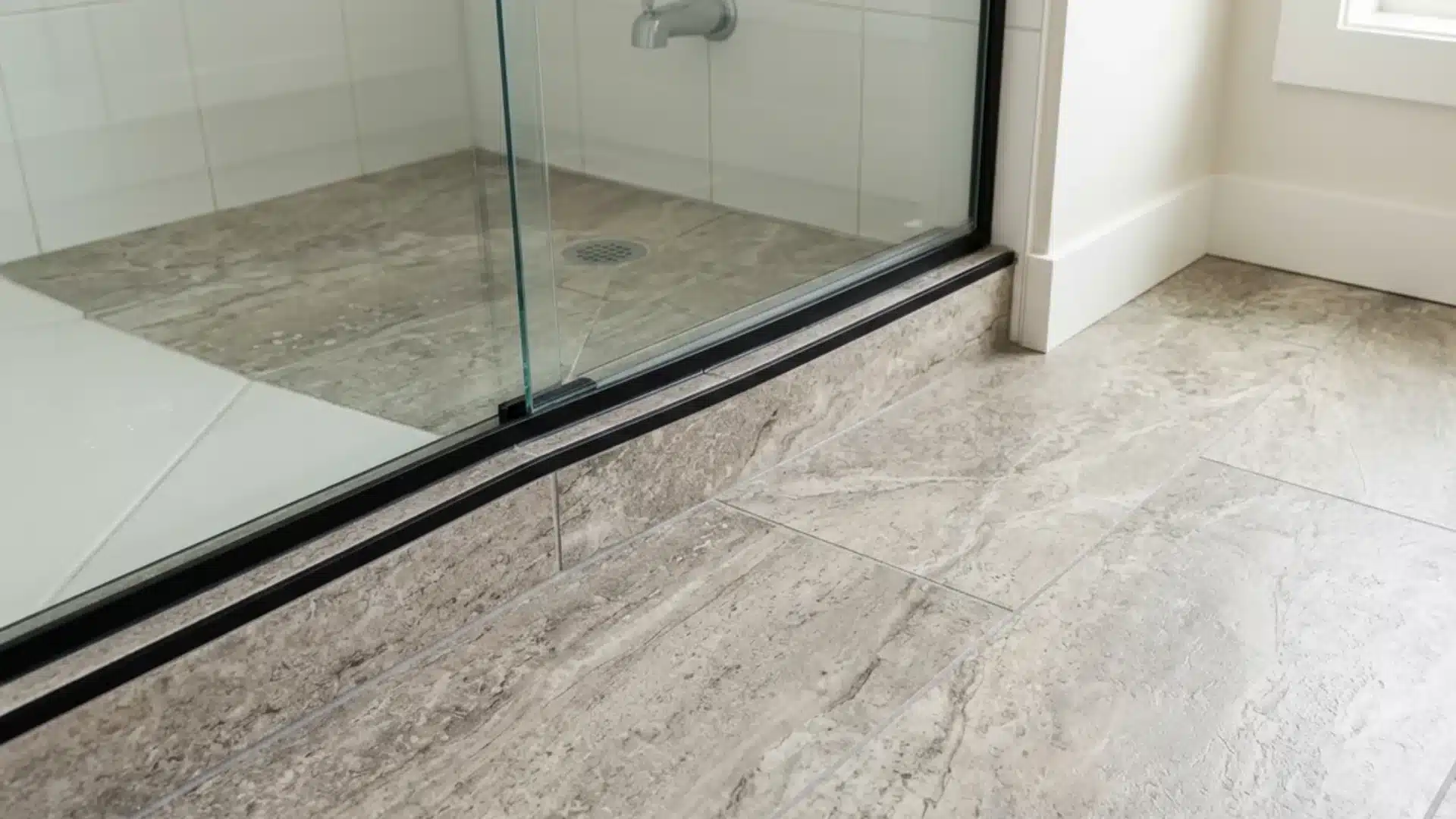
Luxury vinyl tile uses the same layered vinyl construction as luxury vinyl plank but comes in square or rectangular tile shapes. It can closely copy natural stone while offering easier maintenance and better moisture resistance.
- Built from: The same layered vinyl construction as LVP, cut into tile-shaped formats instead of planks.
- Works best in: Bathrooms and entryways that want a tile look without the cold or hardness.
- Lifespan: 10 to 20 years, at $3 to $8 per square foot installed.
- Watch out for: The same seam vulnerability as LVP, and lower-end products can look artificial up close.
7. Laminate
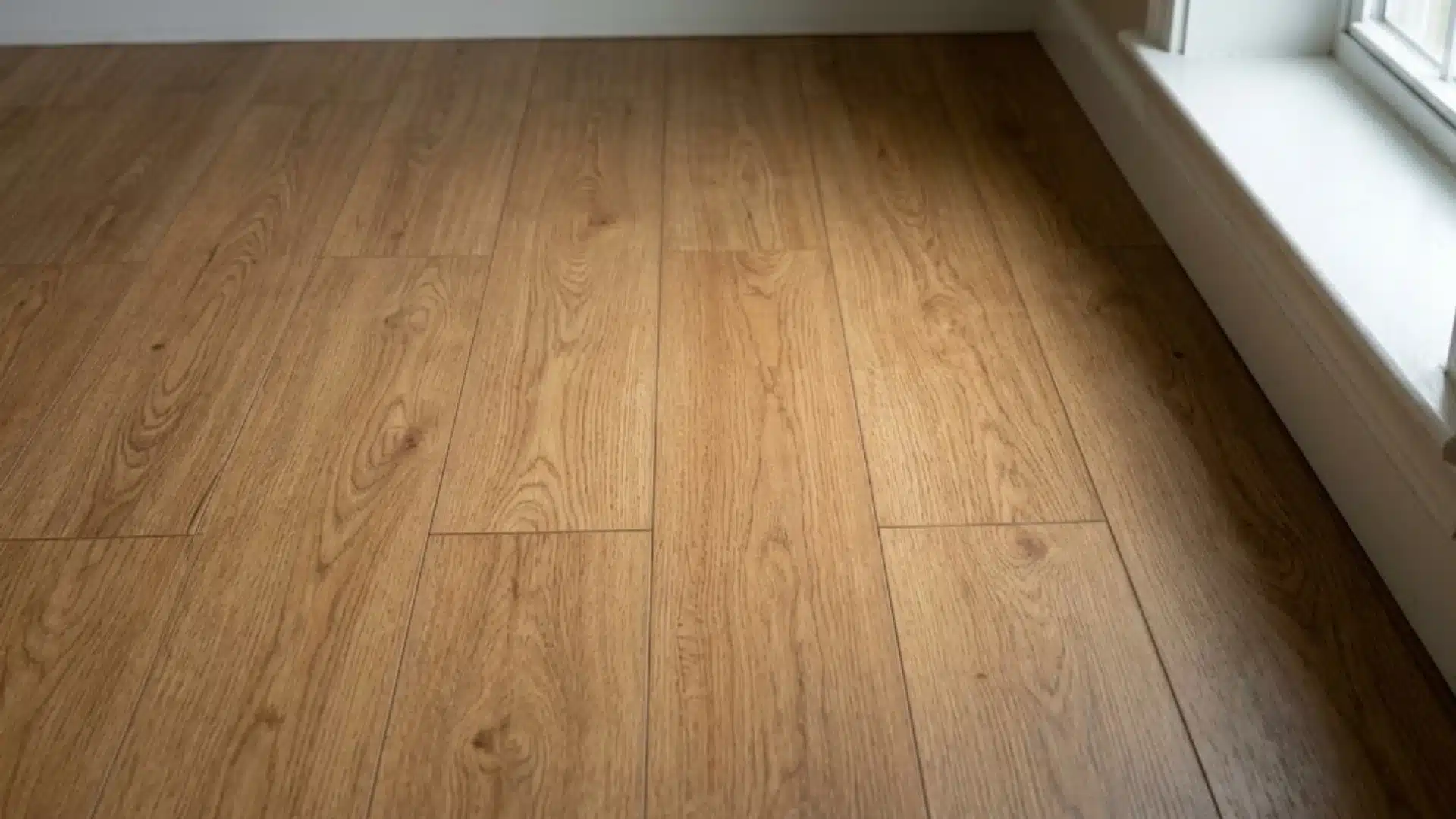
Laminate flooring combines a high-density fiberboard core with a printed wood-look image and a protective wear layer. It offers the appearance of hardwood at a lower cost, with good resistance to scratches.
- Built from: A high-density fiberboard core topped with a photographic wood-look layer and a wear layer.
- Works best in: Budget remodels in dry, low-moisture living spaces.
- Lifespan: 10 to 20 years, at $2 to $8 per square foot installed.
- Watch out for: The HDF core swells if water reaches it, and seams stay a weak point even in “waterproof-core” versions.
8. Vinyl Sheet Flooring
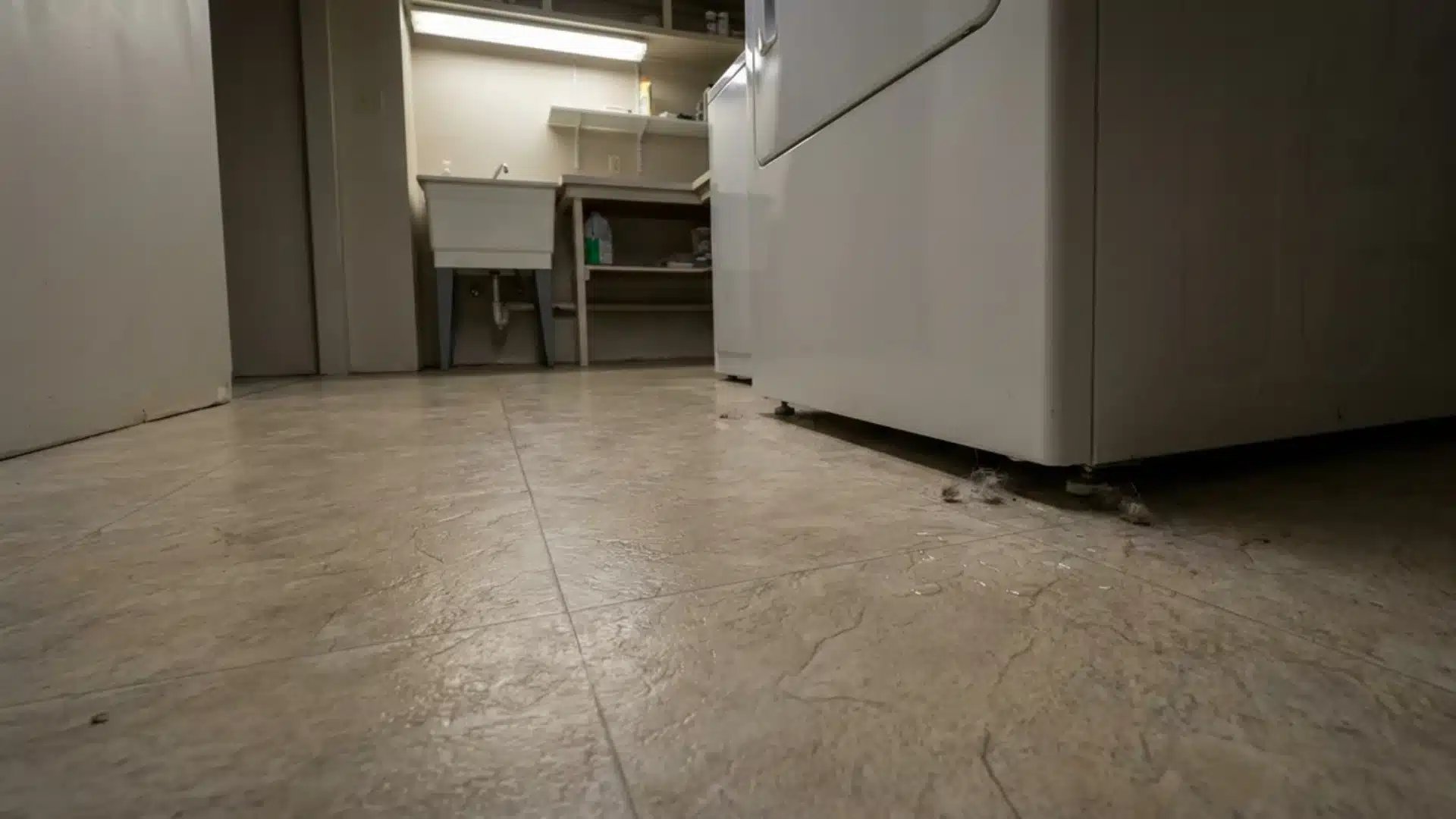
Vinyl sheet flooring is produced in wide rolls and installed across large areas with few or no seams. Its continuous surface limits water penetration, making it suitable for bathrooms, kitchens, laundry rooms, and basements.
- Built from: Large rolled vinyl sheets, typically installed in a single piece across the room.
- Works best in: Bathrooms and laundry rooms where a truly seamless waterproof surface matters most.
- Lifespan: 10 to 20 years, at $2 to $6 per square foot installed.
- Watch out for: It can look less premium than plank or tile formats, and punctures are hard to repair invisibly.
For active homes and rental properties, this category consistently delivers the best balance of durability, water resistance, and upfront cost.
Tile and Natural Stone Flooring
Tile and natural stone remain the gold standard for wet rooms, offering water resistance and longevity few other materials can match.
9. Porcelain Tile
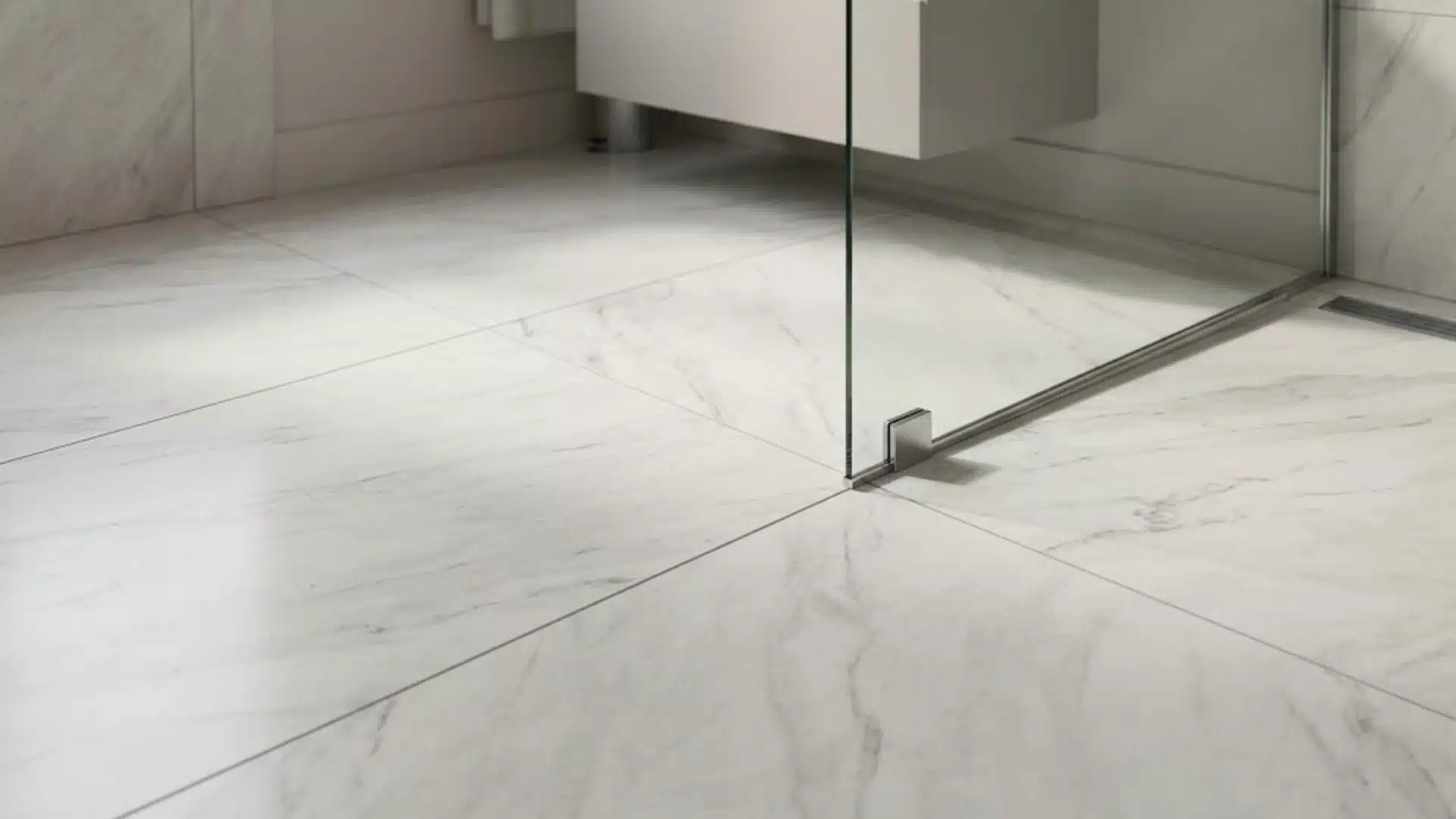
Porcelain tile is made from refined, dense clay that is pressed and fired at extremely high temperatures. This process creates a hard, low-porosity surface with strong resistance to water, stains, and heavy wear.
- Built from: Dense clay pressed and fired at high heat for very low porosity.
- Works best in: Bathrooms, kitchens, and outdoor or patio use.
- Lifespan: 50+ years, often as long as the subfloor beneath it, at $5 to $15 per square foot installed.
- Watch out for: It’s hard and cold underfoot, though the Tile Council of North America sets porcelain absorption under 0.5%.
Tip: If cold floors are a dealbreaker, look into a thin radiant heat mat under porcelain. It solves the one real complaint people have with this material.
10. Ceramic Tile
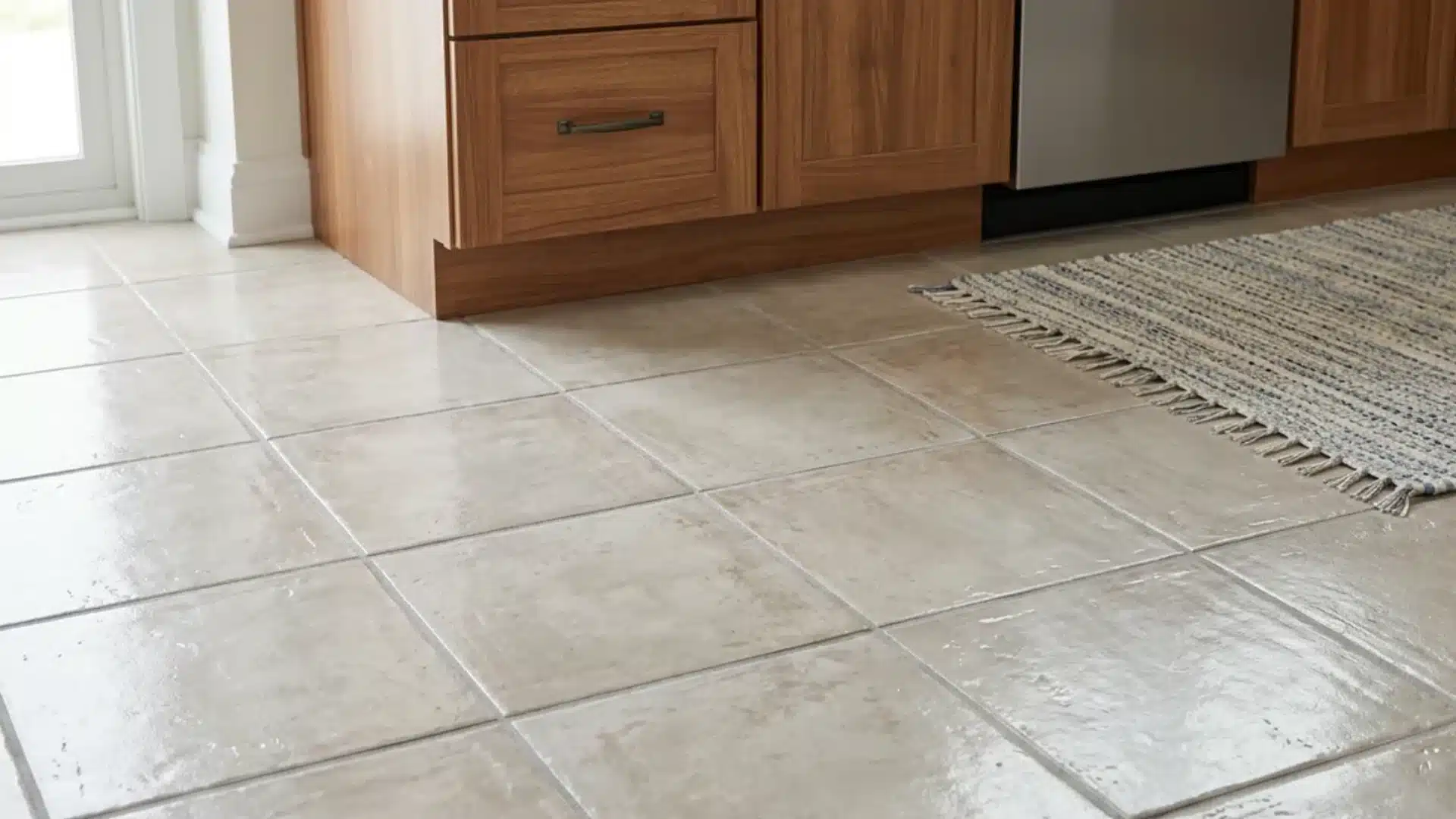
Ceramic tile is clay fired at a lower temperature than porcelain, then glazed for color, making it a genuinely budget-friendly tile option.
- Built from: Clay fired at a lower temperature than porcelain, then glazed for color and shine.
- Works best in: Bathrooms, backsplashes, and moderate-traffic floors.
- Lifespan: 20 to 30 years, at $3 to $10 per square foot installed.
- Watch out for: It’s more porous and prone to chipping than porcelain, and less suited to heavy commercial traffic.
11. Natural Stone (Marble, Granite, Slate, Travertine)
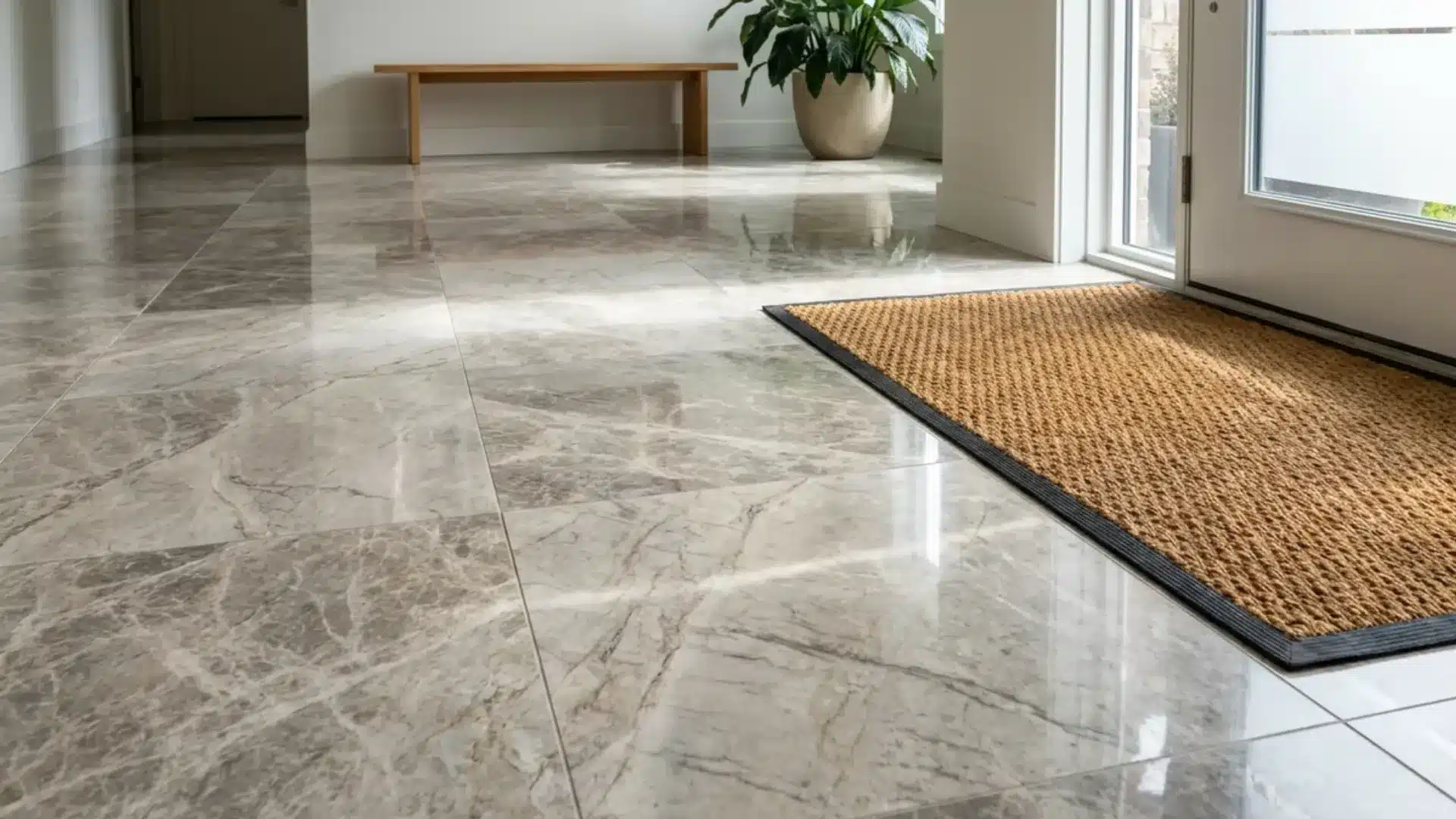
Natural stone slabs like marble, granite, slate, and travertine each carry different porosity levels, demanding a realistic long-term maintenance routine.
- Built from: Quarried marble, granite, slate, or travertine slabs, each with its own natural porosity.
- Works best in: High-end foyers, bathrooms, and feature areas where sealing gets done on schedule.
- Lifespan: 50 to 100+ years when properly sealed, at $10 to $30+ per square foot installed.
- Watch out for: Porous surfaces absorb moisture and stain without regular sealing, and acidic cleaners damage marble especially.
Tip: Put a resealing reminder on your calendar the day the floor goes in. Skipping just one cycle is usually what turns a premium floor into a stained one.
12. Terrazzo
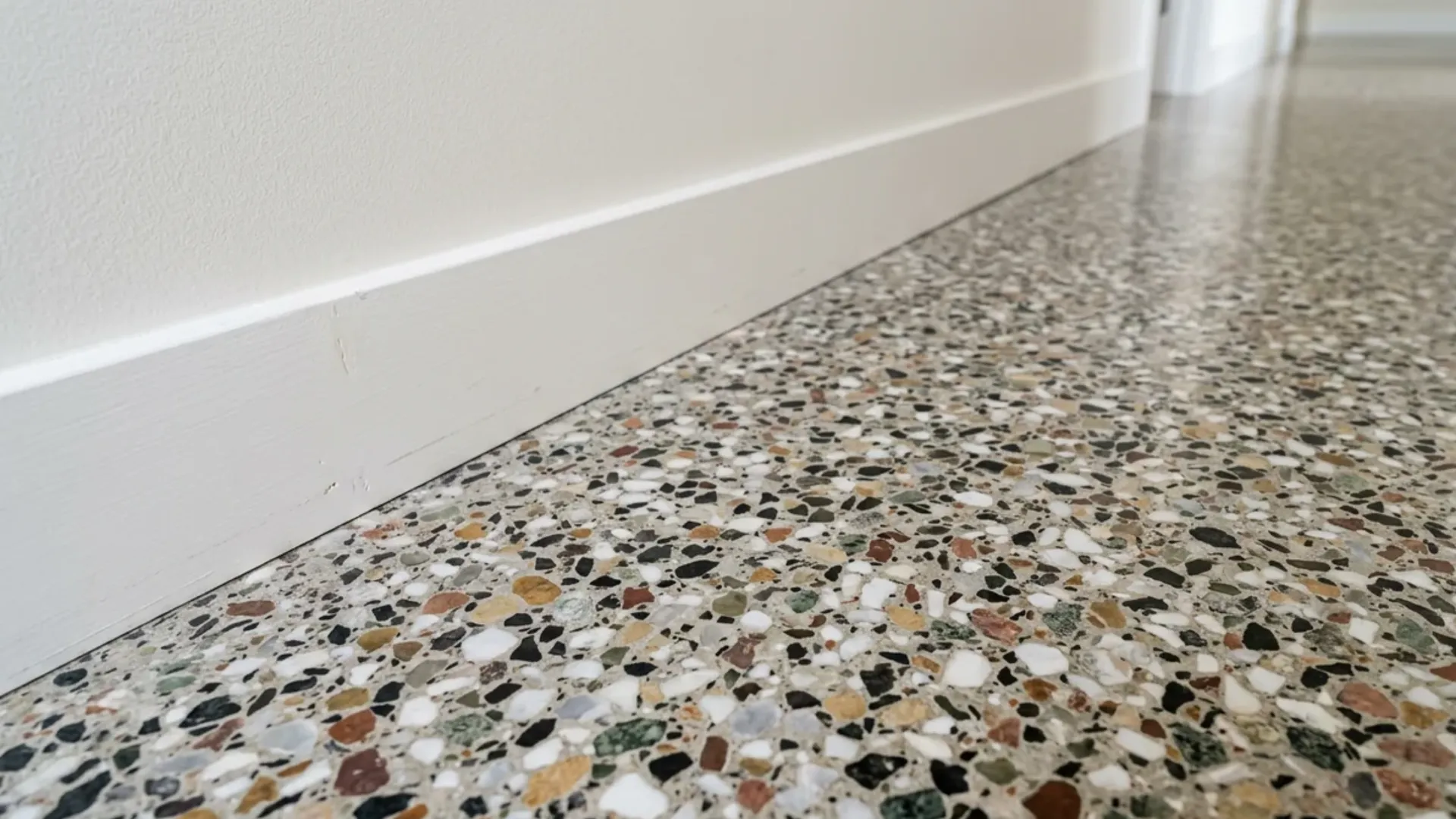
Terrazzo sets chips of marble, quartz, or glass into cement or epoxy, then grinds the surface smooth for a statement look.
- Built from: Chips of marble, quartz, or glass set into a cement or epoxy binder, then ground smooth.
- Works best in: Commercial spaces and high-traffic entryways, or homeowners wanting a durable statement floor.
- Lifespan: 40 to 75+ years, at $15 to $30+ per square foot installed.
- Watch out for: It’s labor-intensive and costly to install, and cementitious versions can crack over an unstable subfloor.
Seal stone on schedule and reseal grout lines regularly, and these floors will easily outlast every other material on this list.
Soft and Comfort Flooring
Soft flooring exists for comfort first, cushioning every step while adding warmth and quiet to bedrooms, offices, and home gyms alike.
13. Carpet
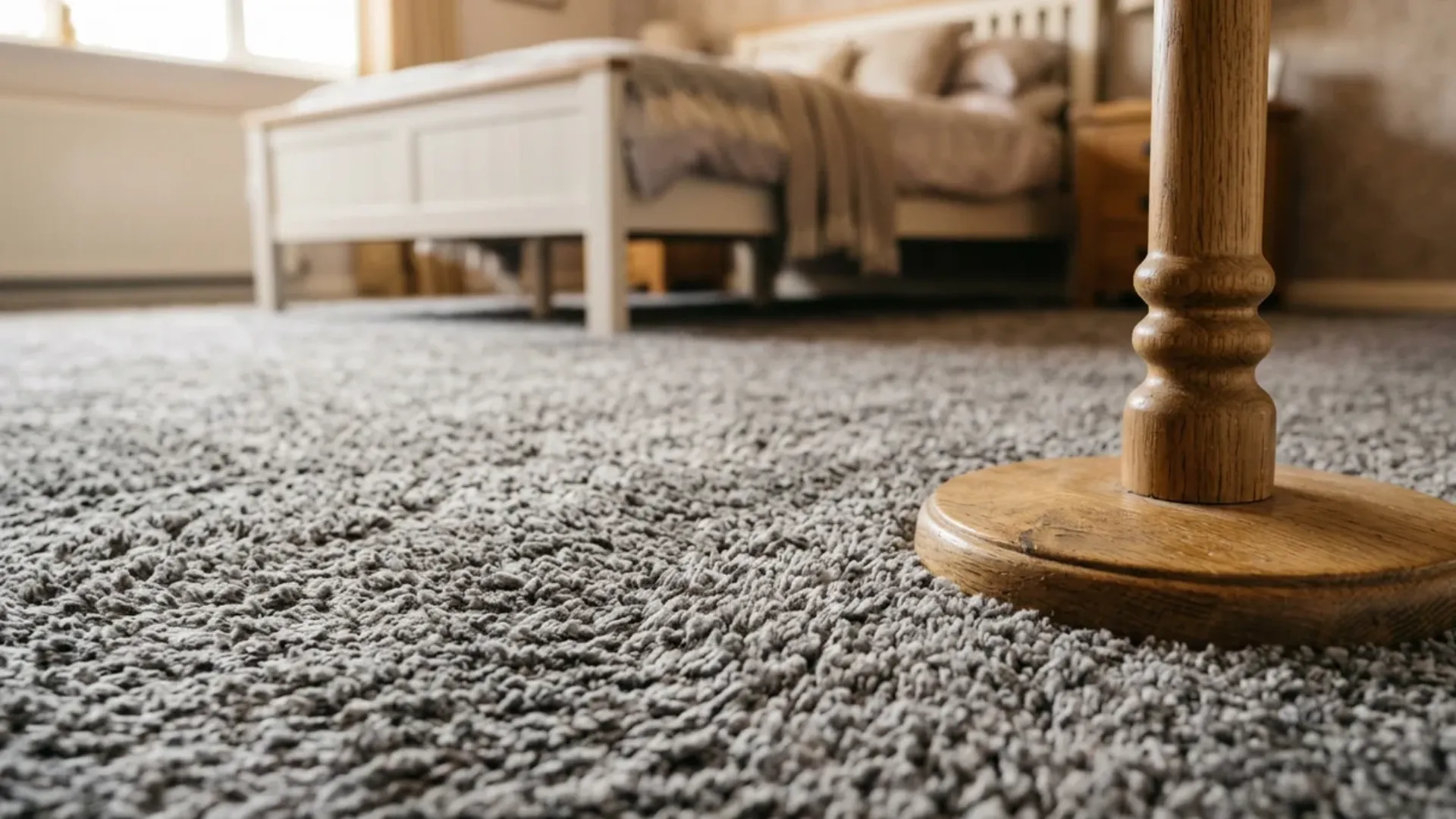
Carpet weaves fibers like nylon, polyester, or wool over cushioned padding, delivering genuine warmth, quiet, and comfort underfoot every day.
- Built from: Woven or tufted fibers such as nylon, polyester, or wool, laid over cushioned padding.
- Works best in: Bedrooms and home offices wanting warmth, quiet, and comfort.
- Lifespan: 5 to 15 years depending on fiber type and traffic, at $2 to $8 per square foot installed.
- Watch out for: It holds moisture and allergens and wears visibly fast in high-traffic or spill-prone spaces.
Tip: My own home office runs on carpet, and a twice-a-year professional deep clean keeps allergens down without wearing the fibers out early.
14. Cork
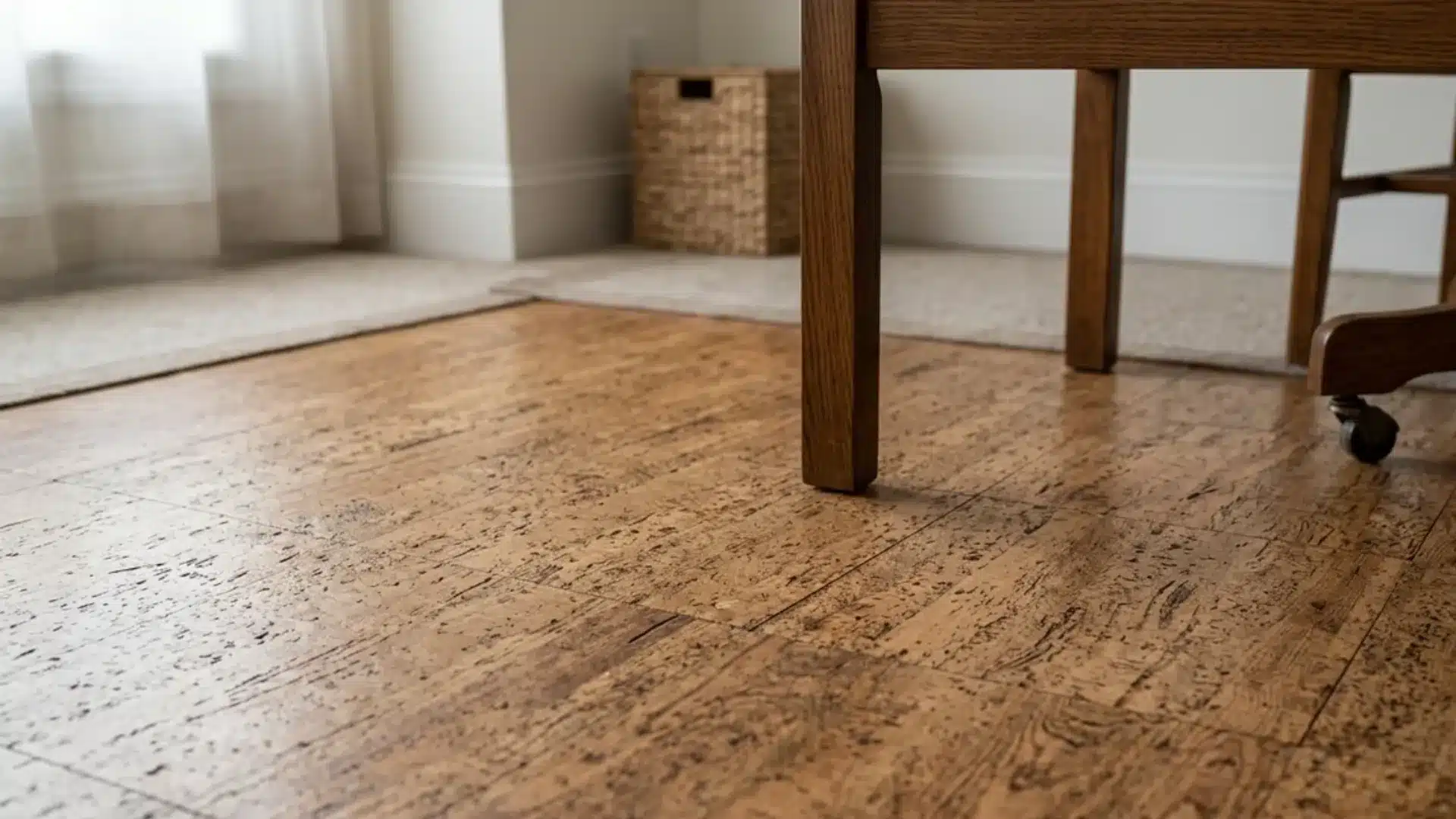
Cork flooring is harvested from cork oak bark, then ground and compressed into naturally soft, sound-dampening tiles or planks.
- Built from: Harvested cork oak bark, ground and compressed into tiles or planks.
- Works best in: Home offices and playrooms, or anywhere a soft, cushioned floor helps.
- Lifespan: 10 to 30 years depending on finish and traffic, at $4 to $10 per square foot installed.
- Watch out for: It dents under heavy furniture and can fade with prolonged direct sun exposure.
Tip: Cork earned a permanent spot in my own home office purely for the sound-dampening. Add felt pads under furniture legs to avoid the dent marks.
15. Rubber Flooring
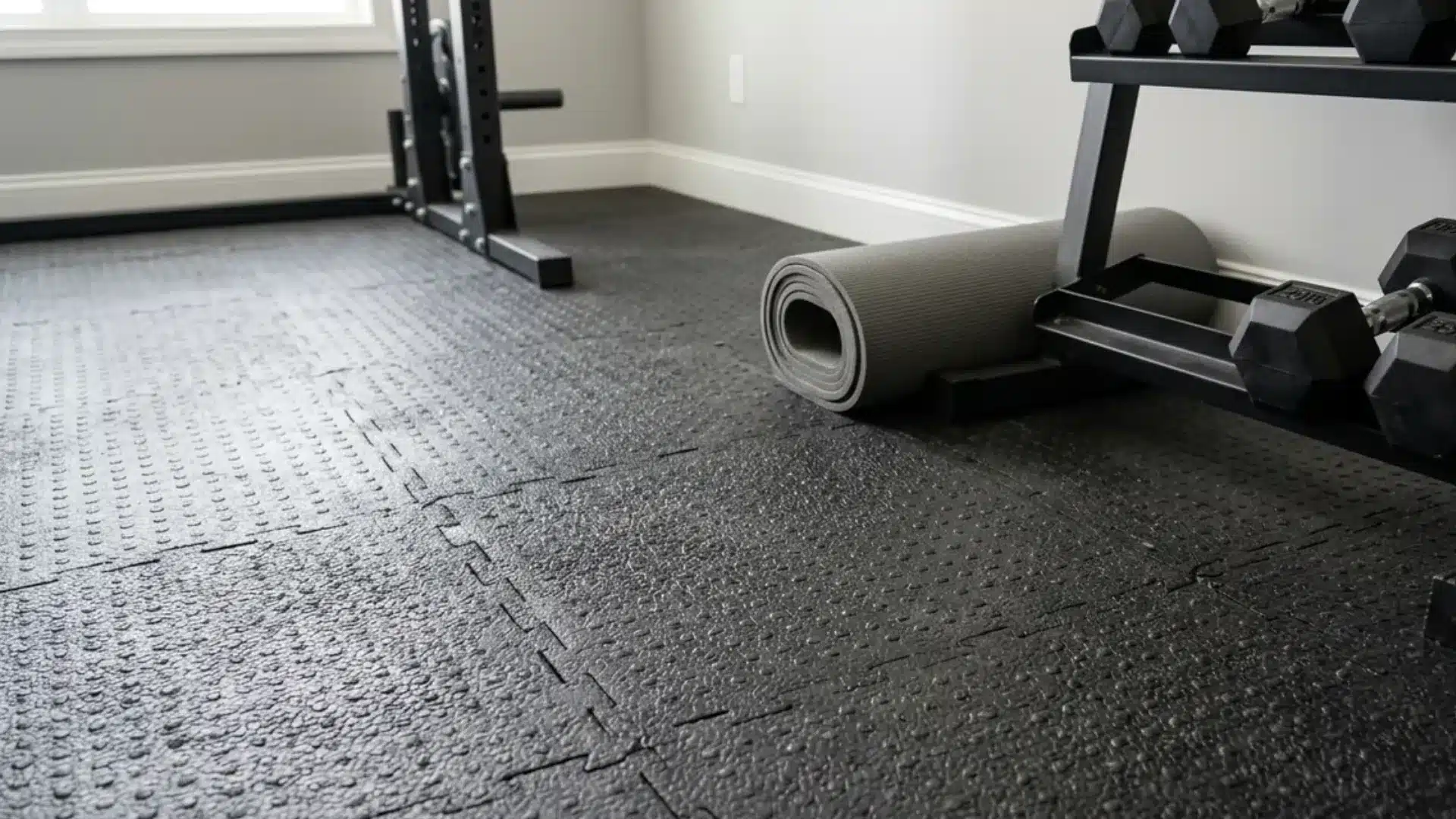
Rubber flooring uses natural or synthetic rubber, often textured for grip, engineered specifically to absorb repeated impact and pressure.
- Built from: Natural or synthetic rubber, often textured for grip and impact absorption.
- Works best in: Home gyms, basements, and playrooms, or anywhere impact absorption matters.
- Lifespan: 15 to 20 years, at $4 to $12 per square foot installed.
- Watch out for: Limited aesthetic range, and some products off-gas an odor when new.
Choose soft flooring where comfort and sound absorption matter more than sheer durability or resistance to heavy daily traffic.
Eco-Friendly and Specialty Flooring
These two floors do not fit neatly into other categories, but each solves a specific problem better than almost anything else available.
16. Linoleum
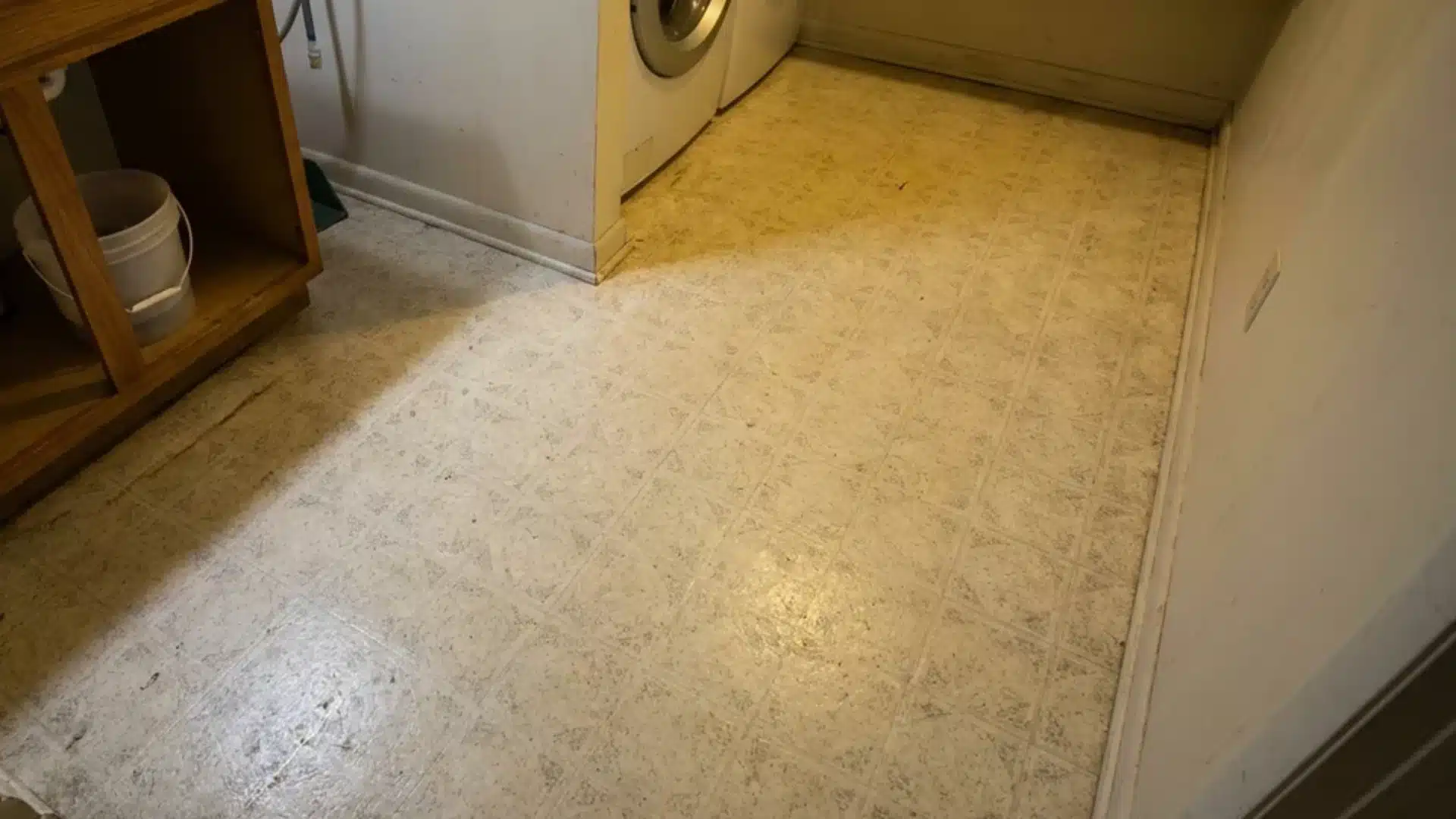
Linoleum is pressed from linseed oil, pine rosin, and wood flour onto a backing, giving an eco-friendlier resilient flooring option.
- Built from: Linseed oil, pine rosin, and wood flour pressed onto a backing material.
- Works best in: Kitchens and utility rooms wanting a more eco-friendly resilient floor.
- Lifespan: 20 to 40 years with proper care, at $3 to $8 per square foot installed.
- Watch out for: It can scratch or dent under heavy furniture and needs periodic resealing to stay protected.
17. Polished Concrete
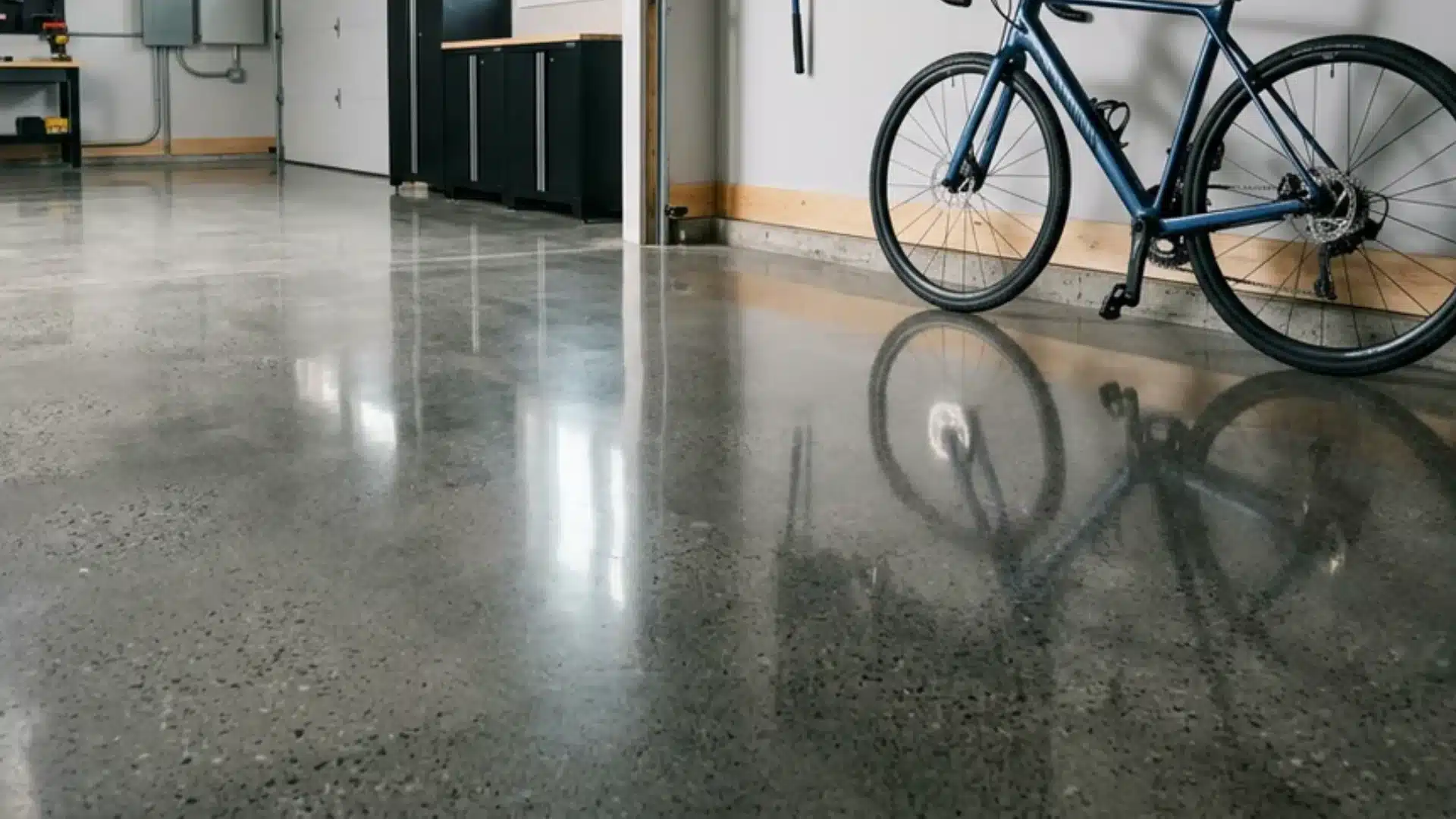
Polished concrete starts as a plain slab, then gets mechanically ground and polished into a durable, glossy industrial-style finish.
- Built from: An existing or new concrete slab, mechanically ground and polished to a glossy finish.
- Works best in: Basements, garages, and modern or industrial-style interiors.
- Lifespan: Several decades, effectively the life of the slab itself, at $3 to $12 per square foot.
- Watch out for: It’s hard and cold underfoot, and it’s prone to cracking if the slab wasn’t properly cured.
Tip: If you already have a concrete slab, polishing it is almost always cheaper than tearing it out for something new. Ask your contractor about grinding the existing slab first.
Both options reward homeowners willing to trade a little upfront cost for decades of low-maintenance, eco-conscious performance overall.
Which Flooring Type Offers the Best Overall Value?
The best overall value depends on how long the floor lasts, how much maintenance it needs, and whether it suits the room. No single material works equally well everywhere.
Luxury vinyl offers strong value for busy or moisture-prone rooms because it is affordable and easy to maintain. Porcelain tile performs better in wet areas and may last several decades.
Solid hardwood costs more upfront but can be refinished repeatedly, making it a strong long-term choice for dry living spaces. Carpet and cork work better where warmth, comfort, and sound control matter most.
Compare the full ownership cost rather than the installation price alone. A floor offers real value when it performs reliably without demanding frequent repairs, replacement, or maintenance your household cannot manage.
Conclusion
Choosing the right floor starts with understanding what your room can actually handle. Moisture, foot traffic, subfloor condition, installation needs, and long-term upkeep should guide the decision before color or pattern enters the conversation.
The most reliable flooring types are not always the most expensive or visually impressive. They are the options that match the room, fit the budget, and continue performing after years of daily use.
I would always choose a practical match over a showroom favorite that may fail too soon. Compare construction, maintenance, durability, and total ownership cost before making the final call.
Which flooring option are you considering for your home? Share your room, budget, or main concern in the comments below.
Frequently Asked Questions
What is the most durable type of flooring overall?
Natural stone and porcelain tile lead on raw durability, often lasting 50 years or more with basic upkeep. Solid hardwood comes close since it can be refinished repeatedly, but it needs stable humidity to hit that lifespan.
Which flooring is best for a home with pets or kids?
Luxury vinyl plank and porcelain tile hold up best against scratches, spills, and heavy foot traffic. Both resist water at the surface, though LVP still needs sealed seams to keep moisture from reaching the subfloor.
Is laminate or luxury vinyl plank the better choice?
LVP handles water better since it’s a solid vinyl core, while laminate uses a wood-fiber core that swells if water gets in. Laminate can look slightly more like real wood grain, but LVP wins for wet or high-traffic rooms.
How do I choose flooring for a room with radiant heat?
Engineered hardwood, porcelain tile, and polished concrete all work well over radiant heat since they conduct warmth evenly. Solid hardwood and cork are riskier choices here, since repeated heat cycles can cause warping over time.