

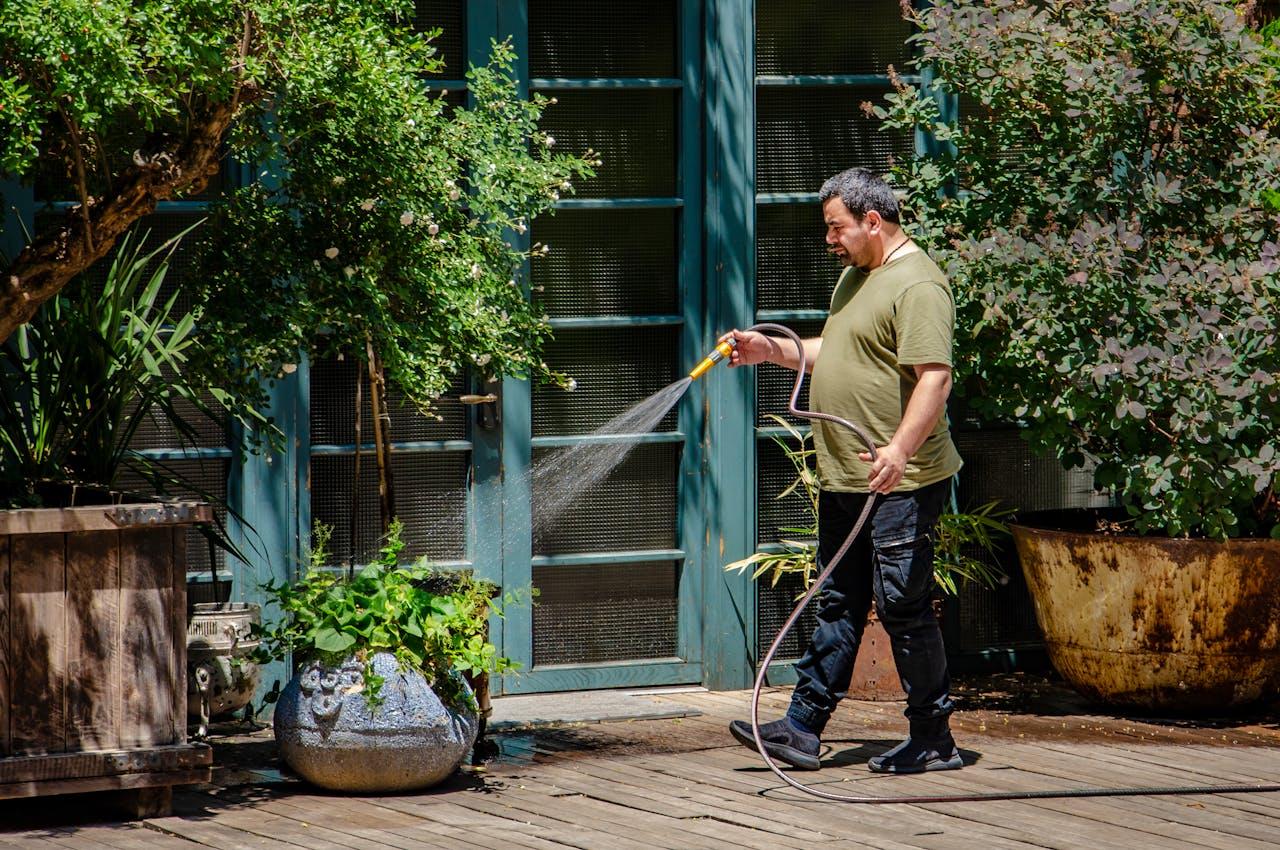
Most people never think about what’s happening inside their home’s plumbing while they go about their day. You water the garden, fill up the pool, run the sprinklers, all completely normal stuff. What most homeowners don’t realize is that these routine activities can actually push or pull contaminated water back into the clean water supply.
This is called backflow, and it’s more common than you’d expect. Knowing which everyday habits raise the risk is the first step toward protecting your household water.
Activity 1: Leaving a Garden Hose Submerged
When you drop a garden hose into a bucket of soapy water, a muddy puddle, or a fish pond and leave it sitting there, you’ve created what plumbers call a cross-connection. If the water pressure in your supply line drops suddenly. This happens during a main line break, a nearby fire hydrant flush, or heavy neighborhood usage, and contaminated water gets pulled straight back into your pipes.
It sounds unlikely, but pressure drops happen regularly without homeowners ever noticing. The hose just sits there, and the damage is already done before you turn the water back on.
Pro Tip: Attach a hose-end vacuum breaker to your outdoor spigot. It costs only a few dollars and physically blocks water from flowing backward through the hose. Never leave a hose end sitting in standing water, even briefly.
Activity 2: Filling a Swimming Pool or Hot Tub
Tossing a hose into the pool and walking away feels completely harmless. The risk shows up when the hose end sits below the water surface while chemically treated pool water surrounds it. Chlorine, algaecides, pH adjusters, and clarifiers are all sitting in that water. A pressure drop at the wrong moment creates a direct path for that chemical cocktail to travel back into your drinking water line.
The same goes for hot tubs, which often have even higher concentrations of treatment chemicals sitting in a smaller volume of water.
Pro Tip: Always fill pools and hot tubs using an air gap method, hold the hose above the water surface so it free-falls in rather than sitting submerged. This simple habit eliminates the siphon risk entirely without any equipment.
Activity 3: Running In-Ground Irrigation Systems
In-ground sprinkler and drip irrigation systems connect directly to your home’s plumbing, and they cycle on and off multiple times a week. Each time the system shuts down, water sitting in the lines mixed with soil particles, fertilizer residue, and pesticide runoff can migrate back toward the supply if the backflow preventer isn’t working properly.
This is exactly why San Diego Backflow Testing is required annually for most properties with irrigation systems. A certified tester inspects and verifies that the backflow prevention device is functioning correctly and hasn’t worn out over time. Without that yearly checkup, a degraded device can go undetected for years while contamination risk quietly builds.
Pro Tip: Schedule your annual backflow test at the start of each irrigation season before you turn the system on for the first time. That way, any issues get caught before the system runs dozens of cycles through a faulty device.
Activity 4: Home Car Washing with Soap Attachments
Foam cannons and inline soap dispensers are popular car washing tools, and they attach directly to the garden hose or spigot. These devices mix concentrated detergents, degreasers, and cleaning chemicals into the water stream during use. If the pressure drops while that attachment is still connected, the soap mixture has a direct return path into your supply line.
Car washing chemicals are not safe to consume in any concentration. Even small amounts making their way into household pipes are a serious concern.
Pro Tip: Disconnect soap attachments and foam cannons from the spigot immediately after use. Don’t leave them connected between washes. A backflow preventer installed on the outdoor hose bib adds another layer of protection for any hose-based activity.
Activity 5: Running Appliances During Plumbing Repairs
When a plumber shuts off a section of your water line for repairs, the pressure in that section changes significantly. If someone in the house runs the dishwasher, starts a load of laundry, or flushes a toilet during that time, the pressure imbalance created can allow non-potable water to mix into the supply through the open or partially disconnected pipe.
Most homeowners don’t think to shut down appliances when repair work is happening in another part of the house. It seems unrelated, so no one mentions it.
Pro Tip: Before any plumbing work begins, let everyone in the household know to avoid running water until the job is complete. A quick heads-up takes ten seconds and prevents a situation that could contaminate your water supply for days.
Activity 6: Pressure Washing Connected to Home Supply
Pressure washers pull water at high volume and often include inline detergent tanks that mix cleaning chemicals directly into the stream. When the machine runs, it’s using a live connection to your home’s plumbing. Any debris, mold spores, or chemical residue from the cleaning surface can get drawn back through the system if pressure fluctuates during use.
Driveways, decks, and siding carry a surprising amount of chemical residue from previous cleaning products, oil stains, and mold treatment sprays. That’s not something you want reversing course into your pipes.
Pro Tip: Use a pressure washer-rated backflow preventer on the connection point, not a standard garden hose vacuum breaker, since pressure washers operate at higher PSI than those are designed for. Disconnect the machine completely from the supply when not actively in use.
Key Takeaways from This Reading
- Cross-connections are the root cause of most residential backflow incidents, and they form easily during completely normal activities.
- Any time a hose end sits in non-potable water (pools, buckets, ponds), a backflow risk exists.
- Irrigation systems carry some of the highest contamination risk due to fertilizer and pesticide exposure in the lines.
- Annual backflow testing is not just a regulatory checkbox; it’s the only way to confirm your prevention device actually works.
- Small habits like disconnecting hoses, using air gaps, and alerting family during plumbing repairs go a long way.
- Outdoor spigots without vacuum breakers or backflow preventers are open vulnerabilities on most residential properties.
- Regular plumbing maintenance keeps your entire system, including backflow prevention devices, in working order and catches small issues before they become costly problems.
Closing Thoughts
Backflow risk doesn’t come from dramatic plumbing failures or rare emergencies. It hides inside the ordinary moments: a hose left in a bucket, a pool filling overnight, a sprinkler cycling at dawn. None of these feels dangerous, which is exactly why they’re easy to overlook.
Taking water safety seriously doesn’t require major changes to how you live. It mostly comes down to awareness, a few inexpensive devices, and making sure your backflow preventer gets tested on schedule. Your water supply is something worth protecting, and fortunately, protecting it doesn’t have to be complicated.