

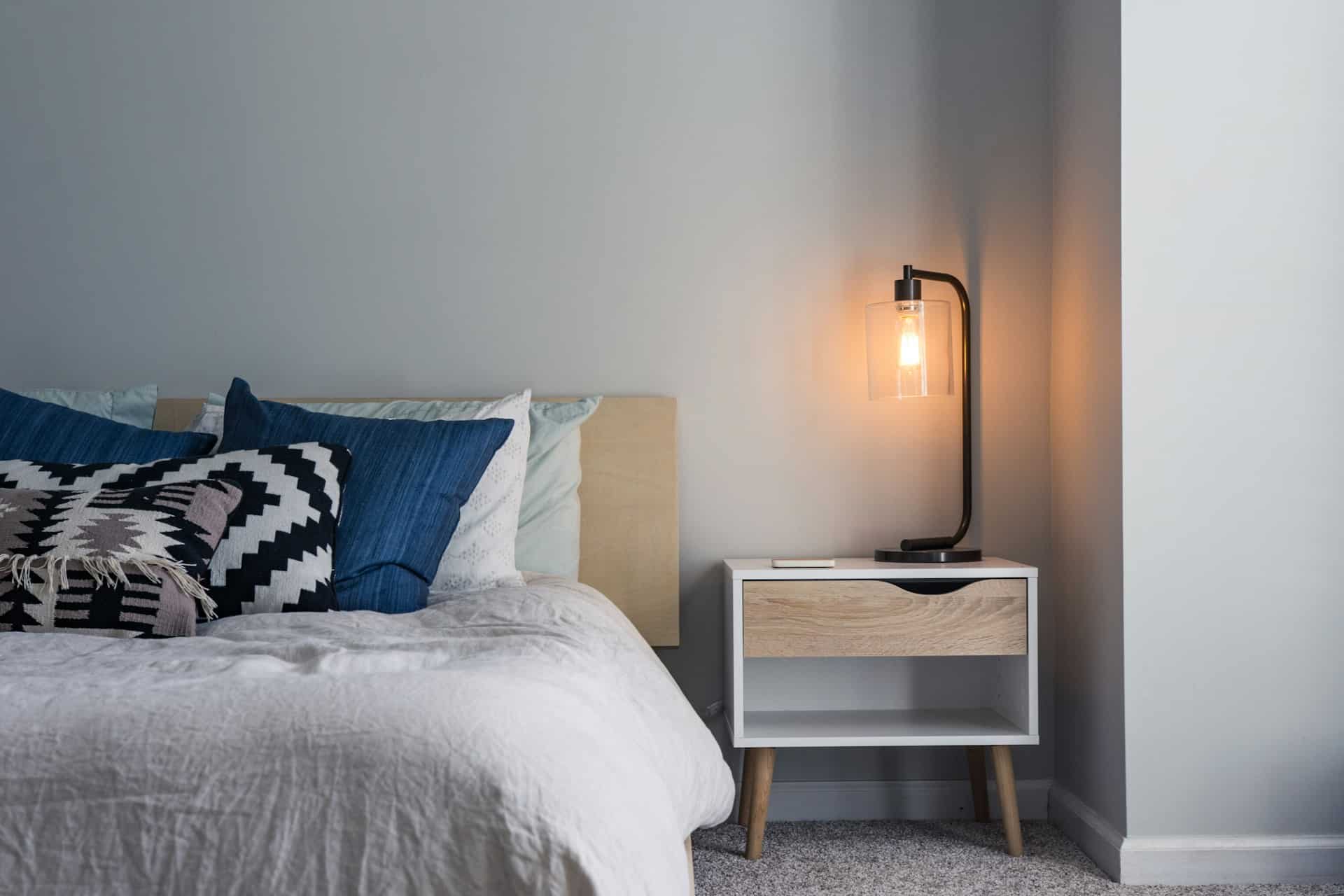
Rest comes naturally – yet what surrounds us guides how well it takes hold. Though routines matter, so does the room where you lie down at night. Light shifts, air movement, surfaces under hand or eye – these guide whether sleep runs shallow or deep. Feelings of calm do not appear out of nowhere.
They grow from choices made long before bedtime. A space built with attention can steady your breath, slow your thoughts, even when nothing seems to change. The body notices details minds overlook: fabric warmth, ceiling height, silence thickness.
Morning alertness often begins not with coffee but with last night’s shadow patterns across the wall. Design nudges function without announcing itself. It works while you close your eyes.
What looks like comfort may actually be the chemistry between color tones and brain signals. Tiredness fades slower in rooms that fight rest instead of inviting it. Few realize walls speak softly, every evening, about safety, stillness, surrender. You drift off easiest inside layouts that already moved slowly on purpose.
The Relationship Between the Bedroom Environment and Sleep the Quality
Their rest comes easier when their surroundings feel safe. A room built for peace and speaks quietly to the mind, easing tension without effort. Yet cluttered shapes and harsh lighting stir unease beneath awareness.
Even while lying still, such spaces hum with low-level noise that blocks deep sleep. Waking often might not be luck – just walls sending wrong messages.
From time to time, how well you sleep ties back to room temperature, background sounds, or even what your sheets are made of. Bright lights, mess in sight, or strong smells from cleaning products tend to throw off your body’s inner clock. Some now see smart choices in bedroom setup not just as comfort – but as part of staying steady and alert through life.
Role of Bedding Materials in Sleep Comfort
Under sheets and blankets, skin meets fabric every night. Good airflow matters just as much as softness when lying down. Some textiles hold heat while others let it escape easily.
Chemicals used in regular bedclothes might bother sensitive skin over time.. Sleep stays quieter when fabrics behave predictably through the hours. Fewer lab-made finishes usually lead to less nighttime restlessness. Materials grown without heavy pesticides show up more in bedrooms lately.
Starting off, organic bedding often uses plant-based threads that move air well while handling dampness effectively.
Why Organic Bedding Supports Better Rest
Most regular sheets come with strong colors and lab-made coatings. Yet organic options skip those, relying instead on natural processes. People whose skin acts up or who struggle to breathe tend to feel better using them. When nothing in the fabric sets off redness or discomfort, muscles unwind more easily. Sleep stretches deeper when the body is not busy fighting off sneaks like fumes or residue.
From small details to big Organic Bedding Choices, White Lotus Home builds each piece with care, using honest materials that matter. Sleep shifts quietly when surroundings align – this brand shapes spaces where rest feels natural, not forced. Thought shows in every seam, every fiber chosen slowly.
What results is more than bedding – it becomes part of how you breathe at night. Values stay woven into design, so comfort does not cost the earth.
Bedroom Layout and Mental Calm
Where things sit in a room shapes what the mind feels. Too much clutter, narrow paths, or awkward spots for chairs and beds stir quiet unease. Open flow with thoughtfully placed pieces brings stillness, making it easier for thoughts to settle. Space breathes when objects align without effort.
Floating the bed too far from walls might leave you restless. Instead, tuck it against a solid surface so your body senses support through the night. When setup eases the mind’s chatter, slipping into deeper stages becomes natural. Stability in arrangement quietly shapes how well thoughts settle once lights go out.
Minimalism and Sleep Psychology
A quiet room isn’t bare – it’s thoughtful. Removing clutter helps eyes rest, just like a long breath after chaos. When things fade into the background, sleep finds its way faster. Sheets made from earth-grown fibers fit right in, sharing the same calm rhythm. Simplicity here isn’t strict – just gentle.
Air Quality, Materials, and Energy Levels
What if clean air shaped how deeply you slept? Stale rooms filled with plastic-based fabrics sometimes pump out invisible irritants. These tiny particles mess with steady breaths, then quietly wreck nightly rhythms. That shift isn’t decoration – it’s quiet support for better rest.
Starting fresh each morning feels different when sheets come from earth-first sources instead of factories heavy with synthetics. White Lotus Home builds products that breathe easily, matching how people actually live inside their homes.
Sleep shifts slowly into something quieter, calmer – less disrupted by hidden irritants tucked within fibers. Long nights unfold without the weight of processed fabrics pressing down. Wellness isn’t shouted here; it slips in through small choices made at bedtime.
Temperature Control Through Natural Materials
When you sleep, natural fibers adjust smoothly as your body heats up or cools down. Because they manage heat well, sudden shifts in warmth rarely disturb rest. Without those small interruptions, sleep flows longer without breaks. Waking up feels clearer, sharper, thanks to steady nights.
Sound Management and Sleep Continuity
Apart from full awakenings, noises still break apart rest. Rooms built using dense walls plus fabrics that soak up sound tend to block outside clamor. Heavy curtains along with thick carpets manage echoes inside the space. Mattresses covered in plush layers lower impact from sudden sounds nearby.
A quieter sleep space might come from tightly woven organic fabrics, their fibers softening noise just a bit. Because of how these materials interact with surroundings, peace feels easier when everything works together.
Creating a Sleep-Focused Bedroom Without Overcomplication
A good night’s rest starts with small changes, not big spending. Thoughtful tweaks bring noticeable results over time. Pick natural fabrics for sheets and pillowcases – materials matter more than most think.
Clear away clutter to open up space, letting the room breathe easier each evening. Light plays a quiet role; softer tones after sunset help shift the body into stillness. Companies such as White Lotus Home blend eco care with cozy design, proving function needs no compromise.
Every time the room feels peaceful, sleep comes easier. The body begins to expect rest when surroundings stay soft and steady night after night.
Conclusion
A room built for rest does much more than look nice – it changes how you wake up each morning. Lighting that shifts gently through the day helps your body and know when to wind down instead of staying alert.
The placement of furniture affects airflow, movement, space, not just visual balance on a floor plan. Materials matter deeply, especially what touches your skin night after night without pause.
Sleep improves quietly at first deeper breathing, fewer tosses, longer stillness once eyes close. Health gains appear slowly, linked closely to consistent nights where nothing interrupts the rhythm. Good design doesn’t shout – it simply lets you rise feeling lighter, clearer, ready.