

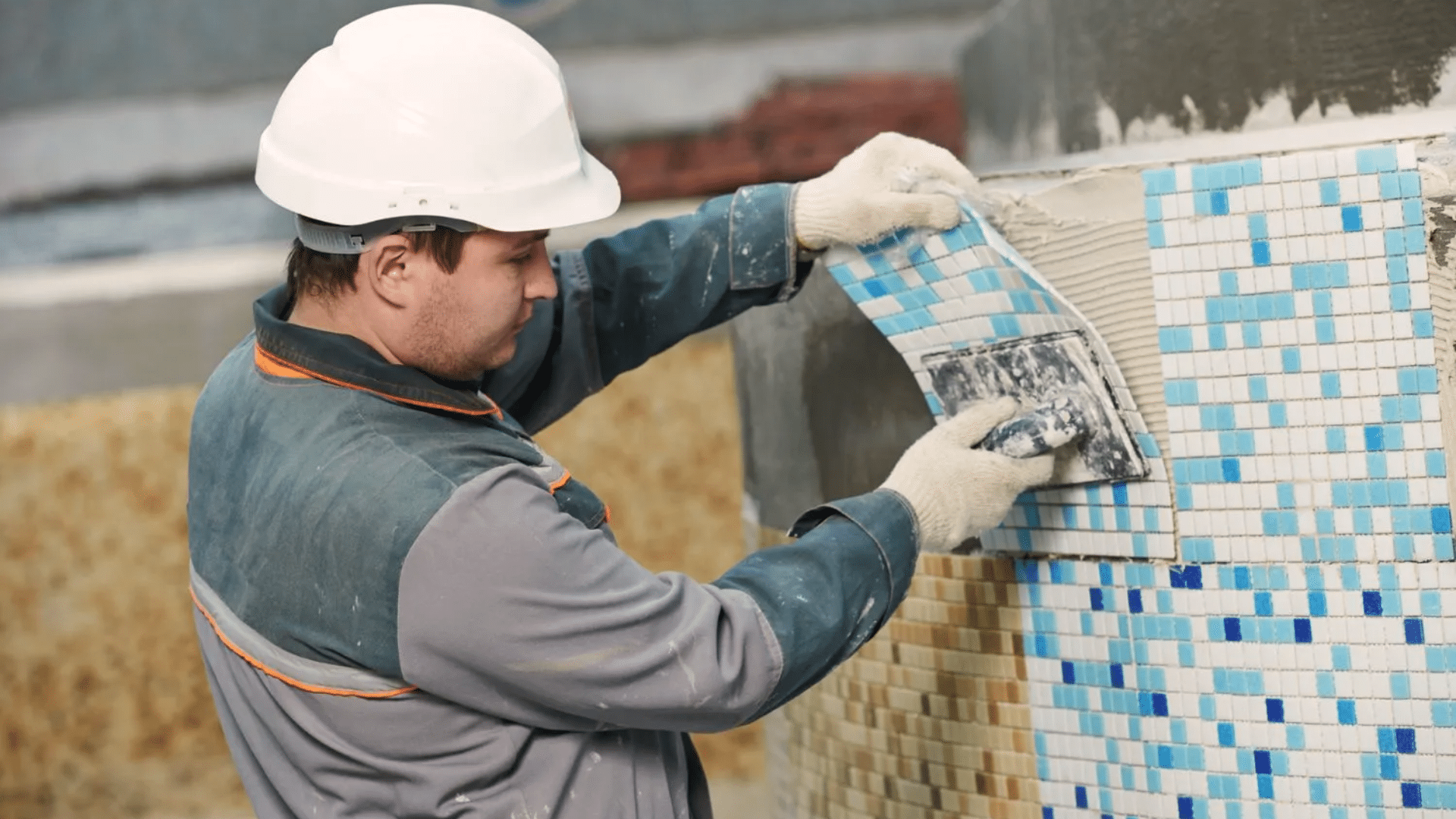
When a pool surface starts cracking or feeling rough, the cost to replaster is usually the first concern.
I know how fast questions come up when repairs involve thousands of dollars. If you are in the same spot, you are not alone.
This is a common concern for pool owners who want clear answers before making a decision.
In this guide, I shared what affects pricing and how to plan ahead. You will see how pool size, plaster type, labor, and pool condition all play a role in the final cost.
I also explained why estimates can vary so much from one home to another.
By the end of this article, you will know what pool replastering usually costs, what to expect during the process, and how to avoid surprises.
My goal is to help you feel confident, prepared, and informed before you move forward with your pool project.
What Is Pool Replastering?
Pool replastering is the process of replacing the worn plaster layer that covers the inside of a pool.
This plaster layer gives the pool its smooth feel and helps protect the structure underneath. Over time, plaster can crack, stain, or feel rough, which is when replastering becomes necessary.
Most pools need replastering every 7 to 15 years, depending on use, water care, and weather.
Common signs include rough spots, discoloration, small cracks, or plaster peeling away.
Pool replastering is often confused with resurfacing, but they are not the same. Replastering focuses only on replacing the plaster finish, while resurfacing is a broader term that may include tile, coping, or structural updates.
Replastering is usually the more basic option and is done when the pool surface needs repair, but the rest of the pool is still in good shape.
What is the Average Pool Replastering Cost?
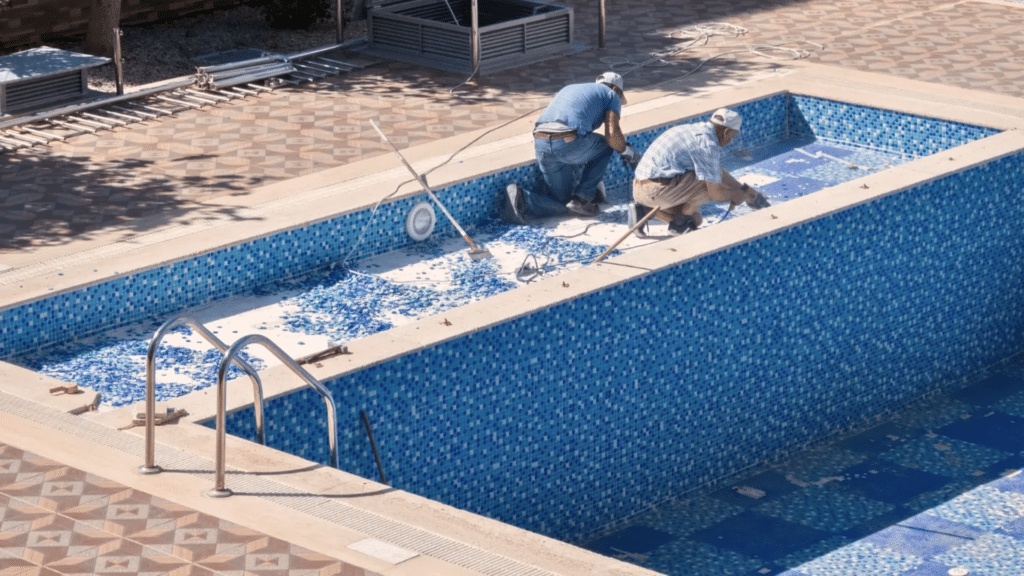
The average pool replastering cost usually falls between $4,000 and $10,000 for most standard residential pools.
This price range often includes draining the pool, removing old plaster, surface prep, new plaster application, and basic cleanup. Labor makes up a large part of the total cost, along with materials and equipment.
Costs vary because no two pools are the same. Pool size, depth, shape, and plaster type all affect pricing.
A small pool with standard white plaster costs less than a large pool with added finishes.
Pool condition also matters, since cracks or damage increase prep time and labor. Location plays a role as well, since labor rates differ by area.
While these numbers give a general idea, the final cost depends on your pool’s needs, the materials chosen, and the contractor’s pricing. Getting local quotes helps set clear expectations before work begins.
Pool Replastering Cost by Pool Size
These ranges give a general idea of what homeowners often pay. Actual prices can change based on materials, labor, and pool condition.
| Pool Size | Typical Dimensions | Estimated Cost Range |
| Small Pool | Up to 400 sq ft | $3,500 – $5,500 |
| Medium Pool | 400–800 sq ft | $5,500 – $8,000 |
| Large Pool | 800+ sq ft | $8,000 – $12,000 |
Larger pools cost more because they have more surface area to prep and plaster. More square footage means more materials, more labor time, and higher overall costs, even when using the same plaster type
Factors that Affect Pool Replastering Cost
Several details influence the final price beyond basic pool size. Understanding these factors helps explain why estimates can vary so much.
1. Pool Shape and Depth
Pools with simple shapes are easier and faster to replaster, which keeps labor costs lower. Freeform pools, sharp angles, steps, and benches take more time and care.
Depth also matters. Deeper pools need more plaster and extra labor, especially in deep ends.
Workers may need special equipment or more prep time, which raises costs.
A shallow, rectangular pool is usually less expensive to replaster than a deep pool with curves, ledges, and built-in features that slow down the process.
2. Plaster Type and Finish
The type of plaster you choose has a big impact on cost. Basic white plaster is the most affordable option and works well for many pools.
Quartz and pebble finishes cost more because the materials are pricier and installation takes longer. These finishes also last longer, which some homeowners prefer.
Color choices can raise the price, too.
While higher-end finishes increase upfront costs, they may reduce how often replastering is needed in the future.
3. Pool Condition and Prep Work
The condition of your pool surface affects how much prep work is required. Pools with cracks, hollow spots, stains, or peeling plaster need extra repairs before new plaster can be applied.
This adds labor time and sometimes material costs.
If old plaster is hard to remove or the surface needs patching, pricing goes up.
A well-maintained pool with minimal damage usually costs less to replaster because the prep process is quicker and simpler.
4. Labor and Location Pricing
Labor rates vary by region, which directly affects the total replastering cost.
Areas with higher living costs often have higher contractor rates. Demand also matters. During peak pool seasons, prices may increase due to limited availability.
Contractor experience can play a role as well. Skilled professionals may charge more but often provide better results.
Getting quotes from local contractors helps you understand realistic pricing for your area.
What Real Users Say About Pool Replastering Cost?
Real users on Reddit often share a wide range of pool replastering costs, and their experiences highlight why prices vary so much.
Most homeowners report paying $7,500 to $11,000 for standard pool replastering.Smaller pools with basic plaster tend to cost less, while larger pools or upgraded finishes push prices higher.
Many users mention that adding items like new coping, waterline tile, or pebble-style finishes quickly raises the total.
Location plays a big role, with pool owners in Texas, Florida, and high-demand metro areas often seeing higher quotes.
Many users stress getting multiple estimates since prices can vary by thousands.
Common advice includes avoiding the cheapest option, asking what is included, and choosing contractors who communicate clearly and follow through.
How to Save Money on Pool Replastering?
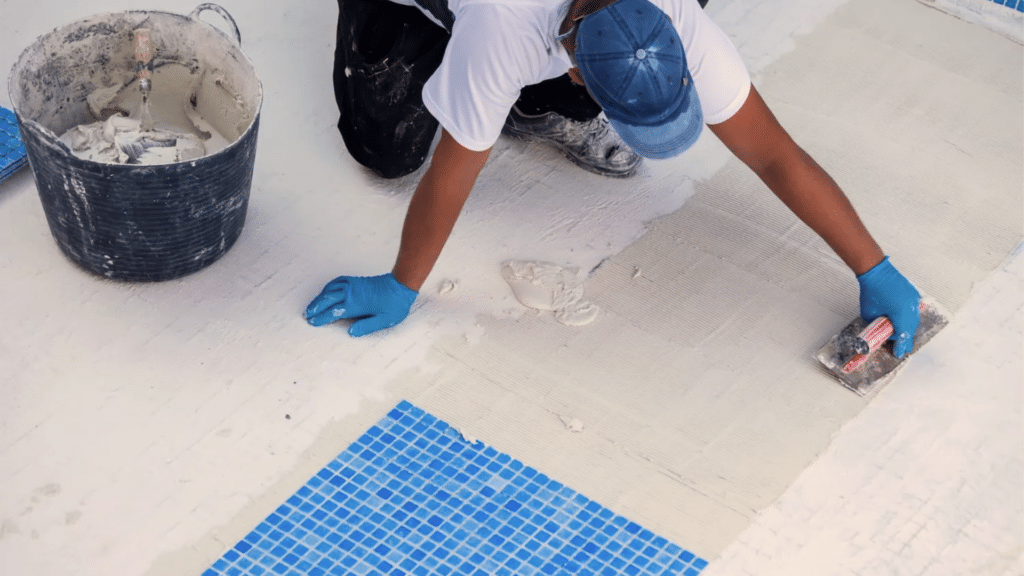
Smart planning can help lower your total cost without cutting corners. Small choices before work begins often make a big difference.
- Schedule the job during the off-season when contractors are less busy and may offer better pricing.
- Get at least three quotes from licensed contractors to compare pricing, timelines, and what is stated in each estimate.
- Choose standard white plaster or basic finishes, which cost less than quartz or pebble options.
- Fix small surface issues early to avoid added prep costs during replastering.
- Skip upgrades like color additives, extra textures, or decorative finishes unless they are truly needed.
DIY vs Professional Pool Replastering Cost
Both options come with very different expectations, costs, and outcomes. Understanding these differences helps avoid costly mistakes.
| Comparison Point | DIY Replastering | Professional Replastering |
| Average Cost | $1,000–$3,000 for materials | $4,000–$10,000+ total |
| Labor | Homeowner time and effort | Skilled crew included |
| Skill Required | High learning curve | Trained experience |
| Hidden Expenses | Tool rental, mistakes, redo work | Few surprise costs |
| Risk Level | High risk of cracks or failure | Lower risk with proper prep |
| Durability | Often shorter lifespan | Longer-lasting finish |
| Best Used When | Budget is very tight, and experience exists | Pool needs lasting, reliable results |
Professional work is usually worth the cost when the pool has surface damage, complex shapes, or when long-term durability matters more than short-term savings.
When Pool Resurfacing Is the Better Choice?
Pool resurfacing is the better choice when a pool has issues beyond worn plaster. Resurfacing makes sense if the pool has cracked tiles, damaged coping, or an older surface that keeps failing.
It is also a good option for pools that need both repairs and a full visual update.
The average cost of pool resurfacing usually ranges from $6,000 to $15,000, depending on materials and pool size.
While this costs more than replastering upfront, it often delivers better long-term value. Long-term value matters when repeated repairs would add up over time.
Replastering may not be enough if stains keep returning, cracks spread, or the surface feels uneven in many spots.
These signs often point to deeper wear that resurfacing can address in one project instead of fixing problems piece by piece.
Conclusion
Understanding pool replastering costs helps you avoid surprises and make smarter choices for your pool.
Prices can vary based on pool size, surface condition, materials, and local labor rates, so there is no one-size-fits-all number.
The key is knowing if your pool needs fresh plaster or full resurfacing for long-term value. Taking time to compare options can save you money and stress down the road.
Before making a decision, get quotes from a few local professionals and ask clear questions about what is included.
This gives you a realistic view of pricing in your area and helps you spot red flags early.
If you have already replastered or resurfaced your pool, share your experience in the comments below. Your insight could help other homeowners plan with more confidence.