

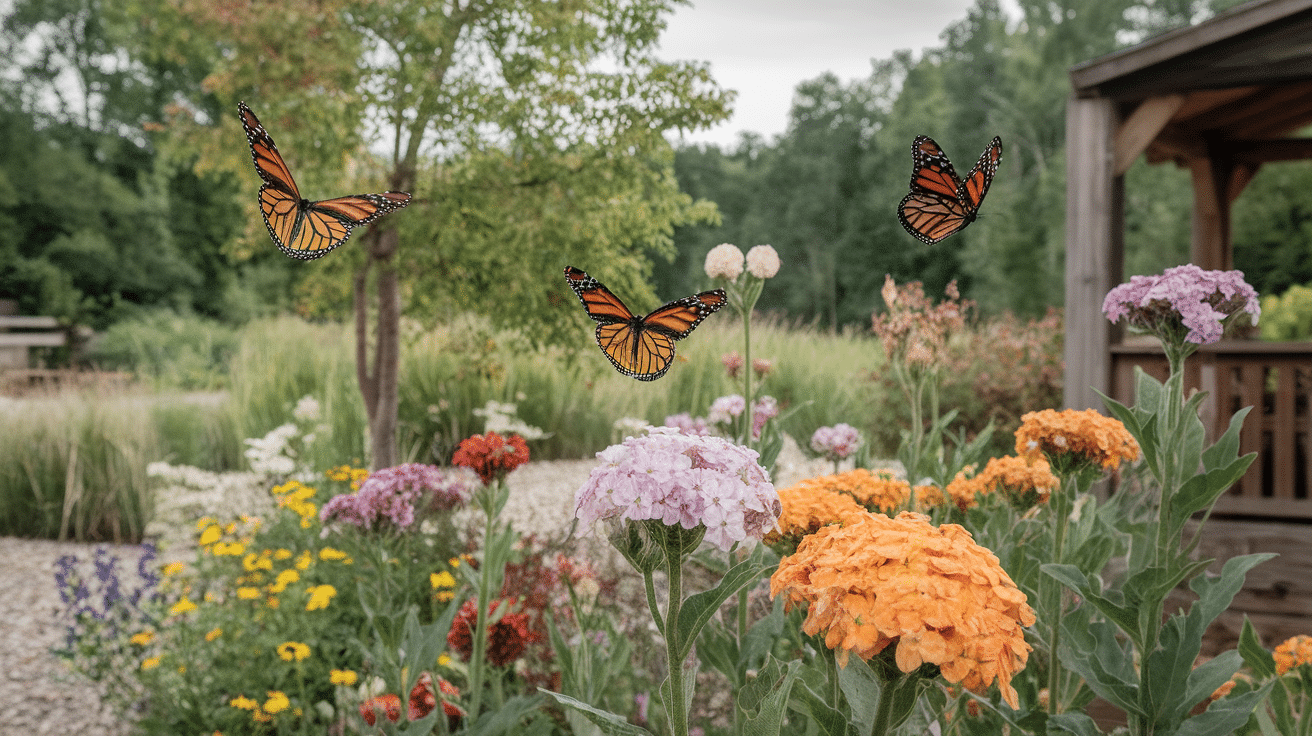
Butterflies bring beauty and movement to any garden. They need the right flowers, sunlight, and a safe space to visit.
A butterfly garden can be a calm and happy place for people, too. Building one does not have to be hard. It just takes a little time and care.
Many people enjoy seeing butterflies up close and learning how they live. This kind of garden also helps the earth by supporting these small, helpful insects.
In this blog, readers will learn how to make their own butterfly garden using easy tips and tools.
Why Build a Butterfly Garden?
Butterflies play an important role in nature. As they move from flower to flower, they carry pollen. This helps plants make seeds and grow healthy fruit.
Gardens with butterflies often have stronger flowers, better vegetables, and more plant life overall. A butterfly garden also supports bees and other helpful insects that work together to keep plants growing.
A butterfly garden provides food from flowers and leaves for caterpillars to eat and safe places to rest. Many butterfly numbers are dropping because natural spaces are disappearing.
Building a butterfly garden helps replace those lost spaces. It also gives families a chance to watch the full butterfly life cycle up close, which builds respect for nature and living things.
Key Steps to Build a Butterfly Garden
To attract and support butterflies, you need to think about light, soil, food, and shelter. Each step below helps create a healthy space where butterflies can feed, grow, and stay safe.
Pick the Right Spot
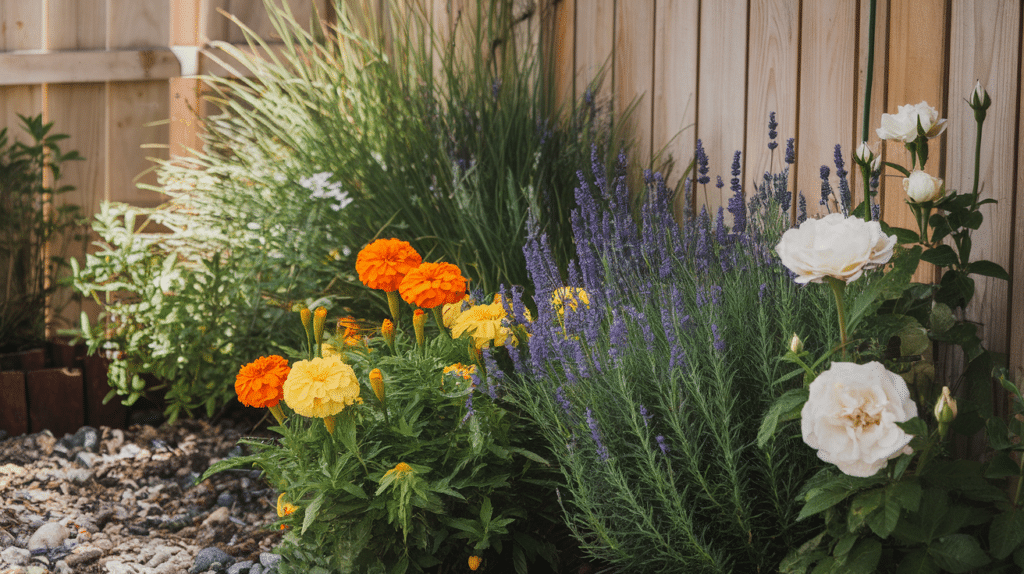
Butterflies love the sun. Choose a spot that gets at least 6 hours of sunlight each day. Sunlight keeps butterflies warm and helps flowers grow well.
Stay away from windy areas, since strong winds can make it hard for butterflies to fly and land. A garden near a fence, wall, or bush can give some wind protection.
Even small spaces like balconies or porches can work, as long as there’s sunlight and enough room for a few pots or flower beds.
Use the Right Soil
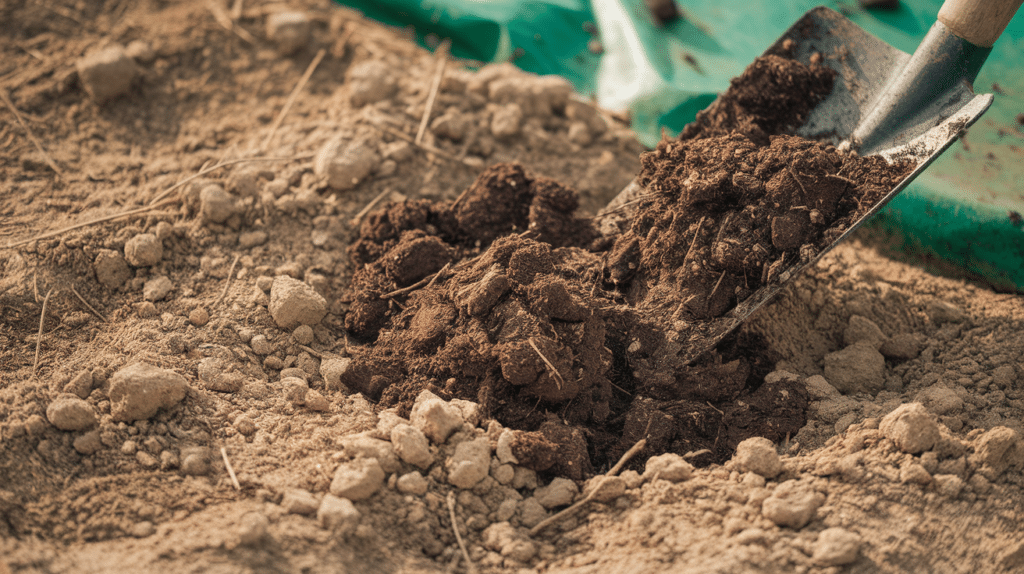
Good soil helps flowers grow strong and healthy. Most butterfly-friendly plants like loose, well-drained soil. This means water should not sit on top but should sink in and drain well. If your soil is hard or too wet, mix in compost or humus. These make the soil rich and soft.
For container gardens, use potting soil that drains well. Make sure pots have holes at the bottom to let out extra water.
Pick Native Plants
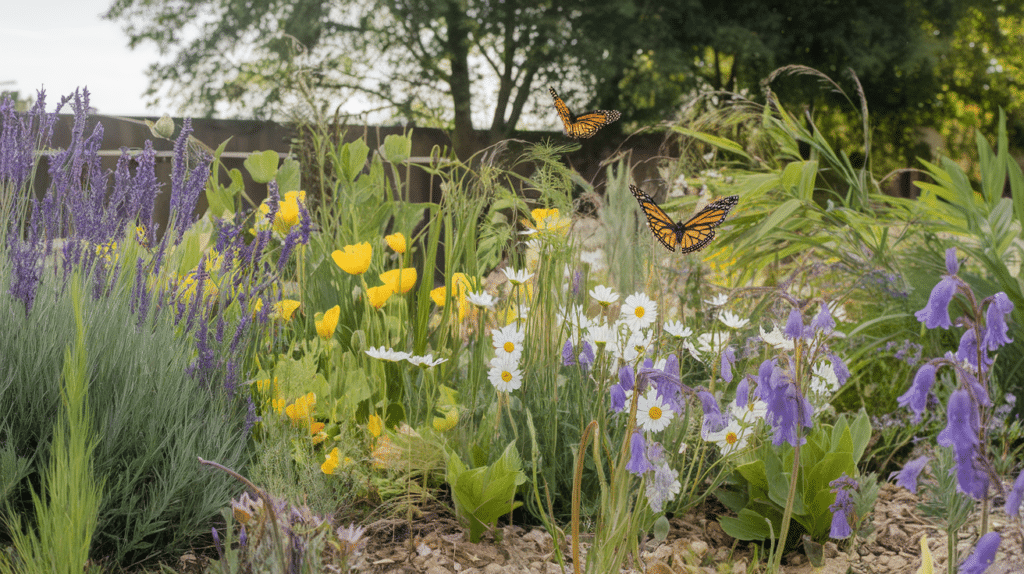
Native plants are flowers and grasses that grow naturally in your local area. They are the best choice for a butterfly garden because butterflies in your area are already used to them. Native plants also need less water and care.
Ask a garden center or local plant expert which flowers grow best where you live. Using the right plants makes your garden easier to grow and better for butterflies.
Choose Nectar Plants
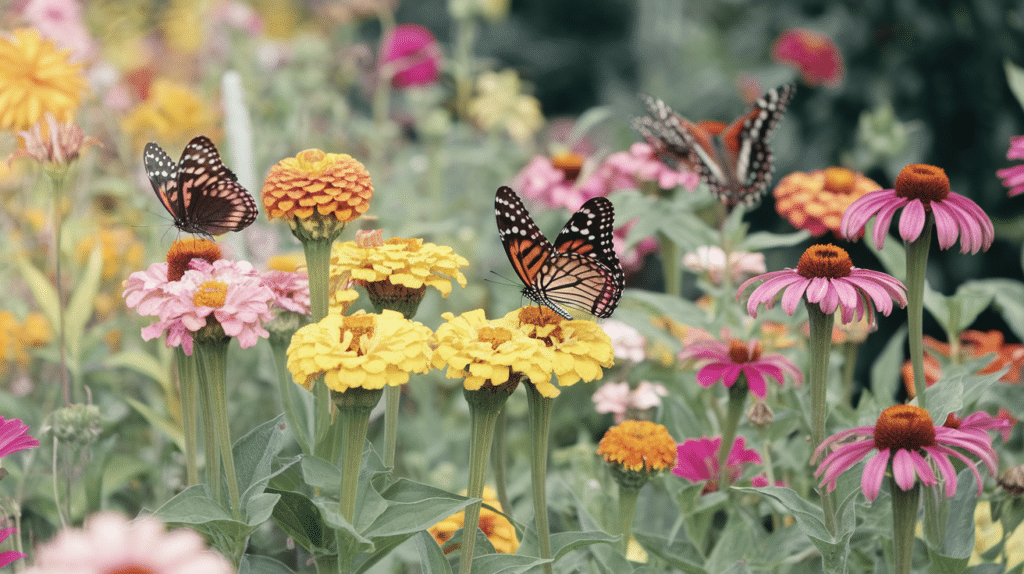
Nectar plants give butterflies their main food. Nectar is the sweet liquid inside flowers. Butterflies drink it through a long tube called a proboscis.
Some easy nectar plants include:
- Zinnias
- Coneflowers
- Lantana
- Marigolds
- Bee balm
- Butterfly bush (choose non-invasive types)
- Black-eyed Susan
- Verbena
Pick bright colors like orange, red, pink, yellow, or purple. Butterflies see these best. Also, plant flowers that bloom in different seasons so butterflies always have food.
Include Host Plants
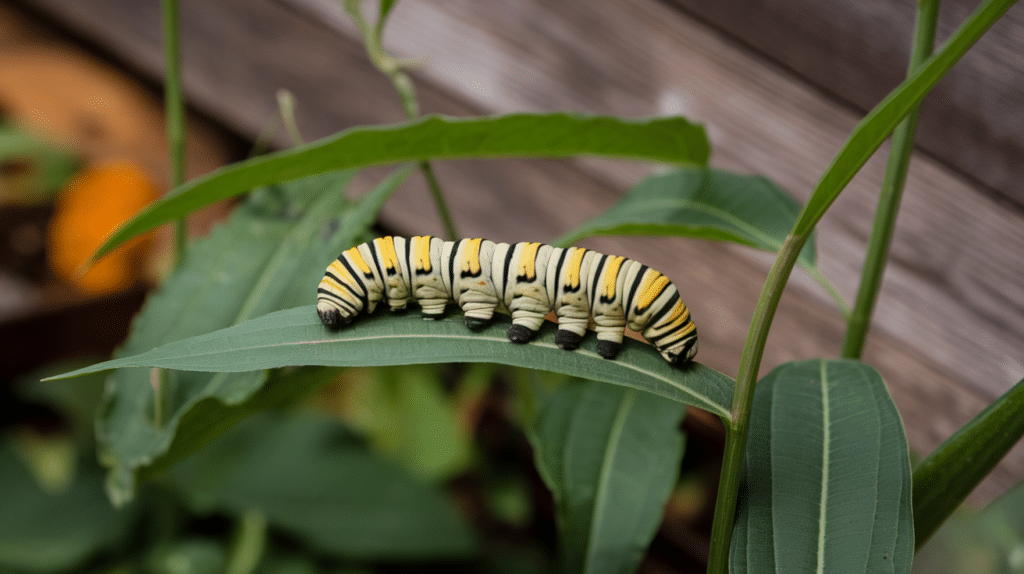
Butterflies lay their eggs on special plants called host plants. When the eggs hatch, the caterpillars feed on these plants until they become butterflies. Without host plants, butterflies may visit but won’t stay or grow.
Examples of host plants:
- Milkweed, for monarchs
- Parsley, dill, fennel, for swallowtails
- Passionflower, for fritillaries
- Hollyhock, mallow, for painted ladies
It’s okay if caterpillars chew some leaves. That means your butterfly garden is working!
Add Water Sources
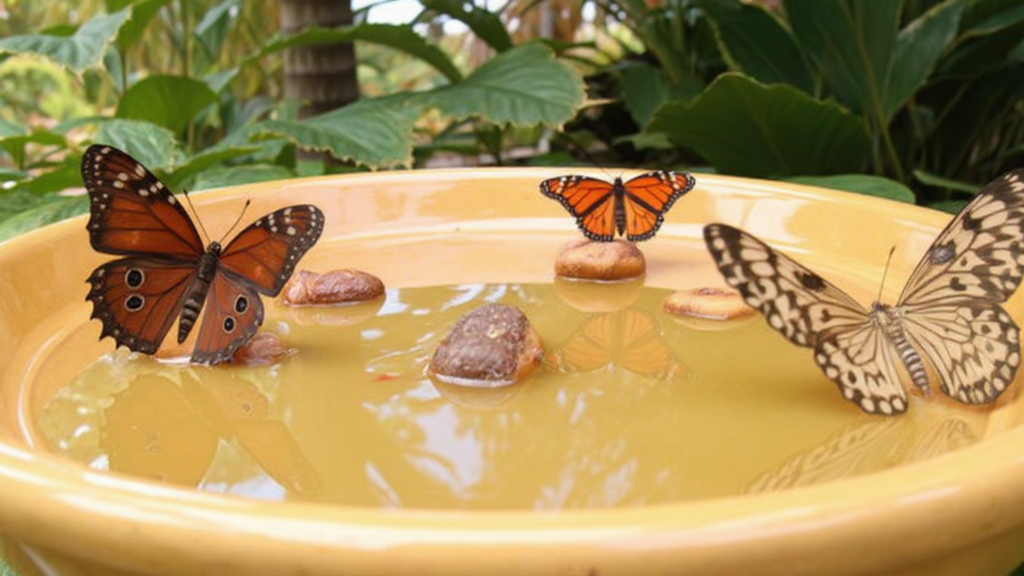
Butterflies don’t drink from deep water as birds do. They prefer shallow, wet spots called “puddling stations.” You can make one easily:
- Fill a shallow dish with sand or gravel.
- Add just enough water to make it wet but not flooded.
- Place it in a sunny, quiet spot.
You can also add a few flat stones where butterflies can sit and drink water safely.
Use Groups of Flowers
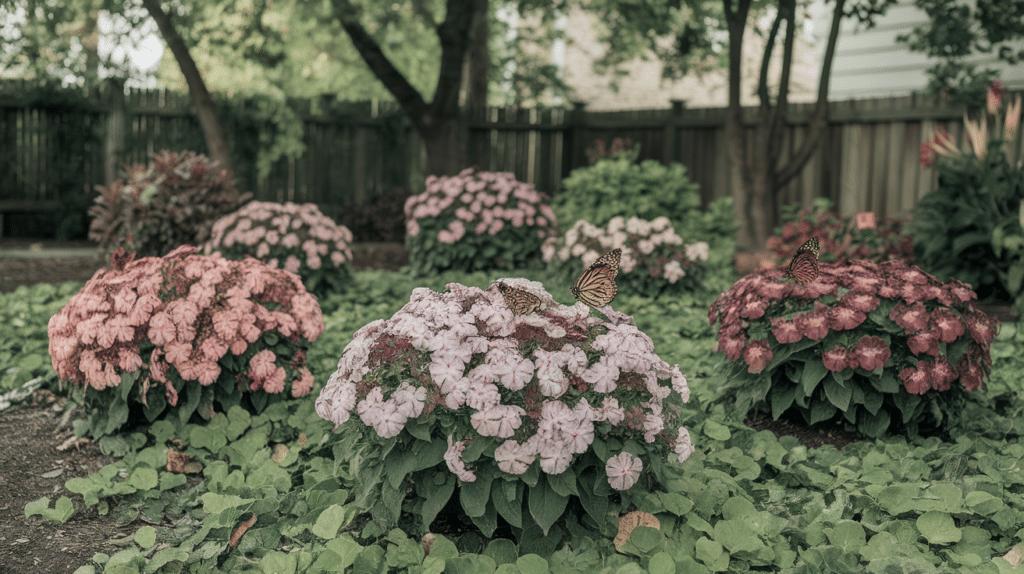
Butterflies like to see and visit big clumps of the same flower. Group 3 to 5 of the same plant together. This makes it easier for butterflies to find food and helps your garden look full and colorful.
Try planting flowers at different heights, some tall, some low to the ground. This brings in more types of butterflies and gives them more landing spots.
Don’t Use Pesticides
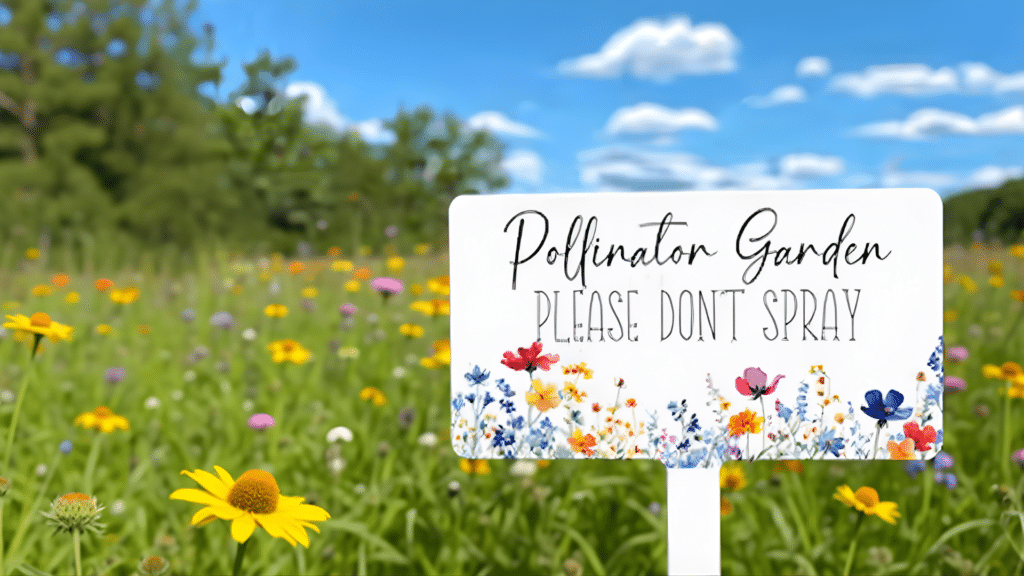
Many sprays used on gardens to stop bugs can hurt butterflies and caterpillars. Even natural bug sprays may be harmful. Avoid using pesticides on or near your butterfly garden.
If you have to control pests, try these safer options:
- Pick bugs off by hand
- Use netting to cover plants
- Let birds and ladybugs eat the bad bugs
A healthy garden can often protect itself over time.
Give Butterflies a Place to Rest
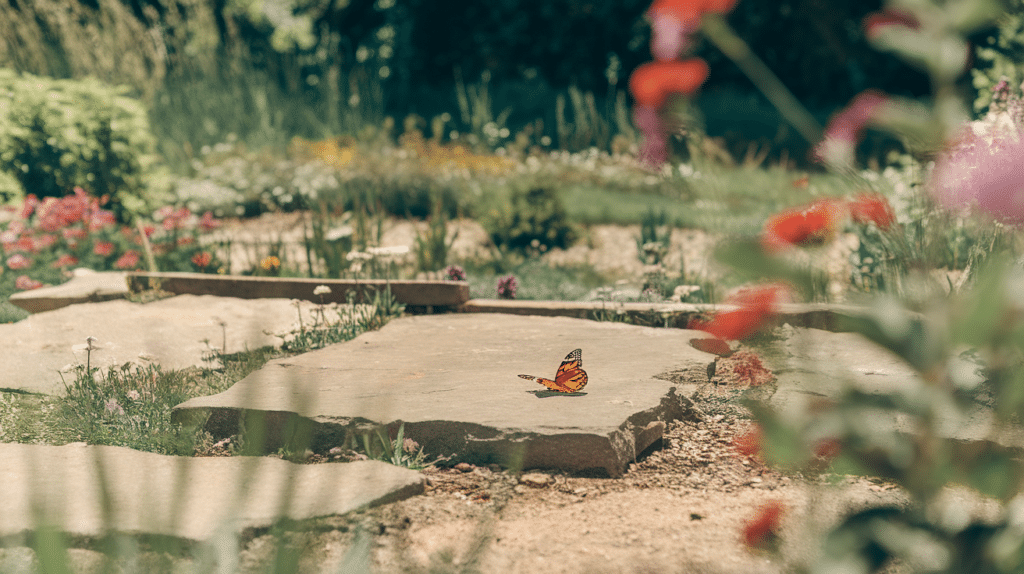
Butterflies like to rest and warm their wings in the sun. Place a few flat rocks, logs, or bricks in sunny parts of your garden. These give butterflies a safe place to land and rest.
You can also add short garden stakes or even old tree branches. These act as perches where butterflies can take breaks between feeding.
Plan for All Seasons
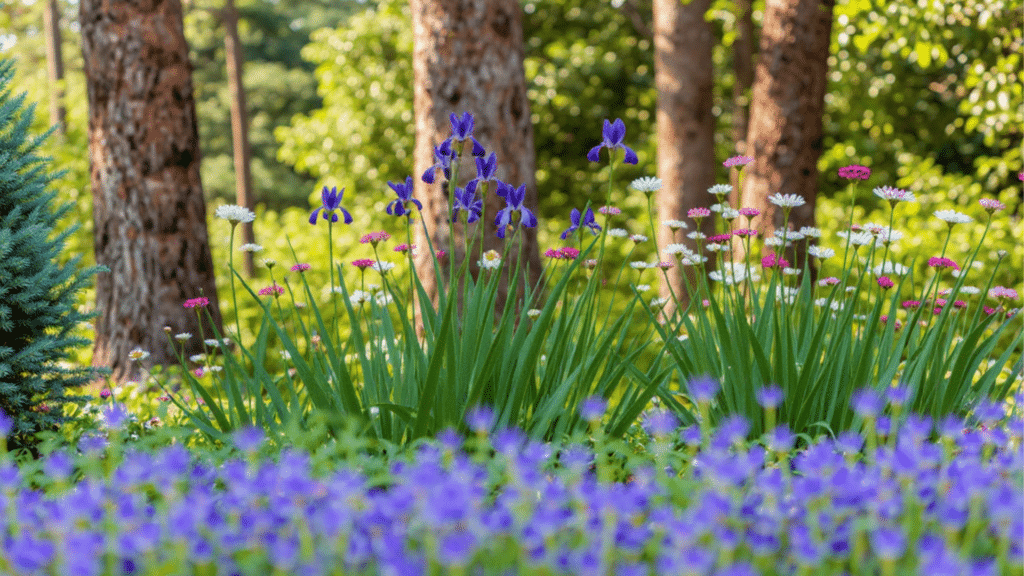
To keep butterflies coming all year, plant flowers that bloom in different seasons. Some flowers bloom in early spring, others in summer, and a few in fall. This gives butterflies a steady food supply.
Here’s a simple way to plan:
- Spring: Plant early bloomers like phlox or violets
- Summer: Use long bloomers like coneflowers or bee balm
- Fall: Add late bloomers like goldenrod or asters
Also, leave some dried plants or leaves in the winter. Butterflies may hide or lay eggs there. Don’t clean up too early; wait until spring.
How to Grow a Butterfly Garden in Small Spaces
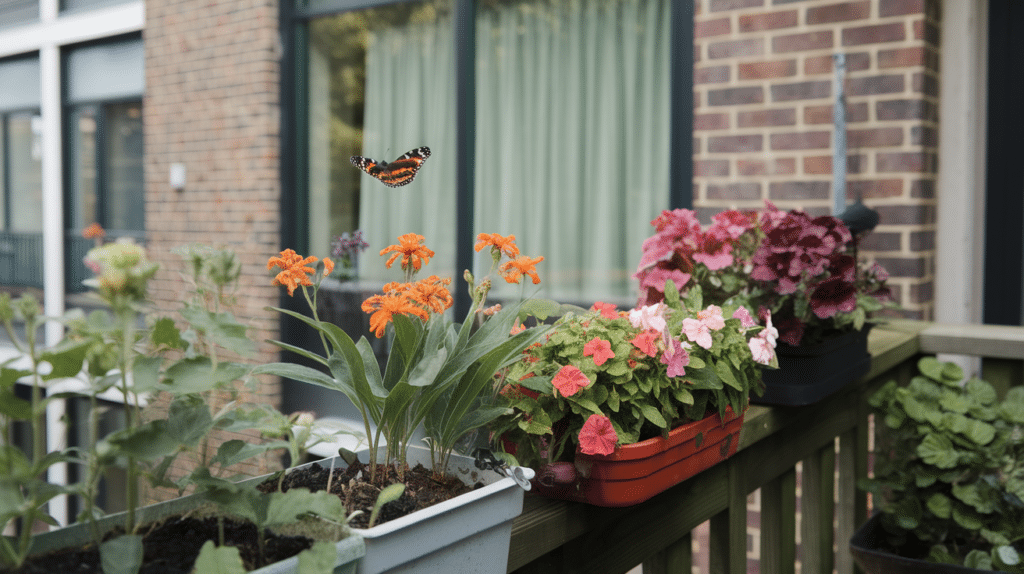
You don’t need a big yard to build a butterfly garden. A few pots on a balcony, porch, or window ledge can work well. Use containers with good soil and place them in the sun for at least 6 hours a day.
Pick small nectar plants like zinnias, lantana, or marigolds. You can also grow host plants like dill or milkweed in pots. Group your plants together so butterflies can find them easily.
Add a shallow dish with wet sand for water, and skip all bug sprays. Even one pot with the right plant can help butterflies. Small spaces can still make a big difference.
Easy Ways to Care for Your Butterfly Garden
Once your butterfly garden is set up, it needs a little care to stay healthy. Here are some easy ways to keep it looking good and full of life:
- Water the plants: Most flowers need water every few days, especially during hot weather.
- Pull weeds: Weeds take up space, water, and nutrients that your flowers need.
- Deadhead flowers: Remove old or dried flowers to help new ones grow.
- Add mulch: Mulch helps keep the soil moist and stops weeds from growing.
You don’t have to spend hours on it. Just a few minutes each week can make a big difference.
Wrapping it Up
Building a butterfly garden is not just about adding flowers. It’s about creating a small world where butterflies can live, feed, and grow.
Each plant, puddle, and sunny spot plays a part in helping these insects survive. With fewer wild spaces around, even home gardens matter.
Your effort can support the butterfly life cycle and bring balance to your local ecosystem. It’s also a quiet way to slow down and connect with nature.
Over time, you’ll notice more than butterflies; you’ll notice change. If you’re ready to make a difference, start planning your butterfly garden today.