

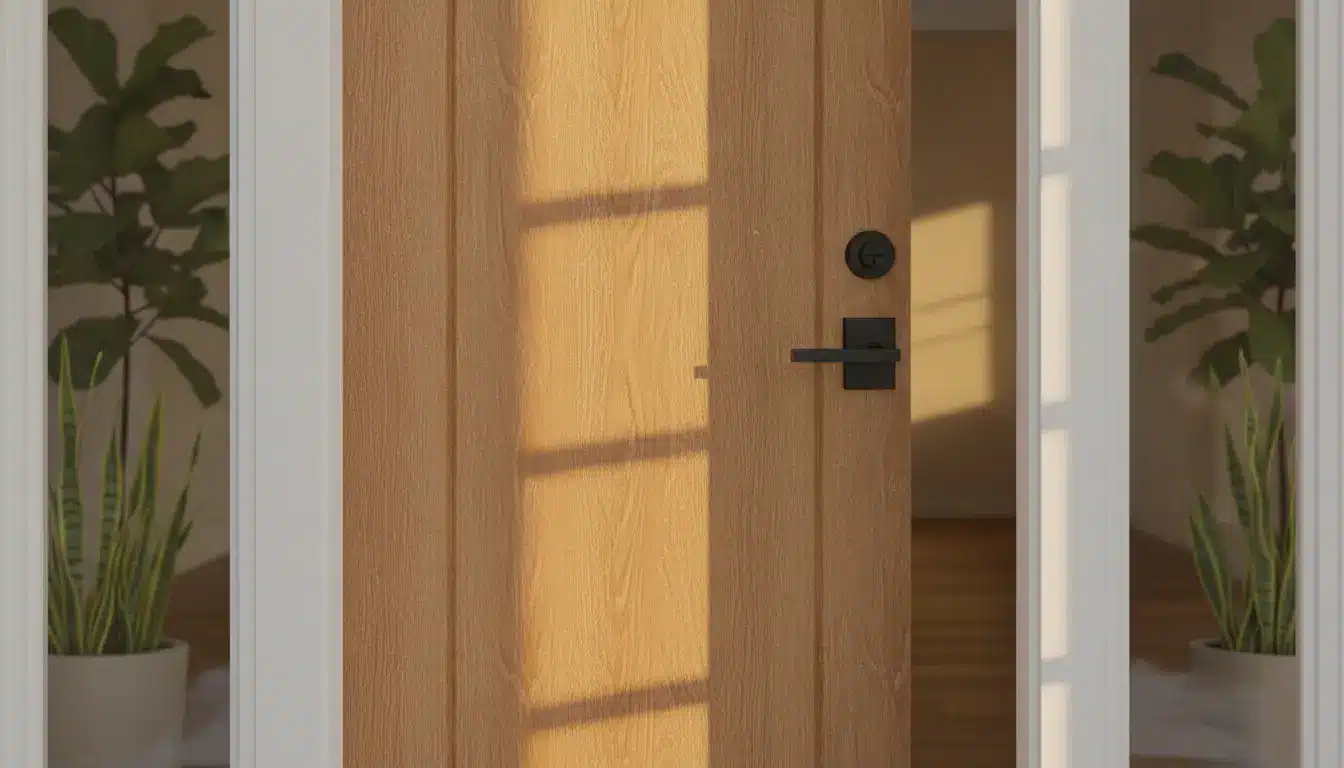
Good door hardware does two jobs at once. It sets the tone for a room, and it also supports security, durability, and everyday use. The easiest way to get both right is to work in order: measure first, confirm the function and safety basics, choose the mechanism and grade, then move on to finishes and smart features.
This guide walks through that sequence so the knob, lever, or lock you choose fits your door, holds up to daily use, and supports basic safety expectations for U.S. homes.
Start With Fit: The Measurements That Prevent Returns
Nothing derails a hardware upgrade faster than a set that will not seat correctly on the door. Three measurements settle most of the fit question.
Thickness. In the U.S., interior doors are typically 1-3/8 inches thick, while exterior doors are commonly 1-3/4 inches. Knowing this prevents clamping and latching problems.
Bore. The bore is the round hole that holds the lockset. Knobs and levers usually need a 2-1/8-inch bore. Deadbolts often use either a 1-1/2-inch or 2-1/8-inch bore. Measuring the existing hole tells you what will drop in cleanly.
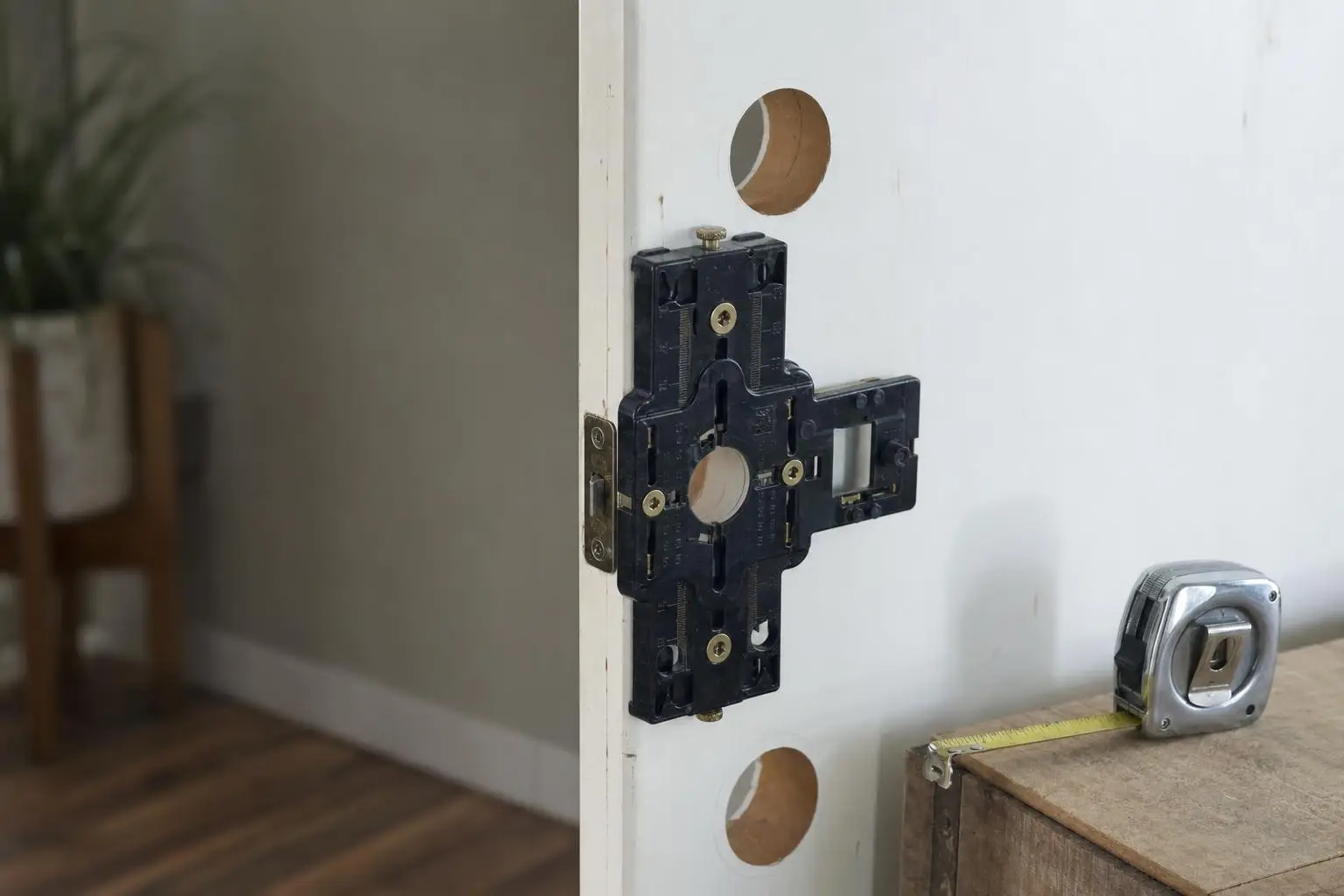 Backset. The backset is the distance from the door edge to the center of the bore. The two most common residential backsets are 2-3/8 inches and 2-3/4 inches. Many replacement latches adjust to fit either size, which is helpful on older doors.
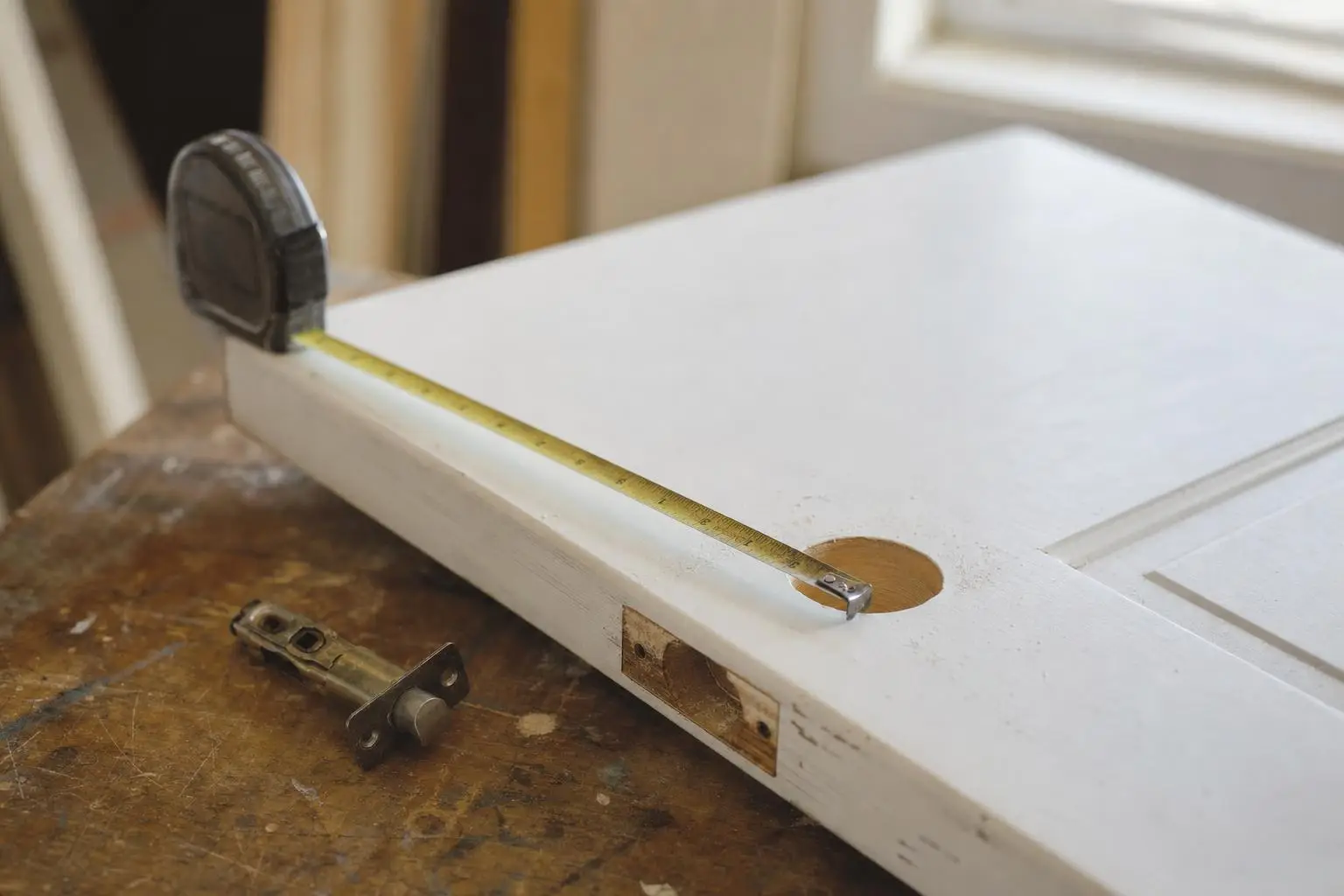 Write these three numbers down before you browse. They turn a long product list into a short one.
Choose the Function That Matches the Room
Hardware is sold by function, and the right choice depends on how the door is used every day.
- Passage: no lock, just latching. This works well for closets, hallways, and rooms that do not need privacy.
- Privacy: a simple push or turn lock with no key. This is the common choice for bedrooms and bathrooms.
- Entry (keyed): locks with a key on the outside. Use these for exterior doors and any interior door you need to secure.
- Dummy: a fixed handle with no working latch, often used on double doors or pantry doors that stay shut with a catch.
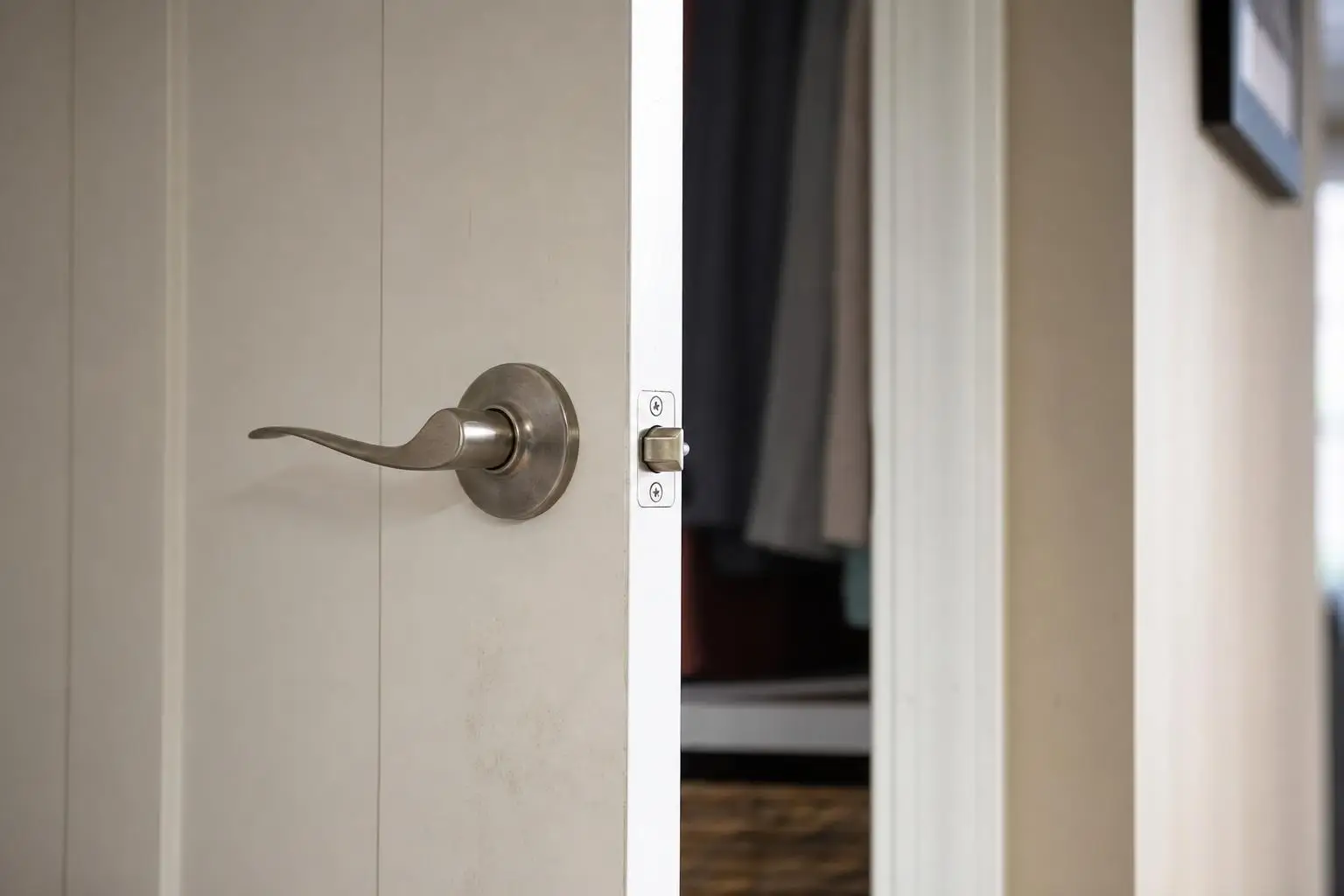 Sorting doors by function first keeps you from over-buying, such as installing a keyed entry set where a simple passage knob would do.
Pick the Mechanism the Right Way
Behind the style, most residential hardware uses one of two mechanisms.
Tubular, or cylindrical, sets are the everyday choice. They fit standard pre-bored doors and are the easiest to retrofit, which makes them practical for most replacement projects.
Mortise locks use a single rectangular case set into a pocket cut in the door edge. They often feel heavier and more integrated, and they are common on custom or higher-end doors. The tradeoff is a more involved installation.
Mechanism is separate from appearance. Choose it based on your door and installation comfort, not only the style you like.
Safety and Codes in One Minute
You do not need to memorize the code book, but a few consumer-relevant points are worth knowing. Local adoption varies, so treat these as best practices and check what applies where you live.
- Egress: under the residential code, a home’s required egress door must open from the inside without a key or special knowledge. Avoid hardware that could trap people inside.
- Accessibility: ADA guidance calls for operable parts that can be used with one hand and without tight grasping, pinching, or wrist twisting. This is where levers often work better than round knobs.
- Fire doors: where a fire-rated door exists, it needs to self-close and self-latch. Do not use permanent wedges or stops that prevent that function.
Understand Grades and Labels
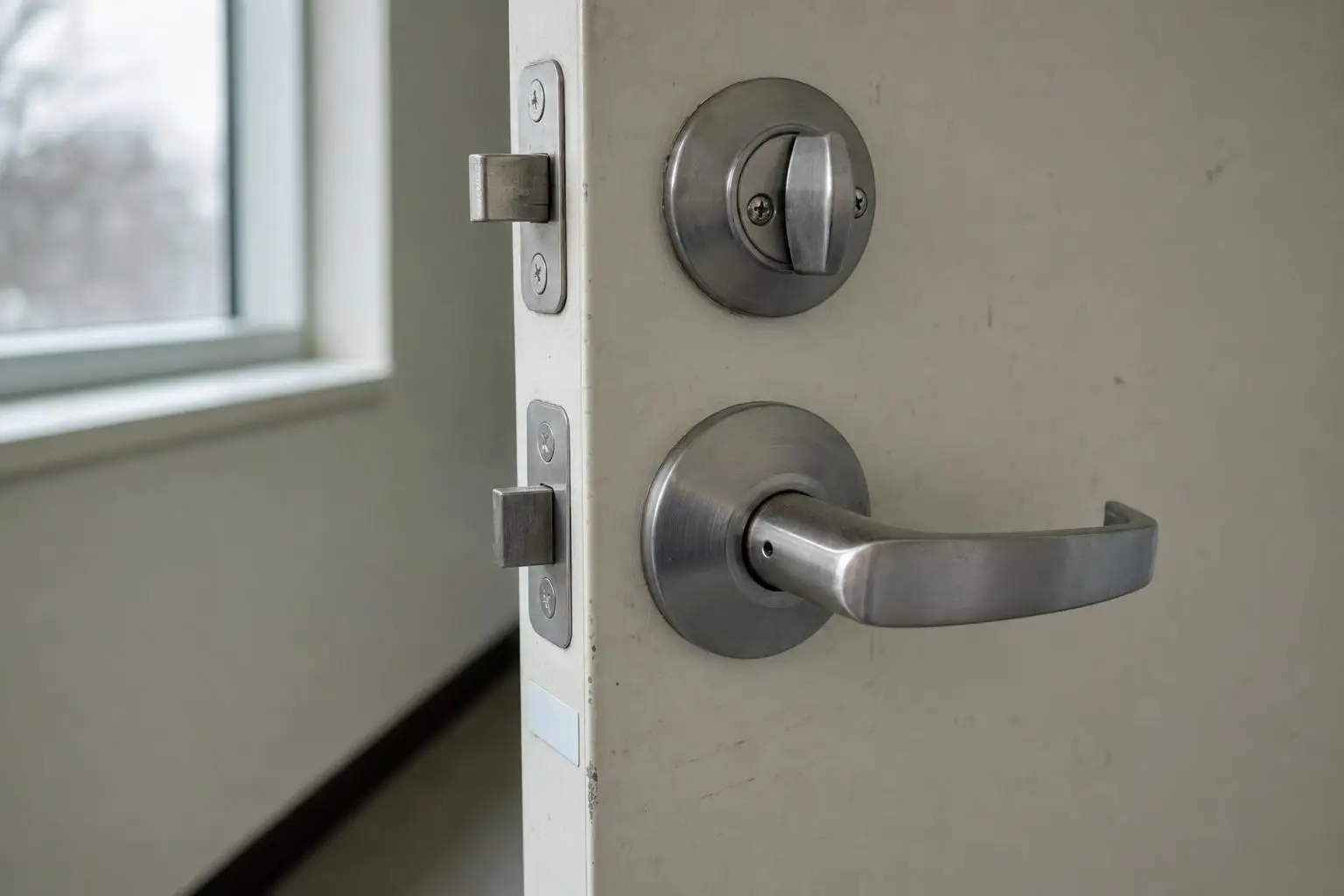
Grading helps compare quality without opening the box. BHMA’s residential label rates locks in Security, Durability, and Finish, and each category receives an A, B, or C grade. A set may be strong on security but average on finish, and the label shows where it performs best. Once those measurements and grades are clear, a retailer like Doors for Pros can be a reference point for comparing residential and commercial hardware specs side by side.
The grades come from standardized cycle, finish, and security testing. You do not need every standard to shop well; focus on the part of the door that matters most.
A simple way to prioritize:
- Front and exterior doors: aim higher on the Security grade.
- Bath and bedroom privacy sets: lean toward Durability, since they cycle often.
- Coastal homes: pay close attention to the Finish grade, which reflects resistance to wear and corrosion.
Hardware That Survives Daily Abuse
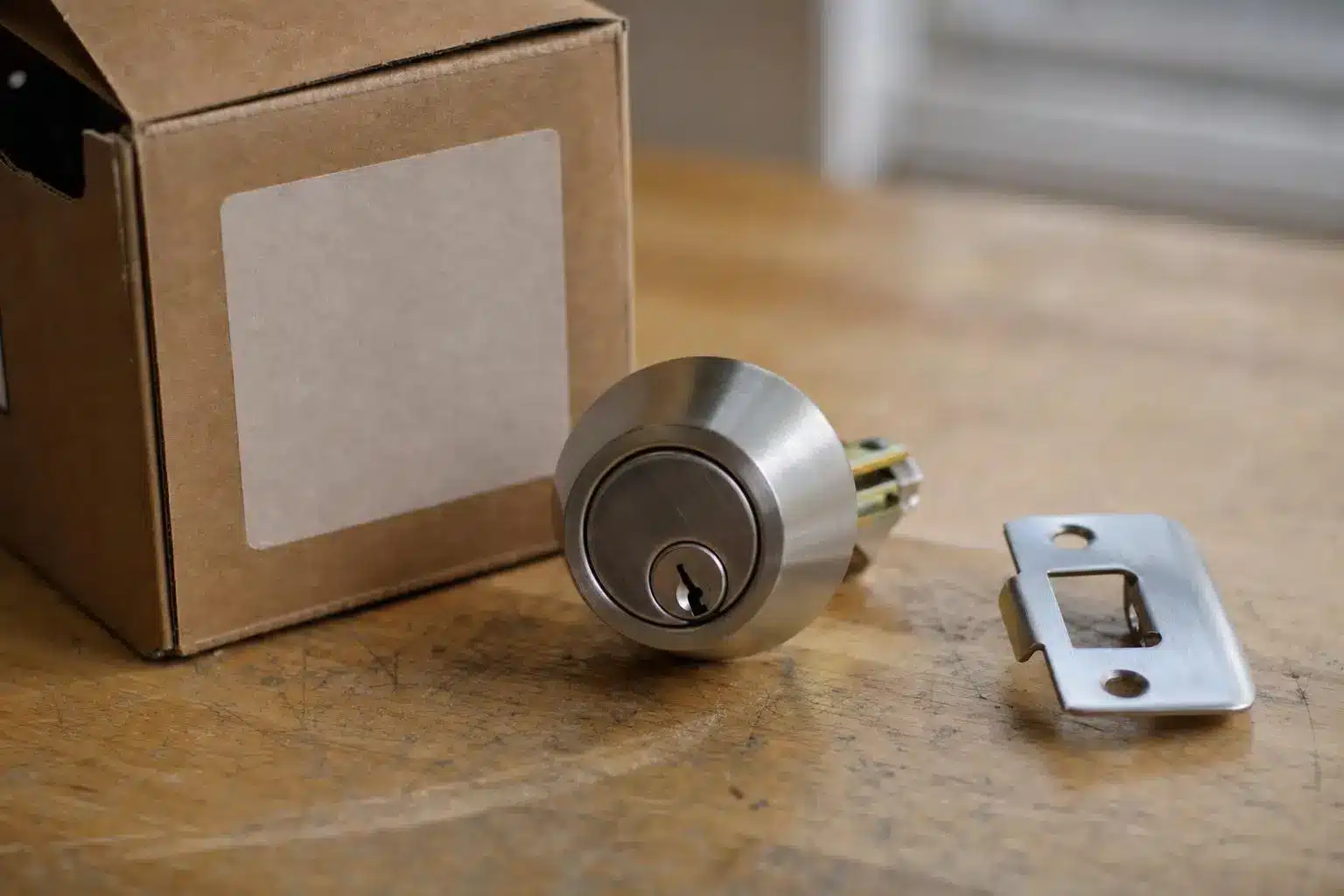
A few small upgrades can add meaningful strength. On exterior doors, a heavy-duty strike plate with 3- to 4-inch screws driven into the wall framing helps reinforce the door against forced entry. A deadbolt with a throw of at least 1 inch is a sensible minimum for entry doors.
Hinges matter too. A practical rule of thumb is one hinge per 30 inches of door height, or fraction of that. Heavy exterior doors that slam, drift, or catch in the wind may also benefit from a closer that controls the swing.
Choose Finishes With Confidence
With fit and function handled, finish becomes a style decision. A few dependable palettes include:
- Matte black for a modern look that pairs well with clean, minimal trim.
- Warm brass for traditional and transitional interiors, especially with wood tones.
- Satin nickel for a versatile baseline that works with many palettes.
For durability, look for coatings designed to resist wear and corrosion, especially near the coast or on heavily used entries. You do not have to make the entire home identical. Keep finishes consistent within a single sightline, then let separate spaces have their own character.
Shop and Compare Without the Guesswork
This is where your notes pay off. Once you have measured thickness, bore, and backset and know the grade you want, browse retailer listings to compare residential and commercial hardware specs side by side before you commit.
- Filter by function and handing first.
- Confirm the set fits your door thickness and backset.
- Check the BHMA label and any warranty details.
- Skim the installation instructions to confirm the set matches your door prep.
Confirm handing from the outside: hinges on the left mean a left-hand door, and hinges on the right mean a right-hand door. Some trim is reversible and some is not, so verify before buying levers with a defined orientation.
Smart Locks Without Sacrificing Fundamentals
Smart deadbolts add convenience, but they still need to fit and hold up. Check platform compatibility first, including whether the lock works with your phone, keypad, voice assistant, or home automation system. Then confirm the basics: door thickness, backset, bore size, handing, and BHMA grades. For a deeper feature comparison, review smart lock options before choosing connected hardware.
Battery life is a practical concern too. Look for clear low-battery alerts and a backup access method, such as a physical key or temporary power contact. Smart features are useful only when the lock still performs well as a lock.
Keys and Everyday Convenience
Finally, think about keys. Keyed alike means several locks open with one key, which is handy for the front, back, and garage doors. Keyed different gives each lock its own key for a rental suite, home office, or storage area you want to control separately. Within a single brand family, rekeying to match is often possible, so you may standardize keys later without replacing hardware.
Bringing It Together
Good door hardware is a sequence, not a single decision. Measure thickness, bore, and backset. Match function and mechanism to each door. Check grades and code basics. Then choose finishes and smart features once you know they will fit.
Work in that order and the hardware you like is more likely to look right, feel solid, and support home security for years.