

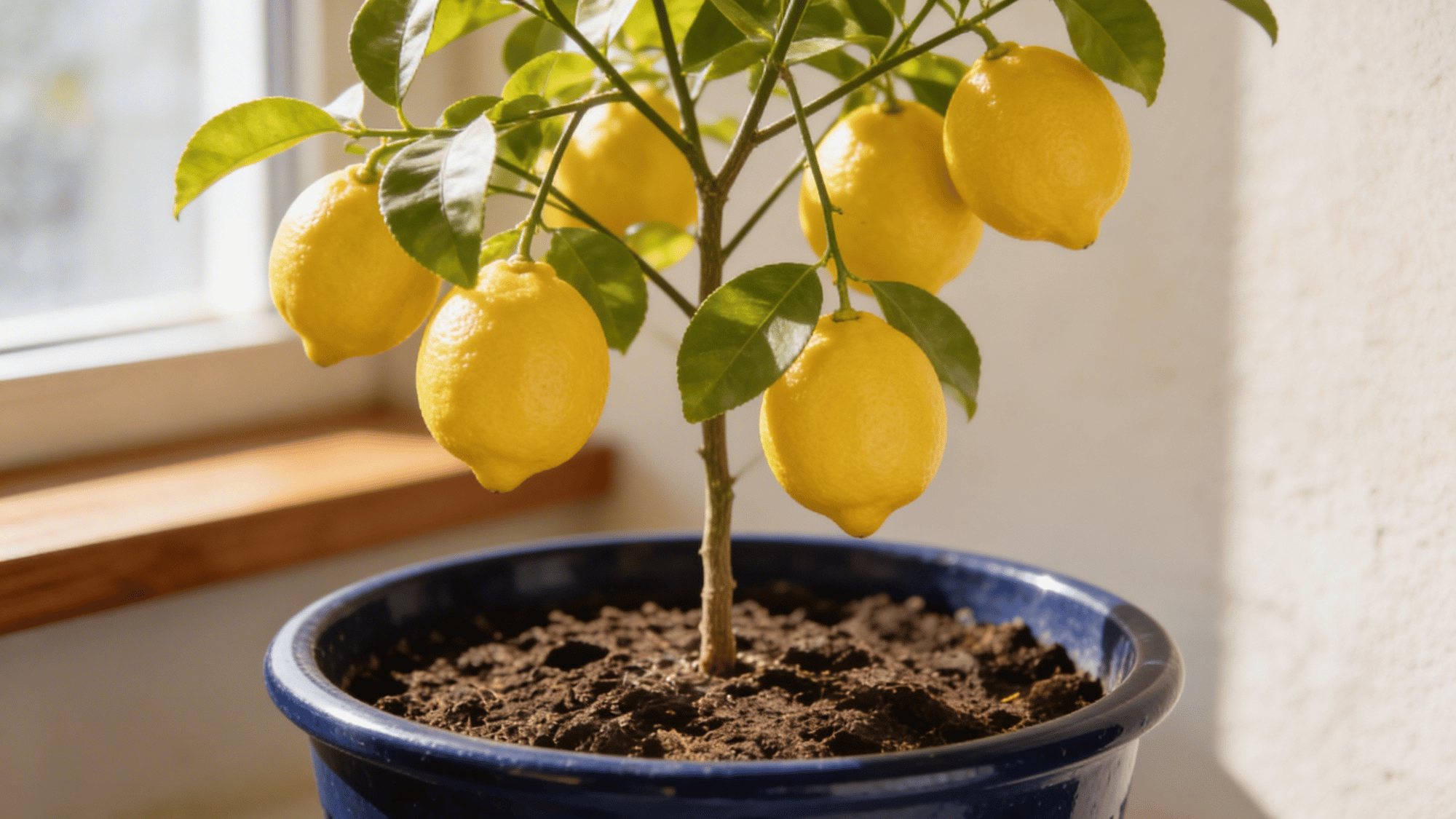
Ever imagined plucking fresh lemons right from the backyard? Most people think growing citrus trees is complicated and requires expert skills.
That’s not entirely true. Growing a healthy lemon tree doesn’t need a green thumb or years of gardening experience.
With the right approach and some basic care, anyone can enjoy homegrown lemons. The process is simpler than it seems, and the rewards?
Absolutely worth it. This blog breaks down everything needed to turn that dream into reality.
Lemon Tree Care Basics
Before getting started with planting, understanding what lemon trees need helps set realistic expectations and prepares gardeners for success.
- Sunlight: Lemon trees crave bright, direct sunlight for at least 6-8 hours daily to produce healthy fruit.
- Water: Consistent moisture is key, but waterlogged soil spells disaster for roots and overall tree health.
- Soil: Well-draining soil with slightly acidic pH keeps the tree happy and prevents root rot problems.
- Temperature: These citrus lovers prefer warm climates and struggle when temperatures drop below 50°F regularly.
- Nutrients: Regular feeding with citrus-specific fertilizer supports strong growth and abundant fruit production throughout the season.
Step-by-Step Instructions on Growing a Lemon Tree
Growing a lemon tree is rewarding and simple with proper planting, sunlight, watering, feeding, and consistent year-round care.
Step 1: Choose the Right Lemon Tree Variety and Location
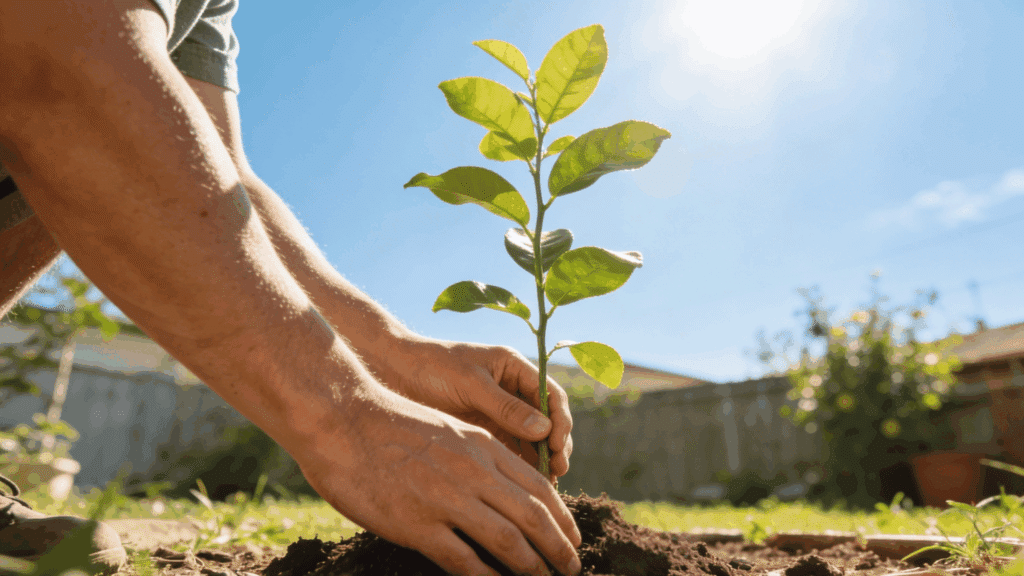
Start by selecting a suitable variety such as Meyer or Eureka lemon.
Meyer lemons are ideal for beginners and container growing, while Eureka thrives outdoors in warm climates. Pick a location that receives at least 6–8 hours of direct sunlight daily.
Ensure the area is protected from strong winds and frost, as lemon trees prefer warm, stable conditions.
Step 2: Plant in Well-Draining Soil
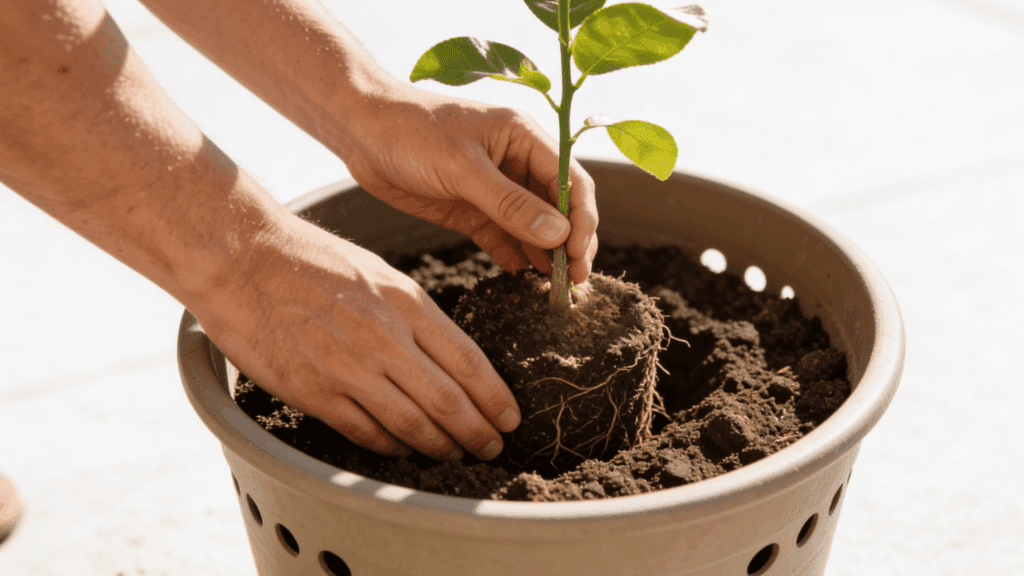
Lemon trees require loose, well-draining soil to prevent root rot. If planting in the ground, mix compost into sandy or loamy soil to improve drainage.
For containers, use a citrus-specific potting mix and a pot with drainage holes. Position the root ball slightly above soil level, then water thoroughly to help the roots settle.
Step 3: Water Consistently but Avoid Overwatering
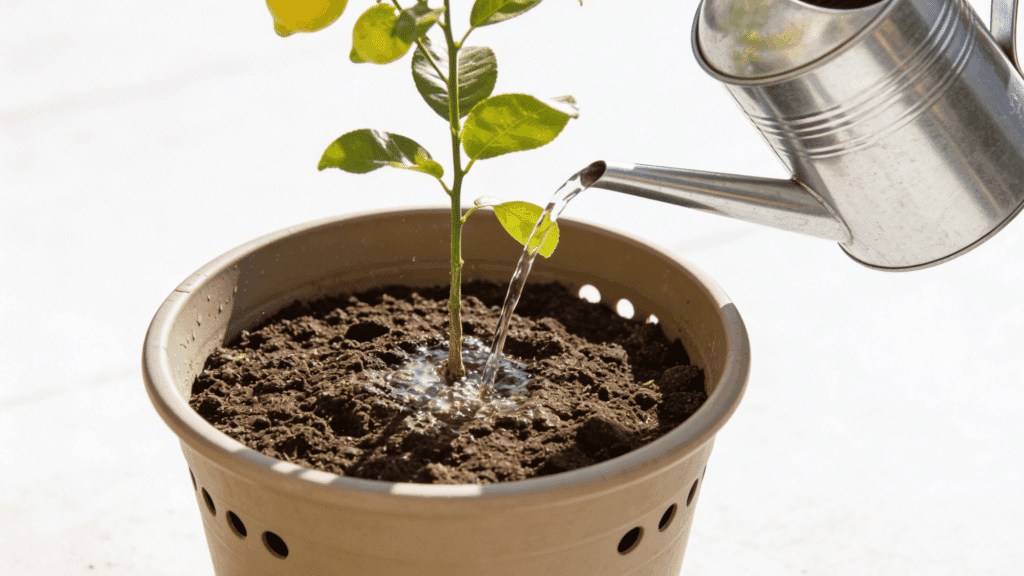
Water deeply when the top 2–3 inches of soil feel dry.
Young trees need more frequent watering, while mature trees prefer slightly drier intervals between watering sessions.
Avoid soggy soil, which can cause yellow leaves and root damage. During hotter months, check moisture levels regularly and adjust your watering schedule accordingly.
Step 4: Fertilize for Healthy Growth and Fruit Production
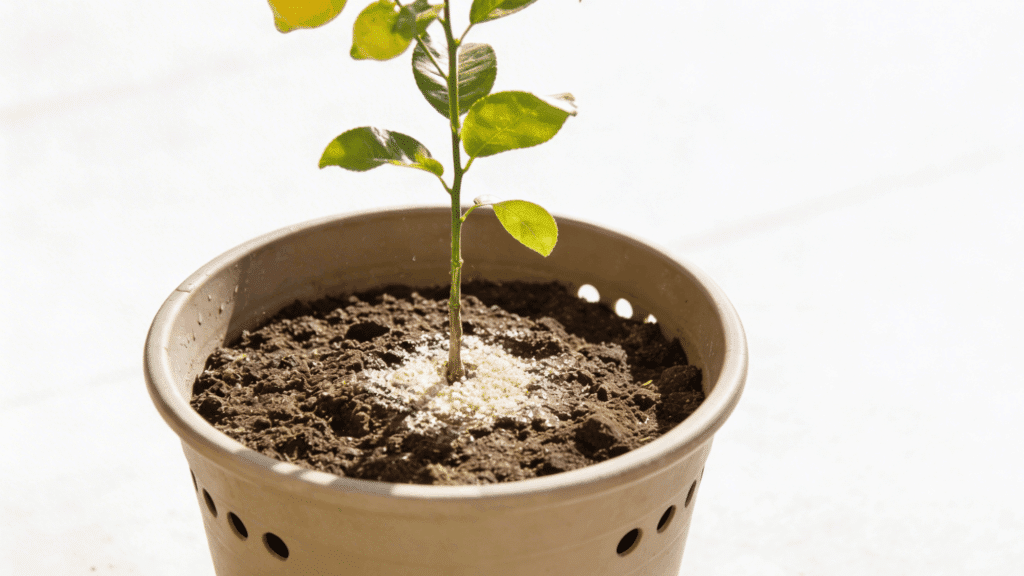
Feed your lemon tree with a balanced citrus fertilizer rich in nitrogen, magnesium, and iron. Apply fertilizer every 4–6 weeks during the growing season (spring through early fall).
Avoid fertilizing in winter when growth slows. Proper feeding encourages lush green leaves, strong branches, and improved fruit production over time.
Step 5: Prune and Protect Your Lemon Tree
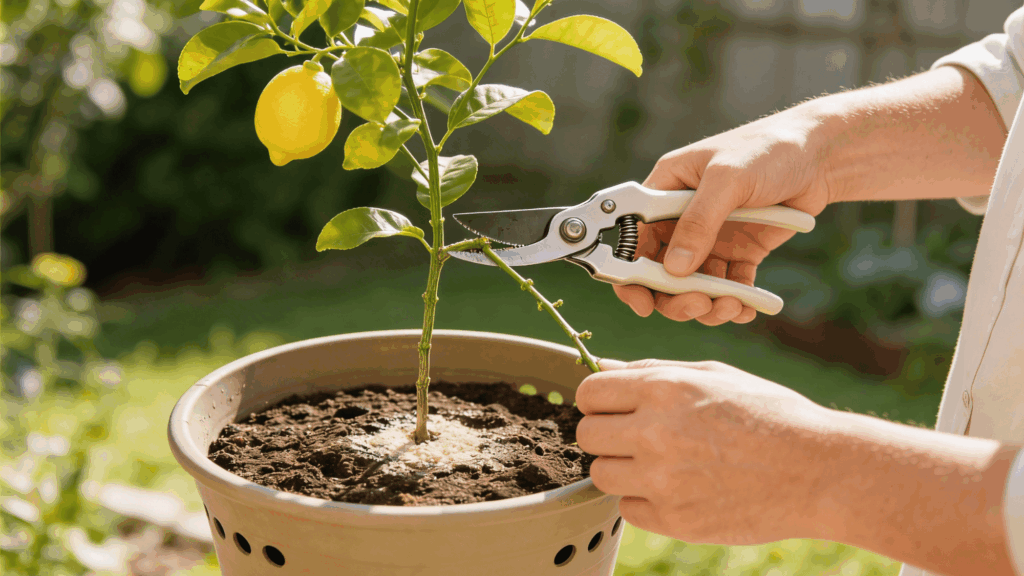
Prune lightly to remove dead, damaged, or overcrowded branches. This improves air circulation and supports better fruiting.
Remove suckers growing from the base of the trunk. Protect your tree from frost by covering it or moving potted trees indoors during cold weather.
Regular care keeps your lemon tree productive and healthy.
Common Lemon Tree Problems and Solutions
Even with proper care, lemon trees sometimes face challenges. Knowing how to spot and fix these issues saves time and stress.
| Problem | Solution |
|---|---|
| Yellow leaves dropping | Check watering schedule and adjust soil drainage |
| Pest infestations on leaves | Apply neem oil spray or insecticidal soap weekly |
| Fruit not forming | Ensure adequate pollination and proper fertilization |
| Leaf curl or spots | Treat fungal infections with copper-based fungicide |
| Slow growth rate | Test soil pH and add citrus fertilizer monthly |
Harvesting Lemons and Encouraging More Fruit
The best part of growing lemon trees? Picking ripe, juicy lemons straight from the branches. But timing matters more than most gardeners realize.
Lemons don’t ripen after being picked, so waiting until they’re fully yellow is crucial. A gentle tug should release them easily from the stem. If they resist, they need more time.
The fruit typically takes 6-9 months to mature, depending on the variety and growing conditions.
Want the tree to keep producing? Regular harvesting actually encourages more blooms and fruit set. Pruning spent branches after harvest season redirects energy toward new growth.
Feeding the tree with high-nitrogen fertilizer in spring and summer boosts production. And consistent watering during flowering prevents bud drop and increases the chances of a heavy yield next season.
To Conclude
Growing a lemon tree rewards patience with fresh citrus for years to come.
The steps outlined here provide a solid foundation for success, from selecting the right spot to harvesting abundant fruit.
Remember that every tree develops at its own pace, so small setbacks are normal. Keep monitoring soil moisture, sunlight exposure, and nutrient levels regularly.
With dedication and these proven methods, homegrown lemons will soon brighten meals, drinks, and the entire garden.