


It occurs when your body can let go without fighting pressure points, awkward angles, scratchy fabric, or a room setup that keeps you half-alert. The most nap-friendly furniture is less about “buy a bigger couch” and more about smarter shapes, cleaner materials, and pieces that adjust to how you actually rest.
You don’t need a dedicated nap room to build a nap-ready home. You need to make a few furniture decisions that favor a neutral spine, easy temperature control, and positions that feel natural within seconds.
Daybeds And Sleeper Benches That Don’t Look Like Guest Furniture
Daybeds have evolved from “spare bed in the corner” into furniture that belongs in the living room. They’re also a quiet win for small homes because they offer a full-body stretch-out without the footprint of a sectional. If you like naps that turn into accidental longer rests, this category gives you the most flexibility.
Aim For A Firm Base With A Soft Top Layer
A daybed should keep your spine level, not sink you into a U-shape. A supportive base with a plush topper layer feels better than a single ultra-soft cushion that bottoms out. If it’s a sleeper design, check that the “bed mode” doesn’t create gaps you’ll feel through a throw blanket.
Use Bolsters To Control Your Nap Posture
Bolsters are not decorations on a daybed—they’re positioning tools. Two long bolsters can mimic a headboard and keep your pillow from sliding, while a shorter one supports knees for back nappers. If you’re a side napper, a slightly higher bolster behind your back can stop you from rolling into an awkward twist.
Prefer Simple Mechanisms Over Complicated Conversions
If converting the piece takes more than a few steps, you’ll skip it when you’re tired. The best sleeper chairs and benches focus on smooth, low-effort conversion and parts you can replace instead of throwing the whole piece away.
Deep Modular Sofas That Let You Build A Nap Position
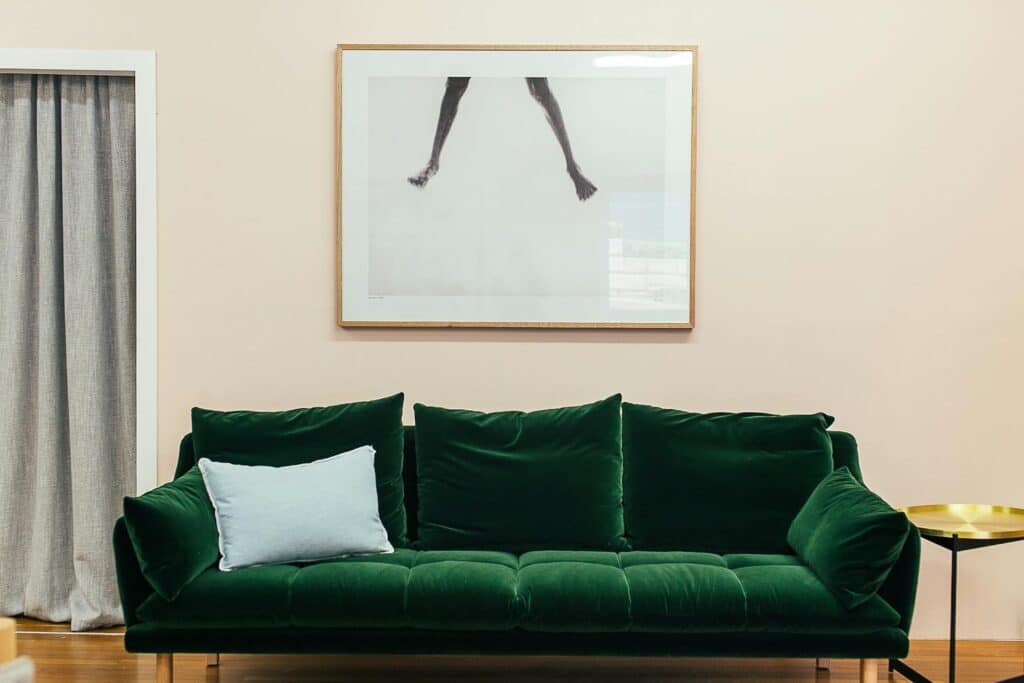
A nap-friendly sofa is deep enough to curl up without your feet dangling or your lower back collapsing. Modular setups are winning because you can change the layout when your routine changes, not when you move houses.
Look for softer, rounded profiles and upholstery that feels cozy but doesn’t trap heat. If you only buy one big piece for naps, this is the category that delivers the most minutes of actual rest.
Go For Depth And A Forgiving Seat Edge
Deep seating matters because it lets your hips sit back while your thighs feel supported, which is a big part of learning how to nap effectively without waking up with a tight lower back. A rounded “waterfall” seat edge reduces that numb-leg feeling that can ruin a 20-minute nap.
Choose Modular Pieces That Solve The Leg Problem
A chaise module, an ottoman that docks flush, or a corner piece you can turn into a mini-daybed fixes that instantly. The best modular sofas also have consistent cushion height across modules, so you don’t feel a ridge when you lie down.
Pick Fabrics That Stay Soft But Don’t Feel Sweaty
Tight bouclé, soft chenille, and linen-look weaves can feel cozy while still breathing, even when paired with removable covers. If you nap daily, prioritize easy-clean performance upholstery so you don’t baby the sofa and avoid using it.
Zero-Gravity Recliners And Nap Chairs Built For Pressure Relief
Recliners used to be bulky, loud, and visually dominating. The 2026 direction is slimmer silhouettes, wall-hugging designs for tight rooms, and comfort features that support short recovery breaks. A nap chair is a strong choice if you want a contained “rest station” that doesn’t invite everyone to sprawl on it.
Look For A Head-And-Neck Solution, Not Just A Recline
A recliner that lies you back without supporting your neck creates tension fast. Prioritize adjustable headrests or a back shape that naturally cradles your upper spine. If you can’t relax your jaw and neck within a minute, it’s not a nap chair—it’s a sitting chair that reclines.
Choose Quiet Power Features That Help, Not Distract
USB-C charging, gentle heat, and light massage can make a short nap more restorative, but only if controls are simple and the chair operates quietly. Avoid gimmicks that add noise or bright LEDs near your face. The best setups let you pick one comfort feature and then disappear into the background.
Use A Wall-Hugger Footprint For Real Homes
If a recliner needs a huge clearance zone, it’s a layout problem waiting to happen. Wall-hugger or zero-wall styles are popular because they recline with minimal distance from the wall. That means you can place a nap chair where it’s actually useful, not where it’s least inconvenient.
Convertible Accent Chairs That Turn Into A Nap Pad
The sleeper-chair category is getting smarter because people want single pieces that do more without screaming “multifunctional.” This is the right play when you want nap capability in an office, nursery, or studio apartment. It also protects your main sofa from becoming the default crash zone.
Prioritize A Flat Surface In Nap Mode
A good convertible chair creates a flat, stable surface without a hump in the middle. Test the transitions: sit, lounge, then lie down, and notice where your body catches on seams. If you feel a ridge under your hips, you’ll wake up sore even after a short nap.
Don’t Ignore Arm Shape And Side Support
Side nappers benefit from soft armrests or side panels that act like a boundary. That gentle containment tells your nervous system it can let go, which matters more than people admit. If the chair is armless, pair it with a small upholstered side table or ottoman that can act as a buffer.
Choose A Piece That Fits Your Room’s “Nap Timing”
If your naps happen between meetings, you need a fast conversion and a throw blanket stored within reach. If your naps are evening resets, you can tolerate a slightly larger chair with better cushioning. Buy for your real nap schedule, not the version of you who always has time.
The Supporting Pieces That Make Naps Easier And More Consistent
Your main nap furniture is only half the story. The best nap setups are built with small supporting pieces that remove friction: where your legs go, where your water goes, where your phone goes, and how you control light.
These pieces also help you keep nap habits consistent, because the setup feels intentional. If you’ve ever skipped a nap because it felt like a hassle, this section is your fix.
Ottoman-First Thinking Beats “More Pillows”
A well-sized ottoman is the simplest nap upgrade you can buy. It turns a sofa into a chaise, supports knees on a daybed, and helps back nappers reduce lower-back strain. Choose one that’s firm enough to support legs without wobbling, and soft enough to rest calves comfortably.
Add A Stable Surface Within Arm’s Reach
A small side table reduces the mental friction of napping because you’re not worrying about knocking over water or losing your phone. Rounded edges and a weighted base matter more than style here, since you’ll use it half-asleep. If you like longer naps, a table that fits a book and a timer is surprisingly useful.
Use Lighting Furniture That Respects Short Naps
A floor lamp with a dimmer or a small reading lamp with warm light helps you settle without blasting your eyes. Adjustable direction matters because you want light for reading, then darkness for resting, without getting up. If your room gets harsh afternoon sun, a simple lounge screen or a tall cabinet can act as a light buffer and make naps easier.
Conclusion
The nap-friendly furniture choices are pointing in one direction—comfort that adapts, not comfort that’s fixed. Deep modular sofas, modern daybeds, smarter recliners, and better convertible chairs all share the same idea, which is to give your body an easy default position and remove the small annoyances that keep you awake.
If you want one practical rule, run a quick “five-second slump test.” Sit down, exhale, and see whether your shoulders drop without you adjusting anything. When the piece supports you immediately, naps stop feeling like a guilty luxury and start feeling like a tool you can use on purpose.