

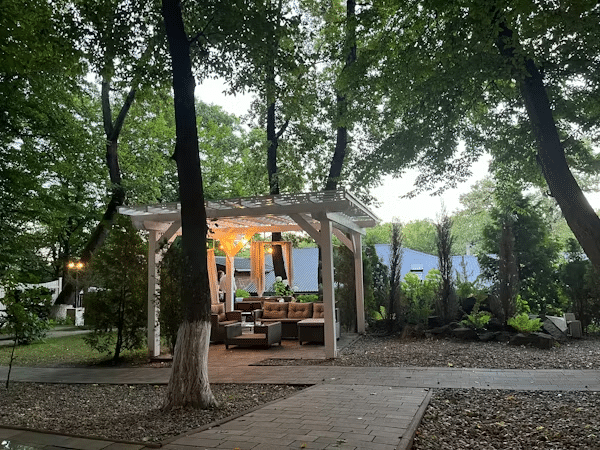
There’s a reason we keep dragging tables outside every chance we get. Food tastes better. Conversations go longer. Kids run around instead of bouncing off walls. Something about fresh air just makes people loosen up.
But let’s be honest. Outdoor hosting can go sideways fast. One unexpected rain shower, a sun that won’t quit, or seating that leaves half your guests standing awkwardly by the fence. We’ve all been there.
Good news? Most outdoor party disasters are totally preventable. You just need to think a few steps ahead.
Start With Your Space (Really Look at It)
Before you do anything else, spend some time in your yard at different hours. Sounds odd, but trust me on this.
Where does the sun blast down at 2pm? Which corner stays shaded? Where do people naturally walk when they come through your back door?
These little observations will save you headaches later. You don’t want your guests squinting into the sun while trying to eat. You don’t want the drink station crammed into a corner nobody can reach.
Think about creating loose “zones” in your space. Somewhere to eat. Somewhere to hang out. Maybe a quieter spot for folks who need a break from the noise. People flow better when they intuitively know where things are.
Weather: Plan for the Worst, Hope for the Best
Here’s the thing about outdoor events. The weather app on your phone is basically a suggestion, not a guarantee.
The sun is sneaky. It feels fine for the first hour, then suddenly your uncle is bright red and cranky. Shade isn’t optional for daytime gatherings. It’s essential.
This is where good coverage makes all the difference. Quality event canopies let you put shade exactly where you need it. Over the food so it doesn’t turn into a science experiment. Over seating so people actually want to stay and chat.
Wind is the other troublemaker nobody thinks about. Lightweight decorations become projectiles. Napkins scatter everywhere. Tall centerpieces topple into someone’s drink.
Keep things anchored. Go for heavier decor. Skip the tall candles unless you’ve got them protected.
And rain? Always have a plan B. Even if that plan is just knowing which rooms inside can handle the overflow. Nothing kills a party faster than everyone standing around asking “so… what do we do now?”
Seating That Actually Works
You’d be surprised how much seating affects whether people enjoy themselves.
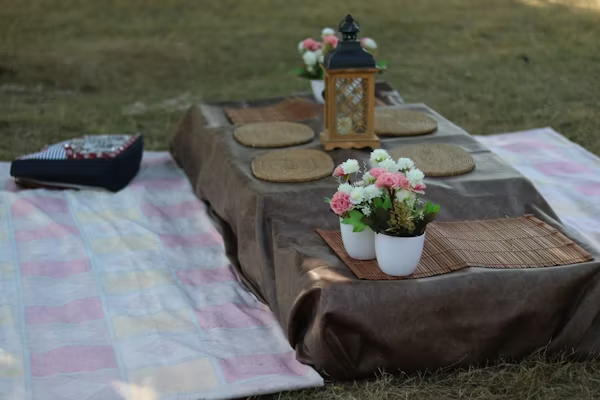
Mix it up. Some folks want a proper chair at a table. Others prefer sinking into something soft with a drink in hand. A few might be perfectly happy on floor cushions or a blanket on the grass.
Variety gives people options. And options make guests comfortable.
Arrange seats to encourage conversation. Rigid rows feel like a waiting room. Clusters angled toward each other? That’s where the good talks happen.
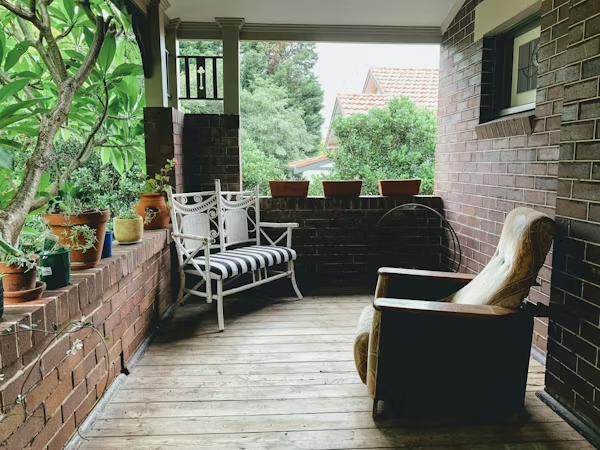
One more thing. If your event runs long, comfort matters even more. Those cute metal chairs that seem fine at first? After two hours, everyone’s shifting around and making excuses to leave. Cushions are your friend.
Food and Drinks: Location Matters
Where you put your food and drink stations shapes how your whole party flows.
Biggest mistake? Putting everything in one spot. Then you get a traffic jam of people trying to grab a drink while others are loading up plates. Nobody’s happy.
Spread things out. Main food in one area. Drinks in another. Maybe a little satellite station with water and snacks on the other side of the yard.
This gets people moving around naturally. Mingling happens almost by accident.
For food specifically, shade is non-negotiable. Hot dishes cool down fast outside. Cold stuff gets warm and sketchy even faster. Keep your serving table under cover.
And think about what you’re serving. Finger foods work great for standing events. But if you’re handing people plates that need cutting, they’ll need somewhere stable to sit. Match your menu to your setup.
Lighting Sets the Mood
Once the sun starts dropping, lighting takes over as the star of the show.
Bad lighting means people squinting, tripping, or just feeling like the party’s winding down. Good lighting? Magic. Suddenly everything looks warmer and more inviting.
Layer it. String lights overhead for that cozy glow. Candles or lanterns on tables. Path lights so nobody faceplants on their way to the bathroom.
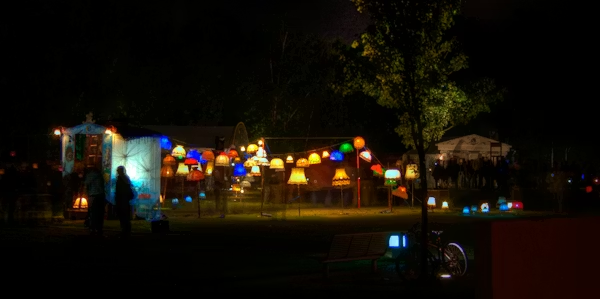
You need both functional and decorative lighting. People should be able to see their food and find their way around. But you don’t want harsh brightness killing the vibe in conversation areas.
Battery powered options have gotten really good lately. No extension cords to trip over. No hunting for outlets. LED candles that actually look decent. Makes everything easier.
Shelter That Works Hard
What you put overhead affects more than you’d think. Guest comfort, food safety, the whole look of your event.
Permanent structures are great if you host often and want something that’s always there. But they’re pricey and you’re stuck with wherever you put them.
Temporary options give you flexibility. You can position coverage exactly where it matters most for each specific party. When it’s over, everything packs away.
Good event canopies create defined spaces that look intentional. They tell guests “this is where the action is” without you having to say a word.
Size tip: go bigger than you think. Empty space looks roomy. Add people, tables, chairs, and movement? It fills up fast. Extra coverage never hurts. Not enough coverage means tough choices about what stays protected.
Don’t cheap out on quality either. Flimsy materials that flap around in any breeze look bad and feel unstable. Sturdy frames and solid fabric make a difference.
Keep an Eye on Things Once Guests Arrive
Setup is only half the job. Good hosting means staying aware as your event unfolds.
Give people a heads up before they show. Let them know it’s outdoors so they dress right. Mention if evenings get cool or if sunscreen might be smart.
Have backup supplies ready. Bug spray. Extra sunscreen. Blankets for when temps drop. A few portable fans if it’s hot. These little touches show you thought ahead.
Watch the conditions and adjust. Wind picking up? Secure loose stuff before it blows away. Sun shifting onto your seating area? Time to reposition those event canopies or move people around. Temperature dropping? Point guests toward warmer spots or break out those blankets.
Keep walkways clear too. Stuff accumulates as parties go on. Bags, toys, random items end up right where people walk. Quick scan every now and then prevents someone from taking a tumble in the dark.
The Bottom Line
Great outdoor gatherings come down to thinking ahead. Walk your space. Anticipate what people will need. Put systems in place before anyone arrives.
You don’t need a huge budget or professional help. Just attention to detail and genuine care for your guests’ comfort.
When people leave talking about how great your party was, they usually can’t pinpoint exactly why. They just felt good the whole time. That’s the goal.
Now stop reading and start planning. Your backyard is waiting.