

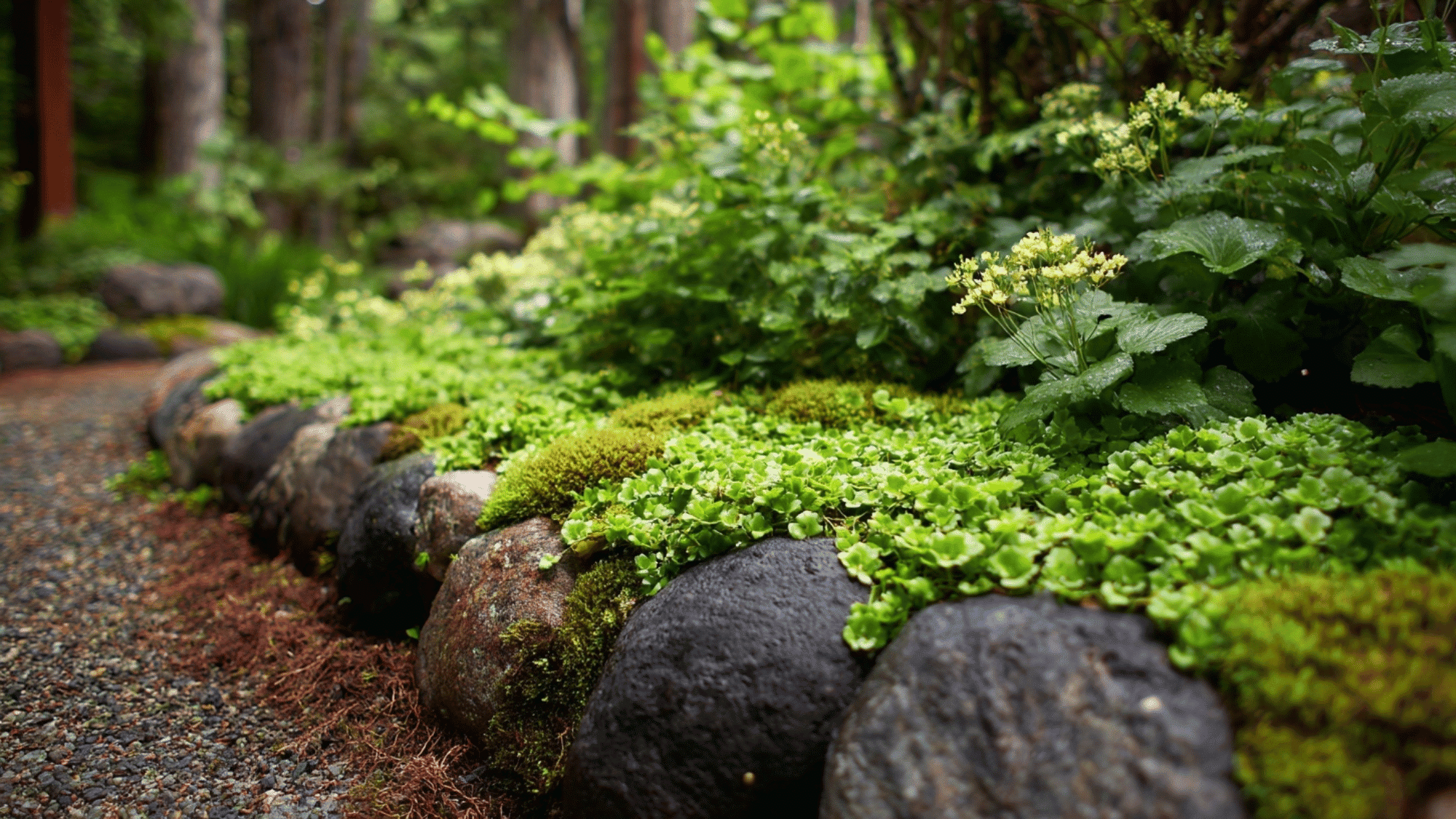
Looking at a yard and feeling like something’s just… off? That undefined space where grass meets garden beds can make even the prettiest flowers look a bit messy. Garden edging fixes that problem and adds a whole lot more.
It creates clean lines, stops grass from creeping into flower beds, and gives outdoor spaces that polished look without breaking the bank.
From rustic stone borders to sleek metal strips, there’s an edging style that fits every home and budget.
Some options take an afternoon to install, while others need a bit more elbow grease. But the payoff? A yard that looks intentional, neat, and ready for compliments from the neighbors.
What is Garden Edging and Why is It Essential?
Garden edging is the barrier between sections of a yard; think of the lawn meeting a flower bed, or mulch bordering a walkway. It’s basically the frame that holds everything in place.
Without it, grass invades garden beds, mulch spreads onto paths, and the whole yard starts looking like it can’t make up its mind. Edging keeps those boundaries clear and sharp.
Beyond looks, it reduces maintenance time. No more wrestling with weeds that travel between zones or trimming grass that’s sneaking into the roses.
It’s a simple addition that makes yard work easier and keeps outdoor spaces looking tidy year-round.
Best Garden Edging Ideas for an Organic Look
These garden edging ideas emphasize natural materials, soft transitions, and earthy textures to create relaxed, visually harmonious landscapes that feel timeless and inviting.
1. Natural Fieldstone Edging
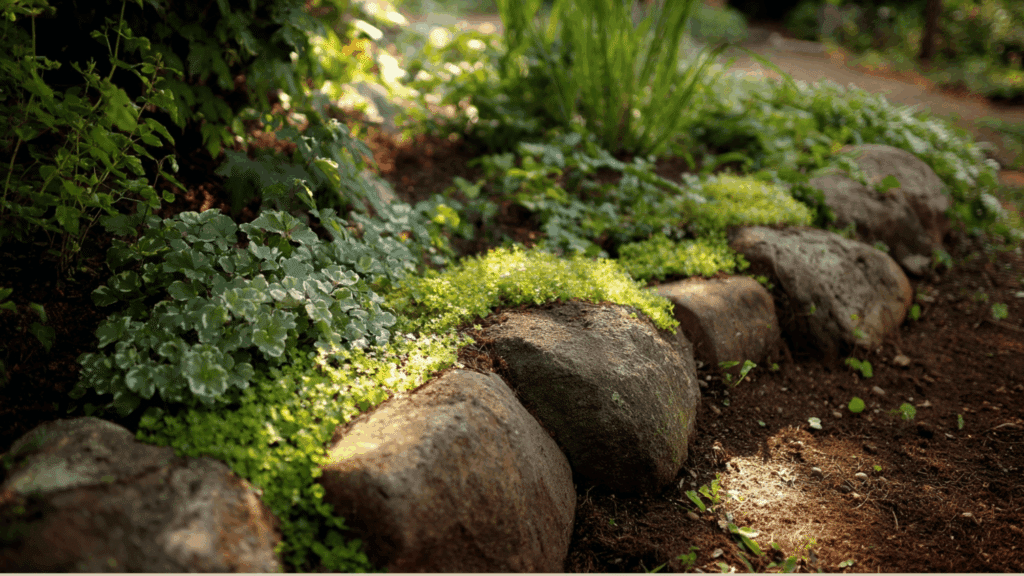
Natural fieldstone edging creates a seamless transition between garden beds and lawns while preserving an untouched, organic appearance.
The irregular shapes and earthy tones blend effortlessly into natural landscapes, making it ideal for cottage, woodland, and garden settings.
Fieldstones can be laid loosely or partially buried, allowing plants to spill over edges and soften boundaries without feeling structured or artificial.
2. River Rock Borders
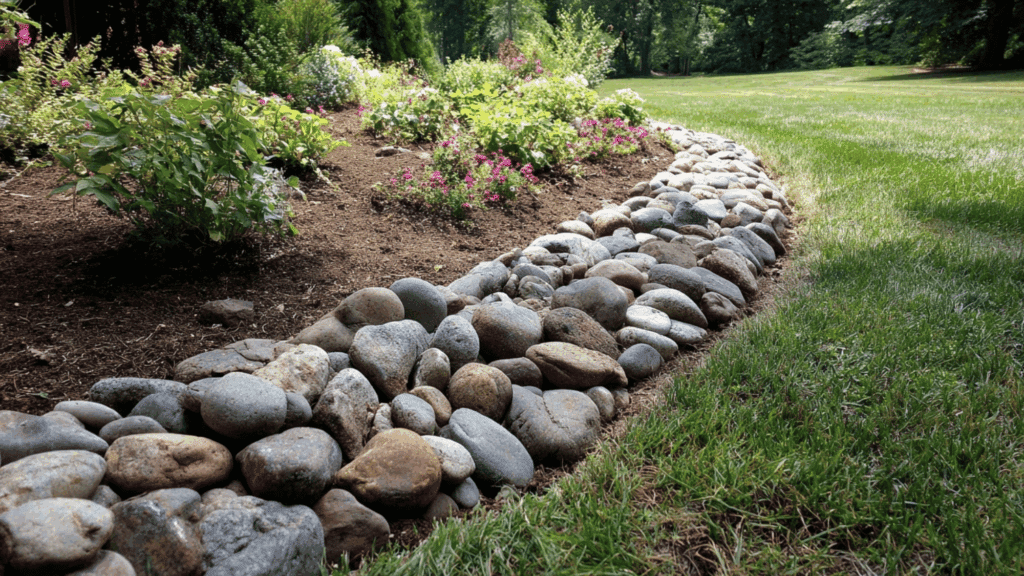
River rock borders offer smooth textures and rounded forms that mimic nature’s own pathways. Their neutral colors complement greenery, flowers, and water features beautifully.
These stones work well along flower beds or walkways, improving drainage while adding subtle visual interest.
River rocks are durable, low-maintenance, and perfect for achieving a relaxed, flowing garden design with minimal effort.
3. Rough-Cut Stone Walls
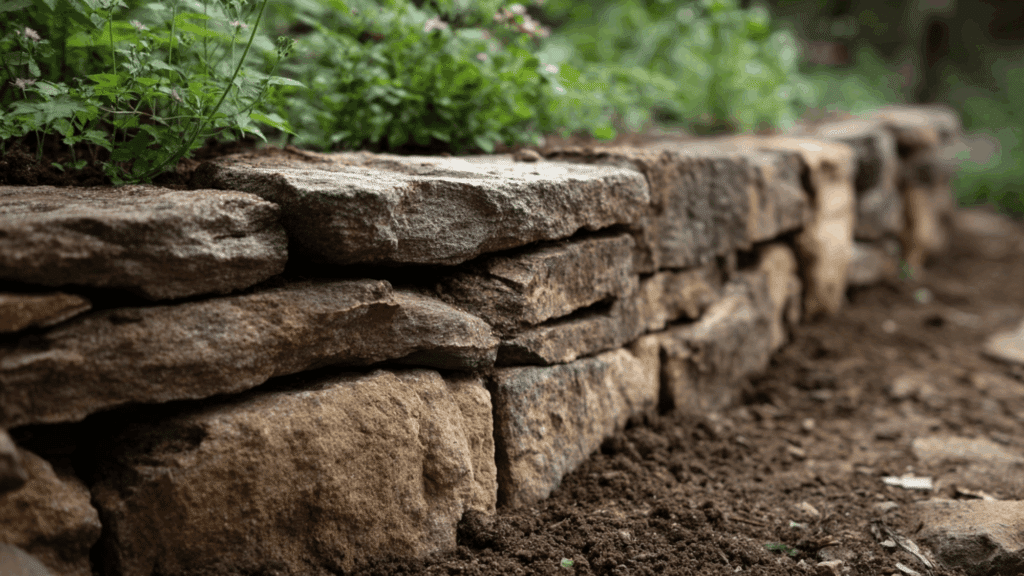
Rough-cut stone walls bring depth and character to garden edges with their uneven surfaces and natural imperfections.
They provide structure without appearing overly formal, making them suitable for sloped gardens or raised beds.
The rugged texture pairs well with climbing plants, moss, and trailing flowers, creating a timeless, earthy border that feels handcrafted and naturally integrated.
4. Stacked Flat Stone Rows
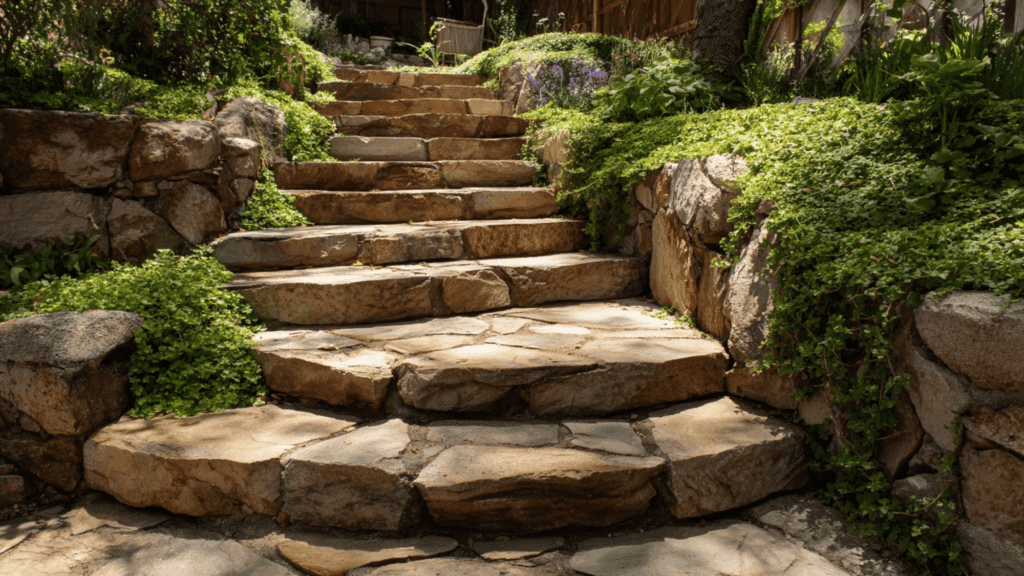
Stacked flat stone rows create a layered, organic border that feels stable yet relaxed.
The horizontal lines help define garden spaces while maintaining a natural aesthetic. This edging works well for flower beds and pathways, especially when stones vary slightly in size.
Small gaps between stones encourage moss and ground cover to grow, enhancing the natural look.
5. Flagstone Step Borders
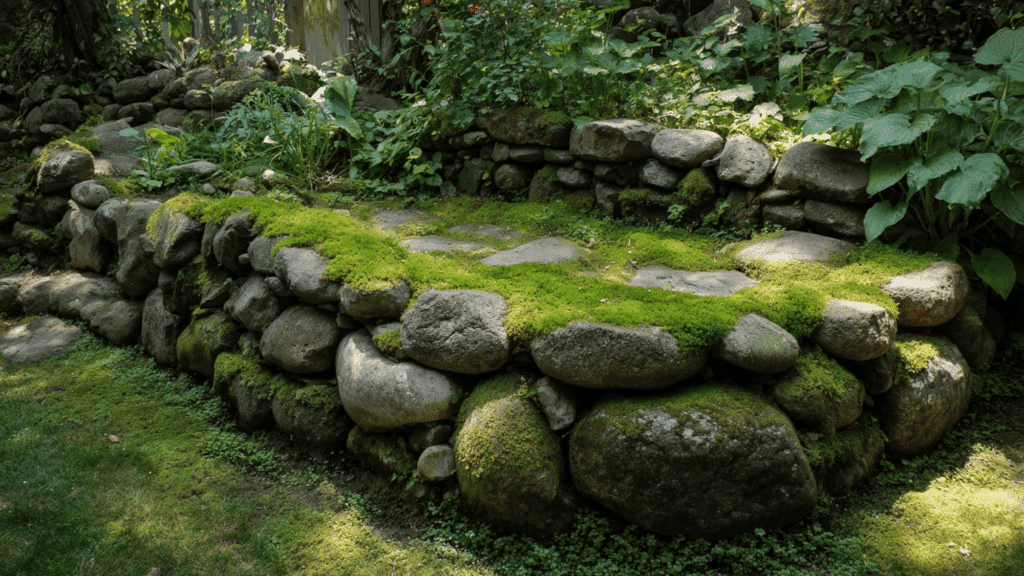
Flagstone step borders gently frame garden steps and pathways while maintaining a natural flow. Their irregular shapes and soft edges prevent harsh visual lines, making transitions feel effortless.
Flagstone complements both greenery and gravel paths, offering durability and charm. When paired with creeping plants or moss, these borders create an inviting, well-worn garden appearance.
6. Weathered Brick Flush Lines
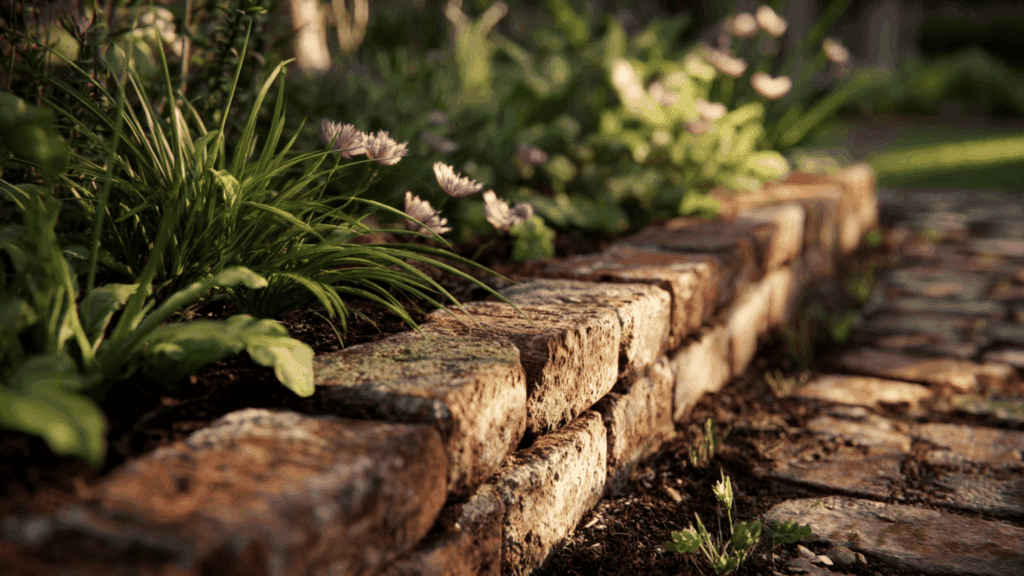
Weathered brick flush lines provide subtle edging that doesn’t overpower natural surroundings.
Set level with the soil, bricks create clean boundaries while allowing grass and plants to soften the edges. Their aged patina adds warmth and character, especially in cottage or traditional gardens.
This approach keeps the garden looking intentional yet relaxed and naturally aged.
7. Mossy Boulder Outlines
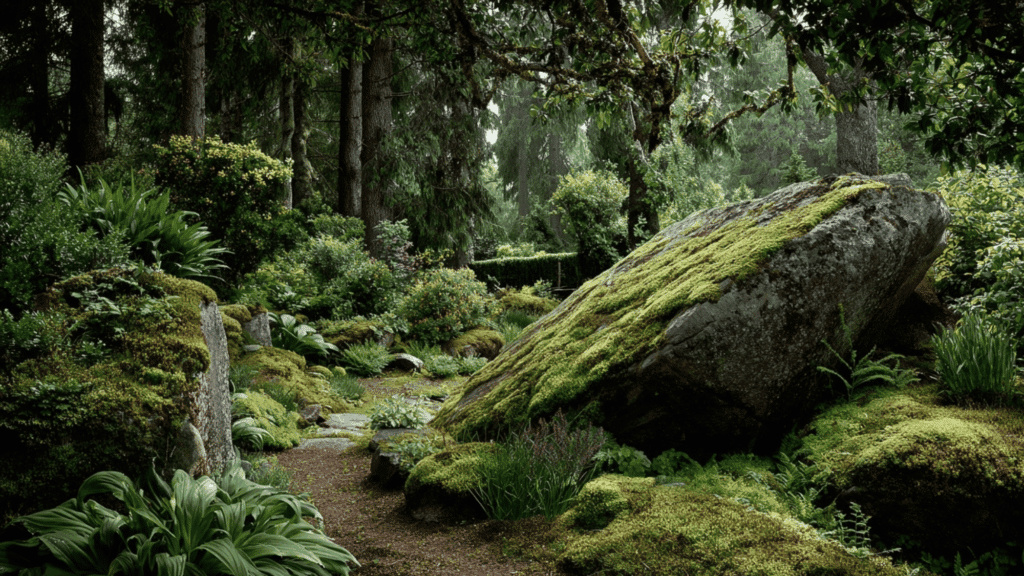
Mossy boulder outlines create a serene, woodland-inspired border that feels completely organic.
Large stones placed irregularly mimic natural rock formations, while moss growth enhances their aged appearance.
This edging style works beautifully in shaded gardens, near trees, or alongside water features. It creates visual weight while maintaining softness through natural textures and greenery.
8. Raw Boulder Clusters
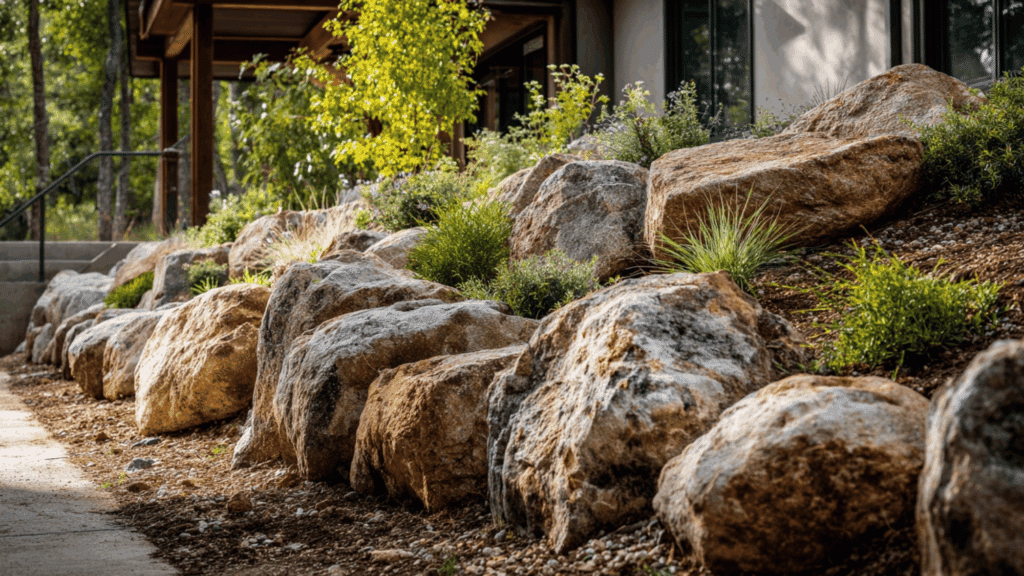
Raw boulder clusters form bold yet natural garden edges that feel grounded and timeless.
Grouped boulders define spaces without rigid lines, allowing plants to weave between them. This edging style works especially well in large gardens or natural landscapes, where scale matters.
The rugged stones add contrast and structure while preserving an untamed, organic feel.
9. Pebble Trench Paths
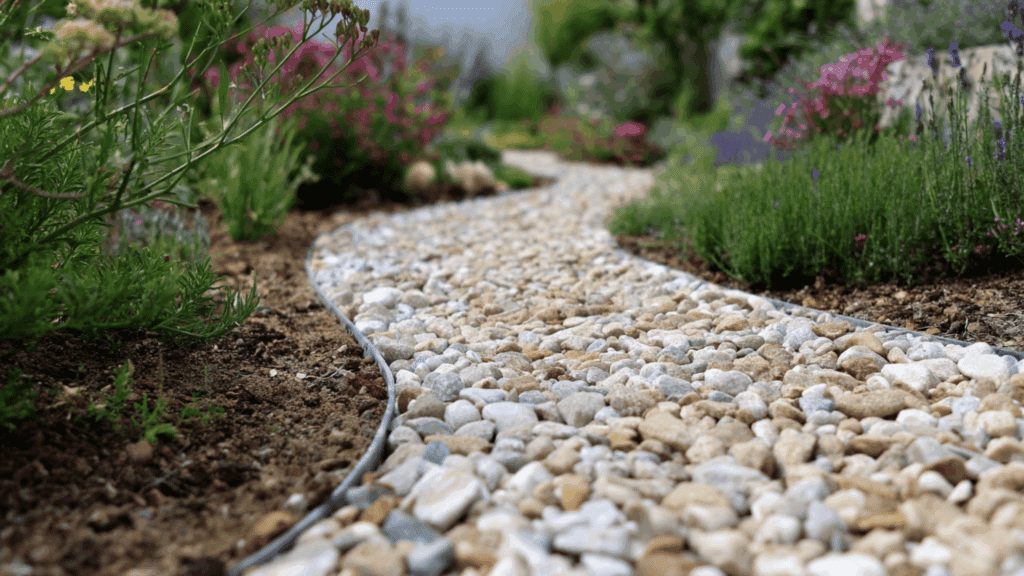
Pebble trench paths offer understated edging that blends seamlessly into natural gardens.
Shallow trenches filled with small pebbles define borders while aiding drainage. Their subtle texture contrasts beautifully with soil and plants without drawing attention away from greenery.
This edging is low-maintenance, flexible in shape, and ideal for curved beds or informal garden layouts.
10. Untreated Log Rounds
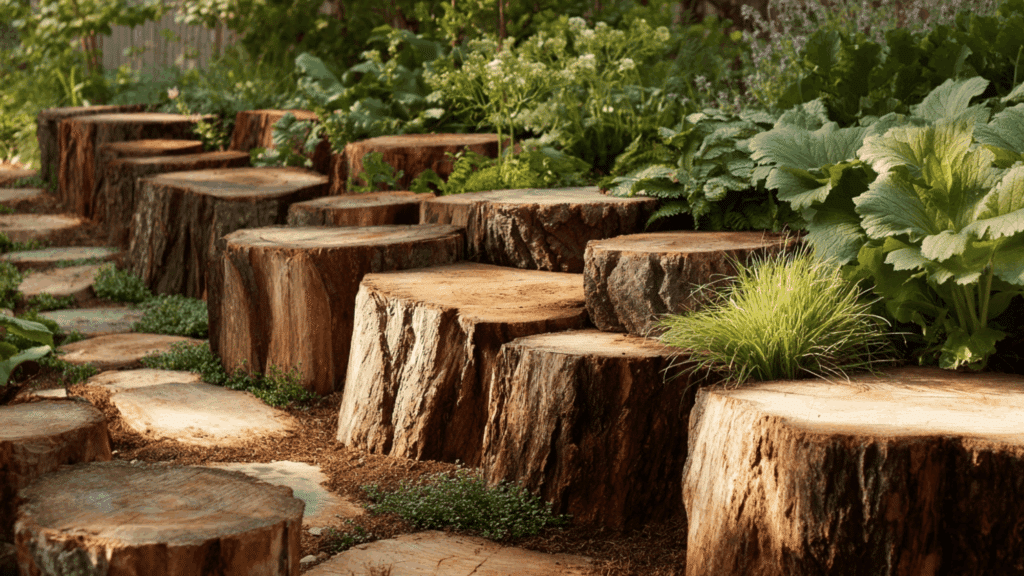
Untreated log rounds bring warmth and rustic charm to garden edges. Cut wood slices arranged vertically or horizontally create a natural boundary that feels handcrafted.
Over time, the wood weathers and blends further into the landscape. This edging works well in woodland or cottage gardens, especially when paired with native plants and natural mulch.
11. Split Log Sections
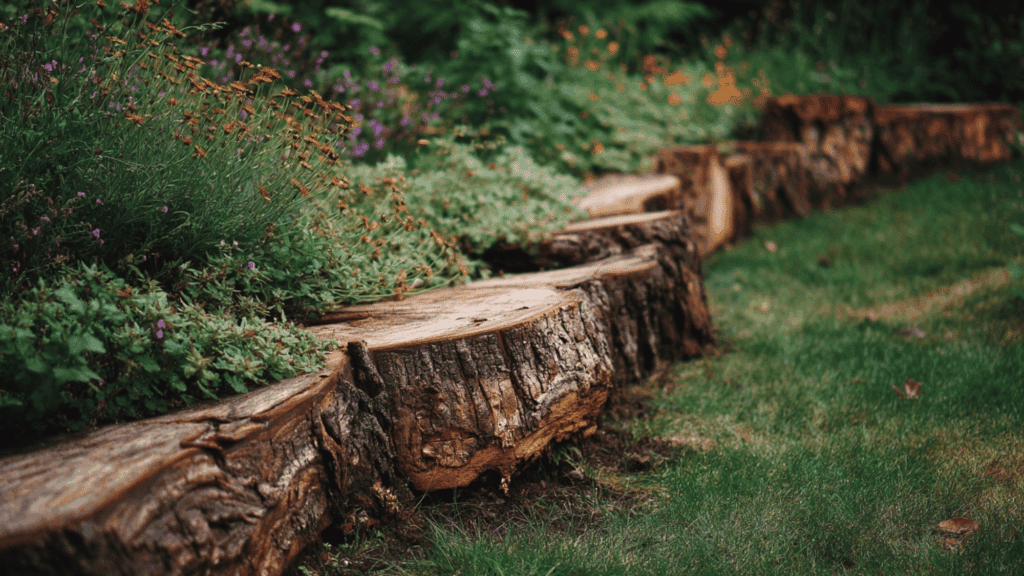
Split log sections create a soft, organic border using minimally processed wood. Their uneven surfaces and natural grain add texture without appearing artificial.
Logs can be partially buried to improve stability and longevity.
This edging style suits informal gardens and blends beautifully with greenery, leaf mulch, and wildflowers, reinforcing a natural, forest-inspired aesthetic.
12. Woodland Stone-Plant Mix
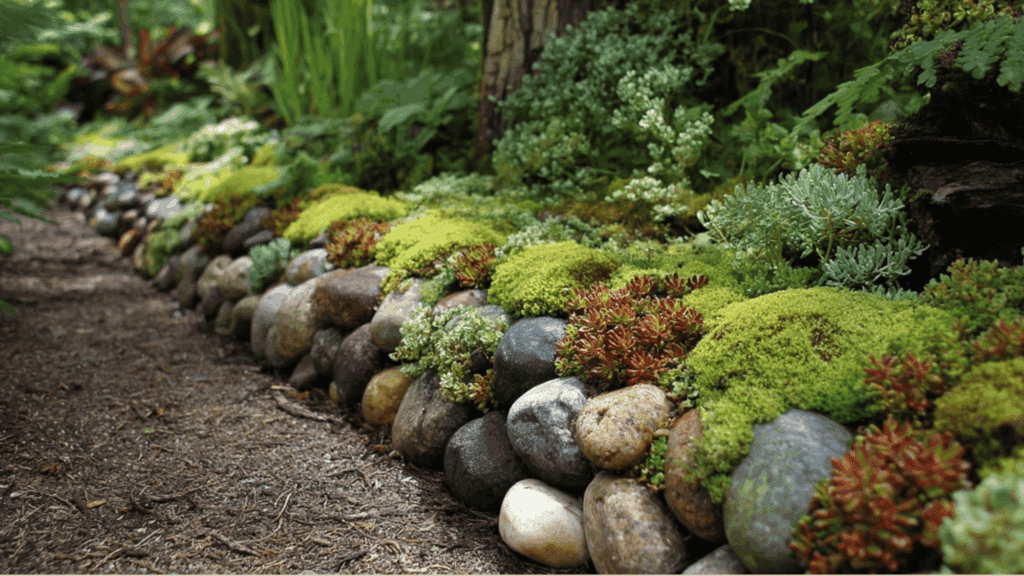
A woodland stone-plant mix combines rocks, ground cover, and shade-loving plants for truly organic edging.
Stones provide structure while plants soften transitions, creating layered borders. This approach mimics forest floors and works beautifully in shaded or natural landscapes.
The result is a harmonious edge that feels untouched and naturally evolved.
13. Reclaimed Timber Slabs
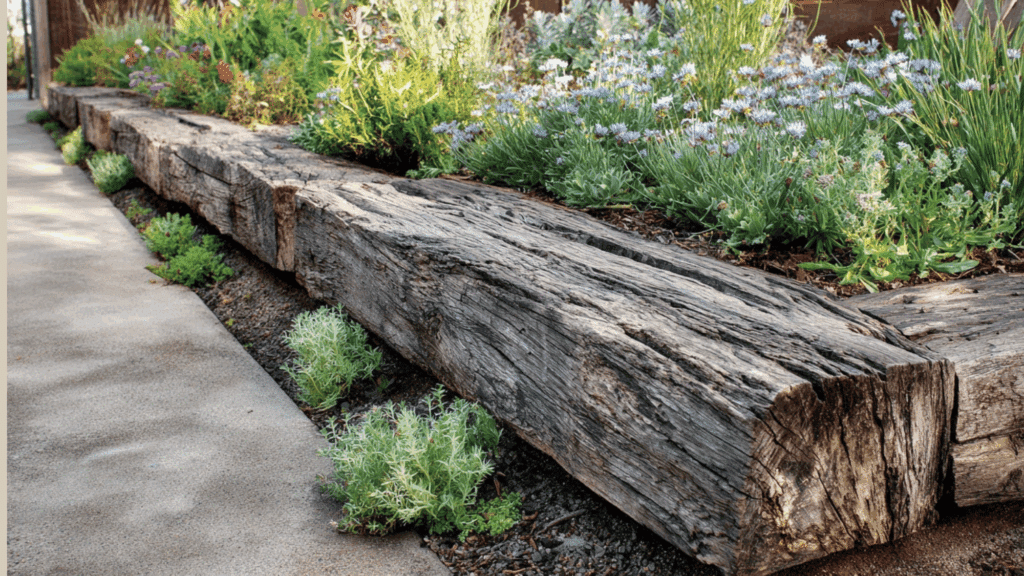
Reclaimed timber slabs offer an eco-conscious edging solution with organic appeal.
Their weathered surfaces and natural imperfections create a relaxed border that feels integrated into the garden. Used horizontally or vertically, they define spaces without harsh lines.
This approach works well for raised beds and pairs beautifully with native plants and earthy color palettes.
14. Bark Mulch Ridges
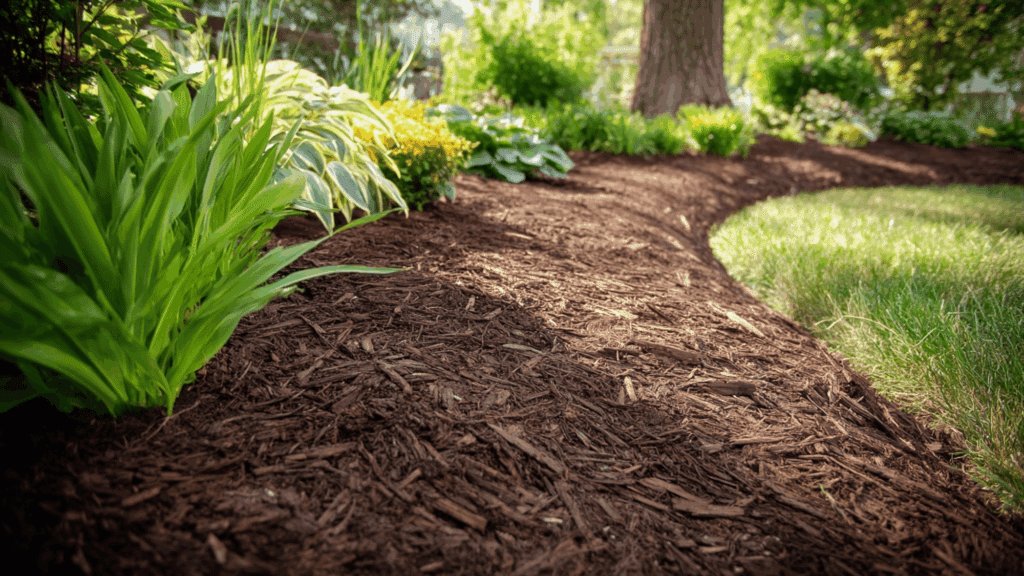
Bark mulch ridges provide soft, natural edging that blends seamlessly with garden beds.
Slightly raised mulch lines define spaces while improving moisture retention and soil health. This edging is especially effective in informal gardens where flexibility matters.
Over time, the mulch breaks down naturally, maintaining an organic look while nourishing surrounding plants.
15. Bamboo Stake Fences
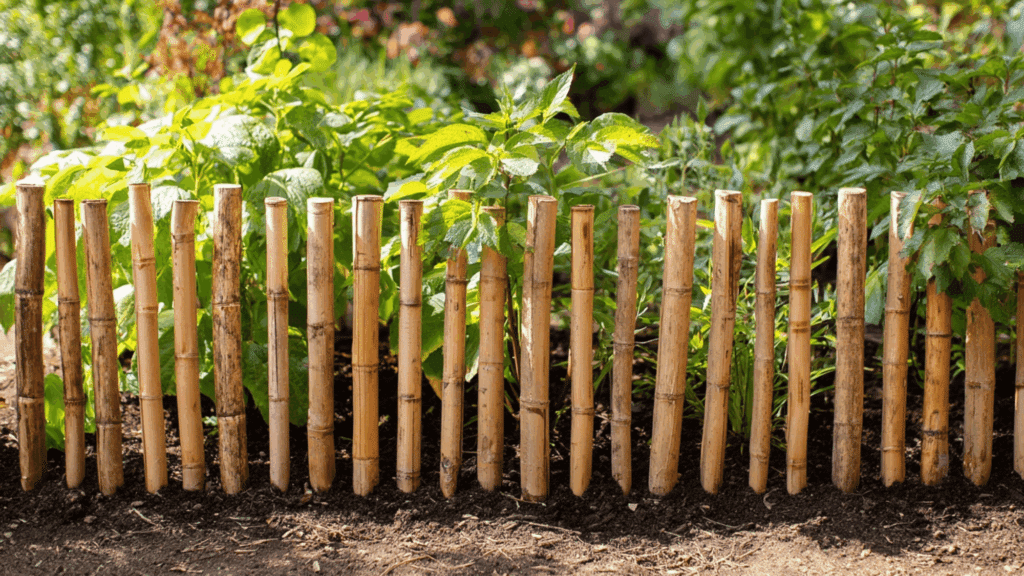
Bamboo stake fences create lightweight, natural edging with a subtle vertical rhythm. Their warm tones and natural texture blend well with greenery, making them ideal for organic gardens.
Bamboo is sustainable and flexible, allowing gentle curves along borders. This edging style works particularly well for vegetable gardens or Asian-inspired landscapes seeking simplicity and balance.
16. Woven Willow Hurdles
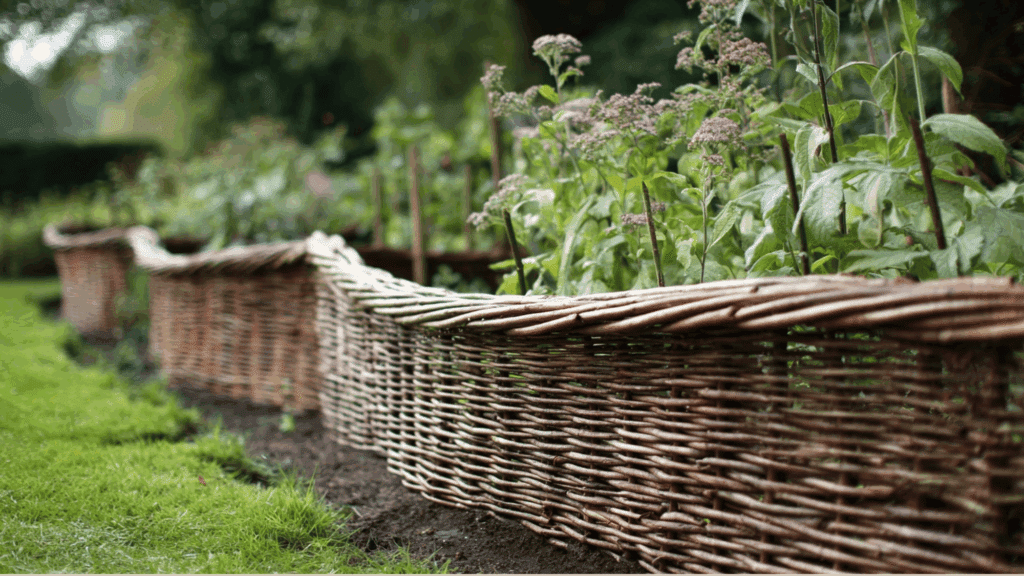
Woven willow hurdles bring traditional, countryside charm to garden edges. Their natural weave creates texture and movement while gently defining spaces.
Willow blends effortlessly with plants and soil, making borders feel soft and handcrafted.
This edging suits cottage gardens and vegetable plots, adding both structure and warmth without breaking the organic flow.
17. Boxwood Living Hedges
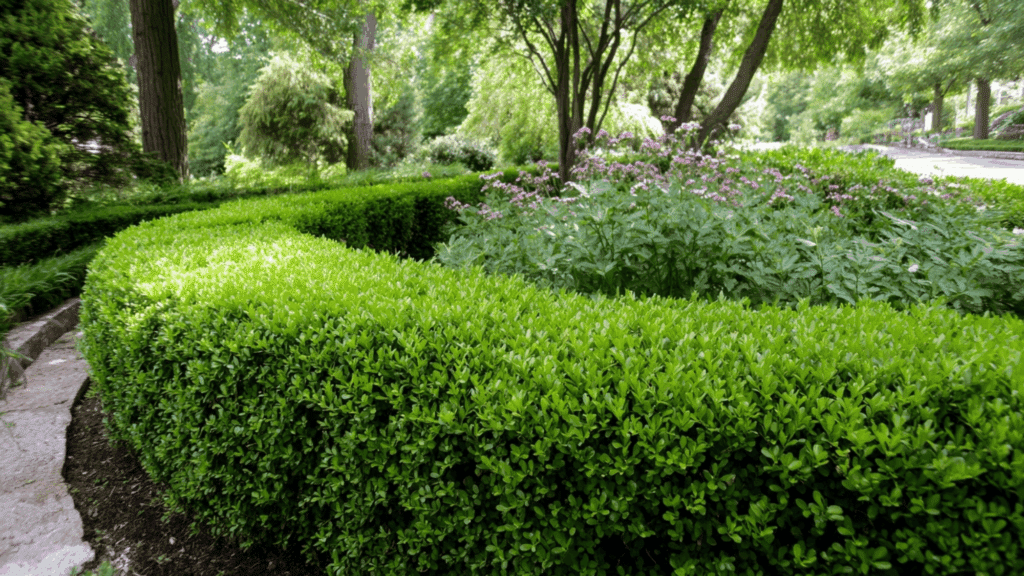
Boxwood living hedges provide a lush, green edging option that feels natural yet refined. When kept low and softly shaped, they define garden beds without appearing formal.
Their dense foliage offers year-round structure while blending beautifully with flowers and shrubs. This living edge works best in classic or transitional gardens seeking organic balance.
18. Lavender Plant Strips
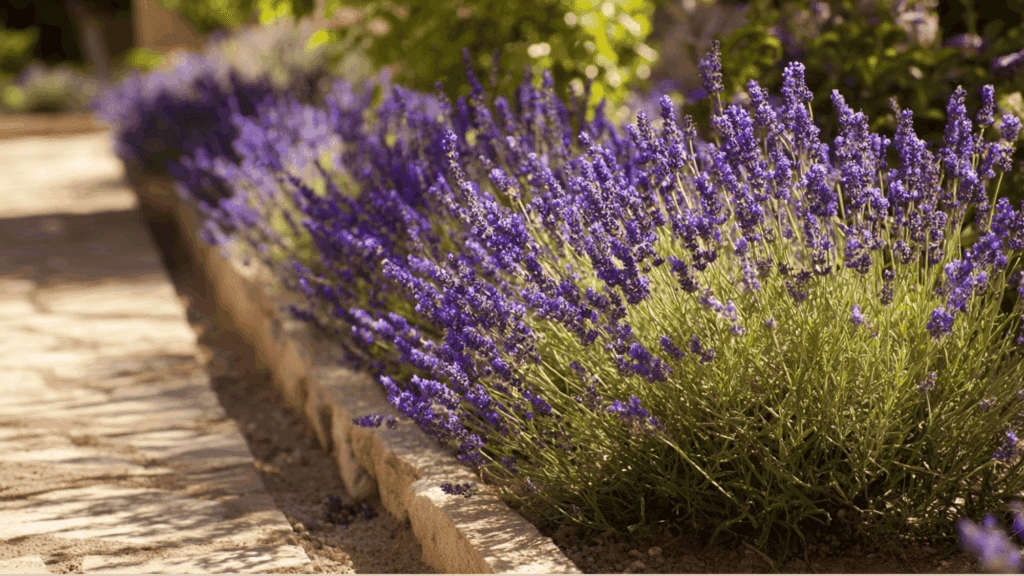
Lavender plant strips create fragrant, colorful garden edges with a relaxed, natural feel. Their soft foliage and purple blooms add movement and sensory appeal.
Lavender thrives in sunny locations and works well along paths or borders.
This living edging attracts pollinators while providing structure through natural growth rather than hard materials.
19. Ornamental Grass Tufts
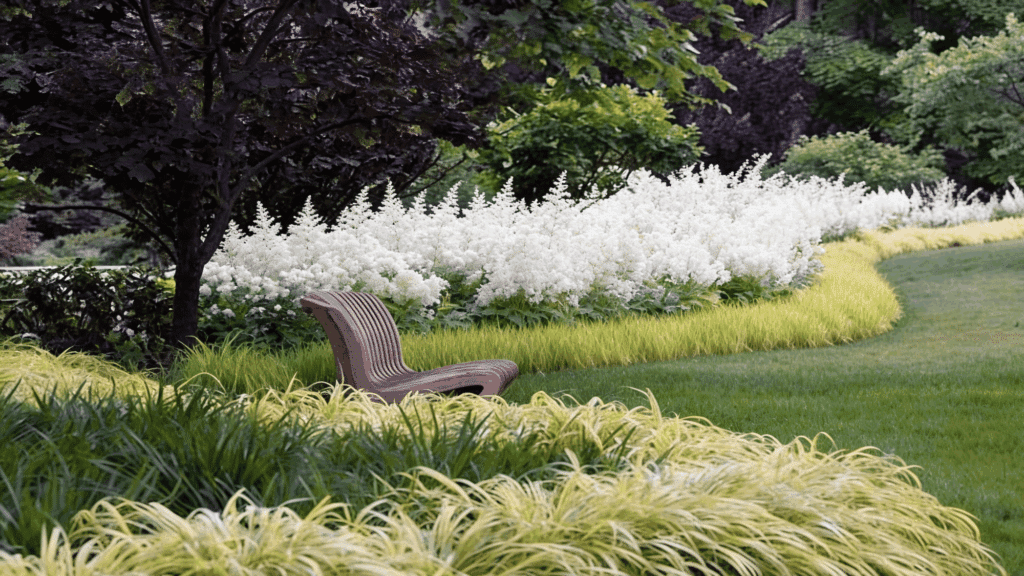
Ornamental grass tufts form flowing, organic borders that soften garden edges effortlessly. Their movement in the wind adds life and texture to landscapes.
Planted closely, grasses define spaces while maintaining a natural appearance.
This edging style works particularly well in modern-natural or prairie-inspired gardens where fluidity and softness are key design elements.
20. Thyme Ground Cover Edges
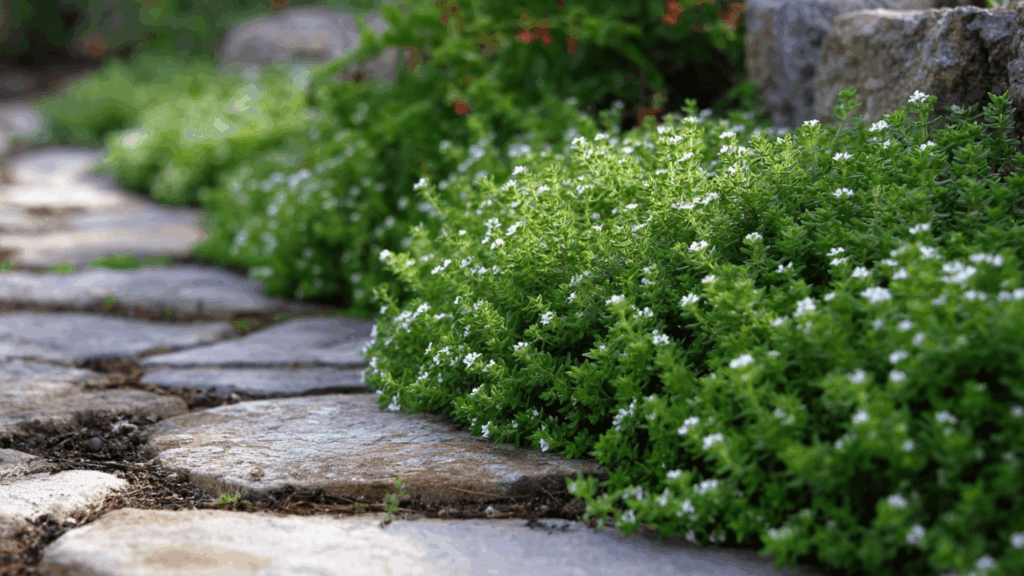
Thyme ground cover edges create low, fragrant borders that feel delicate and natural. This plant spreads gently, filling gaps and softening hard lines.
Thyme thrives in sunny areas and requires minimal maintenance. Its tiny leaves and seasonal blooms make it ideal for edging paths, stone borders, and garden beds seeking a subtle, organic finish.
21. Fern Soft Borders
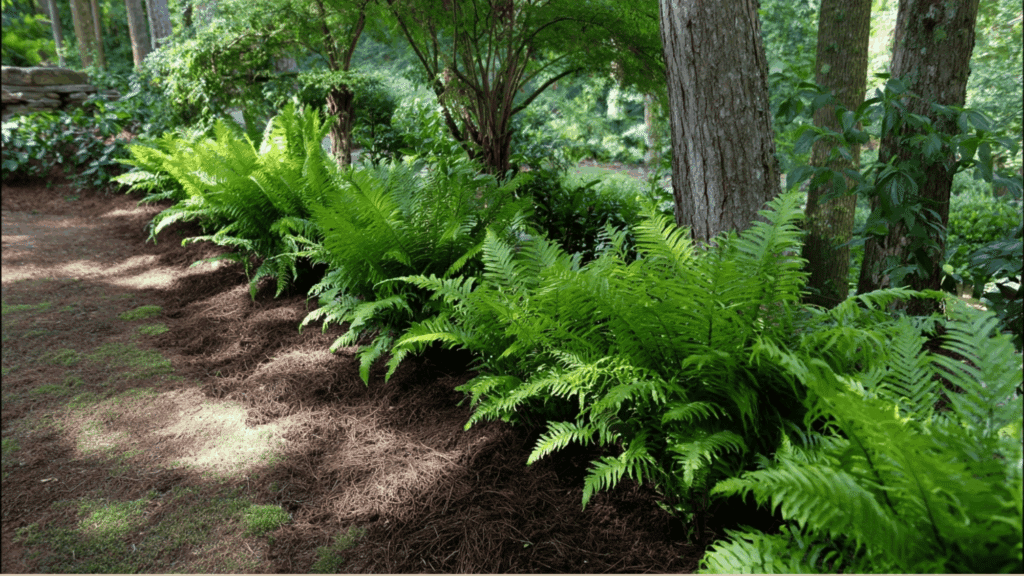
Fern soft borders bring lush texture and woodland charm to shaded garden edges. Their feathery fronds create gentle transitions between spaces without harsh lines.
Ferns thrive in moist, shaded environments, making them perfect for natural landscapes.
This edging style boosts depth and softness, especially when paired with stones, mulch, or tree-lined areas.
22. Native Wildflower Lines
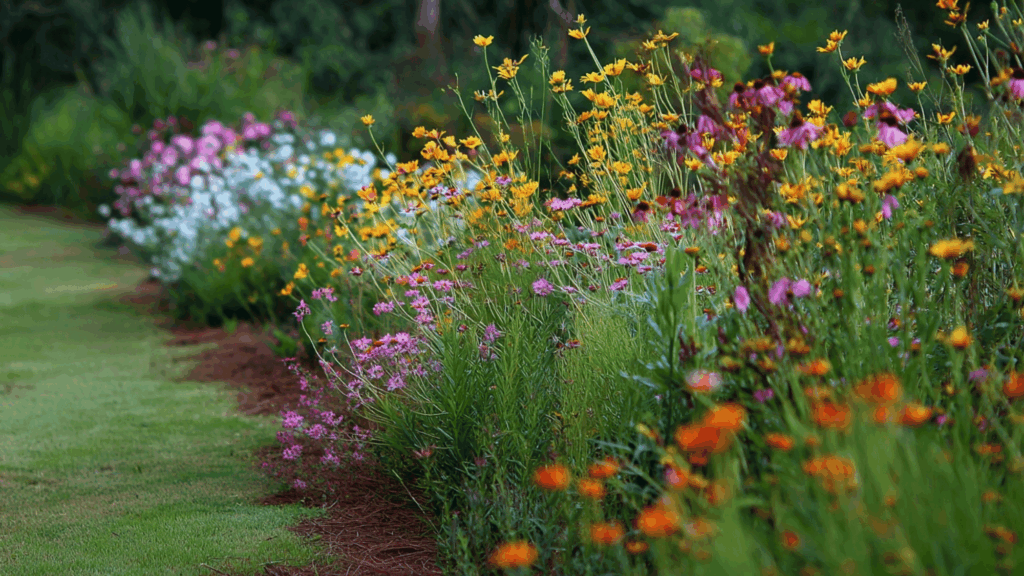
Native wildflower lines form vibrant, ever-changing garden edges that feel completely organic. These plantings support local ecosystems while adding color and movement.
Wildflowers create informal boundaries that evolve with seasons, making gardens feel alive.
This edging approach works best in naturalistic or meadow-style gardens where structure comes from plants rather than materials.
23. Gravel with Stone Caps
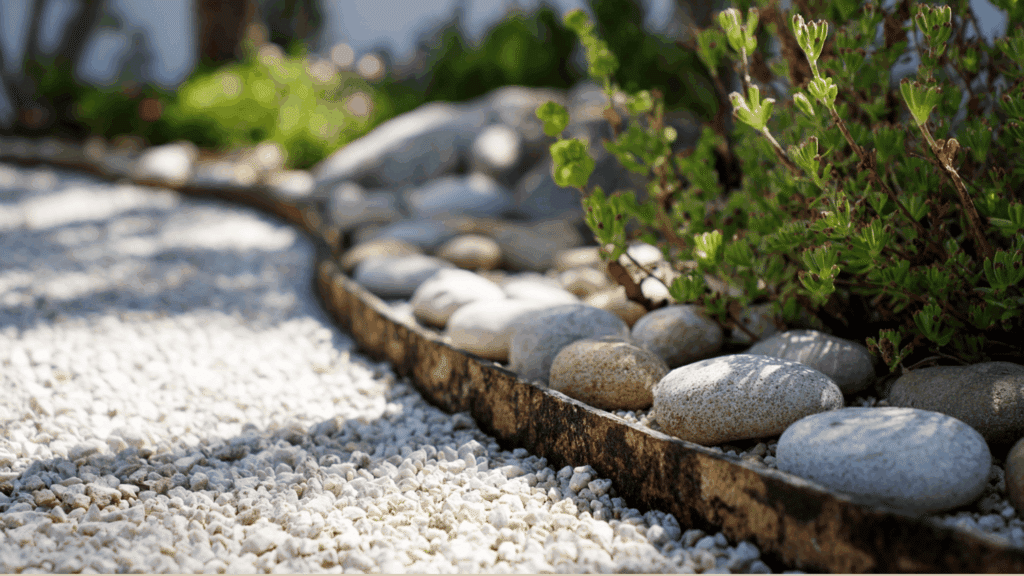
Gravel with stone caps combines texture and structure while maintaining an organic appearance.
Gravel fills define edges softly, while larger stones act as subtle restraints. This edging improves drainage and works well around patios, paths, or garden beds.
The mix of materials adds depth without overpowering natural surroundings, keeping the look grounded and relaxed.
24. Cobblestone Curves
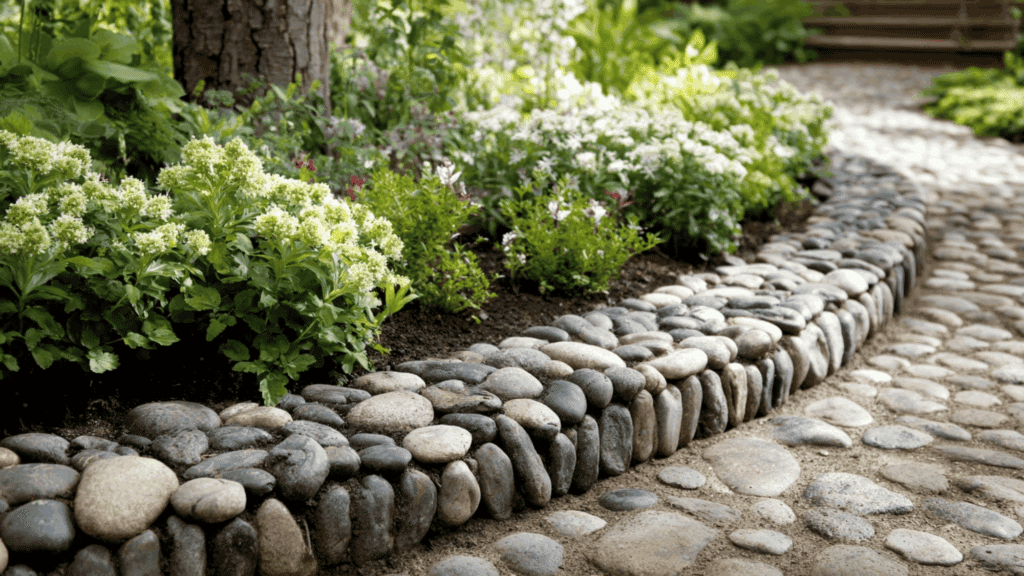
Cobblestone curves create gentle, flowing garden edges that feel timeless and organic. Their rounded shapes and varied tones blend seamlessly with plants and soil.
Curved layouts avoid rigid lines, making spaces feel more natural.
This edging style works beautifully along pathways and flower beds, especially in traditional or cottage-inspired gardens.
25. Dry Creek Beds
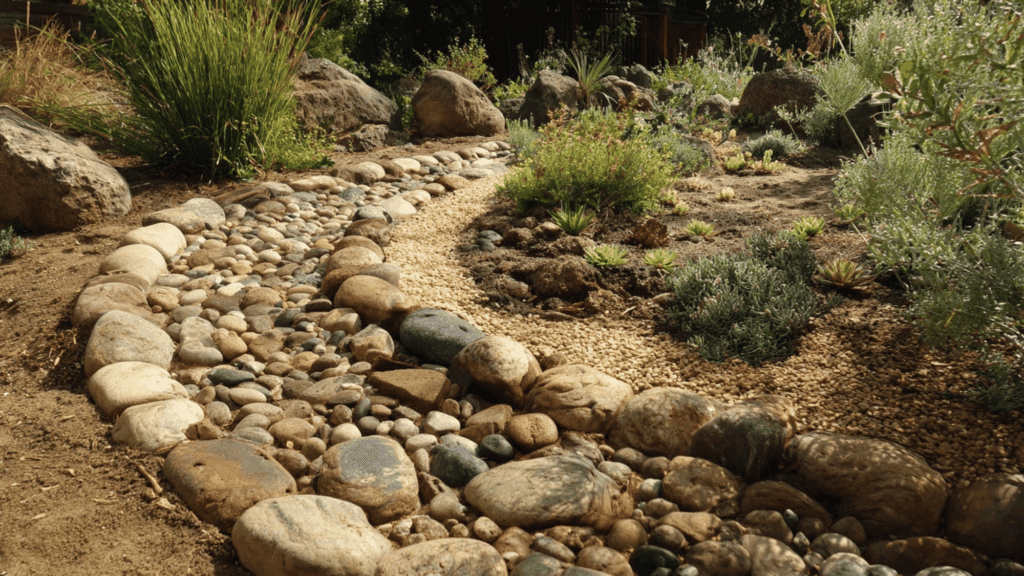
Dry creek beds serve as functional and decorative garden edging inspired by natural waterways.
Stones and gravel arranged in flowing patterns define spaces while improving drainage. This edging adds movement and texture, especially in sloped gardens.
When paired with native plants, dry creek beds enhance the organic feel and create a dynamic landscape feature.
26. Slate Tile Accents
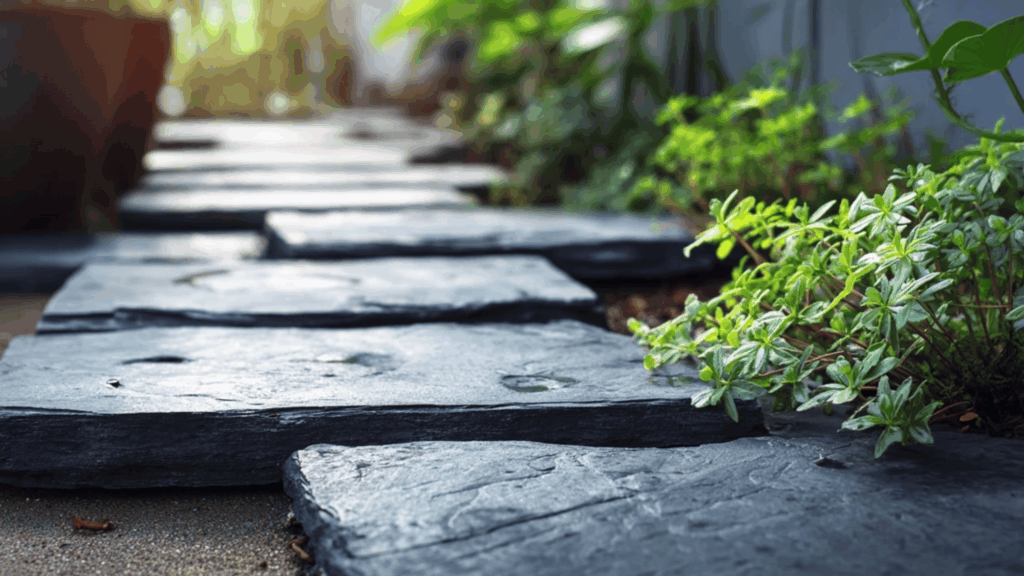
Slate tile accents offer a subtle, earthy edging option with natural color variation.
Set irregularly, slate maintains an organic appearance while providing durability. Its flat profile works well along paths and beds without dominating the design.
When combined with greenery and ground cover, slate edges feel refined yet naturally integrated into the landscape.
27. Driftwood Arrangements
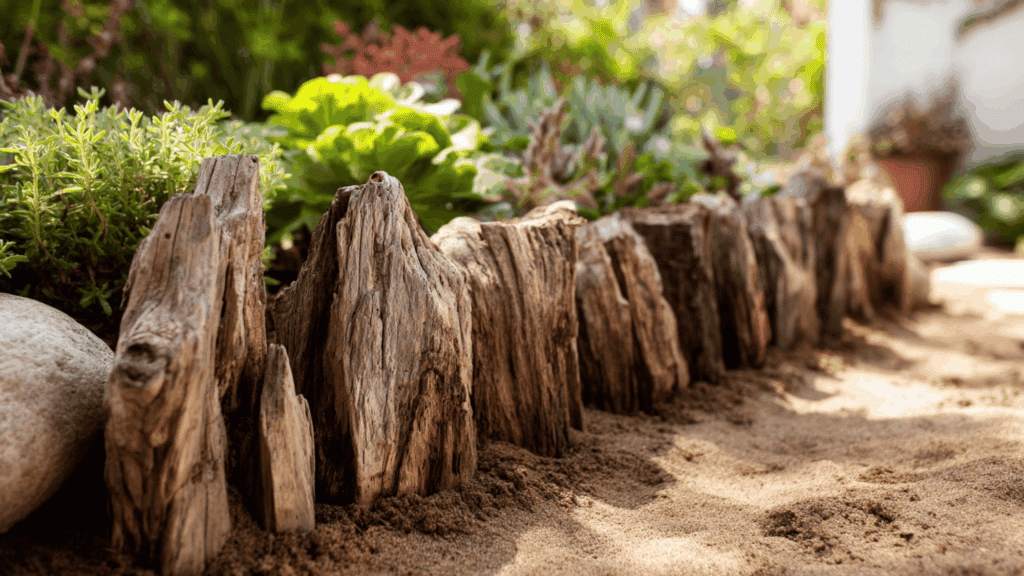
Driftwood arrangements bring coastal, weathered charm to garden edges. Their unique shapes and textures create artistic, organic borders that feel as if they were collected from nature.
Driftwood works best in informal gardens, blending seamlessly with sand, gravel, and plants. Over time, the wood weathers further, enhancing its natural, aged character.
28. Broken Stone Mosaics
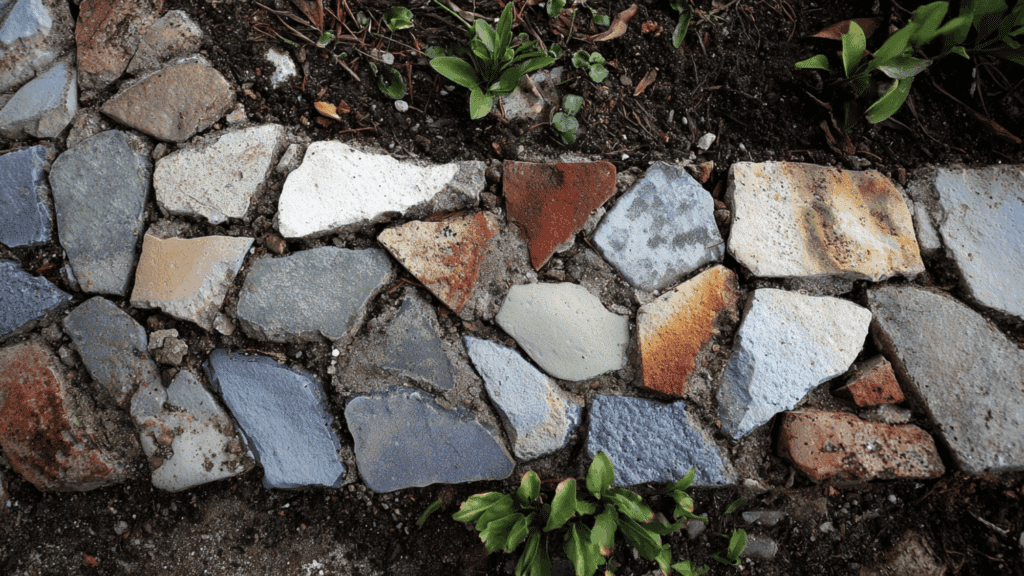
Broken stone mosaics create creative, organic edging with a handcrafted feel.
Irregular pieces fit together naturally, forming textured borders that are not uniform. This edging style allows for artistic expression while maintaining an earthy aesthetic.
It works well in small garden areas or accent borders, adding interest without disrupting the natural flow.
29. Perennial Leafy Frames
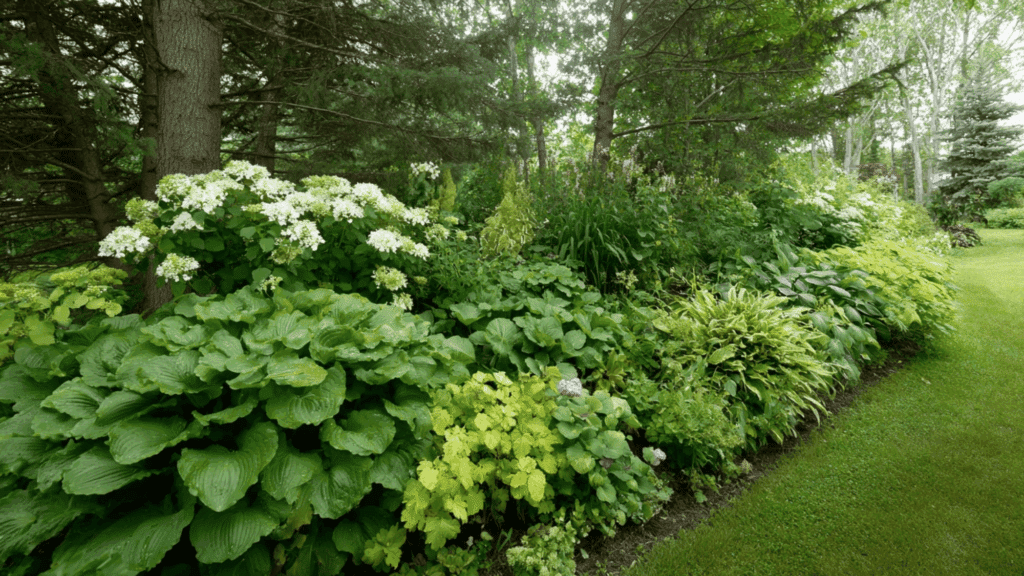
Perennial leafy frames use dense foliage plants to define garden edges naturally.
Their consistent growth creates soft boundaries that change subtly through seasons. This edging style offers structure without hard materials, making gardens feel lush and cohesive.
Perennials work especially well along paths and beds where a living, organic edge is desired.
30. Earth Berm Swells
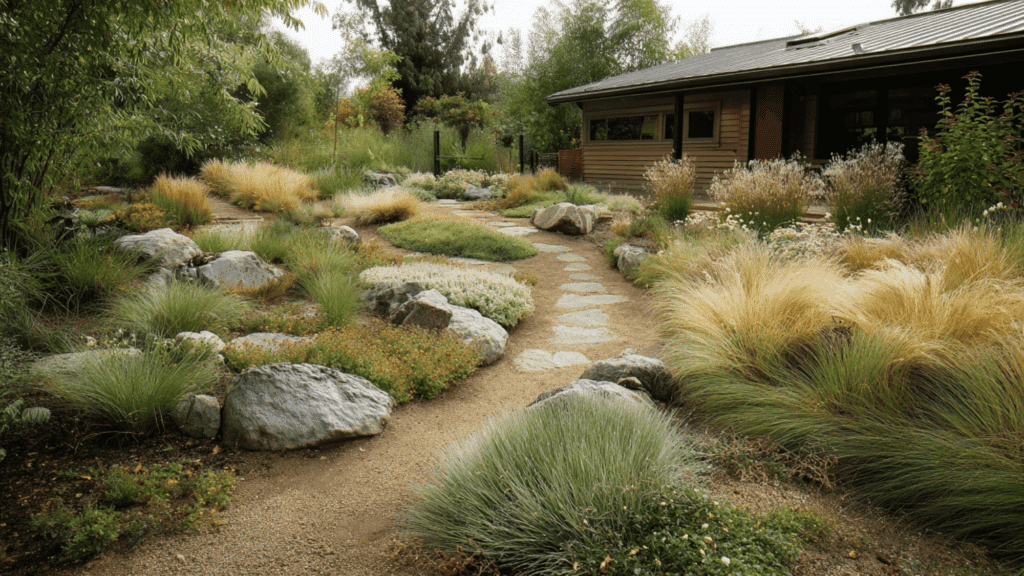
Earth berm swells form gentle, raised soil edges that feel completely natural. These subtle mounds define spaces while improving drainage and visual depth.
Berms blend seamlessly into landscapes, especially when planted with grasses or ground cover.
This edging approach suits large, natural gardens where minimal materials and organic shapes are preferred.
31. Terracotta Tile Rims
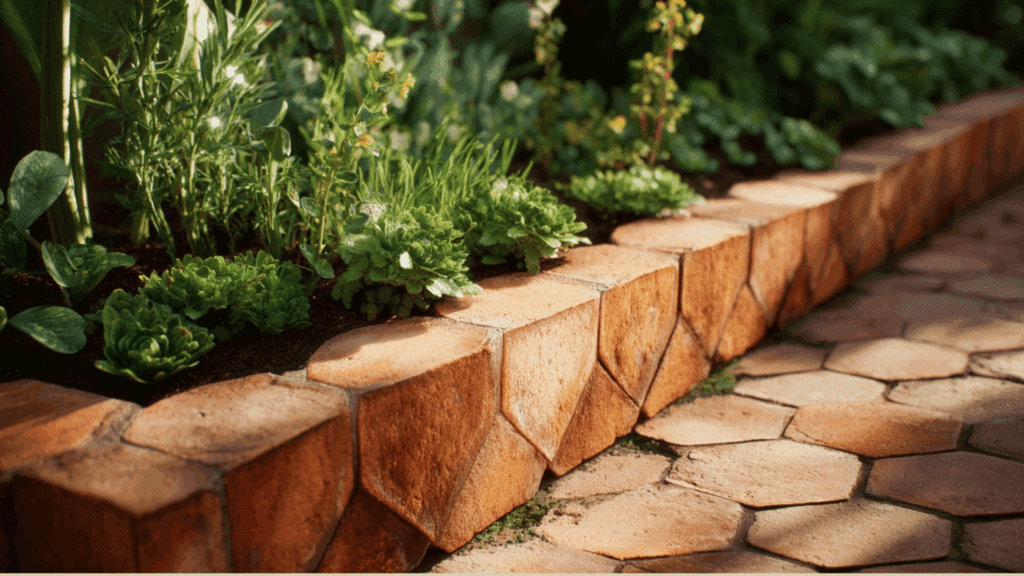
Terracotta tile rims add warm, earthy tones to garden edges while maintaining an organic feel.
When partially buried, tiles blend naturally with soil and plants. Their natural clay texture complements greenery and flowers beautifully.
This edging works well in Mediterranean or cottage gardens, offering subtle structure without appearing overly formal.
32. Sandstone Slab Edges
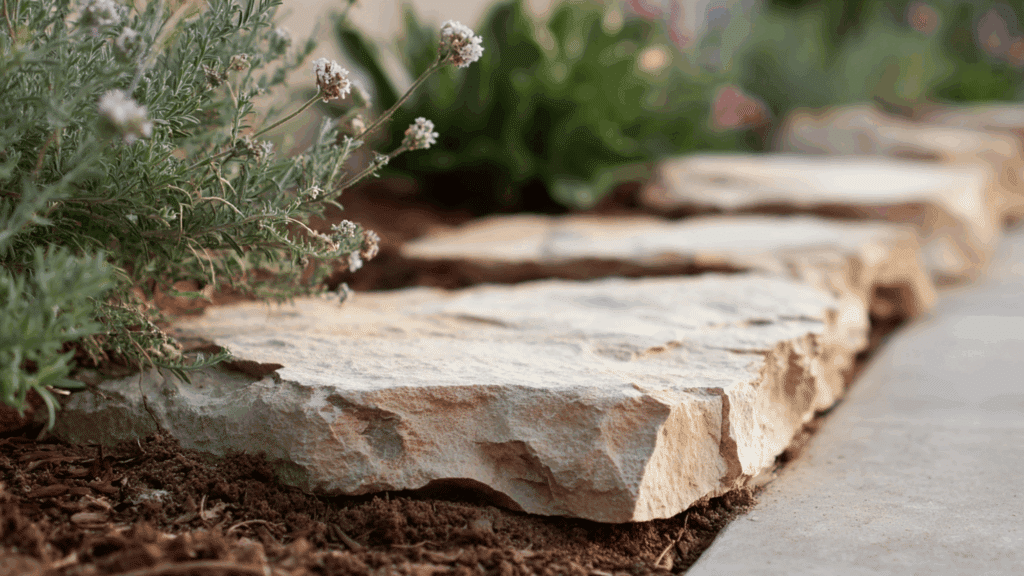
Sandstone slab edges provide soft color variation and natural texture for garden borders. Their flat surfaces define spaces gently while blending into the landscape.
Sandstone works well in curved layouts and pairs beautifully with native plants.
Over time, weathering enhances its organic appearance, making it a timeless choice for natural gardens.
33. Soft Soil Trenches
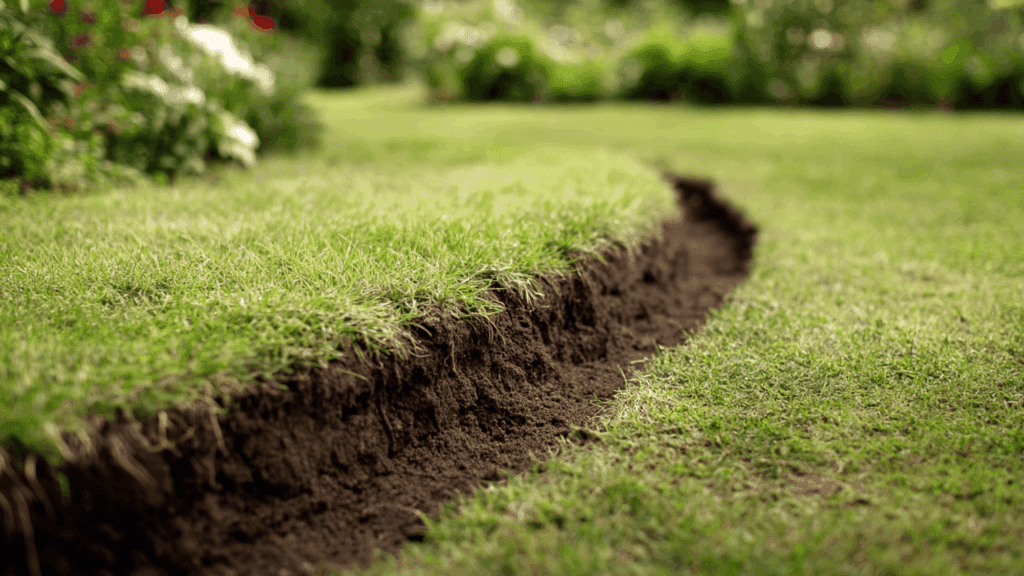
Soft soil trenches create minimalist, material-free garden edging.
A shallow cut between the lawn and the bed defines the boundary while maintaining a natural look. This edging requires occasional maintenance but offers unmatched simplicity.
It works best in informal gardens where clean lines are desired without introducing artificial materials or disrupting the organic flow.
How to Choose the Right Garden Edging for Your Landscape
Picking the right edging depends on budget, yard style, and how much effort someone wants to put in.
- Match the Home’s Style: Rustic properties look great with stone or wood, while modern homes suit metal or concrete.
- Consider the Budget: Plastic and rubber offer affordable options, but stone and metal last longer despite higher costs.
- Think About Installation: Some edging just pushes into soil, while brick or stone needs digging and more effort.
- Check Durability Needs: High-traffic areas require sturdy materials, such as steel or pavers, that won’t shift or crack.
- Factor in Maintenance: Wood requires sealing and eventual replacement, but stone and metal hold up with minimal care.
- Assess Flexibility: Curved garden beds work best with bendable materials such as plastic or aluminum strips.
Wrapping Up
Garden edging transforms yards from forgettable to finished. It’s one of those small changes that makes a big difference; cleaner lines, less maintenance, and a landscape that actually looks planned out.
With options to pick from, there’s something that’ll work for any property, whether it’s a cottage garden needing weathered brick or a contemporary space calling for sleek aluminum.
The right choice comes down to personal taste, how much time there is for upkeep, and what the wallet allows.
Installing edging might take a weekend, but it’ll save hours of trimming and weeding down the road. A well-edged yard just works better.